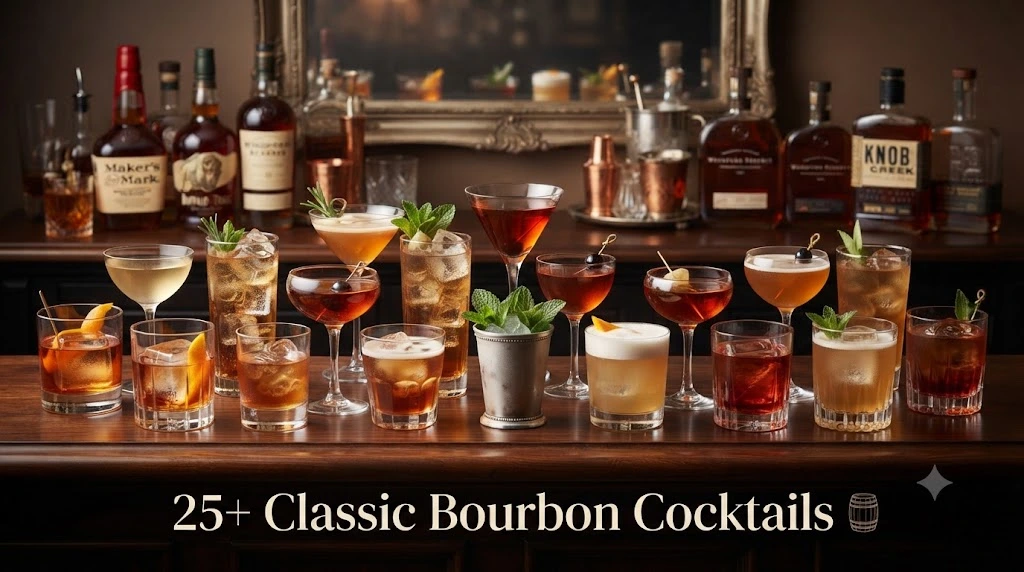
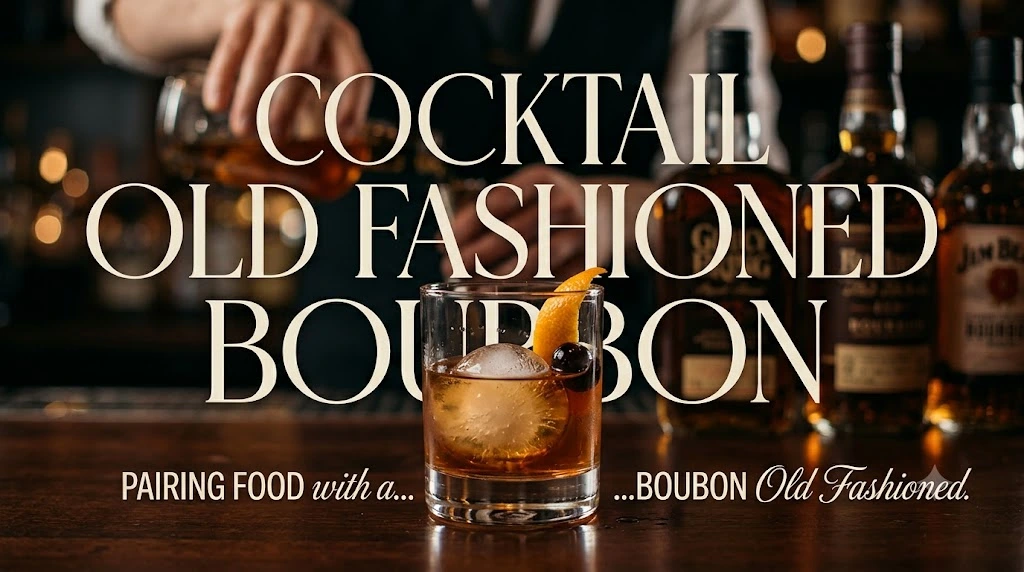
Picture this: it’s late evening, the bar lights are low, and someone slides a heavy glass across the counter toward you. Inside sits a single large ice cube, a deep amber liquid, and a curl of orange peel resting on top like a small piece of art. You take a sip and immediately understand why this drink has outlived nearly every trend that’s come after it. That’s the pull of a cocktail old fashioned made with bourbon, and once you learn how to build one properly, you’ll never look at a whiskey drink the same way again.
This guide covers everything worth knowing about this timeless cocktail, from the tools you need to the mistakes that quietly ruin it. Whether you’re ordering one at a bar for the first time or building your home setup, you’ll walk away knowing exactly what separates a great pour from an average one.
What Makes This Cocktail an Old Fashioned
The name isn’t just clever branding. It genuinely refers to the “old fashioned” way of building a cocktail, which means spirit, sugar, bitters, and a bit of water, nothing more. This four-part formula predates almost every modern cocktail technique.
What sets a bourbon version apart from other whiskey styles is the sweetness bourbon naturally carries. Because bourbon must legally contain at least 51 percent corn in its mash bill, it brings caramel, vanilla, and toasted oak notes that pair beautifully with the sugar and bitters already in the recipe.
A properly made version should never taste harsh or overly boozy. If it does, something in the ratio is off, and that’s usually a sign the bartender rushed the process.
A Short History of the Old Fashioned Cocktail
This drink has roots stretching back to the early 1800s, when the word “cocktail” itself was first defined in print as a mixture of spirits, sugar, water, and bitters. That original definition is essentially describing exactly what you’re drinking today.
By the late 1800s, bartenders started adding fancier ingredients like absinthe, curaçao, and fruit to cocktails. Traditionalists at Louisville’s Pendennis Club reportedly pushed back, requesting their whiskey be mixed “the old fashioned way,” and the name eventually stuck.
Knowing this backstory isn’t just trivia. It explains why purists get particular about ingredients, since straying too far from the original four components technically creates a different drink entirely, even if it’s still delicious.
Why Bourbon Is the Classic Choice
While rye whiskey is a popular alternative, bourbon remains the most common base for this cocktail, and there’s a good reason for that. Its natural sweetness works in harmony with the added sugar instead of fighting against it.
Bourbon also tends to have a rounder, softer mouthfeel compared to rye’s sharper spice, which makes it more approachable for people who are newer to whiskey cocktails. That said, experienced drinkers often keep both styles on hand depending on their mood.
Expert tip: if you’re introducing a whiskey-hesitant friend to this cocktail, always start with bourbon rather than rye. The sweetness makes the whiskey flavor feel less intimidating.
Essential Bar Tools You’ll Need
You don’t need an elaborate home bar setup to make this cocktail correctly, but a few specific tools make a noticeable difference.
- A muddler, for gently pressing sugar and bitters together.
- A bar spoon, ideally long-handled, for proper stirring technique.
- A jigger, to measure bourbon accurately instead of eyeballing it.
- A peeler or paring knife, for cutting clean citrus twists.
- A large ice mold, since standard cube trays melt too quickly.
None of these tools are expensive, and most cost under fifteen dollars each. Investing in them once pays off every single time you make this drink afterward.
The Right Glassware for an Old Fashioned
Presentation matters more than people assume, and this cocktail actually has a glass named after it for good reason. The traditional rocks glass, sometimes called a lowball or Old Fashioned glass, is short, wide, and heavy at the base.
The wide mouth allows room for a large ice cube while still leaving space to swirl or nose the drink before sipping. A narrow glass, by contrast, traps aromas awkwardly and makes stirring more difficult.
If you don’t own a proper rocks glass yet, any short, sturdy tumbler will work in a pinch. Just avoid anything too tall or narrow, since it changes how the drink dilutes and how the aromas reach your nose.
Step-by-Step Recipe
Here’s the build, explained in a way that actually makes sense the first time you try it.
You’ll need:
- 2 ounces bourbon
- ½ ounce simple syrup (or 1 sugar cube)
- 2 dashes Angostura bitters
- Orange peel
- 1 large ice cube
Method: Add the simple syrup and bitters to your glass first. Pour in the bourbon, then add your ice cube. Stir for roughly 20 seconds, just enough to chill and slightly dilute the drink without watering it down. Finish by expressing the orange peel over the top, twisting it to release the citrus oils, then dropping it in.
That entire process takes under two minutes once you’ve done it a handful of times.
How to Choose Your Bourbon
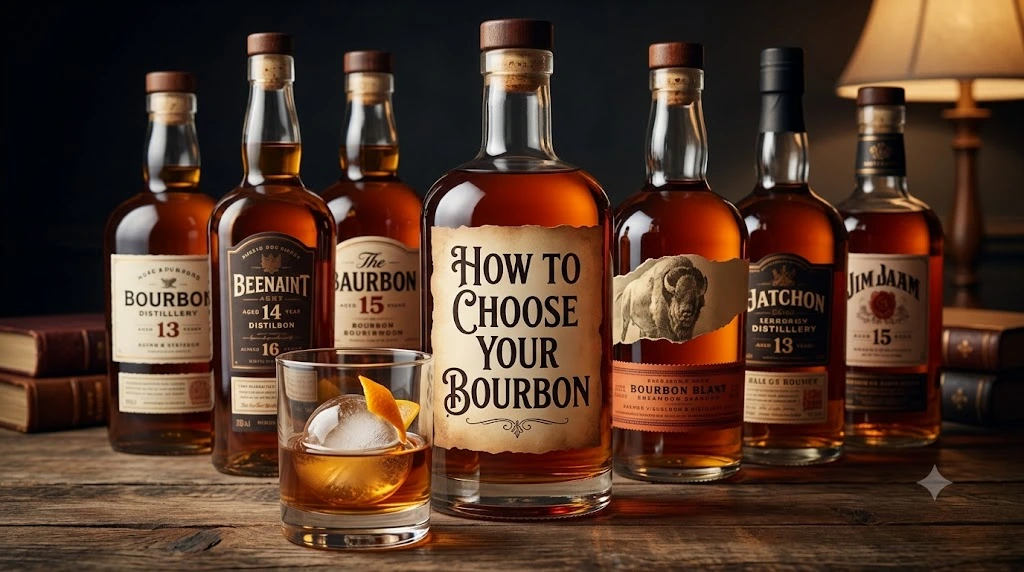
Not every bottle on the shelf behaves the same way once it meets sugar, bitters, and ice. Some bourbons practically disappear, while others hold their character through every sip.
Look for something in the 90 to 100 proof range, since lower-proof bourbons often get lost after dilution. Bottles with a noticeable oak or spice profile, rather than an overly delicate or floral one, tend to perform best.
Common mistake: grabbing the most expensive bottle in your collection for a cocktail. Subtle, nuanced bourbons are better enjoyed neat, where their complexity isn’t competing with sugar and bitters.
The Role of Sugar and Sweeteners
Sugar isn’t there to make the drink sweet in an obvious way. Its real job is to soften bourbon’s natural heat and round out the sharper edges of the alcohol.
Simple syrup and sugar cubes are the two most common options, and each has a slightly different texture outcome. Simple syrup blends instantly, while sugar cubes require thorough muddling to fully dissolve.
Some bartenders use demerara syrup instead, which has a deeper, molasses-like flavor that pairs especially well with richer, higher-proof bourbons. It’s worth trying if you find the classic version a touch too clean-tasting for your preference.
Bitters Explained
If sugar softens the drink, bitters are what give it personality. Just a couple of dashes completely change the character of the cocktail, adding warmth, spice, and complexity that would otherwise be missing.
Angostura bitters remain the standard choice, known for their notes of clove, cinnamon, and dried fruit. Orange bitters offer a lighter, citrus-forward alternative, while chocolate or walnut bitters bring a richer, dessert-like quality.
Recommendation: keep at least two types of bitters in your home bar. Angostura for the classic build, and a second variety like orange or chocolate bitters for when you want to experiment.
Perfecting Your Citrus Garnish
The garnish on this cocktail isn’t optional decoration. It plays an active role in how the drink smells and tastes from the very first sip.
Cut a wide strip of orange peel, avoiding too much of the bitter white pith underneath. Hold it above the glass, then twist firmly to release a fine mist of citrus oil onto the surface of the drink.
Rub the peel gently around the rim of the glass before dropping it in. This simple step ensures every sip carries a hint of that bright citrus aroma alongside the bourbon.
Ice: The Most Underrated Ingredient
Most people think of ice as an afterthought, but it genuinely shapes how this cocktail evolves in your glass over time. A single large cube melts slowly, keeping the drink cold without diluting it too fast.
Smaller ice cubes, by contrast, melt quickly and can turn a well-balanced cocktail watery within minutes. If you’re serious about making this drink regularly, investing in a large ice cube mold is one of the best small upgrades you can make.
Expert tip: freeze filtered water instead of tap water for your ice cubes. Clearer ice not only looks better but also melts slightly slower than cloudy, mineral-heavy ice.
Common Ordering Mistakes at Bars
If you’re ordering this cocktail out rather than making it at home, a few small details help you get exactly what you want.
- Specify your preferred bourbon if you have one, since bartenders will often default to their house well pour.
- Ask for it stirred, not shaken, since shaking bruises the drink and adds unwanted air bubbles.
- Request one large ice cube if the bar offers it, since some default to smaller cubes unless asked.
- Clarify if you want it less sweet, since sugar levels vary significantly between bars.
These small requests take seconds to communicate but make a real difference in the final drink you receive.
Old Fashioned Variations Worth Trying
Once you’re comfortable with the classic build, a few variations are worth exploring without straying too far from the original spirit of the drink.
The smoked version uses a wood chip smoking technique to add a campfire-like aroma. The maple Old Fashioned replaces simple syrup with real maple syrup for a deeper, earthier sweetness that works especially well in colder months.
A spiced variation incorporates a dash of cinnamon bitters or a cinnamon stick garnish, giving the drink a warmer, more autumnal character without changing the core formula.
Non-Alcoholic and Low-ABV Alternatives
Not everyone wants the full alcohol content every time, and that’s become a completely normal request at most modern bars. Non-alcoholic whiskey alternatives have improved significantly in recent years, offering enough spice and oak character to mimic the real thing.
To build a non-alcoholic version, simply swap the bourbon for a non-alcoholic whiskey alternative and follow the same sugar, bitters, and citrus steps exactly. The technique matters just as much as the spirit itself.
Recommendation: if you’re hosting guests with mixed preferences, prepare both versions side by side using the same glassware and garnish, so nobody feels like they’re settling for a lesser drink.
Hosting an Old Fashioned Tasting at Home
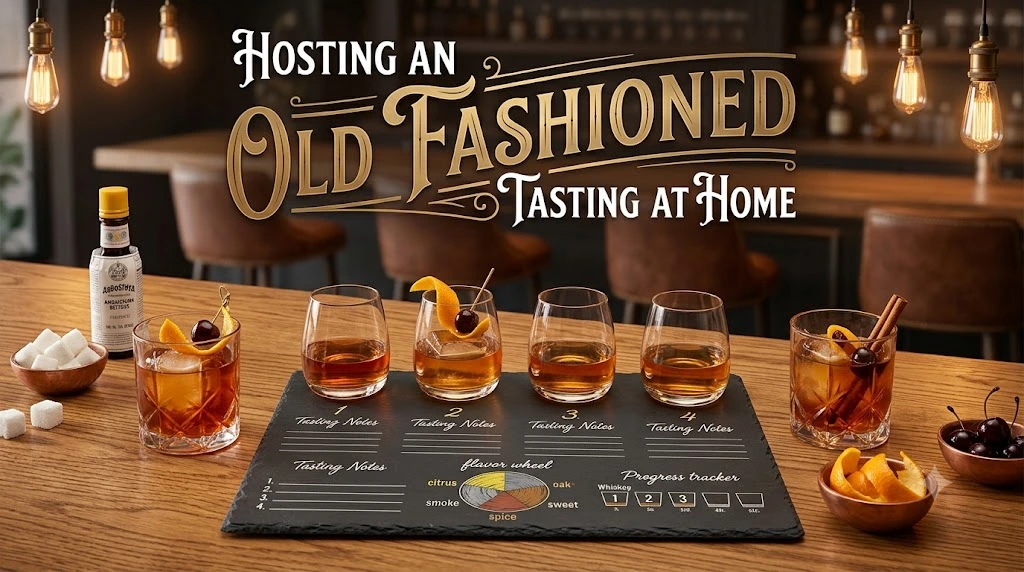
If you really want to impress guests, consider setting up a small tasting flight featuring two or three different bourbons made into identical cocktails. This lets everyone compare how proof, mash bill, and age affect the final drink.
Keep the sugar, bitters, and citrus consistent across each pour, changing only the bourbon itself. This isolates the variable and creates genuinely interesting conversation around the table.
Label each glass discreetly so guests can guess which bourbon they’re tasting before revealing the answer. It’s a simple setup that turns a regular evening into something memorable.
Conclusion
A cocktail old fashioned made with bourbon isn’t complicated, but it does reward attention to detail. The right proof, the right ice, a properly expressed citrus peel, and a patient stir all add up to something far greater than the sum of its four ingredients.
Once you understand why each component matters, you’ll never make it carelessly again, and you’ll probably start noticing when a bar gets it wrong too. That’s the mark of a drink worth learning properly: it changes how you experience every future version of it.
Frequently Asked Questions
What bourbon is best for a classic Old Fashioned cocktail?
A bourbon between 90 and 100 proof with noticeable oak and spice notes works best, since it holds its character through dilution. Buffalo Trace and Four Roses Single Barrel are both reliable, widely available choices.
Is an Old Fashioned shaken or stirred?
It should always be stirred, never shaken. Shaking introduces unwanted air bubbles and dilutes the drink too quickly, while stirring chills it gently without disrupting its texture.
What glass do you serve a bourbon Old Fashioned in?
It’s traditionally served in a rocks glass, also called a lowball or Old Fashioned glass, which is short, wide, and heavy at the base to accommodate a large ice cube.
Can you make an Old Fashioned without sugar?
You can, but the drink will taste noticeably sharper and less balanced. Sugar plays a key role in softening bourbon’s heat and rounding out the overall flavor.
What is the difference between a bourbon Old Fashioned and a whiskey Old Fashioned?
A whiskey Old Fashioned is a broader term that can include rye, bourbon, or blended whiskey, while a bourbon Old Fashioned specifically uses bourbon, resulting in a sweeter, rounder flavor profile.
How strong is a bourbon Old Fashioned cocktail?
With roughly 2 ounces of 90 to 100 proof bourbon, the drink typically sits around 30 percent alcohol by volume, making it one of the stronger classic cocktails despite its small serving size.
What’s the best way to make an Old Fashioned less sweet?
Reduce the simple syrup slightly, from half an ounce down to a quarter ounce, and increase the bitters by one dash. This keeps the drink balanced while cutting back on overall sweetness.