
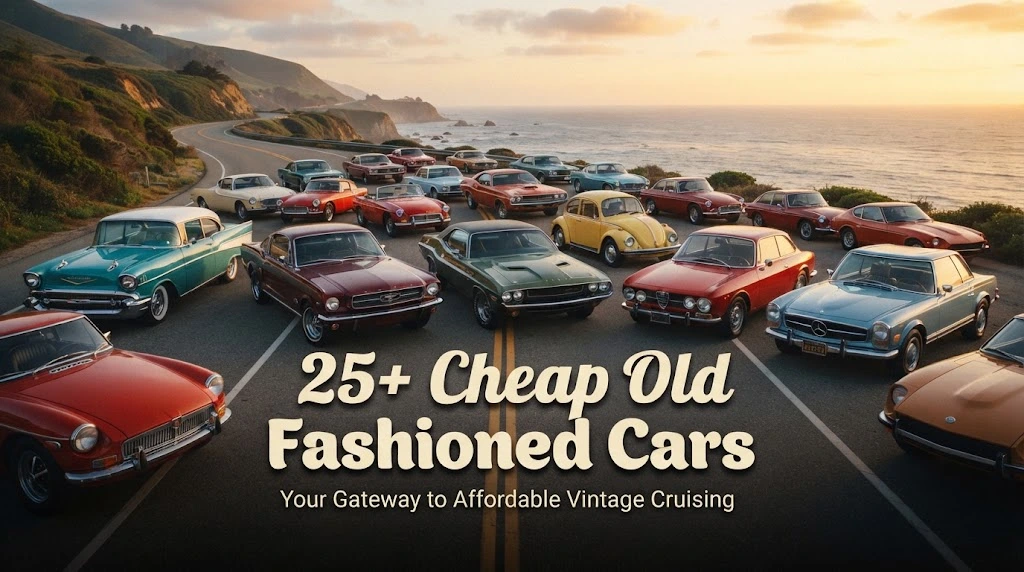
There’s a certain kind of daydream a lot of us have had. You’re scrolling through old car photos, and suddenly you spot it — a boxy old sedan with chrome bumpers, or a muscle car with a hood scoop the size of a suitcase. Something in your chest tightens a little. You think, “I could actually own one of these.” And then reality kicks in: classic cars are expensive, right? Not always. Not even close, actually.
I’ve spent years around classic car meets, swap lots, and estate sales, and I can tell you firsthand that owning a piece of automotive history doesn’t require a six-figure bank account. Plenty of cheap old fashioned cars are sitting in driveways, barns, and online listings right now, waiting for someone willing to put in a little effort. This guide covers exactly how to find them, what to expect, and how to avoid the mistakes that turn a cheap dream car into an expensive nightmare.
What Counts as a “Cheap Old Fashioned Car”?
Before diving into specific models, it helps to define what “cheap” actually means in the classic car world. Prices swing wildly based on condition, rarity, and region, so a number that sounds cheap in one market might be a steal — or a rip-off — in another.
Generally, car enthusiasts consider anything under $15,000 to be an affordable entry point into classic car ownership. Within that range, you’ll find three rough categories:
- Project cars — need significant work, often priced under $5,000.
- Daily-drivable classics — run and drive but show wear, typically $5,000 to $10,000.
- Clean, well-kept originals — minor imperfections but mechanically solid, usually $10,000 to $15,000.
The term “old fashioned car” usually refers to vehicles from the 1940s through the early 1990s, though the sweet spot for affordability tends to be cars from the 1960s through the 1980s. Anything pre-war is rare enough that prices climb fast, even for rough examples.
Why Buy an Old Fashioned Car Instead of a New One?
This isn’t just about nostalgia, though that’s part of it. Old cars offer something modern vehicles genuinely can’t replicate.
Older cars are mechanically simpler. No computer modules, no complicated sensors — just an engine, a transmission, and parts you can actually see and touch when you pop the hood. That simplicity means many repairs can be done in a home garage with basic tools.
There’s also the value angle. Unlike new cars, which lose a huge chunk of their value the moment they leave the lot, many classic cars hold their value or even appreciate over time. A well-maintained classic bought at a fair price rarely turns into a financial loss the way a brand-new sedan does.
And honestly, driving one just feels different. There’s no lane-assist beeping at you, no screen distracting you. It’s you, the road, and a machine that demands your attention in the best way.
Best Cheap Classic Cars Under $10,000
If you’re working with a mid-range budget, you have more options than you might expect. These models are known for being both affordable and relatively easy to maintain.
- Ford Mustang (Fox Body, late 1970s–1980s) — plentiful parts availability and strong community support.
- Chevrolet Nova (1970s) — simple mechanics, easy to work on, and shares parts with other GM models.
- Volkswagen Beetle (Classic, pre-1980) — air-cooled engines are famously simple and cheap to maintain.
- Datsun 510 — a favorite among enthusiasts for its lightweight design and rally-inspired handling.
- Buick Regal (1980s) — comfortable, spacious, and often overlooked, which keeps prices low.
Expert tip: Cars with large fan clubs and active online forums are almost always cheaper to maintain long-term, simply because parts and knowledge are easier to find.
Best Cheap Classic Cars Under $5,000
If your budget is tighter, don’t worry — there are still solid options, though you’ll likely need to accept some cosmetic flaws or minor mechanical work.
- Chevrolet Chevette — not glamorous, but cheap, simple, and easy to fix.
- Ford Fairmont — a practical, boxy sedan with a loyal but small fan base, which keeps prices low.
- AMC Concord — often overlooked entirely, meaning you can sometimes negotiate well below asking price.
- Dodge Dart (1970s) — known for reliability and a huge aftermarket parts network.
- Plymouth Valiant — shares many parts with the Dart, making repairs affordable.
These aren’t the flashiest cars on this list, but that’s exactly why they’re affordable. Less demand means lower prices, and for many of these models, parts are still surprisingly easy to find.
Where to Find Cheap Old Fashioned Cars for Sale
Finding the right car often matters more than the model itself. A great car from a bad seller can turn into a nightmare, while a rough car from an honest seller can be a fantastic deal.
Here are the most reliable places to look:
- Local classic car clubs — members often know who’s selling before it hits the open market.
- Facebook Marketplace and Craigslist — great for local deals, but always inspect in person.
- Estate sales and auctions — sometimes yield underpriced gems from owners who passed away or downsized.
- Barn find groups and forums — dedicated communities where people list project cars found in garages and barns.
- Salvage yards and dealer auctions — riskier, but occasionally have surprisingly clean, cheap classics.
My personal advice? Join a local car club even if you don’t own a classic yet. The relationships you build there are worth more than any listing site, because people trust selling to someone they’ve met in person.
How to Inspect a Classic Car Before Buying
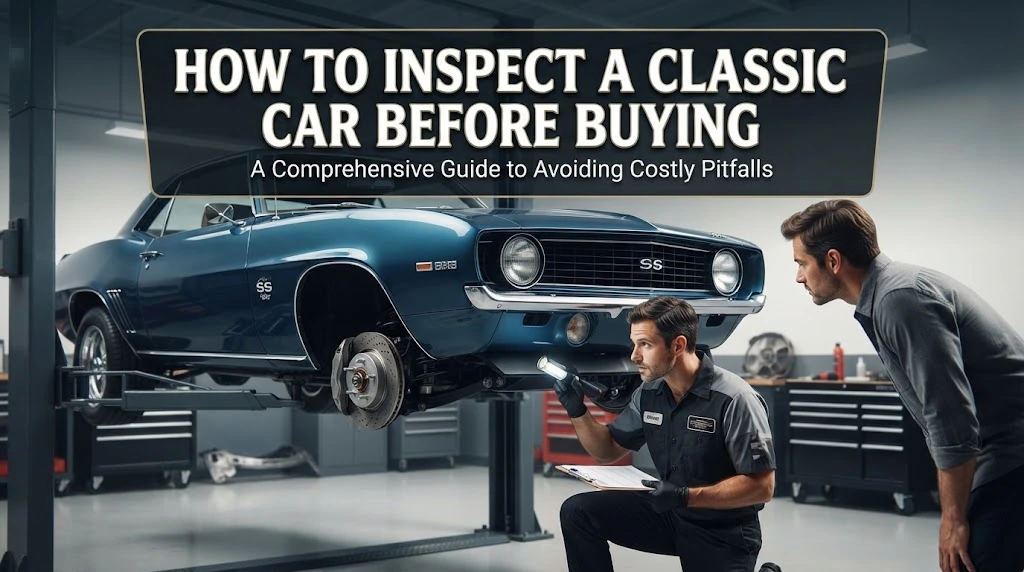
This step separates a smart buyer from someone who gets stuck with a money pit. Never skip a proper inspection, no matter how good the price looks online.
Check these areas first:
- Rust — check the frame, floor pans, wheel wells, and trunk. Surface rust is fine; structural rust is a dealbreaker.
- Engine compartment — look for fresh oil leaks, corroded wiring, and mismatched or missing parts.
- Compression test — a simple test that reveals engine health far better than just listening to it run.
- Undercarriage — get underneath the car if possible. This is where hidden damage usually hides.
- Title status — always confirm the title is clean, not salvage or rebuilt, unless you’re specifically buying a project car.
If you’re not mechanically confident, bring a friend who is, or hire a mobile mechanic to inspect it before you commit. Spending $100 on an inspection can save you thousands down the road.
Common Mistakes Buyers Make When Buying Old Cars Cheap
I’ve watched friends make these mistakes firsthand, and honestly, I’ve made a couple myself early on.
- Falling in love before inspecting. Emotional buying leads to overlooking obvious red flags.
- Ignoring parts availability. A cheap, rare car can become expensive fast if parts are hard to find.
- Skipping a test drive. Even a short drive reveals transmission issues, alignment problems, or strange noises.
- Trusting “runs great” without proof. Always ask for a demonstration, not just a verbal claim.
- Underestimating restoration costs. Small issues often hide bigger ones underneath.
The biggest lesson here is patience. The right cheap classic car will come along. Rushing into the first listing you see almost always costs more in the long run.
Hidden Costs of Owning an Old Fashioned Car
The purchase price is just the beginning. Old cars come with ongoing costs that catch a lot of first-time buyers off guard.
- Fuel type — some older engines require higher-octane fuel or specific additives for engines not designed for modern gasoline blends.
- Specialty parts — certain components aren’t available at regular auto parts stores and may need to be sourced from specialty suppliers.
- Storage — old cars are more sensitive to weather exposure, so a garage or covered space is almost essential.
- Tires — classic-sized tires can cost more than modern ones due to lower demand and production runs.
- Labor costs — not every mechanic works on classic cars, and specialists often charge more per hour.
None of these costs are deal-breakers, but budgeting for them upfront prevents unpleasant surprises after the purchase.
Classic Car Insurance: What to Expect
Insuring an old fashioned car works differently than insuring a daily driver, and understanding this can actually save you money.
Most classic cars qualify for agreed value insurance, which means you and the insurer agree on the car’s value upfront, rather than relying on depreciation-based valuations. This protects you from being underpaid in the event of a total loss.
Classic car insurance is often cheaper than standard auto insurance, mainly because these cars are typically driven less. Most policies come with mileage limits, usually ranging from 1,000 to 7,500 miles per year, so this isn’t the right coverage for a daily commuter car.
Expert tip: Keep detailed photos and receipts of any upgrades or restoration work. Insurers use this documentation to justify a higher agreed value.
Restoring vs Buying Already-Restored: Which Is Cheaper?
This is one of the biggest decisions a buyer faces, and the honest answer is: restoration is rarely cheaper, even though the upfront cost looks lower.
Buying a project car feels cheaper initially, but labor, parts, and unexpected issues add up fast. It’s common for restoration costs to exceed the price of buying an already-finished car of the same model.
Buying already restored costs more upfront, but you skip months (or years) of labor, and you know exactly what you’re getting.
If you enjoy hands-on work and see restoration as a hobby rather than a means to an end, a project car can be deeply rewarding. But if your main goal is simply owning and driving a classic car soon, buying one that’s already restored is almost always the more cost-effective choice.
Best Decades for Affordable Classic Cars
Not all decades are priced equally, and knowing which eras tend to be more affordable can guide your search.
- 1970s — often the sweet spot; classic looks with more affordable prices than 1960s muscle cars.
- 1980s — boxy, practical designs that are still undervalued by many collectors, meaning lower prices.
- Early 1990s — starting to gain classic status, and prices remain relatively low for now.
- 1960s — desirable but pricier, especially muscle cars and convertibles.
If your goal is pure affordability, the 1970s and 1980s offer the best balance of character, availability, and low prices. Muscle cars from the 1960s look amazing, but that same appeal drives prices up significantly.
American vs European vs Japanese Classic Cars: Which Is More Affordable?
Origin plays a big role in both price and long-term maintenance costs.
American classics tend to have the most affordable parts and widest support network, thanks to decades of domestic production and enthusiast culture.
European classics often carry higher price tags for parts and labor, even for relatively common models, since fewer mechanics specialize in them locally.
Japanese classics, especially from the 1970s and 1980s, are becoming increasingly popular and, as a result, prices are climbing steadily. They still offer excellent affordability compared to European counterparts, but that gap is narrowing.
If affordability is your top priority, American classics from mainstream manufacturers remain the safest and cheapest long-term option.
How to Negotiate the Price of an Old Car
Negotiating a classic car deal is different from negotiating a modern used car. Sellers are often emotionally attached, so approach and tone matter more than aggressive tactics.
- Do your research first. Know the average price for that specific model and condition before making an offer.
- Point out real issues respectfully. Mention rust, missing parts, or mechanical concerns without being harsh about it.
- Offer a fair, not lowball, price. Classic car sellers often walk away from insulting offers, even if they’re desperate to sell.
- Be ready to walk away. Genuine willingness to leave often results in a better final offer from the seller.
- Ask about paperwork and history. Sellers with full documentation often accept lower offers in exchange for a smooth, fast sale.
Building rapport goes a long way here. Many classic car sales happen because the buyer showed genuine appreciation for the car, not just because the price was right.
Maintenance Tips to Keep an Old Fashioned Car Running Cheaply
Owning a classic car doesn’t have to drain your wallet if you stay proactive instead of reactive.
- Drive it regularly. Cars that sit too long develop more issues than cars driven consistently.
- Learn basic maintenance yourself. Oil changes, spark plugs, and belts are simple tasks that save significant labor costs.
- Join online forums for your specific model. Other owners often share cost-saving tips and warn about common issues.
- Buy parts in bulk when possible. Stocking up on commonly replaced parts during sales can save money over time.
- Store it properly. A cover or garage prevents weather damage that leads to expensive repairs later.
The owners who spend the least long-term are almost always the ones who stay consistent with small maintenance tasks, rather than waiting for big problems to appear.
Is Buying a Cheap Old Fashioned Car Worth It?
For most people, yes — as long as expectations are realistic from the start. A cheap classic car won’t feel like a brand-new vehicle, and it will demand more attention and patience than a modern car.
But in exchange, you get character, simplicity, and often a better long-term value retention than most new cars offer. You also join a community of enthusiasts who genuinely enjoy helping each other keep these cars alive.
If you go in with a clear budget, a willingness to learn basic maintenance, and patience during the buying process, a cheap old fashioned car can be one of the most rewarding purchases you make.
Conclusion
Owning a classic car isn’t reserved for people with deep pockets. With the right research, patience, and a willingness to get your hands a little dirty, cheap old fashioned cars are genuinely within reach. The key is knowing where to look, what to inspect, and which hidden costs to plan for before you sign anything. Whether you end up with a rugged American classic or an underappreciated Japanese sedan from the 1980s, the reward is the same — a car with real character, built in an era when driving actually felt like driving.
Frequently Asked Questions
1. What is considered a cheap classic car?
Most enthusiasts consider anything under $15,000 to be an affordable entry point into classic car ownership, with project cars often available for under $5,000.
2. What is the easiest old car to maintain?
Air-cooled Volkswagen Beetles and older Ford or Chevrolet models are among the easiest, mainly due to simple mechanics and widely available parts.
3. Are old cars cheaper to insure than new cars?
Often, yes. Classic car insurance typically costs less than standard auto insurance, though policies usually include annual mileage limits.
4. Is it cheaper to restore a classic car or buy one already restored?
Buying an already-restored car is usually more cost-effective, since restoration labor and unexpected repairs often add up quickly.
5. What decade offers the most affordable classic cars?
The 1970s and 1980s generally offer the best balance of affordability, availability, and classic styling compared to pricier 1960s muscle cars.
6. Where is the best place to find cheap old cars for sale?
Local classic car clubs, online marketplaces, estate sales, and dedicated forums often have better deals than traditional dealerships.
7. Do cheap old fashioned cars hold their value?
Many classic cars hold their value well, and some even appreciate over time, especially when properly maintained and kept original.