I grew up thinking fashion happened somewhere far away, mostly in Paris or Milan, filtered down to us through magazines months later. It wasn’t until I actually started following the industry closely that I realized how much genuinely happens right here at home. Fashion events in America stretch across the entire calendar and the entire country, from red carpet spectacles in New York to swimwear showcases in Miami to regional runway shows in cities most people never associate with fashion at all.
This guide breaks down everything you need to understand about how the American fashion event landscape actually works: the different types of events, what makes each one distinct, how the industry uses them, and how you can actually engage with any of it, whether you’re dreaming of attending in person or just want to follow along more intelligently from home.
What Are Fashion Events in America?
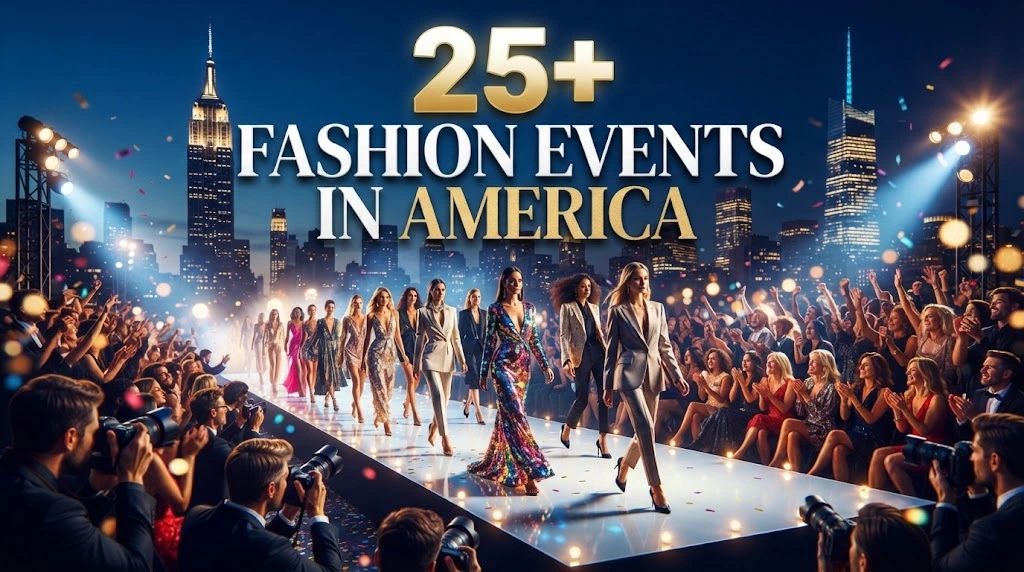
Fashion events in America cover a genuinely wide range of gatherings, all connected by a shared purpose: showcasing clothing, accessories, and the people who create them to buyers, press, and the public.
(cite index=”12-1″>Among industry professionals, there’s a saying that it’s always fashion week somewhere, and that’s honestly not much of an exaggeration</cite>, given how many distinct events fill the American calendar throughout the year. These range from officially sanctioned runway seasons organized by the Council of Fashion Designers of America, to independently produced regional shows, to red carpet galas that have become genuine cultural phenomena beyond the fashion industry itself.
- Runway shows present a designer’s upcoming collection to buyers and press.
- Red carpet events showcase how designers dress celebrities and public figures for major cultural moments.
- Trade shows and markets connect designers directly with retail buyers, away from the public-facing spectacle.
- Awards ceremonies recognize and celebrate individual designers and their contributions to the industry.
Recommendation: Before diving into any single event, understanding which of these broader categories it falls into genuinely helps set accurate expectations for what you’ll actually see and experience.
A Brief History of Fashion Events in America
Understanding where today’s fashion events actually came from helps explain why they’re structured the way they are now.
American fashion events, in their organized, industry-wide form, trace back to the mid-1900s, when the country began building its own distinct fashion identity separate from European influence. The Council of Fashion Designers of America, founded in 1962, eventually became the organizing body behind what evolved into New York Fashion Week, giving American designers a genuine, unified platform to compete on the same international stage as Paris, London, and Milan.
- Early American fashion shows were often smaller, trade-focused presentations rather than the large-scale public spectacles common today.
- The rise of street style photography and social media genuinely transformed fashion events from purely trade-focused gatherings into significant cultural and media moments.
- Specialty events, like swimwear and bridal-focused weeks, emerged later as the industry recognized these categories needed their own distinct platforms and production timelines.
Expert tip: Understanding an event’s origin and organizing body, whether it’s an official CFDA production or an independently run regional show, genuinely helps clarify its actual significance within the broader industry.
The Major Types of Fashion Events You’ll Find in the U.S.
Before exploring specific examples, it’s worth understanding the general categories that make up America’s fashion events landscape.
- Official runway fashion weeks, sanctioned by industry bodies like the CFDA, represent the most commercially and critically significant events.
- Independently produced fashion weeks, run by private companies rather than an official council, exist in cities across the country and often offer more accessible entry points for both attendees and emerging designers.
- Red carpet galas, like the Met Gala, showcase fashion through celebrity styling rather than traditional runway presentations.
- Industry awards shows, like the CFDA Fashion Awards, formally recognize designers and creative talent.
- Specialty showcases, focused on categories like swimwear or bridal wear, cater to specific segments of the industry with their own distinct production calendars.
Recommendation: Identifying which category a specific event falls into before attending or following it closely genuinely helps you understand what to expect, from the level of public access to the overall tone and purpose of the gathering.
New York Fashion Week: America’s Flagship Fashion Event
No discussion of American fashion events can start anywhere except the country’s most internationally recognized runway season.
New York Fashion Week runs twice annually, presenting Fall/Winter collections in February and Spring/Summer collections in September, and traditionally opens the global sequence of major international fashion weeks before London, Milan, and Paris follow. (cite index=”17-1″>New York is widely recognized as the most commercially oriented of the world’s major fashion weeks, known specifically for strong emerging talent</cite>, distinguishing it from its European counterparts.
- The February season showcases heavier, richer collections suited to colder weather.
- The September season presents lighter, warm-weather-appropriate pieces and traditionally kicks off the international fashion month sequence.
- (cite index=”10-1″>Most official designer shows operate through invitation lists, press credentials, and brand-directed access rather than general public ticket sales</cite>, though select independently produced showcases within the broader NYFW schedule do offer public tickets.
Common mistake to avoid: Assuming every show during New York Fashion Week operates the same way. The official CFDA schedule and independently produced showcases happening during the same general week can have genuinely different accessibility levels.
Red Carpet Fashion Events: The Met Gala and Beyond
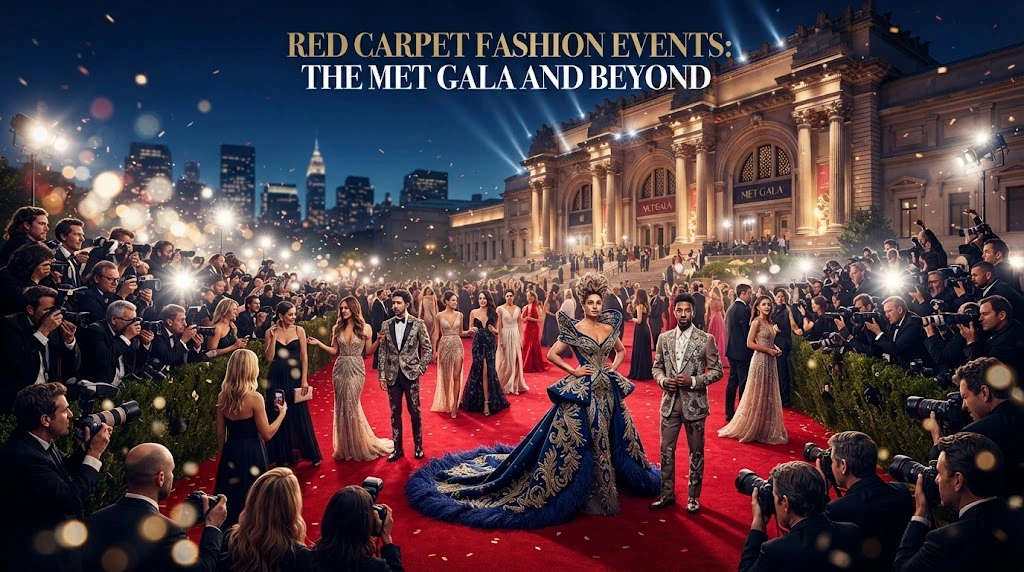
Beyond traditional runway presentations, America hosts one of the single most photographed fashion events anywhere in the world.
The Met Gala, formally known as the Costume Institute Benefit, functions as a fundraiser for the Metropolitan Museum of Art’s Costume Institute while genuinely becoming synonymous with fashion’s biggest annual red carpet spectacle. Each year’s event typically follows a specific curatorial theme, inspiring designers and attendees to interpret that concept through custom, often elaborate, red carpet looks.
- Attendance is strictly by invitation, typically extended to major celebrities, designers, and fashion industry figures rather than general public access.
- The event’s cultural reach extends genuinely far beyond the fashion industry itself, generating mainstream media attention comparable to major awards shows.
- Beyond the Met Gala specifically, other significant American red carpet moments, like major awards shows, also function as genuine fashion events in their own right, showcasing designer collaborations to a massive public audience.
Recommendation: While attending the Met Gala itself genuinely isn’t accessible to the general public, following official coverage and designer statements about their specific looks offers genuine insight into how high fashion translates into culturally significant, widely consumed imagery.
Industry Awards Shows That Define American Fashion
Beyond public-facing spectacles, the industry also hosts its own internal recognition events, celebrating the designers actually shaping American fashion’s direction.
The CFDA Fashion Awards represent the industry’s most significant annual recognition event, honoring categories like Womenswear Designer of the Year, Menswear Designer of the Year, Accessory Designer of the Year, and Emerging Designer of the Year. These awards genuinely carry weight within the industry, often shaping which designers receive increased retail buyer attention and press coverage in the following year.
- Nominees and winners are typically determined by an invitation-only voting body made up of designers, editors, retail executives, and other established industry professionals.
- Lifetime achievement and special recognition awards honor individuals who’ve made lasting contributions to American fashion beyond a single collection or season.
- These ceremonies often double as significant networking events, bringing together designers, buyers, press, and celebrities in a single evening.
Expert tip: Following industry awards announcements genuinely offers a more curated, expert-vetted view of which designers are shaping fashion’s current direction than simply tracking social media engagement or runway attendance alone.
Swimwear and Resort-Focused Fashion Events
Certain categories of fashion have grown significant enough to warrant their own entirely dedicated event calendar, and swimwear stands out as the clearest example.
Miami has become genuinely synonymous with America’s swimwear-focused fashion events, hosting what’s widely considered the world’s most influential swimwear showcase each spring. (cite index=”19-1″>This week-long event spans dozens of shows across more than 20 South Beach venues, drawing more than 150 national and international designers</cite> to present their collections.
- (cite index=”19-1″>Major retail buyers from stores like Saks Fifth Avenue, Bloomingdale’s, and Revolve regularly attend</cite>, alongside editorial photographers documenting seasonal trends.
- Multiple producers often run their own distinct programming under similar broad branding, so it’s worth researching which specific shows align with your particular interests.
- The event’s cultural footprint extends well beyond swimwear alone, drawing significant tourism and celebrity attention to the host city each year.
Recommendation: If swimwear or resort fashion genuinely interests you specifically, researching the specific producer behind any given show, rather than assuming all “swim week” programming operates as a single unified event, helps you plan a more targeted, satisfying experience.
Bridal Fashion Events in America
A specialized fashion event most casual observers genuinely don’t know exists deserves real attention for anyone connected to the bridal industry.
Bridal-specific fashion weeks give the wedding industry its own dedicated platform, entirely separate from mainstream ready-to-wear seasons, largely because bridal collections require significantly longer production lead times than standard seasonal fashion. This specialization genuinely reflects how segmented the American fashion industry has become over time.
- Buyers and press attending bridal fashion events typically come from a specifically bridal-focused segment of the retail and fashion industry.
- These events often run on their own distinct annual calendar, separate from the timing of mainstream fashion weeks.
- The existence of dedicated bridal fashion events genuinely illustrates how far beyond a single, unified concept the American fashion calendar has evolved.
Recommendation: If you work in or are entering the bridal fashion space specifically, dedicated bridal fashion weeks offer far more directly relevant networking and buying opportunities than attending a mainstream seasonal fashion week.
Regional Fashion Weeks Across the Country
Beyond the major coastal fashion capitals, a genuinely wide network of regional fashion weeks operates throughout the United States.
Cities including Los Angeles, Chicago, Atlanta, Dallas, and Washington DC each host their own dedicated fashion week programming, typically showcasing regional designer talent alongside occasional nationally recognized names. These events genuinely matter for the broader American fashion ecosystem, since they provide platforms in markets that mainstream coverage often overlooks entirely.
- Regional fashion weeks typically operate at a smaller scale than New York’s official schedule, but often provide more accessible entry points for both emerging designers and general public attendees.
- Independently produced events in cities like Los Angeles have grown significantly, some evolving into genuinely global operations with multiple city locations.
- Each region’s fashion week often reflects that area’s specific cultural and stylistic identity, offering genuine variety beyond a single national fashion narrative.
Common mistake to avoid: Assuming every American “fashion week” carries the same industry weight or media attention as New York’s official schedule. Regional and independently produced events genuinely serve different, though still valuable, purposes within the broader ecosystem.
Trade Shows, Markets, and Industry-Only Events
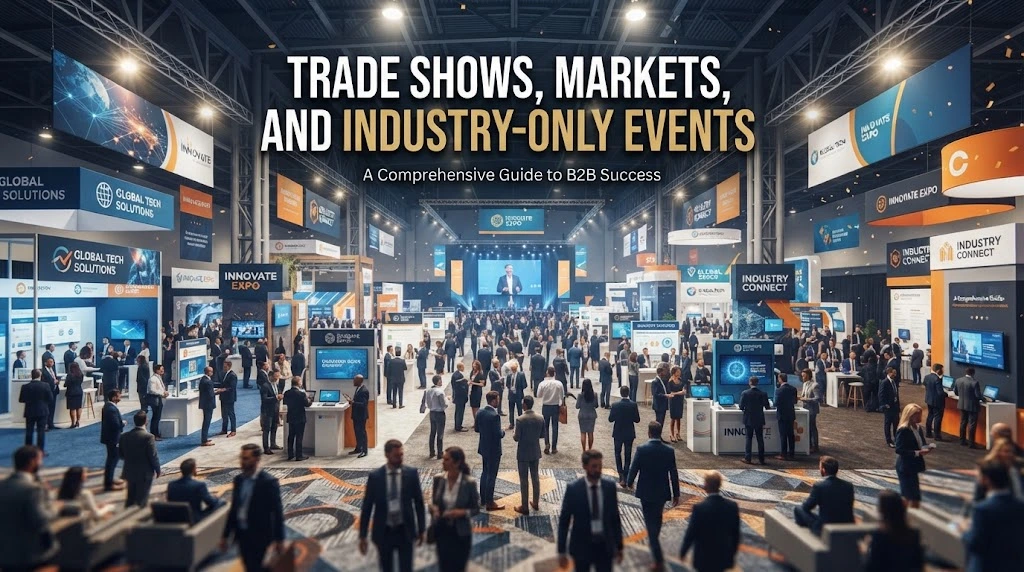
Beyond the public-facing runway shows and red carpet moments, a significant portion of America’s fashion events calendar operates entirely behind the scenes.
Trade shows and market weeks connect designers directly with retail buyers, often running alongside larger, more public fashion week seasons but operating on a genuinely separate schedule and access level. (cite index=”20-1″>Industry panel programming, covering topics like emerging technology and sustainability within fashion, increasingly accompanies major public-facing events as well</cite>.
- Showroom appointments let buyers view and order upcoming collections directly, away from the spectacle of a public runway show.
- Press and media days provide credentialed journalists with direct designer access for interviews and editorial coverage.
- Networking receptions, connecting designers with buyers and press in a more relaxed setting, often run alongside larger event programming.
Expert tip: If you’re attending fashion events specifically for professional or buying purposes, researching the trade-specific programming attached to a given event often provides more direct business value than the public-facing runway shows alone.
How Fashion Events Shape Retail and Consumer Trends
Understanding the genuine downstream impact of these events helps explain why they matter far beyond the people actually attending them.
Runway collections shown during fashion week seasons directly influence what eventually appears on retail floors, typically arriving in stores anywhere from six months to a year after their initial presentation. Buyer attendance at these events genuinely determines which designers and specific pieces receive wider retail distribution, making fashion events a genuine bridge between creative vision and consumer accessibility.
- Trend forecasting relies heavily on patterns observed across multiple different designers’ collections during a single fashion week season.
- Street style coverage surrounding these events has increasingly influenced consumer trends just as significantly as the official runway presentations themselves.
- Celebrity and red carpet moments connected to these events often accelerate specific trends into mainstream consumer awareness faster than traditional runway-to-retail timelines alone.
Recommendation: If you’re trying to anticipate upcoming fashion trends before they hit mainstream retail, following fashion week coverage directly, rather than waiting for trend pieces published months later, genuinely gives you a meaningful head start.
Careers and Opportunities Connected to Fashion Events
Beyond simply attending or following these events, they genuinely create significant professional opportunities across multiple different career paths.
- Event production and logistics roles support the significant behind-the-scenes work required to stage major fashion week seasons.
- Fashion journalism and editorial careers often center heavily around covering these events, from runway reviews to street style photography.
- Public relations and brand communications roles manage designer presence and media coverage throughout a given fashion week season.
- Buying and merchandising careers depend directly on attending these events to source upcoming collections for retail distribution.
Recommendation: If you’re interested in a fashion industry career specifically connected to events, volunteering or interning with a fashion week production team, even a smaller regional event, offers genuinely valuable hands-on experience and networking opportunities.
How to Attend Fashion Events as a Member of the Public
Access genuinely varies dramatically depending on which specific type of event you’re hoping to attend.
- Official designer runway shows at major fashion weeks typically operate through invitation lists, press credentials, or brand-directed access rather than general public ticket sales.
- Independently produced fashion weeks, particularly in regional markets or through specific production companies, generally offer public tickets across multiple pricing tiers.
- Red carpet galas like the Met Gala remain strictly invitation-only, with no realistic public attendance pathway.
- Trade shows and industry-only events typically require professional credentials or business justification for entry.
Recommendation: Always purchase tickets directly through an event’s official website rather than a third-party reseller, and carefully confirm your specific access level and seating tier before completing any purchase.
Common Misconceptions About Fashion Events in America
A handful of genuine misunderstandings show up repeatedly among people newer to following the American fashion events landscape.
- Assuming “fashion week” always refers to New York specifically. Regional fashion weeks operate under similar naming conventions in cities across the entire country.
- Believing all fashion events are open to public ticket purchase. Many of the most significant events, including official CFDA shows and major red carpet galas, remain strictly invitation-only.
- Assuming fashion events only matter to industry insiders. Trend forecasting, retail buying decisions, and even broader cultural moments genuinely trace back to what happens at these events.
- Underestimating the professional opportunities connected to fashion events beyond simply designing or modeling, including production, journalism, and buying careers.
How to Follow Fashion Events Without Attending in Person
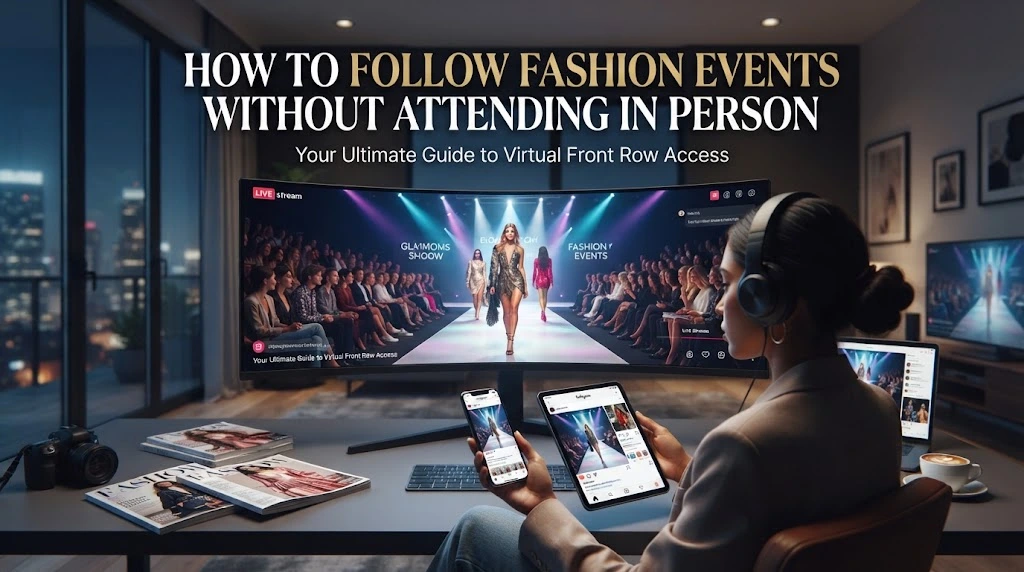
You genuinely don’t need to attend any of these events physically to stay meaningfully engaged with America’s fashion events landscape.
- Major fashion publications provide comprehensive runway coverage, street style photography, and red carpet analysis throughout each event’s duration.
- Official event and designer social media accounts often share real-time content directly from shows and events as they happen.
- Livestreamed runway shows, increasingly common for major designer presentations, let you watch collections debut in genuine real time from anywhere.
- Industry newsletters and trade publications offer more in-depth analysis and business context beyond simply the visual runway coverage.
Recommendation: Following a genuine mix of fast-moving social media coverage and more thoughtfully curated publication roundups gives you both the immediate excitement of real-time coverage and the deeper context that helps you understand why specific moments actually matter within the broader industry.
Conclusion
Fashion events in America genuinely span far more than most people initially realize, from New York’s internationally recognized runway seasons and the singular cultural spectacle of the Met Gala, to industry awards nights, swimwear showcases, bridal-specific platforms, and a genuinely wide network of regional fashion weeks across the entire country. Understanding the different categories these events fall into, and how each one operates in terms of purpose and public accessibility, genuinely helps you engage with American fashion culture in whatever way makes the most sense for you, whether that’s planning an in-person visit, pursuing a related career path, or simply following along more intelligently from home. With this much happening across the calendar and the country, there’s genuinely a way for nearly anyone to find their own meaningful connection to American fashion’s ongoing story.
Frequently Asked Questions
What is the most important fashion event in America?
New York Fashion Week is widely considered the country’s flagship fashion event, given its official CFDA organization and international recognition alongside London, Milan, and Paris. The Met Gala also holds genuine cultural significance as America’s most photographed annual fashion moment.
Are fashion events in America open to the public?
It depends on the specific event. Official CFDA designer shows and events like the Met Gala remain invitation-only, while many independently produced fashion weeks and regional shows offer public ticket sales across various pricing tiers.
What types of fashion events happen in America throughout the year?
America hosts official runway fashion weeks, red carpet galas, industry awards ceremonies, swimwear and bridal-specific showcases, regional fashion weeks, and trade-focused events like buyer showrooms and press days. Together, these different event types fill nearly the entire annual calendar.
How do I get tickets to a fashion event in America?
Official designer runway shows typically require invitations or press credentials, while independently produced events generally offer public tickets directly through their official websites. Always purchase through official channels rather than third-party resellers to ensure both authenticity and accurate access information.
Are there fashion events in America outside of New York?
Yes, cities including Los Angeles, Miami, Chicago, Atlanta, and Washington DC all host their own dedicated fashion week programming. Miami specifically hosts both a swimwear-focused fashion week each spring and a broader ready-to-wear fashion week each fall.