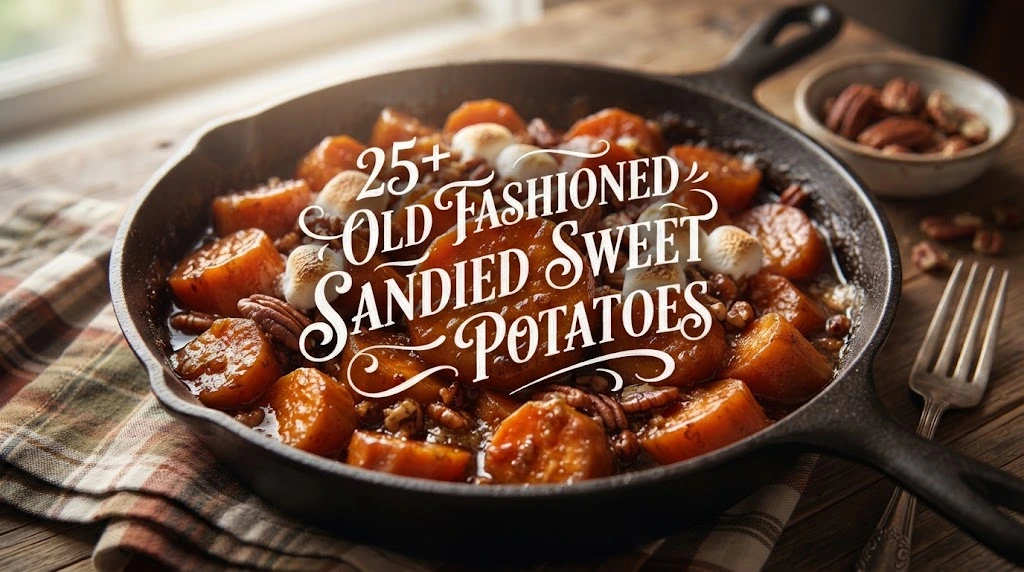
Some holiday dishes are more than food. They carry the smell of a family kitchen, the sound of people talking around the table, and memories of dinners that seemed to last forever. Old fashioned candied sweet potatoes belong in that special category. They are soft, buttery, warmly spiced, and coated in a glossy brown sugar syrup that turns simple sweet potatoes into a side dish people remember.
The beauty of this recipe is its simplicity. You do not need complicated equipment, unusual ingredients, or advanced cooking skills. What matters is choosing good sweet potatoes, building a balanced syrup, and giving the potatoes enough time to become tender without turning them into mush.
This classic Southern-style side dish often appears at Thanksgiving, Christmas, Sunday dinners, and family gatherings. It can sit beside turkey and dressing just as comfortably as it can accompany baked ham, roast chicken, or pork.
The best version should taste sweet but not flat, buttery but not greasy, and tender without falling apart. Once you understand how the syrup and potatoes work together, you can make this comforting classic with confidence.
What Are Old Fashioned Candied Sweet Potatoes?
Old fashioned candied sweet potatoes are sweet potatoes cooked slowly in a buttery sugar syrup until they become tender and richly glazed. Traditional versions usually rely on brown sugar, butter, cinnamon, and a little vanilla or nutmeg for flavor.
The word “candied” refers to the sweet coating that develops as the sugar, butter, and natural juices from the potatoes combine. The finished sauce should cling to the potatoes rather than sit like thin liquid at the bottom of the pan.
Despite their dessert-like name, candied sweet potatoes usually appear as a side dish, particularly during holiday meals.
Recipes vary from family to family. Some cooks use only brown sugar, while others combine brown and white sugar. Some add maple syrup, molasses, orange juice, or bourbon. Others keep the ingredient list very short.
That flexibility is part of the charm. The basic method remains the same: prepare the sweet potatoes, make a flavorful syrup, combine them carefully, and cook until tender.
Ingredients for a Classic Candied Sweet Potato Recipe
You can make a delicious batch without a long shopping list. The ingredients should support the sweet potatoes rather than hide their natural flavor.
For about 6 servings, gather:
- 3 pounds sweet potatoes
- 1 cup packed light or dark brown sugar
- 6 tablespoons unsalted butter
- 1 teaspoon ground cinnamon
- ¼ teaspoon ground nutmeg
- 1 teaspoon vanilla extract
- ¼ teaspoon salt
- ½ cup water
You can adjust the sugar slightly depending on how sweet you like the dish. Dark brown sugar creates a deeper molasses flavor, while light brown sugar gives a cleaner caramel taste.
Unsalted butter gives you better control over the seasoning. If you only have salted butter, reduce the added salt.
Freshly grated nutmeg can make a noticeable difference. Its flavor tastes warmer and more fragrant than many pre-ground versions.
Vanilla should go into the syrup toward the end or after the syrup has come together. This helps preserve its aroma.
Do not feel pressured to add every possible spice. A restrained combination of cinnamon, nutmeg, butter, and brown sugar often tastes more traditional than a heavily spiced version.
How to Make Old Fashioned Candied Sweet Potatoes From Scratch
Start by washing and peeling the sweet potatoes. Trim away any damaged areas, then cut the potatoes into evenly sized chunks or thick slices.
Uniform pieces matter because they cook at roughly the same rate. If some pieces are tiny and others are very large, the small ones may become mushy before the larger pieces become tender.
Place the butter, brown sugar, water, cinnamon, nutmeg, and salt in a large skillet or saucepan. Heat the mixture gently until the butter melts and the sugar dissolves into a smooth syrup.
Add the prepared sweet potatoes and turn them carefully so the syrup coats the pieces.
Cover the pan and cook over medium-low to low heat. Stir or gently turn the potatoes occasionally, but avoid aggressive stirring.
Cook until a fork slides into the thickest pieces with little resistance. Depending on the size of the pieces and your pan, this may take roughly 30 to 45 minutes.
Remove the lid near the end if the syrup needs to thicken. Add the vanilla, gently coat the potatoes, and allow them to rest for a few minutes before serving.
The goal is tender potatoes surrounded by a thick, shiny glaze, not mashed sweet potatoes swimming in syrup.
How to Make the Brown Sugar Syrup
The syrup determines much of the final flavor and texture.
Begin with melted butter, brown sugar, water, salt, cinnamon, and nutmeg. Warm the mixture gently until the sugar dissolves and the ingredients combine.
You do not need to boil the syrup aggressively. Excessive heat can make the sugar mixture cook too quickly, which may cause uneven caramelization or burning.
As the sweet potatoes cook, they release moisture. That moisture combines with the syrup and creates the sauce that coats the potatoes.
Near the end of cooking, evaporation concentrates the flavors. This is why the final stage matters so much.
If the syrup looks too thin, remove the lid and continue cooking gently for a few minutes. If it becomes too thick before the potatoes finish cooking, add a small splash of water.
Think of the syrup as a glaze, not candy. You want it thick enough to coat the potatoes while still remaining spoonable.
A useful trick is to let the finished dish sit for five to ten minutes before serving. The syrup often thickens slightly as it cools.
Should You Boil or Bake Candied Sweet Potatoes?
Both methods can produce excellent results, but they create slightly different textures.
The stovetop method cooks the potatoes directly in the syrup. It gives you close control over the sauce and makes it easy to adjust the consistency as the dish cooks.
The oven method usually involves arranging the sweet potatoes in a baking dish, pouring the butter-sugar mixture over them, covering the dish, and baking until tender. You can then uncover the dish near the end to help the glaze thicken.
For a holiday meal, baking can be convenient because the stovetop remains available for other dishes.
A typical oven approach is to bake the covered potatoes at around 350°F (175°C) until tender, then uncover them for the final portion of cooking.
The exact time depends on the thickness of the slices and the baking dish.
Choose the stovetop if you want maximum control over the syrup. Choose the oven if you prefer hands-off cooking and need to manage several dishes at once.
How to Keep Sweet Potatoes From Turning Mushy
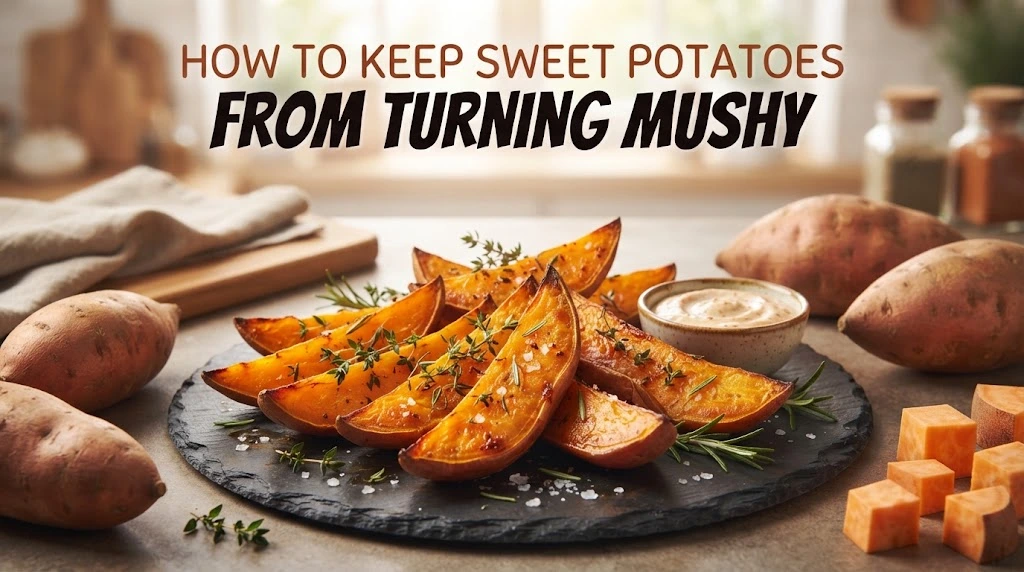
This is one of the most common problems with candied sweet potatoes.
Sweet potatoes naturally soften during cooking, and prolonged cooking can turn beautifully glazed pieces into a loose, mashed mixture.
The first solution is to cut the potatoes into reasonably thick, even pieces. Very thin slices can break apart more easily.
The second is temperature control. Keep the cooking temperature moderate rather than letting the syrup boil hard.
The third is gentle handling. Use a wide spoon or spatula to turn the pieces carefully rather than stirring the pan like a soup.
You can also check the potatoes early. A fork should meet little resistance, but the pieces should still hold their shape.
Common warning signs include:
- Potatoes breaking when you turn them
- A syrup that looks watery for too long
- Extremely high cooking heat
- Very thin potato slices
- Excessive stirring
Stop cooking as soon as the potatoes reach the texture you want. Residual heat will continue to soften them slightly.
Southern-Style Candied Sweet Potatoes Variations
There is no single universal Southern recipe. Families often have their own version.
Some cooks prefer a deep brown sugar glaze with plenty of butter. Others add cinnamon and nutmeg for a warm holiday flavor. Some use orange juice for brightness, while others add a small amount of maple syrup.
For a richer variation, try adding a tablespoon or two of maple syrup. It should complement the brown sugar rather than replace it completely.
For a citrus version, replace some of the water with fresh orange juice and add a little orange zest.
For a more aromatic dish, add a tiny amount of ground ginger.
You can also create a subtle bourbon version by adding a small amount of bourbon to the syrup. If you do this, keep the amount modest so the flavor does not overpower the sweet potatoes.
Other ideas include:
- A pinch of ground cloves
- A little maple syrup
- Fresh orange zest
- Chopped pecans
- A small amount of molasses
- A pinch of cayenne for gentle heat
The key is restraint. Adding six different spices does not necessarily create a better dish.
Candied Sweet Potatoes With Marshmallows: Are They the Same?
Not exactly.
Candied sweet potatoes and sweet potato casserole can look similar on a holiday table, but they use different techniques and textures.
Traditional candied sweet potatoes cook in a butter-and-sugar glaze. The potato pieces remain recognizable, and the syrup coats the outside.
Sweet potato casserole usually involves mashed sweet potatoes combined with ingredients such as butter, sugar, eggs, milk, or spices. Some versions receive a topping of marshmallows or streusel before baking.
Marshmallows are therefore optional, not a requirement for candied sweet potatoes.
If you enjoy marshmallows, you can use them as a topping and briefly broil or bake them until golden. However, adding marshmallows changes the character of the dish.
For a more traditional candied preparation, skip them and let the brown sugar glaze take center stage.
If you are serving both dishes at Thanksgiving, the distinction becomes especially useful: one offers glazed pieces of sweet potato, while the other provides a soft, casserole-style texture.
How to Make Candied Sweet Potatoes Less Sweet
Some classic recipes contain a surprisingly large amount of sugar. If you prefer a more balanced side dish, you can reduce the sweetness without losing the character of the recipe.
Start by reducing the brown sugar by about 20 to 25 percent. Taste the syrup after the butter and sugar have melted, remembering that the final flavor will become more concentrated as water evaporates.
Salt also matters. A small amount of salt can make sweetness taste more balanced without making the dish taste salty.
Cinnamon and nutmeg add warmth without adding sugar.
A little fresh orange juice can provide acidity and brightness. You can also use orange zest for flavor without adding much additional sweetness.
Another smart choice is to serve the sweet potatoes with savory foods. Roast turkey, salty ham, green beans, collard greens, and other savory dishes naturally balance a sweet side.
You do not need to make the dish less traditional just because you prefer less sugar. Small adjustments can make it better suited to your table.
The Best Sweet Potatoes for Candied Sweet Potatoes
Look for firm sweet potatoes with smooth skin and no major soft spots, deep cuts, or signs of spoilage.
The flesh should feel firm when you handle the potato. Avoid pieces that feel unusually soft or have extensive darkened areas.
Different varieties can produce slightly different results. Orange-fleshed sweet potatoes are popular because they become tender and naturally sweet, while other varieties can provide a firmer or less sweet result.
The most important factor is consistency. Try to use potatoes that are similar in size and type so they cook at a similar rate.
If you buy sweet potatoes in advance, store them in a cool, dry, well-ventilated place rather than treating them like refrigerated produce.
Do not wash them until you are ready to prepare them. Excess moisture can encourage spoilage during storage.
When shopping, remember that freshness matters more than choosing the largest potatoes in the bin. Medium-sized potatoes are often easier to peel and cut into uniform pieces.
What to Serve With Candied Sweet Potatoes
Candied sweet potatoes pair especially well with savory holiday foods.
They are a natural companion for roast turkey, baked ham, roasted chicken, pork loin, and other roasted meats.
For Thanksgiving, you might serve them alongside:
- Roast turkey
- Cornbread dressing
- Green beans
- Cranberry sauce
- Dinner rolls
- Gravy
- Macaroni and cheese
For Christmas, glazed sweet potatoes work beautifully with ham or roast pork.
The dish also works for an ordinary Sunday dinner. You do not need a holiday as an excuse to make them.
Because the potatoes are sweet and rich, balance the plate with something green, fresh, acidic, or savory. A crisp salad, roasted vegetables, greens, or lightly seasoned green beans can keep the meal from feeling too heavy.
From a presentation standpoint, use a wide serving dish rather than a deep bowl. This lets the glossy potatoes remain visible and makes the dish look more inviting.
Make-Ahead and Reheating Tips
Candied sweet potatoes can be prepared ahead of time, which makes them especially useful for large holiday meals.
You can cook them earlier in the day and refrigerate them after they have cooled appropriately. Store them in a covered container and reheat them gently.
For reheating, use a low oven or gently warm them on the stovetop. Add a small splash of water if the glaze has become too thick.
Avoid reheating them aggressively. High heat can cause the syrup to scorch while the potato pieces break apart.
If you are preparing the dish for a holiday dinner, one practical strategy is to cook it earlier and reheat it shortly before serving.
Do not leave cooked food at room temperature for extended periods. Follow reliable food-safety guidance for cooling, refrigeration, reheating, and serving.
For the best texture, reheat only as much as you expect to eat. Repeated heating and cooling can gradually soften the potatoes.
Common Mistakes When Making Candied Sweet Potatoes
Even a simple recipe can go wrong when a few details get overlooked.
Using uneven pieces can create a mixed texture. Small pieces become soft while large pieces remain firm.
Cooking at very high heat can burn the sugar before the potatoes become tender. Gentle cooking gives the syrup time to develop.
Adding too much liquid can leave you with sweet potatoes sitting in a thin sauce rather than a concentrated glaze.
Stirring too often can break the potatoes. Turn them carefully instead.
Adding vanilla too early can reduce some of its delicate aroma. Adding it near the end usually gives a more noticeable vanilla flavor.
Overcooking is another frequent problem. Once a fork slides easily into the potato and the pieces still hold their shape, you are close to done.
Finally, do not judge the syrup only while it is boiling hot. It will usually thicken as it cools.
The best approach is simple: cook gently, check often, and stop when the texture is right.
How to Make Holiday Candied Sweet Potatoes Look Beautiful
A holiday side dish should taste good, but presentation still matters.
Arrange the sweet potatoes in a serving dish instead of simply dumping them from the cooking pan. Spoon a little of the glossy syrup over the top.
For a classic look, keep the garnish simple. A light dusting of cinnamon or a few toasted pecans can add color and texture.
Fresh orange zest can also create a bright contrast against the deep orange potatoes and brown glaze.
Avoid piling on too many toppings. The dish already has a rich appearance, and excessive garnish can make it look busy.
If you are styling a Thanksgiving table, serve the potatoes in a warm-toned ceramic or glass dish. Cream, white, brown, and natural wood tones work especially well with the orange color of the potatoes.
From a food-photography perspective, natural window light can highlight the glaze beautifully. Take the photo while the syrup still looks glossy and before the dish sits long enough to dry on the surface.
Good presentation should make the food look warm, homemade, and inviting, not overly decorated.
Expert Tips for Perfect Candied Sweet Potatoes Every Time
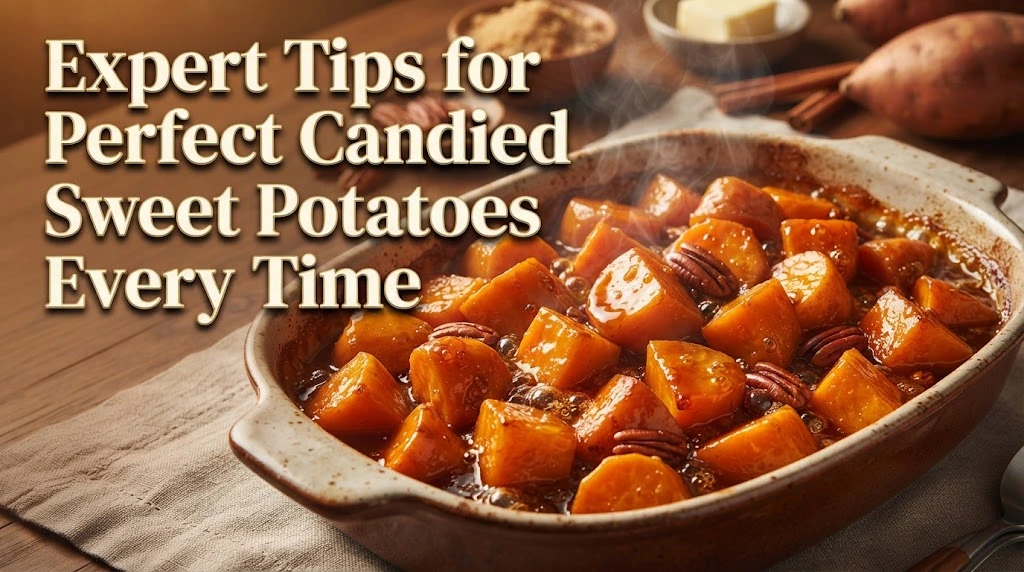
The difference between an average batch and an exceptional one often comes down to small choices.
First, cut the potatoes evenly. This single step improves consistency more than many complicated recipe tricks.
Second, use moderate heat. Sugar can burn quickly, so patience pays off.
Third, taste the syrup before the potatoes finish cooking. You can adjust salt, cinnamon, or sweetness while there is still time.
Fourth, use a pan that gives the potatoes room. Crowding makes it harder for the syrup to coat each piece evenly.
Fifth, resist the urge to keep cooking just because you want a darker glaze. The potatoes may become too soft before the sauce reaches your preferred consistency.
If the potatoes become tender before the syrup thickens enough, carefully remove the potatoes and continue reducing the syrup separately for a short time. Then return the potatoes to the pan and coat them gently.
If the glaze becomes too thick, loosen it with a tablespoon of warm water.
For extra depth, use dark brown sugar. For a lighter, cleaner caramel flavor, choose light brown sugar.
Most importantly, trust the texture rather than the clock. Cooking times provide guidance, but potato size, pan shape, heat level, and moisture all affect the final result.
Conclusion
Old fashioned candied sweet potatoes have lasted for generations because they do something simple very well. They turn an affordable root vegetable into a rich, comforting side dish with a buttery brown sugar glaze and warm spice.
The secret is not complicated. Choose firm sweet potatoes, cut them evenly, build a balanced syrup, and cook everything gently enough for the potatoes to become tender without falling apart.
You can keep the recipe traditional or make small changes to suit your family. Add orange for brightness, maple syrup for extra depth, pecans for crunch, or a little less sugar if you prefer a more balanced side dish.
For a holiday dinner, serve them beside savory foods that can balance their sweetness. For an ordinary family meal, pair them with roasted meat and green vegetables.
And if your first batch is not perfect, do not worry. Once you learn how quickly sweet potatoes soften and how the glaze changes as it reduces, the process becomes much easier.
The best candied sweet potatoes are not about complicated technique. They are about good ingredients, gentle cooking, and the kind of familiar flavor that makes everyone reach for another spoonful.
FAQs About Old Fashioned Candied Sweet Potatoes
1. Why are my candied sweet potatoes watery?
The sauce may contain too much liquid or may not have cooked long enough to reduce. Remove the lid and simmer gently for a few minutes, watching closely so the sugar does not burn. Remember that the glaze will thicken somewhat as it cools.
2. Can I make candied sweet potatoes without marshmallows?
Yes. Traditional candied sweet potatoes do not require marshmallows. The classic preparation relies on sweet potatoes cooked in a buttery sugar glaze, while marshmallows are more commonly associated with sweet potato casserole.
3. Should I boil sweet potatoes before candying them?
Usually, you do not need to pre-boil them. Cooking the raw sweet potato pieces directly in the butter-sugar mixture allows them to absorb flavor as they become tender. Pre-boiling can also make them easier to overcook.
4. How do I keep candied sweet potatoes from falling apart?
Cut the potatoes into thick, evenly sized pieces and cook them gently. Avoid vigorous boiling and frequent stirring. Once the pieces become fork-tender, stop cooking rather than waiting for them to become extremely soft.
5. Can I make candied sweet potatoes the day before Thanksgiving?
Yes. Prepare them, cool and refrigerate them properly, then reheat them gently before serving. Avoid high heat because it can scorch the sugary glaze and make the potato pieces break apart.
6. Can I use maple syrup instead of brown sugar?
You can use maple syrup as part of the sweetener, but replacing all of the brown sugar changes the texture and flavor of the glaze. A small amount of maple syrup combined with brown sugar usually provides a more balanced result.
7. What is the difference between candied yams and candied sweet potatoes?
In everyday American cooking, the terms are often used interchangeably, even though true yams and sweet potatoes are different plants. Many holiday dishes called “candied yams” actually use orange-fleshed sweet potatoes. Checking the actual ingredient label or variety is the easiest way to know what you are buying.