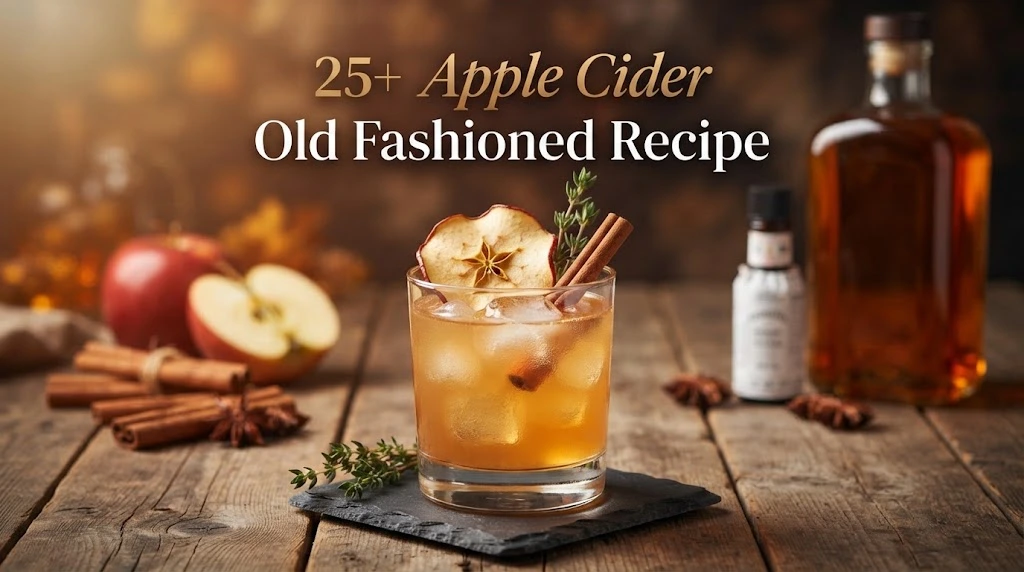
The first time I made an apple cider old fashioned, it was a cold October evening, the kind where you can smell woodsmoke from somebody’s fireplace down the street. I’d made a hundred regular Old Fashioneds before, but something about swapping in fresh apple cider turned it into an entirely different drink, one that tasted like fall in a glass. If you’ve been searching for a cocktail that captures that cozy, sweater-weather feeling without tasting like a sugary dessert, this is the recipe you’ve been looking for.
This guide walks you through everything: the real technique behind a well-balanced apple cider Old Fashioned, the ingredient choices that actually matter, and the small mistakes that turn this drink from perfectly balanced into overly sweet or watered down.
What Is an Apple Cider Old Fashioned?
An apple cider old fashioned is a seasonal twist on the classic Old Fashioned cocktail, replacing the traditional simple syrup with fresh apple cider, and often adding warm spices like cinnamon to complement the whiskey’s natural notes. It keeps the same basic structure as the original: spirit, sweetener, bitters, and a bit of dilution, just reimagined with autumn flavors.
The apple cider doesn’t just add sweetness. It brings natural fruit acidity and a subtle spiced complexity, especially if you’re using a cider that already has cinnamon or clove undertones. This makes the drink feel richer and more layered than a standard sugar-based Old Fashioned.
Unlike overly sweet fall cocktails loaded with flavored syrups, a proper apple cider Old Fashioned stays balanced. The whiskey should still lead the flavor, with the cider working as a supporting player, not the star of the show.
The History Behind the Old Fashioned and Its Apple Cider Twist
The Old Fashioned is one of the oldest known cocktails, dating back to the early 1800s when it was originally just called a “whiskey cocktail,” made from spirit, sugar, water, and bitters. As more elaborate drinks emerged later in the century, bartenders started calling this simpler, original style “old fashioned” to distinguish it from newer creations.
The apple cider variation is a much more modern twist, growing out of the broader trend of seasonal cocktail menus that became popular at bars and restaurants over the last couple of decades. Fall-themed drink menus started replacing standard syrups with seasonal ingredients like apple cider, maple syrup, and pumpkin spice to match the mood of autumn dining and holiday gatherings.
What makes the apple cider version stick around, unlike a lot of trendy seasonal drinks, is that it genuinely respects the structure of the original cocktail. It’s not a gimmick built entirely around flavor syrups. It’s a thoughtful adaptation that actually makes sense with whiskey’s natural flavor profile.
Ingredients You Need for an Apple Cider Old Fashioned
The ingredient list stays short, which keeps the focus on quality over quantity.
Core ingredients:
- Bourbon or rye whiskey
- Fresh apple cider (not apple juice)
- Angostura bitters
- Orange peel, for garnish and oils
- Cinnamon stick, for garnish and optional infusion
- Ice, preferably one large cube per glass
Optional add-ins:
- A splash of maple syrup, for extra depth
- Apple slices, for garnish
- A dash of orange bitters, alongside or instead of Angostura
A quick note on quality: Because this recipe only has a handful of ingredients, each one really matters. Use a whiskey you’d actually enjoy sipping on its own, and choose a fresh, unfiltered apple cider rather than a heavily processed, shelf-stable juice blend.
Step-by-Step Apple Cider Old Fashioned Recipe
Here’s a reliable, well-balanced method that delivers a properly structured cocktail every time.
Ingredients (makes 1 cocktail):
- 2 ounces bourbon or rye whiskey
- 3/4 ounce fresh apple cider
- 2 dashes Angostura bitters
- 1 large ice cube
- Orange peel, for garnish
- Cinnamon stick, for garnish (optional)
Instructions:
- Add the bourbon, apple cider, and bitters to a mixing glass filled with ice.
- Stir for about 20 to 30 seconds, until well-chilled. Stirring rather than shaking keeps the drink clear and properly diluted without excess air bubbles.
- Place one large ice cube in a rocks glass.
- Strain the mixture over the ice into the prepared glass.
- Express the orange peel over the top of the drink by twisting it to release the citrus oils, then either drop it in or rest it on the rim.
- Add a cinnamon stick as an optional garnish, both for presentation and a subtle aromatic boost.
- Serve immediately while properly chilled.
Expert tip: Stir, don’t shake. Shaking this drink introduces too much air and dilution, which can mute both the whiskey flavor and the natural apple cider sweetness you’re trying to highlight.
Choosing the Best Whiskey for This Recipe

The whiskey you choose shapes the entire character of this cocktail.
- Bourbon brings natural sweetness and vanilla notes that pair beautifully with apple cider’s fruitiness, making it the most popular choice for this variation.
- Rye whiskey offers a spicier, drier profile, which creates a nice contrast against the cider’s sweetness if you prefer a less sweet, more balanced drink.
- Avoid overly smoky or peated whiskeys, like some Scotch varieties, since the smoke can clash with the cider’s fruit-forward flavor instead of complementing it.
- Mid-range whiskey works best here. You don’t need your most expensive bottle, since the cider and bitters will shape the flavor alongside it, but avoid anything overly harsh or low-quality either.
Recommendation: If you’re new to this variation, start with a classic 90 to 100 proof bourbon. It has enough body to stand up to the apple cider without getting lost in the mix.
Fresh Apple Cider vs. Apple Juice: What’s the Difference?
This distinction matters more than people often realize, and it genuinely affects the final flavor of the drink.
- Fresh apple cider is typically unfiltered, made from pressed whole apples, and often carries natural spice notes and a slightly cloudy appearance.
- Apple juice is usually filtered, sometimes made from concentrate, and tends to taste flatter and more uniformly sweet compared to fresh cider.
- Spiced apple cider, common in fall, already contains warming spices like cinnamon and clove, which can reduce or eliminate the need for a separate cinnamon garnish.
- Hard apple cider is a completely different product, containing alcohol itself, and isn’t what this recipe calls for unless you’re intentionally experimenting with a different variation.
Common mistake to avoid: Grabbing a bottle of shelf-stable apple juice instead of fresh cider. The flavor difference is noticeable, and fresh cider brings a natural complexity that apple juice simply can’t replicate.
Expert Tips for Balancing Sweetness and Spice
A few small adjustments can take this cocktail from good to genuinely memorable.
- Taste your cider before mixing. Ciders vary significantly in sweetness depending on the apple variety and brand, so adjust your proportions accordingly.
- Start with less cider than you think you need. You can always add more, but it’s harder to fix an overly sweet drink once it’s mixed.
- Toast your cinnamon stick garnish briefly over a flame before adding it, which releases more of its aromatic oils and adds a subtle smoky note.
- Use quality bitters. Angostura bitters bring depth and balance that plain apple cider and whiskey alone can’t achieve on their own.
- Chill your glass beforehand if possible, which helps the drink stay properly cold without relying entirely on ice dilution.
Common Mistakes That Ruin an Apple Cider Old Fashioned
These mistakes come up often, even among people with solid cocktail-making experience.
- Using apple juice instead of fresh cider. This flattens the flavor and removes the natural complexity that makes this variation special.
- Adding too much cider. This turns the drink overly sweet and buries the whiskey instead of complementing it.
- Shaking instead of stirring. This over-dilutes the cocktail and introduces unwanted cloudiness.
- Skipping the orange peel expression. This small step adds essential aromatic oils that round out the drink’s flavor profile.
- Using small ice cubes. These melt too quickly, watering down the cocktail well before you’ve finished drinking it.
How to Make an Apple Cider Reduction (Optional Upgrade)
For an even more concentrated, complex flavor, some home bartenders take this recipe a step further with a cider reduction.
- Pour 2 cups of fresh apple cider into a small saucepan.
- Add a cinnamon stick and a couple of whole cloves, if desired.
- Simmer over medium-low heat until the cider reduces by about half, roughly 20 to 25 minutes.
- Let the reduction cool completely before using, and strain out the spices.
- Use this reduction in place of regular apple cider, starting with a smaller amount, around 1/2 ounce, since it’s significantly more concentrated.
Expert tip: This reduction keeps well in the refrigerator for about a week, so it’s a great make-ahead step if you’re planning to serve this cocktail to guests over several days during the fall season.
Best Garnishes for an Apple Cider Old Fashioned
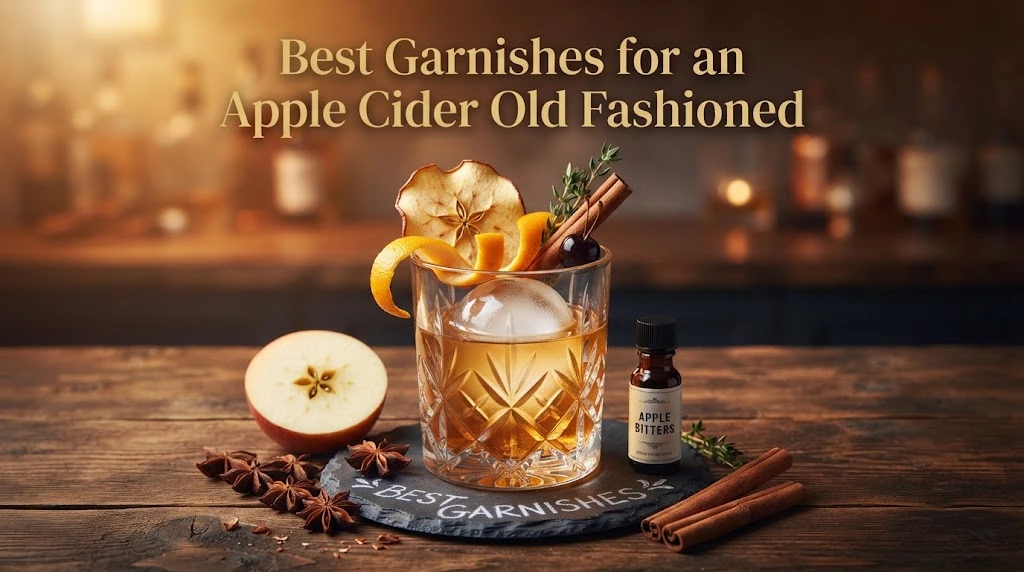
The right garnish adds both visual appeal and additional aroma to the finished drink.
- Orange peel, twisted and expressed over the glass, remains the classic choice that ties back to the traditional Old Fashioned.
- A cinnamon stick, either as a stirrer or simple garnish, reinforces the fall flavor profile.
- A thin apple slice, fanned on the rim of the glass, adds a fresh, seasonal visual touch.
- A star anise pod, floated on top, adds a striking presentation for a more elevated serving style.
- A brandied or maraschino cherry, if you enjoy the traditional sweet finish some classic Old Fashioned recipes include.
Styling tip for entertaining: If you’re serving this drink at a fall gathering, garnishing each glass with a cinnamon stick and a thin apple slice creates a cohesive, seasonal presentation across your whole table without much extra effort.
Variations on the Classic Apple Cider Old Fashioned
Once you’ve mastered the base recipe, these variations keep things interesting throughout the fall and winter season.
- Maple apple cider Old Fashioned: Add a small amount of pure maple syrup alongside the cider for extra depth and sweetness.
- Smoked apple cider Old Fashioned: Use a smoking gun or a quick smoked wood chip technique to infuse the glass with a subtle smoky aroma before pouring.
- Ginger apple cider Old Fashioned: Muddle a small piece of fresh ginger into the mixing glass before stirring for a spicy, warming kick.
- Apple brandy Old Fashioned: Substitute a portion of the whiskey with apple brandy for an even more pronounced apple flavor throughout the drink.
- Spiced pear cider Old Fashioned: Swap apple cider for pear cider for a slightly different, equally cozy seasonal variation.
Non-Alcoholic Apple Cider Old Fashioned (Mocktail Version)
This cocktail translates beautifully into a non-alcoholic version, without losing the cozy, layered flavor that makes it special.
- Replace the whiskey with a non-alcoholic whiskey alternative, several of which now closely mimic the smoky, caramel notes of traditional bourbon.
- Keep the fresh apple cider and bitters the same, since most cocktail bitters contain only a trace amount of alcohol and contribute mostly flavor rather than any noticeable effect.
- Add a splash of sparkling water for a bit of effervescence, since the mocktail version can sometimes taste slightly flatter without the alcohol’s natural body.
- Garnish exactly the same way, with an orange peel and cinnamon stick, to keep the full sensory experience intact.
Recommendation: This version works especially well for holiday gatherings where you want a cohesive drink menu that includes both alcoholic and non-alcoholic guests without anyone feeling like an afterthought.
How to Batch This Recipe for a Crowd
If you’re hosting a fall party, batching this cocktail ahead of time saves significant effort compared to mixing individual drinks all evening.
- Multiply the whiskey, cider, and bitters proportionally based on your total number of servings.
- Combine everything except the ice in a large pitcher or container.
- Refrigerate the batch until ready to serve, ideally for at least an hour to properly chill.
- Pour over fresh ice individually when serving, rather than adding ice directly to the batch, which would dilute it unevenly over time.
- Garnish each glass individually right before handing it to a guest, so the orange peel and cinnamon stick stay fresh and aromatic.
Expert tip: Batch the base mixture, but always add fresh ice and garnish at the moment of serving. This keeps every single drink tasting as good as the first one poured.
Best Occasions to Serve an Apple Cider Old Fashioned
This cocktail fits naturally into a wide range of fall and winter gatherings.
- Thanksgiving dinner, as a warm, seasonal alternative to a standard wine pairing.
- Fall bonfires or outdoor gatherings, where the warming spice notes feel especially fitting.
- Holiday parties, particularly when batched ahead for a crowd.
- A quiet night in, paired with a good book and cooler weather outside.
- Apple orchard visits or harvest celebrations, where fresh, local apple cider is often readily available.
What to Serve Alongside an Apple Cider Old Fashioned
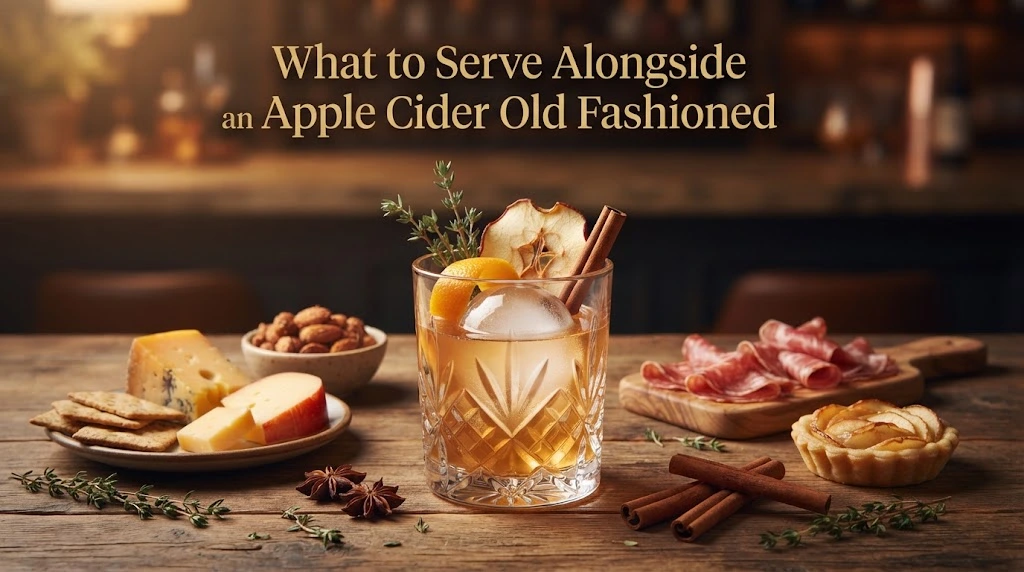
Pairing this cocktail with the right food enhances the overall experience.
- Charcuterie boards with aged cheeses and cured meats complement the whiskey’s richness nicely.
- Roasted root vegetables, like the kind commonly served at fall dinners, echo the same warm, earthy flavor notes.
- Apple pie or spiced desserts create a natural flavor bridge with the cocktail itself.
- Smoked or grilled meats, especially pork or duck, pair beautifully with the drink’s combination of sweetness and whiskey depth.
- A simple cheese and cracker spread works well for casual gatherings where you want an easy pairing that doesn’t compete with the cocktail’s flavor.
Conclusion
An apple cider old fashioned takes everything great about the classic cocktail and gives it a seasonal update that actually makes sense, rather than feeling like a gimmick. Good whiskey, fresh cider, real bitters, and a proper stir get you a drink that tastes like autumn without tipping into overly sweet or artificial territory.
Get the fundamentals right — choose fresh cider over juice, stir instead of shake, and don’t skip that orange peel expression — and you’ll end up with a cocktail worth making all season long, whether you’re hosting a holiday party or just enjoying a quiet evening at home.
Frequently Asked Questions
Can I use apple juice instead of fresh apple cider in this recipe?
You can, but the flavor won’t be as rich or complex, since apple juice is typically filtered and sometimes made from concentrate. Fresh, unfiltered apple cider gives this cocktail its signature depth and natural spice notes.
What’s the best whiskey to use for an apple cider old fashioned?
Bourbon is the most popular choice, since its natural sweetness and vanilla notes pair well with apple cider’s fruitiness. Rye whiskey works too if you prefer a spicier, less sweet version of the drink.
How do I make an apple cider old fashioned less sweet?
Reduce the amount of apple cider slightly and choose a drier, spicier whiskey like rye instead of bourbon. Taste your cider before mixing, since sweetness levels vary significantly between brands and apple varieties.
Can I make a non-alcoholic version of an apple cider old fashioned?
Yes, substitute a non-alcoholic whiskey alternative for the bourbon or rye, and keep the fresh apple cider and bitters the same. Add a splash of sparkling water for extra body, since the mocktail version can taste slightly flatter without the alcohol.
Should I shake or stir an apple cider old fashioned?
Always stir this cocktail rather than shaking it, since shaking introduces too much air and dilution, which mutes both the whiskey and the natural apple cider flavor. Stir for about 20 to 30 seconds until well-chilled.
Can I batch this recipe ahead of time for a party?
Yes, you can combine the whiskey, cider, and bitters in advance and refrigerate the mixture, though it’s best to add fresh ice and garnish each glass individually right before serving. This keeps every drink tasting fresh instead of overly diluted.
What’s the difference between an apple cider old fashioned and a regular old fashioned?
A regular Old Fashioned uses simple syrup as its sweetener, while an apple cider Old Fashioned replaces that syrup with fresh apple cider, adding natural fruit flavor and subtle spice. Both cocktails share the same basic structure of spirit, sweetener, bitters, and garnish.