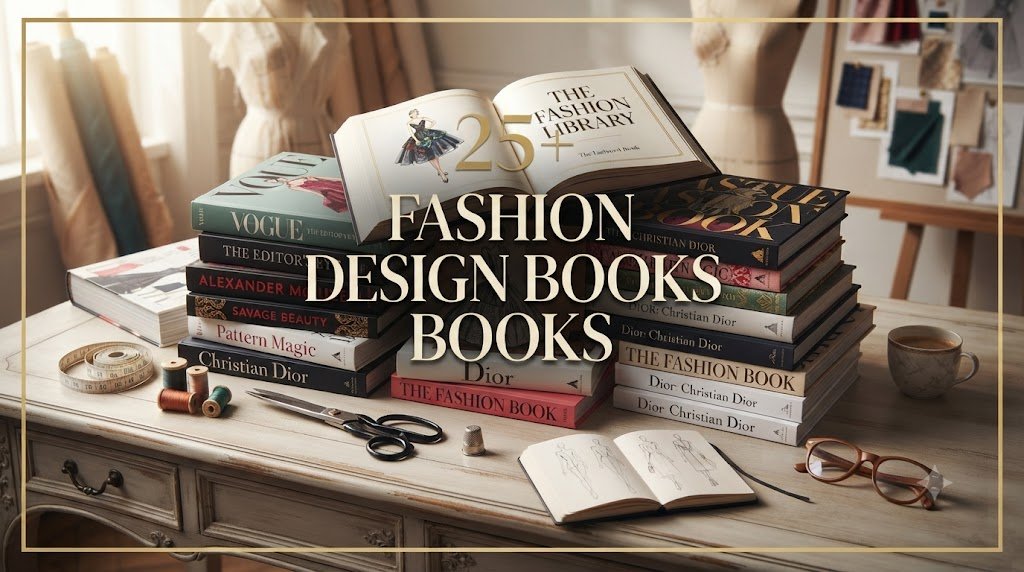
Every fashion designer has a moment when inspiration runs dry. You stare at a blank sketchbook, scroll through endless social media posts, and still can’t find that spark. The truth is, great designers rarely rely on inspiration alone. They study. They observe. Most importantly, they learn from the people who shaped the fashion industry long before digital tools became popular.
That’s where fashion design books make a real difference. A well-written book can teach you how to sketch better, understand fabrics, master garment construction, and develop your own creative style. Some books focus on technical skills, while others reveal the stories and design philosophies behind iconic collections. Together, they become a valuable resource that you can return to throughout your fashion journey.
Whether you’re a complete beginner, a fashion student, or an experienced designer looking to sharpen your skills, the right books can save you years of trial and error. They provide practical knowledge, inspire fresh ideas, and help you understand fashion beyond trends.
This guide explores everything you need to know about choosing and using fashion design books. From beginner-friendly resources to advanced references, you’ll discover how the right reading material can help you grow into a more confident and creative designer.
Why Fashion Design Books Still Matter in the Digital Age
With thousands of online tutorials and short videos available, some people wonder whether books are still worth reading. The answer is yes. While videos are great for quick demonstrations, books offer structured learning that builds knowledge step by step.
A good fashion design book doesn’t just show you how to do something. It explains why a technique works. This deeper understanding helps you make better design decisions instead of simply copying what others do.
Books also encourage focused learning. Unlike social media, where distractions are only a swipe away, reading allows you to spend uninterrupted time developing your skills.
Another advantage is reliability. Many respected fashion books are written by experienced designers, educators, or industry professionals who have spent years perfecting their craft. Their insights often go beyond what you can learn from short online content.
Expert Tip: Keep a notebook beside you while reading. Write down sketch ideas, colour combinations, and design techniques that inspire you. These notes can become valuable references for future projects.
What You Can Learn from Fashion Design Books
The best fashion design books cover far more than drawing beautiful clothes. They teach the complete design process, helping you understand both creativity and technical skills.
One of the first topics you’ll encounter is fashion illustration. Learning how to sketch garments clearly allows you to communicate ideas more effectively. Even simple improvements in figure proportions and garment details can make your concepts look more professional.
Many books also explain fabric knowledge. Understanding how cotton, silk, denim, wool, and linen behave helps you design clothing that looks realistic and functions well in everyday wear.
Other important lessons often include:
- Fashion illustration techniques
- Garment construction
- Pattern making basics
- Colour theory
- Textile selection
- Fashion history
- Collection development
- Portfolio presentation
- Trend research
- Creative thinking
Some books even include practical exercises that encourage you to apply what you’ve learned instead of simply reading the information.
Practical Example:
Imagine you’re designing a winter coat. A quality book may explain how different wool fabrics drape, why certain seam placements improve fit, and which lining materials provide better comfort. These details help transform a simple sketch into a wearable garment.
Best Types of Fashion Design Books for Beginners
Starting with the right book makes learning much less overwhelming. Beginners often struggle because they choose advanced reference books before understanding the fundamentals.
The best beginner books introduce concepts gradually. They explain technical terms in simple language and include step-by-step illustrations that make learning easier.
Fashion Illustration Books
These books focus on drawing fashion figures, clothing details, and fabric movement. They help new designers develop confidence in sketching ideas.
You’ll usually learn:
- Body proportions
- Pose drawing
- Garment rendering
- Fabric folds
- Colour application
Pattern-Making Guides
Understanding patterns helps you see how flat fabric becomes a three-dimensional garment. Beginner guides introduce simple pattern drafting without overwhelming technical detail.
Textile Reference Books
Learning about fabrics is just as important as learning to draw. Good textile books explain material properties, common uses, and how different fabrics affect garment design.
Fashion History Books
Studying fashion history develops your creative perspective. Understanding how clothing has evolved over time helps you recognise recurring trends and create more original designs.
Portfolio Development Books
Students preparing for college applications or job interviews benefit from books that explain how to present their work professionally.
Common Mistake: Many beginners buy dozens of books at once. It’s better to study one excellent book thoroughly than to skim several without applying the lessons.
How to Choose the Right Fashion Design Book
Walking into a bookstore or browsing online can feel overwhelming. Hundreds of titles promise to improve your skills, but not every book will match your learning style or goals.
Start by asking yourself one simple question: What do I want to learn right now?
If your biggest challenge is drawing, choose an illustration-focused book. If you want to understand clothing construction, look for books dedicated to sewing techniques or pattern making.
You should also consider your current experience level.
- Have little or no fashion knowledge
- Want simple explanations
- Prefer step-by-step lessons
- Need visual examples
Choose Intermediate Books If You:
- Already understand basic sketching
- Want to improve technical accuracy
- Are building a portfolio
- Plan to study fashion professionally
- Design professionally
- Work with manufacturers
- Need detailed construction methods
- Want industry-level techniques
Reading reviews can also help, but don’t rely on ratings alone. Look through sample pages whenever possible to see if the writing style suits you.
Expert Recommendation: Choose books that include photographs, diagrams, and real garment examples. Visual learning often makes complex fashion concepts easier to understand.
Essential Topics Every Great Fashion Design Book Should Cover
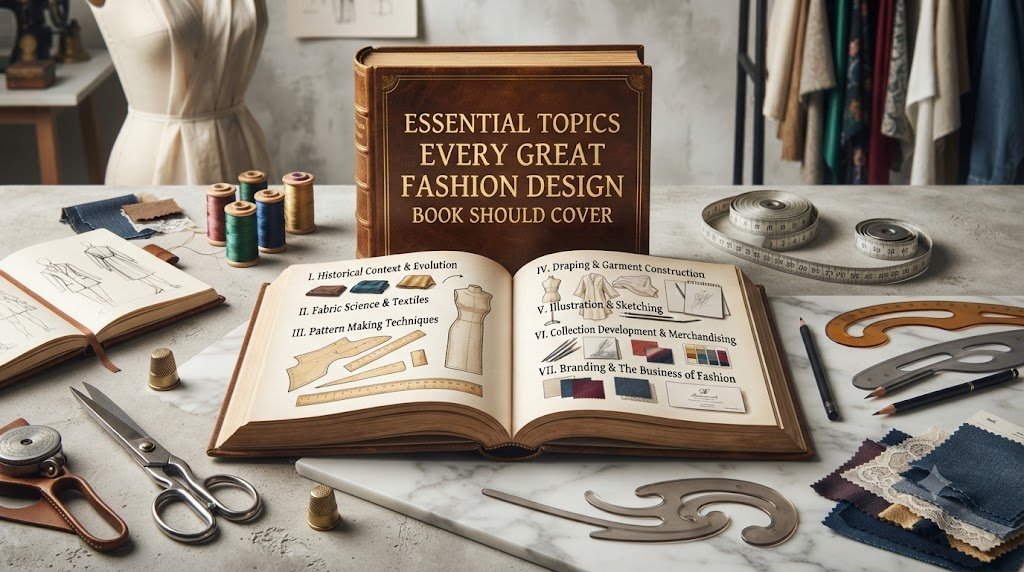
Not every book deserves a place on your shelf. The most valuable resources provide a balanced mix of creativity, technical knowledge, and practical advice.
Here are some topics worth looking for.
Fashion Illustration
Clear sketches help communicate ideas before production begins. Strong illustration skills remain valuable even when using digital design software.
Garment Construction
Understanding seams, darts, collars, sleeves, and closures makes your designs more realistic and easier to produce.
Fabric Science
A beautiful design can fail if the fabric isn’t suitable. Great books explain texture, weight, stretch, durability, and fabric care.
Colour Theory
Colour influences emotion, branding, and customer perception. Learning how colours work together strengthens every collection.
Fashion Business Basics
Many designers dream of launching their own labels. Books that discuss branding, pricing, production, and marketing provide valuable real-world knowledge beyond design itself.
Sustainability
Today’s fashion industry increasingly values responsible design. Books covering sustainable materials, ethical production, and waste reduction help prepare designers for modern industry expectations.
Creative Development
Great designers don’t simply copy trends. They learn how to observe the world, gather inspiration, and develop an authentic creative voice.
Expert Tip: Revisit your favourite books regularly. You’ll often notice new lessons as your experience grows. A chapter that seemed difficult as a beginner may become one of your most valuable resources later.
Best Fashion Design Books for Learning Fashion Illustration
Fashion illustration is often the first skill aspiring designers want to master. A strong sketch can communicate an idea in seconds, making it easier to share concepts with clients, teachers, or manufacturers. The right fashion design books break this process into manageable steps, helping you improve one skill at a time.
Look for books that explain:
- Figure proportions
- Facial features and hairstyles
- Hand and foot positioning
- Garment movement
- Fabric folds
- Colour rendering
Many beginners make the mistake of focusing only on drawing beautiful models. In reality, the clothing should always be the centre of attention. Your illustrations should clearly show garment details, construction, and fit.
A helpful exercise is to redraw the same outfit using different poses. This improves your understanding of how clothing changes with body movement and gives your sketches a more natural appearance.
Expert Tip: Practice with both pencil sketches and digital illustration. Learning both techniques gives you greater flexibility throughout your design career.
Top Fashion Design Books for Pattern Making and Garment Construction
A beautiful sketch is only the beginning. If you want your designs to become real garments, you need to understand how clothing is made. Books on pattern making and garment construction teach the technical skills that transform creative ideas into wearable fashion.
Good pattern-making books explain:
- Body measurements
- Pattern drafting
- Seam allowances
- Darts and pleats
- Sleeve construction
- Collar styles
- Garment fitting
These topics may seem technical at first, but they become much easier with practice and clear illustrations.
For example, imagine you’ve designed a fitted blazer. Without understanding pattern construction, the finished garment may pull at the shoulders or fit poorly around the waist. A strong foundation in pattern making helps prevent these issues before production begins.
Many books also include practice projects that allow you to draft simple garments before progressing to more complex designs.
Common Mistake: Skipping construction theory because it seems difficult. Even highly creative designers benefit from understanding how garments are built.
Fashion Design Books That Teach Fabric and Textile Knowledge
Choosing the right fabric can completely change how a design looks and feels. That’s why textile education is an essential part of every designer’s learning journey.
Books about fabrics explain more than names and textures. They teach how different materials behave, stretch, drape, wrinkle, and respond to sewing techniques.
You’ll commonly learn about:
- Natural fibres
- Synthetic fabrics
- Blended textiles
- Knit fabrics
- Woven fabrics
- Sustainable materials
- Fabric finishes
- Fabric care
Understanding these characteristics allows you to make smarter design choices.
For instance, a flowing evening gown might look stunning in silk or chiffon but lose its elegance if made from a heavy canvas fabric. Likewise, structured jackets often require fabrics that hold their shape rather than soft materials that drape loosely.
Many textile books also include close-up photographs, fabric swatches, and comparison charts. These visual references help beginners recognise materials more easily while shopping or sourcing fabrics.
Expert Recommendation: Whenever possible, keep small fabric samples beside your reading material. Feeling different textiles while studying their properties creates a stronger learning experience.
By studying historical clothing, you’ll discover how social changes, technology, culture, and art have influenced fashion over time.
Important topics often include:
- Ancient clothing traditions
- Renaissance fashion
- Victorian garments
- Twentieth-century style evolution
- Haute couture development
- Ready-to-wear fashion
- Global fashion influences
Understanding fashion history also improves your ability to recognise timeless design elements. A modern jacket, for example, may borrow details from military uniforms or vintage tailoring while still feeling fresh and contemporary.
Fashion history can also become a powerful source of inspiration. Instead of copying a historical garment directly, you can reinterpret its shapes, embroidery, or colour palette for today’s audience.
Expert Styling Advice: Use history as inspiration, not imitation. The best collections respect the past while introducing something new and relevant.
Can You Learn Fashion Design Through Books Alone?
This is one of the most common questions beginners ask. The honest answer is that books provide an excellent foundation, but they work best when combined with practical experience.
Reading teaches concepts. Practice develops skills.
For example, a book can explain how to draw a sleeve pattern, but you’ll gain a deeper understanding by drafting it yourself and seeing how it fits on a garment.
To get the most value from fashion design books, combine reading with hands-on activities such as:
- Daily sketching
- Sewing simple garments
- Experimenting with fabrics
- Visiting clothing stores for inspiration
- Studying well-made garments
- Building mood boards
- Creating small design collections
Another effective approach is to recreate garments you already own. Analyse how they are constructed, compare them with the techniques described in your books, and identify what makes them comfortable or stylish.
Joining fashion communities, workshops, or online design groups can also accelerate your progress. Discussing ideas with other learners often reveals new perspectives that books alone cannot provide.
Expert Tip: Treat every book as a mentor rather than a manual. Read actively, take notes, complete the exercises, and apply what you learn in real projects. Consistent practice is what transforms knowledge into professional skill.
Building Your Own Fashion Design Book Collection
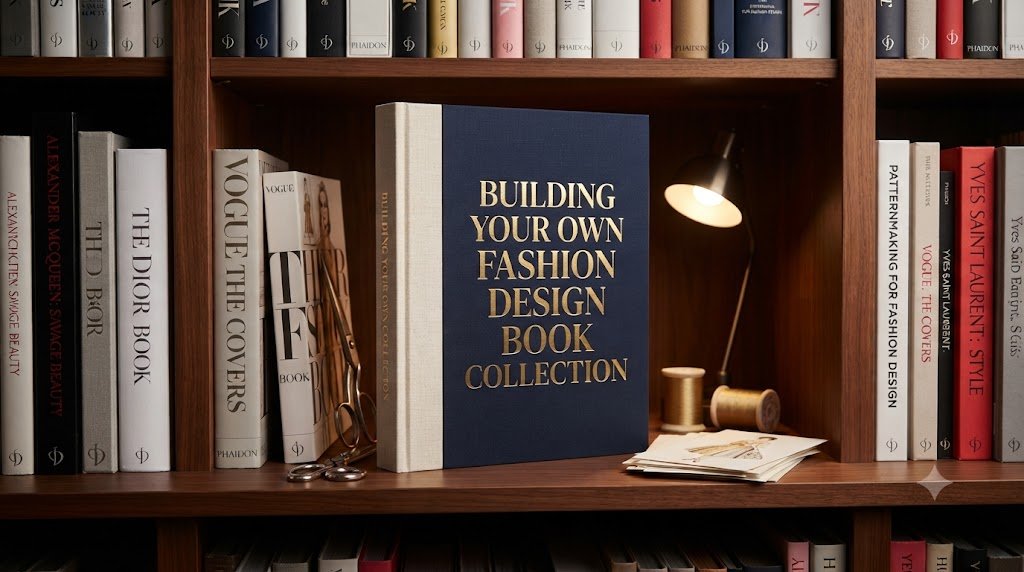
Creating a personal library is one of the smartest investments you can make as a designer. Instead of relying on random online articles, you’ll have trusted resources available whenever you need inspiration or technical guidance.
You don’t need to buy dozens of books at once. Start with a few carefully chosen titles that match your current skill level, then expand your collection as your knowledge grows.
A balanced fashion design library should include books on:
- Fashion illustration
- Pattern making
- Garment construction
- Textile science
- Colour theory
- Fashion history
- Sustainable fashion
- Fashion business and branding
Organise your books so you can find information quickly. Many designers use sticky notes or bookmarks to highlight useful techniques, garment details, or inspiring sketches they want to revisit.
Expert Tip: Re-read your favourite books every year. As your skills improve, you’ll notice details and techniques that you may have overlooked when you first started learning.
Common Mistakes When Buying Fashion Design Books
Buying books is exciting, but many aspiring designers spend money on resources that don’t match their needs. A little planning can help you build a more useful collection.
Buying Advanced Books Too Early
Professional reference books often assume you already understand fashion terminology and construction techniques.
If you’re just starting, choose books that explain concepts step by step before moving on to advanced topics.
Choosing Books Only for Beautiful Pictures
A visually attractive book may inspire you, but inspiration alone won’t improve your skills.
Look for books that include:
- Practical exercises
- Detailed explanations
- Technical diagrams
- Real garment examples
- Step-by-step demonstrations
Ignoring Publication Dates
Fashion trends change, but many design principles remain timeless.
Older books can still teach valuable skills such as garment construction, illustration, and pattern drafting. However, if you’re studying trend forecasting or fashion technology, look for more recent editions.
Buying Too Many Books at Once
Collecting books without reading them is surprisingly common.
Instead of building a large unread library, focus on mastering one book before purchasing the next.
Expert Recommendation: Before buying, read the table of contents and a few sample pages. This helps you decide whether the author’s teaching style suits the way you learn.
Digital vs Printed Fashion Design Books
Both digital and printed books have unique advantages. The best choice depends on your learning habits and daily routine.
Benefits of Printed Books
Many designers enjoy reading physical books because they make it easier to study diagrams, compare sketches, and take handwritten notes.
Printed books also reduce screen time, making long study sessions more comfortable.
Advantages include:
- Easy highlighting and note-taking
- Better focus
- High-quality image viewing
- No battery required
- Ideal for studio use
Benefits of Digital Books
Digital books offer convenience and portability.
With a tablet or laptop, you can carry an entire fashion library wherever you go.
Digital editions often include:
- Search functions
- Adjustable text size
- Instant downloads
- Cloud storage
- Cross-device access
If you’re travelling frequently or studying in different locations, digital books can be especially practical.
Which Option Is Better?
There isn’t a single correct answer.
Many professional designers combine both formats. They use printed books for in-depth study and digital books for quick reference while working on projects.
Expert Tip: If you choose digital books, organise them into folders based on topics such as textiles, illustration, history, and pattern making. This saves time when you’re searching for specific information.
How to Apply What You Learn from Fashion Design Books
Reading alone won’t make you a better designer. The real progress happens when you put new knowledge into practice.
After finishing each chapter, choose one idea and apply it immediately. If you’ve learned about sleeve construction, sketch different sleeve styles. If you’ve studied colour theory, create several colour palettes for the same outfit.
Here are a few practical ways to reinforce your learning:
- Redraw garment sketches in your own style.
- Create mini collections based on a single theme.
- Analyse ready-made clothing from local stores.
- Practice combining different fabrics and textures.
- Build mood boards inspired by everyday life.
- Keep a design journal with notes and sketches.
Another helpful exercise is to challenge yourself with weekly projects. For example, design one outfit inspired by nature, architecture, or vintage fashion. Limiting yourself to a single theme encourages creative problem-solving.
Don’t be discouraged if your first designs aren’t perfect. Every experienced designer has produced sketches that never left the page. Improvement comes through repetition, experimentation, and learning from mistakes.
Expert Styling Advice: Instead of copying designs from books, study the techniques behind them. Apply those methods to create garments that reflect your own style and creative identity.
Where to Buy High-Quality Fashion Design Books
Finding reliable books is just as important as choosing the right topics. Buying from trusted sources increases the chances of receiving authentic editions with clear printing and complete content.
You can find quality fashion design books through:
- Local bookstores
- University bookstores
- Public libraries
- Online book retailers
- Educational publishers
- Second-hand bookshops
Second-hand books are often an excellent value, especially for subjects like fashion history, illustration, and garment construction. Many classic references remain relevant for decades because the fundamentals of design rarely change.
Libraries are another overlooked resource. Borrowing books allows you to explore different authors before deciding which ones deserve a permanent place on your shelf.
If you’re buying online, read customer reviews carefully and compare editions. Updated versions may include new case studies, sustainability practices, or digital design techniques that reflect today’s fashion industry.
Expert Recommendation: Invest in a few high-quality reference books that you’ll use repeatedly instead of buying many titles that cover the same material.
Conclusion
Fashion design books remain one of the most valuable learning resources for anyone interested in clothing design. They provide structured knowledge, practical techniques, and timeless inspiration that short online videos often cannot match.
Whether you’re learning fashion illustration, studying garment construction, exploring textile science, or building your first portfolio, the right books help you develop both creative and technical skills. They encourage deeper thinking, improve problem-solving, and give you the confidence to turn ideas into wearable designs.
Remember that reading is only the beginning. Apply what you learn through sketching, sewing, experimenting with fabrics, and analysing real garments. Over time, these small, consistent efforts will shape your personal design style and strengthen your understanding of the fashion industry.
As trends evolve and technology continues to influence fashion, a strong foundation built through quality books will always remain valuable. Keep learning, stay curious, and allow every page you read to inspire your next great design.
Frequently Asked Questions (FAQs)
1. What are fashion design books used for?
Fashion design books teach essential skills such as fashion illustration, garment construction, pattern making, textile knowledge, colour theory, portfolio development, and fashion history. They provide structured learning for beginners and professionals alike.
2. Which fashion design books are best for beginners?
Beginners should look for books that explain concepts in simple language and include step-by-step illustrations, practical exercises, and clear examples covering sketching, fabrics, and basic garment construction.
3. Can I become a fashion designer by reading books?
Books provide an excellent foundation, but practical experience is equally important. Combining reading with sketching, sewing, and creating your own designs will help you develop professional skills more effectively.
4. Are digital fashion design books as good as printed books?
Yes. Digital books offer portability, search features, and instant access, while printed books are often better for focused study and detailed illustrations. Many designers use both formats depending on the situation.
5. How many fashion design books should I own?
Quality matters more than quantity. A small collection covering illustration, textiles, garment construction, fashion history, and business basics is enough to support steady learning and skill development.
6. How often should I read fashion design books?
Reading regularly—even one chapter each week—helps you build knowledge over time. Revisiting favourite books as your skills improve can reveal new insights and reinforce important techniques.
7. Are older fashion design books still useful?
Yes. Many classic books remain valuable because they teach timeless principles such as drawing, pattern making, garment construction, and design theory. For topics like fashion technology or trend forecasting, choose the latest editions whenever possible.