Fashion has always been more than fabric, colors, and trends. It is a way people express their personality, dreams, culture, and confidence. A carefully designed outfit can change how someone feels when they walk into a room. Behind every unforgettable piece of clothing is a creative mind who understands beauty, detail, and human emotions.
Finding a top fashion designer is not only about looking for a famous name. It is about discovering a creator who brings imagination, craftsmanship, and a unique vision into every collection. The best designers understand how clothing connects with people and how style can become a part of someone’s identity.
From luxury runway creations to everyday fashion, talented designers influence how the world dresses. They introduce new ideas, preserve traditions, and inspire millions of people to experiment with their personal style. In this guide, we will explore what makes a designer exceptional, the qualities that define fashion excellence, famous names, career insights, and practical tips for choosing the right designer for your needs.
What Makes Someone a Top Fashion Designer.
A great fashion designer does much more than create attractive clothing. They combine creativity, technical knowledge, cultural awareness, and an understanding of what people want to wear.
The strongest designers usually share several important qualities:
- Creative vision that helps them develop original ideas.
- Strong knowledge of fabrics, colors, and garment construction.
- Ability to understand changing fashion trends.
- Attention to small details.
- A clear design identity.
A designer’s success often comes from creating a recognizable style. When people see a collection, they should feel the designer’s personality behind the work.
For example, some designers become known for elegant evening gowns, while others build their reputation through streetwear, sustainable fashion, or minimalist designs.
Expert styling insight: The best designers do not simply follow trends. They understand trends and then transform them into something fresh.
A common mistake is judging a designer only by popularity. A famous name does not always mean the best fit for every person. The right designer depends on your style preferences, lifestyle, and fashion goals.
Most Famous Top Fashion Designer Names Around the World.
The global fashion industry includes many talented designers who have shaped modern style. These creators have influenced clothing, accessories, luxury markets, and fashion culture.
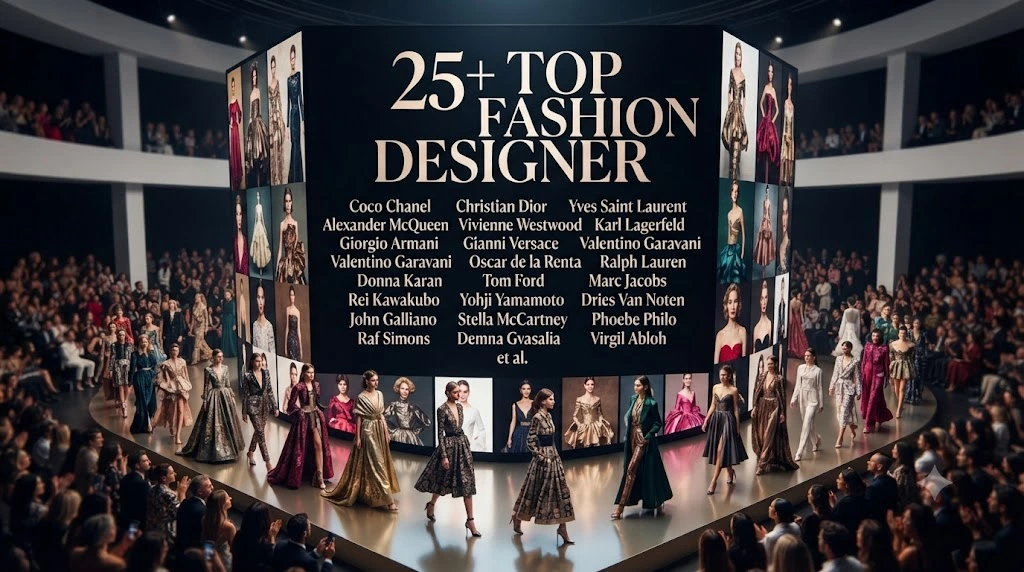
Some internationally recognized fashion designers include:
- Coco Chanel, known for timeless elegance and revolutionary women’s fashion.
- Christian Dior, famous for creating the iconic New Look silhouette.
- Giorgio Armani, recognized for refined tailoring and modern sophistication.
- Donatella Versace, known for bold luxury fashion.
- Ralph Lauren, celebrated for classic American style.
Each designer has contributed something different to fashion history. Some changed the way people view luxury, while others introduced new approaches to casual clothing and lifestyle fashion.
The most successful designers often understand one important idea: clothing should connect with people emotionally.
A beautiful outfit is not only something people wear. It becomes part of memories, celebrations, and personal stories.
Top Fashion Designer Skills That Create Successful Careers.
Behind every successful fashion label is a combination of artistic talent and practical skills. Fashion design requires creativity, but it also demands discipline and technical understanding.
Important skills include:
- Fashion illustration and sketching.
- Understanding textiles and materials.
- Pattern making.
- Knowledge of fashion history.
- Trend forecasting.
- Business management.
- Communication skills.
A designer may have amazing ideas, but turning those ideas into wearable clothing requires technical ability.
For example, a designer creating a wedding dress must understand how different fabrics move, how the garment supports the wearer, and how every detail affects the final appearance.
Fashion experts often say that successful designers combine the imagination of an artist with the problem-solving skills of an engineer.
A common beginner mistake is focusing only on creativity and ignoring the business side. Building a successful fashion career also requires understanding customers, marketing, pricing, and brand development.
Great design becomes powerful when creativity meets strategy.
How Top Fashion Designers Influence Modern Fashion Trends.
Fashion designers play a major role in shaping what people wear around the world. They introduce new silhouettes, colors, materials, and styling ideas that influence both luxury fashion and everyday clothing.
Many trends begin through:
- Fashion week collections.
- Designer collaborations.
- Celebrity styling.
- Social media influence.
- Cultural movements.
A designer’s influence can appear years after a collection launches. Some ideas become timeless because they solve real style needs.
For example, a designer may introduce a new way of creating comfortable formal wear. Over time, other brands adapt the idea because customers appreciate the improvement.
Modern designers also focus on:
- Sustainable fashion.
- Inclusive sizing.
- Ethical production.
- Digital fashion experiences.
Today’s fashion audience wants more than beautiful clothing. People also care about how garments are made and what values a brand represents.
Expert advice: When following fashion trends, choose ideas that match your personality. A trend should support your style, not replace it.
The most stylish people are not always those who follow every trend. They are often the ones who understand what works for them.
Luxury Fashion and the Role of a Top Fashion Designer.
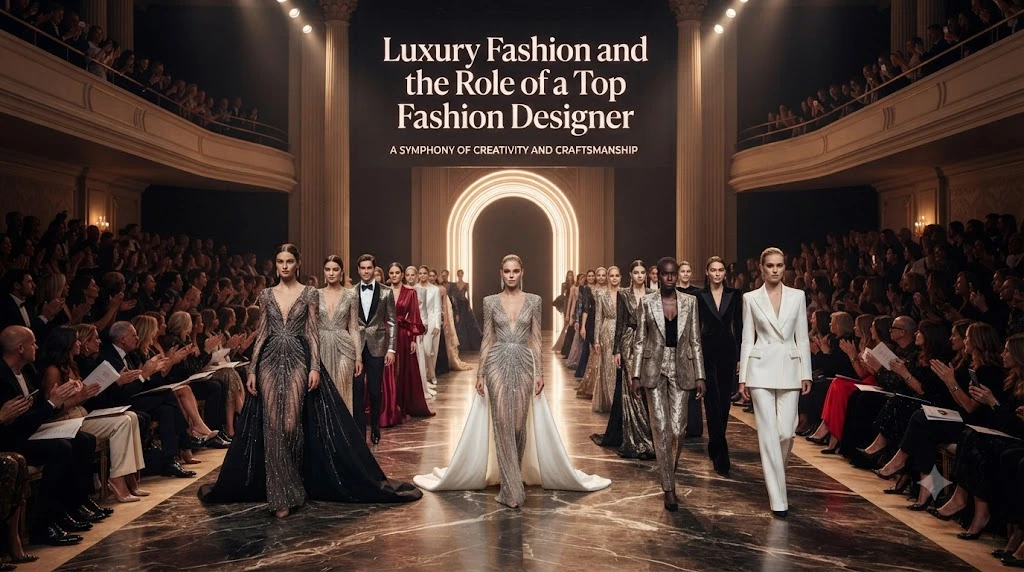
Luxury fashion represents craftsmanship, creativity, and exclusivity. Top designers in the luxury industry create pieces that often become symbols of artistic achievement.
Luxury designers focus heavily on:
- Premium materials.
- Handmade details.
- Unique construction techniques.
- Exceptional finishing.
- Brand storytelling.
A luxury garment often takes many hours of planning and skilled work. Designers carefully consider every element, from fabric selection to final stitching.
Luxury fashion is not only about high prices. The true value comes from creativity, quality, and the experience connected to the piece.
For example, a handcrafted jacket may become special because of the designer’s attention to detail and the story behind its creation.
Common mistake: Assuming luxury fashion is only about status. Many people appreciate designer clothing because of craftsmanship, history, and artistic expression.
A top designer creates pieces that remain meaningful beyond a single season.
Best Fashion Design Styles Created by Leading Designers.
Every top designer develops a signature approach. This personal style helps audiences recognize their work and understand their creative direction.
Popular fashion design styles include:
- Minimalist fashion.
- Haute couture.
- Streetwear.
- Sustainable fashion.
- Classic tailoring.
- Avant-garde designs.
Minimalist designers often focus on clean lines and simplicity. Couture designers may create dramatic handmade pieces with extraordinary detail.
Streetwear designers combine comfort with cultural influences, while sustainable designers focus on responsible materials and ethical production.
Choosing a favorite designer style depends on personal taste.
Someone who loves simple elegance may prefer classic designs. Someone who enjoys standing out may choose bold artistic creations.
Styling tip: Explore different designer styles before deciding what represents you. Fashion is a journey, and personal style often develops through experimentation.
A common mistake is copying a designer’s entire look. Inspiration works best when you adapt ideas to your own personality.
How to Choose the Right Top Fashion Designer for Your Needs.
Choosing a designer requires understanding your goals. The best designer for one person may not be the best choice for another.
Consider these factors:
- Your personal style.
- The occasion.
- Your budget.
- Quality expectations.
- Comfort preferences.
For example, someone looking for a wedding gown may prioritize craftsmanship and customization. Someone searching for daily clothing may prefer comfort and versatility.
Before selecting a designer, research:
- Previous collections.
- Customer reviews.
- Design philosophy.
- Materials used.
- Brand reputation.
Expert recommendation: Look beyond the logo. Pay attention to how the designer solves problems and creates clothing that feels meaningful.
A great designer should match your lifestyle, not simply impress you with a famous name.
Top Fashion Designer Techniques Behind Iconic Clothing.
Behind every memorable fashion piece is a combination of creative thinking and technical skill. Successful designers use specific techniques to transform ideas into finished garments that people admire and enjoy wearing.
Some important design techniques include:
- Creating detailed fashion sketches.
- Choosing fabrics based on movement and purpose.
- Developing unique patterns.
- Understanding body proportions.
- Experimenting with textures and colors.
A designer may begin with a simple idea, such as a mood, memory, or cultural reference. From there, they develop sketches, select materials, and refine the design until the final piece represents their vision.
For example, a designer creating a formal dress must consider more than appearance. They must think about how the fabric flows, how the wearer moves, and how the design creates confidence.
Fashion experts often describe great designers as problem solvers. They find creative ways to make clothing beautiful, comfortable, and functional.
A common mistake among new designers is focusing only on decoration. Strong fashion design also requires understanding structure, balance, and wearability.
The most successful designers create clothing that looks impressive while still respecting the needs of the person wearing it.
Top Fashion Designer Brands That Changed the Fashion Industry.
Fashion brands often become powerful because they represent a clear vision. A successful designer brand is not only recognized by its logo but also by its design philosophy and connection with customers.
Some influential fashion houses include:
- Chanel, known for timeless elegance and iconic fashion pieces.
- Dior, recognized for luxury clothing and innovative design.
- Gucci, famous for bold creativity and modern luxury.
- Prada, known for intellectual designs and experimental fashion.
- Louis Vuitton, recognized for luxury products and global influence.
These brands became successful because they created strong identities. Customers often connect with a brand’s story, values, and artistic direction.
Modern fashion brands also focus on digital experiences, sustainability, and customer relationships.
A strong brand today must do more than produce attractive clothing. It must communicate authenticity and understand changing consumer expectations.
Expert insight: A memorable fashion brand solves a customer’s emotional need. People often buy designer clothing because they connect with the feeling behind the design.
How a Top Fashion Designer Builds a Successful Fashion Label.
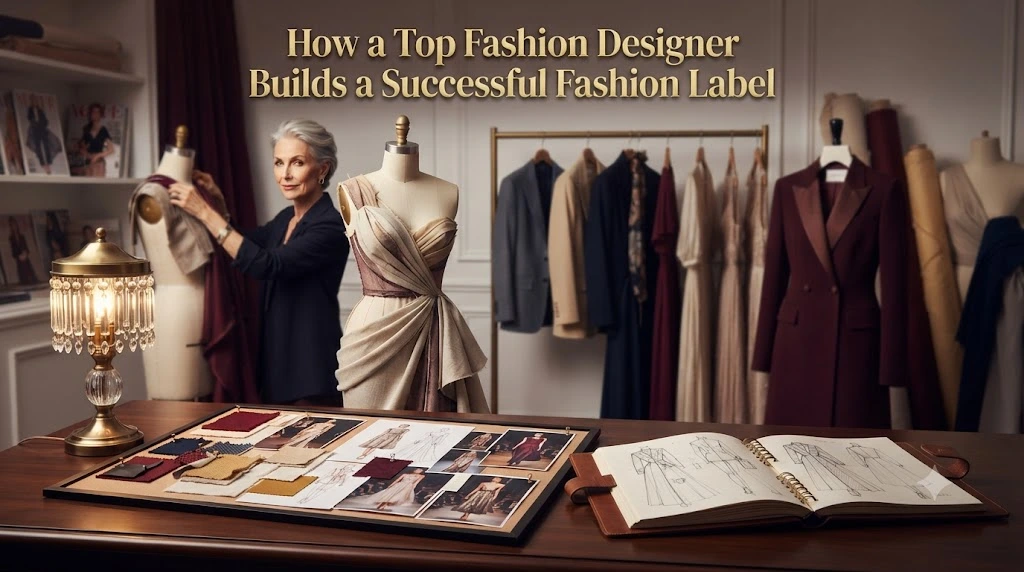
Creating a fashion label requires much more than designing beautiful clothes. A successful designer must build a complete brand experience.
Important steps include:
- Developing a unique design identity.
- Understanding the target customer.
- Creating quality products.
- Building brand awareness.
- Managing production and marketing.
Many successful designers begin with a clear question: What makes my designs different?
A strong identity helps customers remember a brand. This identity may come from specific colors, materials, silhouettes, or storytelling methods.
For example, one designer may become known for elegant eveningwear, while another may become famous for sustainable casual fashion.
Building a fashion label also requires patience. Many successful brands grow over years through consistent quality and customer trust.
Common mistake: Trying to copy successful brands. Inspiration is useful, but a designer needs an original voice to create lasting success.
The strongest fashion labels are built around authenticity, creativity, and a deep understanding of customers.
Role of Sustainability in Modern Top Fashion Designer Collections.
Sustainability has become one of the most important topics in modern fashion. Today’s designers are exploring ways to create beautiful clothing while reducing environmental impact.
Sustainable fashion focuses on:
- Responsible materials.
- Ethical manufacturing.
- Reduced waste.
- Longer-lasting designs.
- Better production methods.
Many top designers are changing their approach by using recycled fabrics, supporting skilled workers, and creating collections designed to last.
Consumers increasingly want to know the story behind their clothing. They want quality pieces that align with their values.
For example, a designer who creates a durable jacket using responsible materials offers more than fashion. They offer a product with purpose.
Expert styling advice: Building a sustainable wardrobe starts with buying fewer but better pieces. Choose clothing you will enjoy wearing for years.
A common mistake is believing sustainable fashion always means expensive fashion. Sustainability can also mean taking care of existing clothes and making thoughtful purchases.
The future of fashion depends on creativity combined with responsibility.
Top Fashion Designer Education and Career Path.
Many successful designers develop their skills through education, practice, and experience. While talent matters, learning the technical side of fashion helps transform ideas into professional work.
Common educational paths include:
- Fashion design programs.
- Textile studies.
- Pattern-making courses.
- Fashion business training.
- Internships with designers.
A fashion student often learns:
- Drawing techniques.
- Fabric knowledge.
- Garment construction.
- Fashion history.
- Collection development.
However, education alone does not create success. Designers also need curiosity, discipline, and the ability to adapt.
Many respected designers continue learning throughout their careers because fashion constantly changes.
Practical experience is extremely valuable. Working behind the scenes in fashion shows, studios, or production teams helps designers understand the industry.
A common mistake is focusing only on creating designs and ignoring communication skills. Successful designers must explain ideas, work with teams, and understand customers.
Fashion is both an art and a profession.
How Top Fashion Designers Use Technology in Modern Design.
Technology has transformed the fashion industry. Modern designers use digital tools to create, present, and improve clothing.
Technology helps designers with:
- Digital fashion sketches.
- 3D garment visualization.
- Virtual fashion shows.
- Online customer experiences.
- Data-based trend research.
These tools allow designers to experiment faster and reduce mistakes during development.
For example, a designer can now create a digital version of a garment before producing physical samples. This saves time and resources.
Technology has also changed how customers discover fashion. Social media platforms allow designers to connect directly with global audiences.
Modern designers must understand both creativity and technology.
Expert advice: Designers who combine traditional craftsmanship with modern tools often create the most interesting results.
A common mistake is believing technology replaces creativity. Technology supports creative thinking, but human imagination remains the foundation of fashion.
Top Fashion Designer Trends to Watch in the Future.
Fashion continues to evolve as customers develop new expectations. Future designers will likely focus on personalization, sustainability, and technology-driven experiences.
Important future trends include:
- Customized clothing.
- Gender-inclusive fashion.
- Smart fabrics.
- Sustainable production.
- Digital fashion experiences.
Personalization is becoming especially important. Customers want clothing that reflects their identity rather than simply following mass-market trends.
Designers are also exploring clothing that combines style with function. Comfortable fabrics, adaptable designs, and practical features are becoming more popular.
The future fashion industry will likely reward designers who understand people as much as they understand clothing.
A common mistake is assuming fashion is only about appearance. Modern consumers also care about comfort, values, and the story behind each piece.
The best designers of the future will combine creativity, responsibility, and human connection.
Expert Tips for Developing Personal Style Inspired by Top Designers.
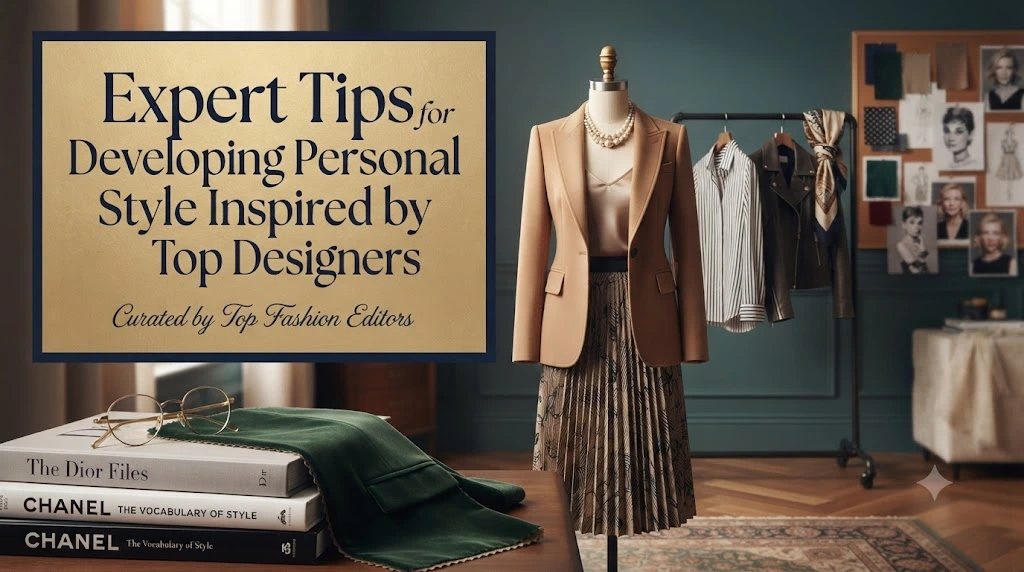
You do not need a designer wardrobe to develop great personal style. The most stylish people often understand how to use inspiration in a practical way.
Helpful style tips include:
- Identify colors you enjoy wearing.
- Learn which silhouettes fit your lifestyle.
- Invest in quality basics.
- Add statement pieces carefully.
- Adapt trends instead of copying them.
A designer-inspired wardrobe should still feel like your own.
For example, you may admire luxury tailoring but prefer a more relaxed lifestyle. You can borrow the idea of clean lines while choosing comfortable fabrics.
Fashion experts recommend building a wardrobe slowly. Thoughtful choices usually create better results than frequent impulse shopping.
Common mistake: Buying clothing because someone else looks good wearing it. Style works differently for every person.
The goal is not to become someone else. The goal is to become the best version of yourself through clothing.
Why Top Fashion Designers Matter in Global Culture.
Fashion designers influence much more than clothing choices. They shape culture, communicate ideas, and reflect changes happening in society.
Designers often respond to:
- Social movements.
- Cultural traditions.
- Changing lifestyles.
- Environmental concerns.
- Artistic influences.
A powerful collection can start conversations and inspire people around the world.
Fashion also preserves history. Traditional techniques, cultural references, and creative expressions often continue through designer work.
The influence of great designers appears in:
- Everyday clothing.
- Celebrity fashion.
- Entertainment.
- Business style.
- Personal expression.
A top designer understands that clothing carries meaning. Every garment tells a story about the person wearing it and the world around them.
Fashion remains powerful because it connects creativity with human experience.
How to Recognize Quality From a Top Fashion Designer.
Understanding quality helps you make smarter fashion choices. A beautiful design may attract attention, but true quality appears in the details that make clothing comfortable, durable, and valuable.
When evaluating designer clothing, look for:
- High-quality fabrics.
- Strong stitching.
- Careful finishing.
- Balanced construction.
- Comfortable movement.
A well-made garment usually feels different from a mass-produced piece. The fabric often feels better, the shape holds longer, and the details show careful craftsmanship.
For example, a designer jacket with strong lining, precise seams, and quality buttons can remain stylish for many years.
Fashion experts often recommend examining clothing inside and out. The hidden details can reveal the designer’s level of care.
Common mistakes include focusing only on labels or prices. A famous name does not automatically guarantee the best quality.
The true value of designer fashion comes from creativity, craftsmanship, and how well the piece serves the person wearing it.
Top Fashion Designer vs Fashion Brand: Understanding the Difference.
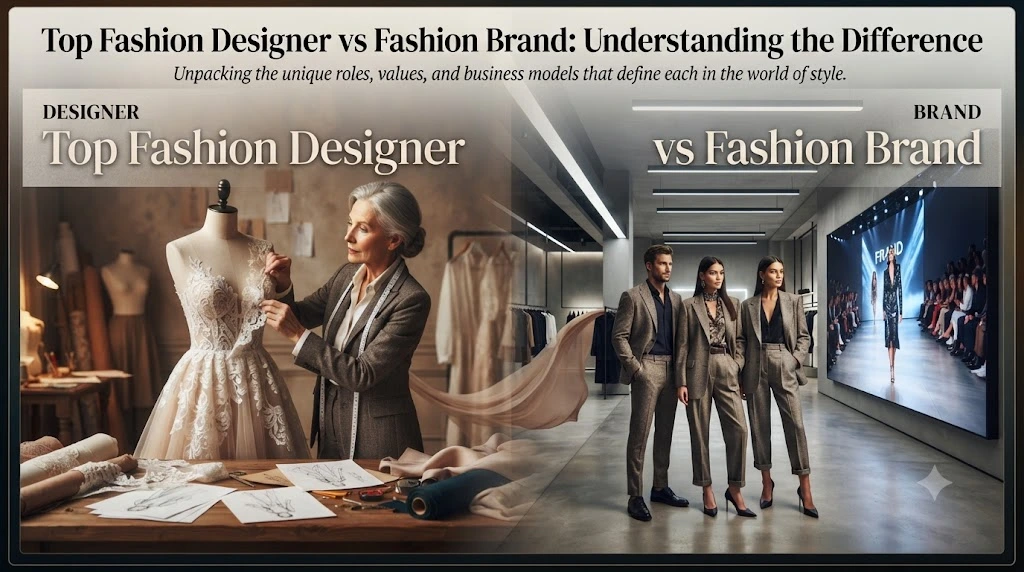
Many people use the terms fashion designer and fashion brand interchangeably, but they represent different concepts.
A fashion designer is the creative person who develops ideas, creates designs, and shapes the artistic direction of collections.
A fashion brand is the larger identity that includes:
- Products.
- Marketing.
- Business operations.
- Customer experience.
- Brand reputation.
Sometimes one designer creates a brand that carries their name. In other cases, designers work behind established fashion houses.
Understanding this difference helps shoppers appreciate the creative work behind clothing.
For example, when you purchase a designer piece, you are not only buying fabric. You are also experiencing the designer’s vision, skills, and creative decisions.
Expert advice: Learn about the designer’s story before investing in their work. Understanding the creative journey often makes fashion more meaningful.
A common mistake is judging fashion only by the final appearance. The process behind a garment often adds significant value.
Conclusion: The Lasting Impact of a Top Fashion Designer.
A top fashion designer is not simply someone who creates beautiful clothing. A truly exceptional designer understands people, culture, creativity, and the emotional connection between individuals and what they wear.
The world’s greatest designers have changed fashion by introducing new ideas, improving craftsmanship, and creating clothing that reflects different lifestyles and personalities. They influence trends, support innovation, and inspire people to express themselves with confidence.
Modern fashion continues to evolve through sustainability, technology, inclusivity, and personal expression. The designers who succeed in the future will be those who combine creativity with responsibility and understand what customers truly value.
Choosing designer clothing is not only about owning a fashionable item. It is about finding pieces that represent your identity and make you feel confident.
Whether you admire luxury fashion, sustainable design, classic elegance, or modern street style, the right designer can help you discover new ways to express yourself.
Fashion is personal. The best designs are the ones that become part of your story.
Frequently Asked Questions About Top Fashion Designer.
Who is considered the top fashion designer in the world?
There is no single answer because fashion appreciation depends on style, culture, and personal preference. Designers such as Coco Chanel, Christian Dior, Giorgio Armani, and many modern creators have made significant contributions to global fashion.
What skills does a top fashion designer need?
A successful fashion designer needs creativity, fabric knowledge, technical design skills, communication ability, trend awareness, and strong business understanding.
How does a fashion designer become successful?
Most successful designers build their careers through education, experience, creativity, networking, and developing a unique design identity that connects with customers.
What makes a fashion designer different from a clothing manufacturer?
A fashion designer focuses on creative concepts, style direction, and garment ideas, while manufacturers focus on producing clothing according to designs.
Why are top fashion designers important in the fashion industry?
Top designers introduce new ideas, influence trends, preserve craftsmanship, and help shape how people express themselves through clothing.
How can I choose the right designer brand for my style?
Choose a designer by considering your personal taste, lifestyle, budget, clothing needs, and appreciation for the designer’s creative approach.
Are designer clothes worth the investment?
Designer clothing can be worth the investment when it offers excellent quality, timeless design, comfort, and craftsmanship that provides long-term value.