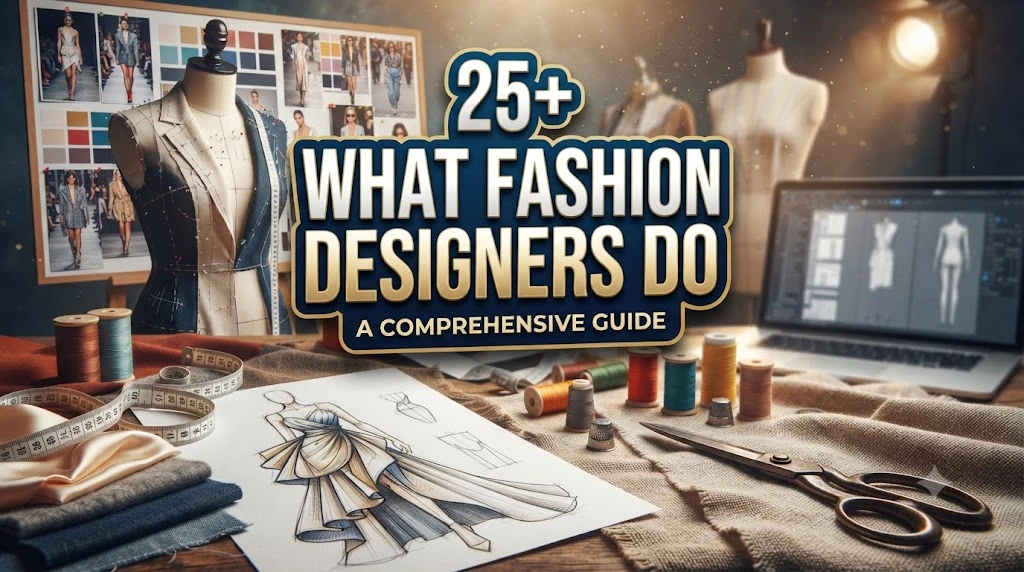
Fashion is more than clothing. It is a way people express their personality, confidence, culture, and emotions without saying a single word. Have you ever worn an outfit that instantly made you feel more comfortable, powerful, or happy? Behind that feeling, there is often a creative mind working quietly to design pieces that connect with real people.
A fashion designer does much more than sketch beautiful outfits. They study trends, understand fabrics, solve style problems, and create clothing that fits different lifestyles. From a simple everyday dress to a luxury runway collection, every design begins with an idea, research, and a deep understanding of what people need.
Many people imagine fashion designers only drawing glamorous clothes, but the reality is much richer. A designer combines art, business, technology, and human emotions to create wearable designs. They think about comfort, function, appearance, and the message a garment communicates.
Whether you dream of becoming a fashion designer, want to understand the fashion industry, or simply love learning how clothes are created, this guide explains the complete role of a fashion designer in simple words. You will discover their daily tasks, creative process, skills, career opportunities, and the secrets behind successful fashion design.
What Does a Fashion Designer Do Every Day
A fashion designer spends each day balancing creativity with practical work. Their job starts long before a finished outfit appears in a store. They transform ideas into clothing by following a detailed design process.
A typical day may include researching fashion trends, selecting materials, meeting with team members, creating sketches, reviewing samples, and making improvements. Some designers work independently, while others collaborate with fashion houses, clothing brands, manufacturers, and marketing teams.
A designer’s daily responsibilities often include:
- Researching current fashion trends and customer preferences.
- Creating original clothing concepts and design sketches.
- Choosing fabrics, colors, patterns, and textures.
- Developing sample garments with pattern makers and tailors.
- Adjusting designs to improve comfort and appearance.
- Communicating ideas with production teams.
- Preparing collections for fashion shows or retail sales.
Experienced designers also spend time understanding their audience. For example, a designer creating office wear will think about professional appearance, comfort during long work hours, and easy maintenance. A designer creating wedding outfits will focus on elegance, cultural traditions, and emotional value.
Attention to detail separates average designers from exceptional ones. A small decision, such as changing a fabric texture or adjusting a sleeve shape, can completely change how a garment looks and feels.
How Fashion Designers Create New Clothing Designs
Creating a fashion design is a journey that combines imagination with planning. Great designers do not simply create random outfits. They follow a creative process that helps turn ideas into successful clothing pieces.
The process usually begins with inspiration. Designers find ideas from many sources, including nature, history, architecture, art, travel, street style, and social movements. A designer might notice the colors of a sunset or the structure of an old building and transform that inspiration into a clothing collection.
The main steps of fashion design include:
- Research and inspiration: Designers study trends, cultures, fabrics, and customer needs.
- Concept development: They create a theme or vision for the collection.
- Sketching: They draw clothing ideas and experiment with different shapes.
- Fabric selection: They choose materials that match the design purpose.
- Pattern creation: They develop patterns that guide garment construction.
- Sample making: They create prototypes to test the design.
- Final adjustments: They improve fit, style, and overall quality.
For example, a designer creating summer clothing may choose lightweight cotton, bright colors, and breathable shapes. A designer creating winter fashion may focus on wool, layering techniques, and protective designs.
Fashion design requires both creativity and problem-solving. A beautiful idea must also work in real life. A designer must ask important questions: Can people move comfortably in this outfit? Is the fabric suitable? Will customers want to wear it?
The best designers create clothing that looks attractive while making people feel confident.
What Skills Does a Fashion Designer Need
Successful fashion designers develop a combination of artistic, technical, and communication skills. Natural creativity helps, but professional success requires continuous learning and practice.
One of the most important skills is visual creativity. Designers need to imagine how colors, shapes, and fabrics work together before creating the final product.
Important skills for fashion designers include:
- Drawing and illustration abilities.
- Knowledge of fabrics and textiles.
- Understanding of fashion trends.
- Sewing and garment construction skills.
- Color theory knowledge.
- Computer-aided design experience.
- Communication and teamwork abilities.
- Business and marketing understanding.
Modern fashion designers also use technology in their work. Many professionals use digital design software to create accurate sketches, experiment with patterns, and prepare production files.
Communication skills matter because designers rarely work alone. They often collaborate with manufacturers, photographers, stylists, models, buyers, and brand managers. A designer must explain ideas clearly so everyone understands the final vision.
A common mistake among beginners is focusing only on artistic talent. Creativity is important, but successful designers also understand customers, budgets, deadlines, and production challenges.
What Is the Role of a Fashion Designer in the Fashion Industry
A fashion designer plays a central role in the fashion industry. They connect creativity with consumer needs by creating products that people want to wear.
The fashion industry includes many areas, such as clothing design, luxury fashion, retail brands, costume design, sustainable fashion, and accessory design. Designers contribute ideas that influence how people dress and how trends develop.
Fashion designers often work in different categories:
- Luxury fashion: Creating exclusive, high-end garments for private clients or fashion houses.
- Ready-to-wear fashion: Designing clothing produced in standard sizes for stores.
- Streetwear fashion: Creating casual clothing inspired by everyday culture.
- Costume design: Developing outfits for movies, theater, and television.
- Sustainable fashion: Designing environmentally responsible clothing.
A designer must understand both creativity and market demand. A beautiful collection may fail if it does not match customer expectations. Successful designers study customer behavior and create clothing that balances style with practicality.
For example, many modern consumers want comfortable clothing that also looks fashionable. Designers now consider flexible fabrics, inclusive sizing, and sustainable materials when creating new collections.
The fashion designer’s role continues to grow as the industry changes. Today, designers influence not only clothing but also lifestyle, identity, and social expression.
How Fashion Designers Choose Fabrics and Materials
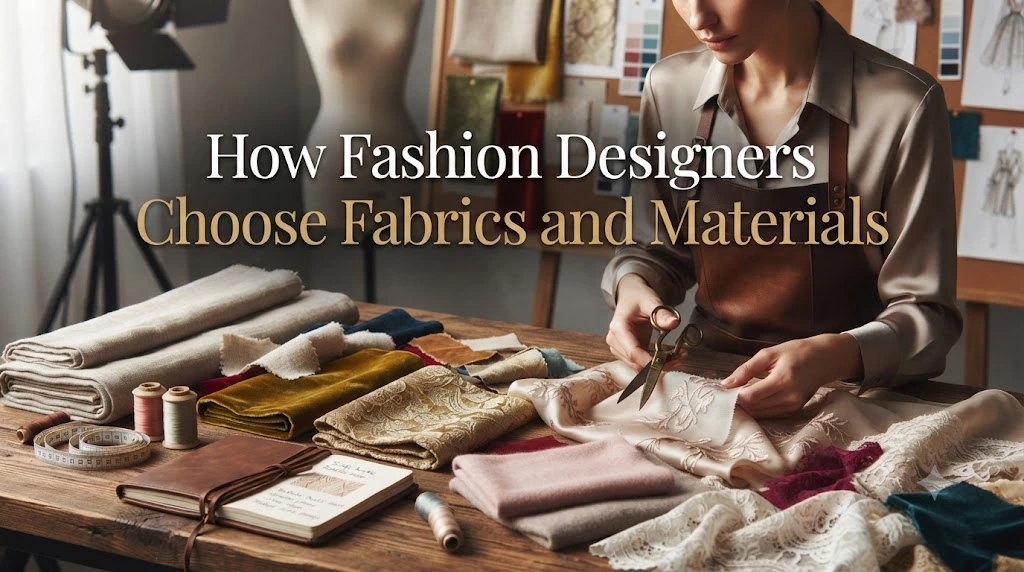
Fabric selection is one of the most important decisions a fashion designer makes. The right material can improve a design, while the wrong fabric can affect comfort, appearance, and durability.
Designers study different textile properties before choosing materials. They consider texture, weight, flexibility, breathability, color absorption, and maintenance requirements.
Popular fabrics used in fashion design include:
- Cotton for comfort and everyday clothing.
- Silk for luxury and elegant designs.
- Wool for warmth and structured garments.
- Linen for lightweight summer fashion.
- Denim for durable casual wear.
- Sustainable fabrics for eco-conscious collections.
A professional designer does not choose fabric only because it looks attractive. They think about the purpose of the garment.
For example, a designer creating activewear needs stretchy, breathable materials that support movement. A designer creating formal evening wear may choose fabrics with a luxurious feel and elegant appearance.
Fabric knowledge creates better designs because materials affect how clothing moves on the body. Experienced designers understand that a beautiful sketch becomes successful only when the chosen fabric brings the idea to life.
Another important trend in modern fashion is sustainable materials. Many designers now explore recycled fabrics, organic textiles, and ethical production methods to reduce environmental impact.
What Is the Difference Between a Fashion Designer and a Fashion Stylist
Many people confuse fashion designers with fashion stylists, but these careers have different responsibilities. Both professionals work with clothing, yet their roles are not the same.
A fashion designer creates clothing from the beginning. They develop concepts, choose fabrics, create patterns, and oversee garment production.
A fashion stylist works with existing clothing pieces and creates complete looks. Stylists select outfits for individuals, photo shoots, celebrities, advertisements, and events.
The main differences include:
- Fashion designers create new garments.
- Fashion stylists arrange clothing into attractive combinations.
- Designers focus on production and construction.
- Stylists focus on appearance and presentation.
- Designers influence future fashion trends.
- Stylists help people express personal style.
For example, a designer may create a new evening gown collection. A stylist may choose one gown from that collection and combine it with shoes, jewelry, and accessories for a celebrity event.
Both careers require strong fashion knowledge, but they solve different style challenges. Designers build the foundation of fashion, while stylists create memorable visual experiences.
How Fashion Designers Follow Trends and Predict Future Styles
Fashion designers need to understand what people want before they create new collections. They study current styles, cultural changes, customer behavior, and global influences to predict what will become popular.
Trend research is not about copying what already exists. Skilled designers observe patterns and create fresh ideas that match future needs. They look at fashion shows, street style, social media, art, music, technology, and lifestyle changes for inspiration.
Fashion designers often use these methods to understand trends:
- Studying fashion week collections from global fashion capitals.
- Observing customer buying habits.
- Following color and fabric trend reports.
- Analyzing social media fashion movements.
- Researching cultural and lifestyle changes.
- Watching how people adapt clothing for daily life.
For example, the rise of remote work changed clothing preferences. Many people started looking for outfits that combine comfort with professionalism. Designers responded by creating relaxed tailoring, stylish loungewear, and versatile pieces that work in multiple settings.
A professional designer does not follow every trend blindly. They understand that some trends disappear quickly, while others become timeless styles. The goal is to create clothing that feels modern but still has lasting value.
Creative prediction is one of the biggest skills in fashion. Designers must imagine what people will love tomorrow while respecting what makes clothing practical today.
What Tools and Technology Do Fashion Designers Use
Modern fashion design combines traditional creativity with advanced technology. While sketches and fabric samples remain important, many designers now use digital tools to improve accuracy and efficiency.
Fashion design software helps professionals create detailed digital illustrations, experiment with colors, and develop patterns. These tools save time and allow designers to test different ideas before producing physical samples.
Common tools used by fashion designers include:
- Digital drawing software for creating clothing concepts.
- Computer-aided design programs for technical patterns.
- 3D garment design tools for virtual samples.
- Fabric testing equipment for quality checks.
- Trend forecasting platforms for market research.
- Sewing machines and specialized production equipment.
Technology also supports sustainable fashion. Digital sampling can reduce fabric waste because designers can test designs virtually before manufacturing.
For example, a designer creating a jacket can use 3D design software to view different colors, materials, and shapes without producing multiple physical samples. This approach helps brands save resources and make better decisions.
However, technology does not replace creativity. A computer can help create a design, but human imagination creates the original idea. The strongest designers combine creative thinking with modern innovation.
What Education and Training Does a Fashion Designer Need
A fashion designer does not always need one specific educational path, but proper training helps develop professional skills and industry knowledge.
Many designers study fashion design through colleges, universities, or specialized fashion schools. These programs teach important areas such as drawing, textiles, sewing techniques, fashion history, and business management.
Fashion design education often includes:
- Fashion illustration.
- Pattern making.
- Garment construction.
- Textile science.
- Fashion marketing.
- Portfolio development.
- Computer-aided design.
- Fashion business principles.
Practical experience also plays a major role. Many successful designers build their skills through internships, apprenticeships, personal projects, and working with experienced professionals.
A strong portfolio is especially important because it shows a designer’s creativity and technical ability. Employers and clients often judge talent by the quality of previous work.
Beginners sometimes make the mistake of believing that expensive tools create successful designs. In reality, strong fundamentals matter more than equipment. Understanding body shapes, fabrics, colors, and construction creates a stronger foundation.
Continuous learning also helps designers stay competitive. Fashion changes quickly, so professionals must keep improving their knowledge throughout their careers.
What Are the Different Types of Fashion Designers
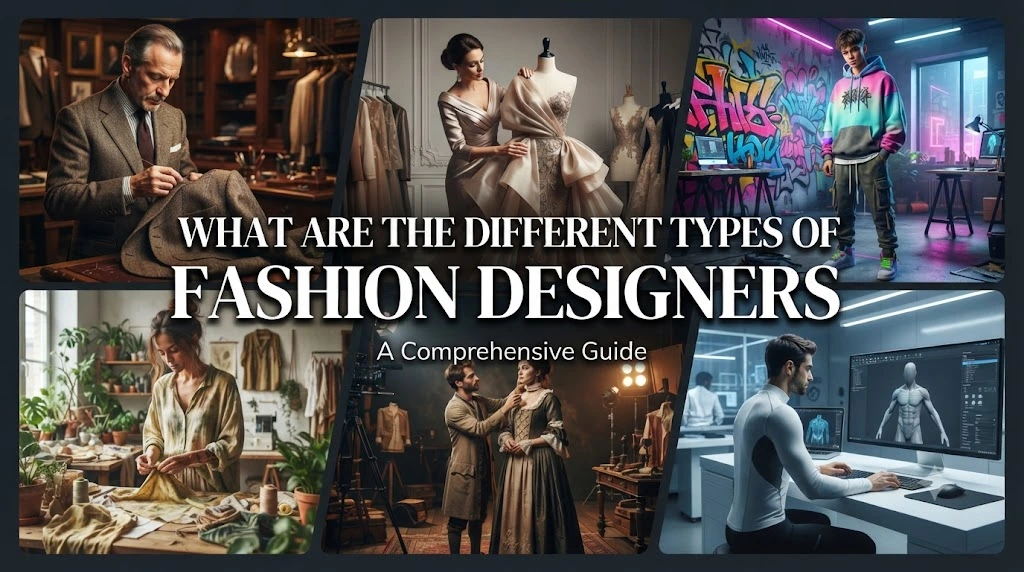
Fashion design includes many specializations. Each type of designer focuses on a specific area of clothing or fashion products.
Understanding these categories helps people choose the right career direction and better understand the fashion world.
Apparel Fashion Designers
Apparel designers create everyday clothing such as shirts, dresses, trousers, jackets, and casual wear. They focus on comfort, style, and customer needs.
Haute Couture Designers
Haute couture designers create custom-made luxury garments. These designs often involve detailed handwork, premium materials, and exceptional craftsmanship.
Accessory Designers
Accessory designers create products such as handbags, shoes, belts, jewelry, and other fashion items that complete an outfit.
Costume Designers
Costume designers create clothing for movies, television, theater, and performances. They research historical periods and characters to develop accurate designs.
Sustainable Fashion Designers
Sustainable designers focus on environmentally responsible clothing. They use ethical production methods, recycled materials, and designs that reduce waste.
Technical Fashion Designers
Technical designers focus on garment construction, measurements, fitting, and production quality. They make sure designs can be manufactured correctly.
Each specialization requires different skills, but all designers share one goal: creating products that connect with people.
How Much Does a Fashion Designer Earn and Where Can They Work
Fashion designer income depends on experience, location, specialization, reputation, and the type of company they work with. Beginners usually earn less while building skills, while experienced designers with strong portfolios can achieve successful careers.
Fashion designers can work in many environments, including:
- Fashion houses.
- Clothing brands.
- Retail companies.
- Film and entertainment industries.
- Textile companies.
- Freelance businesses.
- Personal fashion labels.
Some designers work as employees, while others create their own brands. Starting an independent fashion business allows creative freedom but requires strong business knowledge.
Income opportunities often increase when designers develop:
- A recognizable design style.
- Strong industry connections.
- A professional portfolio.
- Business and marketing skills.
- Knowledge of customer preferences.
For example, a freelance designer may create custom outfits for private clients, while a brand designer may develop seasonal collections for thousands of customers.
Success in fashion rarely happens overnight. Many respected designers spend years developing their skills, understanding customers, and building their reputation.
Passion, patience, and consistent improvement help designers create long-term careers.
Common Mistakes New Fashion Designers Should Avoid
Starting a fashion career can feel exciting, but beginners often face challenges. Understanding common mistakes can help new designers grow faster and create better work.
One common mistake is focusing only on appearance. A design must look attractive, but it also needs comfort, functionality, and quality.
Other mistakes include:
- Ignoring the importance of fabric knowledge.
- Copying trends instead of developing originality.
- Creating designs without understanding customers.
- Avoiding feedback from professionals.
- Neglecting business skills.
- Building a weak portfolio.
- Forgetting production costs.
For example, a beginner might create a beautiful dress sketch but choose a fabric that does not support the design structure. Learning how materials behave prevents these problems.
Another mistake involves ignoring the customer. Fashion is a form of creativity, but successful designers create for real people. Understanding lifestyle, body diversity, and personal preferences leads to stronger designs.
Experienced designers know that mistakes are part of growth. Each project teaches valuable lessons about creativity, planning, and improvement.
Expert Tips for Becoming a Successful Fashion Designer
Building a successful fashion career requires more than talent. Designers need discipline, curiosity, and a willingness to learn continuously.
Industry professionals often recommend focusing on practical improvement rather than chasing quick success.
Helpful tips include:
- Practice drawing and design regularly.
- Study famous designers and fashion history.
- Learn how clothing is constructed.
- Build a strong and organized portfolio.
- Experiment with different materials.
- Follow industry changes.
- Develop communication skills.
- Understand basic business principles.
A beginner can improve by creating small projects. Designing a mini collection, redesigning old clothing, or creating mood boards can develop creativity and confidence.
Networking also matters. Fashion is a relationship-driven industry. Connecting with photographers, models, manufacturers, stylists, and other designers can create valuable opportunities.
Successful designers also develop a unique identity. Customers remember designers who have a recognizable style and clear creative vision.
The most important advice is simple: keep learning. Fashion rewards people who combine creativity, dedication, and adaptability.
How Fashion Designers Build Their Own Brand Identity
A successful fashion designer does not only create clothing. They build a story, a vision, and an emotional connection with customers. A strong brand identity helps people recognize a designer’s work and understand what makes it different.
Brand identity includes everything from design style to communication methods. It reflects the designer’s values, creativity, and the type of customer they want to attract.
Fashion designers build their identity through:
- Creating a unique design signature.
- Choosing a consistent color style.
- Developing a clear brand message.
- Understanding their target audience.
- Maintaining quality across collections.
- Sharing their creative journey.
For example, one designer may become known for minimalist clothing with clean lines, while another may become famous for bold patterns and artistic details. Both approaches can succeed because each designer creates a recognizable personality.
New designers often make the mistake of trying to please everyone. A stronger approach involves understanding a specific audience and creating designs that truly connect with them.
Authenticity creates loyalty. Customers often support designers because they connect with the story behind the clothing, not just the product itself.
A memorable fashion brand combines creativity, consistency, and emotional value. When people feel connected to a designer’s vision, they become more than customers; they become supporters of the brand.
What Role Does a Fashion Designer Play in Sustainable Fashion
Sustainable fashion has become an important part of the modern clothing industry. Fashion designers now think beyond appearance and consider how their choices affect people and the planet.
A sustainable fashion designer creates clothing while reducing waste, protecting resources, and supporting responsible production methods.
Sustainable design practices include:
- Choosing environmentally friendly fabrics.
- Reducing unnecessary material waste.
- Creating long-lasting clothing.
- Supporting ethical manufacturing.
- Designing versatile pieces that people can wear longer.
For example, instead of creating a jacket designed for only one season, a sustainable designer may create a timeless piece that remains useful for many years.
Many designers also explore recycled fabrics, organic materials, and innovative textiles made with lower environmental impact.
Sustainability does not mean sacrificing style. Modern designers prove that clothing can be beautiful, practical, and responsible at the same time.
A thoughtful designer considers questions such as:
- Where does this material come from?
- How long will this garment last?
- Can customers repair or reuse this piece?
- Are workers treated fairly during production?
Responsible creativity is becoming a major part of fashion’s future. Designers who understand sustainability can create meaningful products while responding to changing customer expectations.
How Fashion Designers Understand Customer Needs
Fashion designers create clothing for people, not just for display. Understanding customer needs helps designers make products that customers actually want to wear.
Customer research helps designers understand lifestyle, preferences, budgets, body types, and cultural influences.
Designers learn about customers through:
- Market research.
- Customer feedback.
- Sales analysis.
- Social media engagement.
- Fashion surveys.
- Lifestyle observation.
For example, a designer creating clothing for busy professionals may focus on comfortable fabrics, simple styling, and pieces that work from office meetings to evening events.
A designer creating teenage fashion may study youth culture, popular colors, social media trends, and changing style preferences.
Successful designers ask important questions:
- Who will wear this clothing?
- What problem does this design solve?
- How will customers feel when wearing it?
- Does the design fit their lifestyle?
Many beginner designers focus heavily on personal creativity but forget the customer experience. Fashion becomes more successful when creativity and usefulness work together.
The best designs make people feel confident, comfortable, and understood.
How Fashion Designers Prepare for Fashion Shows and Collections
Fashion shows are important events where designers present their creative vision to buyers, media, influencers, and fashion lovers. Preparing for a fashion show requires careful planning and teamwork.
A collection usually begins with a central idea or theme. Designers develop multiple pieces that work together while showing their unique style.
The preparation process includes:
- Creating the collection concept.
- Designing individual garments.
- Selecting models and styling elements.
- Coordinating makeup and accessories.
- Organizing rehearsals.
- Presenting the final collection.
A fashion collection needs balance. Designers must create enough variety while maintaining a clear connection between pieces.
For example, a winter collection may include coats, sweaters, dresses, and accessories that share similar colors, fabrics, or design elements.
Behind every successful fashion show, many professionals work together, including:
- Fashion stylists.
- Makeup artists.
- Models.
- Photographers.
- Production teams.
- Marketing professionals.
A fashion show is not only about displaying clothes. It tells a visual story and allows designers to communicate their creative message.
Preparation and teamwork often determine whether a collection creates a memorable impact.
What Career Opportunities Are Available for Fashion Designers
Fashion design offers many career paths beyond creating traditional clothing. The industry continues to expand, creating opportunities for creative professionals with different interests.
Fashion designers can explore careers such as:
- Clothing designer.
- Luxury fashion designer.
- Fashion consultant.
- Costume designer.
- Textile designer.
- Fashion entrepreneur.
- Creative director.
- Product developer.
- Fashion educator.
Some designers work for established companies, while others build independent fashion labels. Freelance designers may work with private clients, brands, or entertainment companies.
The rise of online shopping and digital fashion has also created new opportunities. Designers can now sell collections globally through online platforms and connect directly with customers.
A career in fashion can combine creativity with entrepreneurship. Designers who understand branding, marketing, and customer relationships often create stronger businesses.
However, success requires patience. Building a reputation takes time, consistent effort, and continuous improvement.
People who enjoy solving creative problems, exploring trends, and helping others express themselves through clothing may find fashion design a rewarding career.
How Fashion Designers Influence Personal Style and Culture
Fashion designers influence more than clothing choices. They shape how people express identity, confidence, and cultural connections.
Throughout history, designers have introduced new styles that changed how society views clothing. They have challenged traditional ideas, celebrated diversity, and created designs that represent different communities.
Fashion influences:
- Personal confidence.
- Cultural expression.
- Social movements.
- Workplace style.
- Entertainment trends.
- Lifestyle choices.
For example, a designer creating inclusive clothing with different body sizes can help more people feel represented in fashion.
Fashion also preserves cultural stories. Designers often include traditional patterns, techniques, and craftsmanship in modern ways.
A great designer understands that clothing carries meaning. A wedding outfit, professional suit, or favorite casual jacket can hold personal memories and emotional importance.
This is why fashion design connects deeply with people. Designers create physical products, but they also create experiences and emotions.
Clothing is a personal language, and designers help people communicate who they are.
What Does a Fashion Designer Do Behind the Scenes
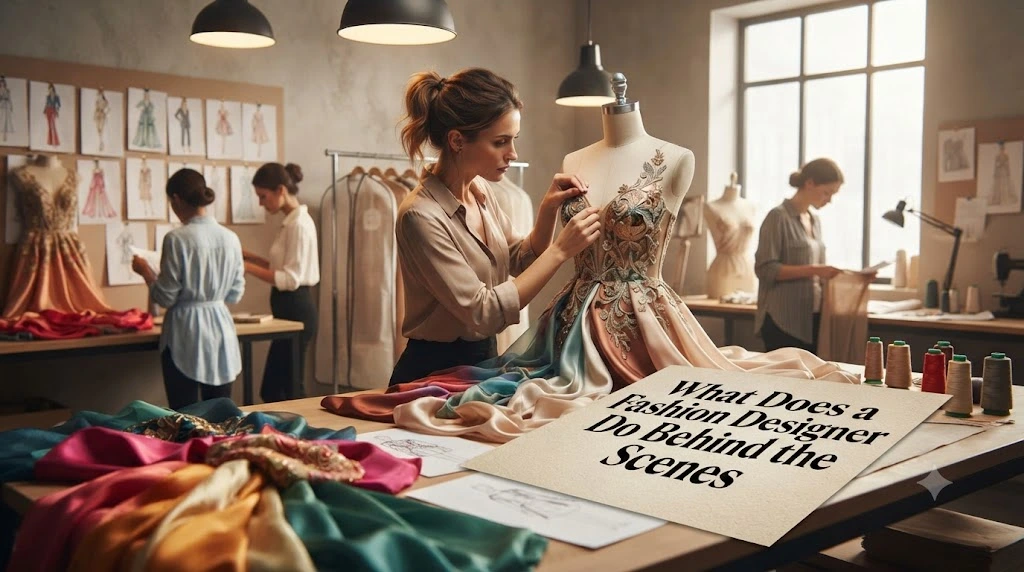
Many people see only the final clothing collection, but designers handle many behind-the-scenes responsibilities before a garment reaches customers.
A designer’s hidden work includes research, planning, testing, and problem-solving.
Behind the scenes, designers may:
- Review fabric samples.
- Check garment measurements.
- Approve production details.
- Communicate with suppliers.
- Adjust designs after fittings.
- Manage deadlines.
- Review quality standards.
Creating clothing involves many decisions. A designer must balance creativity with practical limits such as budget, production time, and customer expectations.
For example, a designer may love a certain fabric but discover that it increases production costs too much. They must find a solution that protects the design vision while keeping the product realistic.
This problem-solving ability is one reason professional designers are highly valued.
The final garment represents hours of research, creativity, teamwork, and careful decision-making.
Conclusion
A fashion designer does much more than create attractive clothing. They combine creativity, technical knowledge, research, and human understanding to design pieces that help people express themselves.
From choosing fabrics and studying trends to building brands and understanding customers, designers handle many responsibilities that shape the fashion world. Their work connects art with everyday life and transforms simple materials into meaningful experiences.
Whether someone wants to become a designer or simply understand the fashion industry better, learning what fashion designers do reveals the dedication behind every garment. Great designers do not only follow fashion trends; they create ideas that inspire confidence and bring people together.
Fashion continues to evolve, and designers remain at the center of that change. Their creativity, knowledge, and passion help shape how people look, feel, and connect with the world around them.
FAQs About What Fashion Designers Do
What does a fashion designer do in simple words?
A fashion designer creates clothing and accessories by developing ideas, choosing materials, designing styles, and improving garments before they reach customers. They combine creativity with technical skills to make useful and attractive fashion products.
Do fashion designers only draw clothes?
No, fashion designers do much more than drawing. They research trends, select fabrics, create patterns, test samples, communicate with production teams, and manage many parts of the design process.
What skills are most important for a fashion designer?
Important skills include creativity, fashion illustration, fabric knowledge, sewing abilities, trend awareness, communication, and business understanding. Successful designers also need patience and problem-solving skills.
Can someone become a fashion designer without a degree?
Yes, some designers build successful careers through self-learning, practice, internships, and strong portfolios. However, formal education can help develop technical knowledge and industry connections.
How long does it take to become a professional fashion designer?
The timeline depends on the person’s learning path and goals. Some people develop basic skills within a few years, while building a successful professional reputation may take much longer through experience and consistent work.
What is the difference between a fashion designer and a stylist?
A fashion designer creates new clothing and accessories, while a fashion stylist arranges existing clothing pieces to create attractive outfits for individuals, photoshoots, events, or media projects.
Is fashion design a good career choice?
Fashion design can be a rewarding career for people who enjoy creativity, problem-solving, and working with clothing. Success requires dedication, continuous learning, and the ability to adapt to changes in the fashion industry.