Have you ever looked at a piece of clothing and wondered how it would look before it was even stitched? Imagine creating a beautiful dress, jacket, or accessory on a computer, adjusting every detail, and seeing a realistic version before using a single piece of fabric. This is the exciting world of 3d fashion design, where creativity meets technology to transform the way people create and experience fashion.
Fashion has always been about imagination, but modern designers now have powerful digital tools that allow them to bring ideas to life faster and more accurately. A designer can experiment with colors, textures, patterns, and shapes without wasting materials. This process helps professionals make smarter decisions while creating clothing that feels stylish, practical, and unique.
Whether you are a fashion student, a designer, a clothing brand owner, or someone curious about the future of fashion, understanding digital fashion design can open new possibilities. It is changing how designers work, how brands produce collections, and how customers experience clothing.
In this complete guide, you will learn how 3D clothing design works, the tools professionals use, its benefits, career opportunities, common mistakes, and how this technology is shaping the future of the fashion industry.
What Is 3d Fashion Design and How Does It Work
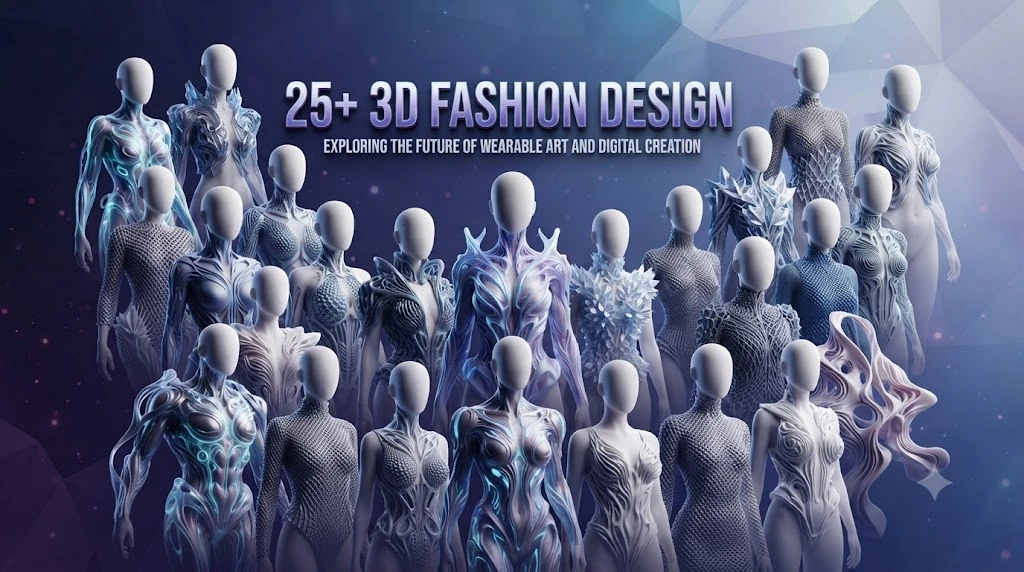
3D fashion design is the process of creating realistic digital clothing models using specialized computer software. Instead of drawing only flat sketches, designers build virtual garments that look and behave like real clothing.
This technology allows designers to create a digital version of a garment before producing a physical sample. They can adjust measurements, change fabrics, test colors, and improve the fit without spending money on multiple prototypes.
The basic process usually includes:
- Creating a digital body model or avatar.
- Designing garment patterns inside 3D software.
- Applying virtual fabrics and textures.
- Adjusting size, shape, and fitting details.
- Simulating how the garment moves on the body.
- Reviewing and improving the final design.
For example, a designer creating a winter coat can test different materials, lengths, and colors on a digital model. They can see whether the coat looks balanced, fits correctly, and matches the intended style before manufacturing begins.
The biggest advantage of this process is visual accuracy. Traditional sketches show an idea, but 3D clothing design shows a realistic experience.
This approach saves time, reduces waste, and helps designers communicate their ideas more clearly with manufacturers, clients, and fashion teams.
Why 3d Fashion Design Is Changing the Fashion Industry
The fashion industry constantly searches for better ways to create clothing faster, reduce costs, and meet customer expectations. 3D fashion technology has become an important solution because it improves almost every stage of the design process.
Traditional fashion development often requires many physical samples. Designers create a sample, review it, make changes, and repeat the process several times. This takes time, materials, and money.
3D design reduces these challenges by allowing designers to test ideas digitally first.
Major changes created by 3D fashion technology include:
- Faster product development.
- Reduced fabric waste.
- Better communication between designers and manufacturers.
- More accurate garment fitting.
- Easier customization options.
- Improved sustainable fashion practices.
For fashion brands, speed matters. Trends can change quickly, and companies need efficient methods to respond. Digital garment creation allows brands to develop collections faster while maintaining quality.
Sustainability is another major reason behind the growth of 3D fashion. The fashion industry has faced concerns about waste and overproduction. Virtual sampling helps brands produce fewer unnecessary physical samples.
A modern designer does not only think about beauty. They also consider efficiency, environmental responsibility, and customer experience.
How 3d Clothing Design Helps Fashion Designers
For designers, 3D clothing design works like a creative studio without physical limitations. It gives them freedom to experiment with ideas that may be expensive or difficult to test traditionally.
A designer can create multiple versions of the same garment within minutes. They can change sleeve shapes, fabric textures, colors, and patterns without starting from zero.
Professional designers use 3D tools for:
- Creating realistic clothing prototypes.
- Testing garment fitting.
- Presenting ideas to clients.
- Developing fashion collections.
- Creating digital fashion samples.
- Improving design accuracy.
For example, a designer preparing a bridal collection can create several versions of a gown digitally. They can compare different fabrics, embroidery styles, and silhouettes before selecting the final design.
This technology also helps designers communicate better. A digital model gives manufacturers a clearer understanding of the designer’s vision compared to a simple sketch.
Many fashion professionals believe that 3D design does not replace creativity. Instead, it gives creativity a stronger platform. The designer still creates the idea, but technology helps turn that idea into a more realistic result.
Creative thinking remains the heart of fashion, while digital tools make the process more powerful.
Best 3d Fashion Design Software Used by Professionals
Choosing the right software plays an important role in successful digital fashion creation. Different programs offer different features depending on a designer’s goals, experience level, and industry needs.
Some popular 3D fashion design software options include:
- CLO Virtual Fashion CLO3D for realistic garment simulation and professional clothing development.
- Browzwear for digital apparel design, product development, and fashion workflows.
- Adobe creative tools for digital fashion illustrations and design presentations.
- Autodesk solutions for advanced modeling and visualization.
Designers often choose software based on their specific needs. A clothing brand creating commercial collections may need detailed garment simulation, while a student may prefer a beginner-friendly platform.
Important features to look for include:
- Realistic fabric simulation.
- Pattern editing tools.
- Avatar customization.
- Texture creation.
- Rendering capabilities.
- Collaboration options.
A common beginner mistake is focusing only on software features instead of learning basic fashion principles. A powerful program cannot replace knowledge of fabrics, proportions, sewing techniques, and garment construction.
The best results come when designers combine fashion expertise with digital skills.
How 3d Fashion Design Creates Realistic Digital Clothing
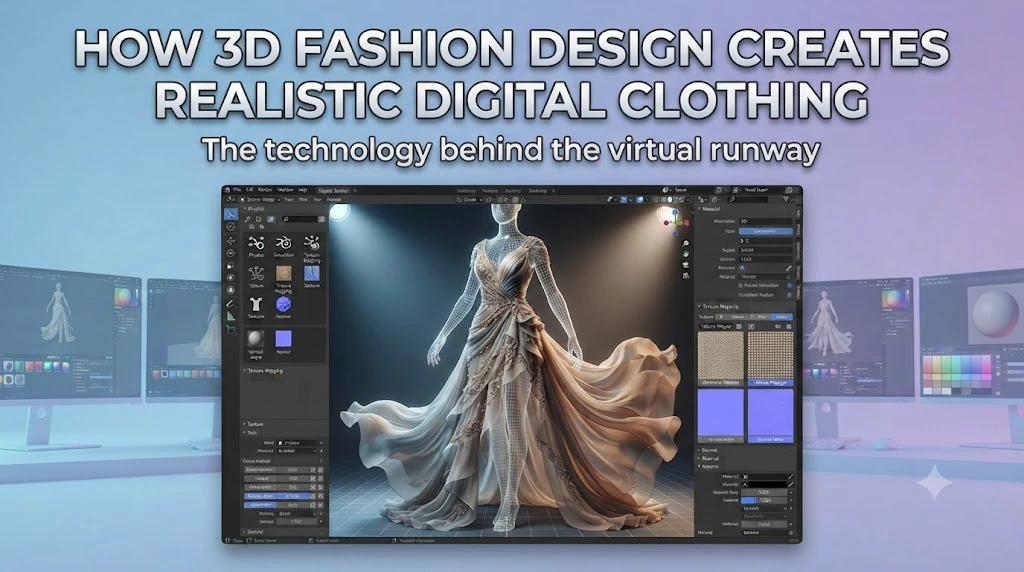
One of the most impressive parts of 3D fashion design is its ability to create clothing that looks and moves like real fabric.
Advanced software can simulate how different materials behave. Silk flows differently from denim, and wool behaves differently from lightweight cotton. Digital tools help designers understand these differences before production.
Realistic digital clothing depends on several elements:
- Accurate body measurements.
- Proper garment patterns.
- Correct fabric settings.
- Realistic textures.
- Natural movement simulation.
For example, a designer creating a flowing evening dress needs to understand how the fabric should move while walking. A digital simulation can show whether the dress creates the desired effect.
Fabric simulation also helps improve fit. Designers can identify problems such as tight areas, incorrect proportions, or uncomfortable shapes before creating physical samples.
This reduces mistakes and improves the final product.
Professional designers pay close attention to small details because realistic clothing depends on accuracy. The placement of seams, folds, buttons, and textures can make a digital garment look believable.
Attention to detail creates digital realism.
Benefits of Using 3d Fashion Design for Clothing Brands
Fashion brands constantly look for ways to improve creativity, reduce expenses, and deliver products faster. 3D fashion design provides solutions that help brands manage the entire clothing development process more efficiently.
In traditional fashion production, brands often create multiple physical samples before approving a final product. Each sample requires fabric, labor, shipping, and time. Digital garment creation reduces the need for repeated physical testing.
Some major benefits for clothing brands include:
- Lower production costs because fewer physical samples are required.
- Faster design approval through realistic digital presentations.
- Better teamwork between designers, manufacturers, and buyers.
- Reduced material waste during product development.
- Easier customization for different customer groups.
- Improved sustainability through smarter production planning.
For example, a clothing company preparing a new jeans collection can create several digital versions with different washes, fits, and details. The team can compare options online before deciding which styles should enter production.
This approach also helps global teams collaborate. A designer in one country can share a digital sample with manufacturers and marketing teams around the world without sending physical prototypes.
Modern customers expect brands to respond quickly to changing trends. 3D fashion technology helps companies become more flexible and competitive.
However, brands should remember that technology works best when combined with strong fashion knowledge. A digital garment still needs good design, quality materials, and customer understanding to succeed.
How 3d Fashion Design Supports Sustainable Fashion
Sustainability has become one of the biggest topics in the fashion industry. Many brands now search for ways to reduce environmental impact while creating attractive clothing.
3D fashion design supports sustainable practices by reducing unnecessary production steps. Designers can test ideas digitally instead of creating many physical samples that may never reach customers.
Sustainable advantages include:
- Less fabric waste during development.
- Fewer unused sample garments.
- Reduced transportation needs.
- Better production planning.
- More opportunities for made-to-order fashion.
For example, a designer creating a new collection can show digital samples to buyers before manufacturing begins. The brand can produce only the styles customers actually want instead of making large quantities that may remain unsold.
Digital fashion also supports the idea of slow fashion. Instead of quickly producing large amounts of clothing, brands can focus on thoughtful designs with better planning.
Another exciting area is virtual fashion. Some designers create digital-only outfits that people can wear in online spaces, games, and virtual environments. These products require no physical fabric, which creates new possibilities for creative expression.
Sustainability does not mean removing creativity from fashion. It means finding smarter ways to create beautiful clothing while respecting resources.
How to Learn 3d Fashion Design as a Beginner
Learning 3D fashion design may seem challenging at first, but beginners can develop strong skills with consistent practice. The process becomes easier when you understand fashion basics before focusing only on software.
A good learning path starts with traditional fashion knowledge.
Beginners should first understand:
- Basic garment construction.
- Fabric types and behavior.
- Sewing concepts.
- Pattern making.
- Fashion illustration.
- Color combinations.
After building a foundation, beginners can explore 3D design programs and digital workflows.
Helpful learning steps include:
- Start with beginner tutorials.
- Practice simple garments first.
- Learn digital pattern creation.
- Experiment with different fabrics.
- Study professional designer workflows.
- Create personal projects for practice.
A beginner may start by designing a simple shirt or skirt before moving toward complex gowns or jackets.
One common mistake is trying to create advanced designs too quickly. Complex clothing requires understanding structure, fitting, and fabric movement.
Patience improves digital fashion skills. Small projects help beginners gain confidence and develop professional abilities over time.
Creating a portfolio is also important. A collection of digital garments shows potential employers, clients, or fashion schools what a designer can create.
What Skills Are Needed for 3d Fashion Design
A successful 3D fashion designer needs a combination of fashion knowledge and technical ability. Software skills are important, but they work best when supported by creative and practical understanding.
Essential skills include:
- Digital garment modeling.
- Fashion design principles.
- Textile knowledge.
- Pattern development.
- Color and style awareness.
- Problem-solving ability.
- Visual communication.
- Attention to detail.
Technical skills help designers use digital tools effectively, but fashion sense helps them create appealing designs.
For example, a designer may know how to create a realistic digital jacket, but understanding how jackets should fit different body shapes creates a much better result.
Communication skills also matter. Designers often present digital collections to clients, brands, and production teams. They need to explain their ideas clearly.
Modern designers also benefit from learning:
- 3D rendering.
- Digital marketing.
- Fashion business basics.
- Virtual presentation techniques.
The most successful professionals continue learning because both technology and fashion trends change regularly.
3d Fashion Design vs Traditional Fashion Design
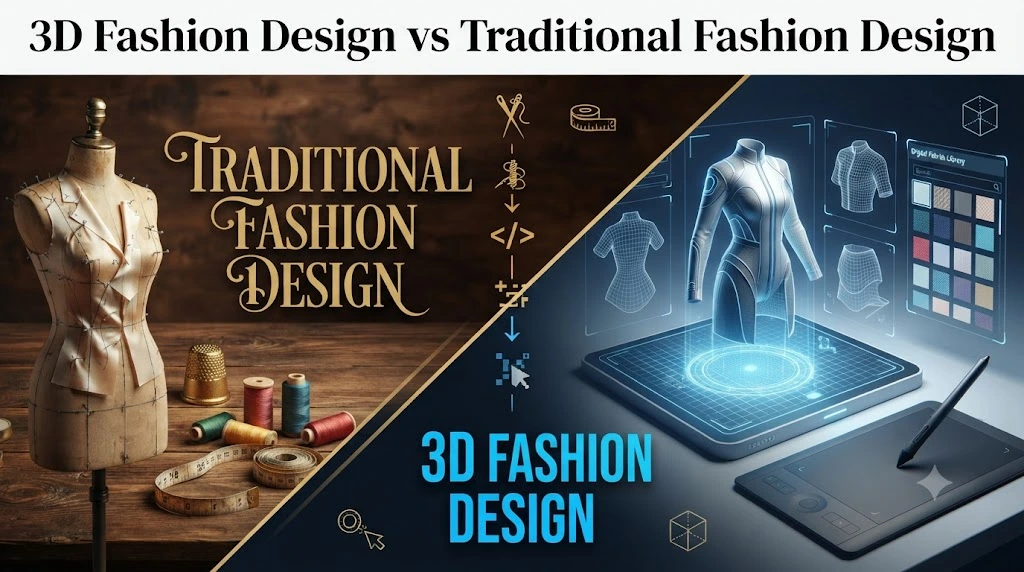
Traditional fashion design and 3D fashion design share the same creative foundation, but their methods are different.
Traditional designers often work with physical materials from the beginning. They sketch ideas, select fabrics, create patterns, and produce samples by hand.
3D fashion designers use digital tools to visualize and test designs before physical production.
The main differences include:
Traditional fashion design:
- Uses physical fabrics and samples.
- Requires more material during testing.
- Depends heavily on manual adjustments.
- Creates physical prototypes early.
3D fashion design:
- Uses digital fabrics and virtual models.
- Reduces sample production.
- Allows faster design changes.
- Provides realistic digital previews.
Neither method replaces the other. Many modern designers combine both approaches.
For example, a designer may create a collection digitally, approve the best designs, and then produce only selected physical samples.
This combination creates a more efficient workflow while maintaining traditional craftsmanship.
The future of fashion is not about choosing between handmade and digital methods. It is about using the best parts of both.
Career Opportunities in 3d Fashion Design
The growth of digital fashion has created new career opportunities for creative professionals. Companies now need designers who understand both fashion and technology.
A person with 3D fashion skills can explore careers such as:
- Digital fashion designer.
- 3D apparel specialist.
- Virtual clothing creator.
- Fashion technology consultant.
- Digital product developer.
- Fashion visualization artist.
- Metaverse fashion designer.
- Clothing brand designer.
Many fashion companies now use digital designers during product development because they can improve speed and reduce costs.
Independent designers can also create opportunities by offering digital fashion services, creating online collections, or working with international clients.
The rise of virtual worlds and digital experiences has expanded the meaning of fashion. Designers are no longer limited to physical clothing. They can create styles that exist entirely online.
However, career success requires more than knowing software. Employers value designers who understand:
- Fashion concepts.
- Customer expectations.
- Production processes.
- Brand storytelling.
- Digital communication.
Building a strong portfolio remains one of the best ways to demonstrate ability.
Common Mistakes Beginners Make in 3d Fashion Design
Starting with 3D fashion design can be exciting, but beginners often make mistakes that slow their progress. Understanding these challenges helps new designers improve faster.
One common mistake is focusing only on software tools. A designer may learn every button in a program but still struggle to create attractive clothing without fashion knowledge.
Other common mistakes include:
- Ignoring real-world garment construction.
- Using unrealistic fabric settings.
- Creating poor-fitting digital garments.
- Copying existing designs without creativity.
- Avoiding feedback from experienced designers.
- Not practicing regularly.
For example, a beginner may create a visually impressive digital dress but forget that clothing must fit naturally on the body. Learning proportions and movement helps solve this problem.
Another mistake is avoiding experimentation. Digital tools allow designers to test ideas quickly, so beginners should use that advantage.
Experts recommend creating many small projects instead of waiting for one perfect design.
Every project improves understanding and builds confidence.
Expert Tips for Creating Professional 3d Fashion Designs
Creating impressive digital clothing requires more than learning software features. Professional designers combine creativity, technical knowledge, and careful planning to produce realistic and attractive garments.
Experts recommend building a strong design process instead of rushing toward the final result. A thoughtful workflow helps designers avoid mistakes and create better collections.
Useful professional tips include:
- Start with a clear design idea before opening software.
- Study real clothing construction and sewing methods.
- Use accurate measurements for realistic fitting.
- Experiment with different digital fabrics.
- Pay attention to small details like seams and textures.
- Review designs from different angles.
- Collect feedback from other fashion professionals.
A common professional habit is creating mood boards before designing. A mood board helps organize inspiration, including colors, fabrics, shapes, and emotions connected to the collection.
For example, a designer creating a summer collection may collect images of beaches, natural colors, lightweight fabrics, and relaxed silhouettes. This creates a clear direction before the digital design process begins.
Another expert recommendation is to study real clothing regularly. Touching fabrics, observing garment construction, and understanding how clothes move in real life improve digital accuracy.
Technology creates possibilities, but fashion knowledge creates quality.
How Fashion Brands Use 3d Fashion Design for Product Development
Fashion brands use 3D clothing technology throughout the product development process. It helps teams move from an early idea to a final product more efficiently.
In traditional workflows, designers, manufacturers, and buyers often need physical samples to understand a garment. 3D design allows everyone to review realistic digital versions before production.
Brands use 3D fashion design for:
- Concept development.
- Virtual sampling.
- Collection planning.
- Product presentations.
- Marketing visuals.
- Customer customization.
For example, a sportswear brand can create digital versions of new sneakers, jackets, or activewear before manufacturing. Teams can test different designs and choose the strongest options.
Retail companies also use digital clothing models for online shopping experiences. Customers may view garments from multiple angles or explore different colors before purchasing.
This improves customer confidence because shoppers receive a clearer idea of what they are buying.
The technology also supports global teamwork. Designers, manufacturers, and marketing teams can collaborate digitally without waiting for physical samples to travel between locations.
As fashion becomes more connected and digital, brands that use efficient design methods gain a competitive advantage.
How 3d Fashion Design Improves Online Shopping Experiences
Online shopping has changed the way people buy clothing. However, one major challenge remains: customers cannot physically touch or try on garments before purchasing.
3D fashion technology helps solve this problem by creating more realistic online experiences.
Brands can use 3D models to show:
- Different garment angles.
- Realistic fabric movement.
- Color variations.
- Clothing details.
- Virtual fitting experiences.
For example, instead of seeing only a flat product image, customers can view a digital model wearing the outfit and understand how it may look in real life.
Some advanced systems also allow virtual try-on experiences. Customers can use digital tools to visualize clothing on their own body shape.
This technology can improve customer satisfaction and reduce returns. When shoppers understand a product better before buying, they are more likely to make confident decisions.
However, brands must focus on accuracy. Poor digital representation can create disappointment if the actual product looks different.
The goal of 3D fashion is not to replace real clothing experiences. It is to create a clearer bridge between imagination and reality.
The Future of 3d Fashion Design and Digital Clothing
The future of fashion is becoming increasingly connected with technology. 3D fashion design is expected to play a larger role as brands, designers, and customers continue exploring digital possibilities.
Future developments may include:
- More advanced virtual fitting systems.
- Artificial intelligence-assisted design tools.
- Real-time digital fashion customization.
- Improved sustainable production methods.
- Growth of virtual clothing markets.
- More realistic digital fabrics.
Artificial intelligence may help designers analyze trends, suggest design improvements, and speed up creative processes. However, human creativity will remain essential.
A computer can generate options, but designers provide emotion, cultural understanding, and artistic direction.
Digital fashion may also become more common in entertainment, gaming, social platforms, and virtual environments. People may purchase digital outfits to represent their identity online.
The future designer may work across both physical and digital spaces.
A successful fashion professional of tomorrow will likely combine:
- Traditional fashion skills.
- Digital design abilities.
- Creative storytelling.
- Technology awareness.
The future of fashion belongs to creators who can blend imagination with innovation.
How Businesses Can Start Using 3d Fashion Design
Businesses interested in adopting 3D fashion technology should begin with clear goals. The technology provides many benefits, but successful implementation requires planning.
Companies should consider:
- Which products will benefit most from digital design.
- What software matches their workflow.
- How employees will learn new skills.
- How digital designs will connect with manufacturing.
A small clothing brand may start by creating digital samples for one collection. A larger company may introduce 3D tools across multiple departments.
Successful adoption usually involves:
- Training design teams.
- Creating digital libraries of fabrics and materials.
- Developing standard workflows.
- Testing designs before full production.
Businesses should avoid adopting technology simply because it is popular. They should understand how it solves specific challenges.
For example, a brand struggling with high sample costs may benefit greatly from virtual prototyping. A company focused on personalized clothing may benefit from digital customization tools.
The best technology decisions support business goals while improving customer value.
How 3d Fashion Design Helps Custom Clothing and Personalization
Personalized fashion has become increasingly popular because customers want clothing that reflects their unique style and body needs.
3D fashion design makes customization easier by allowing designers to adjust digital garments before production.
Customization options may include:
- Personalized measurements.
- Different fabric choices.
- Custom colors.
- Unique patterns.
- Modified garment shapes.
For example, a customer ordering a formal suit can select a preferred style, fabric, and fit through a digital platform before the garment is created.
This approach creates a more personal shopping experience.
For designers, digital customization reduces the challenge of testing many variations manually. They can adjust designs quickly while maintaining accuracy.
Personalized fashion also supports better production decisions because brands can create products based on actual customer requests instead of guessing demand.
This helps reduce waste and improves customer satisfaction.
The connection between technology and personalization represents one of the most exciting developments in modern fashion.
Recommended Learning Path for Future 3d Fashion Designers
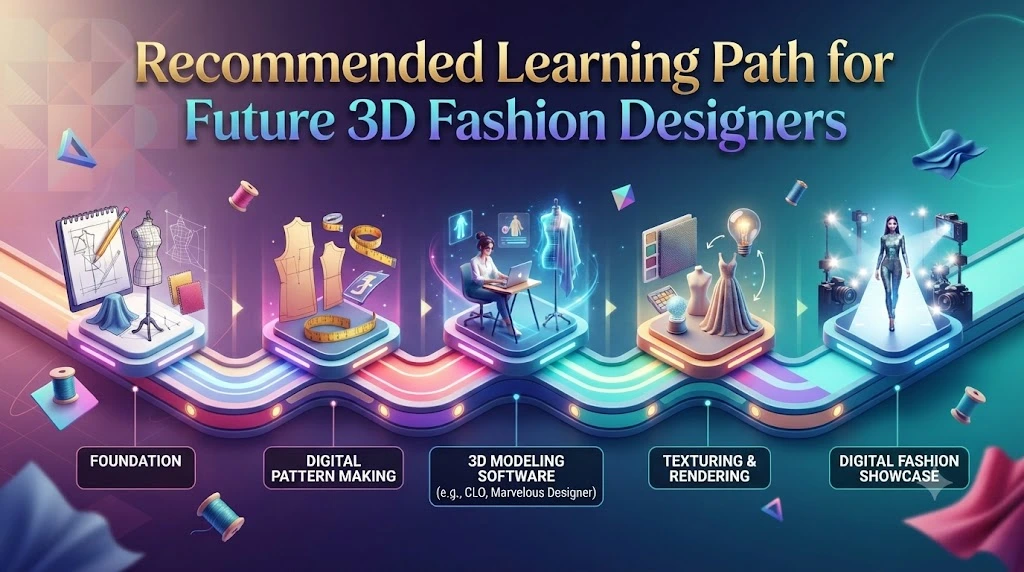
Anyone interested in becoming a 3D fashion designer should develop skills step by step. Trying to learn everything at once can feel overwhelming, so a structured approach works better.
A practical learning path includes:
Step 1: Learn fashion basics.
Understand clothing construction, textiles, colors, and garment shapes.
Step 2: Practice traditional design skills.
Learn sketching, pattern concepts, and fashion principles.
Step 3: Explore 3D design software.
Start with basic garments and gradually create more complex pieces.
Step 4: Build a digital portfolio.
Show different styles, experiments, and complete collections.
Step 5: Learn industry workflows.
Understand how digital designs connect with production and marketing.
Beginners should focus on consistency rather than perfection. Regular practice creates improvement.
A strong portfolio should show creativity, technical ability, and understanding of fashion principles.
Employers and clients often look for designers who can solve problems, not just create attractive images.
Conclusion
3d fashion design has transformed the way designers imagine, create, and present clothing. It combines traditional fashion creativity with modern technology to make the design process faster, smarter, and more sustainable.
From digital clothing prototypes and realistic fabric simulation to virtual shopping experiences and personalized fashion, this technology creates opportunities across the entire fashion industry.
The most successful designers will not simply learn software. They will understand people, clothing, creativity, and technology together. Strong fashion knowledge combined with digital skills can help designers create meaningful work that connects with modern audiences.
Whether you are a beginner exploring fashion, a professional designer looking for better tools, or a brand searching for efficient solutions, 3D fashion design offers exciting possibilities for the future.
Fashion has always been about imagination. Now, technology gives that imagination a new digital space to grow.
FAQs About 3d Fashion Design
What is 3d fashion design used for?
3D fashion design is used to create digital clothing models, test garment ideas, simulate fabrics, develop fashion collections, reduce physical samples, and improve communication between designers and production teams.
Is 3d fashion design difficult to learn?
Learning 3D fashion design requires practice, but beginners can develop skills with consistent training. Understanding basic fashion concepts makes the learning process much easier.
Which software is best for 3d fashion design?
The best software depends on a designer’s goals. Professional designers often use programs that offer realistic garment simulation, digital pattern creation, and advanced visualization features.
Can 3d fashion design replace traditional fashion design?
No, 3D fashion design does not replace traditional fashion design. It supports traditional methods by helping designers visualize, test, and improve ideas before physical production.
Do fashion companies use 3d clothing design?
Yes, many fashion companies use 3D clothing design for product development, virtual samples, marketing presentations, sustainability efforts, and faster decision-making.
What skills do I need to become a 3d fashion designer?
A 3D fashion designer needs fashion knowledge, creativity, fabric understanding, digital modeling skills, attention to detail, and the ability to communicate design ideas clearly.
Is 3d fashion design the future of the fashion industry?
3D fashion design is expected to become an important part of the fashion industry’s future. It supports sustainability, customization, digital experiences, and more efficient design processes.