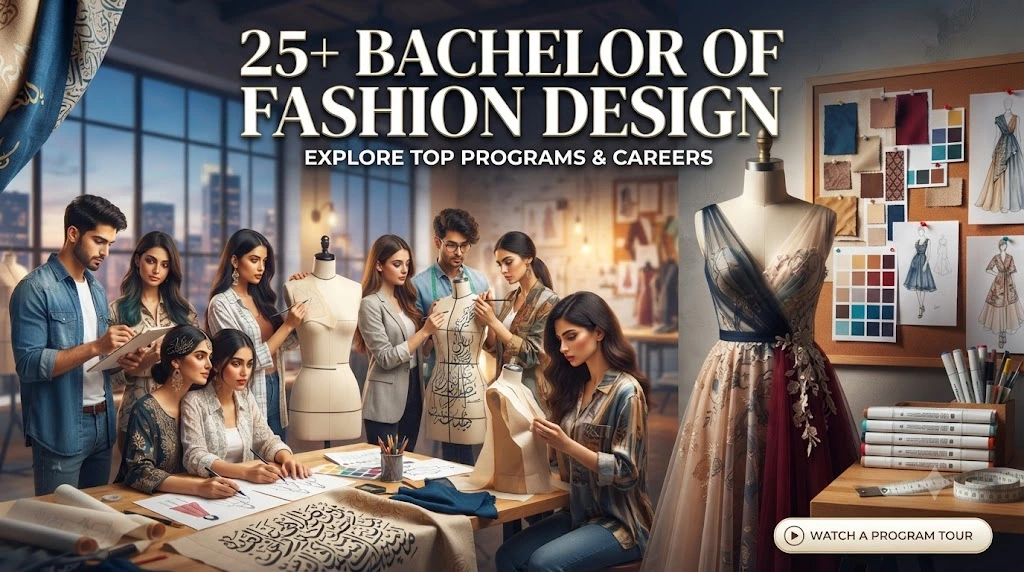
Choosing a career in fashion is not only about loving clothes. It is about understanding people, culture, creativity, business, and the emotions behind what we wear. Many aspiring designers have a moment when they look at a beautiful outfit and think, “I want to create something like this.” That small spark can become a lifelong passion with the right education and skills.
A bachelor of fashion design can turn creative ideas into professional opportunities. This degree helps students learn how to design garments, understand textiles, develop collections, study fashion trends, and build a strong design identity. It is a journey where imagination meets practical knowledge.
Fashion today is much bigger than runway shows and luxury brands. Designers work in apparel companies, sustainable fashion studios, e-commerce businesses, costume departments, and their own creative brands. With the right training, a fashion student can create meaningful designs that connect with real people.
Whether you dream of becoming a fashion designer, starting your own label, or working behind the scenes in the fashion industry, understanding this degree is the first step. This guide explains everything you need to know, from course details and career options to skills, admission requirements, and expert advice.
What is a bachelor of fashion design and why does it matter?
A bachelor of fashion design is an undergraduate program that teaches students the complete process of creating fashion products. It combines artistic creativity with technical knowledge so students can design clothing that is attractive, functional, and market-ready.
Many people think fashion design is only about drawing pretty sketches. In reality, professional designers solve problems. They decide which fabric works best, how a garment should fit different body types, how colors create emotions, and how a collection tells a story.
A fashion design degree usually covers areas such as:
- Fashion illustration and design sketching
- Textile science and fabric selection
- Pattern making and garment construction
- Fashion history and trend analysis
- Computer-aided design (CAD)
- Fashion marketing and branding
- Sustainable fashion practices
The value of this degree comes from its balanced approach. Students do not only learn how to create designs; they learn how to turn ideas into finished products that customers want to wear.
For example, a designer creating a summer clothing collection must think about climate, fabric comfort, production costs, customer preferences, and current trends. A fashion design program teaches students how to manage these decisions professionally.
What do you learn during a bachelor of fashion design course?
A fashion design course is designed to develop both creative and practical abilities. Students usually begin with fundamental concepts before moving toward advanced design projects.
In the early stages, students learn the basics of fashion drawing, color theory, design principles, and sewing techniques. These skills create a strong foundation for future projects.
As the course progresses, students explore more specialized topics:
Fashion design development: Students learn how to create a concept, prepare mood boards, select materials, and develop a complete collection.
Textile knowledge: Understanding fabrics is essential. Designers study fibers, weaving methods, printing techniques, and fabric behavior.
Pattern making: A beautiful sketch must become a wearable garment. Pattern making teaches students how to create accurate clothing shapes.
Fashion technology: Modern designers use digital tools for creating designs, presentations, and production plans.
Fashion business: Successful designers understand pricing, marketing, customer behavior, and brand development.
Students also complete practical assignments where they create garments from their own ideas. These projects help build confidence and a professional portfolio.
Bachelor of fashion design eligibility and admission requirements
Eligibility requirements for a bachelor of fashion design vary depending on the university or country. However, most programs follow similar guidelines.
Common requirements include:
- Completion of high school education or equivalent qualification
- Interest in creative arts and design
- Basic understanding of fashion and visual communication
- Entrance test or portfolio review in some institutions
Some fashion schools look beyond academic marks. They want to see creativity, curiosity, and personal expression.
A student preparing a portfolio should include examples that show their thinking process, not only finished drawings. A simple project explaining how an idea developed from inspiration to final design can make a stronger impression.
For example, instead of showing only a dress sketch, a student can include fabric samples, color choices, research images, and notes explaining the design purpose.
Expert tip: Do not try to copy famous designers when preparing for admission. Fashion schools appreciate originality. Your personal perspective is your strongest creative advantage.
How long does a bachelor of fashion design take?
Most bachelor of fashion design programs take around three to four years to complete, depending on the education system and institution.
During this period, students gradually develop from beginners into professional-level designers. The learning process usually follows a structured path.
A typical journey may look like this:
- First year: Basic drawing, design principles, sewing skills, and fashion foundations
- Second year: Advanced garment construction, textiles, and design experimentation
- Third year: Collection development, industry projects, and professional preparation
- Final year: Portfolio creation, internships, and major fashion projects
The duration allows students enough time to practice. Fashion is a skill-based field, and improvement comes through consistent experimentation.
Many successful designers spend years refining their creative voice. The degree provides the environment, guidance, and resources needed to develop that confidence.
Skills you develop in a bachelor of fashion design program
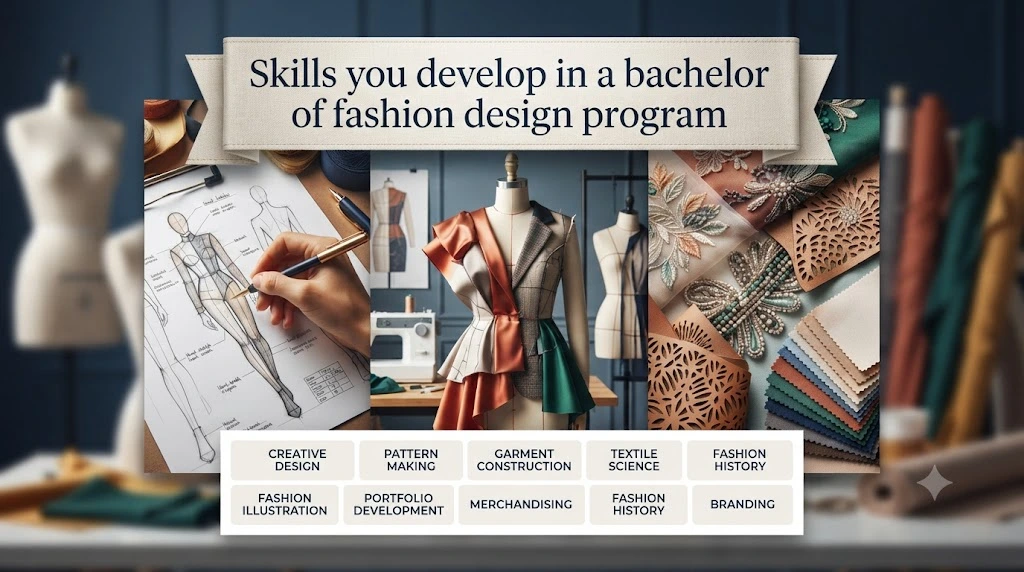
A professional fashion designer needs more than creativity. The industry requires a combination of artistic, technical, and personal skills.
Important skills developed during a fashion design degree include:
Creative thinking: Designers must create fresh ideas while understanding customer needs.
Attention to detail: Small elements like stitching, fabric texture, and finishing can completely change a garment’s quality.
Communication skills: Designers work with models, manufacturers, clients, and marketing teams.
Problem-solving ability: Fashion projects often involve challenges related to budget, materials, or production.
Trend awareness: Designers must understand changing customer preferences without blindly following every trend.
Time management: Creating collections requires planning and meeting deadlines.
One practical example is a designer working on a wedding collection. They must balance traditional expectations with modern styling, choose suitable fabrics, maintain quality, and complete the project on schedule.
These skills help graduates succeed in many areas beyond clothing design.
Career opportunities after a bachelor of fashion design
A fashion design degree opens doors to many creative careers. The fashion industry includes far more roles than just becoming a clothing designer.
Popular career options include:
- Fashion designer
- Apparel designer
- Textile designer
- Fashion stylist
- Fashion illustrator
- Costume designer
- Fashion merchandiser
- Product developer
- Fashion consultant
- Brand manager
Some graduates join established fashion houses, while others create independent labels.
A fashion stylist, for example, focuses on creating complete looks by combining clothing, accessories, colors, and personal style. A textile designer works more with patterns, materials, and fabric development.
The growth of online shopping has also created new opportunities. Many designers now sell through digital platforms, create custom collections, or build fashion businesses through social media.
The key is developing a strong portfolio. Employers and clients often judge designers by their work more than their degree alone.
Is a bachelor of fashion design a good career choice?
A bachelor of fashion design can be an excellent career choice for people who enjoy creativity, innovation, and working in a changing environment.
Fashion is competitive, but it rewards dedication and originality. The industry constantly needs professionals who understand modern customers, sustainability, technology, and cultural influences.
This field may suit you if you enjoy:
- Creating visual ideas
- Working with colors and materials
- Learning about clothing and trends
- Solving creative challenges
- Expressing ideas through design
However, students should understand that fashion requires patience. Building a reputation takes time. Many successful designers spend years gaining experience before achieving major recognition.
A common mistake is choosing fashion only because it looks glamorous. Behind every successful collection are hours of research, testing, adjustments, and hard work.
The best designers combine passion with discipline.
Bachelor of fashion design vs other fashion courses
Students often compare a bachelor of fashion design with diplomas, certificates, and other fashion-related programs.
A degree usually provides broader knowledge and deeper industry preparation. It covers both creative design and professional concepts.
A diploma may focus more on practical skills and can be completed faster. Short courses can be useful for learning specific areas such as styling, illustration, or fashion marketing.
The right choice depends on your goals.
Choose a bachelor program if you want:
- Comprehensive fashion education
- Strong career opportunities
- Advanced design knowledge
- Better preparation for leadership roles
Choose a shorter course if you want:
- Quick skill development
- A specific fashion specialization
- A starting point before further education
Before selecting any program, research the curriculum, faculty experience, industry connections, and student projects.
How to build a successful fashion design portfolio
A portfolio is one of the most important tools for a fashion designer. It shows your creativity, technical ability, and personal design style.
A strong portfolio should include:
- Original fashion sketches
- Design concepts
- Fabric experiments
- Completed garments
- Collection development pages
- Digital designs
- Photography of finished work
Quality matters more than quantity. Ten thoughtful projects are often stronger than thirty unfinished ideas.
Experts recommend showing your creative process. Fashion professionals want to understand how you think.
For example, if you create a sustainable clothing collection, explain your inspiration, fabric choices, environmental considerations, and final results.
Avoid these common portfolio mistakes:
- Copying famous designers
- Showing only final images
- Using poor-quality photographs
- Ignoring presentation quality
Your portfolio should tell your story as a designer.
Fashion design trends and the future of the industry
The fashion industry is changing quickly. Modern designers must understand technology, sustainability, and customer expectations.
Some important trends shaping fashion include:
Sustainable fashion: Consumers increasingly want responsible production, recycled materials, and ethical practices.
Digital fashion: Technology allows designers to create virtual clothing, digital samples, and advanced presentations.
Personalized fashion: Customers increasingly value customized designs that match their personality.
Inclusive design: Brands are creating clothing for diverse body shapes, ages, and lifestyles.
Future fashion professionals will need both creativity and adaptability. Designers who continue learning will have stronger opportunities.
A modern designer is not only an artist but also a researcher, communicator, and problem solver.
Expert styling advice for fashion design students
Fashion students can improve their design sense by observing the world around them. Inspiration does not only come from fashion magazines. It can come from architecture, nature, history, music, and everyday life.
Professional styling advice includes:
- Study how colors work together
- Understand different body shapes
- Learn garment proportions
- Observe street style and cultural fashion
- Practice creating complete looks
A good designer understands that clothing communicates identity. A simple jacket, for example, can feel completely different depending on fabric, shape, styling, and accessories.
Students should also build the habit of analyzing clothing. Ask questions like:
- Why does this outfit look balanced?
- Why does this color combination work?
- How does the fabric change the appearance?
This observation improves creative thinking.
Common mistakes students make in fashion design
Fashion design students often make mistakes while developing their skills. Learning from these challenges helps create better designers.
Common mistakes include:
Ignoring technical skills: Creativity matters, but designers must understand construction and production.
Following trends blindly: Trends change quickly. Strong designers develop a unique identity.
Avoiding criticism: Feedback helps improve designs. Professional designers learn from suggestions.
Not practicing enough: Drawing, sewing, and experimenting require regular practice.
Ignoring business knowledge: Even creative designers need to understand customers and markets.
Another mistake is expecting instant success. Fashion careers grow through experience, networking, and continuous improvement.
How to choose the best bachelor of fashion design college
Selecting the right fashion school can influence your future opportunities. Students should look beyond advertisements and research carefully.
Consider these factors:
- Course curriculum
- Faculty experience
- Industry partnerships
- Internship opportunities
- Design facilities
- Student portfolios
- Alumni success
A strong college provides practical exposure. Students should have opportunities to participate in fashion shows, workshops, competitions, and real-world projects.
Visiting campuses, speaking with current students, and reviewing graduate work can help you make a better decision.
The best institution is not always the most famous one. It is the one that supports your learning style and career goals.
How to succeed after completing a bachelor of fashion design
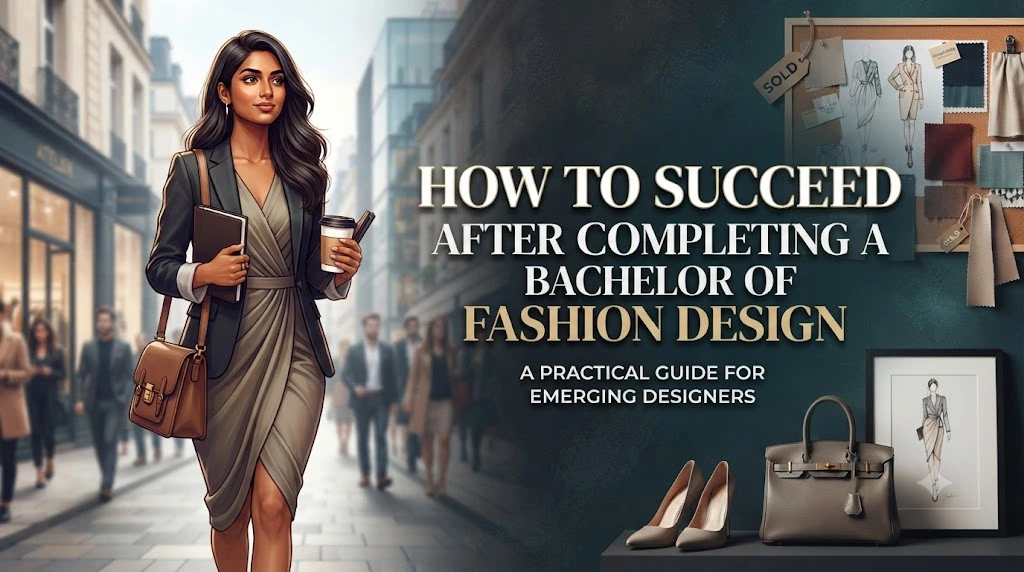
Graduating with a fashion degree is only the beginning. Success depends on how you continue developing your skills.
After graduation, focus on:
- Building industry connections
- Improving your portfolio
- Learning new technology
- Following fashion business trends
- Gaining practical experience
Internships are especially valuable because they introduce students to professional environments.
Many designers begin with assistant roles before creating their own collections. These early experiences teach important lessons about production, teamwork, and customer expectations.
A successful fashion career grows through creativity, consistency, and willingness to learn.
Conclusion
Fashion is a powerful form of expression. It allows designers to transform ideas into something people can experience, wear, and remember. A bachelor of fashion design provides the knowledge, skills, and professional foundation needed to enter this exciting industry.
The journey requires creativity, patience, and dedication. Students must learn both the artistic side of fashion and the practical realities of design, production, and business.
For anyone who dreams of creating clothing, building a brand, or shaping future fashion trends, this degree can be a meaningful first step. With strong skills, a unique vision, and continuous learning, a fashion design career can become both rewarding and successful.
Frequently Asked Questions
What is the main purpose of a bachelor of fashion design?
A bachelor of fashion design teaches students how to create professional clothing collections while developing skills in design, textiles, garment construction, fashion technology, and business.
Can I become a fashion designer after completing this degree?
Yes. Graduates can pursue careers as fashion designers, stylists, textile designers, merchandisers, consultants, and entrepreneurs.
Do I need drawing skills before joining a fashion design program?
Basic drawing skills can help, but many students improve through practice. Fashion schools focus on developing creative and technical abilities throughout the course.
Is fashion design a difficult career?
Fashion design requires dedication because it combines creativity with technical knowledge. Students must practice regularly and stay updated with industry changes.
What subjects are studied in a bachelor of fashion design?
Common subjects include fashion illustration, textile studies, pattern making, garment construction, fashion history, CAD design, styling, and fashion marketing.
Can I start my own fashion brand after graduation?
Yes. Many fashion graduates become entrepreneurs. Learning branding, production management, and marketing can help you build a successful label.
What skills make a fashion designer successful?
Successful designers usually have creativity, attention to detail, communication skills, business understanding, adaptability, and the ability to solve problems.