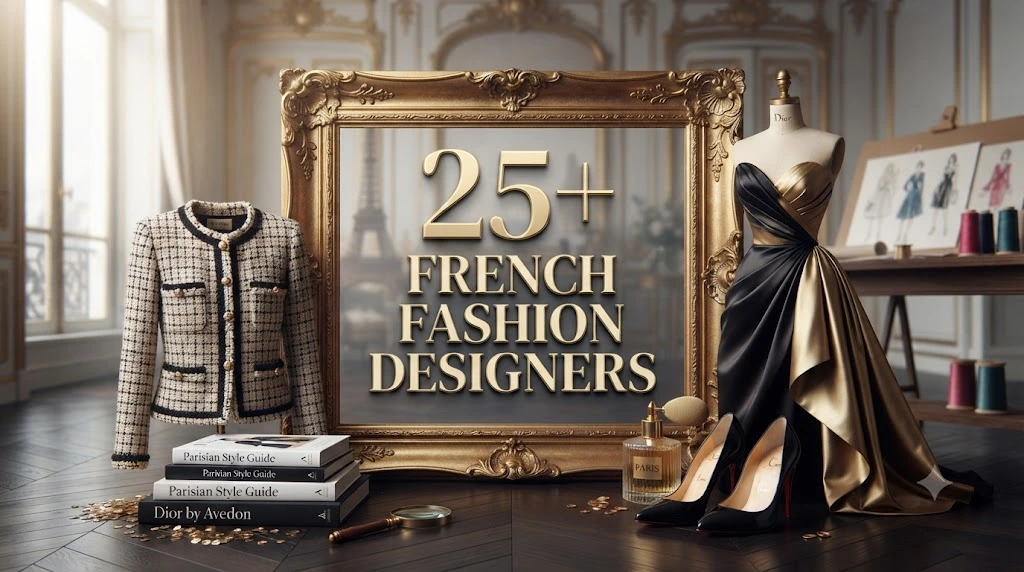
Fashion has a way of telling stories without saying a single word. A well-cut blazer, a timeless black dress, or a beautifully tailored coat often carries the signature of someone who spent years mastering their craft. That is why French fashion designers continue to inspire people around the world. Their work is not just about making clothes—it is about creating confidence, celebrating individuality, and turning everyday dressing into an art form.
Whether you love luxury fashion, dream of working in the industry, or simply want to understand why Paris remains the world’s fashion capital, learning about French designers opens the door to a fascinating world of creativity and craftsmanship. From iconic fashion houses to exciting new talents, France has shaped global style for generations.
In this guide, you’ll discover the designers who changed fashion history, the principles behind French style, and practical ideas you can use to dress with timeless elegance.
Why French Fashion Designers Are Respected Worldwide
France has been at the center of fashion for centuries. Paris became the home of luxury fashion because it combined artistic creativity with exceptional craftsmanship. Today, many of the world’s most influential fashion brands still operate from France, setting trends that inspire designers everywhere.
French designers focus on more than appearance. They pay close attention to:
- Perfect tailoring
- Premium fabrics
- Elegant silhouettes
- Long-lasting quality
- Timeless rather than short-lived trends
This philosophy helps explain why a French-designed jacket or handbag often remains stylish for years instead of just one season.
Expert Tip: Instead of buying several trendy pieces every season, invest in one high-quality wardrobe staple. This simple approach reflects the heart of French fashion.
The History of French Fashion Design
French fashion did not become famous overnight. Its reputation grew through centuries of innovation, royal influence, and exceptional craftsmanship.
During the reign of French royalty, clothing represented wealth and status. Skilled tailors and dressmakers created elaborate garments for the royal court. Later, Paris became the birthplace of haute couture, where designers produced custom-made clothing for wealthy clients.
As fashion evolved, French designers introduced fresh ideas that forever changed how people dressed. Simple elegance replaced excessive decoration, and women gained clothing that was both beautiful and practical.
Today, Paris Fashion Week continues this tradition by introducing new collections that influence fashion across every continent.
Common Mistake: Many people think French fashion is only about expensive luxury brands. In reality, the true philosophy centers on quality, balance, and personal style rather than flashy logos.
Legendary French Fashion Designers Who Changed History
Several French designers transformed the fashion industry through creativity and bold ideas. Their influence continues to shape modern wardrobes.
Some of the most influential names include:
- Coco Chanel
- Christian Dior
- Yves Saint Laurent
- Hubert de Givenchy
- Jean Paul Gaultier
- Pierre Cardin
- Sonia Rykiel
- Christian Lacroix
Each designer introduced something revolutionary.
Coco Chanel encouraged women to embrace comfortable elegance instead of restrictive clothing. Christian Dior redefined femininity after World War II with the famous “New Look.” Yves Saint Laurent introduced the women’s tuxedo, proving that power and sophistication could exist together.
Jean Paul Gaultier challenged traditional fashion rules with bold creativity, while Hubert de Givenchy became known for timeless elegance and unforgettable celebrity collaborations.
Their combined influence still appears in today’s collections, proving that true design never goes out of style.
What Makes French Fashion Design Different?
Many countries produce talented designers, yet French fashion stands apart because of its philosophy.
French designers usually prioritize:
- Clean lines
- Neutral color palettes
- Precise tailoring
- Effortless sophistication
- High-quality materials
- Functional elegance
Instead of chasing every trend, they often create clothing that remains fashionable year after year.
Imagine comparing two coats. One features oversized logos, bright colors, and trendy details that may look outdated next winter. The other has excellent tailoring, premium wool, and classic proportions. The second coat represents the French approach—it stays stylish for many years.
This mindset helps consumers build wardrobes that feel timeless rather than temporary.
Famous French Fashion Houses and Their Global Influence
Behind many legendary designers stand fashion houses that have become symbols of luxury around the world.
Some of the most recognized French fashion houses include:
- Chanel
- Dior
- Louis Vuitton
- Hermès
- Givenchy
- Balmain
- Lanvin
- Saint Laurent
Each brand has developed a distinct identity while maintaining exceptional craftsmanship.
For example, Chanel is known for elegant tweed jackets and quilted handbags. Dior represents refined femininity through beautifully structured designs. Hermès has built its reputation on leather craftsmanship and meticulous attention to detail.
These fashion houses influence not only luxury clothing but also accessories, fragrances, beauty products, and ready-to-wear collections.
Styling Advice: You don’t need designer labels to achieve a French-inspired wardrobe. Focus on fit, fabric quality, and timeless basics instead of brand names.
Modern French Fashion Designers Shaping the Future
While legendary names built France’s fashion reputation, a new generation of designers continues to push the industry forward. They respect traditional craftsmanship while embracing modern ideas like sustainability, technology, and inclusivity.
Many emerging French designers experiment with fresh silhouettes, eco-friendly fabrics, and gender-neutral collections. They understand that today’s customers want more than beautiful clothing—they want pieces that reflect their values.
What makes these designers exciting is their ability to balance innovation with timeless elegance. Instead of creating trends that disappear in a few months, they focus on garments that people can enjoy for years.
Expert Tip: If you enjoy discovering unique fashion before it becomes mainstream, follow new French designers through fashion magazines and Paris runway shows. Their collections often predict future trends.
How Paris Fashion Week Influences Global Style
Twice every year, the fashion world turns its attention to Paris. Designers, editors, celebrities, buyers, and influencers gather to see collections that often shape the next season’s trends.
Paris Fashion Week is more than a series of runway shows. It serves as a creative platform where designers introduce new ideas, colors, fabrics, and silhouettes. Fashion retailers around the world watch these collections closely before deciding what will appear in stores.
Although runway outfits can seem dramatic, many design ideas eventually evolve into wearable everyday fashion.
For example:
- Oversized blazers became everyday wardrobe essentials after appearing on luxury runways.
- Neutral monochrome outfits gained popularity through French collections.
- Wide-leg trousers returned as designers embraced relaxed tailoring.
- Minimalist accessories became fashionable after years of oversized statement pieces.
Watching runway collections can inspire your personal style without encouraging you to copy every trend.
Signature Characteristics of French Style
People often describe French fashion as “effortlessly chic.” While it may look effortless, achieving this style usually comes from thoughtful wardrobe choices rather than luck.
Several characteristics define French dressing:
- Well-fitted clothing
- Neutral colors
- High-quality basics
- Limited accessories
- Comfortable footwear
- Confidence over perfection
Instead of filling a closet with dozens of trendy items, many French women and men build wardrobes around versatile essentials.
A simple outfit might include:
- A crisp white shirt
- Straight-leg jeans
- A tailored blazer
- Leather loafers
- A structured handbag
Each item works well on its own, but together they create a polished appearance that feels natural instead of overstyled.
Common Mistake: Many people assume French style means wearing only black. In reality, French wardrobes include navy, beige, cream, olive, camel, gray, and soft earth tones that mix easily together.
Sustainable Fashion and the New Direction of French Designers
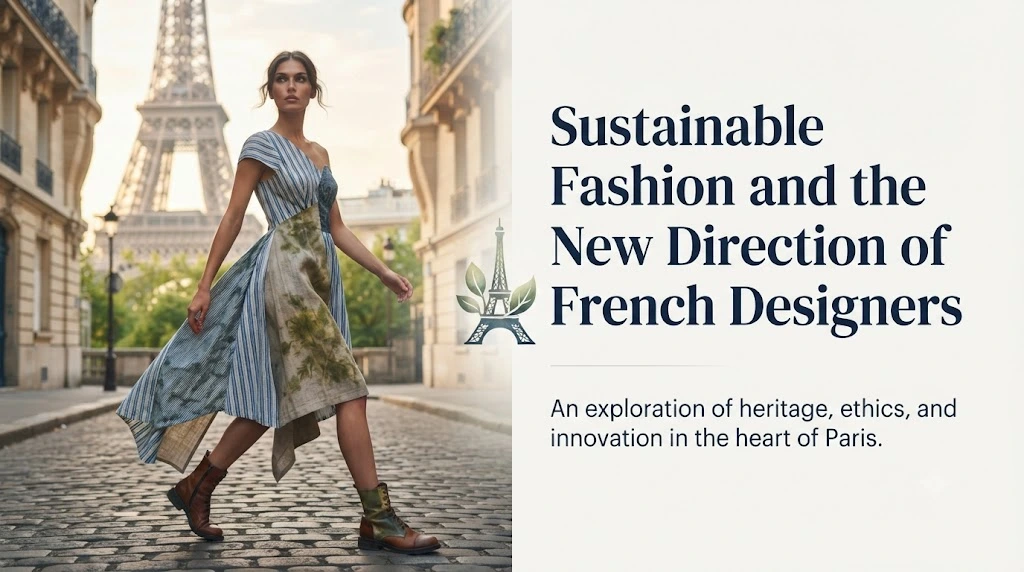
Sustainability has become one of the biggest priorities in modern fashion. French designers increasingly focus on creating clothing that respects both craftsmanship and the environment.
This shift includes:
- Organic cotton
- Recycled materials
- Ethical manufacturing
- Reduced waste
- Small production runs
- Higher-quality garments designed to last longer
Consumers have also changed. Instead of buying inexpensive clothing every few weeks, many people now prefer fewer pieces with better quality.
This “buy less, buy better” philosophy fits naturally with traditional French fashion values.
Before purchasing a new item, ask yourself:
- Will I wear it at least 30 times?
- Can I style it in multiple ways?
- Does it match my existing wardrobe?
- Is it made from durable materials?
These simple questions help create a wardrobe that is both stylish and practical.
How to Build a French-Inspired Wardrobe
You don’t need a luxury budget to dress with French elegance. The secret lies in choosing timeless pieces that work together.
Start with wardrobe essentials such as:
- White button-down shirt
- Tailored blazer
- Dark straight-leg jeans
- Black trousers
- Neutral knit sweater
- Trench coat
- Leather loafers
- White sneakers
- Little black dress
- Classic handbag
Once you own these basics, getting dressed becomes much easier because nearly everything pairs well together.
For example, one blazer can be worn with jeans on the weekend, tailored trousers at work, or layered over a dress for dinner.
Expert Styling Advice: Always prioritize fit over fashion labels. Even an affordable blazer looks expensive when it fits your shoulders and sleeves correctly.
Another helpful habit is editing your wardrobe regularly. Remove pieces you no longer wear and replace worn-out basics with better-quality versions.
A smaller wardrobe filled with versatile clothing often creates more outfit options than an overcrowded closet packed with impulse purchases.
French Fashion Designers Who Influenced Celebrity Style
Celebrities have long turned to French fashion designers for red carpet events, film premieres, magazine covers, and everyday style. Their designs often strike the perfect balance between elegance and individuality.
Over the years, actresses, musicians, and public figures have worn French creations that became iconic fashion moments. A beautifully tailored gown or a classic tuxedo designed by a French fashion house often receives as much attention as the event itself.
However, the influence goes beyond glamorous occasions. Many celebrities adopt French-inspired basics in their daily wardrobes, choosing quality denim, structured blazers, neutral knitwear, and timeless handbags instead of chasing every trend.
If you’re looking for style inspiration, pay attention to how celebrities mix classic pieces with modern accessories. Their outfits often prove that simplicity can make the strongest statement.
Haute Couture vs. Ready-to-Wear
One of the most important concepts in French fashion is understanding the difference between haute couture and ready-to-wear.
Haute couture refers to custom-made garments created for individual clients. Every piece is carefully designed, fitted, and handcrafted using exceptional materials and techniques. These garments require hundreds of hours of skilled craftsmanship and are produced in very limited numbers.
Ready-to-wear, on the other hand, includes collections designed for a wider audience. While still offering high-quality construction, these garments are manufactured in standard sizes and are more accessible than couture.
Here’s a simple comparison:
- Haute Couture
- Custom-made
- Handcrafted
- Extremely exclusive
- Premium pricing
- Ready-to-Wear
- Standard sizing
- Produced in larger quantities
- More practical for everyday wear
- Available through boutiques and retailers
For most people, ready-to-wear offers the perfect combination of style, quality, and functionality.
Career Opportunities Inspired by French Fashion
French fashion is more than beautiful clothing—it supports an entire creative industry with exciting career opportunities.
Popular roles include:
- Fashion designer
- Pattern maker
- Textile designer
- Fashion illustrator
- Stylist
- Fashion buyer
- Visual merchandiser
- Creative director
- Fashion journalist
- Luxury brand manager
Each career requires different skills, but creativity, problem-solving, and attention to detail remain essential.
If you’re interested in entering the industry, start by building a strong portfolio. Practice sketching, learn about fabrics, understand garment construction, and stay informed about global fashion trends. Experience gained through internships, freelance projects, or personal design work can also strengthen your career path.
How to Identify Authentic French Design
Many brands use French-inspired marketing, but authentic French design is defined by quality rather than labels alone.
When evaluating a garment, pay attention to:
- Fabric quality
- Precise stitching
- Balanced proportions
- Comfortable fit
- Clean finishing
- Timeless silhouette
Avoid judging clothing solely by logos or brand names. A well-made coat with excellent tailoring will usually outlast several trendy pieces made from lower-quality materials.
Another helpful tip is to inspect the inside of a garment. Neatly finished seams, reinforced stitching, and quality linings often reflect superior craftsmanship.
Choosing durable clothing also saves money over time because you replace items less frequently.
Common Myths About French Fashion Designers
French fashion is often surrounded by misconceptions. Understanding the truth can help you appreciate the industry more realistically.
Myth 1: French fashion is only for wealthy people.
Many French style principles focus on thoughtful shopping rather than expensive shopping. Quality basics can be found at various price points.
Myth 2: You must wear luxury brands.
Elegant style depends more on fit, confidence, and coordination than on designer labels.
Myth 3: French people only wear black.
While black is popular, many wardrobes also include beige, navy, white, camel, gray, olive, and soft earth tones.
Myth 4: Fashion is about following every trend.
Many French designers actually encourage timeless dressing instead of constantly replacing your wardrobe.
Recognizing these myths helps create a healthier and more practical approach to personal style.
The Future of French Fashion Designers
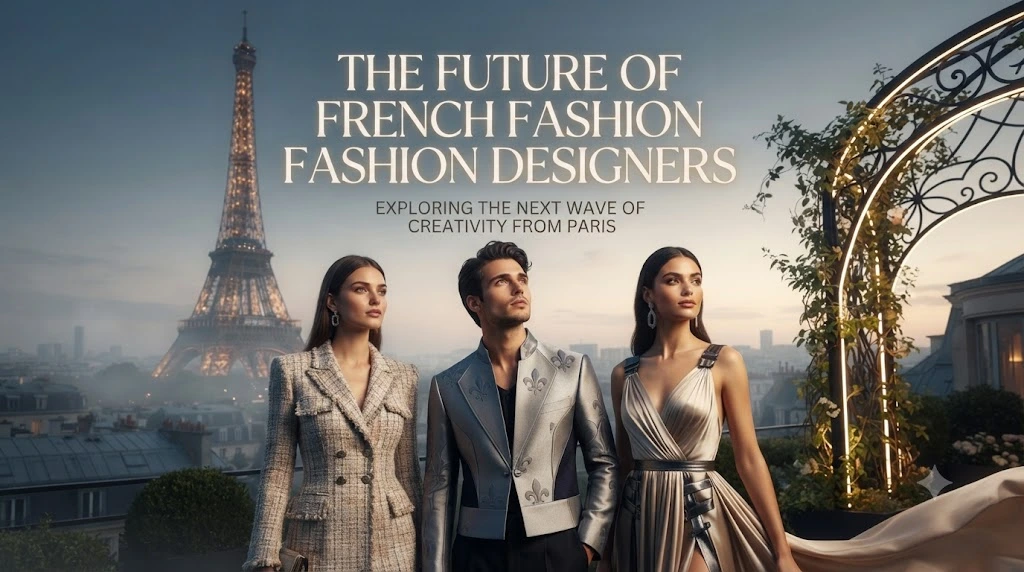
The future of French fashion looks both exciting and responsible. Designers continue to embrace innovation while protecting the craftsmanship that built France’s global reputation.
Several trends are shaping the next generation of fashion:
- Sustainable production
- Digital fashion experiences
- Artificial intelligence in design
- Circular fashion and recycling
- Gender-inclusive collections
- Smart textiles and wearable technology
Consumers also expect greater transparency. They want to know where garments are made, which materials are used, and how workers are treated throughout the production process.
French designers are responding by combining traditional techniques with modern solutions, proving that luxury and responsibility can work together.
Conclusion
French fashion designers have influenced global style for generations through creativity, craftsmanship, and timeless elegance. Their work goes far beyond creating beautiful clothing—it reflects culture, innovation, and a deep respect for quality.
Whether you’re exploring fashion history, building a more versatile wardrobe, or considering a career in the industry, the principles behind French fashion remain remarkably relevant. Investing in well-made clothing, choosing timeless designs, and developing your own personal style will always be more rewarding than chasing short-lived trends.
The greatest lesson from French fashion isn’t about buying expensive clothes. It’s about wearing pieces that fit well, feel comfortable, and help you express yourself with confidence. When you focus on quality, balance, and authenticity, your wardrobe becomes both practical and stylish for years to come.
Frequently Asked Questions
1. Who are the most famous French fashion designers?
Some of the most influential French fashion designers include Coco Chanel, Christian Dior, Yves Saint Laurent, Hubert de Givenchy, Jean Paul Gaultier, Pierre Cardin, Sonia Rykiel, and Christian Lacroix. Their work has shaped modern fashion and continues to inspire designers worldwide.
2. Why is France considered the fashion capital of the world?
France earned this reputation through centuries of craftsmanship, the development of haute couture, world-renowned fashion houses, and the global influence of Paris Fashion Week.
3. What makes French fashion different from other styles?
French fashion emphasizes timeless elegance, excellent tailoring, high-quality fabrics, and versatile wardrobe essentials instead of fast-changing trends.
4. Can I achieve French style without buying luxury brands?
Yes. Focus on well-fitting basics, neutral colors, durable fabrics, and thoughtful outfit combinations. Personal style matters far more than expensive labels.
5. What is haute couture?
Haute couture refers to custom-made, handcrafted clothing created specifically for individual clients using exceptional materials and advanced tailoring techniques.
6. How can I start a career in French fashion?
Begin by developing design skills, learning about textiles and garment construction, building a portfolio, gaining practical experience through internships or freelance work, and staying informed about industry trends.
7. Are French fashion designers focusing on sustainability?
Yes. Many modern French designers prioritize ethical manufacturing, eco-friendly materials, responsible sourcing, and long-lasting clothing that reduces environmental impact while maintaining exceptional quality.