The first time someone sketches a clothing idea and imagines another person wearing it, something special happens. A simple drawing becomes a possibility. A piece of fabric becomes a statement. A personal creative thought can become part of someone’s everyday life.
For many fashion lovers, designing clothes is not just about making beautiful outfits. It is about understanding people, expressing ideas, solving problems, and creating styles that make others feel confident. If you have ever looked at a dress, jacket, or collection and thought, “I want to create something like this,” you may already have the curiosity needed for a career in fashion.
The fashion industry offers far more opportunities than many people realize. While some imagine only famous designers working on luxury collections, the reality is much broader. Today, professionals work in fashion illustration, textile design, styling, product development, sustainable fashion, digital fashion, merchandising, and many other creative roles.
Finding the right career path requires more than talent. You need to understand the different roles available, the skills employers value, how to build experience, and how to stand out in a competitive industry.
This guide explores everything you need to know about fashion design jobs, including career options, required skills, salary expectations, education paths, portfolio advice, common mistakes, and future opportunities. Whether you are a student, a beginner, or someone considering a career change, this article will help you understand where your creativity can take you.
What Are Fashion Design Jobs and What Do Fashion Designers Do?
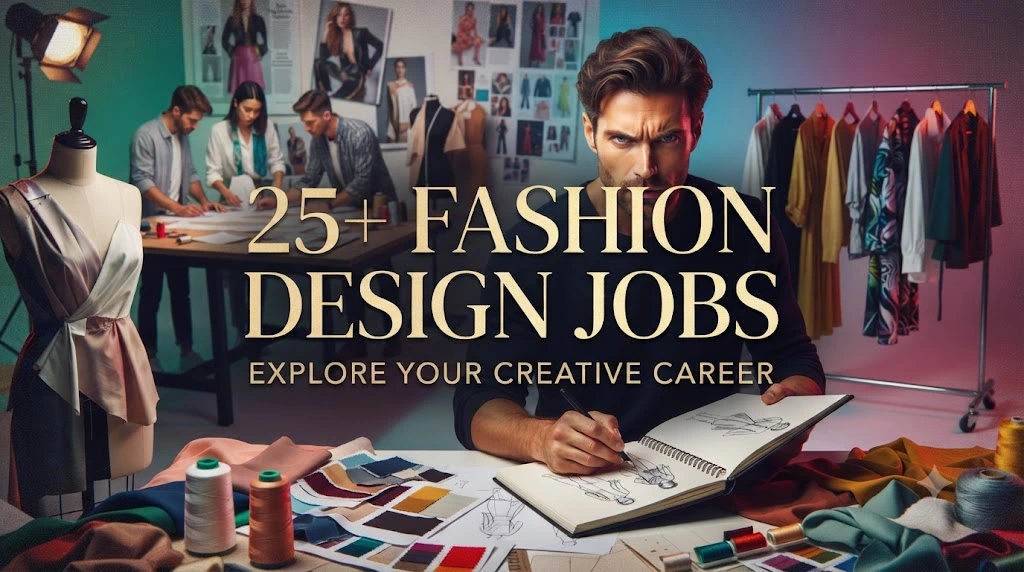
Fashion design jobs involve creating clothing, accessories, and style concepts that combine creativity with practical needs. Fashion designers study trends, choose materials, develop ideas, create sketches, and work with production teams to turn concepts into finished products.
A fashion designer does not simply draw attractive outfits. The role requires understanding how clothing works in real life. A designer must think about comfort, movement, cost, customer preferences, and manufacturing possibilities.
A typical fashion designer may handle tasks such as:
- Researching fashion trends and customer needs
- Creating original clothing concepts
- Sketching designs by hand or digitally
- Selecting fabrics, colors, and patterns
- Creating prototypes and samples
- Working with pattern makers and manufacturers
- Reviewing finished garments for quality
For example, a designer creating a winter collection must think beyond appearance. They need to consider warmth, fabric durability, layering options, and how customers will actually wear the pieces.
The fashion industry values designers who can balance imagination with problem-solving. A beautiful idea becomes successful when it works for real people.
Different Types of Fashion Design Jobs You Can Explore
Many people think fashion design means creating dresses for fashion shows, but the industry includes many specialized careers. Choosing a specific area can help you develop focused skills and build a stronger professional identity.
Some popular career paths include:
Fashion Designer
A fashion designer creates clothing collections for brands, retailers, or personal labels. They develop concepts, select materials, and guide designs from the first idea to the final product.
Fashion Illustrator
Fashion illustrators create visual drawings that communicate design ideas. They often work with designers to present concepts before production begins.
Textile Designer
Textile designers focus on fabrics, prints, patterns, and surface designs. Their work influences how materials look and feel.
Costume Designer
Costume designers create clothing for movies, television, theater, and performances. They research historical periods, characters, and storytelling needs.
Fashion Stylist
Stylists create complete looks by combining clothing, accessories, colors, and trends. They work with celebrities, photographers, brands, and individuals.
Technical Designer
Technical designers focus on garment details, measurements, construction, and production accuracy. They help ensure a design can be manufactured correctly.
Sustainable Fashion Designer
These designers focus on environmentally responsible materials, ethical production, and reducing fashion waste.
Each role requires different strengths. Someone who loves drawing may enjoy illustration, while someone interested in materials may prefer textile design.
Understanding your natural interests can help you choose a fashion career that feels rewarding rather than forced.
How to Start a Career in Fashion Design
Starting a fashion career may feel overwhelming at first, especially when you see established designers with years of experience. However, every successful designer begins by learning basic skills and creating small projects.
The first step is developing a strong foundation. Learn how clothing is designed, how fabrics behave, and how fashion trends develop.
Beginners can start by:
- Practicing fashion sketches regularly
- Studying different clothing styles
- Learning basic sewing techniques
- Creating personal design projects
- Building a fashion portfolio
- Following industry news and trends
A helpful exercise is creating a mini collection around a theme. For example, design five outfits inspired by ocean colors or urban street style. This teaches you how to create connected ideas rather than random designs.
Many new designers make the mistake of waiting until they feel “ready” before creating work. In reality, your portfolio grows through practice. Every project teaches you something new.
Fashion rewards creativity, but it also rewards consistency. Small improvements over time create professional-level skills.
Education and Skills Needed for Fashion Design Careers
Formal education can help you develop technical knowledge and connect with industry professionals, although creativity and experience remain extremely important.
Many fashion professionals study areas such as:
- Fashion design
- Fashion illustration
- Textile science
- Apparel production
- Fashion merchandising
- Visual communication
Fashion programs often teach students about:
- Pattern making
- Sewing techniques
- Color theory
- Fabric selection
- Fashion history
- Digital design tools
- Collection development
However, employers also look for practical skills beyond education. A degree alone does not guarantee success.
Important skills for fashion professionals include:
Creativity: The ability to generate fresh ideas and unique concepts.
Attention to detail: Small design choices can completely change the final look.
Communication: Designers must explain ideas clearly to teams, clients, and manufacturers.
Time management: Fashion often involves deadlines, seasonal collections, and multiple projects.
Business understanding: Successful designers understand customers, pricing, and market demands.
One expert tip for beginners is to study both creativity and business. A designer who understands how fashion works commercially has a stronger advantage.
How to Build a Strong Fashion Design Portfolio
A fashion portfolio is one of the most important tools for anyone applying for fashion design jobs. It shows your creativity, technical ability, and personal style.
A strong portfolio should not simply include your best-looking drawings. It should tell a story about how you think as a designer.
Include projects that show:
- Original sketches
- Final design concepts
- Fabric choices
- Color palettes
- Inspiration research
- Design development process
- Finished garments if available
For example, instead of showing only a final evening gown illustration, include your inspiration, early sketches, fabric experiments, and the reasoning behind your design choices.
This helps employers understand your creative process.
A common mistake is creating a portfolio that looks like a collection of copied trends. Companies want to see your personal perspective. Inspiration is important, but your designs should show your own creative voice.
Digital portfolios have become increasingly common. Many designers use online platforms to display their work, making it easier for recruiters and clients to discover their talent.
Entry-Level Fashion Design Jobs for Beginners
Breaking into the fashion industry often starts with beginner roles that help you gain real-world experience. Many successful designers begin in assistant positions before leading their own collections.
Common entry-level opportunities include:
- Junior fashion designer
- Design assistant
- Fashion intern
- Assistant stylist
- Textile design assistant
- Product development assistant
- Fashion production assistant
These positions help you understand how the industry works behind the scenes.
For example, a design assistant may help prepare sketches, organize samples, research trends, or communicate with manufacturers. Although the tasks may seem simple, they provide valuable insight into professional workflows.
Internships can also be extremely useful. They allow you to learn directly from experienced professionals and build industry connections.
One mistake beginners often make is focusing only on job titles. Early career experience matters more than having an impressive title. Learning how fashion businesses operate creates long-term opportunities.
Essential Tools and Technology Used in Modern Fashion Design Jobs
Fashion has changed significantly with technology. Today’s designers use digital tools to create, present, and improve their work.
Modern fashion professionals often use:
- Digital illustration software
- Fashion design applications
- 3D garment visualization tools
- Pattern-making software
- Trend research platforms
- Digital portfolio tools
Technology helps designers work faster and communicate ideas more clearly.
For example, a designer can create a digital clothing sample, adjust colors instantly, and share the concept with a production team without creating multiple physical versions.
Learning digital skills can improve your career opportunities because many fashion companies now expect designers to understand modern workflows.
However, technology should support creativity, not replace it. The strongest designers combine digital knowledge with traditional fashion understanding.
A good designer knows how to use tools while still focusing on storytelling, quality, and customer needs.
How Much Do Fashion Design Jobs Pay?
Salary expectations in the fashion industry vary widely depending on experience, location, education, specialization, and the company you work for. A beginner entering the industry will usually earn less than an experienced designer leading major collections, but income opportunities can grow significantly with skill and reputation.
Entry-level professionals often begin with assistant roles where they learn industry processes and build practical experience. As designers gain confidence, improve their portfolios, and develop a strong network, they can move into higher-paying positions.
Factors that influence earnings include:
- Experience level: Senior designers usually earn more because they manage larger projects and make important creative decisions.
- Specialization: Technical designers, creative directors, and specialized textile experts may have different earning opportunities.
- Industry sector: Luxury fashion, sportswear, bridal fashion, and technology-focused fashion may offer different career paths.
- Location: Fashion hubs often provide more opportunities because they have more brands, studios, and production companies.
Many professionals also increase their income through freelance projects, consulting, personal fashion brands, online courses, or collaborations.
A useful career tip is to avoid focusing only on salary at the beginning. Early experience, mentorship, and portfolio growth often create better long-term opportunities.
Where Can You Find Fashion Design Jobs?
Finding the right opportunity requires knowing where fashion companies actually search for talent. Many beginners only look at traditional job boards, but the fashion industry offers opportunities through multiple channels.
Fashion design positions can be found in:
- Clothing brands
- Fashion houses
- Retail companies
- Textile companies
- Costume departments
- E-commerce fashion companies
- Design studios
- Freelance marketplaces
- Fashion technology companies
Networking also plays an important role. Many fashion opportunities come through relationships built during internships, fashion events, workshops, and professional communities.
For example, a young designer may meet a creative director at a fashion exhibition, share their portfolio, and later receive a project opportunity. Building genuine professional connections can open doors that online applications may not.
When applying, customize your portfolio and resume for each role. A company looking for a streetwear designer will value different skills compared to a luxury bridal brand.
Research the brand before applying. Understanding its style, customers, and values helps you create a stronger application.
Freelance Fashion Design Jobs and Independent Career Opportunities
Not every fashion professional works for a large company. Freelancing has become a popular path for designers who want flexibility and creative independence.
Freelance fashion designers work with different clients on projects such as:
- Clothing collections
- Custom outfits
- Fashion illustrations
- Brand concepts
- Textile patterns
- Styling projects
- Digital fashion designs
Freelancing allows designers to choose projects that match their interests. However, it also requires business skills because freelancers manage their own clients, pricing, deadlines, and marketing.
A successful freelance designer usually develops:
- A professional portfolio
- A clear design style
- Strong communication skills
- Good time management habits
- Knowledge of contracts and pricing
One common mistake new freelancers make is accepting every project without considering whether it matches their expertise. Choosing suitable projects helps build a stronger reputation.
Creating an online presence can also help. Sharing design work, creative processes, and fashion insights can attract potential clients.
Independent designers often succeed because they combine creativity with entrepreneurship.
Fashion Design Jobs in Sustainable and Ethical Fashion
Sustainable fashion has created new career opportunities for designers who want to combine creativity with environmental responsibility.
Modern consumers increasingly care about where clothing comes from, how it is produced, and how long it lasts. This has encouraged brands to hire professionals who understand responsible design practices.
Sustainable fashion careers may involve:
- Eco-friendly clothing design
- Recycled material development
- Ethical production planning
- Zero-waste pattern creation
- Slow fashion collections
- Sustainable textile research
A sustainable designer considers the complete life cycle of a garment. They think about material choices, production methods, durability, and whether customers will continue using the product over time.
For example, instead of designing a trendy jacket meant to be replaced quickly, a sustainable designer may create a timeless piece using durable materials.
The future of fashion is moving toward smarter production. Designers who understand sustainability can bring valuable knowledge to modern brands.
How to Prepare for a Fashion Design Job Interview
A fashion job interview is different from a typical office interview because employers want to understand your creativity, personality, and design thinking.
Your portfolio will usually be one of the most important parts of the conversation. Be prepared to explain why you created certain designs and what influenced your choices.
Before an interview:
- Research the company’s design style.
- Review current collections.
- Prepare questions about the role.
- Organize your portfolio clearly.
- Practice explaining your creative process.
During the interview, avoid simply saying that a design is “beautiful.” Explain the purpose behind it.
For example, instead of saying, “I created this dress because I liked the color,” explain that you chose the color because it creates a specific mood and connects with the target customer.
Employers value designers who can think strategically.
A strong candidate shows both creativity and understanding of the fashion business.
Common Mistakes People Make When Applying for Fashion Design Jobs
Entering the fashion industry requires patience and preparation. Many talented people struggle because they make avoidable mistakes during their career journey.
Creating a Weak Portfolio
A portfolio should demonstrate your skills and creative thinking. Including too many unfinished or unrelated projects can make your work appear unfocused.
Ignoring Industry Trends
Designers do not need to follow every trend, but they should understand what customers currently want and how the market is changing.
Focusing Only on Creativity
Creativity matters, but fashion also involves production, budgets, deadlines, and customer needs.
Not Developing Technical Skills
Understanding patterns, fabrics, measurements, and garment construction gives designers a major advantage.
Giving Up Too Quickly
Fashion careers often develop slowly. Many successful professionals spend years learning, networking, and improving before reaching their goals.
The best approach is continuous improvement. Every project, mistake, and experience helps you become a stronger designer.
How to Grow and Advance in a Fashion Design Career
Getting your first fashion role is only the beginning. Long-term success requires continuous learning and professional growth.
Experienced designers often develop their careers by:
- Expanding technical knowledge
- Learning new software
- Studying customer behavior
- Building industry relationships
- Creating personal design projects
- Following global fashion movements
Mentorship can also make a major difference. Learning from someone with industry experience helps you understand challenges that are difficult to learn from books alone.
Another important step is developing your personal design identity. Many successful designers become recognized because people can identify their unique approach.
Your style may come from your use of color, your approach to sustainability, your cultural influences, or your design philosophy.
The goal is not to copy successful designers. The goal is to discover what makes your perspective valuable.
The Future of Fashion Design Jobs in a Digital World
The fashion industry is entering a new era where creativity and technology work together. Digital tools, artificial intelligence, virtual clothing, and online shopping are changing how designers create and communicate.
Future fashion careers may include roles such as:
- Digital fashion designer
- 3D clothing specialist
- Virtual styling expert
- AI-assisted design professional
- Sustainable innovation designer
Technology allows designers to create virtual samples, test ideas faster, and reach customers globally.
However, human creativity will remain essential. Fashion is deeply connected to emotions, culture, identity, and personal expression. Technology can support the process, but people create the meaning behind designs.
Designers who learn both traditional fashion skills and modern digital tools will likely have stronger opportunities in the future.
Adaptability will be one of the most valuable skills in the changing fashion industry.
How to Stand Out in the Competitive Fashion Industry
The fashion world attracts many creative people, which means standing out requires more than basic skills. Employers and clients look for designers who bring something unique.
You can make yourself more noticeable by:
- Developing a recognizable design style
- Creating original projects
- Sharing your creative process
- Building a professional online portfolio
- Learning from industry feedback
- Understanding your target audience
A strong personal brand can help people remember your work. This does not mean becoming famous overnight. It means consistently showing your values, skills, and creative approach.
For example, one designer may become known for sustainable minimalist clothing, while another may specialize in bold cultural-inspired designs.
Your difference is your advantage.
Fashion rewards people who are willing to experiment, learn, and create with purpose.
Conclusion: Building a Successful Future Through Fashion Design Jobs
A career in fashion is more than creating attractive clothing. It is about solving creative challenges, understanding people, and turning ideas into designs that have meaning.
The world of fashion design jobs offers opportunities for artists, problem-solvers, entrepreneurs, and technology-focused creators. Whether you want to become a clothing designer, stylist, textile expert, or digital fashion specialist, there are many paths available.
Success does not happen from talent alone. Strong designers combine creativity with technical skills, business knowledge, communication, and continuous learning.
Start by practicing your craft, building a thoughtful portfolio, and gaining real-world experience. Every sketch, project, and opportunity helps you move closer to your goal.
The fashion industry continues to change, but creativity will always remain at its center. If you are passionate about design and willing to grow, a rewarding fashion career is possible.
Frequently Asked Questions About Fashion Design Jobs
1. What qualifications do I need for fashion design jobs?
Many fashion design roles require knowledge of fashion illustration, textiles, garment construction, and design principles. A fashion design degree can help, but strong skills and an impressive portfolio are also highly valuable.
Employers often look for creativity, technical ability, and practical experience.
2. Can I get a fashion design job without a degree?
Yes, some designers build successful careers without formal degrees. A strong portfolio, technical skills, networking, and real-world experience can help demonstrate your ability.
However, studying fashion can provide useful industry knowledge and professional connections.
3. Are fashion design jobs only for people who can draw?
No. Drawing is helpful, but fashion includes many roles that require different skills. Fashion marketing, textile development, technical design, styling, and production management are also important career paths.
Creativity can appear in many forms.
4. How can I get my first fashion design job?
Start by building a portfolio, gaining practical experience through internships or personal projects, learning design software, and connecting with fashion professionals.
Entry-level roles often provide the first step into the industry.
5. Is fashion design a good career choice?
Fashion design can be a rewarding career for people who enjoy creativity, problem-solving, and constant learning. Like any creative industry, it requires dedication and patience.
Those who continue improving their skills often find valuable opportunities.
6. What skills are most important for fashion designers?
Important skills include creativity, fashion illustration, fabric knowledge, communication, trend research, technical design skills, and understanding customer needs.
Successful designers combine artistic ability with practical thinking.
7. What are the future opportunities in fashion design careers?
Future opportunities are growing in areas such as digital fashion, sustainable design, 3D clothing technology, and online fashion platforms.
Designers who combine traditional fashion knowledge with modern technology will have strong career possibilities.