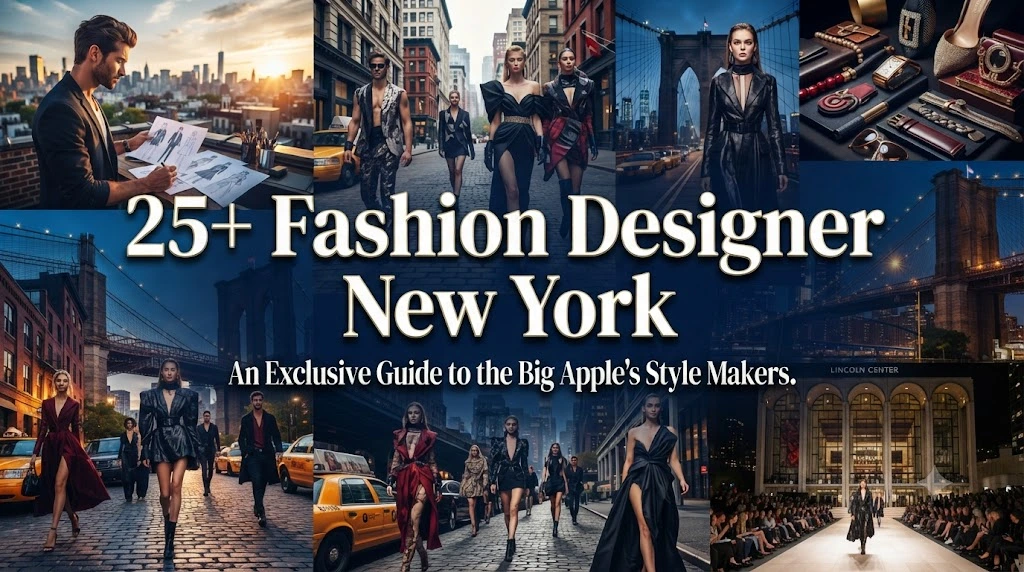
There’s something special about walking through the streets of New York. One block might be filled with people wearing timeless trench coats, while the next is bursting with bold colours, vintage denim, and statement accessories. Every neighbourhood has its own personality, and fashion is part of the city’s language. It’s no surprise that many aspiring designers dream of building their careers here.
New York isn’t just a place where fashion is sold—it’s where ideas come to life. Designers sketch their first collections in small studios, collaborate with skilled pattern makers, meet buyers from around the world, and watch their creations appear in boutiques, department stores, and on international runways. The city rewards creativity, but it also demands hard work, resilience, and constant innovation.
Whether you’re hoping to become a designer, searching for an established professional, launching your own clothing brand, or simply curious about the fashion industry, understanding the New York fashion scene gives you a valuable advantage. This guide explores everything you need to know, from the city’s leading designers and career opportunities to the skills, trends, and resources that shape one of the world’s fashion capitals.
Why New York Is a Global Fashion Capital
New York has earned its reputation as one of the world’s leading fashion cities. Alongside Paris, Milan, and London, it influences seasonal trends, retail strategies, and consumer preferences across the globe.
The city’s fashion industry thrives because it brings together every part of the design process in one place. Designers, textile suppliers, manufacturers, photographers, models, buyers, marketers, and retailers all work within a connected ecosystem.
Several factors make New York an ideal place for fashion professionals:
- A diverse and fashion-conscious population
- International fashion brands and luxury retailers
- Strong media and publishing presence
- Major fashion events throughout the year
- Access to experienced manufacturers and suppliers
- Excellent networking opportunities
Walking through areas like SoHo or the Garment District quickly reveals how creativity blends with business. You’ll see independent boutiques beside global brands, giving designers inspiration from both established labels and emerging talent.
Expert tip: Spend time observing how people dress in different neighbourhoods. Street style often predicts trends before they appear on major runways.
What Does a Fashion Designer in New York Do?
A fashion designer New York professional handles far more than creating beautiful clothing. Their role combines artistic vision with technical expertise and business strategy.
Most designers follow a structured process that includes:
- Researching market trends
- Developing seasonal concepts
- Sketching original designs
- Selecting fabrics and trims
- Creating technical specifications
- Reviewing garment samples
- Working with manufacturers
- Collaborating with buyers and marketing teams
For example, a designer creating an autumn collection may spend weeks researching colours, testing fabrics, refining garment fits, and adjusting designs based on customer feedback before production even begins.
New York designers also need to think commercially. They create collections that appeal to consumers while meeting production budgets and retail pricing expectations.
Success depends on balancing creativity with practical decision-making.
Best Fashion Districts in New York
Different areas of New York offer unique opportunities for designers, shoppers, and fashion entrepreneurs.
Garment District
The Garment District remains one of the city’s most important fashion hubs. Designers visit this area to source fabrics, work with sample makers, purchase trims, and meet manufacturers.
Many independent designers begin their careers here because everything needed for clothing production is within walking distance.
SoHo
SoHo is famous for its mix of luxury boutiques, designer stores, art galleries, and stylish cafés. Walking through its streets provides endless inspiration for designers interested in modern fashion and consumer behaviour.
Fifth Avenue
This iconic shopping destination showcases some of the world’s most recognised luxury fashion houses. Designers often visit to study window displays, merchandising strategies, and premium customer experiences.
Chelsea
Chelsea combines fashion, art, and creativity. Emerging designers frequently explore local galleries and design studios to find fresh inspiration for future collections.
Brooklyn
Brooklyn has become a hotspot for independent designers, sustainable fashion brands, and creative startups. Many small labels choose this area because it encourages experimentation and originality.
Recommendation: If you’re visiting New York as an aspiring designer, spend time in several neighbourhoods instead of staying in one area. Each district reflects a different side of the city’s fashion identity.
Skills Every Successful New York Fashion Designer Needs
New York’s fashion industry is highly competitive. Creativity is essential, but it’s only one part of building a successful career.
Professional designers develop a combination of artistic, technical, and business skills.
Creative Design Ability
Strong design skills help transform inspiration into original collections. Designers constantly explore new silhouettes, colour combinations, textures, and styling techniques.
Technical Knowledge
Understanding garment construction, pattern making, and textile behaviour allows designers to create products that can actually be manufactured.
Digital Design Skills
Most fashion companies expect designers to work with professional software such as:
- Adobe Illustrator
- Adobe Photoshop
- CLO 3D
- Browzwear
- CAD design software
Digital tools improve communication between designers and production teams while reducing costly errors.
Trend Forecasting
Successful designers don’t simply copy trends. They study consumer behaviour, cultural influences, retail sales, and market research to anticipate future demand.
Communication
Fashion projects involve collaboration with photographers, manufacturers, stylists, merchandisers, suppliers, and buyers. Clear communication keeps projects moving efficiently.
Business Awareness
Even highly creative designers need to understand pricing, production costs, customer preferences, and profit margins.
A beautiful design has little commercial value if customers won’t buy it or manufacturers cannot produce it efficiently.
Expert insight: Employers increasingly value designers who understand both creativity and commerce. Knowing how a garment performs in the marketplace is just as important as creating an attractive sketch.
Fashion Design Education in New York
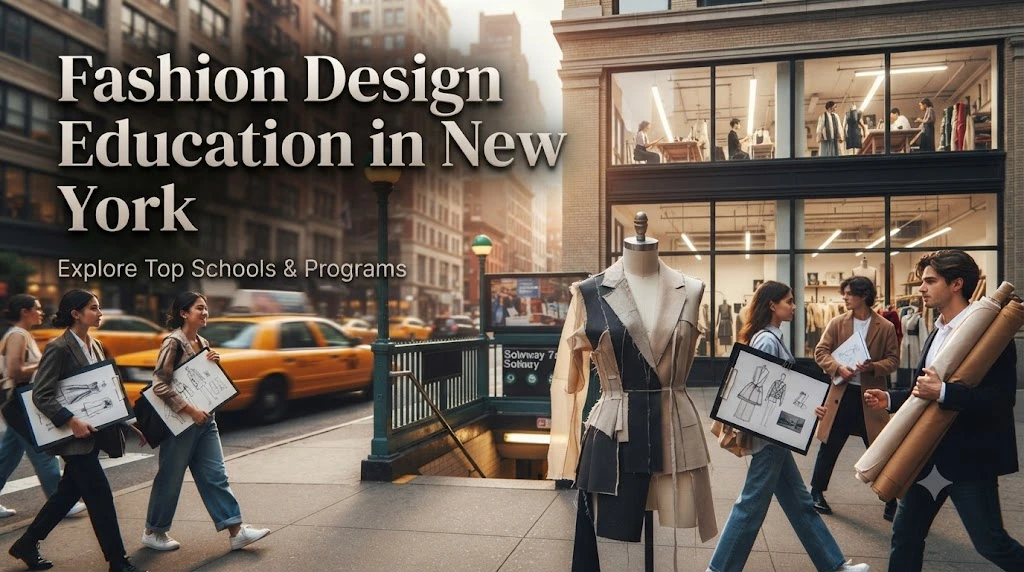
Many successful designers sharpen their skills through formal education before entering the industry.
New York offers access to respected fashion schools, specialised training programmes, workshops, and internship opportunities that combine classroom learning with practical experience.
A typical fashion design programme includes subjects such as:
- Fashion illustration
- Pattern making
- Garment construction
- Textile science
- Fashion history
- Colour theory
- Fashion marketing
- Digital fashion design
- Portfolio development
However, education is only the beginning.
Employers usually place significant importance on a designer’s portfolio because it demonstrates creativity, technical ability, and problem-solving skills. Strong portfolios include not only finished garments but also sketches, mood boards, fabric selections, and examples of the design process.
Internships provide another valuable advantage. Working alongside experienced professionals helps students understand deadlines, production workflows, supplier relationships, and client expectations.
Common mistake to avoid: Many beginners focus entirely on artistic sketches while overlooking sewing techniques, fabric behaviour, and garment construction. In the real world, successful designers understand both creative design and technical execution.
Top Fashion Designers Associated with New York
New York has produced and attracted some of the most influential names in fashion. Their work has shaped global trends, inspired new generations of designers, and helped establish the city as one of the world’s leading fashion capitals.
While every designer has a unique style, they all share one important quality—they built strong creative identities instead of copying others.
Some of the most recognised designers connected with New York include:
- Ralph Lauren
- Donna Karan
- Marc Jacobs
- Michael Kors
- Carolina Herrera
- Vera Wang
- Tommy Hilfiger
- Tory Burch
These designers represent different styles, from luxury evening wear to casual American fashion.
Studying their work can teach aspiring designers valuable lessons about branding, customer loyalty, and timeless design. Instead of focusing only on their latest collections, pay attention to how they built lasting fashion businesses.
Expert tip: Inspiration is valuable, but imitation limits growth. Learn from successful designers’ creative process and business strategies while developing your own signature style.
Career Opportunities for Fashion Designers in New York
New York’s fashion industry offers opportunities far beyond designing clothing. As the city is home to thousands of fashion businesses, professionals can explore careers that match both their creative interests and technical skills.
Popular career paths include:
Fashion Designer
Design seasonal collections for clothing brands, luxury labels, or independent boutiques.
Assistant Designer
Support senior designers by creating sketches, preparing technical drawings, researching trends, and organising samples.
Technical Designer
Ensure garments meet quality, fit, and production standards before manufacturing begins.
Fashion Illustrator
Create professional sketches and digital artwork used in product development and marketing.
Textile Designer
Develop original fabric prints, woven patterns, embroidery, and textile surfaces.
Costume Designer
Design clothing for films, television, theatre productions, concerts, and advertising campaigns.
Fashion Stylist
Help individuals, brands, magazines, and celebrities create complete fashion looks for events and photoshoots.
Product Developer
Coordinate between design, sourcing, production, and merchandising teams to bring collections from concept to market.
Fashion Entrepreneur
Launch your own clothing label, online fashion store, or custom design business.
New York also offers opportunities in fashion marketing, buying, merchandising, sustainability, and luxury retail.
Recommendation: Don’t limit yourself to one career path early on. Gaining experience in different roles can make you a more versatile designer and open unexpected opportunities.
Fashion Designer Salary and Job Outlook in New York
Many aspiring designers wonder whether fashion offers long-term financial stability. The answer depends on experience, skills, employer, and professional reputation.
Entry-level designers generally earn less while building experience, but income often grows as portfolios become stronger and responsibilities increase.
Several factors influence earning potential:
- Years of industry experience
- Portfolio quality
- Technical expertise
- Design specialisation
- Employer size
- Personal reputation
- Leadership responsibilities
Experienced professionals may progress into positions such as:
- Senior Fashion Designer
- Design Manager
- Creative Director
- Product Development Manager
- Fashion Consultant
- Brand Director
Many designers also increase their income through:
- Freelance projects
- Personal styling
- Custom clothing
- Brand collaborations
- Teaching fashion design
- Selling digital design assets
- Launching independent fashion labels
The city’s global fashion reputation continues to create demand for skilled professionals who understand both creativity and commercial success.
Expert insight: A strong portfolio often has a greater impact on career growth than years of experience alone. Employers want to see proof that you can solve design challenges and create products customers will buy.
How to Start a Fashion Design Career in New York
Breaking into New York’s fashion industry can feel overwhelming, but every successful designer started somewhere. The key is taking consistent, practical steps instead of waiting for the perfect opportunity.
Learn the Fundamentals
Develop a solid understanding of:
- Fashion illustration
- Pattern making
- Garment construction
- Textile knowledge
- Colour theory
- Fashion history
These skills create the foundation for professional growth.
Build a Strong Portfolio
Include projects that showcase your creativity, technical abilities, and design process.
Your portfolio should feature:
- Original sketches
- Mood boards
- Technical drawings
- Fabric selections
- Photos of completed garments
- Design development stages
Quality always matters more than quantity.
Gain Practical Experience
Internships and entry-level positions provide valuable exposure to the industry’s fast-paced environment.
You’ll learn how collections move from initial concepts to finished products while building professional relationships.
Network Consistently
Attend fashion events, exhibitions, workshops, and industry meetups whenever possible.
Meaningful professional relationships often lead to internships, freelance opportunities, and full-time positions.
Keep Learning
Fashion evolves constantly.
Continue improving your technical skills, studying new software, exploring sustainable practices, and analysing consumer behaviour.
Common mistake: Many beginners spend years perfecting designs without seeking feedback. Constructive criticism from experienced professionals often accelerates growth much faster than working alone.
Challenges and Rewards of Working in New York’s Fashion Industry
A fashion career in New York is exciting, but it’s also demanding. Understanding both the challenges and rewards helps aspiring designers prepare for long-term success.
Common Challenges
High Competition
New York attracts talented designers from around the world. Standing out requires originality, persistence, and continuous improvement.
Fast-Paced Environment
Fashion seasons move quickly.
Designers often balance multiple deadlines while coordinating with suppliers, manufacturers, buyers, and marketing teams.
Creative Pressure
Producing fresh ideas collection after collection can be mentally demanding.
Many successful designers schedule time for research, travel, art, and personal inspiration to avoid creative burnout.
Business Expectations
Creativity alone isn’t enough.
Designers must understand production costs, pricing strategies, customer preferences, and commercial viability.
The Rewards
Despite its challenges, many professionals consider New York one of the most rewarding places to build a fashion career.
Benefits include:
- Working alongside industry experts
- Access to global fashion events
- Diverse creative inspiration
- Opportunities to collaborate with leading brands
- Exposure to international markets
- Strong networking possibilities
- Continuous learning and career growth
Seeing customers wear something you designed is one of the most satisfying moments in a designer’s career. It reminds you that fashion is not only about trends—it helps people express their personality and confidence.
Expert advice: Success rarely happens overnight in New York’s fashion industry. Stay patient, keep refining your craft, welcome constructive feedback, and focus on consistent improvement rather than instant recognition.
Essential Tools and Software Used by Fashion Designers in New York
A successful fashion designer New York professional uses a combination of creativity, craftsmanship, and technology. While traditional skills like sketching, sewing, and fabric selection remain important, digital tools now play a major role in how designers develop and present their ideas.
New York’s fashion industry moves quickly, so designers rely on technology to save time, improve accuracy, and communicate effectively with manufacturers and clients.
Fashion Illustration Tools
Many designers begin with simple sketches to explore ideas. These early drawings help communicate the shape, style, and overall feeling of a garment.
Common tools include:
- Sketchbooks
- Drawing pencils
- Markers
- Watercolours
- Digital drawing tablets
- Styluses
A designer may sketch dozens of versions of a jacket or dress before selecting the final concept. This creative exploration helps refine details before production begins.
Adobe Creative Software
Digital design skills are highly valuable in New York’s fashion industry. Many designers use software from Adobe to create professional presentations and technical drawings.
Popular programmes include:
- Adobe Illustrator for creating fashion flats, technical sketches, and design details
- Adobe Photoshop for editing images, developing mood boards, and creating visual concepts
- Adobe InDesign for creating professional portfolios and collection presentations
These tools help designers communicate ideas clearly with manufacturers, buyers, and creative teams.
3D Fashion Design Software
3D fashion technology has changed how designers develop clothing. Instead of creating multiple physical samples, designers can now create realistic digital garments.
Popular 3D fashion tools include:
- CLO 3D
- Browzwear
- Style3D
These platforms allow designers to:
- Test garment movement
- Adjust fit digitally
- Experiment with fabrics
- Create virtual samples
- Reduce material waste
For New York designers working under tight deadlines, 3D technology can significantly improve the design process.
Pattern-Making and Production Software
Technical accuracy is essential in professional fashion design. Pattern-making software helps designers create precise garment structures before manufacturing.
These tools support:
- Digital pattern creation
- Size grading
- Production planning
- Manufacturing communication
A designer who understands both creative design and production technology has a major advantage in the industry.
Fashion Research and Trend Tools
Great designers constantly study what customers want. They analyse runway collections, street style, social media trends, and consumer behaviour.
Useful research sources include:
- Fashion forecasting platforms
- Trend reports
- Retail analysis tools
- Social media insights
- Customer feedback
Expert tip: Technology should support creativity, not replace it. The strongest designers use digital tools to improve their ideas while keeping their personal artistic vision at the centre.
Current Fashion Trends Influencing New York Designers
New York fashion is known for its ability to mix classic style with fresh ideas. Designers working in the city often respond to cultural changes, lifestyle shifts, technology, and consumer expectations.
Understanding current trends helps designers create collections that feel relevant while maintaining originality.
Sustainable Fashion Movement
Sustainability has become one of the most important conversations in the fashion industry.
Many New York designers now focus on:
- Eco-friendly fabrics
- Responsible manufacturing
- Clothing durability
- Recycling and upcycling
- Reducing production waste
Consumers increasingly want fashion that looks good while supporting ethical values.
For example, a designer creating a casual clothing line may choose organic cotton instead of conventional materials or design pieces that customers can wear in multiple ways.
Personal Expression and Individual Style
Modern fashion consumers want clothing that reflects who they are. New York’s diverse population encourages designers to create collections that celebrate different personalities and lifestyles.
Street style plays a major role because everyday people often influence fashion trends before luxury brands adopt them.
Gender-Neutral Fashion
Many designers are moving beyond traditional categories of men’s and women’s clothing.
Gender-neutral fashion focuses on:
- Flexible silhouettes
- Comfortable designs
- Individual expression
- Inclusive styling
This approach allows more customers to connect with a brand’s message.
Comfortable Luxury
After major lifestyle changes in recent years, consumers continue to value clothing that combines comfort with sophistication.
Designers increasingly create pieces such as:
- Relaxed tailoring
- Premium knitwear
- Versatile outerwear
- Elevated everyday clothing
The goal is to make people feel comfortable without sacrificing style.
Technology-Driven Fashion
New York designers are exploring the relationship between fashion and technology.
Examples include:
- Digital fashion experiences
- Smart textiles
- Virtual fitting solutions
- AI-supported trend research
Designers who understand these developments can create more innovative products.
Recommendation: Study trends carefully, but don’t follow every popular style. The best designers understand trends and then transform them into something unique.
Building a Successful Personal Brand as a New York Fashion Designer
In today’s fashion world, designing beautiful clothing is only part of success. A strong personal brand helps designers attract clients, employers, collaborators, and customers.
Your personal brand communicates who you are as a designer and what makes your work different.
Define Your Design Identity
Successful designers usually have a clear creative direction.
Ask yourself:
- What type of fashion inspires me?
- Who is my ideal customer?
- What makes my designs different?
- What values represent my brand?
A designer known for sustainable luxury fashion will attract a different audience than someone specialising in streetwear or bridal design.
Create a Professional Portfolio
A portfolio acts as your visual introduction.
Include:
- Your strongest designs
- Collection concepts
- Sketches
- Fabric research
- Technical drawings
- Finished garment photos
- Design explanations
Show your thinking process, not just the final product.
Employers and clients want to understand how you solve creative problems.
Use Social Media Strategically
Social media has become an important platform for fashion professionals.
Designers can showcase their work through:
- Behind-the-scenes content
- Design sketches
- Studio moments
- Fashion shoots
- Collection launches
- Creative inspiration
However, quality matters more than posting constantly. A thoughtful online presence creates a stronger impression.
Build Industry Relationships
Fashion is a collaborative industry.
Strong relationships with:
- Photographers
- Stylists
- Models
- Manufacturers
- Fashion writers
- Buyers
- Other designers
can lead to valuable opportunities.
Stay Authentic
Many new designers make the mistake of trying to copy successful brands. While studying industry leaders is helpful, your long-term success depends on developing your own creative voice.
Expert advice: Your story matters. People connect with designers who have a clear reason behind their work, whether it comes from culture, personal experiences, craftsmanship, or a desire to solve a specific problem.
Finding Fashion Designer Jobs in New York
New York offers many opportunities, but getting your first role requires preparation and persistence. The competition is strong, so candidates need more than a basic qualification.
Prepare a Strong Resume
A fashion resume should highlight:
- Design skills
- Software knowledge
- Internship experience
- Industry projects
- Portfolio links
- Technical abilities
Keep it clear and focused. Fashion employers often review many applications quickly.
Create an Impressive Portfolio Website
A professional online portfolio allows employers to view your work easily.
Include:
- A short designer introduction
- Selected projects
- Your design process
- Contact information
- Professional photographs
A well-designed portfolio website also demonstrates your attention to visual presentation.
Apply Through Multiple Channels
Fashion jobs can be found through:
- Brand career pages
- Fashion recruitment agencies
- Professional networking platforms
- Industry events
- Internship programmes
- Personal connections
Many opportunities come through relationships, so networking remains important.
Start With Entry-Level Positions
Common starting roles include:
- Assistant Fashion Designer
- Design Intern
- Junior Designer
- Product Development Assistant
- Technical Design Assistant
These positions provide valuable experience and help you understand how the industry operates.
Prepare for Interviews
Fashion interviews often involve portfolio discussions. Be ready to explain:
- Your creative inspiration
- Your design process
- Your technical decisions
- Your understanding of the brand
Confidence and preparation make a strong impression.
Common mistake: Some candidates focus only on creativity and ignore professionalism. Meeting deadlines, communicating clearly, and understanding business needs are highly valued by fashion employers.
The Future of Fashion Design in New York
New York’s fashion industry continues to evolve. Designers who adapt to changing technology, consumer expectations, and environmental concerns will have the strongest opportunities.
Several developments are shaping the future of the profession.
Growth of Sustainable Design
Sustainability will continue influencing how designers choose materials, create collections, and manage production.
Future designers will need deeper knowledge of:
- Sustainable textiles
- Ethical sourcing
- Waste reduction
- Circular fashion systems
Expansion of Independent Brands
Digital platforms make it easier for small designers to reach global customers.
A designer no longer needs a large retail store to build an audience. Online marketing, social media, and direct-to-consumer sales have created new possibilities.
Increased Use of Artificial Intelligence
AI tools may help designers with:
- Trend analysis
- Market research
- Design experimentation
- Production planning
However, human creativity, emotional understanding, and storytelling will remain essential.
Demand for Unique Design Perspectives
Consumers increasingly search for brands with meaning. Designers who bring authentic ideas, cultural awareness, and personal creativity will continue to stand out.
More Focus on Experience
Fashion is becoming more than clothing. Brands now create experiences through:
- Digital campaigns
- Interactive shopping
- Community building
- Personalised services
Future designers will need to understand not only garments but also the complete customer journey.
Final insight: New York will always attract creative minds because the city encourages experimentation. Designers who combine artistic talent with technology, business knowledge, and adaptability will continue to find opportunities in this competitive but rewarding industry.
Conclusion
Becoming a successful fashion designer New York professional requires more than creative talent. The city offers incredible opportunities, but it also expects designers to bring dedication, technical knowledge, business understanding, and a willingness to adapt.
New York’s fashion industry is unique because it connects creativity with global influence. A designer can begin with a simple sketch, develop a complete collection, collaborate with skilled professionals, and eventually introduce their work to customers around the world.
The most successful designers understand that fashion is not only about creating beautiful clothing. It is about solving problems, understanding people, choosing the right materials, and creating designs that connect emotionally with customers.
Whether you want to work for an established fashion house, create your own brand, specialise in sustainable fashion, or explore digital design, New York provides a powerful environment for growth. The journey may include challenges such as competition, long hours, and constant learning, but the rewards can be deeply fulfilling.
Focus on developing your skills, building a strong portfolio, creating meaningful connections, and staying true to your design identity. Trends will continue to change, but originality, craftsmanship, and passion will always remain valuable.
A career in New York fashion is not built overnight. It grows through experience, persistence, creativity, and the courage to bring unique ideas into the world.
Frequently Asked Questions (FAQs)
1. How do I become a fashion designer in New York?
To become a fashion designer in New York, start by learning essential design skills such as fashion illustration, sewing, pattern making, textile knowledge, and digital design. Many aspiring designers study fashion design through colleges, specialised programmes, or professional courses.
Building a strong portfolio is one of the most important steps. Employers usually want to see your creative process, technical ability, and finished projects.
Gaining experience through internships, assistant designer roles, and collaborations can also help you develop industry connections and understand how New York’s fashion business operates.
2. Is New York a good place for fashion designers?
Yes, New York is considered one of the best cities in the world for fashion professionals. The city offers access to major fashion brands, design studios, manufacturers, retailers, fashion events, and creative communities.
Designers benefit from:
- Global fashion exposure
- Networking opportunities
- Diverse creative inspiration
- Access to suppliers and production services
- Career opportunities across many fashion fields
However, competition is high, so designers need strong skills, determination, and a unique creative perspective to succeed.
3. What skills does a fashion designer in New York need?
A successful fashion designer in New York needs a balance of creative, technical, and professional skills.
Important skills include:
- Fashion sketching
- Fabric knowledge
- Pattern development
- Garment construction
- Trend research
- Digital design software
- Communication
- Time management
- Business understanding
- Problem-solving
Designers who understand both creativity and commercial needs often have better career opportunities.
4. How much does a fashion designer earn in New York?
A fashion designer’s income in New York varies depending on experience, education, employer, specialisation, and professional reputation.
Entry-level designers usually earn less while developing their skills, while experienced designers, creative directors, and independent brand owners may earn significantly more.
Income can also increase through additional opportunities such as:
- Freelance design projects
- Custom clothing services
- Brand partnerships
- Styling work
- Consulting
- Teaching
A strong portfolio and industry reputation often play a major role in long-term earning potential.
5. Do I need a fashion degree to become a designer in New York?
A fashion degree can provide valuable training, industry connections, and technical knowledge, but it is not the only path into the industry.
Some successful designers build careers through:
- Self-learning
- Online courses
- Internships
- Professional workshops
- Independent projects
- Strong portfolios
Regardless of education background, employers usually look for evidence of creativity, technical ability, and practical experience.
6. What are the biggest challenges for fashion designers in New York?
Fashion designers in New York often face challenges such as:
- Strong competition
- Fast-changing trends
- Tight production deadlines
- High expectations from clients and brands
- Balancing creativity with business requirements
The industry can be demanding, but designers who remain adaptable and continue improving their skills often find rewarding opportunities.
7. Can I start my own fashion brand in New York?
Yes, many designers successfully launch independent fashion brands in New York. Modern technology has made it easier to create, market, and sell collections without relying only on traditional retail methods.
Before launching a brand, designers should focus on:
- Creating a clear brand identity
- Understanding their target customers
- Developing quality products
- Planning production carefully
- Building an online presence
- Managing finances effectively
A strong concept combined with consistent execution can help a small fashion label grow into a recognised brand.