Imagine walking into a fashion studio where sketches cover the walls, fabrics are scattered across tables, and a designer is turning a simple idea into a piece of clothing people will want to wear. For many creative minds, fashion designing looks like a dream career—but behind the glamour is a practical question: how much does a fashion designer earn?
The answer is not as simple as one fixed salary. A designer’s income can change depending on experience, location, education, specialization, employer, and whether they work independently or for a fashion brand. A beginner may start with a modest income while an experienced designer can earn significantly more. Freelancers and successful designers who build their own brands may have even greater earning potential.
In this guide, we’ll explore fashion designer salaries, the factors that influence earnings, and what you can realistically expect at different stages of a fashion career.
- How much does a fashion designer earn per year?
- How much does a fashion designer earn per month?
- How much does a fashion designer earn per hour?
- How much does a fashion designer earn as a beginner?
- How much does an entry-level fashion designer earn?
- How much does a senior fashion designer earn?
- How much does a freelance fashion designer earn?
- How much does a fashion designer earn in the USA?
- How much does a fashion designer earn in the UK?
- How much does a fashion designer earn in Canada?
- How much does a fashion designer earn in Australia?
- How much does a fashion designer earn in India?
- How much does a fashion designer earn in Pakistan?
- How much does a fashion designer earn with a degree?
- How much does a fashion designer earn without a degree?
- What factors affect a fashion designer’s salary?
- Do fashion designers make good money?
- What is the average salary of a fashion designer?
- Which fashion designers earn the most?
- How can a fashion designer increase their earnings?
Average Fashion Designer Salary and Income Overview
A fashion designer’s average income can vary widely because the fashion industry includes many different career paths. Some designers work for global fashion companies, while others create their own labels or offer freelance services.
Fashion designers can work in areas such as:
- Apparel design.
- Luxury fashion.
- Sportswear design.
- Costume design.
- Textile design.
- Accessories design.
- Sustainable fashion.
- Fashion consulting.
The salary range depends on several important factors:
- Experience level: Designers with years of industry knowledge usually earn more than beginners.
- Location: Fashion capitals often provide higher-paying opportunities.
- Specialization: Luxury, technical, and creative leadership roles often offer higher salaries.
- Employment type: Full-time positions provide stability, while freelance work offers flexibility.
- Brand reputation: Designers with strong recognition can charge premium rates.
A fashion designer working for a clothing company may receive a regular salary with benefits. On the other hand, an independent designer may earn through clothing sales, collaborations, custom orders, and brand partnerships.
For example, a junior designer at a retail fashion company may spend time creating concepts for seasonal collections. Meanwhile, a designer running a personal brand may focus on building customer relationships, marketing products, and managing production.
The fashion industry rewards designers who develop a balance of creativity and practical knowledge. A beautiful design has more value when it meets customer needs, fits production requirements, and supports business goals.
How Much Does an Entry-Level Fashion Designer Earn
Starting a fashion career can be exciting, but beginners usually need time to develop their skills and professional reputation. Entry-level fashion designers often begin as junior designers, assistant designers, design interns, or fashion production assistants.
At this stage, the main goal is gaining experience. New designers learn how fashion companies operate, how collections are developed, and how creative ideas move from sketches to finished garments.
Beginner fashion designer earnings depend on:
- Portfolio strength.
- Fashion education.
- Internship experience.
- Technical abilities.
- Software knowledge.
- Industry connections.
Many successful designers begin by improving essential skills such as:
- Fashion illustration.
- Sewing and garment construction.
- Pattern making.
- Fabric selection.
- Digital design tools.
- Trend research.
A common mistake among beginners is focusing only on creating attractive designs. Professional designers also need to understand production costs, customer expectations, and market demand.
For example, a beginner who creates a beautiful dress concept but does not understand fabric costs or manufacturing challenges may struggle in a professional environment. A designer who combines creativity with practical knowledge becomes much more valuable.
Building a strong portfolio is one of the best ways for new designers to increase their opportunities. A good portfolio should show:
- Original sketches.
- Completed clothing projects.
- Design concepts.
- Fabric choices.
- Creative problem-solving.
Many fashion professionals recommend that beginners gain experience through internships, assistant roles, and collaborations. These opportunities help designers learn industry standards and build important relationships.
Fashion Designer Salary Based on Experience Level
Experience is one of the strongest factors that affects a fashion designer’s earning potential. Fashion design is a skill-based profession where knowledge, creativity, and industry understanding grow over time.
A typical fashion career develops through several stages.
Beginner Fashion Designer
New designers usually focus on learning professional techniques and understanding the fashion business. They may assist senior designers, prepare design materials, create basic concepts, and help with collection development.
At this stage, building skills and experience matters more than earning the highest income immediately.
Mid-Level Fashion Designer
After gaining several years of experience, designers often take on larger responsibilities. They may design complete collections, communicate with manufacturers, guide junior team members, and contribute to brand decisions.
Mid-level designers usually earn more because they have proven their ability to create market-ready designs.
Senior Fashion Designer
Senior designers often manage important projects and influence a brand’s creative direction. They understand customer behavior, fashion trends, production processes, and business goals.
Their experience allows companies to trust them with major design decisions.
Creative Director
Creative directors are among the highest-ranking professionals in fashion companies. They oversee the complete visual identity of a brand, including collections, campaigns, and overall creative strategy.
This role requires strong leadership, years of experience, and a deep understanding of the fashion industry.
Career growth does not happen only because of time. Designers who continue learning, improve their skills, build connections, and understand the market often progress faster.
Fashion Designer Earnings by Industry and Specialization
Fashion design includes many specializations, and each area offers different earning opportunities. Choosing the right niche can influence both career satisfaction and income potential.
Luxury Fashion Designers
Luxury fashion focuses on premium clothing, exclusive designs, and high-quality craftsmanship. Designers in this field often work with expensive materials and demanding customers.
Luxury fashion requires:
- Strong creative vision.
- Knowledge of premium fabrics.
- Attention to detail.
- Understanding of luxury customers.
Experienced luxury designers can earn high incomes, especially when they develop a strong reputation.
Retail Fashion Designers
Retail designers create clothing for larger audiences. They study customer preferences, seasonal trends, and pricing strategies.
Their goal is to create stylish clothing that customers want to purchase.
Retail fashion provides many career opportunities because brands constantly need new collections.
Sustainable Fashion Designers
Sustainable fashion has become an important area as customers look for environmentally responsible clothing options.
Designers who understand:
- Eco-friendly materials.
- Ethical production.
- Waste reduction.
- Sustainable manufacturing.
can find new opportunities in this growing field.
Sportswear Designers
Sportswear designers create clothing that combines comfort, performance, and style. This sector continues to grow because people increasingly prefer versatile clothing for active lifestyles.
Costume Designers
Costume designers create outfits for movies, television shows, theater productions, and performances. Their work requires creativity because clothing helps tell stories and develop characters.
Specializing in a specific fashion area can help designers stand out and build valuable expertise.
Freelance Fashion Designer Income and Career Opportunities
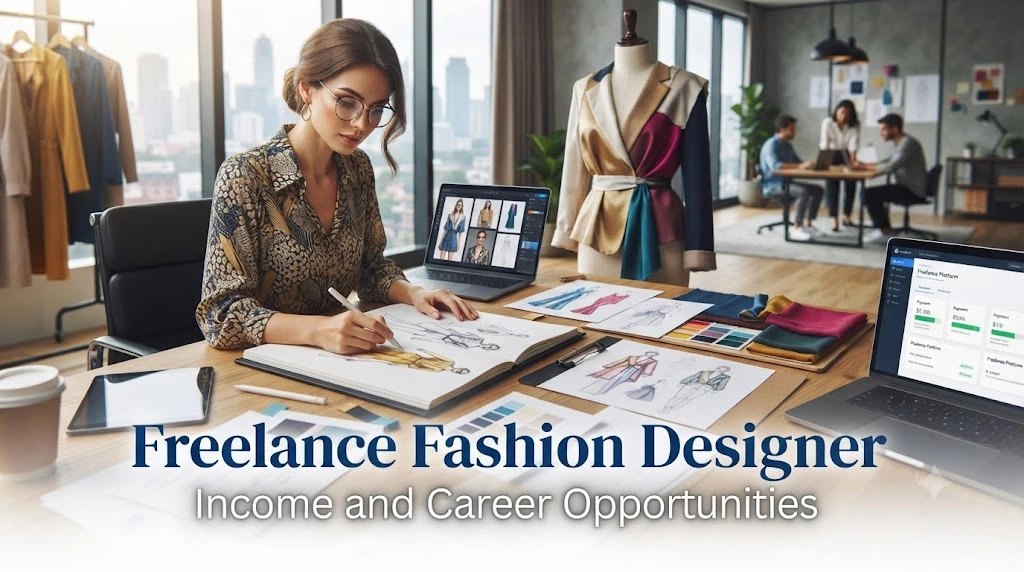
Freelancing offers fashion designers freedom, flexibility, and the ability to choose their projects. Instead of working for one company, freelance designers work with different clients, brands, and businesses.
Freelance fashion designers can earn income through:
- Custom clothing projects.
- Fashion consultations.
- Design services.
- Brand collaborations.
- Pattern creation.
- Fashion illustrations.
- Online courses.
Freelance income often depends on reputation, experience, and the ability to attract clients.
A beginner freelancer may start with smaller projects while building credibility. An experienced freelancer with a strong portfolio can charge higher rates because clients pay for expertise and creative problem-solving.
Successful freelance designers usually develop skills beyond fashion design. They also learn:
- Client communication.
- Marketing.
- Pricing strategies.
- Contract management.
- Social media promotion.
One common mistake freelancers make is treating fashion as only a creative activity. Freelancing is also a business. Designers must understand how to promote their services and manage their finances.
For example, a freelance designer specializing in custom wedding outfits may earn more per project because customers value personalized designs for important life events.
Building a trusted reputation is one of the strongest ways freelance designers increase income over time.
Fashion Designer Salary by Location and Country
Location has a major influence on a fashion designer’s income because different regions have different fashion industries, living costs, and career opportunities. Designers working in global fashion centers often have access to more jobs, larger brands, and higher-paying positions.
Some of the world’s most recognized fashion cities include:
- New York City.
- Paris.
- Milan.
- London.
- Los Angeles.
- Tokyo.
These cities attract international fashion houses, luxury brands, creative agencies, and manufacturing companies. As a result, designers may find more opportunities to work on large-scale projects.
However, salary should not be the only factor when choosing a location. Major fashion cities often have higher living expenses. A designer earning a higher salary may also face increased costs for housing, transportation, and daily expenses.
Today, technology has changed how fashion designers work. Many designers can build successful careers without living in a famous fashion capital. Online stores, digital design tools, social media platforms, and remote collaborations allow designers to reach customers worldwide.
A designer living in a smaller city can create a successful career by focusing on:
- Building an online portfolio.
- Selling designs through e-commerce.
- Creating a strong social media presence.
- Collaborating with international clients.
- Developing a unique design identity.
For example, an independent designer can create a small clothing collection from a home studio, promote it online, and sell products to customers in different countries.
The best location for a fashion designer depends on personal goals. Someone seeking experience with luxury fashion houses may benefit from living near major fashion centers, while an entrepreneur may build a global brand from almost anywhere.
How Much Can a Fashion Designer Make With Their Own Brand
Creating a personal fashion brand is one of the most exciting career paths for designers. It allows them to control their creative direction, develop their own style, and connect directly with customers.
However, owning a fashion brand is different from receiving a regular salary. Brand owners earn money through business profits, which depend on sales, expenses, pricing, and customer demand.
A fashion brand’s income depends on:
- Product quality.
- Brand recognition.
- Marketing strategy.
- Production costs.
- Customer loyalty.
- Pricing decisions.
- Distribution methods.
Some designers start small by creating limited collections or handmade products. Others launch larger businesses with manufacturing partners and retail opportunities.
Successful fashion brand owners often manage several areas, including:
- Designing collections.
- Choosing materials.
- Working with suppliers.
- Managing inventory.
- Creating marketing campaigns.
- Handling customer relationships.
A common mistake new designers make is spending too much money on production before understanding customer demand. Starting with a smaller collection can help test the market and reduce financial risk.
For example, a designer launching a sustainable clothing line may begin with a small number of carefully designed pieces. If customers respond positively, the designer can expand the collection gradually.
A strong brand is built through consistency. Customers return when they trust the quality, style, and values behind a fashion label.
Luxury Fashion Designer Salary and High-Income Opportunities
Luxury fashion is one of the most competitive and prestigious areas of the fashion industry. Designers in this field create exclusive garments that often focus on craftsmanship, premium materials, and unique artistic expression.
Luxury fashion designers may work for:
- International fashion houses.
- Designer labels.
- Private clients.
- Luxury clothing brands.
- High-end boutiques.
Their income can become significantly higher as their reputation grows. A designer with a recognizable name may earn through multiple sources, including:
- Salary.
- Brand partnerships.
- Collection sales.
- Licensing agreements.
- Consulting work.
Luxury fashion requires more than creativity. Designers must understand:
- Premium fabric selection.
- Detailed garment construction.
- Customer psychology.
- Brand storytelling.
- Fashion history.
Many successful luxury designers spend years developing their skills before reaching leadership positions.
A designer who creates a signature style can become highly valuable because customers often connect emotionally with unique designs.
For example, a luxury designer known for elegant evening wear may build a loyal customer base that appreciates craftsmanship and exclusivity.
The path to luxury fashion success requires patience, strong networking, and continuous improvement.
Skills That Increase a Fashion Designer’s Earning Potential
Creative talent is important, but successful fashion designers need a wide range of skills to increase their career opportunities and income.
The most valuable skills include:
Fashion Illustration
The ability to communicate ideas visually helps designers present concepts clearly. Strong sketches allow teams and clients to understand a designer’s vision.
Fabric and Textile Knowledge
Understanding fabrics helps designers choose materials that match the purpose, comfort, and quality of a garment.
A designer who understands fabric behavior can create better clothing because they know how materials move, stretch, and perform.
Pattern Making and Garment Construction
Technical knowledge makes designers more effective. Understanding how clothing is built helps prevent design problems during production.
Digital Fashion Skills
Modern fashion relies heavily on technology. Designers who understand digital tools often have more opportunities.
Useful digital skills include:
- Adobe Illustrator.
- Adobe Photoshop.
- Computer-aided design.
- 3D clothing software.
Trend Forecasting
Successful designers study customer behavior and future fashion movements. They understand what styles, colors, and materials may become popular.
Business and Marketing Skills
Fashion is both creative and commercial. Designers who understand branding, pricing, sales, and customer psychology often achieve better results.
Many talented designers struggle because they focus only on creativity. Learning business skills can transform a designer from an artist into a successful fashion professional.
Education and Training Impact on Fashion Designer Income
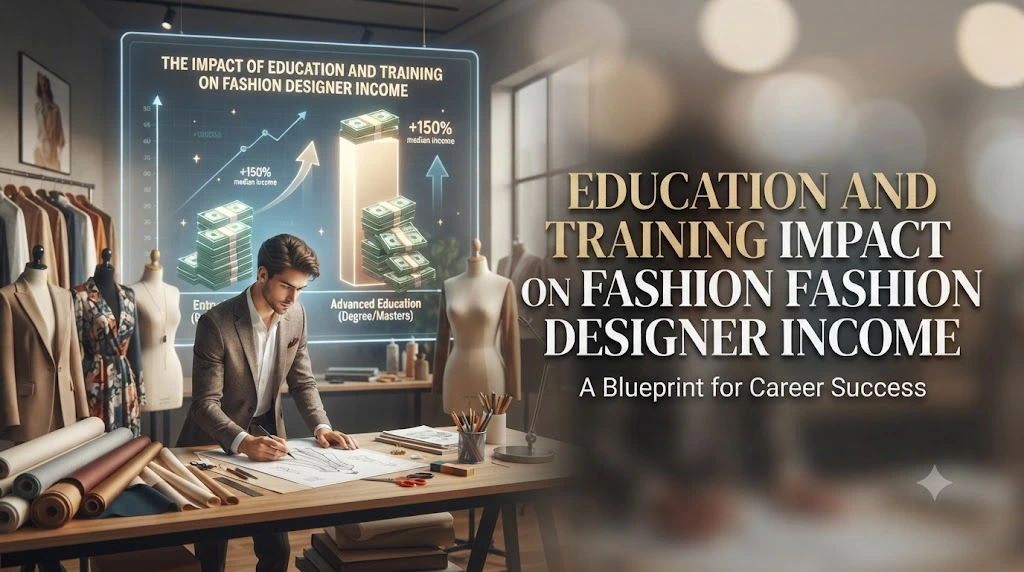
Education can provide a strong foundation for a fashion career. Many designers study fashion design, apparel development, textile design, or related creative fields.
Fashion programs usually teach:
- Design principles.
- Fashion history.
- Sewing techniques.
- Pattern development.
- Textile science.
- Portfolio creation.
- Fashion business.
A fashion degree can help students gain technical knowledge and meet industry professionals. Internships and school projects also provide valuable experience.
However, education alone does not determine success. The fashion industry values practical skills, creativity, and professional experience.
A designer with excellent skills and a strong portfolio may succeed without a traditional degree. Meanwhile, someone with formal education but limited practical ability may face challenges.
The strongest approach combines learning with real-world practice.
Aspiring designers should:
- Create personal projects.
- Build a professional portfolio.
- Attend fashion events.
- Learn industry software.
- Study successful brands.
Continuous learning helps designers stay competitive because fashion constantly changes.
How Fashion Designers Can Increase Their Income Over Time
Growing income in fashion usually requires a long-term strategy. Designers who actively improve their skills and create new opportunities often achieve better financial results.
Here are practical ways to increase earnings:
Develop a Personal Design Style
A unique style helps designers stand out. Customers and companies remember designers who offer something different.
A recognizable design identity can become a valuable professional asset.
Build an Online Presence
Social media and online portfolios allow designers to showcase their work globally.
Effective platforms help designers:
- Display collections.
- Attract clients.
- Connect with brands.
- Build customer communities.
Expand Income Sources
Successful designers often avoid depending on only one source of income.
Additional opportunities include:
- Teaching fashion skills.
- Creating online courses.
- Consulting.
- Selling digital products.
- Collaborating with brands.
Improve Networking
Relationships play an important role in fashion. Designers who connect with industry professionals often discover new opportunities.
Networking can include:
- Fashion events.
- Industry groups.
- Professional communities.
- Creative collaborations.
Understand Customer Needs
Great designers create clothing people want to wear. Understanding customers helps designers create products that succeed in the market.
The designers who grow fastest are usually those who combine creativity with smart career decisions.
Highest Paying Fashion Design Careers and Professional Roles
The fashion industry offers many career paths beyond traditional clothing design. Some roles focus on creativity, while others combine design with leadership, technology, business, and strategy. Choosing the right career direction can strongly influence earning potential.
Fashion professionals who develop specialized skills often have access to higher-paying opportunities.
Some of the highest-paying fashion careers include:
Creative Director
A creative director leads the overall artistic vision of a fashion brand. They decide the direction of collections, advertising campaigns, and brand identity.
This role requires:
- Years of fashion experience.
- Strong leadership skills.
- Excellent understanding of customers.
- Ability to manage creative teams.
Creative directors are responsible for maintaining a brand’s image and making sure every design reflects the company’s values.
Fashion Design Manager
A fashion design manager supervises design teams and coordinates projects from concept to production. They help ensure collections meet deadlines, quality standards, and customer expectations.
This position requires both creative knowledge and organizational ability.
Technical Designer
Technical designers focus on the construction and production side of fashion. They work with patterns, measurements, garment fitting, and manufacturing details.
Their role is important because they help transform creative ideas into wearable clothing.
Fashion Consultant
Fashion consultants provide expert advice to brands, companies, and individual clients. Experienced consultants can earn strong income because they offer specialized knowledge.
They may help with:
- Brand development.
- Collection planning.
- Market research.
- Fashion strategy.
Textile Designer
Textile designers create fabric patterns, prints, and surface designs. Their work influences the appearance and feel of clothing products.
As fashion brands continue searching for unique materials and designs, skilled textile professionals remain valuable.
Costume Designer
Costume designers work in entertainment industries, including movies, television, and theater. They create clothing that helps communicate characters, emotions, and historical settings.
This career requires creativity, research skills, and storytelling ability.
The highest-paying fashion careers usually require more than design talent. Professionals who combine creativity with leadership, technology, and business knowledge often have stronger earning opportunities.
Common Mistakes That Can Limit Fashion Designer Earnings
Many talented fashion designers struggle to increase their income because they overlook important career and business decisions. Avoiding these mistakes can help designers create a stronger future.
Ignoring Business Skills
A designer may create beautiful clothing but still struggle financially without understanding business basics.
Important business areas include:
- Pricing.
- Marketing.
- Customer research.
- Budget management.
- Brand development.
Fashion is a creative industry, but it is also a business. Designers need both artistic and commercial skills.
Undervaluing Creative Work
Some new designers charge very low prices because they lack confidence. However, creative work has value, and designers should consider their time, experience, and expertise.
A professional designer should calculate:
- Design hours.
- Research time.
- Materials.
- Revisions.
- Production support.
Copying Trends Instead of Building Identity
Trends can inspire designers, but following every trend without developing a personal style can make a designer forgettable.
Successful designers usually create a balance between current fashion trends and their own creative voice.
Neglecting Networking
Fashion depends heavily on relationships. Designers who avoid networking may miss valuable opportunities.
Building connections with:
- Other designers.
- Manufacturers.
- Stylists.
- Fashion buyers.
- Creative professionals.
can help create new career possibilities.
Stopping Skill Development
Fashion changes quickly. Designers who stop learning may fall behind.
Successful professionals continue improving through:
- Online courses.
- Industry events.
- New technology.
- Creative experiments.
Continuous growth helps designers stay competitive in a changing market.
Future of Fashion Designer Careers and Income Opportunities
The future of fashion design continues to evolve as technology, sustainability, and customer expectations change. Designers who understand these changes can discover new opportunities.
Modern consumers are becoming more interested in:
- Sustainable clothing.
- Ethical production.
- Personalized fashion.
- Comfortable designs.
- Digital shopping experiences.
These changes are creating new career paths for creative professionals.
Sustainable Fashion Growth
Sustainable fashion has become a major focus in the industry. Brands now search for designers who understand eco-friendly materials, responsible production, and waste reduction.
Designers with sustainability knowledge may find opportunities with:
- Ethical fashion brands.
- Eco-conscious startups.
- Responsible clothing companies.
Digital Fashion Opportunities
Technology has introduced new possibilities, including digital clothing, virtual fashion experiences, and 3D garment design.
Designers who learn digital tools can work in emerging areas and expand their creative abilities.
Online Fashion Businesses
The growth of e-commerce has made it easier for independent designers to reach customers worldwide.
A designer can now build a brand through:
- Online stores.
- Social media platforms.
- Digital marketing.
- Direct customer relationships.
Personalized Fashion
Many customers want clothing that feels unique. Designers who offer customization and personal styling services can create valuable business opportunities.
The future belongs to designers who adapt. Creativity remains important, but flexibility and technology skills will become even more valuable.
Is Fashion Design a Good Career Choice for Long-Term Success
Fashion design can be a rewarding career for people who enjoy creativity, problem-solving, and self-expression. It allows professionals to create products that influence how people look and feel.
However, fashion is also competitive. Success usually requires patience, discipline, and continuous improvement.
A strong fashion career requires:
- Creativity.
- Technical knowledge.
- Business understanding.
- Communication skills.
- Adaptability.
Many people enter fashion because they love designing clothes, but successful professionals understand that the industry involves much more than creativity.
Fashion designers also need to:
- Research customers.
- Understand production.
- Manage deadlines.
- Communicate with teams.
- Solve design challenges.
The most successful designers usually combine passion with practical thinking.
For example, a designer who creates beautiful clothing but ignores customer needs may struggle. A designer who understands both creativity and the market has a better chance of building a sustainable career.
Fashion can provide both personal satisfaction and financial opportunities when approached with the right mindset.
Expert Tips to Build a Successful Fashion Design Career
Experienced fashion professionals often recommend focusing on long-term growth instead of searching for quick success. Building a respected career takes time, but consistent effort creates valuable results.
Here are practical tips for aspiring designers:
Create a Strong Portfolio
Your portfolio represents your creative ability. It should show your best work and explain your design process.
Include:
- Fashion sketches.
- Finished garments.
- Collection ideas.
- Fabric selections.
- Creative concepts.
A strong portfolio can open doors to jobs, collaborations, and clients.
Practice Regularly
Creativity improves with practice. Designers should continue creating new ideas, experimenting with materials, and exploring different styles.
Understand the Customer
Great designers know who they are designing for. Understanding customer preferences helps create clothing that people actually want.
Learn From Industry Professionals
Mentors and experienced designers can provide valuable advice about:
- Career decisions.
- Design techniques.
- Industry expectations.
- Business strategies.
Stay Updated With Fashion Trends
Fashion changes constantly. Designers should follow industry news, observe consumer behavior, and study global trends.
Combine Creativity With Technology
Modern designers should learn digital tools because technology continues to influence fashion development.
Designers who stay curious and continue learning often create stronger career opportunities.
Conclusion
In the end, how much does a fashion designer earn depends on much more than simply choosing fashion as a career. Experience, skills, education, location, specialization, and the type of work all play an important role in determining income. A beginner may earn a modest salary while gaining practical experience, whereas an experienced designer with strong creative and technical skills can earn considerably more. Freelance designers and those who establish successful fashion brands may also have opportunities to increase their income over time.
Fashion designing can be both a creative and financially rewarding profession, but success rarely happens overnight. Building a strong portfolio, understanding fashion trends, improving design skills, networking with industry professionals, and developing a unique style can open better career opportunities. Most importantly, designers who continue learning and adapting to changing customer preferences can improve their earning potential.
So, if you are passionate about fashion, don’t focus only on the starting salary. Think about where your skills and creativity could take you in the long run. With dedication, experience, and the right opportunities, fashion designing can become a rewarding career both creatively and financially.
FAQs About Fashion Designer Earnings
How much does a fashion designer earn per year?
A fashion designer’s yearly income depends on experience, location, specialization, and employment type. Beginners usually earn less, while experienced designers, creative directors, and successful brand owners can earn much higher incomes.
Can fashion designers make good money?
Yes, fashion designers can earn good money, especially when they develop strong skills, specialize in profitable areas, work with established brands, or create successful fashion businesses.
Do fashion designers earn more when they start their own brand?
Owning a fashion brand can create higher income opportunities because designers can earn profits from sales. However, brand success depends on marketing, customer demand, production management, and business skills.
What skills help fashion designers earn more money?
Important skills include fashion illustration, fabric knowledge, garment construction, digital design, trend research, branding, communication, and business management.
Is a fashion design degree required to earn a high income?
A degree can provide valuable training and connections, but practical skills, experience, creativity, and a strong portfolio often have a major impact on career success.
Which fashion designers earn the most money?
Luxury designers, creative directors, brand founders, and designers with international recognition often have the highest earning potential.
Is fashion design a stable career in the future?
Fashion design continues to offer opportunities as clothing remains essential. Designers who understand sustainability, technology, online business, and changing customer needs will have strong future possibilities.
Discover More Posts
- 25+ old fashioned cowboy beans recipe
- 25+ old fashioned hamburger steak and gravy
- 25+ old fashioned mens names