
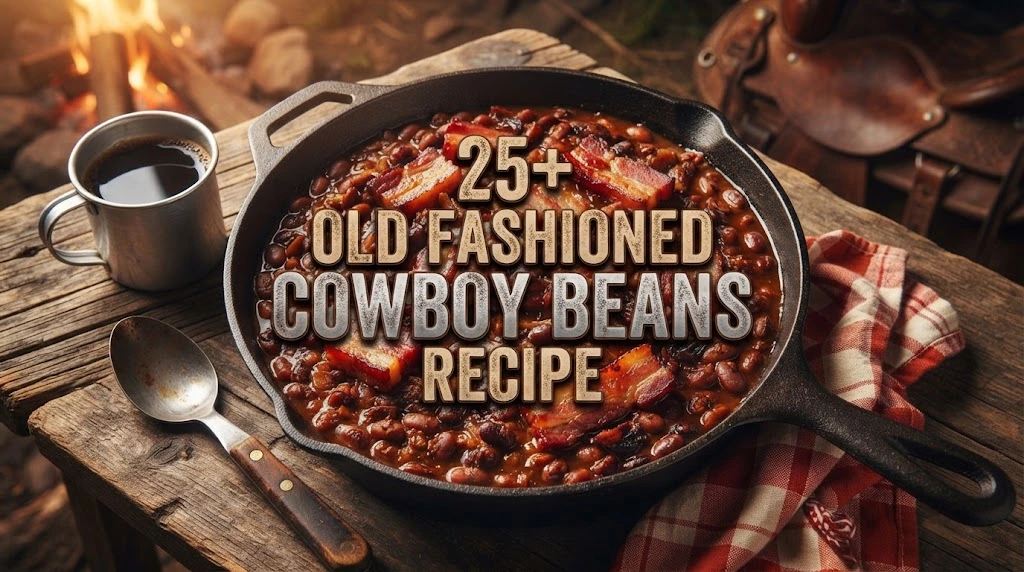
There are some recipes that feel like food and others that feel like a memory. Old fashioned cowboy beans belong in the second group. They bring to mind backyard cookouts, smoky campfires, cast-iron skillets, picnic tables, and a big pot of beans slowly bubbling while everyone waits for dinner.
The best part is that you do not need fancy ingredients or complicated cooking skills to make them. Old fashioned cowboy beans are hearty, smoky, slightly sweet, and deeply savory, with tender beans soaking up a rich sauce made from bacon, onion, tomato, brown sugar, mustard, and seasonings.
This is the kind of side dish that can quietly steal attention from the main course. Put it next to grilled burgers, barbecue chicken, ribs, pulled pork, or hot dogs, and people will almost always go back for another spoonful.
A good cowboy bean recipe also rewards patience. The longer the beans gently cook, the more the flavors come together. You can make them in the oven, on the stovetop, in a slow cooker, or even over a campfire. Once you understand the basic formula, you can adjust the sweetness, smokiness, and spice to suit your family.
Below, you’ll find a dependable old-fashioned version, along with the little details that make a big difference between beans that are merely good and beans that people remember.
What Are Old Fashioned Cowboy Beans?
Old fashioned cowboy beans are a hearty baked-bean-style dish traditionally made with beans, bacon or another savory meat, onions, tomato-based ingredients, and a sweet-and-tangy sauce. They are especially popular as a barbecue and picnic side dish, although they are filling enough to serve as a simple main meal.
The word “cowboy” gives the dish a rustic image, but there is no single historical recipe that defines cowboy beans. Different families and regions use different beans, meats, sauces, and seasonings.
Some versions use ground beef. Others rely on bacon. Some cooks add molasses, barbecue sauce, or maple syrup, while others keep the sauce simple with brown sugar, ketchup, and mustard.
What makes the dish recognizable is the combination of smoky, savory, sweet, and tangy flavors.
Traditional-style cowboy beans are also forgiving. You can change the ingredients without ruining the dish, which is one reason they have remained popular for family gatherings and potlucks.
For the most classic homemade result, aim for:
- Tender beans that still hold their shape
- Crispy or browned bacon
- Soft, sweet onions
- A thick tomato-based sauce
- Brown sugar for gentle sweetness
- Mustard for tang
- A little smoked paprika or chili powder for warmth
- Enough slow cooking time for the flavors to blend
The finished beans should be thick and saucy rather than watery. When you scoop them onto a plate, the sauce should cling to the beans instead of running across the dish.
Best Beans for a Classic Cowboy Beans Recipe
You can make cowboy beans with one type of bean, but a mixture usually gives the dish better texture and flavor.
Pinto beans are an excellent choice because they become creamy as they cook while still maintaining enough structure for a hearty dish. They also pair naturally with smoky and barbecue-style flavors.
Navy beans have a mild flavor and soft texture, making them ideal when you want the sauce to be the star.
Kidney beans add a firmer bite and attractive color. Their shape also holds up well during longer cooking.
Other good choices include:
- Great Northern beans
- Black beans
- Cannellini beans
- Butter beans
- Red beans
For an easy weeknight recipe, canned beans work extremely well. Drain and rinse them before adding them to the sauce.
If you prefer to cook dried beans, you can absolutely do that. Dried beans give you control over their texture, but they require more preparation and cooking time.
A three-bean combination is especially good for a party-sized batch. Try pinto beans, kidney beans, and navy beans. The pinto beans add creaminess, the kidney beans provide structure, and the navy beans absorb plenty of sauce.
One important tip: do not overcook canned beans. They are already tender. The goal is to let them absorb flavor, not turn them into mashed beans.
Old Fashioned Cowboy Beans Recipe Ingredients
The beauty of this recipe comes from ordinary pantry ingredients. You do not need an expensive spice collection or specialty products.
For a generous family-sized batch, gather:
- 6 slices bacon, chopped
- 1 medium yellow onion, finely diced
- 2 cloves garlic, minced
- 2 cans pinto beans, drained and rinsed
- 1 can kidney beans, drained and rinsed
- 1 can navy beans, drained and rinsed
- 1 cup tomato sauce
- 1/2 cup ketchup
- 1/3 cup packed brown sugar
- 2 tablespoons yellow mustard
- 1 tablespoon Worcestershire sauce
- 1 teaspoon smoked paprika
- 1/2 teaspoon chili powder
- 1/2 teaspoon black pepper
- 1/4 teaspoon salt, or more to taste
You can also add 1 tablespoon of molasses if you want a darker, deeper flavor.
For a meatier version, brown 1/2 pound of ground beef after cooking the bacon and onions. Drain excess grease before combining everything.
The bacon deserves special attention. It provides salt, fat, texture, and smoky flavor all at once. Thick-cut bacon works particularly well because it remains meaty after baking.
If you prefer a sweeter bean dish, increase the brown sugar gradually rather than adding a large amount at once. It is much easier to make the sauce sweeter than to rescue beans that have become overly sugary.
How to Make Old Fashioned Cowboy Beans
Start by heating a large oven-safe skillet or Dutch oven over medium heat. Add the chopped bacon and cook until it becomes browned and crisp around the edges.
Remove some of the bacon if you want a crisp topping later. Leave the remaining bacon and a little of its rendered fat in the pan.
Add the diced onion and cook for about 4 to 6 minutes. Stir occasionally until the onion becomes soft and lightly golden.
Add the garlic during the final minute. Garlic can burn quickly, so there is no reason to cook it for a long time.
Next, add the drained beans. Stir gently so you do not crush them.
In a separate bowl, combine the tomato sauce, ketchup, brown sugar, mustard, Worcestershire sauce, smoked paprika, chili powder, black pepper, and salt.
Pour the sauce over the beans and stir until everything is evenly coated.
If the mixture looks extremely thick at this stage, add a few tablespoons of water. You want enough moisture for the beans to cook gently without turning the finished dish into soup.
Cover the skillet or Dutch oven and place it in a 350°F oven for about 30 minutes. Then remove the lid and continue baking for another 20 to 30 minutes.
The uncovered cooking time allows excess moisture to evaporate and gives the sauce a thicker, richer consistency.
Let the beans rest for 10 minutes before serving. That short resting period helps the sauce settle and thicken.
Taste before serving. Add salt, black pepper, mustard, barbecue sauce, or a small spoonful of brown sugar if the flavor needs adjustment.
How to Make Cowboy Beans in the Slow Cooker
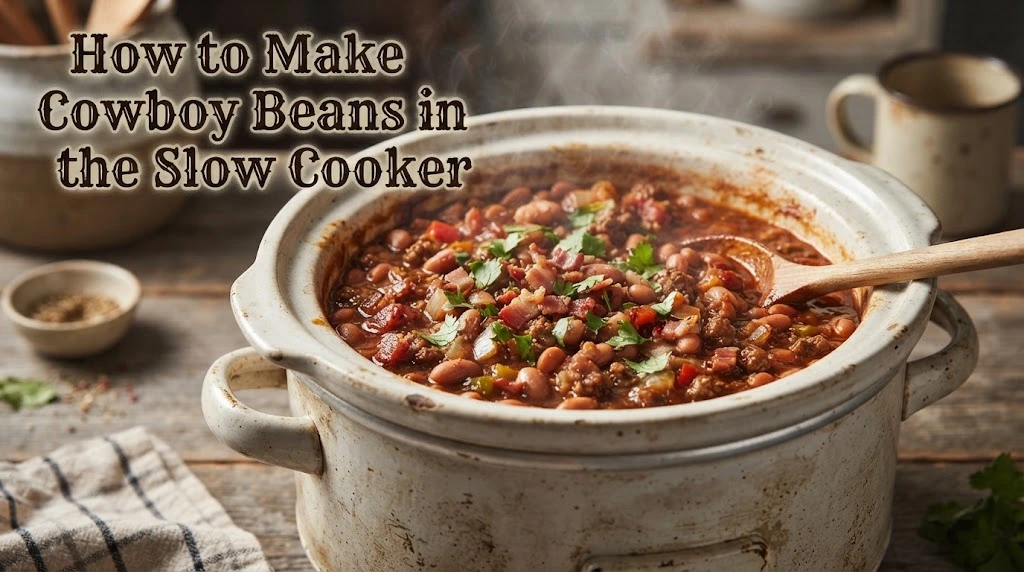
The slow cooker is one of the easiest ways to prepare cowboy beans, especially when you are cooking for a gathering.
First, cook the bacon in a skillet until browned. Remove it and cook the onions in the bacon fat until softened. This extra step takes only a few minutes, but it adds much more flavor than putting raw bacon and onions directly into the slow cooker.
Add the cooked bacon and onions to the slow cooker.
Then add the drained beans, tomato sauce, ketchup, brown sugar, mustard, Worcestershire sauce, smoked paprika, chili powder, pepper, and garlic.
Stir gently.
Cook on LOW for about 4 to 5 hours or on HIGH for approximately 2 to 3 hours. Since canned beans are already cooked, you are mainly heating the dish and allowing the flavors to develop.
Check the consistency during the final hour. If the beans seem too thin, leave the lid slightly ajar for a while so some moisture can escape.
If they become too thick, stir in a small amount of water or broth.
Do not keep cooking the beans for hours longer than necessary. Slow cooking develops flavor, but canned beans can eventually become too soft.
For a party, the slow cooker is particularly useful because you can keep the beans warm after they finish cooking. Stir occasionally and add a splash of water if the sauce becomes overly thick.
How to Make Cowboy Beans on the Stovetop
You do not need an oven or slow cooker to make excellent cowboy beans.
Use a heavy-bottomed pot or Dutch oven. Cook the bacon first, then sauté the onion in the rendered fat until soft.
Add the garlic and cook briefly.
Stir in the beans and sauce ingredients. Bring the mixture to a gentle simmer.
Once it begins bubbling, reduce the heat to low and cook uncovered for approximately 25 to 40 minutes.
Stir every few minutes to prevent the sauce from sticking to the bottom.
The stovetop method gives you more control over the final consistency. If the beans are too thin, simmer them longer. If they become too thick, add a splash of water.
This method also makes it easy to taste as you go.
If the beans taste too sweet, add a little mustard or Worcestershire sauce. If they taste too sharp, add a small amount of brown sugar. If they lack depth, a little smoked paprika or extra bacon can help.
Avoid boiling the beans aggressively. A hard boil can break the beans apart and turn the sauce cloudy and overly thick.
A gentle simmer is the sweet spot.
How to Get the Best Smoky Flavor
Smokiness is one of the defining characteristics of good cowboy beans, but you do not need liquid smoke to achieve it.
Bacon is your first layer of smoky flavor.
Smoked paprika is another excellent tool. It adds a warm, wood-fired character without making the beans taste artificial.
You can also use smoked sausage, leftover smoked brisket, pulled pork, or a small amount of chopped barbecue meat.
If you are cooking outdoors, a cast-iron Dutch oven over a controlled fire can give the beans a subtle campfire quality.
For a stronger barbecue flavor, replace part of the ketchup with your favorite barbecue sauce.
The key is balance. Too many smoky ingredients can overwhelm the beans and make the dish taste bitter or overly intense.
For most home cooks, bacon plus smoked paprika is enough.
If you use leftover smoked meat, remember that it may already contain salt and seasoning. Taste the beans before adding additional salt.
Another useful trick is to let the beans rest for 10 to 15 minutes before serving. Smoky flavors often become more noticeable as the dish cools slightly.
How to Make Cowboy Beans Sweet, Savory, and Tangy
The sauce works because several flavors balance each other.
Brown sugar provides sweetness and helps the sauce develop a glossy finish.
Ketchup contributes tomato flavor, sweetness, acidity, and seasoning.
Mustard adds tang and cuts through the richness of the bacon.
Worcestershire sauce contributes savory depth.
Smoked paprika adds warmth.
Chili powder gives the dish a mild peppery character.
Think of the sauce as a small balancing act. If one flavor dominates, adjust the opposite side.
For example, if the beans are too sweet, add:
- A teaspoon or two of mustard
- A small splash of Worcestershire sauce
- A pinch of chili powder
- A little black pepper
If the beans taste flat, try:
- More mustard
- A small splash of Worcestershire sauce
- Extra smoked paprika
- A pinch of salt
If they taste too acidic, add a little brown sugar.
Make adjustments gradually. Add one teaspoon at a time, stir, taste, and decide whether the dish needs more.
That habit is useful in almost every savory recipe. Seasoning is easier when you adjust in small steps.
Cowboy Beans Variations for Different Tastes
One of the best things about this recipe is how easily you can customize it.
For spicy cowboy beans, add diced jalapeños, cayenne pepper, hot sauce, or a chopped chipotle pepper in adobo sauce.
For meaty cowboy beans, add browned ground beef, smoked sausage, pulled pork, brisket, or leftover barbecue.
For extra smoky beans, use thick-cut bacon and smoked paprika. A little smoked sausage can intensify the effect.
For sweet cowboy beans, add a little molasses or maple syrup. Use restraint because too much sweetness can hide the savory flavors.
For barbecue cowboy beans, replace part of the ketchup with barbecue sauce.
For a vegetarian version, leave out the bacon and use a little olive oil to sauté the onions. Add smoked paprika, Worcestershire-style vegetarian sauce, or another savory seasoning to build depth.
For a bean-heavy vegetarian meal, serve the beans with cornbread and a crisp green salad.
You can also change the bean combination. There is no rule saying you must use exactly three varieties.
A useful approach is to keep one creamy bean, one firm bean, and one mild bean. That gives you contrast without making the dish complicated.
What to Serve With Cowboy Beans
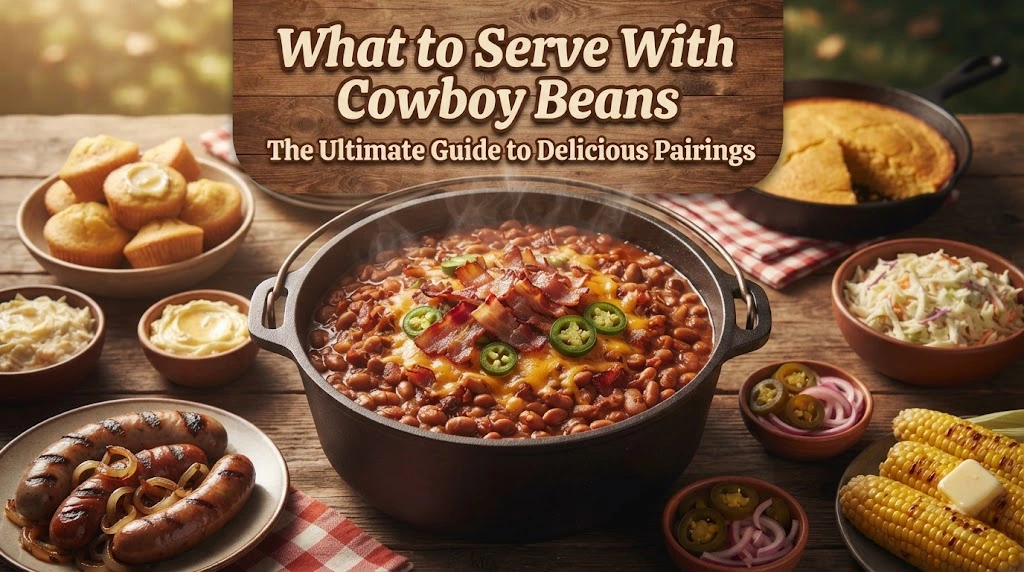
Cowboy beans are especially good with foods that come straight from the grill or barbecue.
Classic pairings include:
- BBQ ribs
- Pulled pork
- Grilled chicken
- Brisket
- Burgers
- Hot dogs
- Grilled sausages
- Cornbread
- Coleslaw
- Potato salad
- Macaroni and cheese
- Grilled corn
- Green salad
The beans are rich, so fresh or crunchy sides provide a useful contrast.
For a casual backyard dinner, try cowboy beans with grilled chicken, creamy coleslaw, corn on the cob, and warm cornbread.
For a barbecue party, serve them beside pulled pork or brisket with pickles and a vinegar-based slaw.
For a simple weeknight dinner, the beans can stand on their own with cornbread and a fried egg.
If you are serving several rich dishes, keep the bean portion moderate. The sauce is flavorful and filling, so you do not need a huge serving to make an impression.
Common Mistakes When Making Cowboy Beans
Even an easy recipe can go wrong when a few small details are overlooked.
Using too much sugar is one of the most common problems. Cowboy beans should be sweet, but sweetness should support the smoky and savory flavors rather than dominate them.
Adding too much liquid can leave you with thin beans. Remember that canned beans release some moisture as they heat.
Cooking canned beans too aggressively can break their skins and create a mushy texture. Keep the heat gentle.
Skipping the bacon browning step can reduce the depth of flavor. Browning creates more savory character than simply heating bacon.
Adding all the salt at the beginning can also cause trouble. Bacon, ketchup, Worcestershire sauce, and canned beans may already contain salt.
Using only one seasoning flavor can make the sauce taste flat. The combination of sweet, tangy, smoky, and savory flavors is what gives cowboy beans their character.
Another mistake is serving the beans immediately after cooking. Give them a short rest. The sauce thickens slightly and the flavors settle.
Finally, do not panic if the beans look a little loose when they first come out of the oven. They will continue thickening as they cool.
How to Store, Reheat, and Freeze Cowboy Beans
Leftover cowboy beans usually taste even better the next day because the sauce has more time to soak into the beans.
Allow the beans to cool before transferring them to an airtight container. Refrigerate them promptly and use them within about 3 to 4 days.
To reheat them on the stovetop, place the beans in a saucepan over low to medium heat. Add a small splash of water if the sauce has become very thick.
Stir occasionally until the beans are hot throughout.
You can also reheat them in the microwave. Cover the container loosely, heat in short intervals, and stir between intervals so the center warms evenly.
Cowboy beans can also be frozen. Portion them into freezer-safe containers and leave a little room for expansion.
For best quality, use frozen beans within a few months.
Thaw them in the refrigerator and reheat gently. If the sauce looks slightly separated after freezing, stir well while reheating. A small splash of water or broth can restore the original consistency.
If you know you will freeze the beans, slightly undercook them the first time. This helps reduce the chance of the beans becoming overly soft when reheated.
How to Make Cowboy Beans for a Crowd
Cowboy beans are an excellent party recipe because you can prepare them ahead of time and keep them warm.
For a large gathering, multiply the recipe rather than trying to stretch one small batch with lots of extra liquid. The beans should remain thick and flavorful.
A large disposable foil pan can work for serving, although a slow cooker or heavy Dutch oven is better for maintaining moisture and temperature.
If you are feeding a crowd, plan on roughly 1/2 cup of beans per person as a side dish, then increase the amount if beans are one of the main attractions.
For a barbecue buffet, you may want extra because people tend to return for seconds.
A practical party strategy is to make the beans several hours before guests arrive. Let the flavors develop, then keep the finished beans warm.
Keep an eye on the texture. Long holding times can cause the sauce to thicken. Stir in small amounts of warm water when needed.
Do not add a large amount of water at once. It is much easier to loosen thick beans gradually than to thicken a watery batch.
If you are transporting the beans, use a well-insulated container and keep the food at a safe serving temperature.
Expert Tips for the Best Old Fashioned Cowboy Beans
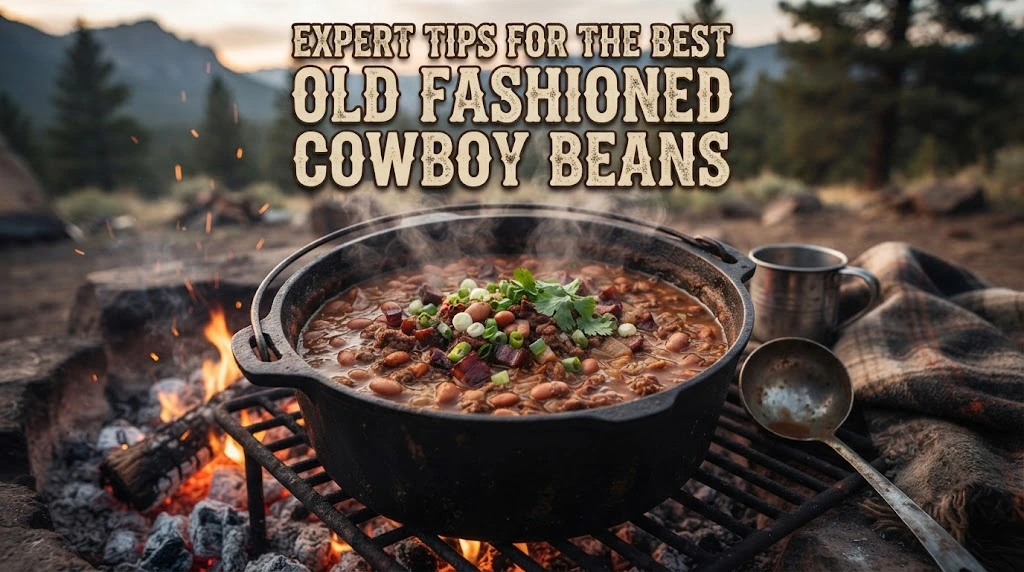
A few small techniques can make a surprisingly big difference.
Brown the bacon well. You want flavorful browned pieces rather than pale, steamed bacon.
Cook the onions until genuinely soft. Crunchy onions can distract from the creamy beans and thick sauce.
Taste before adding salt. Bacon and prepared sauces can already bring plenty of salt.
Use smoked paprika carefully. Start with a small amount and build it gradually.
Let the beans rest. Ten minutes can noticeably improve the texture.
Use a heavy pot. Cast iron or a thick Dutch oven distributes heat evenly and reduces the risk of scorching.
Do not stir aggressively. Gentle stirring keeps the beans intact.
Balance rather than overpower. The goal is not the sweetest or smokiest beans possible. The goal is a sauce where every major flavor has a place.
For an especially rich batch, save a little cooked bacon to sprinkle over the top immediately before serving. The contrast between crisp bacon and soft beans is excellent.
You can also garnish with sliced green onions, chopped fresh parsley, jalapeño slices, or a little shredded cheddar cheese.
Those toppings are optional, but they can make a humble pot of beans look much more inviting on a buffet table.
Frequently Asked Questions About Cowboy Beans
Can I make cowboy beans without bacon?
Yes. Leave out the bacon and sauté the onions in olive oil or another cooking oil. To replace some of the smoky depth, use smoked paprika, smoked sausage, or another vegetarian smoky seasoning depending on your dietary needs.
The beans will taste different without bacon, but they can still be rich and flavorful.
Can I use dried beans instead of canned beans?
Absolutely. Dried pinto, navy, kidney, or Great Northern beans work well.
Cook the dried beans until tender before adding them to the cowboy bean sauce. Avoid adding acidic ingredients too early when cooking dried beans because acidity can make it harder for some beans to soften.
Once the beans are tender, drain them and continue with the recipe.
Why are my cowboy beans watery?
The most likely reason is too much liquid or not enough uncovered cooking time.
Remove the lid and simmer or bake the beans gently until excess moisture evaporates. Stir occasionally and watch the bottom of the pot to prevent sticking.
Remember that the sauce will also thicken somewhat as the beans cool.
Can I make cowboy beans ahead of time?
Yes, and doing so can actually improve the flavor.
Prepare the beans several hours ahead or even the day before. Refrigerate them once cooled, then reheat gently before serving.
Add a small amount of water if the sauce becomes too thick during refrigeration.
Are cowboy beans spicy?
Traditional-style cowboy beans do not have to be spicy.
They usually have a mild, smoky, savory flavor with some sweetness and tang. If you want heat, add jalapeño, cayenne, hot sauce, or chipotle gradually.
This makes the recipe easy to adapt for both children and adults.
What is the difference between baked beans and cowboy beans?
The two dishes overlap, but cowboy beans often have a heartier, more savory profile and commonly include bacon, ground beef, onions, chili seasoning, or barbecue-style flavors.
Baked beans can be sweeter and may use a more traditional molasses-based sauce.
There is no single universal definition, so recipes vary considerably.
Can I make cowboy beans in a Dutch oven over a campfire?
Yes. A cast-iron Dutch oven is ideal for outdoor cooking.
Brown the bacon and onions first, combine the ingredients, and cook the beans over controlled heat rather than a roaring fire.
Stir occasionally and watch the temperature carefully. The bottom of the Dutch oven can scorch if the fire is too hot.
The reward is a rustic dish with exactly the kind of smoky, hearty character that makes cowboy beans so appealing.
Conclusion: Why This Cowboy Beans Recipe Belongs at Your Next Cookout
A great pot of cowboy beans does not depend on complicated ingredients. It depends on balance, patience, and a few smart cooking choices.
Start with tender beans, build flavor with browned bacon and onions, then bring everything together with tomato, brown sugar, mustard, Worcestershire sauce, and smoky seasonings. Give the beans enough time to thicken, and always taste before making final seasoning adjustments.
The recipe is flexible enough for a quiet family dinner and sturdy enough for a crowded backyard barbecue. You can make it spicy, sweet, smoky, meaty, vegetarian, or extra saucy without losing the rustic character that makes cowboy beans special.
If you are making them for the first time, keep the classic version simple. Once you know what the finished flavor should taste like, start experimenting with brisket, jalapeños, barbecue sauce, smoked sausage, molasses, or different bean combinations.
That is the real charm of an old-fashioned recipe: it gives you a reliable starting point while leaving plenty of room to make it your own.