
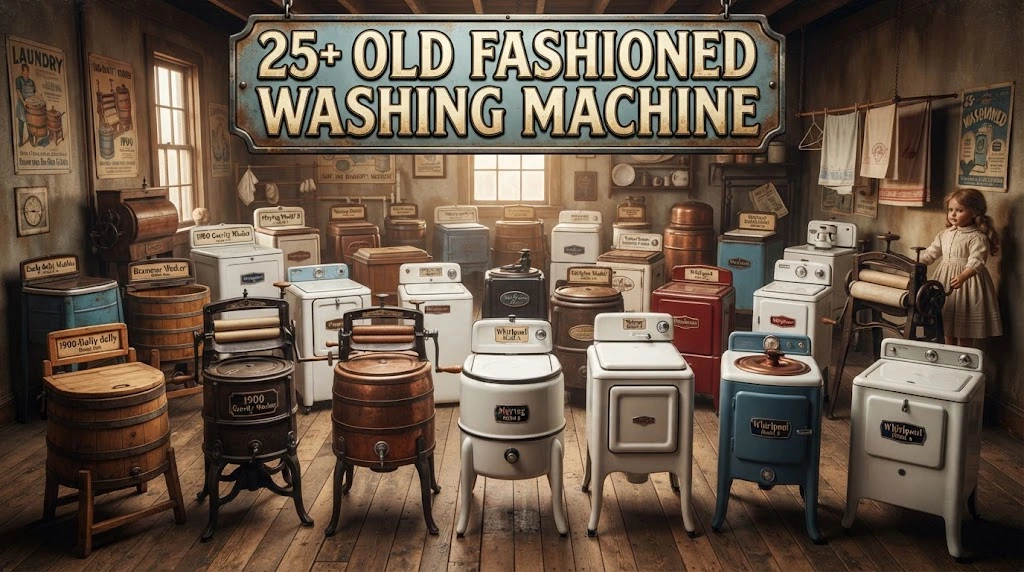
My grandmother had a wringer washer in her basement long after everyone else had switched to modern machines. She trusted it more than any new appliance, and honestly, watching her feed wet clothes through those rollers felt like watching a magic trick. That machine outlasted three of my parents’ “modern” washers. If you’ve ever found an old fashioned washing machine in a barn, an estate sale, or a grandparent’s laundry room, you already know there’s something special about these machines. They’re sturdy, mechanical, and built in a way that modern appliances rarely are anymore.
This guide covers everything you need to know about old fashioned washing machines, whether you’re trying to identify one you inherited, thinking about buying one as a collector, curious about how they actually work, or wondering if one could still be useful today. No fluff, just real, practical information.
What Is an Old Fashioned Washing Machine?. These machines relied on manual labor, simple motors, or hand power to clean clothes, rather than the computerized cycles found in today’s models.
Most people picture one of two things when they hear this term: a wooden or metal tub with a hand crank, or a wringer washer with two rubber rollers on top used to squeeze out water. Both versions were common in American and European homes from the late 1800s through the mid-1900s.
What makes them “old fashioned” isn’t just age. It’s the design philosophy.
The History of the Old Fashioned Washing Machine
By the early 1900s, electric motors started appearing in washing machines, though the washing action itself was still mostly mechanical. The wringer washer became especially popular in the 1920s through the 1950s, offering a huge time-saving improvement over hand-washing while still requiring the user to physically feed clothes through the wringer rollers.
This is part of why old fashioned washing machines have such a strong following among collectors and vintage appliance enthusiasts.
How Old Fashioned Washing Machines Actually Work
Unlike modern washers that use sensors, computer boards, and multiple wash cycles, old fashioned washing machines rely on simple mechanical motion to clean clothes.
Here’s the basic process for a typical wringer washing machine:
- Fill the tub with hot, soapy water using a hose or by hand.
- Add clothes and let the agitator (a paddle or fin inside the tub) move them around to loosen dirt.
- Remove the clothes and feed them through the wringer rollers to squeeze out soapy water.
- Rinse the clothes in a separate tub of clean water.
- Feed them through the wringer again to remove excess water before hanging them to dry.
Hand-crank versions work similarly, except a person turns a crank or lever to move the agitator instead of relying on a motor. It’s slower, but it works, and it doesn’t need electricity at all.
Types of Old Fashioned Washing Machines You’ll Come Across
Not all old fashioned washing machines are the same, and knowing the differences helps if you’re trying to identify, buy, or restore one.
- Hand-crank washers: Fully manual, no electricity needed, often made from wood or galvanized metal.
- Wringer washers: Electric-powered agitation with a manual wringer attachment on top.
- Dolly tub washers: A simple tub used with a wooden “dolly” or plunger tool to agitate clothes by hand.
- Washboard-and-tub setups: Not technically a machine, but often grouped into the same category since they represent the pre-machine era of laundry.
- Early automatic washers (1950s): The transitional models that started removing the manual steps but still had a distinctly mechanical, old fashioned feel compared to today’s digital machines.
If you’re shopping for one specifically, knowing which category you want will save you a lot of time and confusion.
Wringer Washing Machines Explained
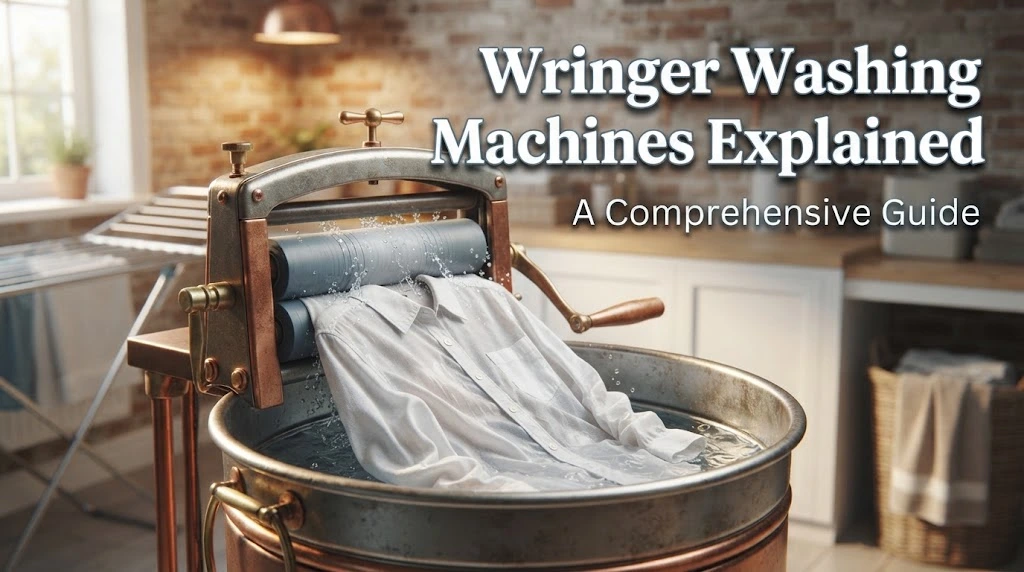
These machines have a tub with an electric agitator, paired with two rubber rollers mounted on top. After washing, you feed each piece of clothing through the rollers by hand, and they squeeze the water out as the fabric passes through. It’s remarkably effective, often removing more water than a modern spin cycle.
Expert tip: If you’re using or restoring a wringer washer, always feed fabric in slowly and evenly. Never force thick items like heavy jeans or towels through too fast, since this can jam the rollers or strain the motor.
Hand-Crank and Manual Washing Machines: A Practical Guide
Hand-crank washing machines are the simplest version of this appliance, and they’re seeing a real comeback among people interested in off-grid living, minimalism, and emergency preparedness.
These machines typically use a sealed drum or tub with an internal paddle, moved by turning a hand crank or pumping a plunger-style lever. No electricity, no water hookup required beyond filling the tub manually.
- They’re ideal for small loads, like a few days’ worth of clothes.
- They work well for people living in tiny homes, RVs, or off-grid cabins.
- Modern versions (like portable camping washers) borrow directly from this old fashioned design.
If you’ve ever wondered how people did laundry before electricity was common, a hand-crank washer answers that question better than any history book.
Old Fashioned Washing Machine vs. Modern Washing Machine: What’s the Real Difference?
It’s a fair question. Why would anyone choose an old fashioned washing machine when modern ones are faster and more convenient?
- Water and energy use: Manual and wringer washers use no electricity or very little, compared to a modern washer’s electric motor and heating element.
- Durability: Many old fashioned machines from the mid-1900s are still running today. Modern washers typically last 8 to 12 years before major issues start.
- Convenience: Modern washers win here, hands down. No manual wringing, no separate rinse tub, no physical effort required.
- Noise and space: Old fashioned machines tend to be simpler in design but often bulkier, especially wringer models with their rollers on top.
Neither option is “better” across the board. It really depends on what you value: convenience, or simplicity and long-term reliability.
Are Old Fashioned Washing Machines Safe to Use?
This is one of the most important questions to ask, especially with wringer washers, since they come with real safety risks that modern machines don’t have.
If you’re using a vintage wringer washer, always keep your hands well away from the rollers and never let children operate or stand near one unsupervised.
- Check electrical cords and plugs carefully before using any powered vintage machine. Old wiring can become brittle and unsafe over time.
- Have a qualified appliance repair technician inspect the motor and wiring if you plan to actually use an antique machine regularly.
- Never leave a running wringer washer unattended, especially around kids or pets.
How to Buy an Antique Washing Machine (Collector’s Guide)
Buying an old fashioned washing machine, whether for display or actual use, takes a bit more research than buying a modern appliance off a store shelf.
- Estate sales and auctions are some of the best places to find well-preserved machines, often at reasonable prices.
- Antique malls and vintage appliance dealers sometimes carry restored models, which cost more but come ready to use or display.
- Online marketplaces like Facebook Marketplace and eBay list plenty of options, but always ask for clear photos of the motor, wiring, and tub condition before buying.
- Check for rust and cracks in the tub, especially on wooden or early metal models, since these can affect both function and value.
- Ask about the wringer rollers’ condition if buying a wringer model. Dried, cracked rollers are common and will need replacing.
Personal observation: The best finds are usually from people who inherited a machine but have no personal attachment to it. They tend to price fairly, since they mostly just want it gone.
What Determines the Value of an Old Fashioned Washing Machine
Not every old washing machine is valuable, but certain factors consistently push prices up for collectors and resellers.
- Brand recognition: Maytag, Speed Queen, and ABC models tend to hold value better than lesser-known brands.
- Original condition: Machines with original paint, decals, and hardware are worth more than heavily repainted or modified ones.
- Working condition: A machine that still runs is worth significantly more than one that’s purely decorative.
- Completeness: Missing parts, like a wringer roller or original agitator, can cut the value in half or more.
Most fully functional, well-preserved wringer washers sell in the range of a few hundred dollars, though rare early hand-crank models in excellent condition can sell for considerably more.
Restoring an Old Washing Machine: Step-by-Step Tips
Restoring an old fashioned washing machine is a rewarding project, but it takes patience and a willingness to get a little dirty.
- Clean the exterior first. Use mild soap and water, and avoid harsh chemicals on original paint or enamel finishes.
- Inspect the wiring.
- Check the motor. Some old motors just need cleaning and fresh lubrication; others may need a full rebuild.
- Replace the wringer rollers if needed. Rubber degrades over decades, so cracked or hardened rollers are extremely common and usually need replacement parts, which specialty suppliers still sell.
- Address rust carefully.
- Test in small stages. Run the motor briefly without a load first, checking for unusual noise or overheating before doing a full wash cycle.
Common mistake to avoid: Painting over rust without treating it first. This traps moisture underneath and makes the rust spread faster, ruining the restoration work you’ve already done.
Modern Non-Electric Washing Machines Inspired by Old Fashioned Designs
Interestingly, the old fashioned washing machine concept never really disappeared. It just got a modern makeover.
Products like the WonderWash and other portable hand-crank washers borrow directly from vintage manual washing machine designs, just made from lightweight plastic instead of metal or wood. These are popular with:
- People in small apartments without washer hookups
- Campers and RV travelers
- Preppers and off-grid homesteaders
- College students in dorms without laundry access
If you love the concept of an old fashioned washing machine but don’t want the bulk, weight, or electrical concerns of an antique model, these modern reproductions offer a practical middle ground.
Using an Old Fashioned Washing Machine Off-Grid or While Camping
For off-grid living or extended camping trips, an old fashioned or manual-style washing machine solves a real problem: how do you wash clothes without electricity or running water hookups?
- Fill the tub with water heated over a camp stove or fire if needed.
- Use biodegradable soap to avoid harming the surrounding environment when disposing of wash water.
- A hand-crank or plunger-style washer works best for small loads, since larger loads become physically difficult to manage manually.
- Wring clothes by hand or with a portable wringer attachment, then hang them to dry in direct sunlight for faster drying and natural disinfecting.
Expert tip: Wash lighter, less soiled items first, then reuse the same water for dirtier items like socks or work clothes. This stretches your water supply significantly when you’re off-grid.
Common Mistakes People Make With Old Fashioned Washing Machines
Even enthusiastic first-time users run into predictable problems with these machines. Here’s what to watch for.
- Overloading the tub.
- Ignoring wringer roller maintenance. Dry, cracked rollers won’t grip fabric properly and can damage clothing.
- Using too much soap. Old fashioned machines don’t have a rinse cycle as thorough as modern washers, so excess soap can leave residue in fabric.
- Skipping the safety release check. Not knowing how to quickly release a jammed wringer is a real safety risk.
- Assuming all antique machines are safe to plug in immediately.
Avoiding these five mistakes will save you time, protect your clothes, and keep you safe while using a vintage machine.
Where to Buy, Sell, or Display an Old Fashioned Washing Machine
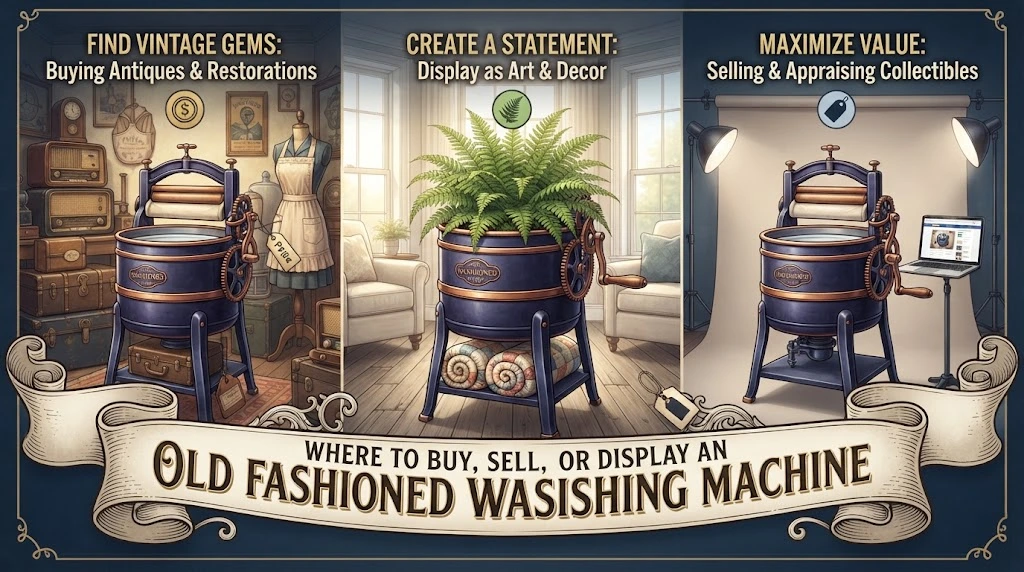
Whether you’re looking to buy your first machine, sell one you’ve inherited, or simply display it as a piece of history, there are several good paths to take.
- Antique auctions and estate sales remain the top source for authentic, well-priced finds.
- Specialty vintage appliance restorers often buy, sell, and repair these machines and can offer fair appraisals.
- Farmhouse and vintage home decor stores sometimes display and sell old washing machines as statement decor pieces, especially for country-style or farmhouse interiors.
- Online collector communities and forums are great for both research and finding serious buyers if you’re selling.
- Local historical societies sometimes accept donations of well-preserved machines for museum displays, which is a great option if you’d rather see it preserved than sell it.
If you’re using one purely as decor, placing it on a covered porch or in a farmhouse-style laundry room adds instant character and conversation value to the space.
Conclusion
An old fashioned washing machine is more than a piece of laundry history. It’s a reminder of how much thought and durability went into everyday appliances before convenience became the only priority. Whether you’re restoring a wringer washer that’s been in your family for decades, hunting for a rare hand-crank model at an estate sale, or simply curious how people managed laundry before electricity, these machines have a story worth understanding. Treat the mechanical and electrical parts with respect, learn the safety basics before using one, and you’ll come away with a genuine appreciation for how far laundry technology has come, and how much of that old design still holds up today.
FAQs
What is considered an old fashioned washing machine?
Common examples include wringer washers from the 1920s through 1950s and earlier hand-crank models.
Are old fashioned washing machines still safe to use today?
If you’re only displaying the machine, safety concerns are much lower.
How much is an old fashioned washing machine worth?
Values vary widely depending on brand, condition, and rarity, with most functional wringer washers selling for a few hundred dollars. Rare, early hand-crank models in excellent condition can be worth considerably more to serious collectors.
Can you still buy parts for old washing machines?
Yes, specialty suppliers still sell replacement wringer rollers, belts, and some motor parts for popular vintage brands like Maytag and Speed Queen. Online vintage appliance forums are also a great source for finding original parts or knowledgeable repair advice.
What’s the difference between a wringer washer and a hand-crank washer?
A wringer washer uses an electric motor to agitate clothes and a manual roller system to remove water, while a hand-crank washer is fully manual, using human power for both washing and often wringing. Hand-crank models don’t require electricity at all, making them useful for off-grid situations.
Do old fashioned washing machines clean clothes as well as modern ones?
Many people find that wringer washers actually remove more water than a modern spin cycle, which helps clothes dry faster. Cleaning performance is generally comparable for lightly to moderately soiled laundry, though modern machines handle heavily soiled loads more efficiently.
Where can I find an old fashioned washing machine to buy?
Estate sales, antique auctions, vintage appliance dealers, and online marketplaces like Facebook Marketplace and eBay are the most reliable sources.