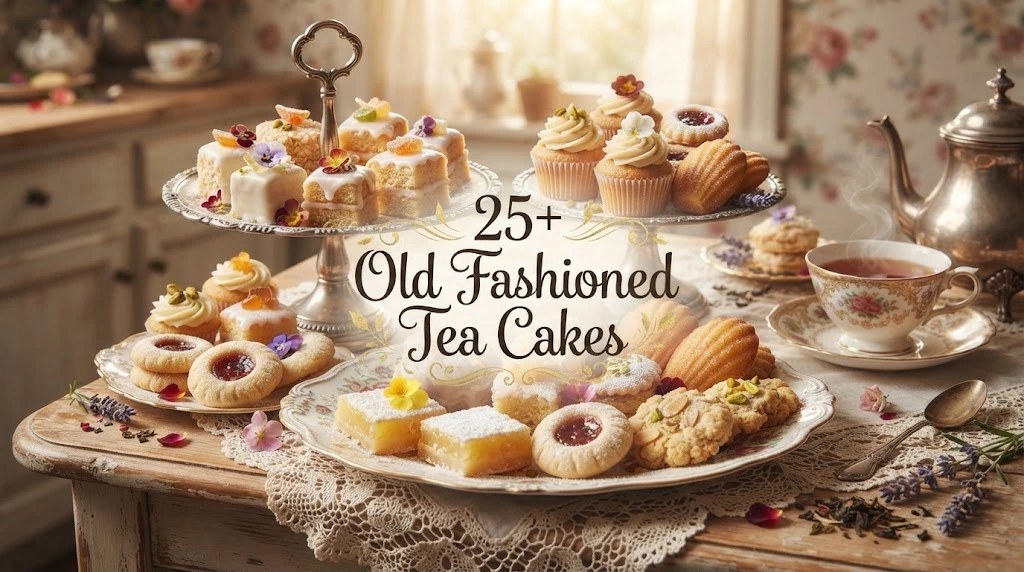
My grandmother kept a tin on top of her refrigerator, and every kid in the family knew exactly what was inside. Not cookies from a store. Not anything fancy. Just soft, pale, slightly sweet tea cakes that tasted like a hug. If you grew up with someone who made these, you already know the smell that fills a kitchen when a batch is baking. If you didn’t, you’re about to understand why so many people call this the recipe that tastes like home.
Old fashioned tea cakes are not trendy. They don’t need frosting, sprinkles, or a fancy name to impress anyone. They’re simple, humble, and honest — and that’s exactly why they’ve survived for generations. This guide will walk you through everything you need to know: what they are, where they came from, how to make them the right way, and how to avoid the small mistakes that turn a soft tea cake into a hard, dry disappointment.
What Are Old Fashioned Tea Cakes?
Old fashioned tea cakes are a type of soft, cake-like cookie made from a simple dough of flour, sugar, butter, eggs, and a little milk or buttermilk. They’re rolled out, cut into rounds, and baked until just set — never crispy, never browned too much.
Unlike a typical crunchy cookie, a tea cake has a tender, bread-like texture. Some people describe them as a cross between a biscuit and a sugar cookie. They’re mildly sweet, which is exactly the point. Tea cakes were made to be eaten with tea or coffee, not to compete with it.
You’ll notice they don’t have chocolate chips, nuts, or heavy spices in the traditional version. The flavor comes from vanilla, sometimes nutmeg, and good butter. That’s it. Simplicity is the whole charm.
The History Behind Old Fashioned Tea Cakes
Tea cakes have roots that stretch back centuries, long before modern cookies existed. In early American kitchens, especially across the South, tea cakes were an everyday treat made from pantry staples. Families didn’t need special equipment or store-bought mixes — just flour, sugar, eggs, and butter or lard.
For many Black Southern families, tea cakes carry deep cultural significance. Recipes were passed down through generations, often without exact measurements, because grandmothers baked by feel rather than by following a written recipe. A pinch of this, a handful of that — and somehow the result was always perfect.
During times when ingredients were limited, tea cakes were a way to make something special out of very little. That history is part of why this recipe still feels personal and emotional to so many families today. It’s not just a cookie. It’s a memory.
Old Fashioned Tea Cakes vs. Modern Cookies: What’s the Difference?
People often expect tea cakes to taste like chocolate chip cookies or sugar cookies. They don’t, and that’s the point.
Here’s how they compare:
- Texture: Tea cakes are soft and cake-like. Modern cookies are usually crisp on the edges and chewy in the middle.
- Sweetness: Tea cakes are mildly sweet. Many modern cookies are much sweeter and richer.
- Shape: Tea cakes are typically rolled and cut with a round cutter, giving them a smooth, even shape.
- Shelf life: Because they’re less sugary and less buttery than modern cookies, tea cakes can dry out faster if not stored properly.
- Purpose: Tea cakes were made for everyday eating with a hot drink, not as a dessert centerpiece.
If you go into this recipe expecting a bakery-style chocolate chip cookie, you’ll be disappointed. Go in expecting something closer to a soft biscuit with a hint of sweetness, and you’ll fall in love.
Ingredients You Need for Authentic Old Fashioned Tea Cakes
The beauty of this recipe is that you probably already have most of these ingredients in your kitchen right now.
Core ingredients:
- All-purpose flour
- Granulated sugar
- Unsalted butter (softened, not melted)
- Eggs
- Buttermilk or whole milk
- Baking powder (or baking soda, depending on the recipe)
- Vanilla extract
- A pinch of salt
- Nutmeg (optional, but traditional in many Southern versions)
A quick note on ingredient quality: Because this recipe has so few ingredients, each one matters more than usual. Use real butter, not margarine. Use fresh eggs. If you can get real vanilla extract instead of imitation, your tea cakes will taste noticeably better. There’s nowhere for bad ingredients to hide in a recipe this simple.
Step-by-Step Old Fashioned Tea Cake Recipe
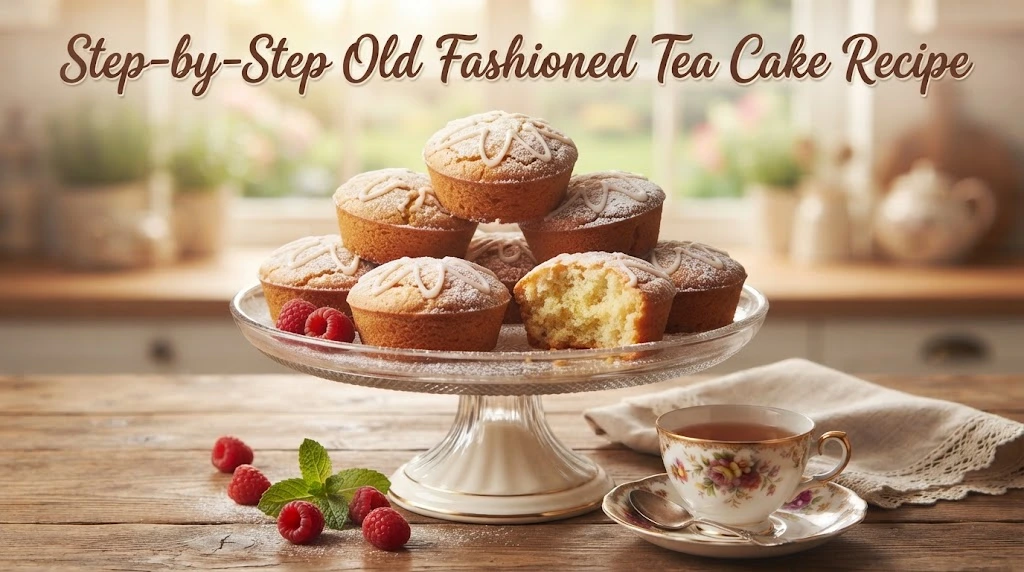
Here’s a classic, tested method that produces soft, tender tea cakes every time.
Ingredients:
- 3 cups all-purpose flour
- 1 cup granulated sugar
- 1/2 cup unsalted butter, softened
- 2 large eggs
- 1/2 cup buttermilk
- 1 teaspoon baking powder
- 1/2 teaspoon baking soda
- 1/2 teaspoon salt
- 1 teaspoon vanilla extract
- 1/4 teaspoon nutmeg (optional)
Instructions:
- Cream the butter and sugar together until light and fluffy. This usually takes about 2 to 3 minutes with a hand mixer.
- Add the eggs one at a time, mixing well after each addition. Then stir in the vanilla.
- In a separate bowl, whisk together the flour, baking powder, baking soda, salt, and nutmeg.
- Alternate adding the dry ingredients and the buttermilk to the butter mixture, starting and ending with the flour. Mix just until combined — don’t overwork the dough.
- Cover the dough and chill it for at least 30 minutes. This step matters more than most people realize, since it firms up the butter and makes rolling much easier.
- Preheat your oven to 350°F (175°C).
- On a lightly floured surface, roll the dough to about 1/4 inch thick. Cut into rounds using a biscuit cutter or the rim of a glass.
- Place the rounds on a parchment-lined baking sheet, leaving space between each one.
- Bake for 10 to 12 minutes, or until the edges are just barely set and the bottoms are lightly golden. They should still look pale on top.
- Let them cool on the pan for 5 minutes, then move them to a wire rack.
Expert tip: Don’t wait for these to turn golden brown like a sugar cookie. Tea cakes are done when they look slightly underbaked on top. They’ll finish setting as they cool.
Expert Tips for Perfectly Soft Tea Cakes Every Time
Getting that classic melt-in-your-mouth texture isn’t complicated, but a few small habits make a big difference.
- Don’t overmix the dough. Overmixing develops gluten, and gluten makes your tea cakes tough instead of tender.
- Chill the dough before rolling. Warm dough spreads too much and loses its shape in the oven.
- Use a light hand when rolling. Pressing too hard compacts the dough and makes it dense.
- Measure your flour correctly. Scoop and level it, rather than packing the cup directly into the flour bag. Too much flour is the number one reason tea cakes turn out dry.
- Watch the clock, not just the color. These bake fast, and a minute or two too long can dry them out completely.
I’ve made this recipe more times than I can count, and the biggest lesson I’ve learned is that less baking time is almost always better than more. Pull them out when you think they need one more minute — they don’t.
Common Mistakes to Avoid When Making Tea Cakes
Even experienced bakers run into trouble with this recipe because it looks deceptively simple. Here are the mistakes that show up most often.
- Skipping the chilling step. This leads to dough that spreads flat and loses that soft, rounded shape.
- Using melted butter instead of softened butter. This changes the texture completely and can make the dough greasy.
- Rolling the dough too thin. Thin dough bakes into a crisp cookie, not a soft tea cake.
- Overbaking. Tea cakes should never be crunchy. If yours are crunchy, they’ve been in the oven too long.
- Adding too much sugar. Traditional tea cakes are only mildly sweet. Doubling the sugar turns them into something closer to a sugar cookie.
If your tea cakes aren’t coming out right, it’s almost always one of these five issues.
Why Are My Tea Cakes Too Hard? (Troubleshooting)
This is one of the most common questions bakers ask, so let’s break down exactly why it happens.
Too much flour is the most frequent cause. When you scoop flour straight from the bag with your measuring cup, you can pack in up to 25% more flour than the recipe intends. Always spoon flour into the cup and level it off with a knife.
Overbaking is the second biggest cause. Tea cakes go from perfectly soft to dry and hard in just a minute or two of extra oven time. Set a timer and check them early.
Not enough fat or liquid can also leave you with a dense, dry result. If your dough feels stiff and dry before baking, add a tablespoon of milk at a time until it feels soft but not sticky.
Old baking powder or baking soda loses its power over time, which means your tea cakes won’t rise properly and will bake up dense. If your leavening agents are more than six months old, replace them.
Old Fashioned Tea Cake Variations
Once you’ve mastered the basic recipe, it’s fun to experiment with flavor variations while keeping that classic soft texture.
- Lemon tea cakes: Add lemon zest to the dough and a splash of lemon juice for a bright, fresh flavor.
- Buttermilk tea cakes: Swap regular milk for buttermilk for a slightly tangy flavor and an even softer crumb.
- Nutmeg and cinnamon tea cakes: Increase the warm spices for a cozier, fall-inspired version.
- Sugar-topped tea cakes: Sprinkle a little coarse sugar on top before baking for extra texture and sparkle.
- Iced tea cakes: Drizzle a simple powdered sugar glaze on top once cooled for a slightly more dessert-like treat.
Styling tip for gatherings: If you’re serving these at a bridal shower or afternoon tea party, a light lemon glaze dresses them up beautifully without changing their humble character.
Regional Differences: Southern Tea Cakes vs Other Styles
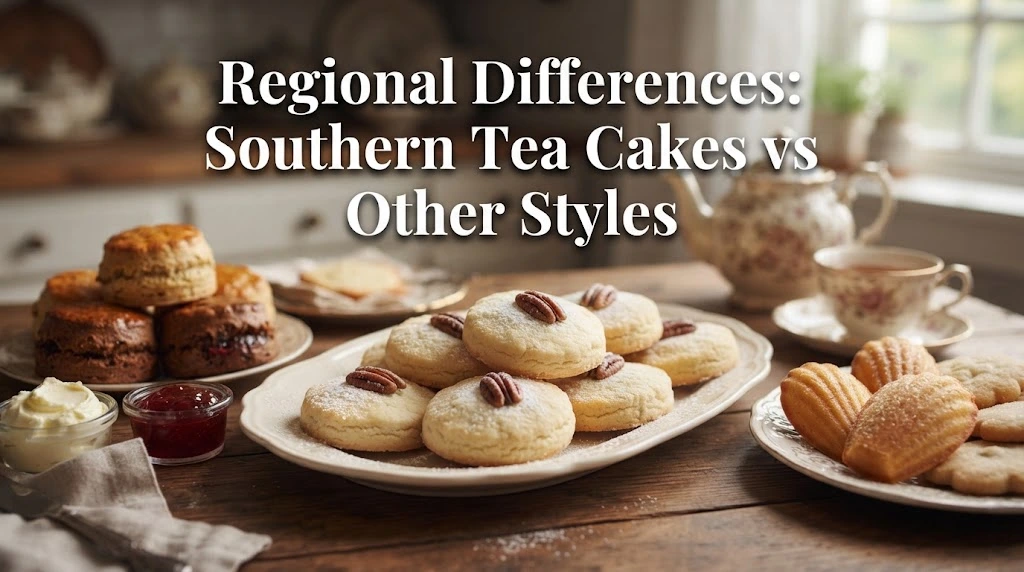
Southern tea cakes tend to be softer, thicker, and less sweet, often flavored with nutmeg or vanilla and made with buttermilk. This is the version most associated with family recipes passed down through generations, especially in Black Southern households where the recipe holds strong cultural roots.
In other regions and cultures, “tea cakes” can refer to something quite different. British tea cakes, for example, are usually yeasted, slightly sweet buns studded with dried fruit, closer to a bread than a cookie. They’re often toasted and buttered rather than eaten plain.
If a recipe calls for yeast and a rising time of an hour or more, you’re likely looking at the British-style version, not the American Southern-style tea cake this article focuses on. Both are wonderful, but they are genuinely different foods, so it helps to know which one you’re actually craving.
How to Store Old Fashioned Tea Cakes to Keep Them Fresh
Because tea cakes have less sugar and fat than many modern cookies, they can dry out faster if you don’t store them properly.
- Store them in an airtight container at room temperature.
- Add a slice of bread to the container. Sounds strange, but the tea cakes will pull moisture from the bread and stay soft for several extra days.
- Keep them away from direct sunlight or heat, which speeds up drying.
- Properly stored, tea cakes stay fresh for about 4 to 5 days at room temperature.
Avoid storing them in the refrigerator unless your kitchen is very warm and humid. Refrigeration tends to dry baked goods out faster, not slower.
Can You Freeze Tea Cakes? Storage & Shelf Life Guide
Yes, tea cakes freeze beautifully, which makes them a great make-ahead option for holidays or gatherings.
To freeze baked tea cakes:
- Let them cool completely.
- Place them in a single layer on a baking sheet and freeze for an hour.
- Transfer them to a freezer-safe bag or container, separating layers with parchment paper.
- They’ll keep well for up to 3 months.
To freeze the dough instead:
- Roll and cut the dough into rounds.
- Freeze the rounds on a tray until solid, then transfer to a freezer bag.
- Bake straight from frozen, adding a couple of extra minutes to the bake time.
Thaw baked tea cakes at room temperature for about 30 minutes before serving. They taste nearly as good as fresh.
Best Ways to Serve Old Fashioned Tea Cakes
True to their name, tea cakes are best enjoyed the way they were originally intended.
- With a hot cup of tea — this is the classic pairing, especially with black tea or a mild herbal blend.
- With coffee, for a cozy afternoon break.
- With a smear of butter or jam, while they’re still slightly warm.
- As part of a dessert board, next to fresh fruit and a light glaze for dipping.
- At baby showers, funerals, and church gatherings, which is actually where many Southern families traditionally serve them, since they’re easy to make in large batches.
Because they’re not overly sweet, tea cakes also pair surprisingly well with savory spreads like whipped honey butter or a light cream cheese.
Healthier Twist: Substitutions for Old Fashioned Tea Cakes
If you’re looking to lighten up this classic recipe, a few smart swaps can help without ruining the texture.
- Reduce sugar slightly. Cutting the sugar by 2 to 3 tablespoons usually goes unnoticed since tea cakes are already mildly sweet.
- Swap half the butter for unsweetened applesauce. This lowers the fat content while keeping the dough moist.
- Use whole wheat pastry flour for half the flour. Regular whole wheat flour can make them too dense, but pastry flour keeps things lighter.
- Try a low-fat buttermilk. It still gives you the tangy flavor and soft texture without the extra fat.
Keep in mind that tea cakes are meant to be a simple treat, not a health food. Small tweaks work well, but drastic substitutions usually compromise the texture that makes this recipe special in the first place.
Gifting Ideas: Packaging Tea Cakes for Special Occasions
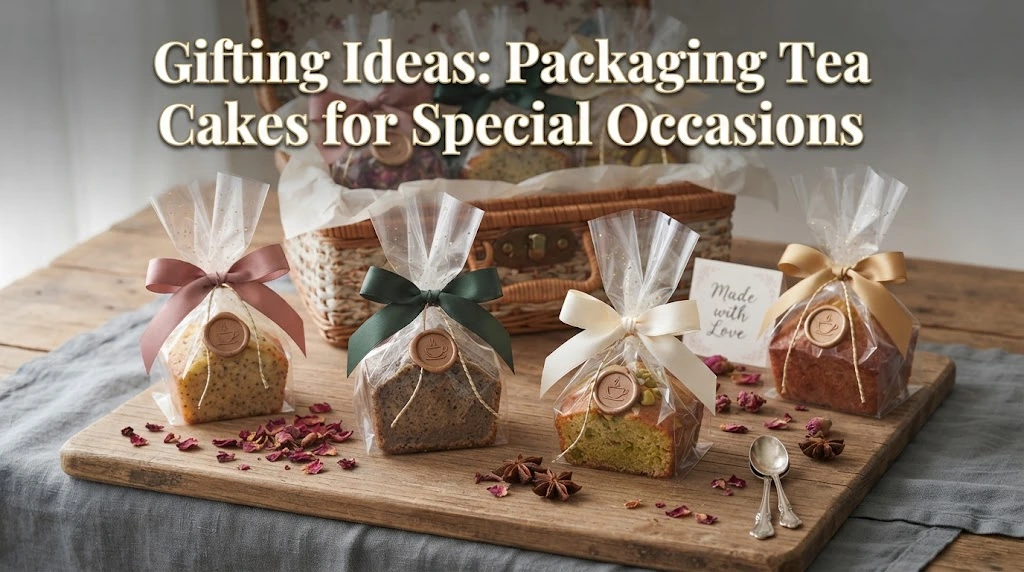
Tea cakes make wonderful homemade gifts because they travel well and feel personal in a way store-bought treats never do.
- Stack them in a mason jar tied with ribbon for a rustic, charming look.
- Wrap them in parchment paper and place them in a small box for a bakery-style presentation.
- Include a handwritten recipe card if you’re gifting them to someone who might want to make their own batch someday.
- Pair them with a small tin of loose-leaf tea for a thoughtful, complete gift.
This kind of gift works beautifully for holidays, new neighbors, teacher appreciation gifts, or anyone going through a hard time. There’s something about a homemade tea cake that says more than a card ever could.
Conclusion
Old fashioned tea cakes aren’t trying to be the flashiest treat on the table, and that’s exactly what makes them so special. They’re soft, comforting, and rooted in real family history, made from ingredients most of us already have at home. Whether you’re baking them for the first time or trying to recreate a recipe your grandmother never wrote down, the keys stay the same: don’t overmix, don’t overbake, and don’t rush the chilling step. Get those three things right, and you’ll end up with a tea cake that tastes like it’s been made a hundred times before — because in a lot of families, it has.
Frequently Asked Questions
What is the difference between a tea cake and a cookie?
Tea cakes are softer and less sweet than most cookies, with a cake-like texture instead of a crisp or chewy one. They’re rolled and cut into rounds and meant to be eaten with tea or coffee rather than as a rich dessert.
Why are my old fashioned tea cakes hard instead of soft?
This usually happens from using too much flour, overbaking, or old baking powder that’s lost its strength. Measure your flour by spooning it into the cup, and pull the tea cakes out of the oven while they still look slightly pale on top.
Can I make old fashioned tea cakes without buttermilk?
Yes. You can substitute regular milk mixed with a teaspoon of lemon juice or white vinegar, left to sit for five minutes before using. It won’t taste exactly the same, but it will still give you a soft, tender result.
How long do old fashioned tea cakes stay fresh?
Stored in an airtight container at room temperature, they stay fresh for about 4 to 5 days. Adding a slice of bread to the container helps them stay soft even longer.
Can I freeze old fashioned tea cake dough?
Yes, you can freeze the cut, unbaked dough rounds for up to 3 months. Bake them straight from the freezer, adding a couple of extra minutes to the bake time.
Are old fashioned tea cakes the same as Southern tea cakes?
Southern tea cakes are the most common version of old fashioned tea cakes in the United States, known for their soft texture and mild sweetness. British tea cakes are a different, yeasted bread-like treat, so it helps to know which style a recipe is referring to.
What can I add to old fashioned tea cakes for more flavor?
Lemon zest, nutmeg, cinnamon, or a light vanilla glaze all work well without overpowering the traditional flavor. Start with small amounts, since the charm of a classic tea cake is its simplicity.