Fashion has always been a powerful way for people to express who they are. A colour choice, a silhouette, or a carefully designed outfit can communicate confidence, personality, culture, and emotion without saying a single word. Behind many of the most memorable fashion moments in history are creative minds who challenged expectations and helped the industry see beauty from new perspectives.
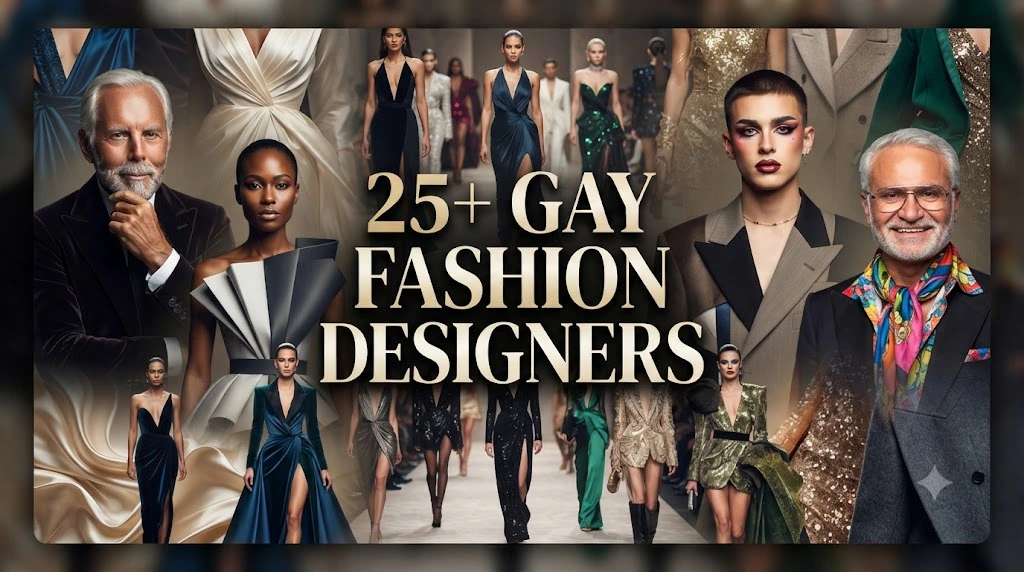
Among these influential creators are gay fashion designers who have shaped modern fashion through innovation, bold ideas, and a deep understanding of identity and self-expression. Their contributions go far beyond clothing. Many have changed the way people think about style, challenged traditional ideas of masculinity and femininity, and created designs that celebrate individuality.
From luxury fashion houses to independent labels, LGBTQ+ designers have played an important role in building today’s fashion landscape. Their work has influenced runway trends, celebrity styling, streetwear culture, and the way people use clothing to tell their personal stories.
Understanding the impact of gay fashion designers is not only about learning names from fashion history. It is about recognising creativity, craftsmanship, and the diverse experiences that inspire some of the world’s most meaningful designs.
This guide explores their influence, creative approaches, career journeys, design philosophies, and the lasting impact they continue to make on the global fashion industry.
The Influence of Gay Fashion Designers on Modern Fashion
Fashion has always evolved through people who are willing to think differently. Many gay designers have contributed to this evolution by introducing fresh ideas about beauty, confidence, gender expression, and personal style.
Their influence can be seen across many areas of fashion, including:
- Luxury fashion
- Ready-to-wear collections
- Menswear
- Womenswear
- Gender-fluid clothing
- Costume design
- Celebrity styling
- Street fashion
Many designers have questioned traditional fashion rules and encouraged people to dress according to their personality rather than strict expectations.
For example, some designers introduced softer shapes, vibrant colours, and unexpected combinations into menswear. Others transformed womenswear by experimenting with tailoring, structure, and new forms of elegance.
Fashion experts often point out that great designers understand emotions, not just clothing. A successful garment does more than look attractive—it makes the wearer feel powerful, comfortable, and authentic.
Expert tip: When studying a designer’s work, look beyond the clothes. Pay attention to the message, cultural influences, and emotions behind each collection. That is where true design innovation often begins.
Famous Gay Fashion Designers Who Changed the Industry
Many talented gay designers have left a lasting mark on global fashion. Their creativity has influenced generations of designers and changed how people view clothing and personal expression.
Gianni Versace
Gianni Versace became known for bold prints, glamorous designs, and a fearless approach to luxury fashion. His creations celebrated confidence, individuality, and dramatic visual storytelling.
Versace’s work helped define the idea of fashion as entertainment. His designs became closely connected with celebrities, music, and popular culture.
Tom Ford
Tom Ford gained international recognition through his work at major fashion houses and through his own luxury brand. His style is often associated with sharp tailoring, sophistication, and modern glamour.
His approach shows how fashion can combine creativity with strong branding and business strategy.
Alexander McQueen
Alexander McQueen was admired for dramatic storytelling, exceptional craftsmanship, and emotionally powerful collections.
His designs often explored themes such as history, nature, identity, and human emotion. He proved that fashion could be both artistic and deeply meaningful.
Christian Dior
Christian Dior’s design legacy transformed post-war fashion with elegant silhouettes and refined craftsmanship. His influence continues through the fashion house that carries his name.
Jean Paul Gaultier
Jean Paul Gaultier became famous for challenging traditional fashion boundaries. His work explored gender, identity, and unconventional beauty through creative designs.
These designers represent different styles and eras, but they share a common quality: they created fashion that made people feel something.
How Gay Designers Have Shaped LGBTQ+ Representation in Fashion
Fashion is closely connected to identity. For many people, clothing provides a way to show the world who they are and how they feel.
Gay designers have contributed to broader LGBTQ+ representation by creating spaces where individuality and self-expression are celebrated.
Their influence appears in several ways:
Challenging Traditional Gender Rules
Many designers have questioned the idea that clothing must follow strict gender categories.
Modern fashion increasingly includes:
- Gender-neutral collections
- Flexible silhouettes
- Shared menswear and womenswear concepts
- Personal styling choices
This shift allows people to focus more on individual expression rather than traditional expectations.
Creating Visibility
Successful LGBTQ+ designers have helped increase visibility within the fashion industry. Their achievements demonstrate that creativity and talent come from diverse backgrounds.
Representation matters because young designers and fashion students can see examples of people building successful careers while staying authentic to themselves.
Supporting Inclusive Fashion
Many contemporary brands now focus on creating clothing for a wider range of identities, body types, and personal styles.
This includes:
- Inclusive sizing
- Gender-inclusive designs
- Diverse advertising campaigns
- More representative fashion shows
Common mistake: Some people view diversity in fashion as only a social issue. In reality, diverse perspectives often lead to more creative ideas because designers bring different experiences and viewpoints into their work.
The Creative Style and Design Philosophy of Gay Fashion Designers
Every designer develops a unique creative language. Some focus on minimalism, others on dramatic visuals, craftsmanship, cultural references, or innovation.
Many gay designers have become known for certain creative qualities.
Emotional Storytelling
Fashion can communicate feelings and experiences. Designers often use clothing to express ideas about identity, freedom, confidence, or transformation.
A runway collection may tell a story through:
- Colour choices
- Fabric textures
- Styling decisions
- Music
- Presentation themes
Breaking Conventional Rules
Many influential designers gained attention because they were willing to experiment.
They challenged ideas about:
- What men should wear
- What women should wear
- How luxury should look
- How beauty should be defined
Attention to Detail
Great fashion depends on craftsmanship. Designers carefully consider:
- Fabric quality
- Stitching
- Fit
- Proportion
- Finishing touches
A small design detail, such as an unusual button placement or unexpected fabric combination, can completely change the feeling of a garment.
Personal Expression
Many designers draw inspiration from their own experiences, cultures, and observations. Personal stories often become the foundation of memorable collections.
Expert insight: The strongest designers do not simply create clothes that look good. They create designs that communicate a point of view.
Why Gay Fashion Designers Matter in Today’s Fashion Industry
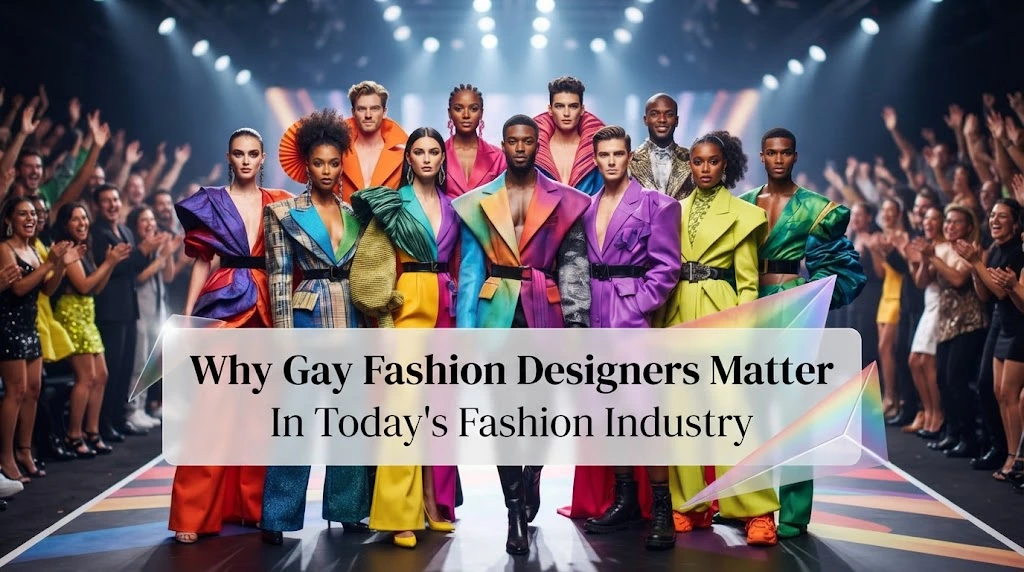
Today’s fashion industry values creativity, authenticity, and connection with consumers. Designers who bring unique perspectives often help brands stay relevant in a changing world.
Gay fashion designers continue to influence the industry because they contribute:
Innovation
Fresh viewpoints encourage new approaches to colour, shape, styling, and presentation.
Cultural Understanding
Designers often reflect social changes through their work. Fashion becomes a record of how society evolves.
Artistic Freedom
Many designers demonstrate that fashion can be a form of personal storytelling rather than just a commercial product.
Inspiration for Future Creators
Young designers learn from successful professionals who show that originality and confidence can create lasting careers.
The modern fashion consumer increasingly looks for meaning. People want clothing that represents their values, personality, and lifestyle.
This is why designers with strong creative identities continue to have an important role in shaping the future of fashion.
Career Journeys of Successful Gay Fashion Designers
The journey of a fashion designer is rarely simple. Behind every successful collection are years of learning, experimentation, rejection, and persistence. Many successful gay fashion designers built their careers by developing strong creative identities and finding ways to turn personal experiences into meaningful design work.
Their stories show an important lesson: talent matters, but dedication and continuous growth often determine long-term success.
Many designers begin with a fascination for clothing at an early age. They may experiment with fabrics, redesign existing garments, study fashion magazines, or create their own sketches. Over time, these interests develop into professional skills through education, mentorship, and real-world experience.
A typical fashion career path may include:
- Studying fashion design or a related field
- Building a creative portfolio
- Completing internships
- Working as an assistant designer
- Learning production processes
- Developing a personal design style
- Launching collections or joining major brands
For many LGBTQ+ designers, personal experiences also influence their creative direction. Questions about identity, confidence, acceptance, and self-expression often become important themes within their work.
Expert tip: Aspiring designers should focus on developing a clear point of view. The fashion industry remembers creators who bring something unique rather than those who simply follow existing trends.
How LGBTQ+ Creativity Influences Fashion Trends
Fashion trends often begin when designers introduce ideas that feel new, unexpected, or emotionally powerful. LGBTQ+ designers have contributed many creative movements that changed the way people approach personal style.
Their influence can be seen in several major fashion developments.
More Flexible Ideas About Style
Traditional fashion often separated clothing into strict categories. Modern designers have helped create a more flexible approach where people choose clothing based on personality rather than fixed rules.
This has encouraged:
- Gender-neutral collections
- Shared fashion lines
- More experimental styling
- Greater freedom in personal expression
Today, many consumers mix styles that were once considered separate, such as combining traditionally masculine tailoring with softer colours or decorative details.
Bold Use of Colour and Design
Many influential designers are known for using colour as a form of emotional expression.
Bright shades, unusual combinations, and dramatic patterns can communicate:
- Confidence
- Celebration
- Individuality
- Creativity
Colour has always been a powerful design tool, and many designers use it to create memorable fashion moments.
Fashion as Storytelling
Modern fashion is not only about appearance. Designers increasingly create collections that represent ideas, experiences, and cultural conversations.
A runway show may explore themes such as:
- Identity
- Freedom
- Personal transformation
- Social change
- Human connection
This approach has helped fashion become a form of artistic communication.
Common mistake: Some new designers focus only on making clothes look attractive. Strong designers also think about the story and emotion behind every piece.
Gay Designers in Luxury Fashion Houses
Luxury fashion has long been influenced by designers who brought creativity, craftsmanship, and fresh perspectives to major fashion houses.
Working at a luxury brand requires more than artistic ability. Designers must understand:
- Brand history
- Customer expectations
- Manufacturing standards
- Global markets
- Creative direction
Many gay designers have contributed to luxury fashion by helping brands evolve while maintaining their identity.
Creative Leadership in Fashion Houses
Creative directors often shape the entire image of a fashion brand. Their responsibilities may include:
- Developing seasonal collections
- Guiding design teams
- Creating campaign concepts
- Working with photographers and stylists
- Representing the brand publicly
This role requires a combination of creativity, leadership, and business understanding.
Balancing Heritage and Innovation
Luxury brands often have decades of history. Designers must respect that heritage while introducing modern ideas.
For example, a designer working for an established fashion house may preserve classic tailoring techniques while introducing updated silhouettes, modern materials, or new cultural influences.
Building Global Influence
Luxury designers influence much more than runway shows. Their work affects:
- Retail fashion
- Celebrity styling
- Magazine trends
- Streetwear culture
- Consumer expectations
A successful collection can inspire designers across the world.
Expert insight: The most respected fashion leaders understand that innovation does not mean forgetting tradition. They create a bridge between the past and the future.
The Role of Fashion Education and Mentorship
Education plays an important role in developing the next generation of fashion professionals. While creativity is natural, technical knowledge helps designers turn ideas into finished products.
Fashion schools teach students the practical skills needed to work professionally.
Important areas of study include:
- Fashion illustration
- Pattern making
- Textile science
- Garment construction
- Fashion history
- Digital design
- Portfolio development
- Fashion business
However, education extends beyond classrooms. Mentorship can provide valuable guidance from experienced designers and industry professionals.
A mentor can help with:
- Improving design techniques
- Understanding industry expectations
- Building professional confidence
- Making career decisions
- Developing a creative identity
For LGBTQ+ students, supportive mentors can be especially valuable. A positive learning environment allows students to focus on creativity and professional growth.
How Students Can Find Mentorship
Aspiring designers can build relationships through:
- Fashion school programmes
- Industry events
- Design competitions
- Internships
- Professional networks
- Creative communities
A strong mentor relationship often begins with curiosity and respect.
Recommendation: Students should not wait until graduation to build connections. Start learning from professionals early by asking thoughtful questions and showing genuine interest in the craft.
How Aspiring Designers Can Build Successful Careers in Fashion
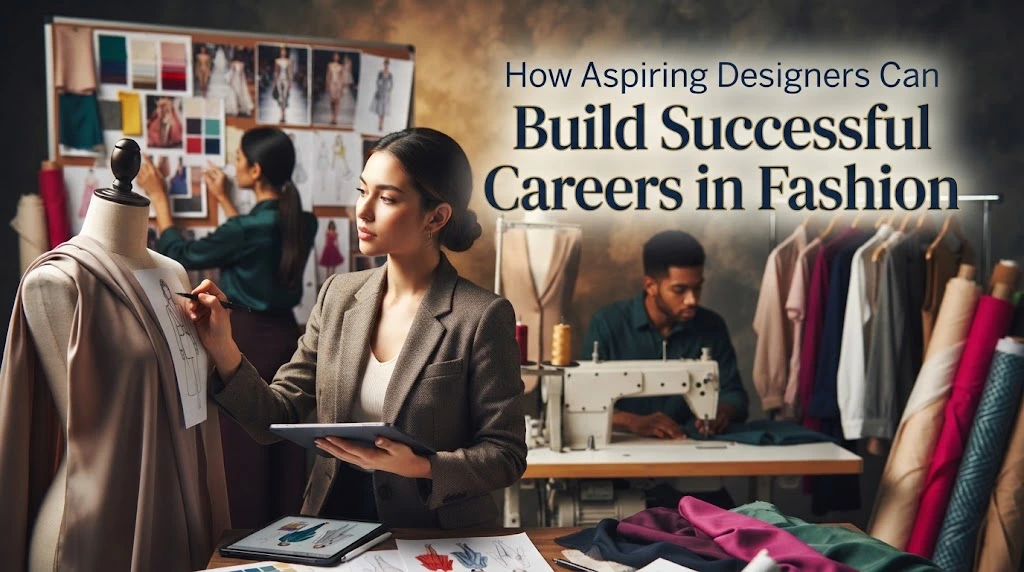
Building a fashion career requires patience, discipline, and a willingness to improve constantly. Many beginners believe success comes from one great idea, but professional growth usually happens through many small steps.
Here are practical ways aspiring designers can move forward.
Develop Strong Technical Skills
Creative ideas need technical support.
Designers should understand:
- Sewing methods
- Pattern construction
- Fabric behaviour
- Garment fitting
- Production techniques
These skills help transform sketches into wearable products.
Create a Professional Portfolio
A portfolio is often the first impression employers and clients receive.
A strong portfolio should show:
- Original concepts
- Design development
- Technical drawings
- Finished garments
- Personal creative style
It should communicate not only what you create but also how you think.
Study Fashion History
Understanding the past helps designers create the future.
Fashion history teaches:
- How trends develop
- Why certain styles become influential
- How designers solve creative challenges
- How culture affects clothing
Gain Real Industry Experience
Practical experience helps students understand professional expectations.
Useful experiences include:
- Internships
- Assistant roles
- Freelance projects
- Fashion collaborations
- Independent collections
Build Confidence in Your Identity
Many successful designers are recognised because they have a clear creative voice.
Instead of asking, “What is everyone else doing?” ask:
- What ideas matter to me?
- What emotions do I want my designs to create?
- What makes my perspective different?
Authenticity often becomes a designer’s greatest strength.
Expert advice: A strong career is built by combining creativity with consistency. Keep learning, keep experimenting, and keep improving your craft.
Gay Fashion Designers and Their Impact on Celebrity Style
Celebrity fashion has become one of the most powerful ways designers share their creative vision with the world. A single outfit worn at an award show, movie premiere, or public event can influence millions of people and create a lasting fashion moment.
Many gay fashion designers have played a major role in shaping celebrity style by creating memorable looks that combine creativity, confidence, and personal expression. Their designs often help celebrities communicate their personality, values, and artistic identity.
A strong celebrity-designer relationship is built on trust. Celebrities rely on designers and stylists to create looks that feel authentic while also making a visual impact.
Some designers become known for creating:
- Red carpet gowns
- Performance outfits
- Custom luxury pieces
- Editorial fashion looks
- Stage costumes
These collaborations help fashion reach wider audiences and introduce new ideas to mainstream culture.
Fashion as a Form of Personal Branding
Today, celebrities use clothing as part of their personal brand. Their fashion choices can communicate confidence, elegance, rebellion, creativity, or social messages.
Designers help create these identities by understanding:
- The celebrity’s personality
- Their public image
- The event’s purpose
- Current fashion movements
- Visual storytelling
For example, a musician may choose a dramatic custom outfit to match their artistic style, while an actor may prefer a classic tailored look that reflects sophistication.
Red Carpet Moments That Influence Trends
Red carpet events often become turning points in fashion. A unique design can inspire future collections, styling choices, and consumer trends.
Designers who create these moments demonstrate the power of fashion beyond clothing. They show that garments can represent confidence, creativity, and cultural conversations.
Expert tip: Great celebrity styling is not about making someone wear the most expensive outfit. It is about creating a look that feels natural, memorable, and connected to the person’s identity.
How Fashion Became a Platform for LGBTQ+ Expression
Fashion has always provided a way for people to communicate without words. For many LGBTQ+ individuals, clothing has been an important tool for expressing identity, confidence, and freedom.
Gay fashion designers have contributed to this conversation by creating designs that challenge limitations and encourage personal expression.
Clothing as Identity
A person’s style can reflect:
- Personality
- Culture
- Mood
- Experiences
- Individual beliefs
Many designers understand that clothing is deeply personal. A garment can help someone feel seen, confident, and comfortable in their own skin.
Breaking Traditional Fashion Expectations
Historically, fashion often placed strict expectations on what men and women should wear. Many designers challenged these ideas by introducing new approaches to:
- Silhouettes
- Fabrics
- Colours
- Styling techniques
- Fashion categories
This helped create a broader understanding of style where people have more freedom to choose what represents them.
The Growth of Gender-Fluid Fashion
Gender-fluid fashion has become increasingly visible in recent years. Many brands now create collections that focus less on traditional categories and more on individual style.
Features of gender-fluid fashion may include:
- Flexible designs
- Adjustable fits
- Neutral colour palettes
- Shared garment styles
- Creative layering options
This movement reflects a larger change in how society views clothing and identity.
Common mistake: Some people assume inclusive fashion only serves a small audience. In reality, many consumers appreciate clothing that offers comfort, flexibility, and personal expression.
Challenges Faced by LGBTQ+ Designers in the Fashion Industry
Although many LGBTQ+ designers have achieved great success, the fashion industry has not always been an easy path. Like many creative professionals, they have faced challenges related to competition, acceptance, and access to opportunities.
Understanding these challenges helps create a more complete picture of their achievements.
Industry Competition
Fashion is one of the most competitive creative industries in the world. Designers must constantly develop new ideas while managing business pressures.
Challenges may include:
- Finding financial support
- Building brand recognition
- Maintaining creativity
- Meeting customer expectations
- Managing production costs
Success usually requires years of consistent effort.
Historical Lack of Representation
For many years, LGBTQ+ voices were not always openly represented in professional spaces. Some designers faced pressure to hide parts of their identity or avoid discussing personal experiences.
As society has changed, more designers have been able to openly share their stories and contribute to fashion conversations.
Balancing Creativity and Commercial Success
A designer may create artistic work but still need to consider business realities.
They must balance:
- Creative vision
- Customer demand
- Manufacturing limitations
- Brand goals
- Market trends
This challenge affects all designers, regardless of background.
Creating Supportive Environments
A healthy fashion industry depends on respectful workplaces where creative professionals can contribute their best ideas.
Supportive environments encourage:
- Collaboration
- Innovation
- Different perspectives
- Professional growth
Expert insight: Diversity in fashion is not only about representation. It improves creativity because different experiences often lead to different solutions.
Future Opportunities for LGBTQ+ Fashion Creators
The future of fashion offers many opportunities for emerging designers. Technology, changing consumer values, and new business models are creating more ways for creators to share their work.
Young LGBTQ+ designers today have access to platforms that previous generations did not have.
Digital Fashion and Online Brands
Social media and online shopping have changed how designers build audiences.
Independent creators can now:
- Showcase collections online
- Sell directly to customers
- Build communities
- Collaborate internationally
A designer no longer needs to wait for traditional fashion systems to discover their work.
Sustainable Design Opportunities
Sustainability is becoming a major focus in fashion. Designers who combine creativity with environmental responsibility can create meaningful brands.
Opportunities exist in:
- Ethical clothing
- Upcycled fashion
- Sustainable materials
- Responsible production
Inclusive Fashion Businesses
Consumers increasingly support brands that understand different lifestyles and identities.
Future opportunities may grow in areas such as:
- Inclusive sizing
- Gender-neutral clothing
- Adaptive fashion
- Personalised design
Creative Technology
Technology continues to open new possibilities.
Future designers may work with:
- 3D garment design
- Digital collections
- Virtual fashion experiences
- Artificial intelligence tools
These developments allow designers to experiment in new ways.
Recommendation: Emerging designers should build both creative skills and digital skills. The fashion professionals who adapt to change will have stronger opportunities.
How to Support and Discover Emerging Fashion Talent
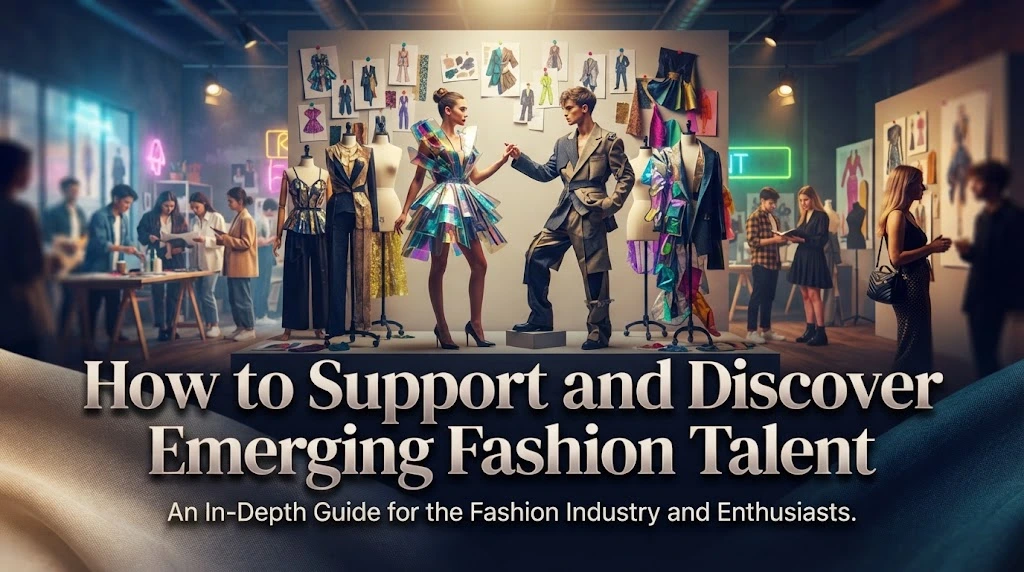
Supporting new designers helps create a more diverse and innovative fashion industry. Many talented creators begin with small collections, independent projects, or online platforms.
Consumers, fashion professionals, and communities can help emerging designers grow.
Follow Independent Designers
Social media allows people to discover creators from around the world.
Following emerging designers can provide insight into:
- New trends
- Creative processes
- Behind-the-scenes work
- New fashion movements
Attend Fashion Events
Fashion shows, exhibitions, and creative events provide opportunities to discover new talent.
These events connect:
- Designers
- Buyers
- Stylists
- Photographers
- Fashion enthusiasts
Purchase From Independent Brands
Buying from smaller designers helps support creativity and entrepreneurship.
Independent brands often offer:
- Unique designs
- Limited collections
- Personal storytelling
- Handmade details
Encourage Young Creators
Young designers benefit from:
- Mentorship
- Constructive feedback
- Networking opportunities
- Educational support
A supportive fashion community helps new voices grow.
Final insight: Fashion continues to evolve because new designers bring fresh ideas. Supporting diverse creators helps the industry become more creative, inclusive, and connected to real human experiences.
Conclusion
The story of gay fashion designers is a story of creativity, courage, and the power of personal expression. Throughout fashion history, LGBTQ+ designers have helped shape the way people understand style, identity, and beauty.
Their influence reaches far beyond clothing. They have transformed runways, influenced celebrity fashion, challenged traditional design ideas, and encouraged people around the world to express themselves with confidence.
Great fashion is not only about fabrics, colours, or trends. It is about emotion, storytelling, and connection. Many gay designers have created work that reflects real human experiences, proving that personal perspectives can become powerful sources of creativity.
Today, the fashion industry continues to become more diverse and open. Emerging designers have more opportunities to share their ideas through digital platforms, independent brands, sustainable fashion movements, and global communities.
For aspiring fashion creators, the biggest lesson is simple: develop your skills, stay curious, and create designs that represent your unique viewpoint. The designers who leave a lasting impact are those who bring authenticity, passion, and purpose to their work.
As fashion continues to evolve, the contributions of gay fashion designers will remain an important part of its history and future. Their creativity reminds us that clothing is not just something we wear—it is a way to tell our stories.
Frequently Asked Questions (FAQs)
1. Who are some famous gay fashion designers?
Many talented gay fashion designers have made significant contributions to the fashion industry. Some well-known names include designers such as Gianni Versace, Tom Ford, Alexander McQueen, Jean Paul Gaultier, and Marc Jacobs.
These designers have influenced fashion through:
- Luxury collections
- Innovative designs
- Celebrity collaborations
- Creative storytelling
- New approaches to style
Each designer has developed a unique creative identity and helped shape modern fashion in different ways.
2. How have gay fashion designers influenced modern fashion?
Gay fashion designers have influenced modern fashion by introducing fresh ideas about creativity, identity, and self-expression.
Their contributions include:
- Challenging traditional fashion rules
- Expanding ideas of gender and style
- Creating memorable runway collections
- Influencing celebrity fashion
- Supporting more inclusive designs
Their work has encouraged people to view clothing as a form of personal expression rather than simply a practical necessity.
3. Why is LGBTQ+ representation important in the fashion industry?
LGBTQ+ representation is important because fashion is built on creativity, culture, and different perspectives.
When people from diverse backgrounds participate in fashion, the industry benefits from:
- New creative ideas
- Different design approaches
- More inclusive products
- Better understanding of customers
Representation also inspires future designers by showing that successful careers are possible for people with different experiences and identities.
4. What skills do successful fashion designers need?
Successful fashion designers need a combination of creative and technical abilities.
Important skills include:
- Fashion illustration
- Fabric knowledge
- Sewing and garment construction
- Trend research
- Digital design skills
- Communication
- Business understanding
- Problem-solving
Creative talent is important, but professional success also requires discipline, learning, and practical industry knowledge.
5. Can LGBTQ+ designers create gender-neutral fashion?
Yes, many LGBTQ+ designers and other fashion creators have contributed to the growth of gender-neutral fashion.
Gender-neutral fashion focuses on:
- Personal style instead of traditional categories
- Flexible designs
- Comfortable fits
- Individual expression
This approach allows more people to choose clothing based on what represents them personally.
6. How can someone become a fashion designer?
A person can become a fashion designer by developing creative skills, learning technical methods, and gaining industry experience.
Common steps include:
- Studying fashion design or related subjects
- Learning sewing and pattern-making skills
- Creating a strong portfolio
- Completing internships or practical projects
- Building industry connections
- Developing a personal design identity
Many successful designers continue learning throughout their careers because fashion constantly changes.
7. What is the future of LGBTQ+ fashion designers?
The future looks promising for LGBTQ+ fashion designers as the industry becomes more focused on diversity, sustainability, technology, and personal expression.
Future opportunities may grow in areas such as:
- Independent fashion brands
- Digital fashion
- Sustainable clothing
- Inclusive design
- Online fashion businesses
New technology and global platforms allow designers to reach audiences in ways that were not possible before.