Have you ever looked at a stunning dress on a runway or admired a perfectly tailored jacket and wondered who designed it—and more importantly, how much they earn? It’s a question many aspiring designers ask before investing years in fashion school or launching their own clothing brand.
The truth is that there isn’t one simple answer. A clothes designer’s salary depends on experience, location, employer, specialization, and even how well they build their personal reputation. While some designers earn a modest income during the early years, others make six or even seven figures through luxury fashion houses, successful brands, licensing deals, or celebrity collaborations.
If you’re considering fashion as a career or simply want to understand the earning potential in the industry, this guide covers everything you need to know. You’ll learn what affects a designer’s income, what different career paths pay, and how talented designers steadily increase their earnings over time.
What Is the Average Salary of a Clothes Designer?
The average clothes designer earns anywhere from £35,000 to £70,000 per year, although actual income varies widely depending on experience, employer, and country. Entry-level designers usually start on the lower end, while experienced professionals working for well-known brands can earn significantly more.
Freelancers and independent fashion designers don’t always receive a fixed salary. Instead, their annual income depends on how many clients they attract, the products they sell, and the strength of their brand.
For example:
- Junior fashion designer: £25,000–£40,000
- Mid-level designer: £40,000–£65,000
- Senior designer: £65,000–£100,000+
- Creative director: £120,000–£250,000+
These figures should be viewed as general estimates rather than guaranteed salaries. The fashion industry rewards creativity, experience, and commercial success, so two designers with similar skills can earn vastly different incomes.
Expert Tip: Focus on developing a strong portfolio before worrying about salary. Employers often value proven design ability more than academic qualifications alone.
What Factors Affect How Much a Clothes Designer Makes a Year?
No two fashion careers follow the same path. Several important factors determine how much money a clothes designer earns annually.
Experience
Experience is one of the biggest salary drivers. Designers typically earn more as they build technical skills, understand market trends, and successfully launch collections.
Location
Designers working in major fashion capitals often receive higher salaries because luxury brands, global retailers, and fashion houses are concentrated there.
Popular fashion hubs include:
- New York
- London
- Paris
- Milan
- Los Angeles
Although salaries may be higher in these cities, the cost of living is also significantly greater.
Employer
Large international brands usually offer better salaries, health benefits, bonuses, and career progression than small boutiques or startup labels.
Specialization
Not every designer works on the same type of clothing. Some specialize in:
- Luxury fashion
- Sportswear
- Children’s clothing
- Bridal wear
- Streetwear
- Sustainable fashion
- Technical apparel
Certain specialties, especially luxury and performance apparel, often command higher salaries due to greater demand and complexity.
Reputation
In fashion, reputation has enormous value. Designers who consistently create successful collections or gain media attention often receive better job offers and higher-paying opportunities.
Entry-Level Clothes Designer Salary
Most designers don’t begin their careers with glamorous runway shows or celebrity clients. They usually start by assisting senior designers, creating technical drawings, researching trends, or helping develop seasonal collections.
An entry-level clothes designer typically earns between £25,000 and £40,000 annually, depending on the employer and location.
Early responsibilities often include:
- Creating design sketches
- Preparing mood boards
- Researching fabrics
- Assisting with fittings
- Updating technical specifications
- Communicating with manufacturers
Although starting salaries may seem modest, these first few years provide valuable industry experience that leads to much better earning opportunities later.
A designer who spends three to five years learning from experienced professionals often becomes far more valuable to employers than someone who changes jobs frequently without building practical skills.
Common Mistake: Many beginners focus only on artistic talent. In reality, understanding garment construction, production processes, and commercial fashion is equally important.
How Much Do Experienced Fashion Designers Earn?
As designers gain experience, their earning potential grows considerably. Employers value professionals who can develop collections that appeal to customers while meeting production budgets and deadlines.
A designer with five to ten years of experience may earn anywhere from £60,000 to well over £100,000 annually, especially when working for established fashion companies.
Senior designers often take on responsibilities such as:
- Leading design teams
- Planning seasonal collections
- Selecting fabrics and trims
- Working with suppliers
- Presenting concepts to executives
- Managing production timelines
These roles require more than creativity. Successful senior designers combine artistic vision with business awareness, trend forecasting, and leadership skills.
Many experienced designers also negotiate performance bonuses based on successful product launches or strong sales.
Expert Insight: The designers who consistently increase their salaries aren’t always the most artistic—they’re often the ones who understand what customers actually want to buy.
Which Countries Pay Clothes Designers the Highest Salaries?
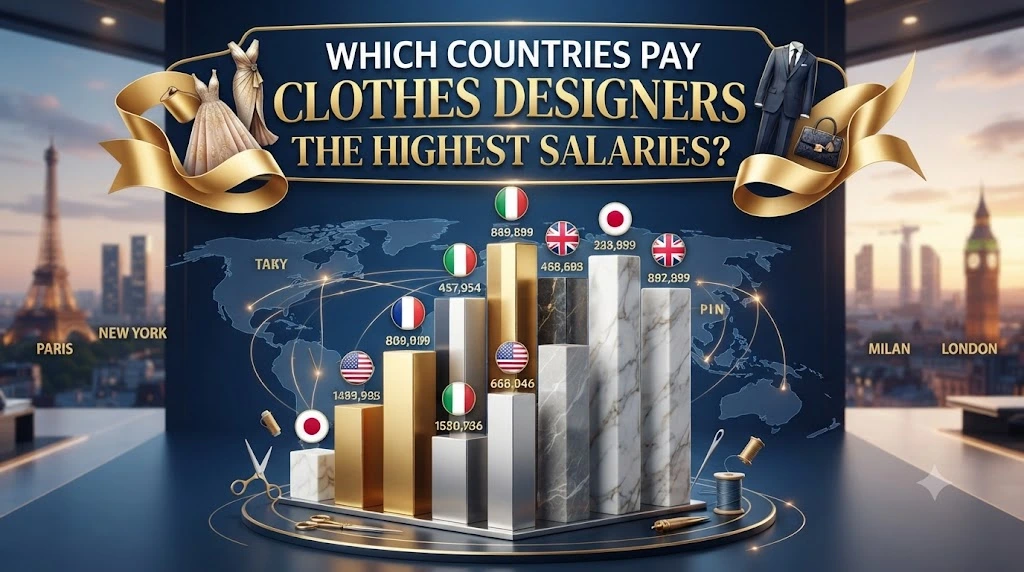
Where you work has a major impact on your annual income. Countries with thriving fashion industries generally offer higher salaries because they attract luxury brands, international retailers, and premium consumers.
Here is a general comparison of earning potential:
CountryTypical Salary PotentialCareer OpportunitiesUnited StatesVery HighLuxury brands, sportswear, retail giantsUnited KingdomHighLuxury fashion, heritage brands, designer labelsFranceHighHaute couture, luxury housesItalyHighPremium fashion and luxury manufacturingCanadaModerate to HighApparel companies and growing fashion marketAustraliaModerateLifestyle and resort fashionGermanyModerateTechnical apparel and commercial fashionUnited Arab EmiratesHighLuxury retail and international fashion brands
It’s important to remember that a higher salary doesn’t always mean greater financial comfort. Living expenses, taxes, and housing costs differ dramatically between countries.
Some designers intentionally choose smaller cities where salaries are slightly lower but living costs allow them to save more money each year.
Recommendation: If your long-term goal is to maximise earnings, consider gaining experience in your home country before applying to major fashion capitals. Employers often prefer candidates with practical industry experience over graduates with little real-world exposure.
Do Freelance Clothes Designers Make More Money?
Freelancing offers a different path from working for a fashion company. Instead of receiving a fixed salary, freelance clothes designers earn money from projects, consulting, pattern development, custom garments, and long-term contracts with brands.
Some freelancers earn less than £30,000 a year, especially when they’re just starting. Others build a strong client base and earn £80,000 to £150,000 or more annually. The biggest advantage is that there is no salary cap. Your income grows as your reputation, network, and client list expand.
Common ways freelance designers earn money include:
- Designing collections for fashion brands
- Creating technical packs for manufacturers
- Offering fashion illustration services
- Developing custom clothing for private clients
- Consulting for startup clothing brands
- Selling digital fashion templates and patterns
However, freelancing also comes with responsibilities that employees don’t always face. You’ll need to find clients, negotiate contracts, manage invoices, and market your services.
Expert Tip: Many successful freelancers combine multiple income streams instead of relying on a single client. This creates more financial stability throughout the year.
Salary Comparison: Luxury Fashion Brands vs Fast Fashion Companies
The type of company you work for can significantly affect your annual earnings.
Luxury fashion houses typically pay experienced designers more because they focus on premium craftsmanship, exclusive collections, and high-end materials. Designers often spend months perfecting a single collection.
Fast fashion companies, on the other hand, prioritise speed. Designers must react quickly to trends and produce collections in a much shorter timeframe. While salaries can still be competitive, the work environment is usually faster and more demanding.
Here’s a general comparison:
Employer TypeTypical Salary RangeWork StyleLuxury fashion houses£50,000–£150,000+High-quality craftsmanship, seasonal collectionsPremium designer brands£45,000–£100,000Creative with commercial focusHigh-street retailers£35,000–£70,000Trend-driven, fast productionFast fashion companies£35,000–£80,000High volume and quick turnaroundIndependent labelsHighly variableDepends on company growth and sales
Salary isn’t the only factor to consider. Work-life balance, creative freedom, career growth, and company culture also play important roles when choosing an employer.
Common Mistake: Many graduates chase famous brand names without considering whether the role offers real opportunities to develop their skills.
How Experience Changes a Clothes Designer’s Income Over Time
Fashion careers rarely follow a straight line. Income usually grows in stages as designers gain technical expertise, industry connections, and leadership experience.
A typical career progression may look like this:
- 0–2 years: Learn design software, garment construction, and production processes.
- 3–5 years: Take ownership of product categories and contribute to seasonal collections.
- 6–10 years: Lead projects, mentor junior designers, and influence brand direction.
- 10+ years: Move into senior management, creative leadership, or launch an independent label.
Each stage brings new responsibilities, which naturally increase earning potential.
For example, a junior designer may spend most of the day creating sketches and preparing specifications. A senior designer is more likely to attend strategy meetings, approve collections, and collaborate with marketing and merchandising teams.
Expert Insight: Consistent skill development often has a greater impact on long-term earnings than changing employers every year.
Can Clothes Designers Earn More by Starting Their Own Brand?
For many designers, launching a personal fashion label is the ultimate dream. It also has the potential to generate the highest income—but it carries the greatest financial risk.
Unlike salaried employees, brand owners don’t earn a guaranteed annual income. Their earnings depend on factors such as:
- Product demand
- Profit margins
- Marketing strategy
- Customer loyalty
- Manufacturing costs
- Online sales
- Wholesale partnerships
Some independent designers earn only a few thousand pounds during their first year. Others build successful businesses that generate hundreds of thousands—or even millions—of pounds in annual revenue.
Starting your own brand also opens the door to additional income sources, including:
- Licensing agreements
- Collaborations with retailers
- Fashion accessories
- Footwear collections
- Online courses
- Speaking engagements
Building a profitable fashion brand usually takes patience. Success rarely happens overnight, but designers who combine creativity with smart business decisions often achieve the strongest financial results.
Recommendation: Before launching a brand, gain experience in the industry. Understanding sourcing, production, pricing, and customer behaviour will help you avoid expensive mistakes.
What Skills Help Clothes Designers Earn Higher Salaries?
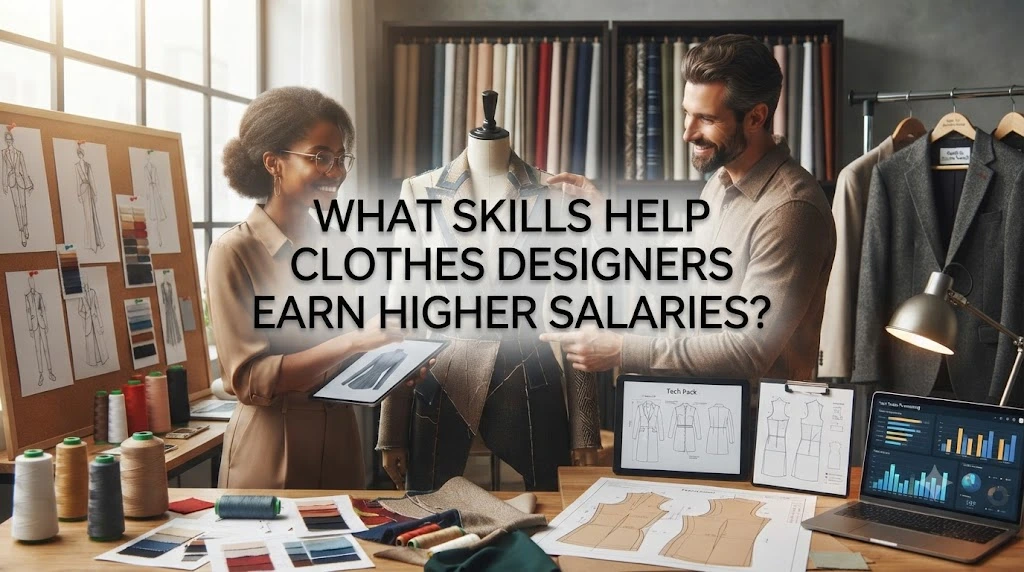
Creativity alone isn’t enough to maximise your income in today’s fashion industry. Employers and clients increasingly look for designers who combine artistic talent with technical expertise and business awareness.
The most valuable skills include:
- Fashion illustration
- Pattern making
- Garment construction
- Textile knowledge
- Trend forecasting
- Adobe Illustrator
- Adobe Photoshop
- CLO 3D and digital fashion design
- Technical pack creation
- Product development
- Communication and teamwork
- Time management
- Commercial thinking
Designers who understand both the creative and commercial sides of fashion are often promoted more quickly and trusted with larger collections.
Another growing advantage is sustainability knowledge. Brands are actively hiring designers who understand ethical sourcing, eco-friendly fabrics, and circular fashion practices. As consumers become more environmentally conscious, these skills can make candidates stand out in a competitive job market.
Expert Tip: Invest in learning digital design tools and emerging technologies. Fashion companies increasingly value designers who can create virtual samples, reducing production costs and speeding up the design process.
What Is the Highest Salary a Clothes Designer Can Earn?
The highest-paid clothes designers don’t simply earn a salary—they build careers that generate income from multiple sources. While experienced designers at luxury fashion houses can earn £150,000 to £300,000+ per year, creative directors and globally recognised designers often earn much more through bonuses, licensing agreements, profit sharing, and business ventures.
Several factors separate top earners from average designers:
- They have years of industry experience.
- They understand both fashion and business.
- They create collections that sell consistently.
- They build strong professional networks.
- They develop a recognizable design style.
For example, a creative director overseeing multiple product lines has a much greater impact on a company’s success than a junior designer creating sketches. That added responsibility is reflected in significantly higher compensation.
It’s also worth remembering that many famous fashion designers generate wealth through their own brands rather than a traditional salary. Their income may come from clothing, accessories, fragrances, collaborations, and licensing deals.
Expert Tip: If your goal is to reach the highest income bracket, develop leadership skills alongside your creative abilities. Managing people and making commercial decisions often lead to executive-level positions.
How Can a Clothes Designer Increase Their Annual Income?
Increasing your earnings isn’t only about waiting for promotions. Successful designers actively create opportunities throughout their careers.
Here are practical ways to boost your income:
- Build an impressive design portfolio.
- Learn advanced fashion software.
- Stay updated with industry trends.
- Develop strong communication skills.
- Network with buyers, manufacturers, and recruiters.
- Specialize in a high-demand niche.
- Take on freelance projects alongside your full-time role.
- Attend fashion events and trade shows.
- Keep learning through workshops and certifications.
Another effective strategy is to understand the business side of fashion. Designers who know how pricing, production costs, merchandising, and customer demand work often contribute more to a company’s success, making them valuable employees.
Common Mistake: Waiting for employers to notice your work. Instead, regularly update your portfolio, document successful projects, and confidently showcase your achievements during performance reviews or job interviews.
Is Fashion Design a Good Career for Making Money?
Fashion design can provide an excellent income, but it’s not a guaranteed path to wealth. Like many creative careers, financial success depends on your skills, persistence, adaptability, and willingness to keep learning.
Some people enter fashion because they love creating beautiful clothing. Others are attracted by the opportunity to work with well-known brands or eventually launch their own labels. Both goals are achievable, but they require dedication.
The career offers several advantages:
- Creative and rewarding work.
- Opportunities to travel.
- Diverse career paths.
- Growing demand for digital design skills.
- Potential to become self-employed.
- Unlimited earning potential for entrepreneurs.
At the same time, the industry can be competitive. Meeting deadlines, responding to changing trends, and handling production challenges are part of everyday life.
If you enjoy problem-solving, creativity, and continuous learning, fashion design can be both personally fulfilling and financially rewarding.
Common Salary Myths About Clothes Designers
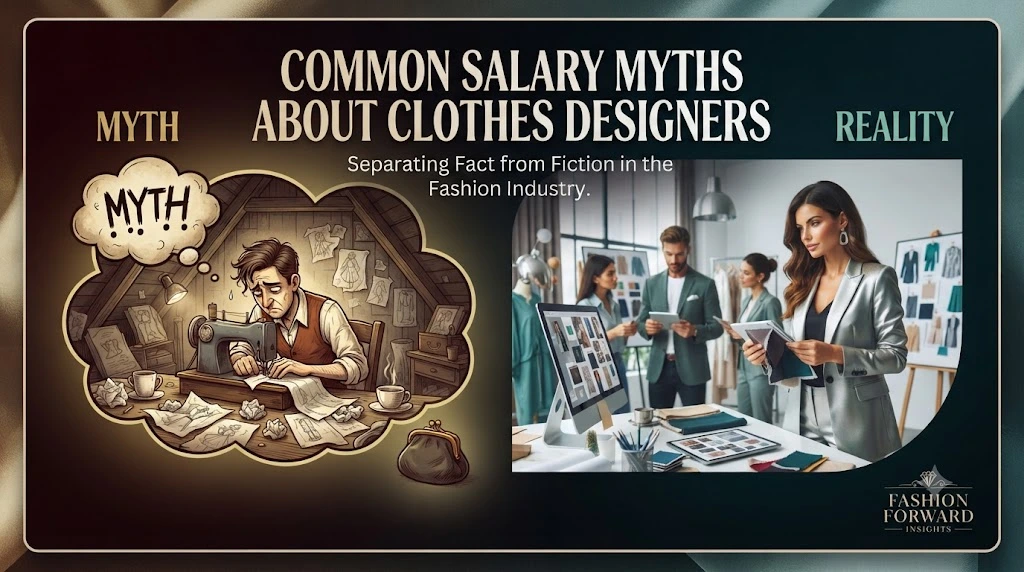
Many misconceptions create unrealistic expectations about designer salaries. Understanding the facts helps you make informed career decisions.
Myth 1: Every fashion designer becomes wealthy.
Reality: Most designers build their income gradually over several years. High salaries are usually earned through experience and proven success.
Myth 2: Fashion school guarantees a high salary.
Reality: Education is valuable, but employers also look for portfolios, technical skills, internships, and practical experience.
Myth 3: Only luxury fashion pays well.
Reality: Sportswear, technical apparel, outdoor clothing, and performance fashion can also offer excellent salaries.
Myth 4: Freelancers always earn more.
Reality: Freelance income can be higher, but it is also less predictable. Success depends on maintaining a steady stream of clients.
Myth 5: Creativity is all that matters.
Reality: Employers also value teamwork, communication, organisation, commercial awareness, and problem-solving.
Understanding these realities can help you set realistic goals and build a sustainable career.
Conclusion
The answer depends on where you work, how much experience you have, and the career path you choose. An entry-level clothes designer may earn around £25,000 to £40,000 per year, while experienced professionals can earn £70,000 to £100,000 or more. Designers in senior leadership roles or those running successful fashion brands may earn well into six figures.
The most successful designers don’t rely solely on talent. They combine creativity with technical knowledge, business skills, networking, and a willingness to adapt to an ever-changing industry. Whether you dream of working for an international fashion house or launching your own clothing label, investing in your skills and building a strong reputation will have the greatest impact on your long-term earning potential.
Ultimately, fashion design is a career where passion and persistence can translate into meaningful financial rewards. While the journey may begin with a modest salary, consistent growth, smart career choices, and continuous learning can open the door to impressive earning opportunities.
Frequently Asked Questions
1. How much does a clothes designer make a year as a beginner?
Most beginner clothes designers earn between £25,000 and £40,000 per year, depending on their location, employer, education, and internship experience.
2. Can fashion designers earn over £100,000 a year?
Yes. Senior designers, creative directors, and successful business owners can earn well above £100,000 annually, particularly when working for luxury brands or operating profitable fashion businesses.
3. Do freelance clothes designers make more money than employees?
Some do, but income varies widely. Freelancers have the potential to earn more because they can work with multiple clients, although their income is generally less predictable than a salaried position.
4. Which country pays clothes designers the most?
The United States, United Kingdom, France, and Italy are among the countries offering the highest salaries due to their strong fashion industries and concentration of global brands.
5. What qualifications do I need to become a clothes designer?
Many employers prefer candidates with a degree or diploma in fashion design, but a strong portfolio, technical skills, internships, and practical experience are often just as important as formal education.
6. Which fashion design skills increase salary the fastest?
Skills such as digital fashion design, CLO 3D, Adobe Illustrator, technical pack creation, trend forecasting, sustainable design, and product development can improve your earning potential and career progression.
7. Is fashion design a stable long-term career?
Fashion design can be a stable and rewarding career for professionals who continue learning, adapt to changing consumer trends, and develop both creative and commercial skills. Those who build strong portfolios and industry relationships generally enjoy the best long-term opportunities..