Fashion is much more than stylish clothes or the latest runway trends. It is a way people express who they are without saying a single word. If you’ve ever watched a fashion show, admired a designer’s collection, or found yourself analyzing someone’s outfit instead of the event itself, you may have wondered whether fashion could become more than just a hobby.
The good news is that the fashion industry is more open than ever. You no longer need to grow up in a fashion capital or attend an expensive design school to build a successful career. Today, talented people are finding opportunities through social media, online courses, internships, digital portfolios, and personal branding. What matters most is your willingness to learn, practice, and stay curious.
Still, breaking into fashion isn’t always easy. The industry is competitive, fast-moving, and constantly changing. Trends come and go, technology continues to reshape the business, and employers look for people who combine creativity with practical skills. Knowing where to begin can feel overwhelming.
This guide will show you exactly how to get into fashion, whether your dream is to become a designer, stylist, buyer, fashion marketer, content creator, photographer, or entrepreneur. You’ll learn practical steps, avoid common mistakes, and discover what professionals wish they had known when they first started.
Why Choose a Career in Fashion?
Fashion is one of the few industries where creativity meets business. Every outfit sold in a store represents the work of designers, merchandisers, marketers, photographers, stylists, manufacturers, and retail experts working together.
Choosing fashion as a career offers more than the chance to work with beautiful clothing. It allows you to influence trends, help people feel confident, and contribute to a global industry worth hundreds of billions of dollars.
Some of the biggest benefits include:
- Opportunities in creative and business roles
- Global career possibilities
- Constant learning and innovation
- Flexible career paths, including freelancing
- The ability to build your own fashion brand
Many people assume fashion is only for designers. In reality, thousands of careers support the industry behind the scenes. If you enjoy creativity, communication, problem-solving, or marketing, there is likely a role that matches your strengths.
Expert Tip: Don’t choose fashion simply because it looks glamorous online. Successful professionals spend years developing their skills, building relationships, and learning the business side of the industry.
Understand the Different Career Paths in Fashion
One of the biggest mistakes beginners make is assuming every fashion professional designs clothing. The industry is much larger than that.
Some popular fashion careers include:
- Fashion Designer – Creates clothing, footwear, and accessories.
- Fashion Stylist – Builds outfits for clients, celebrities, brands, or editorial shoots.
- Fashion Buyer – Selects products that retailers will sell.
- Fashion Merchandiser – Plans inventory and product displays.
- Fashion Marketing Specialist – Promotes brands through campaigns and digital channels.
- Fashion Photographer – Captures products, editorials, and campaigns.
- Fashion Writer or Blogger – Creates articles, reviews, and trend analysis.
- Fashion Illustrator – Produces sketches and visual concepts.
- Pattern Maker – Turns designs into production-ready patterns.
- Textile Designer – Develops fabrics, prints, and materials.
- Fashion Influencer or Content Creator – Builds an audience around style advice and fashion inspiration.
- Retail Manager – Oversees store operations and customer experience.
Before investing in education or certifications, spend time researching these careers. You may discover a role that fits your talents better than fashion design.
For example, someone who loves photography and storytelling might enjoy editorial fashion shoots more than sewing garments. Likewise, someone with strong analytical skills could thrive as a fashion buyer or merchandiser.
Learn the Skills Every Fashion Professional Needs
The most successful people in fashion combine creativity with practical business skills. Talent matters, but consistent learning matters even more.
Some of the most valuable skills include:
Creative Skills
- Color coordination
- Trend forecasting
- Styling
- Sketching
- Fabric knowledge
- Visual storytelling
Technical Skills
- Adobe Illustrator
- Adobe Photoshop
- CLO 3D
- CAD software
- Garment construction
- Pattern making
Business Skills
- Marketing
- Branding
- Social media strategy
- Customer psychology
- Communication
- Time management
- Budget planning
Notice that many of these skills have little to do with drawing dresses. Fashion is both an art and a business, so developing a balanced skill set will make you much more employable.
A practical way to improve is by choosing one new skill every month. For example, spend one month learning color theory, another practicing styling, and the next mastering Adobe Illustrator. Small improvements add up surprisingly fast.
Common Mistake: Waiting until you feel “talented enough” before practicing. Professionals improve because they practice consistently—not because they started with exceptional ability.
Do You Need a Fashion Degree?
This is one of the most common questions beginners ask.
The answer depends on your goals.
A fashion degree can provide structured learning, industry connections, internships, and access to experienced instructors. Many luxury fashion houses still value formal education, especially for technical design positions.
However, plenty of successful professionals have built impressive careers without a traditional degree. Online education, apprenticeships, internships, certifications, and self-directed learning have become more respected than ever.
A degree may be helpful if you want to:
- Become a professional fashion designer
- Work for luxury fashion brands
- Learn advanced garment construction
- Build an industry network during college
You may not need one if you plan to become:
- Fashion content creator
- Personal stylist
- Fashion blogger
- Fashion marketer
- Fashion entrepreneur
- Boutique owner
Instead of focusing only on qualifications, employers increasingly pay attention to your portfolio, practical experience, and ability to solve real problems.
If your budget is limited, start with affordable online courses, build projects, volunteer for local fashion events, and create a portfolio that showcases your growth. Many hiring managers care more about what you can do than where you learned to do it.
Recommendation: Invest in learning continuously. The fashion industry evolves quickly, and professionals who stay updated on trends, sustainability, digital tools, and consumer behavior often have the strongest long-term careers.
Build a Fashion Portfolio That Shows Your Skills
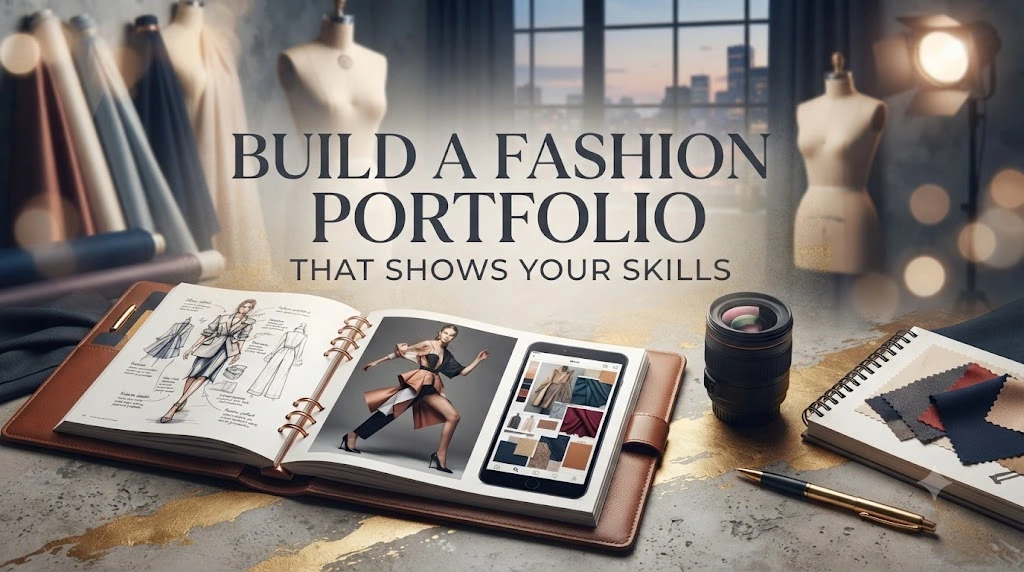
A strong portfolio can open more doors than a resume alone. Whether you want to become a designer, stylist, photographer, or marketer, your work should speak for itself. Employers and clients want proof that you can turn ideas into real results.
Your portfolio doesn’t have to be perfect. It should show your creativity, problem-solving ability, and willingness to improve over time. Even personal projects can demonstrate valuable skills if they are presented professionally.
Depending on your career path, your portfolio might include:
- Original fashion sketches and illustrations
- Styling projects with before-and-after looks
- Mood boards and trend research
- Clothing collections or sewing projects
- Product photography
- Social media campaigns
- Fashion blog articles
- Branding concepts
- Marketing case studies
Quality matters more than quantity. Ten excellent projects create a much stronger impression than fifty average ones.
Expert Tip: Add a short explanation to every project. Describe the goal, your creative process, the challenges you faced, and what you learned. This helps employers understand how you think, not just what you create.
Gain Experience Even If You Have No Industry Connections
One of the biggest myths about fashion is that you need the right contacts before you can get started. While networking helps, experience can come from many different places.
Volunteer to style friends for photoshoots, help local boutiques with visual merchandising, assist photographers during fashion shoots, or offer social media support to small clothing brands. These opportunities help you build confidence while expanding your portfolio.
You can also create your own projects. For example:
- Style outfits using clothes already in your wardrobe.
- Photograph seasonal fashion looks.
- Write trend reports on your blog.
- Create fashion reels for social media.
- Redesign the branding of an imaginary clothing label.
Every project teaches practical skills that employers value.
Common Mistake: Waiting for a “dream opportunity.” Successful professionals often begin with small projects that gradually lead to bigger opportunities.
Learn to Network Without Feeling Uncomfortable
Fashion is a relationship-driven industry. Many opportunities come through recommendations, collaborations, and professional connections rather than traditional job applications.
Networking does not mean asking strangers for jobs. It means building genuine relationships with people who share your interests.
Here are practical ways to grow your network:
- Attend fashion shows and local industry events.
- Join fashion workshops and exhibitions.
- Participate in design competitions.
- Connect with professionals on LinkedIn.
- Follow designers, stylists, photographers, and editors on social media.
- Join online fashion communities.
- Comment thoughtfully on industry discussions.
Instead of saying, “Can you help me get a job?” ask thoughtful questions about their career journey. People are usually more willing to share advice than offer immediate employment.
Networking is about consistency. A few meaningful conversations each month are more valuable than sending hundreds of generic messages.
Expert Tip: After meeting someone, send a short thank-you message within 24 hours. Small gestures help people remember you.
Find Internships and Entry-Level Opportunities
Internships provide one of the fastest ways to understand how the fashion industry works. They allow you to observe experienced professionals, develop technical skills, and build industry connections.
Don’t focus only on famous fashion houses. Smaller brands often provide broader learning opportunities because interns get involved in multiple areas of the business.
Entry-level opportunities include:
- Fashion assistant
- Styling assistant
- Retail associate
- Marketing intern
- Buying assistant
- Social media assistant
- Production assistant
- Visual merchandising assistant
During an internship, pay attention to everything—not just your assigned tasks. Observe how collections are planned, how meetings are conducted, how deadlines are managed, and how creative decisions become finished products.
Employers appreciate interns who stay curious, ask thoughtful questions, and consistently deliver reliable work.
Recommendation: Keep a record of every project you complete. Photos, campaign results, customer feedback, and performance metrics can strengthen your future job applications.
Create Your Personal Brand in the Fashion Industry
In today’s digital world, your personal brand is often your first impression. Before offering interviews or freelance projects, many employers and clients will search your online presence.
Your personal brand should reflect your interests, style, and professional goals. You don’t need thousands of followers to make a positive impact. Consistency and authenticity matter much more.
Ways to build your personal brand include:
- Share your styling ideas.
- Publish outfit inspiration.
- Write thoughtful fashion articles.
- Review runway collections.
- Discuss sustainable fashion.
- Showcase behind-the-scenes projects.
- Share your learning journey.
Avoid copying influencers or designers too closely. Develop your own perspective instead.
For example, if you enjoy affordable fashion, focus on helping readers create stylish outfits on a realistic budget. If luxury fashion inspires you, analyze craftsmanship, tailoring, and timeless design rather than simply posting expensive products.
Common Mistake: Trying to appeal to everyone. A clear niche helps people remember you and makes your content more valuable.
Your online profiles should also remain professional. Use a clear photo, write a concise bio, and organize your portfolio so visitors can quickly understand your skills and interests.
Stay Updated With Fashion Trends Without Chasing Every Trend

Fashion changes quickly, but successful professionals know the difference between following trends and understanding them. Instead of copying every popular style, learn why certain colors, fabrics, and silhouettes become popular. This deeper understanding helps you make better creative decisions.
Spend time observing how trends develop across runway collections, street style, retail stores, and social media. Notice recurring themes rather than focusing on individual outfits. For example, if several brands introduce oversized tailoring or earthy color palettes in the same season, it often signals a broader shift in consumer preferences.
Keeping a fashion journal can also sharpen your eye. Save photos, sketch outfit ideas, and write notes about emerging styles. Over time, you’ll begin spotting patterns before they become mainstream.
Useful habits include:
- Follow fashion weeks and seasonal collections.
- Read fashion magazines and industry publications.
- Visit clothing stores to study displays.
- Observe what people wear in everyday life.
- Explore vintage fashion for timeless inspiration.
Expert Tip: Don’t copy trends exactly as you see them. Adapt them to your personal style or the audience you’re designing for. Original thinking always stands out.
Master the Basics of Fashion Styling
Great style isn’t about owning expensive clothes. It’s about understanding balance, proportion, color, texture, and personality. Whether you want to become a professional stylist or simply improve your fashion knowledge, mastering these basics will give you a strong foundation.
Start by learning how different clothing shapes work on different body types. A well-balanced outfit highlights strengths and creates harmony rather than following every trend blindly.
Pay attention to:
- Color combinations
- Fabric textures
- Layering techniques
- Accessories
- Footwear coordination
- Seasonal dressing
- Proper fit and tailoring
A simple outfit can look luxurious when it fits well and is thoughtfully styled. On the other hand, even designer clothing can look unpolished if the proportions are off.
Practice by creating multiple outfits from a small wardrobe. Challenge yourself to style one blazer, one pair of jeans, or one dress in several different ways. This exercise improves creativity while teaching versatility.
Common Mistake: Buying trendy pieces without considering how they work with the rest of your wardrobe. Building cohesive outfits is far more important than collecting individual statement pieces.
Develop Business and Marketing Skills
Fashion may begin with creativity, but long-term success depends on understanding business. Designers need customers. Stylists need clients. Influencers need engaged audiences. Every successful fashion professional benefits from strong marketing knowledge.
Learn how brands communicate with customers and build loyalty. Study why certain campaigns become memorable while others quickly disappear. Pay attention to storytelling, photography, pricing, and customer experience.
Important business skills include:
- Branding
- Digital marketing
- Content creation
- Email marketing
- Customer service
- Sales psychology
- Budget management
- Market research
Imagine launching a clothing collection with beautiful designs but no marketing plan. Without visibility, even outstanding products may struggle to sell. That’s why creative talent and business knowledge should grow together.
If you’re interested in entrepreneurship, spend time learning about inventory management, supplier relationships, profit margins, and pricing strategies. These practical skills can prevent costly mistakes later.
Expert Tip: Treat yourself like a brand from the beginning. Every project, social media post, portfolio update, and networking conversation contributes to your professional reputation.
Use Social Media to Build Your Fashion Career
Social media has transformed the fashion industry. Today, designers, stylists, photographers, and fashion educators can reach global audiences without waiting for traditional gatekeepers.
The goal isn’t to become famous overnight. Instead, focus on creating useful, consistent content that reflects your expertise and personality.
Ideas for valuable content include:
- Outfit styling tips
- Behind-the-scenes projects
- Fashion trend analysis
- Wardrobe organization advice
- Sustainable fashion ideas
- Before-and-after styling transformations
- Fashion photography sessions
- Fabric education
- Personal learning experiences
Consistency matters more than perfection. Posting high-quality content regularly helps people understand your style and expertise over time.
Engage with your audience by answering questions, responding to comments, and participating in conversations within the fashion community. Genuine interaction builds trust much faster than constantly promoting yourself.
Recommendation: Choose one or two platforms you enjoy instead of trying to be active everywhere. Consistent, thoughtful content on a few platforms is usually more effective than inconsistent posting across many.
Common Mistakes Beginners Should Avoid
Everyone makes mistakes while starting a fashion career, but learning from them early can save time, money, and frustration.
One common mistake is comparing yourself to professionals with years of experience. Social media often shows polished results while hiding the years of practice behind them.
Other mistakes include:
- Chasing every fashion trend.
- Ignoring business skills.
- Waiting for perfect conditions.
- Neglecting networking.
- Building a weak portfolio.
- Copying other creators.
- Giving up after early rejection.
- Avoiding constructive feedback.
- Overlooking customer needs.
Remember that rejection is part of nearly every successful career. A missed internship, an unsuccessful portfolio review, or a declined collaboration doesn’t define your future. Instead, treat every setback as feedback that helps you improve.
Successful professionals continue learning throughout their careers. They stay curious, adapt to industry changes, and consistently refine their skills. That mindset is often more valuable than natural talent alone.
Expert Tip: Set realistic goals for yourself. Instead of aiming to become a well-known designer within a year, focus on completing meaningful projects, expanding your network, and improving one skill at a time. Small, consistent progress creates lasting success.
Remember that every expert once started as a beginner. The difference is that they kept learning, building, experimenting, and improving even when progress felt slow. Instead of waiting until everything feels perfect, begin with the resources you already have. Build a portfolio, gain hands-on experience, develop meaningful professional relationships, and stay curious about the changing world of fashion.
How to Start Your Own Fashion Brand
Many people enter fashion with the dream of launching their own clothing label. While it can be incredibly rewarding, building a successful brand requires much more than designing attractive products. You need a clear vision, a defined audience, and a solid business strategy.
Start by identifying what makes your brand different. Maybe you want to create sustainable everyday clothing, size-inclusive activewear, luxury evening wear, or affordable streetwear. A clear niche helps customers understand your brand and remember it.
Before investing in large production runs, test your ideas on a smaller scale. You can create sample pieces, collect feedback from potential customers, and refine your products based on real opinions.
Key steps to launch a fashion brand include:
- Define your target audience.
- Research competitors.
- Create a memorable brand identity.
- Develop high-quality products.
- Find reliable suppliers.
- Build an online store.
- Create a marketing strategy.
- Gather customer feedback.
- Improve continuously.
Your first collection doesn’t have to include dozens of products. Many successful brands started with one signature item that solved a specific problem for customers.
Expert Tip: Focus on quality, consistency, and customer experience. Happy customers often become your best marketers through recommendations and repeat purchases.
Your Step-by-Step Action Plan to Get Into Fashion
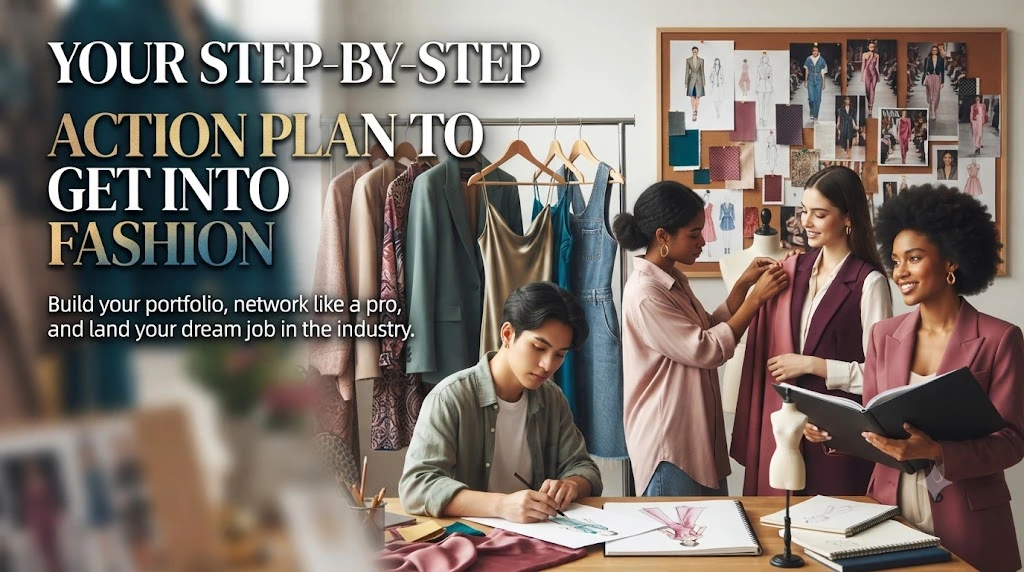
By now, you’ve learned that there isn’t one perfect path into the fashion industry. Every successful professional has a unique journey, but they all share one thing in common—they took action instead of waiting for the perfect opportunity.
If you’re wondering where to begin, follow this practical roadmap:
- Decide which fashion career interests you the most.
- Learn the core skills required for that role.
- Practice consistently through personal projects.
- Build a professional portfolio.
- Gain experience through internships, freelance work, or volunteering.
- Network with people in the industry.
- Create a strong personal brand online.
- Stay informed about trends and industry changes.
- Keep improving your technical and business skills.
- Apply for opportunities with confidence.
You don’t need to complete every step overnight. Progress in fashion is built through consistent learning, experimentation, and persistence.
Every photoshoot you assist with, every outfit you style, every article you write, and every connection you make contributes to your growth. Over time, those experiences become the foundation of a rewarding career.
The fashion industry values people who are curious, dependable, adaptable, and willing to improve. If you combine those qualities with strong skills and genuine passion, you’ll be well prepared for long-term success.
Conclusion
Learning how to get into fashion is not about following one fixed formula. It’s about discovering where your talents fit within a diverse and constantly evolving industry. Whether you dream of becoming a designer, stylist, photographer, marketer, buyer, or entrepreneur, success comes from combining creativity with practical experience and continuous learning.
Remember that every expert once started as a beginner. The difference is that they kept learning, building, experimenting, and improving even when progress felt slow. Instead of waiting until everything feels perfect, begin with the resources you already have. Build a portfolio, gain hands-on experience, develop meaningful professional relationships, and stay curious about the changing world of fashion.
Most importantly, stay authentic. Trends will change, technology will evolve, and consumer preferences will shift, but originality, professionalism, and a commitment to quality will always help you stand out. If you approach your fashion journey with patience, discipline, and passion, you’ll be well positioned to create opportunities and build a career that reflects both your creativity and your ambitions.
Frequently Asked Questions
1. Can I get into fashion without a degree?
Yes. Many successful stylists, content creators, marketers, and entrepreneurs entered the fashion industry without a formal degree. A strong portfolio, practical experience, and relevant skills often matter more than academic qualifications.
2. What is the best first job in the fashion industry?
Entry-level roles such as retail associate, styling assistant, fashion marketing assistant, buying assistant, or merchandising assistant provide valuable industry experience and help you build professional connections.
3. How long does it take to build a fashion career?
The timeline varies depending on your goals, skills, and dedication. Some people secure entry-level opportunities within months, while building a well-established reputation may take several years of consistent effort.
4. Which skills are most important for beginners?
Creativity, communication, styling knowledge, trend awareness, time management, digital marketing, and problem-solving are among the most valuable skills for starting a fashion career.
5. Is fashion a good career choice?
Fashion can be an excellent career for people who enjoy creativity, innovation, teamwork, and continuous learning. The industry offers opportunities in design, retail, media, marketing, photography, technology, and entrepreneurship.
6. How can I build a fashion portfolio with no professional experience?
Start with personal projects such as styling outfits, creating mood boards, sketching collections, photographing fashion looks, writing blog posts, or developing branding concepts. These projects demonstrate your creativity and commitment.
7. What is the biggest mistake people make when trying to get into fashion?
One of the biggest mistakes is waiting until they feel “ready.” Successful fashion professionals learn through action. Building skills, seeking feedback, and gaining real-world experience consistently are far more valuable than waiting for the perfect moment.