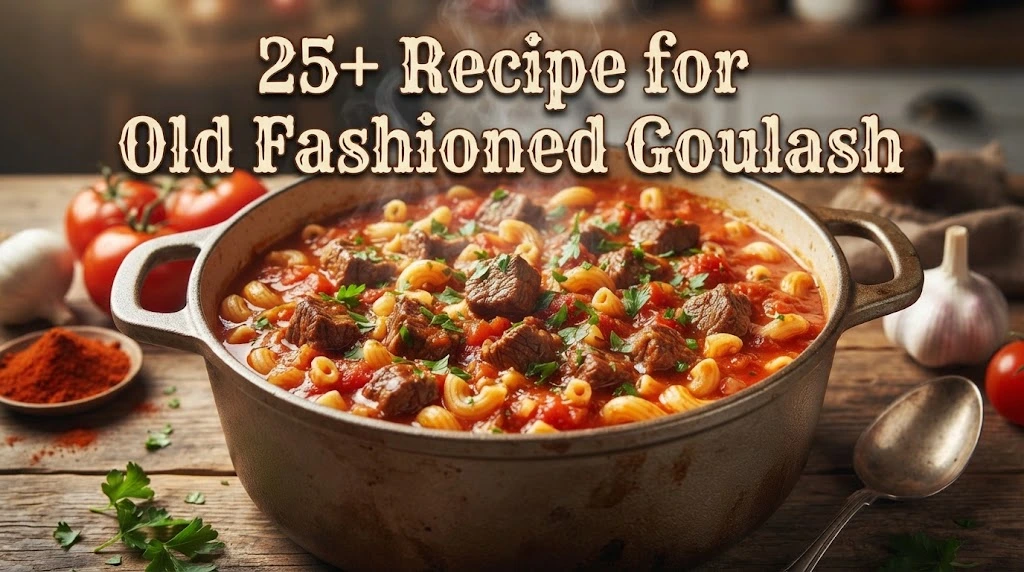
There’s a pot of goulash simmering in my memory that I can still smell if I close my eyes. It’s a Tuesday night, the kitchen windows are fogged up, and my mom is stirring a big pot on the stove while I do homework at the counter three feet away. That smell of ground beef, tomatoes, and garlic bubbling together is what “comfort food” actually means to me, and I’d bet it means something similar to you if you’re here looking for this recipe.
Old fashioned goulash isn’t fancy. It’s not trying to impress anyone. It’s the kind of meal that shows up on a busy weeknight, feeds a hungry family for under fifteen dollars, and somehow tastes even better the next day as leftovers. If your goal is a rich, hearty, one-pot dinner that tastes like it came from your grandmother’s stove, you’re in the right place.
What Old Fashioned Goulash Actually Is
Old fashioned goulash, sometimes called American goulash or Midwest goulash, is a one-pot dish made with ground beef, elbow macaroni, tomatoes, and a blend of savory seasonings simmered together until everything is tender and the flavors meld into one another.
This is different from Hungarian goulash, which is a beef stew flavored heavily with paprika and usually served over noodles or with bread, not mixed together with pasta in the same pot. American goulash grew out of immigrant kitchens in the 19th and 20th centuries, evolving into a simpler, budget-friendly dish that used what was available: ground beef instead of stew meat, canned tomatoes, and pasta as a filling, inexpensive base.
If you grew up eating this in the Midwest, you might know it as “American chop suey,” “slumgullion,” or just “goulash” without any qualifier. All of these usually point to the same basic dish with small regional twists.
Ingredients You Need for Old Fashioned Goulash
This recipe uses pantry staples, which is part of why it’s stayed a weeknight favorite for generations.
- 2 pounds ground beef (80/20 works best for flavor)
- 1 large yellow onion, diced
- 3 cloves garlic, minced
- 2 cans (15 oz each) tomato sauce
- 1 can (14.5 oz) diced tomatoes
- 2 cups beef broth
- 2 tablespoons Worcestershire sauce
- 2 teaspoons Italian seasoning
- 1 teaspoon paprika
- 1 bay leaf
- 2 cups elbow macaroni, uncooked
- Salt and black pepper to taste
- Shredded cheddar cheese, for topping (optional)
You’ll notice this recipe doesn’t call for exotic ingredients. That’s intentional. Old fashioned goulash was built to feed a family without a special trip to the grocery store, and the best versions still follow that same principle today.
Step-by-Step Old Fashioned Goulash Recipe
Follow this order closely. Goulash is forgiving, but cooking the pasta directly in the sauce (rather than separately) is what gives it that classic, thick, all-in-one texture.
- Brown the beef. In a large Dutch oven or heavy pot, cook the ground beef over medium-high heat, breaking it apart as it browns. Drain excess grease, leaving about a tablespoon in the pot for flavor.
- Sauté the onion and garlic. Add the diced onion to the pot and cook for 4 to 5 minutes until soft. Stir in the garlic and cook for another 30 seconds, just until fragrant.
- Add the tomatoes and broth. Pour in the tomato sauce, diced tomatoes, and beef broth. Stir well to combine everything with the beef.
- Season the pot. Add the Worcestershire sauce, Italian seasoning, paprika, bay leaf, salt, and pepper. Stir and bring the mixture to a gentle boil.
- Add the pasta. Stir in the uncooked elbow macaroni directly into the pot. This lets the noodles absorb flavor as they cook instead of tasting bland.
- Simmer, covered. Reduce the heat to low, cover the pot, and let everything simmer for 15 to 18 minutes, stirring occasionally so the pasta doesn’t stick to the bottom.
- Check the pasta and adjust. Once the macaroni is tender, remove the bay leaf and taste. Add more salt, pepper, or a splash of broth if the sauce feels too thick.
- Rest for 5 minutes before serving. The sauce thickens slightly as it sits, so give it a few minutes off the heat before you serve it.
The Secret to a Rich, Flavorful Goulash Sauce
A lot of goulash recipes taste flat, and it usually comes down to one missing step: building flavor in layers instead of dumping everything in at once.
Browning the beef properly matters more than people think. Let it develop a little color before you break it apart too much, since those browned bits at the bottom of the pot (what chefs call fond) add real depth to the sauce.
Expert tip: Add a tablespoon of tomato paste along with your tomato sauce. It deepens the color and adds a subtle sweetness that balances out the acidity of canned tomatoes.
Worcestershire sauce is doing more work in this recipe than most people realize. It adds a savory, umami backbone that plain salt can’t replicate, so don’t skip it even if you don’t have it on hand often. A splash of soy sauce works as a decent substitute in a pinch.
Best Ground Beef and Meat Options for Goulash
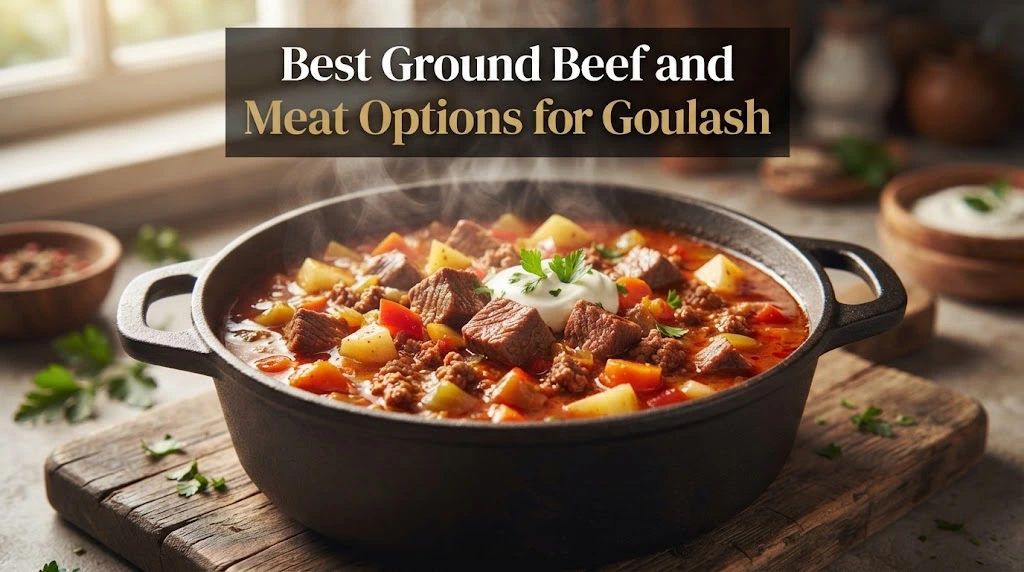
Ground beef is the traditional choice, but the specific type you use changes the final texture and richness of the dish.
- 80/20 ground beef gives the best balance of flavor and moisture. The extra fat renders into the sauce and adds richness.
- 90/10 lean ground beef works if you’re watching fat content, though the sauce will taste slightly less rich unless you add a touch of butter or olive oil.
- Ground turkey is a lighter substitute that still holds up well, especially with extra seasoning to compensate for its milder flavor.
- Ground venison or bison are traditional in some rural and Midwest households, offering a deeper, slightly gamey flavor.
Whatever you choose, always drain excess grease after browning. Too much fat left in the pot makes the finished sauce greasy instead of rich.
Common Mistakes That Ruin Old Fashioned Goulash
Most goulash disasters trace back to a small handful of avoidable errors.
- Cooking the pasta separately and adding it at the end, which skips the flavor absorption that makes goulash taste like goulash instead of beef and noodles.
- Not draining the beef fat, leaving the sauce greasy and heavy instead of rich and balanced.
- Boiling instead of simmering, which can scorch the pasta on the bottom of the pot and break down the noodles too much.
- Skipping the tomato paste, resulting in a thinner, less developed sauce.
- Overcooking the pasta, since elbow macaroni continues to soften even after you turn off the heat.
- Under-seasoning, especially forgetting salt, since canned tomatoes and broth alone don’t provide enough seasoning on their own.
If your goulash has ever tasted watery, greasy, or bland, one of these six mistakes was almost certainly the reason.
American Goulash vs. Hungarian Goulash: What’s the Difference
These two dishes share a name and very little else, and the confusion trips up a lot of home cooks searching for a recipe online.
Hungarian goulash (gulyás) is a beef stew built around generous amounts of sweet paprika, slow-cooked beef chunks, and often potatoes or dumplings, served as a soup or stew rather than mixed with pasta.
American goulash, the version this article covers, uses ground beef instead of stew meat, cooks much faster, and mixes elbow macaroni directly into the tomato-based sauce for a thick, one-pot meal.
If a recipe calls for stew meat, sweet paprika as the dominant spice, and hours of slow cooking, that’s Hungarian goulash. If it calls for ground beef, canned tomatoes, and elbow macaroni cooked in under 30 minutes, that’s the old fashioned American version most people are actually searching for.
Stovetop, Slow Cooker, or Instant Pot: Which Method Works Best
All three methods work, but they each change the texture slightly.
Stovetop is the traditional method and gives you the most control over pasta texture, since you can check doneness easily and adjust as you go. It’s also the fastest, typically done start to finish in about 35 minutes.
Slow cooker works well if you brown the beef first, then transfer everything except the pasta into the slow cooker for 4 to 6 hours on low. Add the uncooked macaroni during the last 20 to 30 minutes so it doesn’t turn mushy from hours of sitting in liquid.
Instant Pot is the fastest hands-off option. Brown the beef using the sauté function, add everything except the pasta, pressure cook for 5 minutes, then quick release and stir in the pasta, simmering it on sauté mode for another 8 to 10 minutes until tender.
If you’re new to making goulash, I’d recommend starting with the stovetop method, since it’s the easiest to adjust in real time if something needs more liquid or seasoning.
One thing worth knowing: the Instant Pot method tends to produce a slightly softer pasta texture than the stovetop, since the pressure cooking process starts breaking down the noodles even before the sauté step begins. It’s still delicious, just not quite as firm-textured if you prefer your macaroni with more bite.
How to Tell When Goulash Is Done
The beef should already be fully cooked before the pasta goes in, so doneness really comes down to the macaroni and the sauce consistency.
Taste a piece of pasta around the 15-minute mark. It should be tender with just a slight bite, similar to al dente pasta, since it will continue softening as the dish rests. The sauce should coat the back of a spoon without being watery or overly thick like paste.
Expert tip: If the sauce looks too thin once the pasta is cooked, let it simmer uncovered for an extra 3 to 5 minutes to reduce slightly. If it looks too thick, stir in a splash of beef broth.
Can You Make Goulash Ahead of Time

Goulash is one of those rare dishes that often tastes better the next day, once the flavors have had time to fully meld together in the refrigerator.
You can make the entire dish up to two days ahead and reheat it gently on the stove or in the microwave. If you’re planning to freeze it, though, slightly undercook the pasta by a minute or two, since it will continue to soften once thawed and reheated.
Practical example: For meal prep, I’ll often make a double batch on Sunday, portion it into individual containers, and have lunch ready for the entire work week without touching the stove again.
Storing and Reheating Leftover Goulash
Proper storage keeps goulash tasting fresh instead of dried out or mushy.
- Refrigerate in an airtight container for up to 4 days.
- Freeze in a freezer-safe container or bag for up to 3 months, leaving a little headspace since the sauce expands slightly as it freezes.
- Reheat on the stovetop over medium-low heat, adding a splash of broth or water to loosen the sauce, which thickens as it sits.
- Reheat in the microwave in 60-second bursts, stirring in between so it heats evenly instead of drying out at the edges.
Avoid reheating goulash at high heat, since it can cause the pasta to break down further and turn the sauce pasty instead of smooth.
Ingredient Substitutions for Dietary Needs
This recipe adapts easily without losing its classic, hearty flavor.
- Gluten-free: Use a gluten-free elbow macaroni and double-check your Worcestershire sauce label, since some brands contain gluten.
- Low-carb: Swap the macaroni for cauliflower rice or a low-carb pasta alternative, added closer to the end since these cook faster than traditional pasta.
- Vegetarian: Replace the ground beef with a plant-based ground meat substitute and swap beef broth for vegetable broth.
- Dairy-free: Simply skip the shredded cheese topping, since the base recipe doesn’t rely on dairy at all.
None of these swaps require major changes to the cooking method. The core technique, building the sauce first and cooking pasta directly in it, stays exactly the same.
What to Serve With Old Fashioned Goulash
Goulash is filling enough to stand on its own, but a few sides round out the meal nicely.
- Garlic bread or a crusty dinner roll for soaking up the extra sauce.
- A simple green salad with a light vinaigrette to balance the richness of the beef and cheese.
- Steamed green beans or roasted broccoli for a vegetable side that doesn’t compete with the main dish’s flavor.
- Shredded cheddar or parmesan sprinkled on top right before serving.
Because this dish is already carb-heavy from the pasta, I’d steer away from serving it alongside another starchy side like mashed potatoes or rice.
If you’re hosting a casual dinner, set out toppings like extra cheese, chopped scallions, and hot sauce so everyone can customize their own bowl. It turns a simple weeknight dinner into something that feels a little more like an event without any extra cooking on your part.
Regional Variations of Old Fashioned Goulash
Different parts of the country have put their own spin on this dish over the decades, even though the core formula stays largely the same.
Midwest-style goulash tends to stick closest to the classic version: ground beef, elbow macaroni, tomato sauce, and simple seasoning, often with a layer of melted cheddar on top.
Southern-style goulash sometimes swaps in diced bell peppers and a touch more sugar to balance the acidity of the tomatoes, giving it a slightly sweeter profile.
Pennsylvania Dutch versions occasionally include a splash of apple cider vinegar for tang, along with a heavier hand on black pepper.
None of these variations are more “authentic” than another. Old fashioned goulash was, and still is, a dish shaped by whatever ingredients a family had access to, which is exactly why it varies so much from kitchen to kitchen.
Expert Tips for Better Goulash Every Time
A few small habits consistently separate a great pot of goulash from an average one.
- Don’t rush the browning step. Give the beef a few extra minutes to develop color before breaking it apart completely.
- Taste and adjust before serving, not after. Once the pasta is fully cooked, it’s harder to fix seasoning without overcooking it further while you stir.
- Add cheese off the heat. Stirring shredded cheese into the pot after removing it from heat prevents the sauce from turning greasy or separating.
- Use a wide, heavy pot. A Dutch oven distributes heat evenly and prevents the pasta from scorching on the bottom, which is a common issue in thin, lightweight pots.
- Make a double batch. Goulash freezes and reheats well, so cooking extra now saves you a night of cooking later.
Troubleshooting: Watery, Bland, or Mushy Goulash
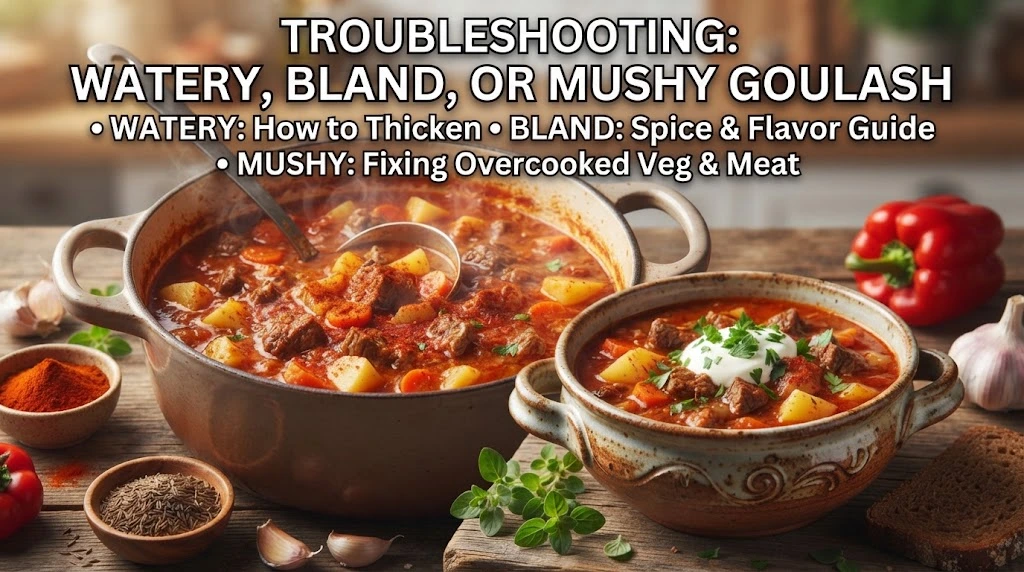
If the sauce turns greasy, excess fat wasn’t drained after browning the beef, or too much cheese was stirred in while the pot was still over direct heat.
Each of these issues connects back to the same basic principles: proper draining, balanced seasoning, and careful attention to simmering time.
Conclusion
Old fashioned goulash earns its place as a family favorite because it’s simple, forgiving, and deeply satisfying without asking much of you. Once you understand the basics, browning the beef properly, building the sauce in layers, and cooking the pasta directly in that sauce, you can adjust the recipe endlessly to fit what’s in your fridge or what your family prefers.
This is the kind of dish that gets better with practice and even better with time, since most people find their own version after making it a handful of times. Whether you’re cooking it for a busy weeknight or stocking your freezer for later, this recipe gives you everything you need to make a pot that tastes like it’s been in your family for generations.
Frequently Asked Questions
What is the difference between goulash and American goulash?
“Goulash” alone often refers to Hungarian goulash, a beef stew flavored with paprika. “American goulash” specifically refers to the ground beef, tomato, and macaroni version common in the United States, which cooks much faster and has a different flavor profile.
Why is my goulash watery?
Too much broth relative to tomato sauce, or not simmering long enough uncovered to reduce the liquid, are the most common causes. Let it simmer a few extra minutes uncovered to thicken.
Can I make goulash in a slow cooker?
Yes. Brown the beef first, then cook everything except the pasta on low for 4 to 6 hours, adding the uncooked macaroni during the final 20 to 30 minutes so it doesn’t turn mushy.
What kind of pasta is used in old fashioned goulash?
Elbow macaroni is the traditional choice, since its shape holds sauce well and cooks evenly within the pot alongside the beef and tomatoes.
Can I freeze old fashioned goulash?
Yes, it freezes well for up to 3 months. Slightly undercook the pasta before freezing, since it will continue softening once thawed and reheated.
Why does my goulash taste bland?
Under-seasoning is the most common issue, along with skipping the Worcestershire sauce and tomato paste, both of which add significant depth of flavor to the sauce.
Is old fashioned goulash the same as American chop suey?
They’re very similar and often used interchangeably, though American chop suey sometimes uses ketchup instead of tomato sauce and can lean slightly sweeter depending on the region.