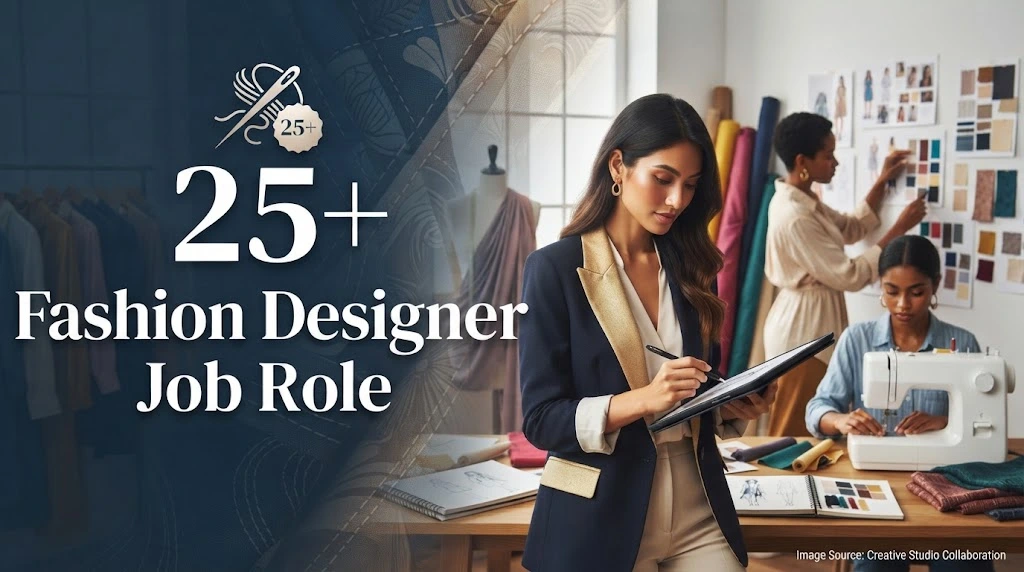
Fashion is more than beautiful clothes on a runway. Every outfit tells a story, reflects a personality, and often captures the mood of an entire generation. Behind those designs is someone who spends countless hours sketching ideas, choosing fabrics, solving creative challenges, and turning imagination into wearable art. That person is a fashion designer.
If you’ve ever admired a stunning dress, a perfectly tailored suit, or even a stylish everyday jacket, you’ve already experienced the work of a fashion designer. But what does the fashion designer job role really involve? Is it only about drawing clothes, or is there much more happening behind the scenes?
The truth is that fashion design is one of the most exciting yet demanding careers in the creative industry. It combines artistic talent with business knowledge, technical skills, and a deep understanding of consumer preferences. From researching trends to collaborating with manufacturers, fashion designers wear many hats every single day.
Whether you’re considering this career, hiring a designer, or simply curious about the profession, this guide will walk you through every important aspect of the role. You’ll discover the daily responsibilities, essential skills, career opportunities, salary expectations, challenges, and practical advice that successful designers use to build lasting careers.
What Is a Fashion Designer Job Role?
A fashion designer job role involves creating clothing, footwear, accessories, or fashion collections that combine style, comfort, and functionality. Designers transform ideas into products that people enjoy wearing while ensuring each design meets practical needs, market demand, and manufacturing standards.
Contrary to popular belief, fashion designers don’t spend all day sketching glamorous outfits. Their work includes research, planning, communication, testing, revisions, and collaboration with many professionals before a single product reaches customers.
A typical fashion designer may work on:
- Women’s fashion
- Men’s fashion
- Children’s clothing
- Sportswear
- Luxury fashion
- Sustainable clothing
- Bridal wear
- Accessories such as handbags, belts, and scarves
- Footwear collections
Every project begins with an idea. That inspiration might come from nature, architecture, travel, history, street fashion, or even everyday life. The designer then develops those ideas into practical designs that balance creativity with customer expectations.
Expert tip: Great fashion designers don’t simply follow trends—they understand why people are attracted to them. That deeper understanding helps create designs with lasting appeal rather than short-lived popularity.
Key Responsibilities of a Fashion Designer
Fashion design is a combination of creative thinking and careful planning. Every successful designer follows a process that turns concepts into finished products.
Some of the most important responsibilities include:
- Researching fashion trends and consumer behaviour
- Creating mood boards and design concepts
- Sketching original clothing ideas
- Selecting suitable fabrics, colours, and trims
- Working with pattern makers and sample developers
- Testing garment fit and comfort
- Revising designs based on feedback
- Collaborating with production teams
- Monitoring manufacturing quality
- Presenting collections to clients or buyers
Imagine designing a winter jacket. The designer cannot focus only on appearance. They must also consider warmth, fabric durability, production costs, customer lifestyle, and retail pricing. Every design decision affects the final product.
Successful designers constantly balance artistic creativity with commercial reality. A beautiful design that cannot be manufactured efficiently may never reach the market.
Essential Skills Required for Fashion Designers
Natural creativity is valuable, but it is only one part of becoming a successful fashion designer. Employers and clients look for professionals who combine artistic talent with technical knowledge and strong workplace skills.
Here are the abilities that matter most.
Creative Thinking
Original ideas help designers stand out in a competitive industry. Creativity allows them to experiment with colours, textures, silhouettes, and styling details while developing fresh collections.
Drawing and Illustration
Although many designers now use digital software, sketching remains an important communication tool. Quick illustrations help explain ideas before moving to detailed production.
Knowledge of Fabrics
Every material behaves differently. Cotton, silk, denim, wool, linen, and synthetic fabrics each have unique qualities that affect comfort, movement, durability, and appearance.
A designer who understands textiles can choose materials that improve both style and performance.
Technical Design Skills
Professional designers often work with software such as:
- Adobe Illustrator
- Adobe Photoshop
- CLO 3D
- Browzwear
- CAD fashion design software
Digital skills improve accuracy and speed while helping teams visualise products before production begins.
Communication Skills
Fashion design is rarely a solo career. Designers regularly communicate with buyers, suppliers, manufacturers, photographers, stylists, marketing teams, and clients.
Clear communication reduces misunderstandings and keeps projects moving smoothly.
Time Management
Fashion seasons follow strict deadlines. Missing one launch date can affect production schedules, retail sales, and brand reputation.
Expert tip: Many experienced designers schedule creative work during their most productive hours and reserve meetings or administrative tasks for later in the day. This simple habit often improves both productivity and creativity.
A Typical Day in the Life of a Fashion Designer
No two working days look exactly the same. One week might focus on developing new collections, while another revolves around fittings, client presentations, or factory visits.
A typical day may include:
- Reviewing current fashion trends
- Checking emails from suppliers
- Creating design sketches
- Meeting product development teams
- Selecting fabrics and trims
- Reviewing garment samples
- Making fit adjustments
- Updating digital design files
- Discussing budgets with production managers
- Preparing presentations for buyers
For example, a designer creating a summer collection may spend the morning comparing lightweight fabrics and the afternoon reviewing sample garments. After identifying issues with fit or stitching, they work closely with pattern makers to improve the design before production begins.
This constant cycle of designing, testing, improving, and collaborating keeps the job both creative and challenging.
One common misconception is that designers work only in studios. In reality, they may also visit textile suppliers, fashion exhibitions, manufacturing facilities, photo shoots, and retail stores to better understand products and customer preferences.
Educational Requirements and Qualifications
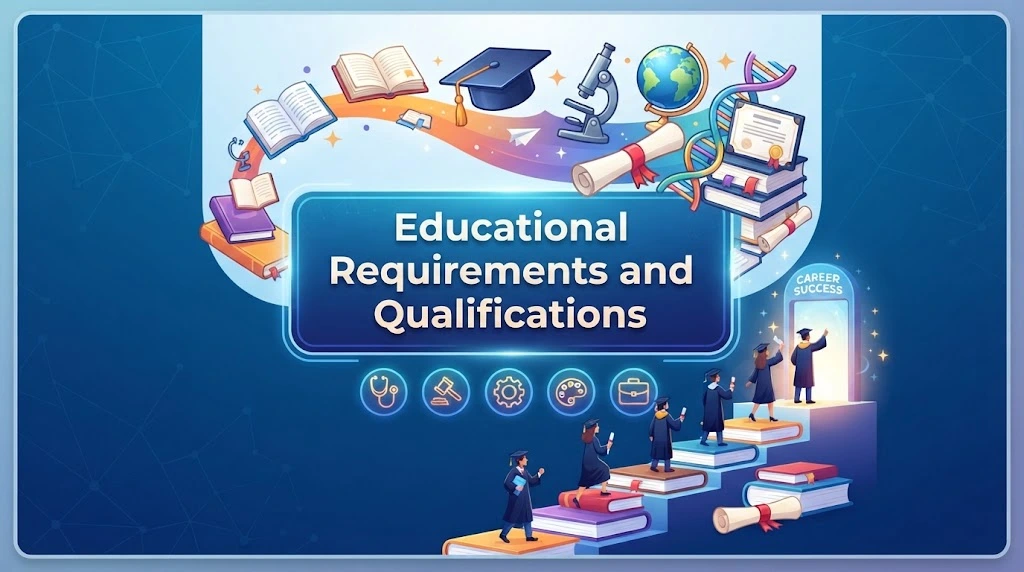
There is no single path into fashion design, but formal education provides valuable technical knowledge and industry exposure.
Many employers prefer candidates with qualifications such as:
- Diploma in Fashion Design
- Bachelor’s degree in Fashion Design
- Degree in Apparel Design
- Textile Design programmes
- Fashion Merchandising qualifications
During their studies, students usually learn:
- Fashion illustration
- Pattern making
- Garment construction
- Textile science
- Fashion marketing
- Colour theory
- Fashion history
- Computer-aided design
- Portfolio development
However, education alone is not enough.
Employers often pay close attention to a designer’s portfolio because it demonstrates creativity, technical ability, and problem-solving skills. A well-organised portfolio with original projects can make a stronger impression than grades alone.
Internships also play a major role in career development. Working with established designers or fashion brands helps students understand production processes, industry expectations, and workplace collaboration.
Common mistake to avoid: Many beginners spend months creating impressive sketches but neglect practical garment construction. Employers value designers who understand how clothing is actually made, not just how it looks on paper.
Different Types of Fashion Designers
Fashion design is a broad field with many career paths. While all designers create products people wear or use, their responsibilities vary depending on the market they serve. Choosing the right specialization helps designers build expertise and develop a strong professional identity.
Here are some of the most common types of fashion designers.
Apparel Designer
Apparel designers create clothing for men, women, or children. They develop everything from casual T-shirts and office wear to formal suits and evening gowns. Most fashion brands hire apparel designers to produce seasonal collections that match customer preferences.
Haute Couture Designer
Haute couture designers produce exclusive, custom-made garments for individual clients. Every piece is handcrafted with exceptional attention to detail, premium materials, and precise tailoring. These designers focus on craftsmanship rather than mass production.
Ready-to-Wear Designer
Ready-to-wear designers create collections manufactured in standard sizes for retail stores. Their challenge is designing clothing that appeals to a wide audience while remaining practical to produce on a larger scale.
Sportswear Designer
Sportswear designers combine fashion with functionality. They create activewear, gym clothing, running apparel, and performance gear that allows freedom of movement while offering comfort and durability.
Accessories Designer
Not every fashion designer works on clothing. Accessories designers specialise in products such as:
- Handbags
- Shoes
- Belts
- Hats
- Scarves
- Jewellery
- Wallets
- Sunglasses
These products often become a brand’s signature items and contribute significantly to overall sales.
Sustainable Fashion Designer
As environmental awareness grows, many designers focus on sustainable fashion. They choose eco-friendly fabrics, reduce production waste, and design products with longer lifespans. Their goal is to create stylish clothing while minimising the industry’s environmental impact.
Expert tip: New designers don’t have to choose a niche immediately. Exploring different categories through internships or freelance projects can help you discover where your creativity and strengths fit best.
Where Do Fashion Designers Work?
Fashion designers have far more career options than many people realise. While some work for famous fashion houses, others build successful careers in retail, manufacturing, entertainment, or entrepreneurship.
Common workplaces include:
- Fashion brands
- Clothing manufacturers
- Luxury design houses
- Retail companies
- E-commerce fashion businesses
- Textile companies
- Costume design studios
- Film and television productions
- Theatre companies
- Fashion consulting firms
Some experienced designers eventually launch their own labels. This path offers creative freedom but also requires business knowledge, marketing skills, and financial planning.
Freelancing has also become increasingly popular. Independent designers may work with multiple clients, create custom garments, or sell original collections through online marketplaces and personal websites.
For example, a freelance bridal designer might work with clients from different cities, conduct virtual consultations, and collaborate with local tailors to produce customised wedding dresses. Technology has made it easier than ever to manage projects remotely while serving a global audience.
Recommendation: Before starting your own fashion label, gain experience in an established company. Learning how successful brands manage production, sourcing, and customer expectations can save you from costly mistakes later.
Fashion Designer Salary and Career Growth
Salary is one of the first questions people ask when considering a fashion design career. The answer depends on several factors, including experience, location, employer, specialization, and reputation.
Entry-level designers typically earn modest salaries while building their portfolios and gaining industry experience. As their skills improve and they take on more responsibility, their earning potential increases significantly.
Several factors influence income:
- Years of experience
- Education and certifications
- Design specialization
- Portfolio quality
- Employer size
- Geographic location
- Technical expertise
- Personal brand reputation
Senior designers often progress into leadership positions such as:
- Senior Fashion Designer
- Design Manager
- Creative Director
- Head of Product Development
- Fashion Consultant
- Brand Director
Some professionals earn additional income by:
- Launching clothing brands
- Offering personal styling services
- Selling digital fashion illustrations
- Teaching fashion design
- Consulting for startups
- Collaborating with influencers
- Licensing original designs
A designer who consistently delivers successful collections and understands market trends is more likely to receive promotions and higher-paying opportunities.
Expert insight: Building a strong portfolio and professional network often has a greater impact on career growth than simply accumulating years of experience. Employers and clients want proof of your creativity, problem-solving ability, and results.
Challenges Every Fashion Designer Should Expect
Fashion design may appear glamorous from the outside, but it comes with its fair share of challenges. Understanding these realities helps aspiring designers prepare for a rewarding and sustainable career.
Tight Deadlines
Fashion seasons move quickly. Designers frequently work under strict timelines to complete collections before production and retail launches. Effective planning and organisation are essential.
Keeping Up With Trends
Consumer preferences change rapidly. Designers must stay informed about emerging styles, cultural influences, fabric innovations, and market shifts without losing their unique creative identity.
Creative Pressure
Generating fresh ideas collection after collection can be demanding. Successful designers overcome creative blocks by researching art, travel, architecture, nature, and everyday life for inspiration.
Production Constraints
Not every design can be manufactured exactly as imagined. Budget limits, material availability, and production techniques often require adjustments without compromising quality.
Competition
The fashion industry attracts talented people from around the world. Standing out requires continuous learning, originality, and a commitment to improving your craft.
Common mistakes new designers make:
- Ignoring customer needs
- Following every trend blindly
- Overcomplicating designs
- Underestimating production costs
- Building weak portfolios
- Avoiding constructive feedback
Viewing challenges as opportunities to learn rather than obstacles can help designers grow faster and build long-term success.
How to Become a Successful Fashion Designer
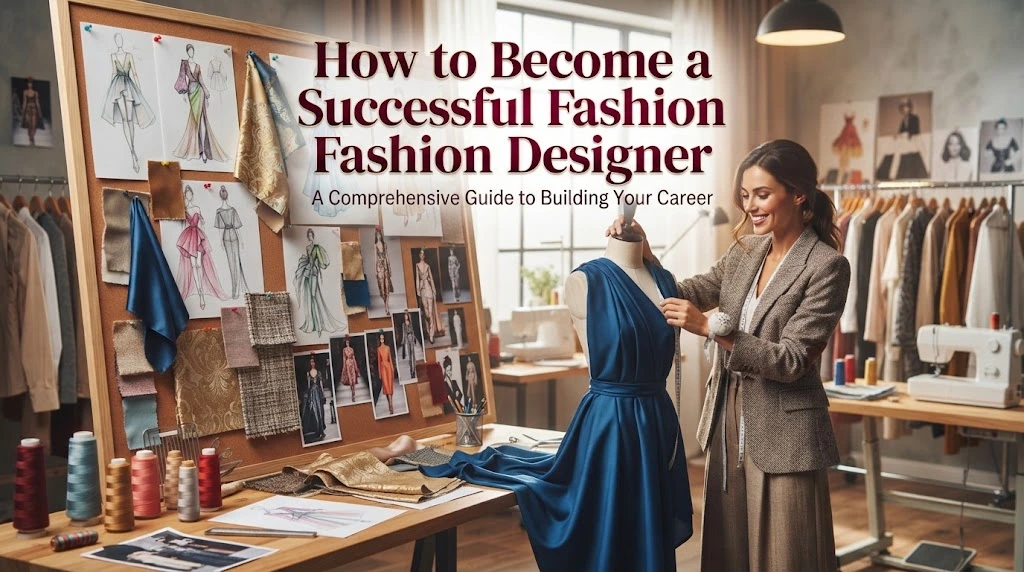
Success in fashion rarely happens overnight. Most accomplished designers spend years refining their skills, learning from mentors, and adapting to industry changes. Talent opens the door, but dedication keeps it open.
If you’re serious about building a career in fashion design, focus on these practical steps.
Develop Strong Design Skills
Practise sketching regularly, experiment with different styles, and study garment construction. The more you design, the more confident and versatile you become.
Build an Outstanding Portfolio
Your portfolio should highlight your creativity, technical ability, and design process. Include sketches, mood boards, fabric selections, finished garments, and photos of completed projects.
Quality matters more than quantity. A carefully curated portfolio leaves a stronger impression than dozens of average designs.
Learn Fashion Technology
Modern fashion relies heavily on digital tools. Mastering design software, 3D garment visualisation, and digital pattern-making can give you a competitive edge in the job market.
Gain Real-World Experience
Internships, apprenticeships, freelance work, and collaborative projects expose you to industry standards and professional workflows. Even small projects help build confidence and practical knowledge.
Stay Curious
Read fashion magazines, follow runway shows, study successful brands, and observe what people wear in everyday life. Inspiration often comes from unexpected places.
Build Professional Relationships
Networking is an important part of career growth. Attend fashion events, connect with mentors, collaborate with photographers and stylists, and maintain a professional online presence.
Keep Learning
Fashion evolves constantly. Designers who embrace new materials, technologies, and sustainable practices remain relevant in an ever-changing industry.
Expert advice: Don’t aim to copy famous designers. Study their techniques, understand why they succeed, and then develop a signature style that reflects your own creative vision. Originality is what helps designers build lasting careers and memorable brands.
Essential Tools and Software Used by Fashion Designers
A modern fashion designer job role goes far beyond sketching with pencil and paper. Today’s designers use a combination of traditional techniques and digital technology to speed up the design process, improve accuracy, and communicate ideas clearly with production teams.
Knowing the right tools can also make you more attractive to employers, as many fashion companies expect designers to be comfortable with industry-standard software.
Traditional Design Tools
Even in a digital world, basic design tools remain valuable. Many designers begin their creative process by sketching ideas before moving to a computer.
Common traditional tools include:
- Sketchbooks
- Drawing pencils and markers
- Measuring tape
- Dress forms (mannequins)
- Fabric scissors
- Pattern paper
- Colour swatches
- Fabric samples
These tools help designers experiment freely before creating technical drawings.
Digital Design Software
Fashion companies increasingly rely on specialised software to create professional designs and reduce production errors.
Popular software includes:
- Adobe Illustrator for technical fashion drawings
- Adobe Photoshop for digital presentations and image editing
- CLO 3D for realistic virtual garment simulations
- Browzwear for 3D clothing development
- Gerber AccuMark for digital pattern making
- Lectra for product development and manufacturing
Many brands now create virtual samples before producing physical garments. This saves time, lowers costs, and reduces fabric waste.
Fabric and Colour Libraries
Professional designers often build collections of fabric samples, trims, buttons, zippers, and colour references. Having these resources available makes selecting materials much easier during product development.
Project Management Tools
Fashion projects involve many departments. Designers often use digital collaboration platforms to track deadlines, review samples, and communicate with suppliers.
These may include:
- Project management software
- Cloud storage platforms
- Digital mood board applications
- Product lifecycle management (PLM) systems
Expert tip: Don’t try to learn every software program at once. Start with Adobe Illustrator and Photoshop, then gradually expand your skills as your career progresses.
Fashion Industry Trends Shaping the Job Role
Fashion changes every season, and designers must adapt without losing their creativity. Understanding industry trends helps designers create products that customers genuinely want to wear.
Today’s fashion industry is being shaped by several major developments.
Sustainable Fashion
Consumers are becoming more environmentally conscious. They want clothing made from recycled, organic, or responsibly sourced materials.
Designers now think carefully about:
- Fabric sourcing
- Ethical production
- Reducing waste
- Product durability
- Circular fashion
Designing with sustainability in mind is no longer a niche skill—it’s becoming a standard expectation.
Digital Fashion
Virtual clothing and digital fashion shows are creating new opportunities. Some designers now create garments that exist only in digital spaces for gaming, social media, or virtual events.
Inclusive Fashion
Modern designers create collections for people of different body shapes, ages, cultures, and abilities. Inclusive sizing and adaptive clothing have become important parts of many successful brands.
Technology Integration
Artificial intelligence, data analysis, and 3D design tools help brands understand customer preferences and speed up product development.
However, technology supports creativity rather than replacing it. Original ideas still come from talented designers.
Slow Fashion
Instead of encouraging constant buying, many brands now focus on timeless designs that remain stylish for years.
This approach encourages:
- Better craftsmanship
- Higher-quality materials
- Thoughtful purchasing decisions
- Longer product life
Recommendation: Follow industry developments, but avoid copying every trend. Successful designers understand trends while maintaining a unique design identity.
Career Opportunities and Specialisations
One of the biggest advantages of choosing fashion design is the variety of career paths available. As your experience grows, you can specialise in areas that match your interests and strengths.
Popular career opportunities include:
Fashion Designer
The traditional role involves designing clothing collections for fashion brands or retailers.
Textile Designer
Textile designers create original fabric prints, woven patterns, embroidery designs, and surface textures used in clothing and home furnishings.
Costume Designer
Costume designers develop clothing for films, television, theatre productions, and advertising campaigns.
Their work requires research into different historical periods, cultures, and character personalities.
Fashion Stylist
Stylists don’t design garments, but they create complete looks for celebrities, magazines, fashion campaigns, and commercial shoots.
A strong understanding of colour coordination and current trends is essential.
Fashion Illustrator
Some professionals specialise in producing detailed fashion artwork for magazines, advertising, product development, or design presentations.
Fashion Buyer
Buyers select products that stores will sell. They analyse customer behaviour, market trends, and sales data before making purchasing decisions.
Product Developer
These professionals work closely with designers and manufacturers to ensure products meet quality standards, budgets, and production schedules.
Entrepreneur
Many experienced designers eventually establish their own clothing brands.
Running a fashion business involves much more than designing. Owners also manage:
- Marketing
- Branding
- Finance
- Manufacturing
- Customer service
- Sales
- Inventory
Expert insight: You don’t need to become famous to enjoy a successful fashion career. Many designers build rewarding careers behind the scenes, working for respected brands or specialised manufacturers.
Building a Standout Portfolio and Personal Brand
Your portfolio is often your most valuable career asset. It demonstrates what you can create rather than simply describing your skills.
Recruiters usually spend only a few minutes reviewing portfolios, so every project should showcase your strongest work.
What to Include in Your Portfolio
An impressive portfolio typically contains:
- Original fashion sketches
- Technical drawings
- Mood boards
- Fabric selections
- Colour palettes
- Pattern development
- Photos of finished garments
- Design process documentation
Showing your creative process helps employers understand how you solve design problems.
Quality Over Quantity
Avoid including every project you’ve ever completed.
Instead, choose work that demonstrates:
- Creativity
- Technical accuracy
- Versatility
- Attention to detail
- Commercial awareness
Ten exceptional projects are usually more effective than thirty average ones.
Build Your Personal Brand
Employers and clients often search online before making hiring decisions.
Create a professional presence by:
- Sharing selected projects
- Maintaining consistent visual branding
- Writing about your design inspiration
- Displaying completed collections
- Highlighting collaborations
Authenticity matters more than trying to imitate established designers.
Keep Improving
Update your portfolio regularly.
Replace older projects with stronger work as your skills develop. A current portfolio reflects your latest abilities and shows continuous professional growth.
Common mistake: Many beginners present only finished garments. Employers also want to see sketches, revisions, prototypes, and problem-solving throughout the design journey.
Future Scope of the Fashion Designer Job Role
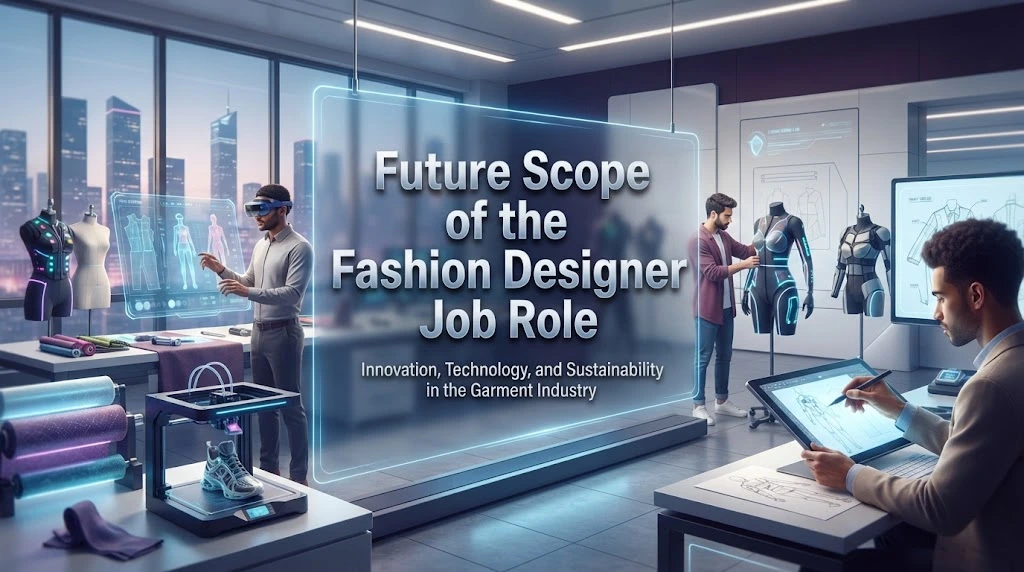
Fashion continues to evolve, creating exciting opportunities for designers who are willing to learn and adapt.
Several factors suggest that the profession will remain relevant for years to come.
Growing Global Fashion Market
Consumers continue to seek clothing that reflects their personality, lifestyle, and values. This demand creates opportunities for designers across luxury, affordable, and niche markets.
Expansion of Online Retail
E-commerce has opened international markets for both established brands and independent designers.
A designer can now launch a collection online and reach customers worldwide without opening a physical store.
Sustainable Innovation
Brands increasingly seek designers who understand sustainable materials, ethical production, and environmentally responsible design practices.
These skills are becoming highly valued across the industry.
Technology Will Change the Workflow
Artificial intelligence, virtual sampling, and automation will simplify repetitive tasks, allowing designers to focus more on creativity and innovation.
Rather than replacing designers, technology is expected to become another tool that enhances productivity.
Greater Demand for Specialisation
Future employers are likely to value designers with expertise in areas such as:
- Sustainable fashion
- Digital fashion
- Luxury design
- Technical sportswear
- Adaptive clothing
- Smart textiles
Developing specialised knowledge can help professionals stand out in an increasingly competitive market.
Lifelong Learning Matters
Fashion never stands still. Successful designers stay curious, embrace new techniques, and continuously refine their skills.
Whether you’re designing everyday clothing or launching your own label, adaptability will remain one of the most valuable qualities in the profession.
Conclusion
Choosing a career in fashion design is about much more than creating attractive clothing. The fashion designer job role combines creativity, technical expertise, business awareness, and problem-solving to turn ideas into products that people wear with confidence. Every successful collection is the result of careful research, thoughtful planning, teamwork, and countless design decisions.
While the industry is highly competitive, it also offers incredible opportunities for those who are willing to keep learning and improving. Developing strong technical skills, understanding fabrics and garment construction, mastering digital design tools, and building a professional portfolio can set you apart from other candidates.
It’s equally important to stay curious. Fashion trends, consumer preferences, and technology continue to evolve, which means successful designers never stop learning. Whether you dream of working for a global fashion house, launching your own clothing label, specialising in sustainable fashion, or designing costumes for film and theatre, there is a place for dedicated professionals who combine originality with practical skills.
Remember that every experienced designer started as a beginner. Small projects, internships, constructive feedback, and consistent practice all contribute to long-term success. Focus on developing your own creative voice rather than copying others, and you’ll be in a much stronger position to build a rewarding career.
Ultimately, the fashion industry values designers who can create clothing that not only looks beautiful but also meets the needs of real people. If you approach the profession with passion, discipline, and a willingness to adapt, the fashion designer job role can become both a fulfilling creative journey and a successful long-term career.
Frequently Asked Questions (FAQs)
1. What is the main job role of a fashion designer?
The main role of a fashion designer is to create clothing, footwear, or accessories that are stylish, functional, and commercially viable. Their responsibilities include researching trends, sketching concepts, selecting fabrics, developing prototypes, working with production teams, and ensuring the final product meets quality standards.
2. What qualifications do I need to become a fashion designer?
While natural creativity is important, most employers prefer candidates with a diploma or bachelor’s degree in fashion design, apparel design, textile design, or a related field. A strong portfolio, practical experience, and knowledge of design software are often just as valuable as formal education.
3. Which skills are most important for a fashion designer?
Successful fashion designers typically possess a combination of creative and technical skills, including:
- Fashion illustration
- Fabric and textile knowledge
- Pattern making
- Garment construction
- Colour coordination
- Digital design software
- Communication skills
- Time management
- Problem-solving
- Commercial awareness
These skills help designers create products that are both visually appealing and practical to manufacture.
4. Is fashion design a good career choice?
Yes. Fashion design can be a rewarding career for people who enjoy creativity, innovation, and continuous learning. Although the industry is competitive, skilled designers with strong portfolios, professional experience, and specialised expertise often find excellent opportunities in fashion brands, retail companies, entertainment, and entrepreneurship.
5. Can I become a fashion designer without a degree?
Yes. While many employers prefer formal qualifications, a degree is not the only route into the profession. Some designers build successful careers through vocational training, internships, online courses, freelance work, and an exceptional portfolio that demonstrates their creativity and technical abilities.
6. What are the biggest challenges in the fashion designer job role?
Fashion designers often face challenges such as:
- Meeting tight deadlines
- Keeping up with changing fashion trends
- Balancing creativity with production budgets
- Managing client expectations
- Working in a highly competitive industry
- Maintaining originality while responding to market demand
Strong organisational skills and adaptability help designers overcome these challenges successfully.
7. What career opportunities are available after gaining experience as a fashion designer?
With experience, fashion designers can advance into roles such as Senior Fashion Designer, Creative Director, Design Manager, Product Development Manager, Fashion Consultant, Textile Designer, Costume Designer, Fashion Stylist, or Brand Owner. Many professionals also establish their own fashion labels or work as independent freelance designers.