Choosing a career in fashion is exciting, but there’s one question almost everyone asks before taking the first step: How much does a fashion designer actually earn? It’s a fair question. Passion matters, but so does building a career that supports your lifestyle, goals, and future.
The truth is that there isn’t a single answer. A fashion designer’s salary can vary widely depending on experience, location, employer, education, and even the type of fashion they specialize in. Some designers begin with modest salaries while learning the industry, whereas others eventually earn six or even seven figures by building successful brands or working with luxury fashion houses.
If you’re considering fashion as a career or you’re already working in the industry, understanding salary expectations helps you make smarter decisions. From negotiating your first job offer to deciding whether freelance work or launching your own label makes more financial sense, knowing the numbers gives you confidence.
In this guide, you’ll discover what affects a fashion designer’s income, how salaries change with experience, and what practical steps can help you earn more throughout your career.
What Is the Average Fashion Designer Salary?
The fashion designer average salary depends on where you work, your skill level, and the type of employer you choose. While entry-level designers usually earn a modest income, experienced professionals working for established brands often receive significantly higher salaries along with bonuses and other benefits.
In many developed markets, fashion designers typically earn a comfortable middle-income salary. However, those working for luxury labels, global apparel companies, or high-end couture houses often earn substantially more than the national average.
Typical salary progression looks like this:
- Entry-level designers: Lower starting salaries while gaining practical experience.
- Mid-level designers: Noticeable salary growth after developing technical and creative skills.
- Senior designers: Higher earnings due to leadership responsibilities and proven design success.
- Creative directors: Among the highest-paid professionals in the fashion industry.
Rather than focusing only on average figures, it’s important to consider your long-term earning potential. Fashion is one of those careers where continuous improvement and a strong portfolio can dramatically increase your income over time.
Expert Tip: Employers often value a designer’s portfolio more than academic grades. Strong design collections, technical knowledge, and commercial thinking frequently lead to faster salary growth.
Factors That Affect a Fashion Designer’s Salary
Two fashion designers with similar experience can earn very different salaries. That’s because income depends on several key factors that employers evaluate before making an offer.
Some of the biggest influences include:
- Years of professional experience
- Geographic location
- Size and reputation of the employer
- Technical software skills
- Portfolio quality
- Industry specialization
- Leadership experience
- Educational background
For example, a designer creating luxury evening wear for an international fashion house will usually earn more than someone designing products for a small local retailer.
Employers also reward professionals who understand the business side of fashion. Designers who can predict trends, reduce production costs, communicate with manufacturers, and create commercially successful collections often command higher salaries.
One overlooked factor is adaptability. The fashion industry changes rapidly, and designers who keep learning new technologies, sustainability practices, and digital design tools often stay ahead of the competition.
Fashion Designer Salary by Experience Level
Experience has one of the biggest impacts on earning potential. As designers develop stronger technical abilities, industry connections, and commercial awareness, employers become willing to pay considerably more.
Entry-Level Fashion Designers
New graduates usually spend their first few years assisting senior designers. Their responsibilities often include:
- Creating technical sketches
- Preparing design presentations
- Researching trends
- Organizing fabric samples
- Supporting production teams
Although starting salaries may seem modest, this period is where designers build the skills that determine future income.
Mid-Level Designers
After gaining several years of experience, designers usually handle complete product lines, collaborate with buyers, and manage projects with greater independence.
At this stage, salaries often increase because employers trust these professionals to contribute directly to business growth.
Senior Designers
Senior designers oversee collections, mentor junior staff, and make important creative decisions. Their experience reduces costly design mistakes and improves product success, making them highly valuable to employers.
Leadership Roles
Creative directors, design managers, and fashion executives typically earn the highest salaries because they influence brand identity, product strategy, and overall business performance.
Common Mistake: Many designers assume experience alone guarantees higher pay. In reality, building measurable achievements and maintaining a strong portfolio often matters just as much.
Fashion Designer Salary by Industry
Not every fashion job pays the same. The industry you choose can dramatically influence your earning potential.
Here are some of the most common sectors.
Luxury Fashion
Luxury brands generally offer some of the highest salaries because they require exceptional craftsmanship, innovation, and attention to detail.
Fast Fashion
Fast-fashion companies often provide stable employment with competitive salaries. Designers work on tight deadlines and produce multiple collections each year.
Sportswear
Athletic apparel companies value designers who understand both fashion and product performance. Experience with technical fabrics and functionality can increase salary opportunities.
Bridal Fashion
Bridal designers may earn excellent incomes, particularly if they establish a strong reputation or launch their own label.
Children’s Fashion
Children’s apparel remains a steady market with consistent demand. While salaries vary, experienced designers can build rewarding careers in this niche.
Sustainable Fashion
As consumers increasingly prioritize environmentally responsible clothing, designers with expertise in sustainable materials and ethical production practices are becoming more valuable.
Expert Recommendation: Instead of chasing the highest-paying niche immediately, choose a specialization that matches both your interests and strengths. Long-term success usually follows genuine expertise.
Fashion Designer Salary by Country
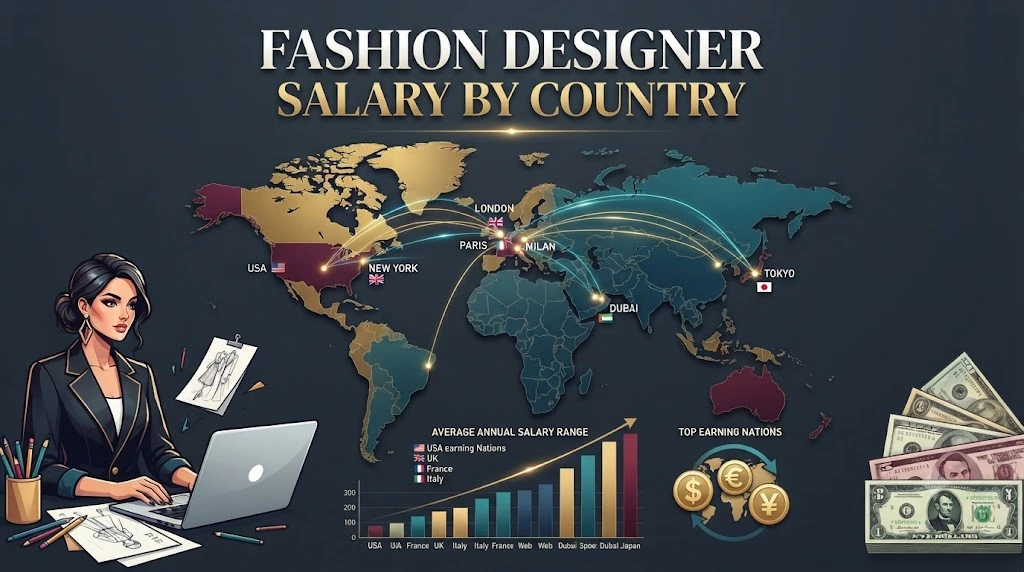
Location plays a major role in determining earnings. Fashion designers working in major fashion capitals generally receive higher salaries than those in smaller markets.
Countries with well-developed fashion industries often provide better compensation because they have larger apparel markets, internationally recognized brands, and greater demand for experienced designers.
Several factors explain these differences:
- Cost of living
- Strength of the fashion industry
- Number of global brands
- Consumer spending
- Manufacturing infrastructure
- Economic conditions
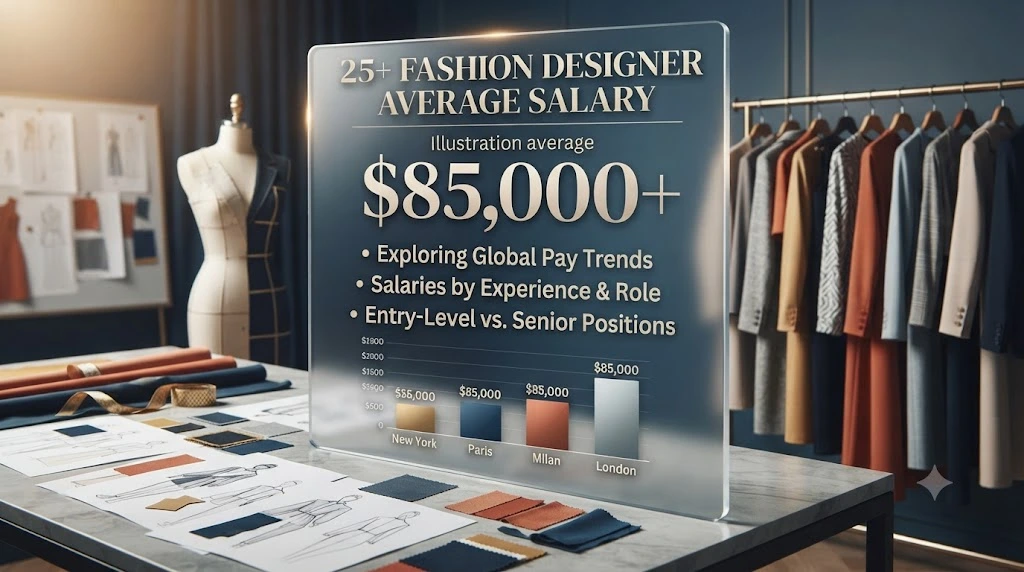
Fashion capitals such as New York, Paris, Milan, and London continue to attract talented designers because they offer strong career opportunities, valuable networking, and access to international brands. However, higher salaries in these cities are often balanced by significantly higher living expenses.
Meanwhile, emerging fashion markets across Asia, the Middle East, and parts of Europe are creating exciting opportunities for designers looking to grow their careers. As these markets expand, salary potential continues to improve for professionals with specialized skills and international experience.
Practical Advice: When comparing job offers in different countries, look beyond the salary figure. Consider taxes, housing costs, healthcare, transportation, work-life balance, and opportunities for career growth. A slightly lower salary in a city with affordable living costs may leave you with more disposable income than a higher-paying role in an expensive fashion hub.
Fashion Designer Salary by Education
Education can open doors in the fashion industry, but it doesn’t guarantee a high salary. Employers care about what you can create, how well you solve design problems, and whether you understand the business side of fashion. A degree helps build that foundation, but your portfolio often carries even more weight.
Many successful designers have bachelor’s degrees in fashion design, textile design, or fashion merchandising. These programs teach pattern making, garment construction, fashion illustration, computer-aided design (CAD), fabric science, and product development. Graduates enter the workforce with technical skills that make them more competitive.
However, education doesn’t stop after college. The fashion industry evolves quickly, and designers who continue learning usually stay ahead of the competition. Short courses in digital fashion, 3D garment design, sustainability, or trend forecasting can increase your value to employers.
Here are some educational paths that can improve your career prospects:
- Bachelor’s degree in Fashion Design
- Diploma in Apparel Design
- Fashion Merchandising programs
- Courses in textile technology
- Certifications in Adobe Illustrator and Photoshop
- Training in CLO 3D or other 3D design software
- Workshops on sustainable fashion
Expert Tip: If you have limited work experience, build a portfolio around real-world projects rather than classroom assignments. Employers appreciate designers who can solve practical challenges and think commercially.
Common Mistake: Many graduates focus only on earning a degree. In reality, internships, freelance work, and networking often have a greater impact on salary than academic qualifications alone.
Fashion Designer Salary by Specialization
Fashion design is a broad field, and your specialization can significantly influence your earning potential. Some niches require advanced technical knowledge, while others reward creativity, craftsmanship, or business expertise.
For example, a designer specializing in luxury couture often earns differently from someone designing sportswear or children’s clothing. Each area has its own market demand, production process, and salary expectations.
Popular fashion design specializations include:
- Women’s wear
- Men’s wear
- Children’s apparel
- Sportswear
- Luxury fashion
- Bridal wear
- Knitwear
- Textile design
- Footwear design
- Accessories and handbags
- Costume design
- Sustainable fashion
Luxury and premium fashion brands generally offer higher salaries because they require exceptional design quality and attention to detail. On the other hand, sportswear companies often pay well for designers who understand performance fabrics and functional apparel.
Designers working in sustainable fashion are also seeing growing opportunities. As consumers become more environmentally conscious, brands are investing in professionals who understand ethical sourcing, recycled materials, and responsible manufacturing.
Practical Example: A designer with expertise in technical sportswear may collaborate closely with engineers and material specialists, making their role more specialized—and often more valuable—than a general apparel designer.
Freelance vs Full-Time Fashion Designer Salary
One of the biggest career decisions designers face is choosing between freelance work and full-time employment. Each option offers unique financial benefits and challenges.
Full-Time Employment
Working for an established fashion company usually provides financial stability. Designers receive a regular salary, employee benefits, paid leave, health insurance in many countries, and opportunities for promotions.
Other advantages include:
- Consistent monthly income
- Structured career progression
- Mentorship from senior professionals
- Access to larger design teams
- Exposure to major product launches
However, creative freedom may be limited because designers work within a company’s brand identity and commercial objectives.
Freelance Fashion Design
Freelancers enjoy greater flexibility and often work with multiple clients. Income varies depending on reputation, client base, project complexity, and workload.
Successful freelance designers may earn more than salaried professionals, especially if they work with international clients or luxury brands. However, income can fluctuate throughout the year, making financial planning essential.
Freelancers also handle responsibilities such as:
- Finding clients
- Negotiating contracts
- Managing invoices
- Marketing their services
- Building personal brands
Expert Recommendation: If you’re new to the industry, starting with a full-time role can help you gain valuable experience, understand production workflows, and build professional relationships. Freelancing often becomes easier once you’ve established credibility.
Highest-Paying Employers for Fashion Designers
Not all employers offer the same earning potential. Company size, market position, and product category all influence salary levels.
Large international fashion brands typically provide competitive compensation because they generate significant revenue and require experienced design teams. These companies also offer opportunities to work on global collections and collaborate with experts across different departments.
High-paying employers often include:
- Luxury fashion houses
- International apparel retailers
- Sportswear manufacturers
- Premium lifestyle brands
- Designer labels
- Footwear companies
- Global fashion corporations
Besides salary, many employers provide additional benefits such as:
- Performance bonuses
- Profit-sharing programs
- Employee discounts
- Professional development opportunities
- International travel
- Flexible working arrangements
Smaller independent labels may offer lower starting salaries, but they often provide broader responsibilities. Designers in these companies gain experience across multiple areas, including design, sourcing, production, and marketing, which can accelerate long-term career growth.
Expert Insight: Don’t evaluate employers based solely on salary. A company with excellent mentorship, strong career progression, and international exposure can significantly increase your earning potential over time.
How to Increase Your Fashion Designer Salary
Higher earnings rarely happen by chance. Designers who consistently invest in their skills, reputation, and professional network usually experience faster salary growth.
The first step is developing expertise beyond basic design. Employers value professionals who understand trend analysis, manufacturing processes, consumer behavior, and product profitability.
Here are practical ways to increase your income:
Build an Outstanding Portfolio
Your portfolio is often the first thing employers review. Include projects that demonstrate creativity, technical accuracy, problem-solving, and commercial awareness.
Learn Industry Software
Mastering digital design tools can make you more competitive. Popular software includes:
- Adobe Illustrator
- Adobe Photoshop
- CLO 3D
- Browzwear
- Gerber AccuMark
- Lectra
Develop Business Knowledge
Understanding pricing, sourcing, production costs, and retail strategy makes you more valuable than designers who focus only on aesthetics.
Strengthen Your Network
Attend fashion events, trade shows, design competitions, and industry conferences. Many career opportunities come through professional relationships rather than job advertisements.
Negotiate Your Salary
Many designers accept the first offer they receive. Research industry salary ranges, highlight measurable achievements, and confidently explain the value you bring to the employer.
Keep Learning
Fashion trends, technology, and consumer preferences constantly change. Designers who stay current through courses, certifications, and practical experience remain competitive in the job market.
Common Mistakes to Avoid:
- Relying only on academic qualifications
- Ignoring digital design skills
- Keeping an outdated portfolio
- Avoiding salary negotiations
- Neglecting networking opportunities
- Failing to specialize in a high-demand niche
A successful fashion career isn’t built overnight. Consistent learning, adaptability, and a strong professional reputation often make the biggest difference in long-term earning potential.
Fashion Designer Job Outlook and Future Salary Trends
The future looks promising for skilled fashion designers, but success will depend on more than creativity alone. Brands are looking for professionals who can combine design talent with technology, sustainability, and a clear understanding of consumer preferences.
As online shopping continues to grow, companies are investing in designers who can create collections that perform well both in physical stores and digital marketplaces. This shift has increased demand for professionals who understand e-commerce, digital marketing, and data-driven design decisions.
Several trends are expected to shape salary growth in the coming years:
- Increased use of 3D fashion design software
- Growing demand for sustainable clothing
- Expansion of direct-to-consumer fashion brands
- Greater focus on inclusive sizing and adaptive fashion
- Rising demand for digital fashion and virtual clothing
- Increased use of artificial intelligence to support design workflows
Designers who embrace these changes are likely to enjoy stronger career prospects and higher earning potential. Those who continue relying only on traditional methods may find it harder to stay competitive.
Expert Tip: Treat learning as part of your career, not as something that ends after graduation. Even one new technical skill can make you a stronger candidate for higher-paying positions.
Benefits Beyond a Fashion Designer’s Salary
Salary is important, but it isn’t the only measure of a rewarding career. Many fashion companies offer additional benefits that add significant value to a compensation package.
Some common benefits include:
- Health insurance
- Retirement savings plans
- Paid vacation and holidays
- Performance bonuses
- Employee discounts on clothing and accessories
- Professional training programs
- Flexible or hybrid work arrangements
- Opportunities to travel for fashion shows, trade events, or factory visits
Creative satisfaction is another benefit that attracts many people to the industry. Seeing your designs worn by customers or featured in a collection can be incredibly fulfilling.
Some employers also encourage innovation by allowing designers to pitch new ideas, experiment with materials, or collaborate with cross-functional teams. These experiences not only make the job more enjoyable but also strengthen your resume for future opportunities.
Recommendation: When comparing job offers, calculate the total compensation package instead of focusing only on the base salary. Benefits, bonuses, and professional development opportunities can make one role far more valuable than another.
Challenges That Can Affect a Fashion Designer’s Earnings
Fashion is a competitive industry, and income isn’t always predictable. Understanding the challenges can help you prepare for them and make better career decisions.
One common challenge is intense competition. Every year, new graduates and aspiring designers enter the market, increasing competition for desirable positions.
Other factors that can affect earnings include:
- Economic downturns that reduce consumer spending
- Seasonal demand for certain product categories
- Changes in fashion trends
- Company restructuring
- Manufacturing delays
- Supply chain disruptions
- Increased competition from global brands
Freelancers may also experience fluctuations in income depending on client demand and project availability.
Another challenge is burnout. Tight deadlines, multiple collection launches, and constant pressure to innovate can affect productivity if work-life balance is ignored.
Common Mistake: Some designers focus only on creative skills while overlooking communication, teamwork, and project management. These soft skills often play a major role in promotions and salary increases.
Career Growth Opportunities for Fashion Designers
Fashion offers a wide range of career paths. Many professionals begin as junior designers and gradually move into leadership positions with greater responsibilities and higher salaries.
Possible career progression includes:
- Assistant Fashion Designer
- Junior Fashion Designer
- Fashion Designer
- Senior Fashion Designer
- Design Manager
- Product Development Manager
- Creative Director
- Brand Director
Some designers choose an entrepreneurial path instead of climbing the corporate ladder. Launching a personal fashion label, consulting for multiple brands, or creating an online clothing business can significantly increase earning potential.
Other opportunities include:
- Fashion styling
- Costume design for film and television
- Fashion consulting
- Textile development
- Fashion education
- Trend forecasting
- Fashion buying
- Product merchandising
Building a strong personal brand through social media, industry events, and professional networking can also open doors to partnerships, collaborations, and speaking engagements.
Expert Advice: Focus on developing leadership, communication, and business skills alongside design expertise. These abilities become increasingly important as your responsibilities grow.
Is Fashion Design a Good Career Financially?
Fashion design can be a financially rewarding career, but success rarely happens overnight. Most professionals start with entry-level salaries and gradually increase their income by building experience, expanding their skills, and developing a strong reputation.
If your primary goal is immediate high earnings, fashion may not always offer the fastest path. However, for people who combine creativity with strategic career planning, the long-term financial potential can be impressive.
Several factors contribute to long-term success:
- Continuous skill development
- A strong professional portfolio
- Industry networking
- Specialization in high-demand areas
- Adaptability to changing trends
- Business and commercial knowledge
The highest earners in the industry are often those who consistently deliver successful collections, understand customer needs, and contribute to a company’s profitability.
Ultimately, fashion design rewards professionals who are willing to learn, innovate, and grow throughout their careers. Passion remains important, but combining creativity with technical expertise and business awareness is what turns a good designer into a highly paid one.
Final Expert Recommendation: Think of your career as a long-term investment. Every project, internship, certification, and professional relationship can contribute to higher earnings in the future.
Conclusion
Understanding the fashion designer average salary is about more than knowing a single number. Earnings vary based on experience, education, specialization, employer, location, and the value you bring to the business. While entry-level positions may offer modest pay, designers who continuously improve their technical skills, build an impressive portfolio, and stay current with industry trends often enjoy significant salary growth over time.
The fashion industry continues to evolve with new technologies, sustainable practices, and changing consumer expectations. Designers who embrace these changes position themselves for better opportunities, stronger job security, and higher earning potential.
Whether you’re a student exploring career options, a recent graduate searching for your first role, or an experienced professional aiming for your next promotion, the key to increasing your income is consistent learning, strategic career decisions, and a commitment to delivering creative solutions that meet market demand. With the right combination of talent, experience, and persistence, fashion design can become both a fulfilling and financially rewarding career.
Frequently Asked Questions
1. What is the average salary of a fashion designer?
The average salary varies depending on the country, experience, employer, and specialization. Entry-level designers typically earn less, while senior designers, creative directors, and professionals working for luxury brands generally earn substantially higher salaries.
2. Which country pays fashion designers the highest salaries?
Countries with established fashion industries—such as the United States, Switzerland, the United Kingdom, France, and Italy—often offer competitive salaries. However, the cost of living should always be considered when comparing earnings.
3. Can freelance fashion designers earn more than full-time employees?
Yes. Experienced freelancers with a strong client base can earn more than salaried designers. However, freelance income may fluctuate depending on project availability, reputation, and market demand.
4. Does a fashion design degree increase salary?
A degree provides valuable technical knowledge and can improve job opportunities, but employers also place significant importance on your portfolio, practical experience, creativity, and problem-solving abilities.
5. What skills help fashion designers earn higher salaries?
High-demand skills include digital fashion illustration, 3D garment design, CAD software proficiency, trend forecasting, textile knowledge, sustainable design practices, product development, and strong communication skills.
6. Is fashion design a stable career?
Fashion design offers stable opportunities for professionals who continuously update their skills and adapt to industry trends. Designers with specialized expertise and strong professional networks generally enjoy better long-term career prospects.
7. How can a fashion designer increase their earning potential?
You can improve your earning potential by building an outstanding portfolio, gaining practical experience, specializing in a high-demand niche, learning industry-standard software, networking with professionals, and confidently negotiating salary offers based on your achievements.