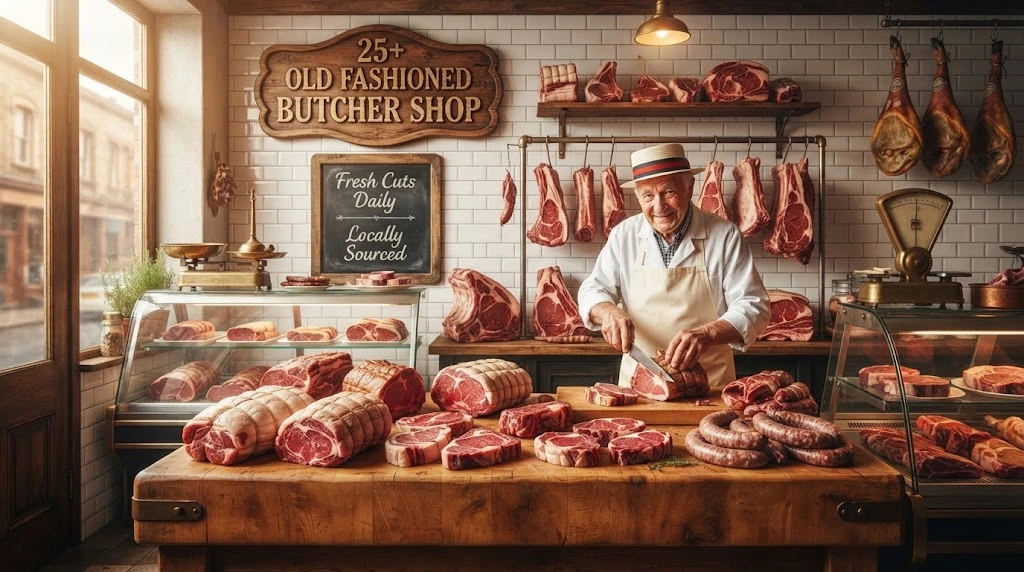
There is something deeply comforting about walking into an old fashioned butcher shop. You hear the quiet hum of a refrigerator, see neatly arranged cuts behind the glass, and catch the familiar smell of fresh meat, seasoning, and perhaps a loaf of bread or a prepared meal waiting nearby. It feels different from picking up a plastic-wrapped package from a supermarket shelf.
A good traditional butcher shop is not simply a place to buy beef, pork, chicken, or lamb. It can be a place where customers learn what to cook, how to cook it, and which cut makes the most sense for the money. A skilled butcher can look at a piece of meat and explain why one cut belongs in a slow cooker while another deserves a hot grill.
That personal guidance is one reason traditional butcher shops still matter. They combine craft, freshness, useful advice, and a sense of community in a way that large stores often struggle to reproduce.
Whether you want to find a local butcher, understand what makes these shops special, choose better cuts, or even open a traditional meat shop yourself, there is plenty to discover.
What Is an Old Fashioned Butcher Shop?
An old fashioned butcher shop is a traditional retail meat shop where customers can buy fresh cuts prepared by a butcher rather than selecting only factory-packaged portions.
The defining feature is the relationship between the customer and the person preparing the meat. Instead of simply taking a package from a refrigerated display, you can often ask for a particular thickness, weight, trim, portion size, or cooking recommendation.
A traditional butcher may work with whole sides, primals, or larger sections of meat and break them down into individual steaks, chops, roasts, ground meat, and specialty cuts. The exact process depends on the shop and the type of meat it handles.
Common products include:
- Beef steaks and roasts
- Ground beef
- Pork chops and roasts
- Lamb cuts
- Chicken and other poultry
- Sausages
- Bacon and cured meats
- Marinated meats
- Bones for stock
- Offal and specialty cuts
- Ready-to-cook meat products
The important distinction is not simply that the shop looks old-fashioned. The real value comes from butchery skill and customer service.
A modern butcher can still use digital scales, commercial refrigeration, food-safety systems, and professional equipment while maintaining the personal service people associate with traditional butcher shops.
Why Do People Still Love Traditional Butcher Shops?
The appeal goes beyond nostalgia.
For many shoppers, the biggest advantage is personal advice. If you tell a butcher that you are cooking dinner for six people and want something tender but affordable, they can often suggest several options instead of leaving you to guess.
You can also request cuts that supermarkets may not regularly stock. A butcher might be able to prepare a thicker steak, tie a roast, grind meat to a particular specification, or save bones for stock.
There is another practical advantage: portion control. If you live alone or cook for two, buying a large family-sized package can create waste. A butcher can often help you purchase an amount that better matches your meal plan.
Traditional shops can also encourage customers to explore less familiar cuts. Beef chuck, pork shoulder, lamb shank, oxtail, skirt steak, and other cuts can become excellent meals when cooked correctly.
That matters because the cheapest cut is not automatically the best value. A moderately priced cut that suits your cooking method can provide a far better meal than an expensive steak prepared incorrectly.
What Can You Buy at an Old Fashioned Butcher Shop?
A well-stocked butcher shop can offer much more than ordinary steaks and ground meat.
Beef counters commonly include ribeye, strip steak, tenderloin, sirloin, brisket, chuck roast, short ribs, flank steak, and stew meat. Depending on the shop, you may also find less common cuts such as hanger steak or beef cheeks.
Pork selections may include chops, tenderloin, ribs, shoulder, belly, and roasts. Lamb can range from simple chops and legs to shanks, shoulder, and specialty cuts.
Many shops also make their own sausages. These can become one of the shop’s signature products, especially when the butcher uses distinctive seasoning blends.
You may also find:
- Fresh burger patties
- Meatballs
- Stuffed chicken breasts
- Seasoned kebab meat
- Marinated steaks
- Breakfast sausage
- Smoked or cured products
- Soup bones
- Fat for rendering
- Liver and other organ meats
Ask about products that are not immediately visible. A traditional butcher may have additional cuts available behind the counter or may be able to prepare something to order.
How to Choose Quality Meat From a Butcher
You do not need to be a professional chef to recognize good-quality meat. Start with appearance, smell, texture, and the information the butcher provides.
For fresh beef, color can vary depending on the cut, packaging, oxygen exposure, and storage conditions, so color alone does not prove quality. Instead, look for meat that appears appropriately fresh for the product, has no unusual odor, and has been stored under proper refrigeration.
Good questions can be more useful than simply staring at the display case.
Ask:
- When was this cut prepared?
- Where does the meat come from?
- Is this cut better for grilling or slow cooking?
- How much should I buy per person?
- Can you trim it for me?
- Is this suitable for freezing?
- What would you choose for this recipe?
A knowledgeable butcher should be able to answer basic questions clearly.
Also consider fat distribution. For many beef steaks, some internal marbling can contribute to tenderness, juiciness, and flavor. However, the ideal amount depends on the cut and your cooking method.
Do not assume that the most expensive item is automatically the best choice. Match the meat to the meal first, then consider price and quality.
How Much Meat Should You Buy?
Buying the correct amount prevents both waste and disappointment.
The right quantity depends on the type of meat, the number of guests, the meal, and how many side dishes you plan to serve. A steak-centered dinner generally requires more meat per person than a meal where meat appears in a stew with vegetables, beans, rice, or pasta.
As a practical starting point, many cooks plan roughly 6 to 8 ounces of boneless meat per adult for a main course. Bone-in cuts require additional weight because some of the purchased weight comes from the bone.
For a large roast, your butcher can usually give you a better estimate based on the cut and expected serving size.
Children, light eaters, and guests with larger appetites will change the calculation. Leftovers also matter. If you want sandwiches or another meal from the leftovers, buying a little extra can make sense.
A useful habit is to tell the butcher exactly what you are preparing.
Instead of saying, “I need some beef,” try saying, “I’m making dinner for six, serving mashed potatoes and vegetables, and I’d like enough roast for dinner plus a few leftovers.”
That gives the butcher information they can actually use.
How to Talk to Your Local Butcher
You do not need to know every technical name for a cut. A good butcher should help translate your cooking plan into the right piece of meat.
Start with the cooking method. Tell them whether you plan to grill, roast, braise, smoke, fry, or slow-cook the meat.
Then explain your budget and how many people you are feeding.
For example:
“I’m grilling for four people. I want something tender and flavorful, but I don’t want to spend a fortune.”
That simple sentence gives the butcher enough information to make useful suggestions.
You can also ask about thickness. Steak thickness affects cooking time and how easily you can develop a browned exterior without overcooking the center.
If you want a roast tied, trimmed, or portioned, ask before purchasing. Many traditional butcher shops provide preparation services as part of the experience.
Most importantly, do not be embarrassed to ask questions. Asking a butcher how to cook an unfamiliar cut is much smarter than buying it blindly.
How to Get Better Value at a Traditional Butcher Shop
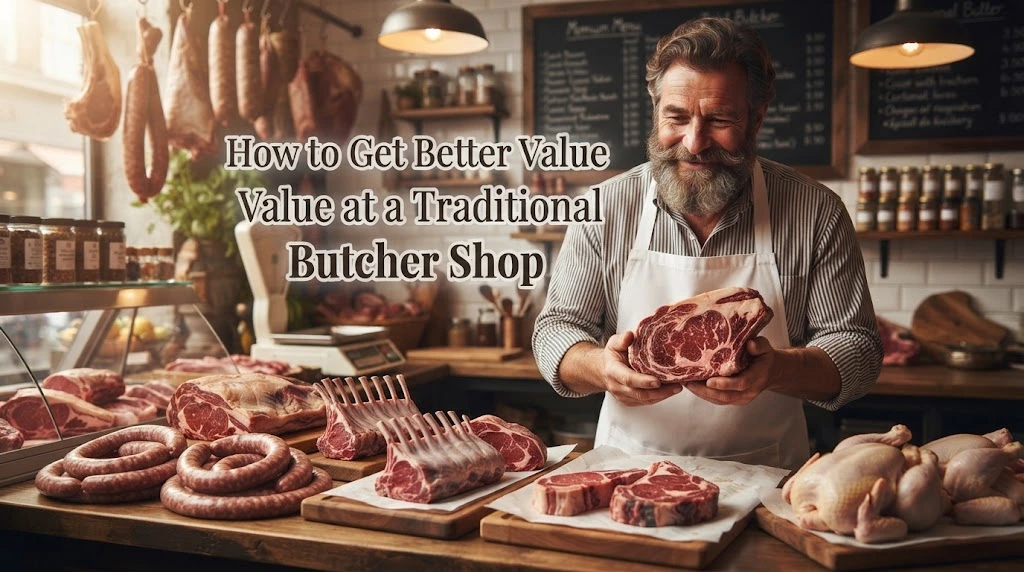
A butcher shop does not have to be expensive.
The easiest way to save money is to move beyond the most famous cuts. Tenderloin and premium steaks command higher prices because of demand and limited supply. Less fashionable cuts can deliver tremendous flavor when cooked properly.
Consider chuck roast for slow cooking, pork shoulder for pulled pork, beef short ribs for braising, or chicken thighs when you want flavorful poultry at a reasonable price.
Ground meat can also provide excellent value. Ask whether the shop offers different lean-to-fat ratios and choose one appropriate for the dish.
Buying larger pieces and portioning them at home can sometimes reduce the per-pound cost, although the exact savings depend on the shop.
You can also ask about:
- Family packs
- Weekly specials
- End cuts
- Larger roasts
- Soup bones
- Bulk sausage
- Less popular cuts
- Freezer-friendly packages
Another smart approach is to build your weekly meals around what is on special rather than deciding every dinner first.
If pork shoulder is a good price, for example, you can cook it once and use the leftovers for sandwiches, tacos, rice bowls, or another meal.
How to Store Meat Safely After Shopping
Great meat can still become unsafe if you handle it poorly after leaving the shop.
Take refrigerated meat home promptly and place it in the refrigerator as soon as possible. Keep raw meat separated from foods that will be eaten without cooking.
A refrigerator should stay at 40°F (4°C) or below according to U.S. food-safety guidance. If you live elsewhere, follow your local food-safety authority’s recommendations.
Use sealed containers or leak-proof packaging to prevent raw juices from contacting other foods.
If you will not use the meat within the recommended refrigerated storage period, freezing it can help preserve quality. Wrap meat securely to limit air exposure and reduce freezer burn.
When thawing frozen meat, use the refrigerator, cold water, or a microwave rather than leaving raw meat sitting on the kitchen counter.
And remember a simple kitchen rule: clean hands, clean surfaces, and separation between raw and ready-to-eat foods reduce the risk of cross-contamination.
Your butcher can explain how the shop packages meat, but safe handling at home remains your responsibility.
Best Cuts for Grilling, Roasting, and Slow Cooking
Different cuts perform differently because muscles contain different amounts of connective tissue, fat, and fiber.
For quick, high-heat cooking, naturally tender cuts generally work best. Ribeye, strip steak, tenderloin, and some sirloin cuts are popular choices for grilling or pan-searing.
For roasting, the best choice depends on the size of the meal and the result you want. Large beef roasts, pork loin, pork shoulder, and leg of lamb each have different cooking characteristics.
Slow cooking changes the equation. Cuts with more connective tissue can become wonderfully tender when cooked slowly with moisture and enough time. Chuck roast and brisket are classic examples.
A simple guide looks like this:
Cooking methodCuts to considerGrillingRibeye, strip steak, sirloin, chopsPan-searingSteak, pork chops, lamb chopsRoastingBeef roast, pork loin, leg of lambBraisingChuck, short ribs, lamb shanksSmokingBrisket, pork shoulder, ribsSlow cookingChuck roast, pork shoulder, stew meatGround dishesGround beef, pork, lamb blends
The best choice still depends on your recipe. Cooking method should guide your purchase, not the other way around.
Old Fashioned Butcher Shop Style: What Makes the Experience Special?
The phrase “old fashioned” often describes more than the products. It describes a style of service.
Picture a small counter where the butcher recognizes returning customers. Someone asks for steaks for a weekend barbecue. Another customer wants a roast for Sunday dinner. The butcher asks a few questions, trims the meat, weighs it, wraps it, and offers a cooking suggestion.
That interaction creates trust.
The visual style of a traditional butcher shop often supports the same feeling. Wood details, simple signs, classic display cases, paper wrapping, handwritten specials, and traditional uniforms can create a warm atmosphere.
If you are styling a butcher shop for customers, authenticity matters more than decoration. A shop should look clean, organized, professional, and genuinely useful rather than like a movie set pretending to be a butcher shop.
For branding, classic typography and restrained colors can work well. Deep red, cream, charcoal, dark green, and natural wood tones can create a traditional look without making the space feel dated.
The best visual identity tells customers what the business values: quality meat, skilled preparation, honest service, and local connection.
Common Mistakes When Shopping at a Butcher Shop
First-time customers sometimes make the experience harder than it needs to be.
One common mistake is focusing only on price per pound. A cheaper cut can require longer cooking, contain more bone, or produce a different number of servings.
Another mistake is buying meat without explaining the cooking method. A butcher cannot give the best recommendation if they do not know whether you are making steak, stew, barbecue, or a roast dinner.
Some shoppers also ignore portion size. Buying far more meat than you need can waste money and freezer space.
Other mistakes include:
- Assuming expensive always means better
- Refusing unfamiliar cuts
- Forgetting to ask about preparation
- Buying meat without checking storage needs
- Leaving chilled meat in the car for too long
- Using the same cutting board for raw meat and ready-to-eat foods without proper cleaning
- Choosing a cut based only on appearance
There is also a social mistake: being afraid to ask questions.
A butcher’s expertise is one of the main reasons to shop there. Use it.
How to Find a Good Old Fashioned Butcher Shop Near You
Finding a reliable local butcher takes a little more effort than searching for the nearest meat counter.
Start by looking for shops with a clear focus on fresh meat and professional butchery. Reviews can help, but read them for patterns rather than relying on a single five-star comment.
Look for customers mentioning:
- Helpful staff
- Fresh products
- Good cleanliness
- Accurate weights
- Fair pricing
- Consistent quality
- Useful cooking advice
- Custom cutting
- Good selection
Visit the shop if possible. Notice the general condition of the premises and how staff handle food.
A good butcher should be willing to explain products and answer reasonable questions. The shop should also follow appropriate food-handling and refrigeration practices.
Local recommendations can be especially useful. Ask neighbors, coworkers, chefs, or home cooks where they buy meat.
And give a new shop more than one chance if the first visit is simply unfamiliar. Building a relationship with a butcher can take time, just as it does with a baker, fishmonger, or specialty grocer.
How Traditional Butcher Shops Support Local Communities
Independent butcher shops can become important neighborhood businesses.
Customers often develop long-term relationships with the people behind the counter. That relationship can turn a routine shopping trip into a local ritual.
A butcher may know that one customer always wants thin pork chops, another likes thick steaks, and another buys bones for homemade broth.
Small shops can also respond to local demand more quickly than large chains. If customers repeatedly ask for a particular sausage, cut, or prepared product, an independent business may be able to adjust its selection.
That does not mean every local butcher automatically offers better meat than every supermarket. Quality varies from business to business. What traditional shops can offer is personalized service and specialized knowledge.
They can also introduce shoppers to cuts they might never notice in a standard grocery aisle.
That educational role has real value. The more consumers understand about cuts, cooking, storage, and food preparation, the more confidently they can shop.
How to Start an Old Fashioned Butcher Shop
Opening a traditional butcher shop requires far more than finding a storefront and buying a meat case.
Food businesses must meet local licensing, sanitation, refrigeration, inspection, labeling, and food-safety requirements. Exact rules vary significantly by country, state, province, and municipality.
The business also needs a clear identity.
Before opening, decide what you want the shop to be known for. Will you focus on premium beef? Affordable family cuts? Traditional sausages? Locally sourced meat? Specialty products? Custom preparation?
A strong concept makes purchasing and marketing decisions easier.
You also need reliable suppliers, appropriate refrigeration, cutting equipment, sanitation systems, packaging materials, inventory controls, insurance, trained staff, and a realistic pricing model.
The financial side deserves special attention. Meat inventory represents money sitting in refrigeration. Poor purchasing decisions can create spoilage and shrinkage, while understocking can disappoint customers.
A successful shop should therefore track:
- Purchase costs
- Selling prices
- Product yield
- Waste
- Labor
- Refrigeration costs
- Packaging
- Rent and utilities
- Inventory turnover
- Customer demand
Customer experience matters just as much as the product. A beautifully stocked counter will not save a business if staff provide poor service or the shop fails to maintain high food-safety standards.
How to Build a Loyal Butcher Shop Customer Base
Loyal customers rarely come from advertising alone. They come from consistently good experiences.
Start by making the basics excellent. Keep the shop clean, display products clearly, answer questions honestly, and provide reliable weights and prices.
Then create reasons for customers to return.
A weekly special can encourage repeat visits. Seasonal products can create excitement. Recipe cards can help customers use unfamiliar cuts. A simple loyalty program may also work if it genuinely rewards regular shoppers.
Education can become a powerful marketing tool.
For example, a butcher could explain how to prepare a chuck roast one week and demonstrate a simple steak technique the next. Short cooking videos, helpful social posts, email recipes, and in-store advice can make the shop feel like a trusted food resource rather than just a retailer.
Avoid exaggerated claims. Do not call meat “the best in town” unless you can support the statement. Trust grows faster when marketing sounds honest.
The strongest butcher-shop brands often make customers feel that they are dealing with real people who care about the food.
Modern Convenience Meets Old-Fashioned Butchery
Traditional service does not require a business to reject modern technology.
A butcher shop can preserve its personal character while offering online ordering, digital payments, email newsletters, text notifications, delivery, and social media updates.
Online ordering can be particularly useful for customers who already know what they want. They can place an order for steaks, sausages, or a weekend roast and collect it at a convenient time.
However, technology should support the butcher rather than replace the expertise that makes the shop special.
A website can explain cuts, prices, opening hours, ordering policies, and cooking ideas. Social media can showcase new products and seasonal specials.
But customers should still have the option to ask a real person, “Which roast would you choose for six people?”
That combination is powerful: modern convenience with traditional expertise.
For a shop owner, the goal is not to imitate the past perfectly. It is to preserve the best parts of the traditional experience while removing unnecessary inconvenience.
How to Make the Most of Your Next Butcher Shop Visit
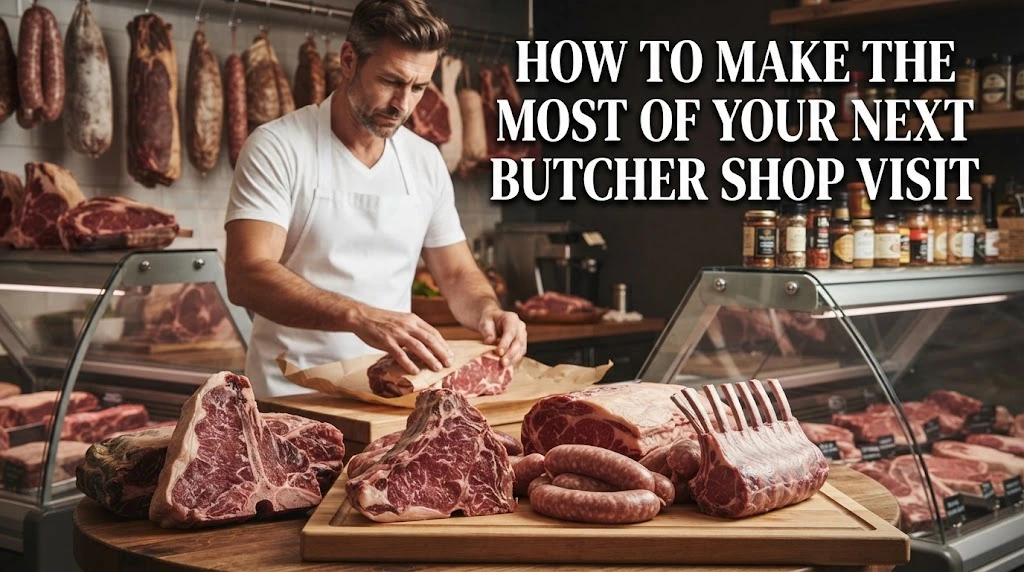
Your next visit can be much more productive if you arrive with a basic plan.
Know how many people you are feeding and how you intend to cook the meat. If you are following a recipe, bring the recipe or have the important details available.
Then ask for the butcher’s recommendation.
You might say:
“I’m cooking this in a slow cooker tomorrow. I’m feeding four people and would like leftovers. What cut would give me the best balance of flavor and price?”
That question is far more useful than simply asking for the “best beef.”
If you are trying a new cut, ask for cooking instructions and whether the meat needs trimming. If you are freezing it, ask whether the shop recommends particular packaging or portion sizes.
Finally, pay attention to what you learn. If the butcher recommends pork shoulder instead of pork loin for pulled pork, remember the reason. The next time you shop, you will already know more.
A good butcher visit should leave you with more than a bag of meat. You should leave with confidence about what you bought and how to use it.
Conclusion
The old fashioned butcher shop survives because it offers something people still appreciate: knowledge you can use.
You can ask questions, choose a cut based on your recipe, request specific preparation, buy a practical quantity, and learn how to turn an unfamiliar piece of meat into a good meal.
The best traditional butcher shops also create a sense of connection. They make food shopping feel less anonymous. Over time, a butcher can learn your preferences, remember what you usually buy, and point you toward something worth trying.
That does not mean every traditional shop is automatically superior, and nostalgia should never replace food safety or product quality. A good butcher earns trust through clean practices, consistent products, fair service, and honest advice.
For shoppers, the smartest approach is simple: ask questions, buy for the way you actually cook, explore less expensive cuts, handle meat safely, and build relationships with businesses that consistently deliver quality.
For business owners, the lesson is equally clear. Keep the craftsmanship, personal service, and community feeling that made traditional butcher shops special. Add the convenience customers expect today.
That balance can make an old-fashioned butcher shop feel not outdated, but timeless.
FAQs About Old Fashioned Butcher Shops
1. What makes an old fashioned butcher shop different from a supermarket?
A traditional butcher shop typically offers more personalized service and custom meat preparation. Customers can often ask for specific cuts, thicknesses, trimming, portion sizes, or cooking advice rather than choosing only pre-packaged products.
2. Is meat from a local butcher better than supermarket meat?
Not automatically. Quality depends on sourcing, handling, storage, freshness, and the individual business. A reputable butcher can provide useful information about the meat and offer custom preparation, which many customers value.
3. What should I ask a butcher when I do not know which cut to buy?
Explain what you are cooking, how many people you are feeding, your budget, and your preferred cooking method. For example, tell the butcher that you want a tender cut for grilling or an economical cut for slow cooking.
4. What are the best affordable cuts to buy from a butcher?
Chuck roast, pork shoulder, chicken thighs, stew meat, and some less popular beef cuts can offer good value. The best choice depends on your recipe because cuts with more connective tissue often work especially well with slow cooking.
5. Can a butcher shop prepare meat exactly how I want it?
Many traditional butcher shops offer custom cutting and preparation, although services vary. You can ask about thickness, trimming, portioning, tying roasts, grinding, or preparing specialty products before placing your order.
6. How should I store meat after buying it from a butcher?
Take chilled meat home promptly and refrigerate it at a safe temperature. Keep raw meat separated from ready-to-eat food, use leak-proof packaging, and freeze meat you will not use within an appropriate storage period.
7. How do I find a trustworthy traditional butcher shop?
Look for a shop with good customer feedback, clean facilities, proper refrigeration, knowledgeable staff, clear pricing, and consistent product quality. Local recommendations can help, but visiting the shop yourself and asking questions is one of the best ways to judge whether it is right for you.