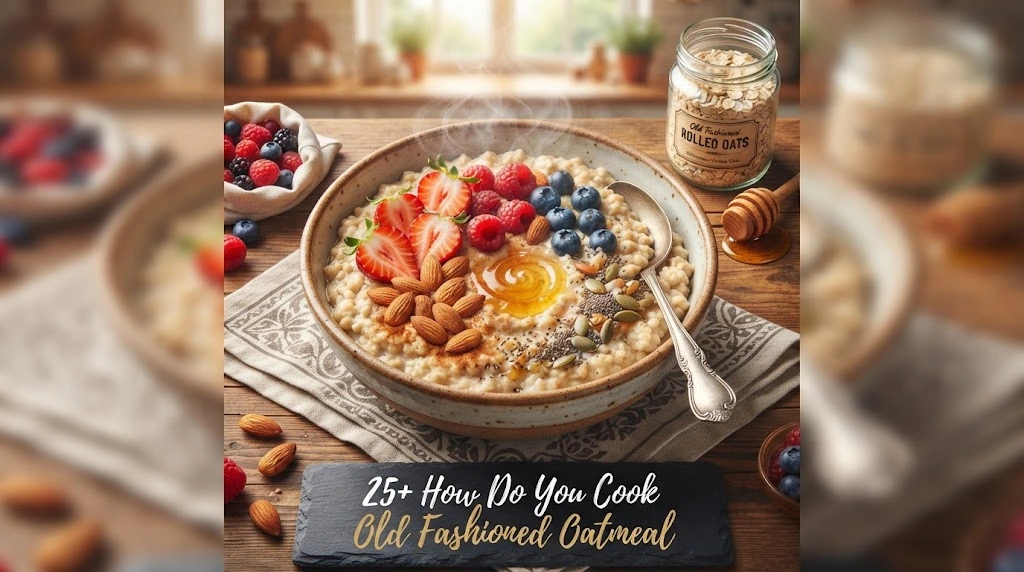
There is something comforting about a warm bowl of oatmeal in the morning. When the kitchen is still quiet, the weather is chilly, and you have a few minutes to slow down, a bowl of creamy oatmeal can feel like a small act of kindness to yourself. The best part is that old fashioned oats do not need much to become delicious.
Old fashioned oatmeal, also called rolled oats, cooks quickly without becoming as soft as instant oatmeal. With the right amount of liquid and a little patience, you can make it creamy, tender, and pleasantly chewy.
The basic method is simple: combine rolled oats with liquid, bring the mixture to a gentle simmer, and cook until the oats reach the texture you like. From there, you can keep things traditional with butter and brown sugar or build a more filling breakfast with fruit, nuts, seeds, yogurt, or peanut butter.
This guide explains exactly how to cook old fashioned oatmeal on the stovetop, along with microwave and overnight methods, liquid ratios, cooking times, flavor ideas, common mistakes, storage advice, and practical tips for getting the texture right every time.
What Are Old Fashioned Oats?
Old fashioned oats are whole oat groats that have been steamed and rolled into flat flakes. That processing makes them much faster to cook than whole oat groats while allowing them to keep more texture than instant oats.
You may also see them labeled as rolled oats or regular rolled oats. For everyday oatmeal, these terms generally refer to the same basic type of oat.
They differ from steel-cut oats, which are oat groats chopped into smaller pieces rather than flattened. Steel-cut oats take longer to cook and have a firmer, chewier texture.
Old fashioned oats also differ from quick oats. Quick oats are rolled thinner and processed more heavily, so they cook faster and usually produce a softer bowl.
For classic homemade oatmeal, old fashioned rolled oats are an excellent middle ground. They cook in roughly five minutes on the stovetop and still give you enough texture to make breakfast satisfying.
If you want oatmeal that tastes homemade rather than overly soft or gluey, rolled oats are usually the easiest choice.
How Much Liquid Do You Need for Old Fashioned Oatmeal?
For stovetop oatmeal, a reliable starting ratio is 1 cup of old fashioned oats to 2 cups of liquid.
Water works perfectly well, but milk creates a richer and creamier result. You can also combine the two.
For example:
- 1 cup old fashioned oats
- 2 cups water
- Pinch of salt
This produces about two servings, depending on portion size.
For creamier oatmeal, try:
- 1 cup oats
- 1 cup water
- 1 cup milk
- Pinch of salt
If you prefer thicker oatmeal, reduce the liquid slightly. If you like a looser, spoonable consistency, add a little more liquid toward the end of cooking.
The important point is that the liquid ratio is a starting point, not a rigid rule. Different brands of oats, cooking temperatures, and personal preferences can change the final texture.
I recommend starting with less liquid than you think you need if you are unsure. You can always stir in another splash of milk or water. Fixing oatmeal that is too thick is much easier than rescuing oatmeal that has become watery.
How Do You Cook Old Fashioned Oatmeal on the Stove?
The stovetop method gives you the most control over texture, which is why it remains my favorite way to prepare rolled oats.
Start by bringing 2 cups of water or milk to a gentle boil in a small saucepan. Add a pinch of salt once the liquid is hot.
Stir in 1 cup of old fashioned oats. Reduce the heat to medium-low or low so the oatmeal maintains a gentle simmer instead of boiling aggressively.
Cook for about 5 minutes, stirring occasionally. The oats should soften and absorb most of the liquid while remaining slightly chewy.
Remove the saucepan from the heat when the oatmeal looks a little looser than your ideal consistency. It will continue thickening for a minute or two as it rests.
Then add your preferred toppings.
For a basic bowl, try:
- 1 teaspoon butter
- 1 to 2 teaspoons brown sugar
- Pinch of cinnamon
- Sliced banana
- Small handful of chopped walnuts
The trick is not to walk away from the pot. Oatmeal can thicken quickly near the end, and milk can scorch or boil over if you leave it unattended.
How Long Should You Cook Rolled Oats?
Old fashioned oats usually need about 5 minutes of gentle cooking on the stovetop after you add them to the hot liquid.
However, cooking time can vary slightly depending on the amount you prepare and the texture you want.
For softer oatmeal, cook for another minute or two. For oatmeal with more chew, start checking around the four-minute mark.
You can tell when oats are ready by looking at their texture. The flakes should appear plump and tender, and most of the liquid should have been absorbed.
Do not wait until the oatmeal looks completely dry in the saucepan. By the time you transfer it to a bowl, it will have thickened further.
One of the most useful habits is to remove oatmeal from the heat just before it reaches your perfect thickness. This small adjustment can make a surprisingly big difference.
If you are cooking a large batch, expect it to take a little longer because the larger volume takes more time to heat evenly.
Can You Cook Old Fashioned Oatmeal With Milk?
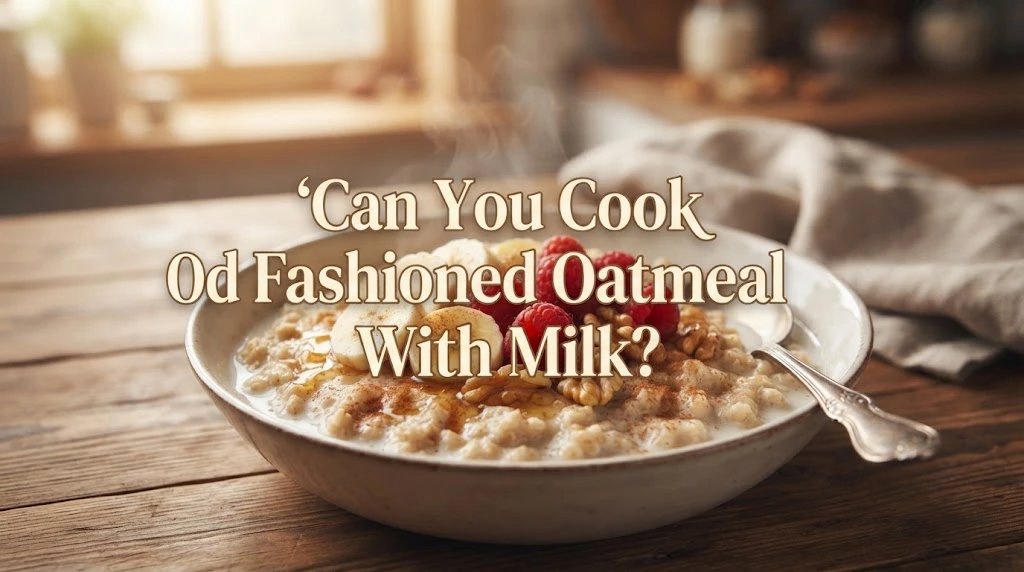
Yes. Milk makes oatmeal richer, creamier, and naturally sweeter than water alone.
Whole milk gives the fullest texture, while 2% and skim milk still work well. You can also use unsweetened plant-based milk such as almond, soy, oat, or cashew milk.
When cooking oats with milk, keep the heat relatively low. Milk can scorch on the bottom of the pan or foam up suddenly when it reaches a boil.
A simple milk-based recipe is:
- 1 cup old fashioned oats
- 2 cups milk
- Pinch of salt
- ½ teaspoon cinnamon
- 1 tablespoon maple syrup
Bring the milk to a gentle simmer, stir in the oats and salt, then lower the heat. Cook for approximately five minutes, stirring occasionally.
If you use sweetened or flavored plant milk, taste the oatmeal before adding sugar or syrup. You may need much less sweetener than expected.
For an especially creamy bowl, stir in a spoonful of Greek yogurt after cooking. Let the oatmeal cool slightly first so the yogurt blends smoothly instead of becoming watery.
How Do You Cook Old Fashioned Oatmeal in the Microwave?
The microwave is ideal when you want breakfast quickly and do not want to wash a saucepan.
Combine ½ cup old fashioned oats with 1 cup liquid in a large microwave-safe bowl. Add a small pinch of salt.
Microwave on high for about 2 to 3 minutes, depending on your microwave. Use a large bowl because oatmeal can bubble up and overflow.
Stop once to stir if your microwave heats unevenly. After cooking, let the oatmeal stand for about a minute before eating.
The resting time matters because the oats continue absorbing liquid after the microwave stops.
A simple microwave combination is:
- ½ cup rolled oats
- 1 cup milk or water
- Pinch of salt
- ½ banana, mashed
- Cinnamon
Mash the banana directly into the oats before cooking. It adds natural sweetness and gives the finished oatmeal a thicker, creamier texture.
Never assume every microwave cooks at the same speed. Start with a shorter cooking time and add 20- to 30-second intervals if necessary.
What Is the Best Way to Make Creamy Oatmeal?
Creamy oatmeal depends on both the liquid and the cooking technique.
Start with enough liquid. The common 1-to-2 ratio gives you a good foundation, but milk can make the texture noticeably richer.
Next, cook the oats gently. A violent boil can break down the oats too quickly and produce a texture that feels heavy rather than creamy.
Stirring occasionally also helps distribute the starch and prevent the bottom from sticking. You do not need to stir constantly.
For an extra-creamy finish, try one of these additions:
- Splash of warm milk
- Spoonful of Greek yogurt
- Small amount of cream
- Teaspoon of butter
- Mashed banana
- Tablespoon of nut butter
There is also a simple restaurant-style trick: let the oatmeal rest for one minute after cooking. This gives the oats time to finish absorbing the liquid and makes the consistency more even.
If your oatmeal regularly turns out gluey, reduce the cooking time and avoid excessive stirring. Rolled oats need some movement, but constant vigorous stirring can make the texture heavier.
How Do You Make Old Fashioned Oatmeal Taste Better?
Plain oatmeal has a mild flavor, which makes it a perfect base for different combinations. The secret is to build flavor in layers rather than dumping several toppings into the bowl.
Start with a pinch of salt. Even sweet oatmeal benefits from salt because it balances the sweetness and brings out the flavor of the oats.
Then choose one main sweetener:
- Maple syrup
- Brown sugar
- Honey
- Date syrup
- Mashed banana
Add warmth with cinnamon, nutmeg, cardamom, or a tiny splash of vanilla extract.
Then include texture. Chopped pecans, walnuts, almonds, pumpkin seeds, or sunflower seeds can make soft oatmeal much more interesting.
Fresh fruit also works beautifully. Berries add brightness, while bananas, apples, and pears create a softer, sweeter flavor.
One of my favorite combinations is apple, cinnamon, walnuts, and maple syrup. Cook finely diced apple with the oats for a few minutes, then finish the bowl with walnuts and a small drizzle of maple syrup.
For a chocolate version, stir in a teaspoon of unsweetened cocoa powder and top with sliced banana and peanut butter.
You do not need five toppings to make oatmeal exciting. Two or three well-matched ingredients usually taste better than a crowded bowl.
What Are the Healthiest Toppings for Oatmeal?
Old fashioned oats already provide fiber and complex carbohydrates, but toppings can change the nutritional balance of the meal.
For more protein and staying power, consider:
- Greek yogurt
- Peanut butter
- Almond butter
- Chopped nuts
- Pumpkin seeds
- Hemp hearts
- Chia seeds
For fruit, berries, apples, pears, peaches, and bananas all work well. Fresh or frozen fruit can be used.
If you want extra fiber, chia seeds and ground flaxseed are easy additions. Start with a small amount and add more liquid if the oatmeal becomes too thick.
Be mindful of toppings that can turn a modest bowl into a very sugary breakfast. Brown sugar, syrup, honey, sweetened dried fruit, flavored yogurt, and sweetened nut spreads can add up quickly.
That does not mean you have to avoid them. Instead, use them intentionally.
For a balanced bowl, combine oats + protein-rich topping + fruit + a small amount of added sweetness. That gives you a satisfying breakfast without relying entirely on sugar for flavor.
If you have a specific medical or dietary condition, follow advice from your healthcare professional rather than treating a general oatmeal recipe as personalized nutrition guidance.
How Do You Make Old Fashioned Oatmeal Without Sugar?
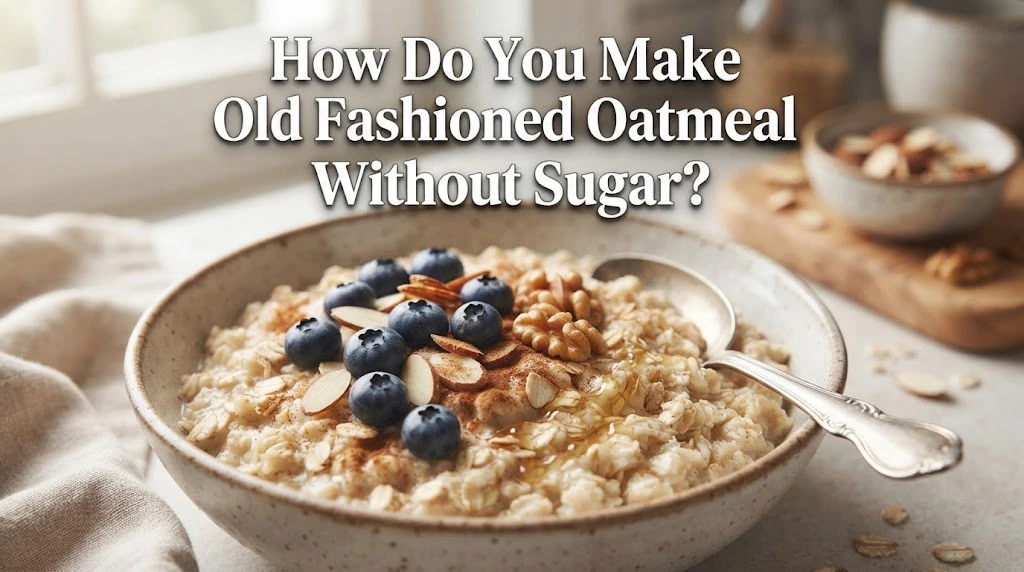
You can make delicious oatmeal without added sugar by using naturally sweet ingredients and warming spices.
Mashed ripe banana is one of the easiest options. Stir half a banana into the oats while they cook, then add the other half as a topping.
Cooked apples also become sweeter as they soften. Add diced apple, cinnamon, and a little vanilla to the saucepan.
Other useful combinations include:
- Banana and peanut butter
- Blueberries and cinnamon
- Apple and chopped pecans
- Pear and walnuts
- Strawberries and plain Greek yogurt
- Pumpkin puree and pumpkin spice
Vanilla extract does not make oatmeal truly sweet, but it can make the overall flavor seem richer and more dessert-like.
Cinnamon also adds warmth without adding sugar.
If you are reducing added sugar gradually, do not try to make plain oatmeal taste like a dessert on the first day. Start with a small amount of sweetener and slowly reduce it as your palate adjusts.
A bowl of oats with warm fruit, nuts, cinnamon, and a splash of milk can be surprisingly satisfying without any added sugar.
How Do You Make Oatmeal With Water?
Water is one of the simplest liquids for cooking old fashioned oats, and it lets the natural flavor of the oats come through.
For two servings, combine:
- 1 cup old fashioned oats
- 2 cups water
- Pinch of salt
Bring the water to a boil, stir in the oats and salt, reduce the heat, and simmer for about five minutes.
Water-based oatmeal can taste excellent if you season it properly. The most common mistake is skipping salt and then wondering why the oatmeal tastes flat.
After cooking, add milk, yogurt, butter, nut butter, fruit, or another topping to create the flavor and texture you want.
Water is also useful if you plan to add rich toppings. Peanut butter, cream, coconut milk, or yogurt can provide richness without making the base too heavy.
If your oatmeal tastes thin or bland when cooked with water, try adding a pinch more salt and a flavorful topping before changing the entire recipe.
Can You Make Old Fashioned Oats Overnight?
Yes. Overnight oats use the same rolled oats but rely on soaking rather than traditional stovetop cooking.
Combine old fashioned oats with milk or another liquid and refrigerate the mixture for several hours, usually overnight. The oats soften as they absorb the liquid.
A basic overnight oat ratio is:
- ½ cup old fashioned oats
- ½ to ¾ cup milk
- ¼ cup Greek yogurt
- 1 teaspoon chia seeds
- Cinnamon
- Fruit or a small amount of maple syrup
Mix everything in a covered container and refrigerate overnight. In the morning, stir and adjust the texture with another splash of milk.
Overnight oats are usually eaten cold, but you can warm them gently if you prefer a hot breakfast.
They are especially convenient for busy mornings because the preparation happens the night before. Make several portions at once and keep them refrigerated in individual containers.
Do not leave prepared oats sitting at room temperature for hours. Keep them refrigerated and use appropriate food-storage practices.
How Do You Store and Reheat Cooked Oatmeal?
Cooked oatmeal makes a convenient make-ahead breakfast. Store leftovers in a covered container in the refrigerator and use them within a few days for best quality.
The oats will become much thicker as they cool. That does not mean they are ruined.
To reheat them on the stove, place the oatmeal in a saucepan and add a splash of water or milk. Warm gently over low to medium-low heat, stirring until smooth.
For the microwave, add a little liquid first and heat in short intervals. Stir between intervals so the center and edges warm evenly.
If the oatmeal becomes extremely thick after refrigeration, do not simply microwave it for several minutes at once. Gradual heating gives you much better control.
You can also turn leftover oatmeal into something different. Add an egg, cinnamon, fruit, and a little baking powder and use it as the base for baked oatmeal-style breakfast portions.
Proper storage matters more than trying to preserve the exact texture of freshly cooked oatmeal. Refrigerated oats will naturally change, but a little added liquid can bring them back to a pleasant consistency.
What Mistakes Should You Avoid When Cooking Oatmeal?
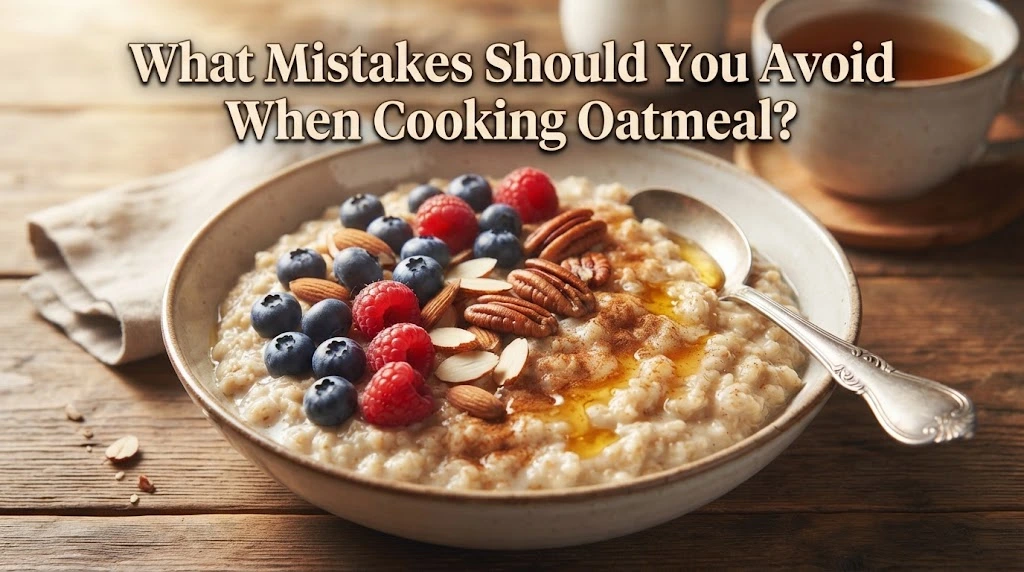
Oatmeal looks simple, but a few small mistakes can make the difference between a creamy breakfast and a disappointing bowl.
Using too much liquid: This produces thin oatmeal. Start with the standard ratio and add more liquid only when needed.
Cooking at very high heat: A hard boil can cause milk to scorch and oats to break down too quickly. Keep the heat gentle.
Overcooking: Oats continue thickening after you remove them from the stove. Stop slightly before the final texture you want.
Skipping salt: Even sweet oatmeal benefits from a small pinch of salt.
Stirring too aggressively: Gentle stirring is enough. Excessive stirring can create a heavier, glue-like texture.
Using a tiny microwave bowl: Oatmeal can bubble over. Choose a bowl with plenty of extra space.
Adding every topping at once: Too many competing flavors can make breakfast taste muddled. Pick a few ingredients that complement each other.
Ignoring the type of oats: Steel-cut oats, quick oats, and old fashioned oats do not cook the same way. Always check which variety you have before choosing a cooking time.
If your oatmeal does not turn out perfectly the first time, adjust one variable at a time. Change the liquid ratio, heat, or cooking time rather than changing everything at once.
FAQs About Cooking Old Fashioned Oatmeal
1. How much water do I use for 1 cup of old fashioned oats?
A common starting point is 2 cups of water for 1 cup of rolled oats. Adjust the amount slightly depending on whether you prefer thick or loose oatmeal.
2. How long do old fashioned oats take to cook?
They generally take about 5 minutes on the stovetop after the liquid reaches a simmer. Cook longer for a softer texture and slightly less for more chew.
3. Is it better to cook oatmeal with milk or water?
Both work. Water gives you a lighter, cleaner oat flavor, while milk produces a richer and creamier result. Combining the two gives you a useful middle ground.
4. Why does my oatmeal become gummy?
Overcooking and excessive stirring can contribute to a gummy texture. Try cooking at a gentler temperature, stirring only when needed, and removing the oatmeal from the heat before it becomes fully thick.
5. Can I cook old fashioned oats in the microwave?
Yes. Combine about ½ cup oats with 1 cup liquid in a large microwave-safe bowl and cook for roughly 2 to 3 minutes, checking carefully because microwave power varies.
6. Are old fashioned oats the same as rolled oats?
Yes, in most grocery stores, old fashioned oats and rolled oats refer to the same general product. They are steamed and rolled flat so they cook faster than steel-cut oats.
7. Can I prepare old fashioned oatmeal the night before?
Yes. You can either cook the oatmeal ahead and refrigerate it or make overnight oats by soaking the rolled oats in milk or another liquid. Store prepared oats in the refrigerator and add a splash of liquid before reheating if needed.
Conclusion
Learning how to cook old fashioned oatmeal is less about memorizing a complicated recipe and more about understanding a few simple principles.
Start with rolled oats, use roughly two parts liquid to one part oats, season with a pinch of salt, and cook gently until the oats become tender. Then stop cooking before they become thicker than you want because they will continue to set as they rest.
From there, oatmeal can go in almost any direction. Keep it classic with cinnamon and brown sugar, make it naturally sweet with bananas and apples, add protein with nut butter or Greek yogurt, or prepare overnight oats when mornings are rushed.
The most important tip is to cook for the texture you enjoy. Some people want oatmeal that is thick enough to hold a spoon upright. Others prefer it soft and creamy with plenty of milk. There is no single perfect bowl.
Once you understand how the oats respond to liquid, heat, and resting time, you can adjust the recipe confidently instead of relying on a package instruction every morning.
And that is what makes old fashioned oatmeal such a dependable breakfast: simple ingredients, quick preparation, and endless ways to make the bowl your own.