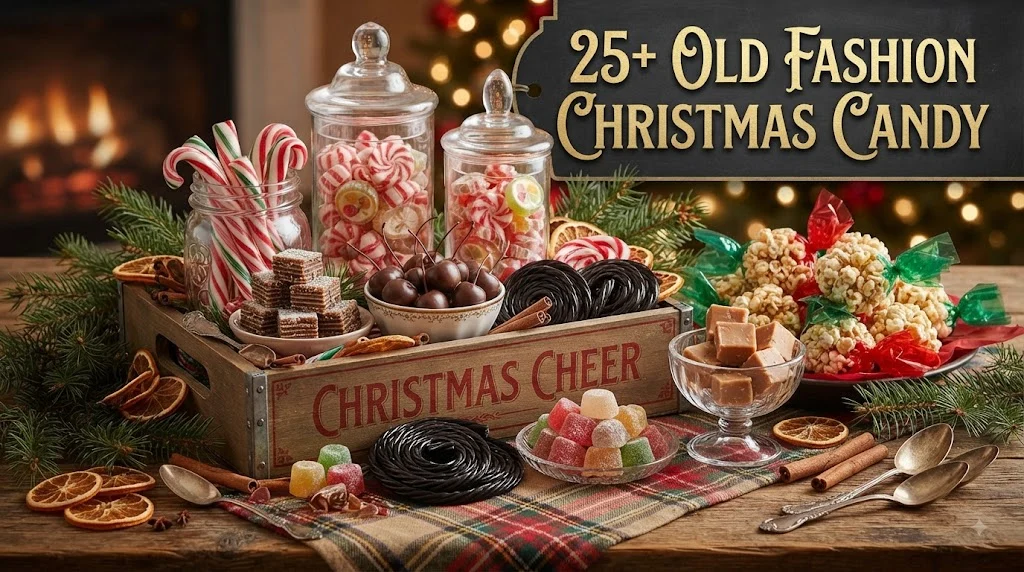
There is something special about opening a Christmas candy tin and finding the sweets you remember from childhood. Maybe it was a peppermint stick from a grandparent, a ribbon of homemade taffy pulled across the kitchen table, or a glass dish filled with colorful hard candies that seemed to last all through December. Old-fashioned Christmas candy carries memories in a way few modern treats can.
These candies are not just about sugar. They are about holiday traditions, family kitchens, handwritten recipes, festive gatherings, and the simple pleasure of offering someone a sweet treat. Even the look of an old-fashioned candy can bring back a feeling of Christmases past.
The good news is that you do not need a complicated recipe or a huge candy-making setup to enjoy that feeling today. Classic peppermint, peanut brittle, divinity, fudge, ribbon candy, butter toffee, coconut balls, and other traditional Christmas sweets can still fit beautifully into a modern holiday celebration.
Whether you want to recreate a family tradition, make a thoughtful Christmas gift, decorate a dessert table, or simply discover the candy your grandparents may have enjoyed, this guide will help you choose the right treats and serve them with confidence.
What Makes Old-Fashioned Christmas Candy So Special
Traditional Christmas candy usually has two things going for it: strong memories and simple ingredients. Many classic recipes rely on pantry staples such as sugar, butter, corn syrup, chocolate, nuts, peppermint, coconut, cream, and vanilla.
That simplicity does not mean the candy lacks character. In fact, many old-fashioned sweets have very distinct textures. Brittle snaps when you bite it. Fudge melts slowly. Taffy stretches and pulls. Peppermint candy gives a sharp, cool finish.
Another reason these sweets remain popular is their connection to holiday traditions. Families often make the same candy every year, sometimes using a recipe written on an index card or passed down from a parent or grandparent.
Common examples include:
- Peppermint sticks and candy canes.
- Homemade fudge.
- Peanut brittle.
- Pecan pralines.
- Divinity.
- Ribbon candy.
- Butter toffee.
- Chocolate-covered cherries.
- Coconut haystacks.
- Saltwater-style taffy.
- Hard peppermint candies.
- Caramel candies.
- Chocolate truffles made in a traditional style.
The appeal goes beyond flavor. Traditional candy feels personal. A homemade batch can communicate more warmth than a generic box of sweets because someone took the time to make, wrap, or arrange it.
That makes these candies especially meaningful during Christmas.
Popular Traditional Christmas Candy Varieties
If you are trying to decide which classic candy belongs on your holiday table, start with the texture and flavor your guests enjoy.
Fudge is one of the easiest crowd-pleasers. Chocolate fudge feels rich and nostalgic, while vanilla, peanut butter, walnut, and peppermint versions offer variety.
Peanut brittle delivers a completely different experience. It has a crisp texture, roasted nut flavor, and caramelized sweetness. Pecan brittle makes a nice alternative if you want a Southern-inspired holiday treat.
Divinity has a light, airy texture compared with dense fudge. Traditional recipes often include pecans and vanilla, giving the candy a delicate flavor.
Peppermint candy brings instant Christmas character. Classic peppermint sticks, striped peppermint drops, and candy canes work especially well as stocking stuffers or decorative accents.
Ribbon candy stands out because of its appearance. Thin layers of colored candy twist into delicate loops and folds, making it one of the most recognizable old-time Christmas sweets.
Toffee appeals to people who enjoy buttery caramel flavor with a crisp bite. Chocolate and nuts often add another layer of texture.
When building a candy assortment, try combining different textures instead of buying five similar sweets. A box containing soft fudge, crunchy brittle, chewy caramel, and crisp peppermint feels much more interesting.
Best Old-Fashioned Christmas Candy for a Candy Tray
A Christmas candy tray should look inviting before anyone takes the first bite. You do not need expensive decorations. Contrast does most of the work.
Choose three to six candy varieties with different colors, shapes, and textures. For example, dark chocolate fudge can sit beside white divinity, red-and-white peppermint, golden toffee, and nutty brittle.
For a classic arrangement, try this combination:
- Chocolate walnut fudge for a soft centerpiece.
- Peppermint sticks for color and freshness.
- Peanut or pecan brittle for crunch.
- Butter toffee for a rich caramel note.
- Divinity for a lighter texture.
- Coconut candy for a snowy white accent.
Cut larger candies into neat pieces so guests can sample several varieties without committing to one large serving.
Use small paper liners for sticky pieces. They keep the tray tidy and make individual candies easier to pick up.
A vintage glass dish, silver serving tray, ceramic Christmas platter, or wooden board can also make the display feel more nostalgic. You do not need every piece to match. A little imperfection often makes a traditional candy table feel more authentic.
Easy Homemade Old-Fashioned Christmas Candy
You can make several traditional candies at home without becoming an experienced confectioner.
Fudge is a good starting point because many modern versions use a simple stovetop method. A basic chocolate fudge often combines chocolate, sweetened condensed milk, butter, and vanilla. Once melted and combined, the mixture goes into a lined pan to cool and set.
For brittle, the process requires more attention because cooked sugar reaches very high temperatures. A candy thermometer makes the job much easier and safer.
Classic hard candy also depends heavily on temperature. Sugar syrup needs to reach the correct stage before you add flavoring and pour it into molds or onto a prepared surface.
If you are new to candy making, begin with recipes that do not require pulling, shaping, or precise temperature control.
A few useful habits make a big difference:
- Read the entire recipe before starting.
- Measure ingredients before heating the sugar.
- Use a reliable candy thermometer when the recipe requires one.
- Keep children away from hot sugar syrup.
- Avoid touching freshly cooked candy because it can cause severe burns.
- Prepare pans, parchment, molds, and tools before you start cooking.
- Do not substitute ingredients casually in temperature-sensitive recipes.
Hot sugar is much more dangerous than it looks. Treat it with the same care you would give a hot pan or boiling liquid.
Classic Christmas Candy Recipes Worth Recreating
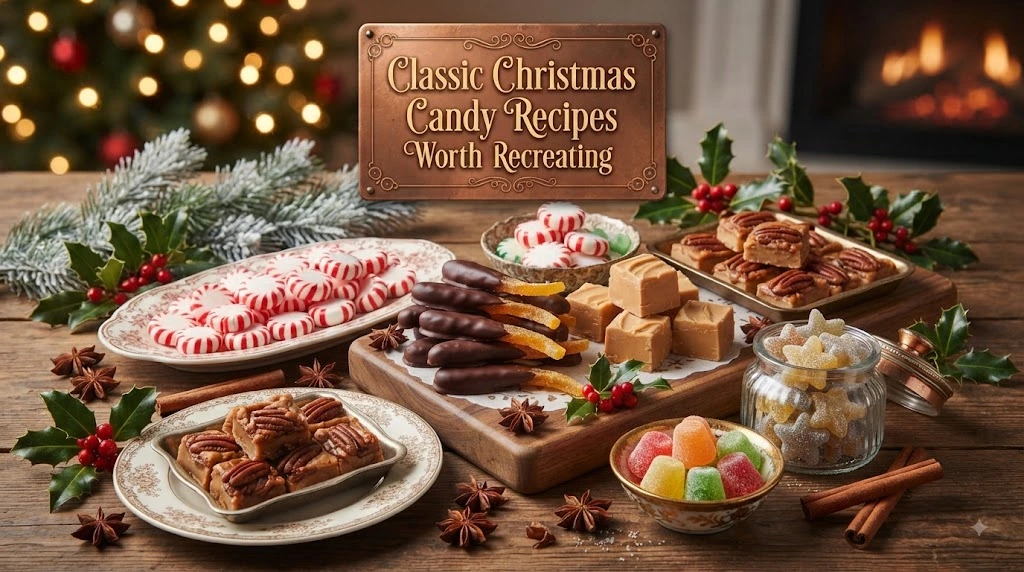
Some old-fashioned recipes remain popular because they balance simple preparation with a strong holiday flavor.
Chocolate Fudge
Traditional fudge can include chocolate, sugar, butter, milk or cream, and vanilla. Nuts such as walnuts or pecans are common additions.
For a polished result, let the candy cool completely before cutting it. Use a sharp knife and wipe the blade between cuts to create clean edges.
Peanut Brittle
Brittle combines cooked sugar with peanuts and often includes butter and a small amount of baking soda. The baking soda can create tiny air pockets that make the finished candy lighter and easier to bite.
Because the sugar becomes extremely hot, prepare your work area before cooking begins.
Peppermint Candy
Peppermint candy can take several forms, from simple hard drops to handmade sticks and decorative swirls. Peppermint extract provides the familiar flavor, but it should be added carefully because concentrated extract can be strong.
Divinity
Divinity requires more attention to humidity and technique than simple fudge. It traditionally uses whipped egg whites and a hot sugar syrup, often with pecans and vanilla.
If the weather is very humid, divinity can become difficult to set properly. A dry day generally gives you better odds of success.
Homemade Toffee
Butter and sugar form the foundation of classic toffee. Chocolate and chopped nuts can create a traditional finished layer.
Use a thermometer and watch the mixture carefully. Toffee can change quickly near its target temperature.
Old-Time Christmas Candy From the 1940s and 1950s
If your interest comes from vintage holiday traditions, candy from the mid-20th century often reflects the ingredients and kitchen tools available at the time.
Home cooks commonly relied on stovetop cooking, heavy saucepans, wooden spoons, baking sheets, and simple candy thermometers. Many recipes also appeared in church cookbooks, community cookbooks, newspapers, family recipe collections, and holiday magazines.
Popular sweets from that era included fudge, brittle, divinity, pralines, caramel candy, peppermint treats, chocolate-covered confections, and various nut candies.
The presentation also looked different from many modern gift boxes. Homemade candy often went into waxed-paper-lined tins, decorative jars, cellophane bags, or simple boxes tied with ribbon.
If you want an authentic vintage feel, resist the temptation to make everything perfectly uniform. Hand-cut fudge and slightly uneven brittle can look more nostalgic than factory-perfect pieces.
You can also use vintage-inspired colors such as cream, deep red, forest green, gold, and soft pink.
The goal is not to recreate every detail of the past. It is to capture the feeling of a slower, more personal Christmas.
Old-Fashioned Christmas Candy for Gifting
Candy makes an excellent Christmas gift because it is easy to divide into portions and personalize.
A small assortment can work for teachers, neighbors, coworkers, hosts, relatives, or friends. If you do not know someone’s preferences, choose a variety rather than a large quantity of one flavor.
For an attractive homemade gift, combine:
- Chocolate fudge.
- Peppermint candy.
- Butter toffee.
- Nut brittle.
- Coconut candy.
- Chocolate-covered treats.
Use food-safe bags, tins, or containers. Add parchment or candy cups between layers when needed to prevent sticking.
A handwritten label adds a personal touch. You can include the candy name and the date it was made.
If the candy contains nuts, make that clear. Food allergies are important, and recipients should not have to guess what is inside a homemade gift.
For shipping, choose sturdy candies that tolerate handling. Fragile ribbon candy and delicate decorations may arrive broken, while fudge and brittle usually travel more easily when packaged carefully.
How to Package Vintage Christmas Candy Beautifully
Presentation can turn a simple homemade treat into a memorable gift.
For a vintage look, choose kraft paper, glass jars, metal tins, parchment paper, or clear cellophane with traditional ribbon. Red-and-cream baker’s twine can also create a warm handmade appearance.
Avoid overdecorating the package. Classic candy already has plenty of visual interest.
Try matching the packaging to the candy itself. Peppermint candy looks beautiful in clear glass because the red-and-white stripes remain visible. Dark fudge looks elegant in a cream-colored tin. Brittle can look especially appealing in a transparent bag tied with a simple ribbon.
For a more modern presentation, use a small gift box with individual compartments. This keeps flavors separate and gives the assortment a polished appearance.
If you are gifting homemade candy, include the date prepared, major allergens, and storage advice when practical.
That small amount of information shows care and makes the gift more useful.
How to Store Traditional Christmas Candy
Different candies need different storage conditions.
Most fudge, brittle, toffee, and hard candies should stay in an airtight container. Keep them away from heat, moisture, and strong odors.
Moisture can make certain candies sticky. Heat can soften chocolate and caramel. Humidity can also affect texture, especially in candies that depend on a crisp or dry finish.
Use parchment or wax paper between layers when pieces tend to stick together.
A few general guidelines help:
- Store candy in a cool, dry area unless the recipe specifically requires refrigeration.
- Keep chocolate away from heat and direct sunlight.
- Separate strongly flavored candies to prevent flavor transfer.
- Use airtight containers for candies that soften easily.
- Label homemade candy with the preparation date.
- Follow the specific recipe’s storage instructions when they differ from general advice.
Do not assume every candy has the same shelf life. Cream-based, dairy-rich, or egg-based candies can require more careful handling than dry hard candy.
When in doubt, follow the recipe’s food-safety guidance rather than relying on appearance alone.
How to Choose the Best Traditional Christmas Candy

The best candy depends on the person eating it.
For someone who loves chocolate, choose fudge, chocolate-covered cherries, chocolate toffee, or nut clusters.
For a person who prefers bright, fresh flavors, peppermint candy makes an excellent choice.
For nut lovers, consider peanut brittle, pecan pralines, walnut fudge, or nut toffee.
For people who enjoy chewy candy, caramel, taffy, or soft nougat-style sweets may be better.
Texture matters just as much as flavor. Someone with dental concerns may prefer soft fudge over brittle or hard candy.
If you are buying candy for a mixed group, create a balanced assortment rather than choosing one strong flavor.
It is also worth considering allergies and dietary restrictions. Traditional does not automatically mean suitable for everyone. Check labels carefully when purchasing commercial candy, and clearly identify allergens in homemade treats.
Where to Buy Old-Fashioned Christmas Candy
You can find traditional Christmas candy in several places, and each option has advantages.
Specialty candy shops often carry nostalgic sweets that are difficult to find in ordinary grocery stores. Local confectioners may also make seasonal versions of classic recipes.
Holiday markets and craft fairs can be good sources for homemade fudge, brittle, caramel, and other traditional treats. Buying locally also gives you an opportunity to ask the maker about ingredients and preparation.
Online candy stores offer a wider selection, especially if you are looking for a specific regional or nostalgic variety.
Grocery stores tend to offer familiar seasonal candies at convenient prices, although the selection may be more limited.
If you are searching for a particular candy from childhood, use descriptive terms rather than relying only on the name. Try searching for the shape, flavor, texture, color, and approximate decade you remember.
For example, a person looking for a thin striped peppermint sweet might have better luck searching for ribbon candy or old-fashioned peppermint sticks than simply searching for Christmas candy.
Regional and Southern Old-Fashioned Christmas Candy
Regional traditions make Christmas candy especially interesting.
Southern candy traditions often feature pecans, pralines, caramel, butter, and rich chocolate. Pecan divinity and praline-style candies are especially suited to a holiday dessert table.
In other parts of the United States, peppermint treats, molasses candy, maple sweets, saltwater taffy, and nut brittle may appear more often in traditional holiday collections.
Family traditions can be even more specific. One household may make peanut brittle every December, while another considers coconut balls an essential Christmas sweet.
This is one reason there is no single list of authentic old-fashioned Christmas candy. Food traditions change by region, family, and generation.
If you have a family recipe, protect it. Write down the ingredients, method, pan size, cooking temperature, and any small tricks the original cook used.
Those details can matter more than people expect.
A recipe that says cook until ready may make perfect sense to someone who has prepared it for 30 years. A younger cook may need a temperature or visual description to reproduce the result.
How to Create a Nostalgic Christmas Candy Table
A candy table should feel abundant without becoming cluttered.
Start with a central tray or cake stand. Add the largest or most visually distinctive candy there, then build outward with smaller dishes.
Use different heights to make the display more interesting. A raised stand behind a flat tray can create depth without requiring a large amount of candy.
For colors, traditional Christmas shades work well, but you can also choose a softer vintage palette.
Consider:
- Cream and red for a classic peppermint look.
- Green and gold for a richer holiday style.
- White, silver, and pale blue for a snowy theme.
- Brown, cream, and deep red for a rustic vintage display.
- Red, pink, and white for a nostalgic candy-shop feeling.
Keep labels simple. Small handwritten cards can identify flavors and allergens without taking attention away from the candy.
You can also add pine branches, ribbon, vintage ornaments, or seasonal greenery around the serving area. Keep decorative items away from direct food contact.
The best candy table feels like someone prepared it with care rather than perfection.
Common Mistakes When Making Traditional Candy
Candy making rewards preparation. Most problems happen when cooks rush the process or underestimate how sensitive sugar can be.
One common mistake involves inaccurate temperature readings. A candy thermometer that sits against the bottom of the pan may give an incorrect reading.
Another mistake is changing ingredients without understanding their role. Sugar, butter, cream, corn syrup, and other ingredients can affect texture and crystallization.
Humidity can also cause problems. Certain candies need dry conditions to set properly.
Avoid walking away from a pan of cooking sugar. The mixture can change quickly, especially near the final temperature.
Other mistakes include:
- Cutting fudge before it fully sets.
- Storing crisp candy in humid conditions.
- Using too much flavoring.
- Pouring hot candy into an unprepared pan.
- Failing to line the pan when the recipe requires it.
- Ignoring allergen information.
- Overcrowding pieces while they cool.
- Trying to rush the cooling process.
- Using a damaged or unreliable candy thermometer.
- Handling hot sugar without proper protection.
Preparation is the secret to calmer candy making. Put every ingredient and tool in place before you turn on the stove.
If a recipe seems complicated, make a small batch first. That lets you learn how the candy behaves before committing to a large quantity.
How to Make Old-Fashioned Christmas Candy Feel Modern
Traditional candy does not have to look dated.
You can preserve the classic recipe while updating the presentation. Cut fudge into small geometric pieces, package brittle in minimalist boxes, or serve peppermint candy alongside a modern hot chocolate bar.
Flavor combinations can also be updated carefully. Classic chocolate fudge can include espresso or sea salt. Traditional caramel can pair with dark chocolate. Peppermint can complement chocolate without overwhelming it.
The important thing is to respect the character of the original candy.
If you change too much, it may become a completely different dessert. But a small modern touch can make an old recipe feel fresh without losing its nostalgic appeal.
This approach works particularly well when you are hosting a Christmas gathering with guests from different generations. Older guests recognize the familiar flavors, while younger guests may enjoy the updated presentation.
That combination can make traditional candy feel relevant rather than merely retro.
Why Old-Fashioned Christmas Candy Still Matters
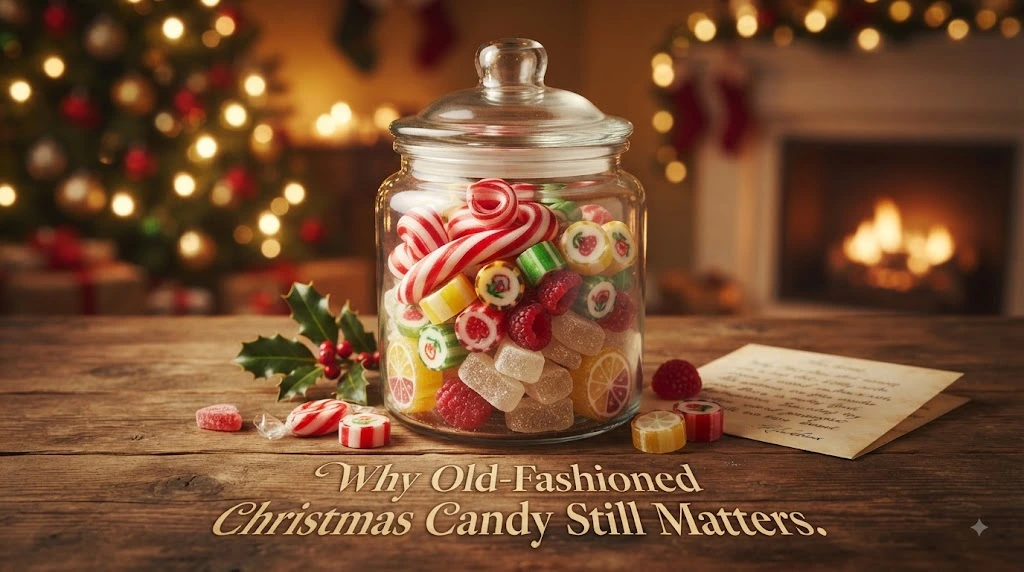
The popularity of nostalgic candy says something about how people experience the holidays.
Christmas often encourages people to return to familiar rituals. We decorate the same way, listen to familiar music, prepare favorite meals, and bring out decorations that may have belonged to previous generations.
Candy fits naturally into that pattern.
A peppermint stick can remind someone of a childhood stocking. A piece of fudge can bring back memories of a relative’s kitchen. A tin of homemade brittle can remind someone of a neighbor who made gifts every December.
Food connects memory with emotion, and holiday candy makes that connection particularly strong because it appears at a predictable time every year.
That does not mean you need to recreate the past perfectly. You can start your own tradition.
Maybe your family makes chocolate fudge on the first weekend of December. Maybe everyone chooses one candy to add to the annual gift boxes. Maybe you prepare a vintage-style candy tray for Christmas Eve.
The tradition matters more than the recipe.
After all, years from now, someone may remember the candy you made and the time you spent together more clearly than they remember the candy itself.
Frequently Asked Questions About Old-Fashioned Christmas Candy
What is considered old-fashioned Christmas candy?
Old-fashioned Christmas candy generally refers to traditional sweets associated with earlier generations and holiday celebrations. Common examples include fudge, divinity, peanut brittle, peppermint candy, ribbon candy, pralines, toffee, caramel, and homemade chocolate confections.
What is the most popular old-fashioned Christmas candy?
Fudge, peppermint candy, peanut brittle, and traditional chocolate treats remain among the best-known choices. Popularity varies by region and family tradition, so the candy that feels most classic may depend on where you grew up.
What candy did people make for Christmas in the old days?
Families commonly made sweets such as fudge, divinity, brittle, caramel, toffee, peppermint candy, pralines, and chocolate-covered treats. Homemade candy was especially useful as a holiday gift because cooks could make large batches and divide them among family, friends, and neighbors.
What is a good old-fashioned candy to make for beginners?
Fudge is often a practical starting point because many recipes use straightforward ingredients and relatively simple techniques. Hard candy, brittle, and divinity can require more precise temperature control, so beginners may want to build their skills with simpler recipes first.
How long does homemade Christmas candy last?
Shelf life varies significantly by recipe and ingredients. Dry hard candies can last longer when protected from moisture, while candies containing dairy, cream, or eggs may require more careful storage. Always follow the recipe’s specific storage and food-safety instructions.
How should I store homemade Christmas candy?
Most traditional candy should stay in an airtight container in a cool, dry place unless the recipe says otherwise. Use parchment or wax paper between layers when needed, and keep chocolate away from heat and direct sunlight.
What is the best Christmas candy for gifting?
Fudge, brittle, toffee, caramel, peppermint candy, and other sturdy sweets make practical gifts. Choose varieties that travel well, package them in food-safe containers, and clearly identify nuts or other major allergens.
Conclusion
Old-fashioned Christmas candy does more than satisfy a sweet tooth. It gives us a way to preserve memories, share generosity, and create new traditions.
You can make a familiar recipe from a family cookbook, buy a nostalgic assortment from a local candy maker, or create your own holiday combination from a few classic favorites. There is no single correct way to do it.
What matters is the feeling behind the candy.
A small tin of homemade fudge can say thank you. A bag of peppermint sticks can welcome a guest. A carefully arranged candy tray can turn an ordinary Christmas gathering into something people remember.
So this holiday season, choose a few traditional sweets, put them on a beautiful tray, wrap some for the people you love, and make room for a little nostalgia.
The best old-fashioned Christmas candy is not simply the candy that tastes familiar. It is the candy that gives people a reason to gather, share, remember, and feel cared for.