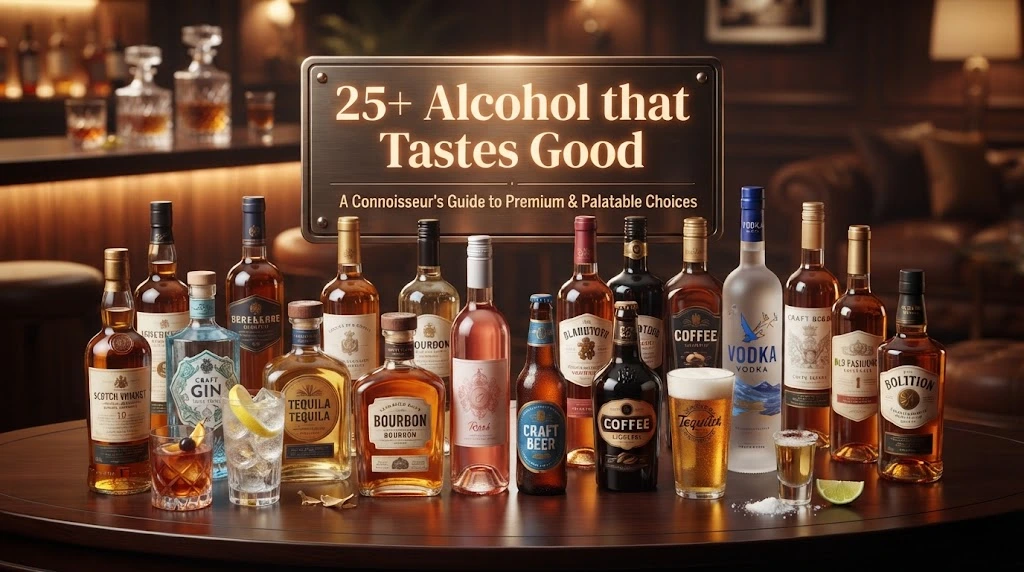
Choosing a drink can be surprisingly difficult when you do not enjoy the sharp burn that comes with many alcoholic beverages. Maybe you are going to a dinner, planning a celebration, or simply curious about drinks that taste smoother, sweeter, fruitier, or more refreshing. The good news is that alcohol does not have to taste harsh just because it contains alcohol.
Different drinks bring very different flavor experiences. Some taste like berries or citrus, others have creamy dessert-like notes, and some are crisp and light with very little sweetness. The trick is understanding what you actually enjoy instead of choosing a drink simply because it is popular.
This guide breaks down the main types of alcoholic drinks by flavor, sweetness, texture, and serving style. It also explains why some drinks taste smoother than others, how mixers change the flavor, what beginners often get wrong, and how to make an informed choice while keeping alcohol intake moderate.
What makes alcohol taste good or smooth?
Taste is highly personal, but several factors affect how an alcoholic drink feels on your palate. Sweetness, acidity, bitterness, carbonation, temperature, aroma, and alcohol strength all influence the experience.
Alcohol itself can create a warm or burning sensation. Higher alcohol concentrations often make that sensation more noticeable, while chilling, dilution, carbonation, and other ingredients can change how strongly you perceive it.
Sugar can soften the perception of bitterness and alcohol heat. Citrus can add brightness, while carbonation can make a drink feel lighter and more refreshing.
A drink can also taste smoother because of its production method and ingredients. For example, a spirit aged in oak may develop vanilla, caramel, spice, or toasted flavors that make it taste more rounded.
However, “smooth” does not necessarily mean “low in alcohol.” A drink can taste easy to consume while still containing a significant amount of alcohol.
That is one of the most important things to remember when choosing a drink based on flavor.
Best sweet alcoholic drinks for beginners
People who prefer sweet flavors often enjoy drinks containing fruit, sugar, cream, or sweet fortified wines. These ingredients can make alcohol less noticeable on the palate.
Popular flavor styles include:
- Berry and cherry
- Peach and mango
- Apple and pear
- Vanilla and caramel
- Chocolate and coffee
- Coconut
- Citrus with added sweetness
A fruit-forward cocktail can be an approachable choice because the fruit adds familiar flavors. A wine-based drink can also be appealing if you prefer something less spirit-forward.
Sweet drinks can be easy to underestimate, though. Sugar may cover some of the alcohol’s sharpness without reducing the actual amount of alcohol present.
For that reason, treat a sweet cocktail like any other alcoholic drink. Sip slowly, pay attention to the serving size, and avoid assuming that a sweeter taste means a weaker drink.
Best fruity alcoholic drinks
Fruit and alcohol are natural partners because fruit brings acidity, aroma, and sweetness. The result can be bright and refreshing rather than dominated by alcohol flavor.
Common fruit combinations include:
- Strawberry and citrus
- Peach and sparkling wine
- Apple and whiskey
- Pineapple and rum
- Orange and vodka
- Cherry and bourbon
- Grapefruit and tequila
- Raspberry and gin
If you like fresh fruit, look for drinks that use real fruit juice or fresh citrus rather than relying entirely on sweet syrups.
For example, a citrus-based cocktail usually tastes brighter when made with freshly squeezed lemon or lime juice. The acidity can balance sweetness and keep the drink from tasting overly heavy.
Fruit-based drinks also work well at meals because acidity can refresh your palate between bites.
One practical tip is to consider the fruit you already enjoy eating. If you dislike grapefruit, a grapefruit-based cocktail probably will not suddenly become your favorite just because it contains alcohol.
Best tasting wines for people who dislike dry drinks
Wine varies enormously in sweetness, acidity, body, and aroma. If dry wine tastes too sharp or bitter to you, sweeter styles may provide a more comfortable starting point.
For a sweeter profile, some people enjoy wines with notes of:
- Peach
- Pear
- Apple
- Apricot
- Tropical fruit
- Honey
- Ripe berries
Moscato is often associated with floral and fruity flavors and can be noticeably sweet. Riesling is another broad category that ranges from very dry to quite sweet, so the label or producer’s description matters.
Rosé can also be a good option if you prefer fruit-forward flavors, although rosé ranges from dry to sweet. Do not assume that every pink wine is sweet.
Sparkling wine adds another dimension because bubbles change the texture and make the drink feel lively. Some sparkling wines are very dry, while others have noticeable sweetness.
When shopping, look for the wine’s sweetness description rather than choosing based only on color.
Best cocktails that do not taste strongly alcoholic
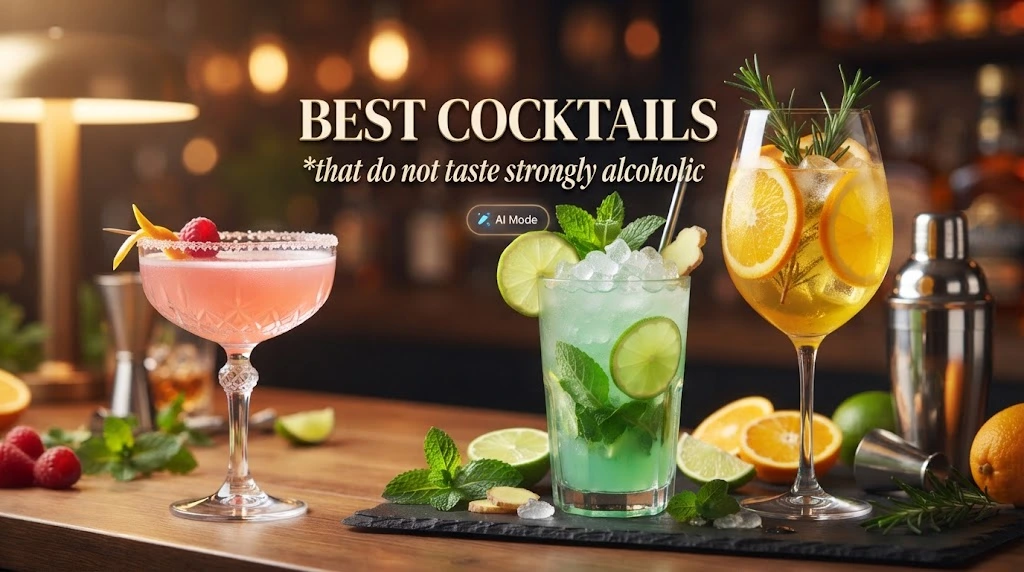
Cocktails can dramatically change how a spirit tastes. A strong spirit served neat may feel hot, while the same spirit combined with citrus, soda, fruit, or other ingredients can taste much softer.
Some classic flavor combinations include:
Vodka with citrus: Vodka has a relatively neutral profile, allowing fruit and citrus flavors to become prominent.
Rum with tropical fruit: Rum can pair naturally with pineapple, lime, coconut, and other tropical flavors.
Gin with citrus and herbs: Gin brings botanical notes that can work beautifully with lemon, lime, cucumber, and mint.
Tequila with lime and fruit: Tequila can work with citrus, grapefruit, pineapple, and other bright flavors.
The important distinction is that a cocktail tasting less alcoholic does not mean it contains less alcohol.
In fact, cocktails can sometimes contain multiple alcoholic ingredients. If you are trying to keep your alcohol intake moderate, ask what goes into the drink and consider choosing a smaller serving.
Best creamy alcoholic drinks
Cream-based drinks appeal to people who enjoy dessert flavors more than sharp or bitter drinks. They can have notes of coffee, chocolate, vanilla, caramel, nuts, or cream.
Popular flavor profiles include:
- Coffee and cream
- Chocolate and vanilla
- Caramel
- Hazelnut
- Irish cream-style flavors
- Coconut cream
- Almond and spice
These drinks can feel rich and smooth because dairy or dairy alternatives add body and soften the perception of alcohol.
They are particularly suited to dessert-style occasions, although they can be quite filling.
If you are serving a creamy drink at home, temperature matters. Chilled ingredients usually produce a cleaner texture, while warm or poorly stored dairy-based ingredients can create an unpleasant result.
Also check storage instructions on any cream-based alcoholic product. Not every product has the same storage requirements.
Best light and refreshing alcoholic drinks
Not everyone wants a sweet or creamy drink. Some people simply want something crisp, cold, and refreshing.
A light-tasting drink often combines alcohol with sparkling water, citrus, herbs, or another relatively bright ingredient.
Examples of flavor directions include:
- Lemon and sparkling water
- Lime and soda
- Cucumber and herbs
- Grapefruit and citrus
- Mint and sparkling water
- Light fruit with carbonation
Highballs and spritz-style drinks often fit this category because the alcohol is diluted with a larger volume of non-alcoholic mixer.
They can be a good choice during a meal or warm-weather gathering because they tend to feel less heavy than creamy or syrup-heavy cocktails.
Still, dilution affects taste more than total alcohol intake. Pay attention to how much alcohol goes into the glass rather than judging strength by flavor alone.
Best alcohol for people who dislike bitter flavors
Bitterness is one of the biggest reasons some people dislike certain alcoholic drinks. Bitter notes can come from hops, botanicals, herbs, citrus peel, coffee, or bitter liqueurs.
If bitterness is not your thing, you may prefer drinks built around sweetness and acidity instead.
Fruit-forward cocktails, sweeter wines, and some cream-based drinks generally have less obvious bitter character.
You can also choose spirits with flavor profiles that lean toward vanilla, caramel, fruit, or gentle spice.
When ordering at a bar or restaurant, explain your preference clearly. Saying “I like fruity and sweet drinks but do not like bitter flavors” gives a bartender useful information.
That is much more helpful than simply asking for “something good.”
Best alcohol for people who dislike the burning sensation
The burning sensation associated with alcohol can be uncomfortable, particularly with high-proof spirits served neat.
Several factors can affect how noticeable it feels.
A drink served chilled may seem less sharp. Dilution can also reduce the intensity of the alcohol on the palate. Sweetness and acidity can change the overall flavor balance as well.
If you dislike alcohol burn, avoid assuming that a straight shot is the best way to discover what you like. A mixed drink can give you a much broader flavor experience.
You might prefer:
- A lower-alcohol wine
- A sparkling drink
- A diluted highball
- A fruit-forward cocktail
- A spritz-style drink
- A sweeter wine
Again, flavor and alcohol content are different things. A smooth drink can still deliver substantial alcohol.
If alcohol consistently causes discomfort, the simplest solution is not to force yourself to acquire a taste for it. There is no requirement to enjoy alcoholic drinks.
Best alcohol for a dinner party
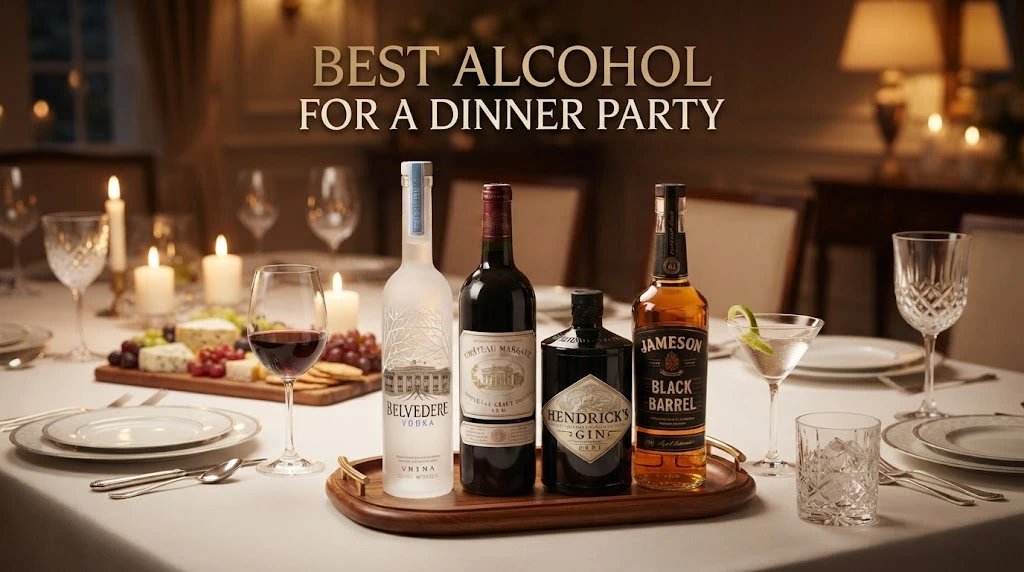
A dinner party calls for drinks that complement food rather than overwhelm it.
For lighter foods such as salads, seafood, grilled vegetables, or fresh cheese, crisp and acidic drinks can work well.
For richer foods such as roasted meat, creamy dishes, or strong cheese, fuller-bodied wine or spirit-based cocktails may stand up better to the food.
Consider the entire menu before choosing a drink.
For example:
- Spicy food: refreshing, slightly sweet drinks can balance heat.
- Rich food: acidic drinks can help refresh the palate.
- Dessert: coffee, chocolate, vanilla, or fruit flavors can complement sweet dishes.
- Light appetizers: sparkling drinks can be versatile.
You also do not need to serve alcohol at every stage of a meal. Water and non-alcoholic beverages should remain available throughout the event.
A thoughtful host makes sure guests can choose what they want without pressure.
Best alcohol for a date night
For a date, the best drink is usually one that allows conversation and fits the setting. A huge, complicated cocktail that requires constant attention is rarely necessary.
A light sparkling drink can feel festive. A glass of wine can work naturally with dinner. A simple fruit-forward cocktail can add color and personality without making the evening feel overly formal.
Think about the person’s preferences instead of choosing based on what looks impressive.
If someone likes:
- Sweet flavors → consider fruit-forward or dessert-style options.
- Citrus → look toward lemon, lime, or grapefruit.
- Bubbles → consider sparkling wine or a spritz-style drink.
- Herbal flavors → gin-based drinks may appeal.
- Rich flavors → coffee, chocolate, vanilla, or caramel can work.
The best drink is one the person actually enjoys.
And if either person is driving, make the safer choice and skip alcohol.
Best alcohol for summer and hot weather
Warm weather usually calls for drinks that feel cold, bright, and refreshing.
Citrus is especially useful because lemon and lime add acidity. Bubbles can make a drink feel lighter, while fresh herbs add aroma without much sweetness.
Fruit can also work well, especially watermelon, berries, peach, pineapple, and citrus.
A simple serving strategy can make almost any drink more refreshing:
- Chill the ingredients beforehand.
- Use enough ice.
- Keep the glass cold.
- Add fresh citrus close to serving.
- Use sparkling ingredients while they are still cold.
- Avoid leaving alcoholic drinks sitting in direct sunlight.
One important safety point is easy to forget during summer: heat and alcohol can both contribute to dehydration and impaired judgment. Drink water regularly and avoid treating alcohol as a substitute for hydration.
Best alcohol for fall and winter flavors
Cold weather tends to make richer flavors more appealing. Apple, cinnamon, vanilla, maple, coffee, chocolate, and baking spices are common seasonal combinations.
Whiskey can work well with apple and maple flavors. Darker spirits can complement caramel, vanilla, and spice.
Wine can also work beautifully during colder months. Fuller-bodied reds often pair naturally with hearty meals, while sweet wines can complement desserts.
For a cozy drink, temperature can become part of the experience. Warm non-alcoholic ingredients can create a comforting base, but alcohol should not be boiled because heat can change its flavor and drive off volatile compounds.
A warm drink also deserves careful handling. Serve it at a comfortable temperature rather than making it excessively hot.
How mixers change the taste of alcohol
Mixers are not just a way to make a drink larger. They fundamentally change its flavor.
Soda water adds dilution and carbonation without much sweetness.
Tonic water adds sweetness and bitterness.
Ginger ale contributes sweetness and ginger spice.
Citrus juice adds acidity and bright fruit flavor.
Fruit juice adds sweetness, acidity, and aroma.
Cola adds sweetness, caramel-like notes, and carbonation.
Cream adds richness and a soft texture.
This is why the same spirit can taste completely different depending on what you mix with it.
If you are experimenting, change one ingredient at a time. That makes it easier to identify which flavors you actually enjoy.
You should also watch the sugar content of mixers if that matters to you. A drink can become very sweet without tasting particularly alcoholic.
How to choose alcohol by flavor profile
Instead of asking which alcoholic drink tastes best, ask what flavors you already like.
A simple flavor map can help:
If you like…You may prefer…Sweet fruitFruit-forward cocktails or sweeter winesCitrusLemon, lime, grapefruit-based drinksBubblesSparkling wine or spritz-style drinksVanillaBourbon or vanilla-forward drinksCoffeeCoffee-based cocktailsChocolateCreamy dessert-style drinksHerbsBotanical gin cocktailsTropical fruitRum-based fruit cocktailsAppleCider or apple-based cocktailsDry, crisp flavorsDry wine or sparkling styles
This approach is more useful than choosing a drink because someone calls it “smooth.”
Taste descriptions are subjective. One person’s smooth favorite can be another person’s harsh or overly sweet drink.
Your own palate is the best guide.
Common mistakes when choosing a good-tasting alcoholic drink
The biggest mistake is assuming that sweet equals weak.
Sugar can mask alcohol flavor without reducing the amount of alcohol in the drink. That makes some sweet cocktails deceptively easy to drink.
Another common mistake is ordering something simply because it is fashionable. Popularity does not guarantee that you will enjoy the flavor.
People also sometimes confuse “smooth” with “healthy” or “safe.” Those are completely different ideas.
A few useful rules:
- Do not judge alcohol strength by taste alone.
- Check the serving size.
- Avoid drinking quickly because a drink tastes mild.
- Alternate alcoholic drinks with water.
- Eat while drinking if you choose to drink.
- Never drive after drinking.
- Do not pressure anyone to consume alcohol.
- Follow the legal drinking age and local alcohol laws where you live.
If you are taking medication, pregnant, under the legal drinking age, recovering from alcohol dependence, or have been advised by a healthcare professional to avoid alcohol, choosing a “better-tasting” alcoholic drink is not the right goal. A non-alcoholic alternative is the safer option.
How to make alcoholic drinks taste better without adding lots of sugar
You do not need a very sweet drink to make alcohol more approachable.
Fresh citrus is one of the most useful tools. Lemon and lime can brighten a cocktail and balance alcohol, while grapefruit adds a more complex bitter-sweet character.
Fresh herbs can also add aroma. Mint, basil, rosemary, and thyme can completely change the first impression of a drink.
Carbonation is another useful option. Sparkling water can lighten a drink without adding much sweetness.
Temperature matters, too. Serving an appropriate drink well chilled can make it feel cleaner and more refreshing.
A few simple improvements include:
- Use fresh citrus rather than old bottled juice.
- Chill mixers before serving.
- Use clean, fresh ice.
- Balance sweet and sour flavors.
- Avoid adding syrup automatically.
- Taste before adding more sugar.
- Use aromatic garnishes when appropriate.
The goal is balance, not maximum sweetness.
How to enjoy alcohol responsibly
Good flavor should never be separated from responsible drinking.
Alcohol affects judgment, coordination, and reaction time. Because people respond differently, there is no single amount that guarantees the same effect for everyone.
If you choose to drink, pace yourself and keep track of how much alcohol you consume rather than relying on how strong the drink tastes.
It is also wise to:
- Have food available.
- Drink water between alcoholic beverages.
- Avoid mixing alcohol with other substances unless a healthcare professional has confirmed it is safe.
- Never drive after drinking.
- Arrange a sober driver or another safe way home.
- Stop if you begin feeling unwell.
- Keep alcoholic beverages away from children and anyone who should not consume them.
Flavor should be part of the decision, not the only consideration.
A beautifully made cocktail is still an alcoholic beverage, and a drink that tastes like fruit can still impair you.
Best non-alcoholic alternatives when flavor matters most
Sometimes the drink you really want is the flavor experience without the alcohol.
Fortunately, modern non-alcoholic beverages offer much more variety than simple soda.
You can explore:
- Sparkling water with fresh citrus
- Fruit spritzers
- Ginger-based drinks
- Alcohol-free sparkling beverages
- Iced tea with fruit
- Citrus and herb coolers
- Alcohol-free beer or wine
- Zero-proof cocktails
These options can provide sweetness, acidity, bitterness, carbonation, herbs, and complex aromas without alcohol.
They are especially useful at parties because nobody should have to explain why they are not drinking.
A good host can offer several choices so guests can pick what fits them.
And if your main goal is simply to find something that tastes good, removing alcohol entirely can open up an enormous range of flavors.
How to find your personal favorite
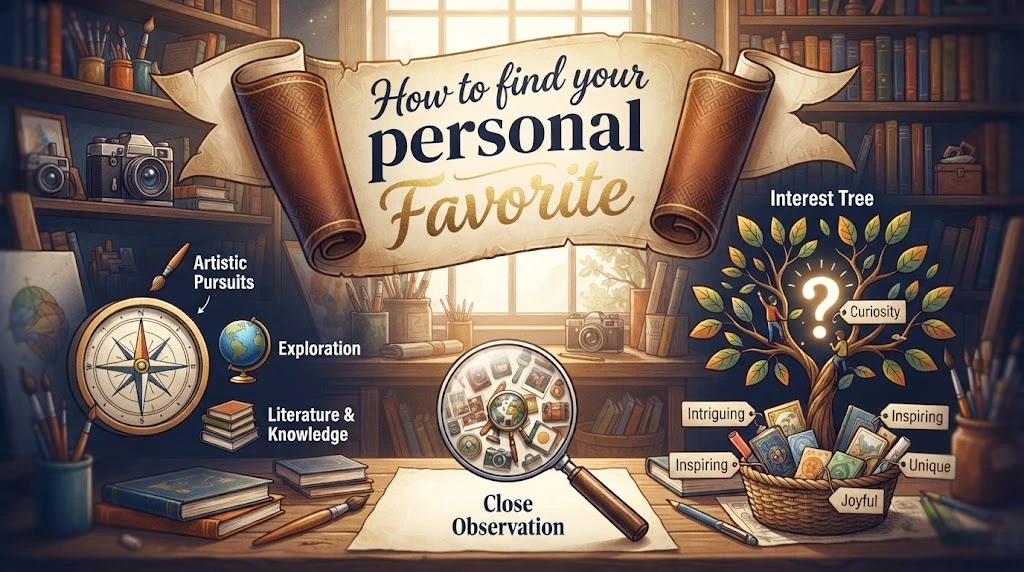
There is no universal answer to the question of which alcohol tastes best. The better question is which flavor profile suits your palate?
Start by identifying three things you like and three things you dislike.
For example:
You like: berries, citrus, bubbles.
You dislike: bitterness, smoky flavors, strong alcohol heat.
That immediately narrows the field.
Another person might prefer vanilla, coffee, and caramel while disliking citrus and carbonation. Their ideal drink will be completely different.
Keep notes when you try something new. You do not need a formal tasting journal. A simple phone note such as “too bitter,” “great citrus,” “too sweet,” or “smooth but strong” can quickly reveal your preferences.
Over time, you will become much better at ordering drinks you actually enjoy.
That is far more useful than memorizing a list of supposedly “best” alcoholic beverages.
Conclusion
The search for alcohol that tastes good does not have one universal answer. Taste depends on your preference for sweetness, acidity, fruit, bitterness, carbonation, texture, aroma, and alcohol intensity.
If you dislike harsh drinks, start by exploring flavor rather than alcohol strength. Fruit-forward cocktails, sweeter wines, sparkling options, creamy drinks, and well-balanced mixed drinks can offer very different experiences from straight spirits.
At the same time, remember that a drink tasting smooth, sweet, or refreshing does not make it low in alcohol. Pay attention to serving size, pace yourself, drink water, and never drive after drinking.
The smartest approach is simple: choose based on flavors you already enjoy, experiment slowly, and do not feel pressured to drink at all.
There is no prize for acquiring a taste for something you dislike. If a sparkling fruit drink, a glass of wine, a carefully made cocktail, or a completely alcohol-free beverage tastes best to you, that is the right choice for your palate.
Frequently asked questions about alcohol that tastes good
1. What alcohol tastes the best for beginners?
There is no single best choice, but beginners who dislike strong alcohol flavors often prefer fruit-forward cocktails, sweeter wines, sparkling drinks, or creamy beverages. These styles can make the alcohol taste less prominent.
However, a mild-tasting drink can still contain a significant amount of alcohol, so taste should not be used to judge strength.
2. What alcohol does not taste like alcohol?
Drinks containing fruit juice, citrus, carbonation, cream, or sweet ingredients may make alcohol less noticeable. Cocktails can therefore taste more like fruit, ginger, coffee, or other flavors than straight spirits.
That does not mean the drink contains little alcohol. Some cocktails can contain more than one alcoholic ingredient.
3. What is the sweetest type of alcohol?
Sweetness varies within almost every category. Some dessert wines, sweet wines, flavored alcoholic beverages, liqueurs, and cocktails can contain substantial sugar.
If you want a sweet drink, check the product description or menu rather than assuming that a particular category is always sweet.
4. What alcohol is easiest to drink?
“Easiest to drink” is highly subjective. People who dislike alcohol burn often prefer chilled, diluted, carbonated, fruity, or sweet drinks.
Because these drinks can mask alcohol flavor, it is particularly important to drink slowly and pay attention to serving size.
5. What should I drink if I hate the taste of alcohol?
You do not have to drink alcohol. If you want to experiment, try flavor profiles you already enjoy, such as citrus, berries, ginger, peach, or sparkling drinks.
Non-alcoholic cocktails, fruit spritzers, sparkling water, and alcohol-free wine or beer can also provide a similar social experience without alcohol.
6. Does adding a mixer make alcohol weaker?
Adding a mixer usually dilutes the drink’s concentration and changes its flavor, but it does not necessarily reduce the total amount of alcohol in the glass.
For example, adding more soda to a drink can make it taste lighter while leaving the same amount of alcohol in the serving.
7. What is the best-tasting alcohol overall?
There is no objective winner because taste is personal. Someone who loves sweet fruit may prefer a completely different drink from someone who enjoys dry wine, smoky whiskey, herbal gin, or crisp sparkling wine.
The best method is to identify the flavors you already enjoy and choose drinks built around those flavors rather than following a universal ranking.