Fashion has always been more than just clothes. It is a way to express personality, confidence, and creativity without saying a single word. Whether you dream of becoming a professional designer, launching your own clothing brand, or simply creating outfits that reflect your unique style, today’s technology has made the journey much easier. With the right fashion design application, you no longer need an expensive studio or years of technical experience to bring your ideas to life.
Modern fashion design apps have transformed the way people sketch garments, experiment with colours, create digital patterns, and even prepare collections for production. Beginners can learn the basics through intuitive tools, while experienced designers can speed up their workflow with advanced features like 3D garment visualization and fabric simulation.
However, not every application is built for the same purpose. Some focus on digital illustration, others specialise in technical fashion flats, while a few offer complete design-to-production solutions. Understanding these differences helps you choose software that truly supports your goals instead of slowing you down.
In this guide, you’ll discover everything you need to know about choosing and using a fashion design application. You’ll learn which features matter most, how professionals use these tools, common mistakes to avoid, and practical tips that can improve your design process from day one.
What Is a Fashion Design Application?
A fashion design application is software that helps designers create clothing concepts digitally. Instead of drawing every design on paper, you can sketch ideas, experiment with colours, add fabrics, create patterns, and organise collections in one place.
Depending on the software, you can perform tasks such as:
- Drawing fashion illustrations
- Designing technical flats
- Creating sewing patterns
- Building mood boards
- Visualising garments in 3D
- Managing complete fashion collections
Think of it as your digital fashion studio. Whether you’re working from home, studying fashion design, or running a clothing business, these applications help save time while making the creative process much more flexible.
For example, imagine designing a summer dress. Instead of redrawing it every time you want to change the neckline or sleeve style, you can edit the digital version in seconds. This freedom encourages experimentation and often leads to stronger final designs.
Expert Tip: Digital tools don’t replace creativity—they remove repetitive work so you can spend more time refining your ideas.
Why Fashion Designers Are Switching to Digital Design Tools
Fashion has become faster than ever. Trends appear overnight, customer preferences change quickly, and brands need shorter production cycles. Digital design applications help designers keep pace without sacrificing quality.
One major advantage is speed. A designer can create multiple colour variations of the same garment in minutes instead of hours. This makes presenting options to clients or team members much easier.
Collaboration has also improved dramatically. Teams working in different cities—or even different countries—can share design files instantly, provide feedback, and make revisions without printing dozens of sketches.
Another reason many professionals prefer digital tools is sustainability. Fewer paper sketches, fewer physical samples, and fewer unnecessary prototypes reduce waste throughout the design process.
Digital design also makes experimentation less risky. You can test bold colour combinations, unusual fabric textures, or innovative silhouettes without spending money on physical materials.
Practical Example:
A small clothing brand preparing a winter collection can:
- Sketch every design digitally
- Try different fabric textures
- Create colour variations
- Share concepts with manufacturers
- Adjust measurements before production
This workflow saves both time and money while improving communication.
Key Features to Look for in a Fashion Design Application
Not every application offers the same capabilities. Choosing software with the right features can significantly improve your workflow.
Here are the most valuable features to consider.
Easy Sketching Tools
Good sketching tools allow you to create garment concepts naturally. Look for adjustable brushes, shape tools, layers, and symmetry options that simplify illustration.
Large Fabric Library
High-quality applications include fabric textures such as:
- Denim
- Cotton
- Silk
- Leather
- Linen
- Wool
- Velvet
Applying realistic textures helps you visualise the final garment before production begins.
Colour Management
Changing colour palettes should be quick and simple. Advanced applications let you save custom palettes and apply colours across multiple garments instantly.
Technical Drawing Support
Fashion flats communicate construction details to manufacturers. Applications with technical drawing tools reduce confusion during production.
Pattern Design
Some applications include pattern-making tools that help convert sketches into production-ready templates.
3D Garment Visualization
Seeing garments on digital models helps identify fitting issues before creating physical samples.
Export Options
Choose software that supports common file formats like:
- PNG
- JPEG
- SVG
- AI
- DXF
This makes sharing work with manufacturers, clients, and printers much easier.
Expert Tip: Don’t choose software based on the number of features alone. Choose the application you’ll actually enjoy using every day.
Who Should Use a Fashion Design Application?
One of the biggest misconceptions is that fashion design software is only for professional designers. In reality, people from many different backgrounds benefit from these tools.
Fashion Students
Students can practise sketching, create portfolios, and complete assignments without purchasing expensive art supplies.
Professional Designers
Experienced designers use applications to speed up concept development, organise collections, and collaborate with production teams.
Small Business Owners
If you plan to launch your own clothing brand, digital design software allows you to develop products before investing in manufacturing.
Freelance Illustrators
Fashion illustrators can create polished client work much faster using digital tools.
Hobby Designers
Many people simply enjoy designing clothing for fun. Beginner-friendly applications make fashion design accessible without requiring professional experience.
Costume Designers
Film, theatre, and cosplay creators use digital applications to visualise costumes before sewing begins.
Even fashion influencers increasingly use design applications to develop exclusive merchandise or collaborate with clothing brands.
Common Mistake: Many beginners assume expensive software automatically produces better designs. In reality, consistent practice matters far more than advanced features.
How Beginners Can Start Using a Fashion Design Application Successfully
Starting with new software can feel overwhelming, especially if you’ve never designed clothing before. Fortunately, you don’t need to master every tool immediately.
Begin by learning the basic interface. Spend time understanding where the brushes, layers, colour palettes, and selection tools are located. Becoming comfortable with navigation makes every future project easier.
Next, focus on simple garments rather than complicated evening gowns or tailored jackets. Try sketching:
- Basic T-shirts
- Hoodies
- Jeans
- Simple dresses
- Pencil skirts
As your confidence grows, experiment with more complex silhouettes.
Create a habit of practising regularly. Even 20 to 30 minutes a day can improve your digital drawing skills over time.
Watching professional fashion designers work can also teach valuable techniques. Observe how they build garments step by step instead of trying to perfect every detail immediately.
Another helpful strategy is recreating existing clothing from your wardrobe. This develops your understanding of garment construction while improving observation skills.
Expert Styling Advice: Don’t focus only on making beautiful sketches. Pay attention to proportion, balance, fabric behaviour, and wearability. A successful design should look attractive while remaining practical for real people.
Finally, build a small portfolio as you learn. Save every completed project, even if it isn’t perfect. Comparing your earlier work with newer designs is one of the best ways to measure progress and stay motivated.
Best Types of Fashion Design Applications for Different Needs
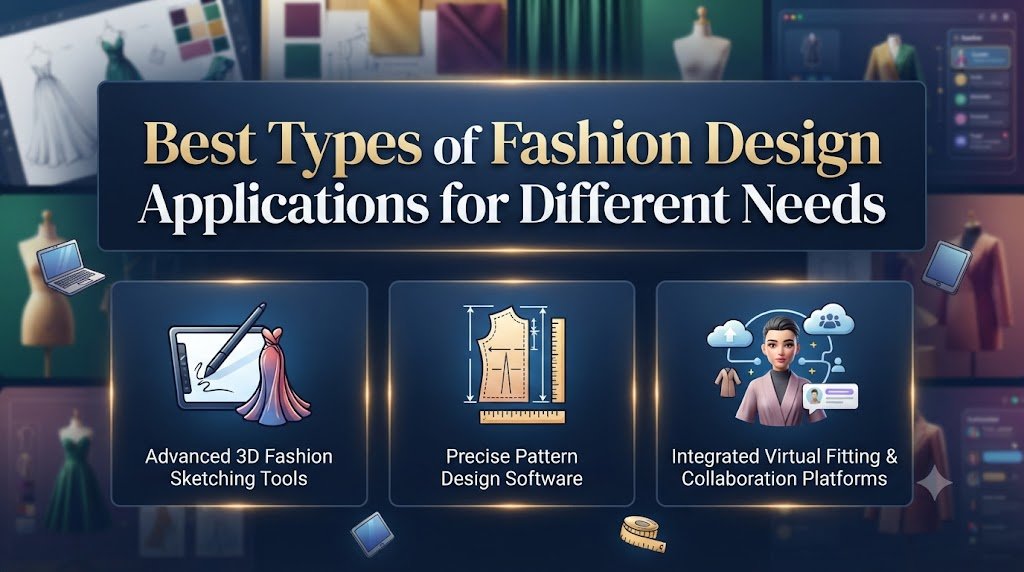
Not every designer works the same way, so choosing the right type of fashion design application depends on your goals. A student building a portfolio has different needs than a fashion brand preparing garments for production. Understanding the categories can help you invest your time—and sometimes your money—more wisely.
Digital Sketching Applications
These applications focus on freehand drawing and fashion illustration. They are ideal if you enjoy creating original clothing concepts or experimenting with new styles.
They usually include features like:
- Custom brushes
- Pressure-sensitive drawing
- Multiple layers
- Colour palettes
- Pencil and ink tools
If your main goal is expressing creative ideas visually, this type of application is a great starting point.
Technical Fashion Design Software
Professional clothing manufacturers rely on technical drawings instead of artistic sketches. Technical design applications help create accurate fashion flats, garment measurements, and construction details.
These tools are especially useful for:
- Clothing brands
- Production teams
- Pattern makers
- Technical designers
A clear technical drawing reduces misunderstandings during manufacturing and helps ensure the finished garment matches the original vision.
Pattern-Making Applications
Once a design is complete, patterns turn that idea into wearable clothing. Pattern-making applications allow designers to create accurate templates for cutting fabric.
Benefits include:
- Precise measurements
- Easy grading for different sizes
- Reduced material waste
- Faster production
Learning pattern design takes time, but mastering it gives designers much greater control over garment quality.
3D Fashion Design Software
Three-dimensional design has changed how many fashion companies develop new collections. Instead of sewing multiple physical samples, designers can view garments on digital models.
These applications allow you to:
- Test garment fit
- Simulate different fabrics
- Experiment with colours
- Rotate designs from every angle
- Present realistic visuals to clients
This approach saves time while reducing production costs.
All-in-One Fashion Platforms
Some applications combine illustration, pattern design, technical drawings, collection management, and production planning into one workspace.
These complete solutions are often used by established brands because they simplify collaboration between designers, manufacturers, and marketing teams.
Expert Tip: Choose software based on your current skill level rather than your long-term dream. As your experience grows, you can always upgrade to more advanced tools.
Mobile vs Desktop Fashion Design Applications
One of the biggest questions new designers ask is whether they should work on a smartphone, tablet, or desktop computer. The answer depends on how and where you like to create.
Mobile Applications
Mobile apps are perfect for capturing inspiration wherever it appears.
For example, you might notice an interesting jacket while shopping or see a unique colour combination during your morning walk. Instead of relying on memory, you can sketch the idea immediately.
Advantages include:
- Easy to carry
- Quick sketches
- Convenient editing
- Great for brainstorming
- Ideal for beginners
However, smaller screens can make detailed work more difficult.
Tablet Applications
Many designers consider tablets the perfect balance between portability and functionality.
Using a stylus provides a natural drawing experience that feels much closer to working with pencil and paper.
Tablets are particularly useful for:
- Fashion illustration
- Colour experimentation
- Portfolio creation
- Client presentations
Desktop Applications
Desktop software remains the best option for complex projects.
Larger screens provide more workspace, making it easier to manage multiple design files, technical drawings, and production documents at the same time.
Professional designers often prefer desktops because they offer:
- Better processing power
- More precise editing
- Advanced software compatibility
- Larger storage capacity
- Improved multitasking
Practical Example:
A designer might sketch ideas on a tablet while travelling, then complete technical drawings and production files on a desktop back in the studio. Combining devices often creates the most efficient workflow.
Common Mistakes to Avoid When Using a Fashion Design Application
Even the best software cannot replace thoughtful design decisions. Beginners often repeat the same mistakes, slowing their progress without realising it.
Trying Every Tool at Once
Modern applications contain dozens of features. Attempting to learn everything immediately usually creates frustration.
Instead, master one skill at a time.
Start with:
- Basic sketching
- Layers
- Colour tools
- Simple garment construction
Then gradually explore more advanced features.
Ignoring Garment Construction
A beautiful illustration is not always wearable.
Ask yourself:
- Can this garment actually be sewn?
- Will it fit comfortably?
- Does the fabric support the design?
Thinking like both an artist and a garment maker leads to stronger designs.
Using Too Many Colours
Adding every favourite colour rarely creates an attractive collection.
Many successful designers begin with a limited colour palette and build consistency throughout the collection.
Forgetting Fabric Behaviour
Different fabrics move differently.
For example:
- Silk drapes softly.
- Denim holds its shape.
- Leather creates structured silhouettes.
- Linen wrinkles naturally.
Designing without considering fabric behaviour often results in unrealistic illustrations.
Skipping Feedback
Working alone makes it easy to overlook mistakes.
Share your designs with:
- Teachers
- Fellow designers
- Fashion communities
- Mentors
- Friends with an interest in fashion
Constructive feedback often reveals improvements you would never notice on your own.
Expert Tip: Save different versions of every project instead of constantly replacing older files. Looking back helps you understand how your design decisions have evolved.
How Artificial Intelligence Is Changing Fashion Design Applications
Artificial intelligence has become one of the biggest developments in digital fashion. Rather than replacing designers, AI is becoming a powerful creative assistant.
Many modern applications now use AI to speed up repetitive tasks while leaving creative decisions in the hands of the designer.
Faster Idea Generation
Instead of starting with a blank canvas, AI can generate several design concepts based on simple prompts or reference images.
These suggestions can inspire new directions, especially when you’re facing creative blocks.
Smarter Colour Recommendations
Choosing colour combinations becomes easier when AI analyses current fashion trends and complementary colour theory.
This helps designers experiment confidently without relying entirely on guesswork.
Fabric Simulation
Advanced AI systems can predict how different fabrics may behave on a digital model.
You can compare how the same dress appears in:
- Satin
- Cotton
- Velvet
- Chiffon
- Wool
before creating a physical sample.
Improved Workflow
AI also assists with tasks such as:
- Removing backgrounds
- Organising design files
- Generating technical specifications
- Suggesting pattern adjustments
- Speeding up repetitive edits
These improvements allow designers to spend more time refining creativity instead of managing routine tasks.
Important Note: AI can generate ideas quickly, but originality still comes from the designer. Personal style, storytelling, and thoughtful decision-making remain the qualities that make a collection memorable.
How Professional Fashion Designers Use Design Applications Every Day
Professional designers rarely open their software just to draw a single outfit. Instead, a fashion design application becomes part of an organised workflow that supports every stage of creating a collection.
The process often begins with research. Designers gather inspiration from architecture, nature, travel, street style, art, and historical fashion. They organise these references into digital mood boards to define the collection’s direction before sketching any garments.
Next comes concept development. Rather than settling on the first idea, professionals create multiple variations of each design. They compare sleeve lengths, necklines, fabrics, trims, and colour combinations until each garment fits the collection’s overall theme.
Once the strongest concepts are selected, designers prepare technical flats and detailed specifications. These files communicate measurements, stitching details, fabric choices, and construction notes to manufacturers, reducing errors during production.
Many professionals also use digital applications to plan complete collections. Instead of evaluating garments one by one, they arrange outfits together to check colour harmony, style balance, and seasonal appeal. This helps ensure every piece contributes to a cohesive range.
Before production begins, 3D visualisation tools allow designers to preview how garments may look on virtual models. Small adjustments can be made digitally, saving both time and material costs compared with creating multiple physical samples.
Expert Styling Advice: Experienced designers rarely chase every trend. They study market demand, understand their target audience, and create collections that balance originality with wearability. A well-designed garment should look appealing on the runway while remaining practical enough for everyday customer.
How to Build a Fashion Design Portfolio Using Applications
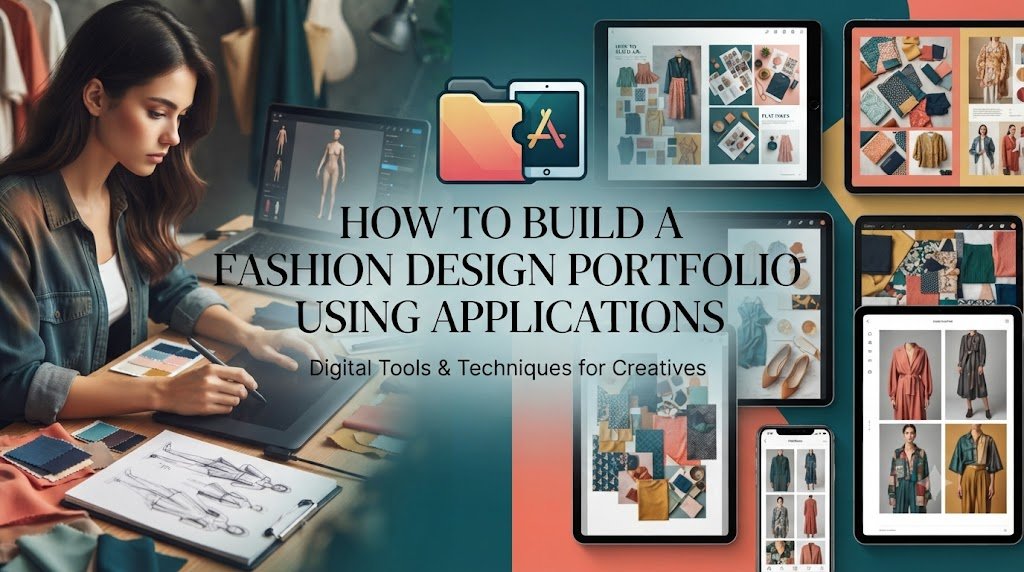
A strong portfolio is often more important than a degree or years of experience. Whether you’re applying to a fashion school, pitching to a client, or interviewing for a design job, your portfolio tells your story. A fashion design application makes it easier to present your work in a professional and visually appealing way.
Start by choosing your best work rather than including every design you’ve ever created. Quality always leaves a stronger impression than quantity.
A well-rounded portfolio should include:
- Fashion illustrations
- Technical flats
- Mood boards
- Fabric and colour palettes
- Collection concepts
- Finished garment mock-ups
- Process sketches that show your design thinking
Arrange your projects in a logical order. For example, begin with your strongest design, follow with complete collections, and end with recent work that reflects your current skills.
Don’t forget to explain your designs. A short paragraph describing the inspiration, target audience, and design goals adds context and demonstrates your creative thinking.
Expert Tip: Update your portfolio every few months. As your skills improve, replace older projects with stronger, more polished work.
Choosing the Right Fashion Design Application for Your Budget
The most expensive software is not always the best choice. Before spending money, think about your experience, goals, and the features you truly need.
Free Applications
Free software is ideal for:
- Beginners
- Students
- Hobby designers
- Anyone learning digital illustration
Many free apps offer excellent drawing tools that are more than enough for practising fashion sketches and creating a basic portfolio.
Mid-Range Applications
As your skills grow, you may want extra features such as advanced layers, better export options, cloud storage, or more realistic fabric libraries.
These applications often provide the best balance between affordability and professional functionality.
Professional Software
Established designers and fashion businesses usually invest in professional software because it includes:
- 3D garment simulation
- Pattern making
- Production management
- Team collaboration
- Technical specification tools
While these applications require a larger investment, they can save countless hours during product development.
Recommendation: Download free trials whenever possible. Spend a few days testing the interface before committing to a paid subscription. Comfort and ease of use are just as important as advanced features.
Future Trends in Fashion Design Applications
Fashion technology continues to evolve, and design software is becoming more intelligent every year. The future isn’t about replacing designers—it’s about giving them better tools to create faster, collaborate more easily, and reduce waste.
One exciting trend is real-time collaboration. Similar to cloud-based document editing, future applications will allow multiple designers to work on the same collection simultaneously, regardless of where they are located.
Another growing trend is virtual fitting technology. Instead of producing several physical samples, designers will be able to test garments on digital body types with greater accuracy. This can help brands reduce returns and improve customer satisfaction.
Sustainability will also play a larger role. More software is being developed to calculate fabric usage, estimate production waste, and recommend eco-friendly materials before manufacturing even begins.
Artificial intelligence will continue to support repetitive tasks such as organising files, generating colour variations, and improving workflow. However, the creative direction, storytelling, and emotional appeal of a collection will still depend on the designer’s vision.
Finally, expect greater integration with online stores and manufacturing systems. Designers will increasingly move from concept to production within a single digital ecosystem, making the entire process smoother and more efficient.
Tips to Improve Your Digital Fashion Design Skills
Owning a powerful application is only the first step. The real difference comes from consistent practice and a willingness to learn.
Draw Every Week
Regular practice builds confidence and improves your understanding of clothing proportions, silhouettes, and garment details. Even a few sketches each week can make a noticeable difference over time.
Study Real Clothing
Observe garments in shops, fashion magazines, or your own wardrobe. Pay attention to seams, collars, pockets, pleats, and fabric movement. Real-world observation helps you create more believable designs.
Learn Basic Sewing Concepts
You don’t need to become a professional tailor, but understanding how garments are constructed will improve your designs. Knowing where seams, darts, and fastenings belong makes your sketches more practical.
Build Mood Boards
Collect inspiration from:
- Nature
- Architecture
- Art
- Street fashion
- Vintage clothing
- Travel
- Cultural traditions
A mood board keeps your ideas organised and helps maintain a consistent design direction.
Accept Constructive Feedback
Every designer, no matter how experienced, benefits from outside opinions. Feedback can highlight small issues that are easy to miss after spending hours on the same project.
Stay Curious
Fashion trends, fabrics, and technology change constantly. Reading industry news, following runway collections, and experimenting with new techniques will help you stay relevant.
Expert Styling Advice: Great designers don’t simply copy trends. They understand why a trend works, then adapt it to create something original that suits their own creative identity.
How to Turn Digital Designs into Real Clothing
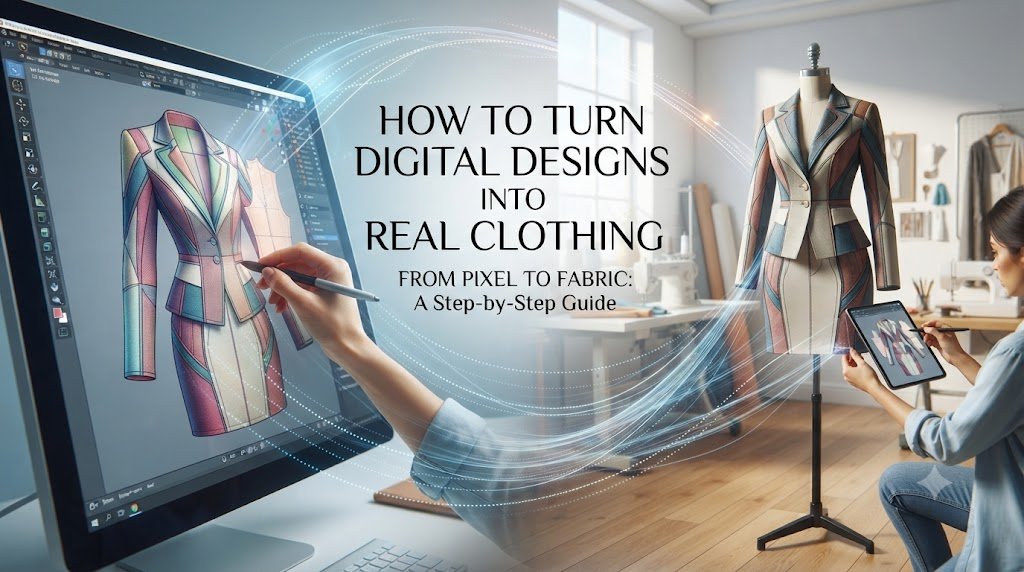
Creating a beautiful digital sketch is exciting, but seeing it become a real garment is even more rewarding. Turning a concept into finished clothing requires careful planning and attention to detail.
Start by finalising your design. Review proportions, colour choices, trims, and fabric selections before moving to production. Small digital adjustments can prevent expensive mistakes later.
The next step is creating accurate technical drawings and measurements. These documents communicate every construction detail to pattern makers and manufacturers.
After that, develop or commission sewing patterns. A well-made pattern forms the foundation of a garment that fits correctly and can be reproduced consistently.
Once patterns are ready, produce a sample garment. Examine how the fabric drapes, whether the fit matches your vision, and if any design elements need refinement. Don’t hesitate to revise the digital file based on what you learn from the sample.
If you’re planning to sell your designs, consider these additional steps:
- Source reliable fabrics and trims.
- Work with experienced manufacturers.
- Test garment quality and durability.
- Photograph finished products professionally.
- Build a strong brand identity.
- Gather customer feedback before launching a full collection.
Remember, successful fashion design is a combination of creativity, technical knowledge, and continuous improvement.
Conclusion
A fashion design application is much more than a digital drawing tool. It is a creative workspace where ideas can grow from rough sketches into production-ready garments. Whether you’re a student learning the basics, a freelancer building a portfolio, or an entrepreneur launching a clothing brand, the right application can make your workflow faster, more organised, and more enjoyable.
The key is choosing software that matches your current needs while leaving room for growth. Focus on developing your creativity, understanding garment construction, and practising consistently. Technology can simplify many tasks, but your unique perspective, attention to detail, and passion for fashion are what truly set your designs apart.
As digital tools continue to evolve with AI, 3D visualisation, and sustainable production features, designers who embrace both creativity and technology will be well positioned for the future. Start with the fundamentals, keep refining your skills, and let every project teach you something new. With patience and persistence, your ideas can move from the screen to the runway—and eventually into wardrobes around the world.
Frequently Asked Questions (FAQs)
1. What is a fashion design application used for?
A fashion design application helps users create clothing sketches, technical drawings, digital patterns, mood boards, and 3D garment visualisations. It streamlines the design process from concept to production.
2. Which fashion design application is best for beginners?
Beginners should choose an application with an easy-to-use interface, basic sketching tools, and tutorials. Starting with beginner-friendly software allows you to build confidence before moving to more advanced features.
3. Can I design clothes on a mobile phone?
Yes. Many fashion design applications work well on smartphones and tablets, making it easy to sketch ideas, experiment with colours, and edit designs while travelling. However, desktops are usually better for detailed technical work.
4. Do I need drawing skills to use a fashion design application?
Basic drawing skills are helpful, but they are not essential. Many applications include templates, design aids, and intuitive tools that make it easier for beginners to create professional-looking designs while improving their skills over time.
5. Are free fashion design applications worth using?
Absolutely. Free applications are an excellent way to learn digital fashion design, practise illustration, and build a beginner portfolio. As your needs grow, you can decide whether upgrading to professional software is worthwhile.
6. Can fashion design applications create production-ready patterns?
Some advanced applications include pattern-making tools and technical design features that help create production-ready templates. Others focus mainly on illustration and require separate pattern-making software.
7. How can I improve my fashion design skills using digital applications?
Practice consistently, study real garments, learn basic sewing techniques, seek constructive feedback, build complete collections, and regularly update your portfolio. Combining creative exploration with technical knowledge will help you grow into a more confident and capable designer.