Fashion begins with an idea, but turning that idea into a piece of clothing people love requires skill, creativity, and dedication. Behind every beautifully designed outfit is a fashion designer who spends countless hours researching, planning, sketching, selecting materials, and solving creative challenges.
Many people imagine fashion designers only creating glamorous runway collections. While designing beautiful clothes is part of the job, the role is much broader. Fashion designers combine artistic vision with technical knowledge, business understanding, and awareness of customer needs. They study trends, experiment with fabrics, communicate with production teams, and make important decisions that shape the final product.
If you are interested in entering the fashion industry or simply want to understand what happens behind the scenes, learning about the job responsibilities of fashion designer can give you a clearer picture. This career requires passion, patience, attention to detail, and the ability to transform creative thoughts into wearable designs.
In this guide, we will explore the daily duties, essential skills, creative process, workplace responsibilities, and professional expectations of fashion designers. Whether you are a student, aspiring designer, or someone curious about the fashion world, this article will help you understand what the role truly involves.
Understanding the Role of a Fashion Designer
A fashion designer creates clothing, accessories, or footwear by combining creativity with practical design knowledge. Their main goal is to develop products that are attractive, functional, comfortable, and suitable for a specific audience.
Fashion designers work across many areas, including luxury fashion, ready-to-wear clothing, sportswear, bridal fashion, childrenswear, and sustainable fashion. Some designers create their own collections, while others work for established fashion houses, retail brands, or manufacturing companies.
The role requires more than artistic talent. Designers must understand how fabrics behave, how garments are constructed, and what customers want to wear. They must also consider production costs, market trends, and brand identity.
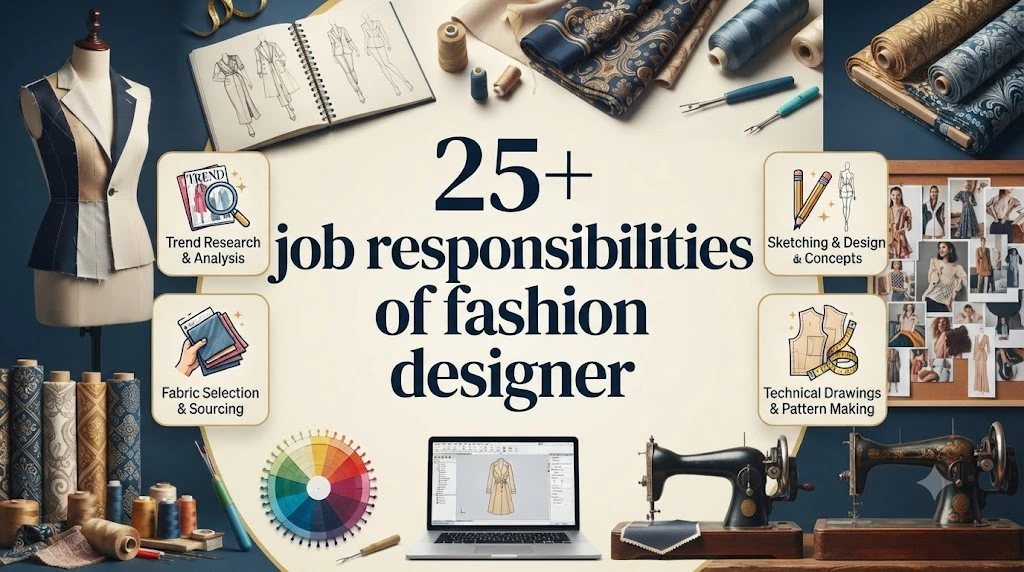
A typical fashion designer may spend their time:
- Researching upcoming fashion trends
- Creating design concepts
- Drawing sketches and illustrations
- Choosing fabrics and colors
- Developing samples and prototypes
- Working with pattern makers and manufacturers
- Reviewing finished garments
- Presenting collections to clients or company leaders
Expert Tip: Great designers do not simply follow fashion trends. They study why trends become popular and use that knowledge to create designs with a unique point of view.
Researching Fashion Trends and Market Preferences
One of the most important responsibilities of a fashion designer is staying updated with industry trends. Fashion changes constantly, and designers need to understand what customers will want before creating new collections.
Trend research involves observing many sources of inspiration, including:
- Fashion weeks and runway shows
- Street style movements
- Social media trends
- Cultural influences
- Historical fashion periods
- Consumer buying habits
- Color and fabric forecasts
For example, a designer creating a summer collection cannot only focus on what looks attractive. They must consider factors such as climate, comfort, lifestyle, and customer preferences. A lightweight fabric may be more suitable for warm regions, while heavier materials may work better for colder markets.
Fashion designers also analyze competitors and market demands. They study which products are selling well, which styles customers prefer, and where there may be opportunities for something new.
Strong research helps designers create collections that feel fresh while still meeting real customer needs.
Common Mistake: Many beginner designers focus only on personal taste. Successful designers balance their creative vision with an understanding of the people who will actually wear their designs.
Creating Fashion Concepts and Design Ideas
After completing research, fashion designers begin developing creative concepts. This stage transforms inspiration into a clear design direction.
Designers often create mood boards that include:
- Color palettes
- Fabric samples
- Images
- Artwork
- Textures
- Cultural references
- Style inspirations
A mood board helps designers organize their thoughts and communicate their vision to others. It acts as a visual roadmap for the entire collection.
Next, designers create fashion sketches. These drawings show the shape, details, and overall appearance of a garment. Some designers sketch by hand, while others use digital design software such as Adobe Illustrator or specialized fashion design programs.
A good design must consider:
- Shape and silhouette
- Comfort and movement
- Functionality
- Fabric performance
- Production possibilities
For example, a designer creating an evening gown may focus on elegance, structure, and luxury fabrics. A designer creating activewear must think about flexibility, durability, and performance.
The creative process involves experimenting, making mistakes, and improving ideas. Even experienced designers create many versions before reaching the final concept.
Expert Tip: Keep a design journal. Many successful designers record small ideas, fabric observations, and visual inspirations because a simple note today can become a major collection idea later.
Selecting Fabrics, Colors, and Materials
Choosing the right materials is another major responsibility of fashion designers. A design may look beautiful on paper, but the wrong fabric can affect how the final garment looks, feels, and performs.
Designers must understand different fabrics, including:
- Cotton
- Silk
- Wool
- Linen
- Denim
- Leather
- Synthetic materials
- Sustainable fabrics
Each material has unique qualities. Silk creates a luxurious appearance but requires careful handling. Cotton offers comfort and breathability. Technical fabrics may provide stretch, moisture control, or durability for sportswear.
Color selection also plays an important role. Designers study color psychology, seasonal palettes, cultural preferences, and brand identity when choosing shades for a collection.
For example, a luxury brand may use neutral colors to communicate timeless elegance, while a youth-focused brand may use brighter colors to create energy and excitement.
Fashion designers also consider sustainability when selecting materials. Many modern designers explore recycled fabrics, organic textiles, and environmentally responsible production methods.
Recommendation: Designers should never choose materials based only on appearance. A successful garment must combine beauty, comfort, quality, and practical use.
Developing Fashion Samples and Prototypes
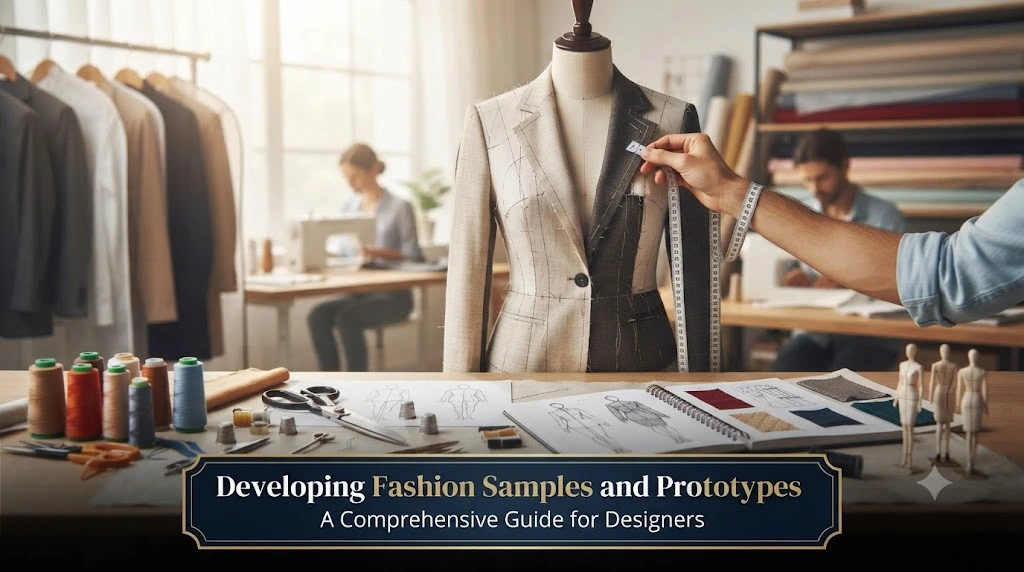
A fashion design is not complete when the sketch is finished. The next step is turning the idea into a physical sample or prototype.
During this stage, designers work closely with pattern makers, tailors, and garment technicians. They review the first version of a design and identify areas that need improvement.
The sampling process helps answer important questions:
- Does the garment fit correctly?
- Does the fabric work as expected?
- Are the proportions balanced?
- Is the design comfortable to wear?
- Can it be produced efficiently?
Designers often make several adjustments before approving the final version. Small changes in stitching, measurements, fabric choice, or construction can greatly improve the finished product.
For example, a jacket may look perfect in a sketch but feel uncomfortable when worn. The designer must adjust the structure, materials, or fit to create a better result.
This stage requires patience and problem-solving skills. Professional designers understand that refinement is a normal part of the creative process.
Common Mistake: Rushing from sketch to production without testing samples. Prototypes help prevent expensive mistakes and improve product quality.
Working With Production Teams and Manufacturers
A fashion designer’s responsibility does not end after creating a design concept. Turning a creative idea into a finished product requires close teamwork with production professionals. Designers often collaborate with pattern makers, sample makers, textile specialists, manufacturers, and quality control teams.
Production teams help transform sketches into garments that can be produced at scale. A designer must communicate their ideas clearly, explain construction details, and make sure the final product matches the original vision.
During production, designers may review:
- Fabric quality and availability
- Stitching techniques
- Garment measurements
- Production timelines
- Manufacturing costs
- Final finishing details
Good communication is essential because even a small misunderstanding can change the appearance of a garment. For example, a designer may want a soft, relaxed silhouette, but incorrect measurements during production could create a completely different shape.
Experienced designers learn how to balance creativity with practical limitations. A design might look impressive, but if it is too expensive or difficult to manufacture, adjustments may be necessary.
Expert Tip: Build strong relationships with production teams. Designers who respect and communicate well with manufacturers often create better-quality products because everyone works toward the same goal.
Managing Fashion Collections From Concept to Launch
Creating a fashion collection involves careful planning and organization. A designer must manage multiple pieces while ensuring that every item connects with the overall theme.
A collection usually begins with a central idea. This could be inspired by nature, history, art, culture, travel, or social movements. Once the concept is established, designers create individual pieces that support the collection’s story.
Fashion designers are responsible for decisions such as:
- Number of pieces in a collection
- Color coordination between garments
- Fabric selection
- Design consistency
- Seasonal suitability
- Target customer preferences
For example, a winter collection should not only look fashionable but also provide warmth and comfort. A designer creating a businesswear collection must consider professionalism, movement, and workplace expectations.
Collection management also requires time management. Designers often work with deadlines connected to fashion shows, retail launches, or seasonal sales periods.
A successful collection feels connected. Each piece should have its own personality while still belonging to the same creative vision.
Common Mistake: Designing individual pieces without thinking about the complete collection. Professional designers create a balanced range where customers can easily combine different items.
Collaborating With Other Fashion Professionals
Fashion design is rarely a solo job. Even independent designers rely on collaboration to bring ideas to life. Strong teamwork is one of the most important skills in the fashion industry.
Fashion designers commonly work with:
- Fashion stylists
- Pattern makers
- Textile designers
- Photographers
- Models
- Fashion buyers
- Marketing teams
- Retail managers
- Production specialists
For example, a designer may create a collection, but a stylist helps decide how those pieces should be presented. A photographer captures the visual identity of the brand, while a marketing team helps customers discover the products.
Successful collaboration requires listening, flexibility, and respect for different perspectives. A designer must be confident enough to defend their creative choices but also open enough to accept useful feedback.
Many great fashion ideas improve through teamwork. Another professional may notice a practical issue or suggest a creative improvement that the designer had not considered.
Expert Tip: Fashion professionals who communicate clearly and treat every team member with respect often build stronger careers because the industry depends heavily on relationships.
Designing Clothes Based on Customer Needs
Fashion designers create more than attractive clothing. They create products that solve customer needs. Understanding the target audience is one of the most important responsibilities in modern fashion.
Before designing a collection, professionals consider:
- Who will wear these clothes?
- What lifestyle do customers have?
- What problems does the clothing solve?
- What price range is realistic?
- What styles do customers prefer?
For example, a designer creating office clothing may focus on comfort, confidence, and professional appearance. A designer creating travel clothing may prioritize lightweight materials, flexibility, and durability.
Customer feedback also plays a major role. Designers often study reviews, sales performance, and customer behavior to understand what works and what needs improvement.
A talented designer knows how to combine personal creativity with customer expectations. The goal is not simply to create something the designer likes but to create something meaningful for the intended audience.
Recommendation: Spend time observing real people. Street observations, customer conversations, and market research often provide more useful inspiration than simply looking at fashion images online.
Essential Skills Every Fashion Designer Needs
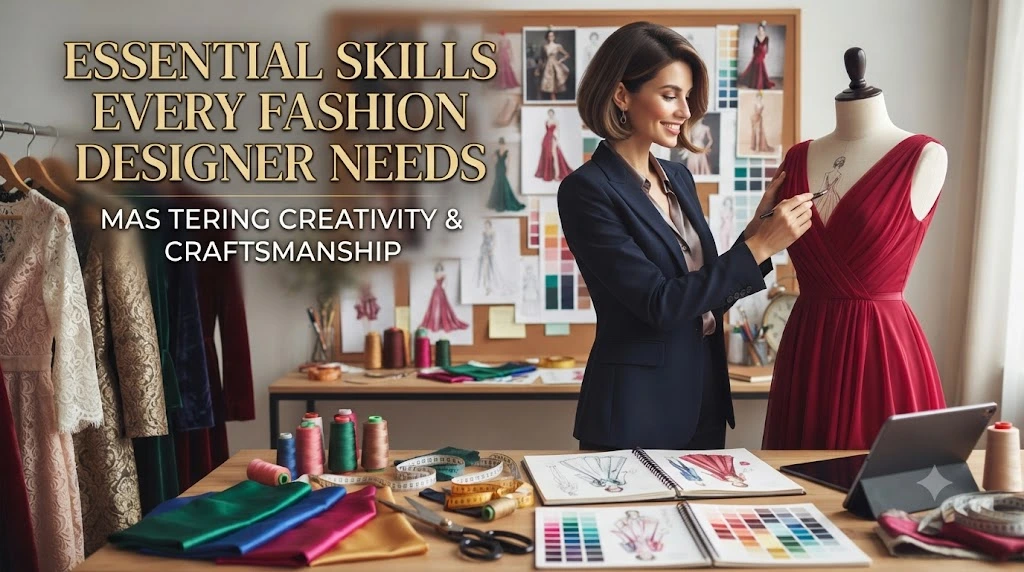
Successful fashion designers develop a combination of creative, technical, and business skills. Natural creativity helps, but professional growth depends on continuous learning and practice.
Important skills include:
Creative Skills
- Drawing and visualization
- Color understanding
- Design thinking
- Trend analysis
- Styling knowledge
- Concept development
Technical Skills
- Fabric knowledge
- Sewing basics
- Pattern understanding
- Garment construction
- Fashion illustration software
- Digital design tools
Professional Skills
- Communication
- Time management
- Problem-solving
- Teamwork
- Budget awareness
- Presentation skills
A designer who understands only creativity may struggle with production challenges. Similarly, someone with technical knowledge but no creative vision may create functional but uninspiring designs.
The strongest designers develop a balanced skill set. They understand both the artistic side of fashion and the practical steps needed to bring ideas into reality.
For example, knowing how to sketch a beautiful dress is valuable, but understanding how that dress will be cut, stitched, priced, marketed, and sold creates a much stronger professional foundation.
Expert Tip: Never stop learning. Fashion technology, customer expectations, and industry practices change constantly. Designers who continue improving their skills stay competitive.
Using Fashion Design Software and Digital Tools
Modern fashion designers use technology to improve creativity, accuracy, and efficiency. While traditional sketching remains valuable, digital tools have become an important part of professional fashion design.
Fashion software allows designers to:
- Create accurate digital sketches
- Experiment with colors quickly
- Develop realistic garment simulations
- Share designs with teams
- Reduce material waste
- Speed up the design process
Popular digital tools include illustration programs, computer-aided design systems, and 3D garment visualization platforms.
For example, a designer can now create a virtual version of a garment and test different fabrics, colors, and shapes before producing a physical sample. This saves time and reduces unnecessary production costs.
Technology has also supported sustainable fashion practices by helping designers create fewer physical samples and make better production decisions.
However, digital skills should support creativity, not replace it. A strong designer still needs imagination, understanding of materials, and knowledge of how clothing interacts with the human body.
Common Mistake: Relying completely on software without developing fundamental design skills. Technology is a powerful tool, but creative thinking remains the foundation of fashion design.
Fashion Designer Responsibilities in Different Industries
The job responsibilities of fashion designer can vary greatly depending on the industry they work in. A designer creating luxury gowns will have different priorities compared to someone designing sportswear, uniforms, or everyday clothing.
Understanding these differences helps aspiring designers choose the right career direction.
Luxury Fashion Designers
Luxury designers focus on exclusivity, craftsmanship, and unique artistic expression. They often work with premium fabrics, detailed handwork, and customized designs.
Their responsibilities may include:
- Creating limited-edition collections
- Working with high-quality materials
- Developing signature design styles
- Collaborating with skilled artisans
- Preparing collections for fashion shows
Luxury fashion requires extreme attention to detail because customers expect exceptional quality and originality.
Ready-to-Wear Fashion Designers
Ready-to-wear designers create clothing produced in larger quantities for retail customers. Their designs must balance creativity, affordability, comfort, and market demand.
They focus on:
- Seasonal collections
- Customer preferences
- Production efficiency
- Retail trends
- Commercial success
A ready-to-wear designer must understand what customers are likely to purchase, not just what looks impressive on a runway.
Sustainable Fashion Designers
Sustainable fashion designers focus on reducing environmental impact while creating attractive products. This area has grown as consumers become more interested in ethical clothing choices.
Their responsibilities include:
- Selecting environmentally friendly fabrics
- Reducing production waste
- Exploring recycling methods
- Working with ethical suppliers
- Creating durable clothing
Sustainability requires designers to think beyond appearance and consider the entire life cycle of a garment.
Costume Designers
Costume designers create clothing for films, television, theater, and performances. Their work involves researching historical periods, understanding characters, and designing outfits that support storytelling.
For example, a costume designer working on a historical film must study the clothing, fabrics, and social customs of that specific time period.
Expert Tip: The best fashion designers understand their industry deeply. Knowing your market helps you create designs that are both creative and valuable.
Understanding the Daily Routine of a Fashion Designer
Many people imagine fashion designers spending all day sketching beautiful outfits. While creativity is a major part of the job, the daily routine includes many practical responsibilities.
A designer’s schedule can change depending on deadlines, projects, and the stage of the collection.
A typical day may include:
- Reviewing design ideas
- Meeting with team members
- Selecting fabrics
- Checking samples
- Adjusting garment details
- Researching trends
- Communicating with suppliers
- Preparing presentations
- Reviewing production updates
Some days are highly creative, while others involve meetings, problem-solving, and administrative tasks.
For example, a designer preparing for a fashion show may spend weeks finalizing details, checking fittings, coordinating with stylists, and ensuring every garment looks perfect before the event.
Fashion design requires flexibility because unexpected challenges often appear. A fabric supplier may delay delivery, a sample may not fit correctly, or a production issue may require quick changes.
Successful designers stay organized and handle pressure calmly.
Common Mistake: Assuming fashion design is only about creativity. Professional designers spend significant time managing details, solving problems, and communicating with others.
The Role of Sustainability in Modern Fashion Design
Sustainability has become one of the most important topics in the fashion industry. Designers today are expected to think about environmental impact, ethical production, and responsible material choices.
Traditional fashion production can create waste through excessive manufacturing, chemical use, and short product lifecycles. Modern designers are exploring ways to create clothing that is better for both people and the planet.
Sustainable fashion designers may focus on:
- Using organic or recycled materials
- Creating long-lasting garments
- Reducing fabric waste
- Supporting ethical manufacturing
- Designing timeless styles instead of disposable trends
For example, a designer may create a jacket designed to last for many years instead of following a short-term trend that quickly becomes outdated.
Sustainability also influences consumer expectations. Many shoppers now consider how products are made before purchasing them.
A designer who understands sustainable practices can create stronger connections with modern customers.
Expert Tip: Sustainability is not only about using eco-friendly fabrics. It also includes thoughtful design, responsible production, and creating products that customers value for a long time.
How Fashion Designers Manage Deadlines and Pressure
Fashion is a fast-moving industry where timing matters. Designers often work with strict deadlines connected to fashion seasons, retail launches, and production schedules.
Managing pressure is a major part of professional fashion design.
Designers must learn how to:
- Prioritize important tasks
- Organize creative ideas
- Communicate clearly
- Solve unexpected problems
- Make decisions quickly
For example, if a collection launch is approaching and one garment has a production issue, the designer must decide whether to adjust the design, change materials, or create a replacement piece.
Good time management helps designers maintain quality without becoming overwhelmed.
Many professionals use tools such as:
- Project schedules
- Design calendars
- Collection timelines
- Task management systems
Planning ahead also allows more time for testing, improvements, and creative development.
Recommendation: Beginners should practice working with deadlines even during personal projects. Professional fashion careers require creativity under time limitations.
Common Mistakes New Fashion Designers Should Avoid
Starting a fashion career is exciting, but beginners often make mistakes that slow their progress. Learning from these challenges can help new designers develop faster.
Some common mistakes include:
Ignoring the Business Side of Fashion
Many beginners focus only on creativity and forget that fashion is also an industry. Understanding pricing, customers, marketing, and production is essential.
Copying Other Designers
Taking inspiration is normal, but copying another designer’s work prevents you from developing your own creative identity.
Avoiding Feedback
Constructive criticism helps designers improve. Professionals learn to accept feedback and use it as a tool for growth.
Neglecting Technical Knowledge
Beautiful ideas need proper construction. Understanding fabrics, patterns, and garment production improves design quality.
Following Every Trend
Trends can provide inspiration, but successful designers create a unique perspective rather than simply copying what is popular.
Failing to Build a Portfolio
A portfolio shows your abilities better than words. Without examples of your work, opportunities can be harder to find.
Expert Tip: Treat every project as a learning experience. Even unsuccessful designs teach valuable lessons about creativity, materials, and customer preferences.
How Fashion Designers Build Their Professional Reputation
A strong reputation is one of the most valuable assets a fashion designer can develop. In a competitive industry, trust and consistency often create long-term opportunities.
Professional reputation grows through:
- High-quality work
- Reliable communication
- Meeting deadlines
- Respecting collaborators
- Continuous improvement
- Developing a unique design identity
Many successful designers become recognized because people associate their names with a specific style or quality standard.
For example, some designers become known for minimalism, while others become famous for bold colors, experimental shapes, or sustainable practices.
Building recognition takes time. Designers usually develop their reputation through years of creating, learning, and delivering consistent results.
Recommendation: Focus on becoming known for something meaningful. A clear creative identity helps clients, brands, and customers understand what makes your work special.
Education and Qualifications Required to Become a Fashion Designer
Many aspiring designers wonder whether they need a formal education to succeed in fashion. While talent and creativity are important, proper training can help you develop the technical and professional skills required in the industry.
A fashion design education teaches students how to transform creative ideas into wearable products. It also provides opportunities to practice with professional tools, receive feedback, and build industry connections.
Common educational paths include:
- Fashion design degree programs
- Diploma courses in fashion design
- Textile design programs
- Apparel production courses
- Online fashion certifications
- Short-term skill workshops
During their studies, students usually learn:
- Fashion illustration
- Pattern making
- Sewing techniques
- Textile science
- Fashion history
- Garment construction
- Computer-aided design
- Fashion marketing
However, education alone does not guarantee success. The best designers continue learning outside the classroom by studying trends, experimenting with designs, attending fashion events, and gaining practical experience.
A designer with a strong portfolio and real-world skills can often create opportunities even without traditional qualifications.
Expert Tip: Focus on building proof of your abilities. A well-developed portfolio can sometimes make a stronger impression than a list of certificates.
Building a Successful Career as a Fashion Designer
A successful fashion career develops through a combination of creativity, experience, networking, and consistent improvement. Most professional designers do not become successful overnight. They gradually build their skills and reputation through years of practice.
The first step is understanding your preferred area of fashion. Some designers enjoy creating clothing collections, while others prefer accessories, footwear, costume design, or sustainable fashion.
A practical career path may look like this:
- Learn basic fashion design skills.
- Create personal design projects.
- Build a professional portfolio.
- Complete internships or assistant roles.
- Develop industry connections.
- Gain experience with real clients or brands.
- Create your own design identity.
Early career opportunities may include working as:
- Junior fashion designer
- Design assistant
- Fashion illustrator
- Pattern assistant
- Textile design assistant
- Product development assistant
These roles provide valuable experience because beginners learn how the fashion industry works from the inside.
Many successful designers also develop additional skills such as photography, social media marketing, branding, and business management. These skills are especially useful for those who want to launch their own fashion labels.
Recommendation: Do not focus only on becoming famous. Focus on becoming skilled, reliable, and valuable. Recognition usually follows consistent quality.
The Importance of Creativity and Personal Style in Fashion Design
Creativity is at the heart of fashion design. While technical skills help create garments, personal vision is what makes a designer’s work memorable.
Every successful designer develops a unique perspective. This personal style becomes a signature that helps people recognize their work.
Developing creativity requires:
- Observing the world around you
- Exploring different cultures
- Studying art and history
- Experimenting with materials
- Trying new design approaches
- Accepting creative risks
Inspiration can come from unexpected places. A designer might find ideas in architecture, nature, music, travel, or everyday life.
For example, the shape of a building may inspire a clothing silhouette, or traditional artwork may influence fabric patterns.
However, creativity does not mean creating something completely random. Great designs usually combine imagination with purpose.
Common Mistake: Waiting for inspiration before creating. Professional designers develop creativity through regular practice. The more you create, the stronger your creative thinking becomes.
Future Opportunities in Fashion Design
The fashion industry continues to evolve, creating new opportunities for designers who adapt to change. Technology, sustainability, and digital platforms have expanded the ways designers can work and connect with customers.
Modern fashion designers can explore careers in areas such as:
- Sustainable fashion
- Digital fashion design
- 3D garment creation
- Fashion technology
- E-commerce brands
- Personal styling
- Fashion content creation
- Independent fashion labels
Digital fashion is becoming increasingly important as brands explore virtual clothing, online experiences, and advanced design technology.
Sustainability is also creating demand for designers who understand ethical materials and responsible production methods.
Social media has changed the industry as well. Independent designers can now showcase their work globally without depending entirely on traditional fashion systems.
A designer today can build an audience, sell products online, and communicate directly with customers.
The future of fashion belongs to professionals who combine creativity with adaptability. Designers who continue learning new tools and understanding changing consumer needs will have more opportunities.
Expert Tip: Stay curious about technology and business trends. Fashion is not only about clothing anymore; it is connected with culture, innovation, and digital experiences.
How to Improve Your Skills as a Fashion Designer
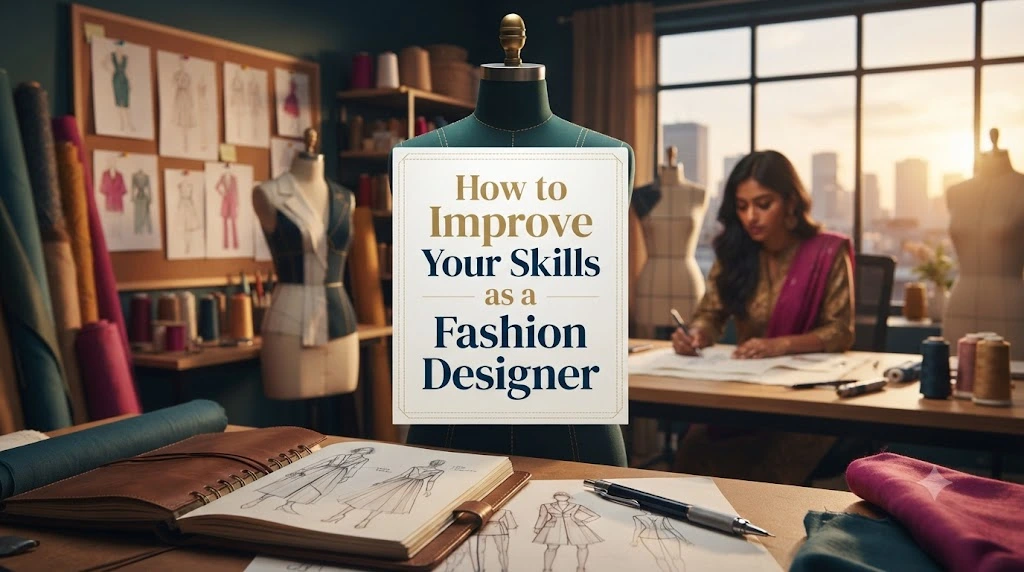
Becoming a better designer requires continuous practice. Even experienced professionals regularly improve their techniques and update their knowledge.
Practical ways to develop your skills include:
- Sketch designs daily
- Study different clothing styles
- Practice sewing and garment construction
- Visit fabric markets
- Analyze successful fashion collections
- Create personal design challenges
- Learn digital design tools
- Request feedback from experienced people
Creating small projects regularly can improve your confidence. For example, designing one outfit concept every week can help you develop faster than waiting for one perfect collection idea.
Studying the work of established designers can also teach valuable lessons. Look at how they use color, shape, materials, and storytelling.
However, learning from others should inspire you, not make you copy them.
Recommendation: Keep a record of your progress. Comparing your earlier work with newer projects helps you see improvement and identify areas where you can grow.
Conclusion
Understanding the job responsibilities of fashion designer reveals that this career involves much more than creating attractive clothing. Fashion designers are creative thinkers, problem-solvers, researchers, and business professionals who bring ideas to life through careful planning and technical knowledge.
From researching trends and selecting fabrics to developing prototypes, managing production, and understanding customer needs, designers handle many responsibilities throughout the creative process. Their work requires imagination, patience, communication, and a strong understanding of the fashion industry.
A successful fashion designer does not rely only on artistic talent. They continue learning, adapt to changes, accept feedback, and develop skills that help them create meaningful designs.
Whether you want to become a luxury designer, sustainable fashion creator, costume designer, or independent brand owner, the journey begins with curiosity and consistent effort.
Fashion is constantly changing, but the fundamentals remain the same: understand people, create with purpose, and pay attention to quality. Designers who combine creativity with professionalism have the ability to shape how people express themselves through clothing.
Frequently Asked Questions
1. What are the main responsibilities of a fashion designer?
The main responsibilities of a fashion designer include researching trends, creating design concepts, selecting fabrics, developing samples, working with production teams, managing collections, and ensuring final products meet customer expectations.
2. What skills does a fashion designer need?
A fashion designer needs creative skills, fabric knowledge, fashion illustration abilities, technical understanding, communication skills, problem-solving abilities, and knowledge of current fashion trends.
3. Do fashion designers need a degree?
A degree is not always required, but formal education can help develop technical skills, industry knowledge, and professional connections. A strong portfolio and practical experience are also highly valuable.
4. What does a fashion designer do every day?
A fashion designer’s daily work may include sketching ideas, researching trends, selecting materials, reviewing samples, meeting with teams, communicating with manufacturers, and solving design challenges.
5. How do fashion designers choose fabrics?
Fashion designers choose fabrics based on factors such as appearance, comfort, durability, cost, season, customer needs, and how well the material supports the design concept.
6. Can a fashion designer start their own brand?
Yes. Many designers create their own fashion brands. Starting a brand requires design skills along with knowledge of marketing, production, customer research, budgeting, and business management.
7. What is the biggest challenge faced by fashion designers?
One of the biggest challenges is balancing creativity with practical requirements such as deadlines, production costs, customer expectations, and changing market trends.