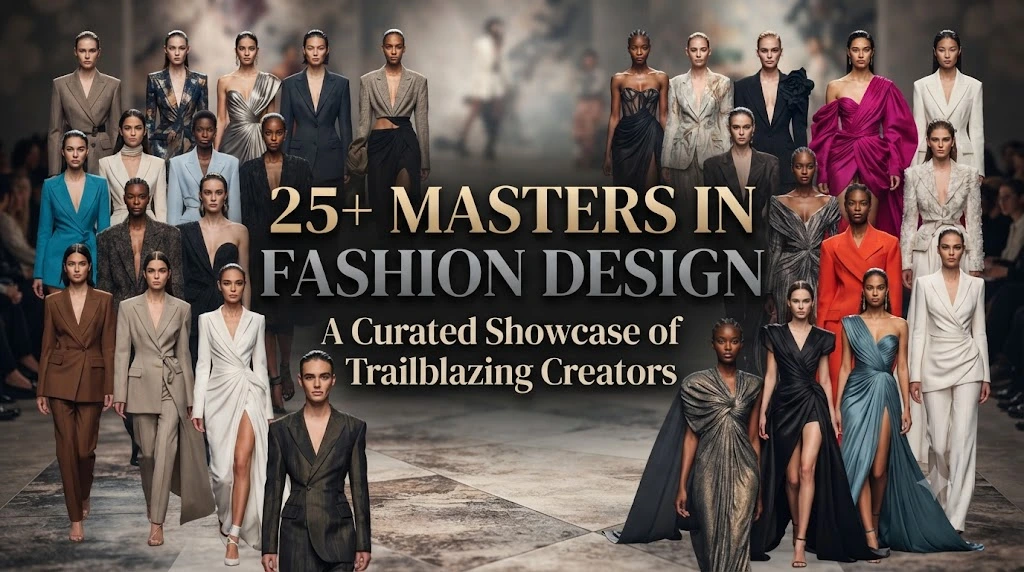
Fashion is more than clothing. It is a language of creativity, culture, and personal expression. Every garment tells a story, and behind every memorable collection is a designer who understands not only how clothes look but also how they make people feel.
For many creative individuals, fashion begins as a simple passion. It may start with sketching outfits, experimenting with fabrics, styling friends, or admiring the craftsmanship behind iconic designs. Over time, that passion can grow into a serious career goal. This is where advanced education can make a meaningful difference.
A masters in fashion design gives aspiring designers the opportunity to develop advanced creative skills, explore innovative design techniques, understand the business side of fashion, and build a professional portfolio. It is designed for students who want to move beyond basic design knowledge and develop a deeper understanding of the fashion industry.
Whether your dream is to become a luxury fashion designer, creative director, sustainable fashion expert, fashion entrepreneur, or design researcher, a master’s degree can help you develop the expertise and confidence needed to compete in a global industry.
However, choosing a postgraduate fashion program is a major decision. Students often wonder about admission requirements, career opportunities, course structure, skills learned, and whether the investment is worthwhile.
This guide explains everything you need to know about advanced fashion design education, helping you understand what to expect and how it can shape your future career.
What Is a Masters in Fashion Design?
A masters in fashion design is an advanced postgraduate program that focuses on developing professional-level skills in fashion creation, research, innovation, and industry practices.
Unlike undergraduate programs that introduce basic concepts, a master’s degree allows students to specialize and explore their own creative identity. Students usually work on complex projects that combine artistic vision with technical knowledge and market understanding.
The program typically covers areas such as:
- Advanced fashion design techniques
- Textile exploration
- Fashion illustration
- Garment construction
- Design research
- Fashion history and theory
- Trend forecasting
- Sustainable design practices
- Digital fashion tools
- Collection development
The main goal is not just to teach students how to make clothes. It helps them understand why certain designs succeed, how fashion influences society, and how creative ideas can become commercially successful products.
For example, a student may develop a collection inspired by traditional crafts but adapt it for modern consumers. This process requires research, storytelling, material selection, technical skills, and a clear understanding of the target audience.
Expert Tip: A strong master’s program should encourage personal creativity rather than forcing every student into the same design style. Your unique perspective is one of your greatest professional assets.
Why Study a Masters in Fashion Design?
Many students choose advanced fashion education because they want to improve their creative abilities and gain deeper industry knowledge. A master’s degree can help transform a beginner-level interest into professional expertise.
One major advantage is specialization. Fashion is a broad field, and postgraduate study allows students to focus on areas that match their career goals.
Possible specializations include:
- Luxury fashion design
- Sustainable fashion
- Textile design
- Fashion technology
- Costume design
- Fashion business
- Digital fashion
- Accessories design
A master’s program also provides access to experienced mentors, professional equipment, industry connections, and opportunities to collaborate with other creative individuals.
For example, a student interested in sustainable fashion may learn how to work with eco-friendly materials, reduce waste, and design products that meet modern environmental expectations.
Advanced education can also improve confidence. Many talented beginners have creative ideas but lack the technical knowledge needed to bring those ideas to life. A master’s program helps bridge that gap.
Common Mistake: Choosing a fashion master’s degree only because it sounds glamorous. Students should research the curriculum carefully and select a program that supports their specific career goals.
Skills You Develop During a Fashion Design Master’s Program
A postgraduate fashion design program helps students develop a balanced combination of creative, technical, and professional skills.
Creativity is important, but successful designers need much more than imagination. They must understand materials, customers, production processes, and business decisions.
Key skills developed during a master’s degree include:
Advanced Design Thinking
Students learn how to create concepts based on research, cultural influences, consumer behavior, and artistic ideas.
Fashion Research Skills
Designers learn how to analyze trends, study historical influences, and develop collections with meaningful concepts.
Technical Knowledge
Students improve their understanding of:
- Pattern making
- Draping techniques
- Sewing methods
- Fabric behavior
- Garment construction
Digital Design Skills
Modern programs often introduce digital tools that help designers create accurate sketches, 3D garments, and virtual prototypes.
Presentation and Communication
Designers must explain their ideas clearly to clients, brands, manufacturers, and creative teams.
Business Awareness
Students learn about branding, marketing, pricing, and customer psychology.
These skills prepare graduates for real-world challenges. A designer may have a beautiful idea, but without technical and communication skills, turning that idea into a successful product becomes difficult.
Recommendation: Choose a program that balances creative experimentation with practical industry skills. Both sides are necessary for long-term success.
What Do You Learn in a Masters in Fashion Design Program?
The exact curriculum varies between universities, but most programs combine creative projects, technical training, research, and professional development.
Students usually complete a combination of coursework and independent design projects.
Common subjects include:
- Advanced fashion design concepts
- Fashion collection development
- Textile innovation
- Fashion research methods
- Design theory
- Sustainable practices
- Fashion marketing
- Portfolio development
- Professional presentation skills
Many programs also include a final thesis or major collection project. This allows students to explore a personal design idea in depth.
For example, a student may create a collection focused on climate-friendly clothing. They might research sustainable fabrics, experiment with construction methods, develop prototypes, and present the final collection as a professional design project.
Practical experience is often a major part of postgraduate fashion education. Students may collaborate with industry professionals, participate in exhibitions, or complete internships.
These experiences help students understand professional expectations before entering the workforce.
Expert Tip: Use your master’s projects to build your portfolio. Your final collection can become one of the strongest examples of your design ability when applying for jobs or launching a brand.
Who Should Consider a Masters in Fashion Design?
A master’s degree in fashion design is not only for people who want to become clothing designers. It can benefit anyone who wants deeper knowledge of the fashion industry and creative development.
This program may be a good choice for:
- Fashion design graduates seeking advanced skills
- Creative professionals changing careers
- Designers wanting to specialize
- Entrepreneurs planning a fashion brand
- Individuals interested in fashion research
- Professionals aiming for leadership roles
Students who enjoy experimenting, solving creative problems, and exploring new ideas often perform well in these programs.
However, a master’s degree requires commitment. The workload can include research, long design projects, presentations, and continuous creative development.
Before applying, consider your goals:
- Do you want to work for a fashion company?
- Do you want to start your own label?
- Do you want to teach fashion?
- Do you want to specialize in a specific area?
Understanding your goals helps you choose the right program and get maximum value from your education.
Common Mistake: Enrolling in a master’s program without a clear purpose. Advanced education is most valuable when it supports a specific career direction.
Admission Requirements for a Masters in Fashion Design
Applying for a master’s program in fashion design usually requires a combination of academic qualifications, creative ability, and evidence of design potential. Universities look beyond grades because fashion is a practical and creative field where skills and originality matter.
While requirements vary between institutions, most fashion schools expect applicants to have:
- A bachelor’s degree in fashion design or a related field
- A strong creative portfolio
- Academic transcripts
- A personal statement or motivation letter
- Letters of recommendation
- Interview performance
- Proof of language proficiency for international students
The portfolio is often one of the most important parts of the application. It gives admission teams a direct look at your creativity, technical skills, design process, and personal style.
A strong portfolio may include:
- Fashion sketches
- Completed garments
- Fabric experiments
- Mood boards
- Design research
- Photography projects
- Previous collections
- Digital design work
Admissions teams usually want to understand how you think as a designer. They are not only looking for polished final products but also your creative journey.
For example, showing how you developed an idea from initial research to final garment can demonstrate stronger design thinking than simply presenting finished clothing.
Expert Tip: Do not create a portfolio that only shows your best-looking designs. Include projects that demonstrate research, experimentation, problem-solving, and growth.
How to Choose the Right Fashion Design Master’s Program
Choosing the right fashion school can strongly influence your future career. A good program should match your creative interests, learning style, and professional goals.
Many students make decisions based only on a school’s reputation. While reputation matters, the course content and opportunities offered are equally important.
Before applying, research factors such as:
- Course curriculum
- Faculty experience
- Industry connections
- Available facilities
- Internship opportunities
- Student projects
- Graduate success stories
- Location and industry access
For example, a student interested in luxury fashion should look for programs with strong connections to luxury brands and craftsmanship. Someone interested in sustainable fashion should choose a school that focuses on ethical materials and responsible production.
Consider the teaching approach as well. Some programs focus heavily on creative experimentation, while others emphasize technical skills, business knowledge, or research.
Ask yourself:
- Does this program support my design interests?
- Will I have access to professional tools?
- Can I build a strong portfolio?
- Does the school connect students with industry professionals?
Recommendation: Visit university websites, attend online information sessions, and speak with current students or graduates before making a final decision.
Online vs Campus-Based Masters in Fashion Design
Technology has changed fashion education, and many students now consider online master’s programs as an alternative to traditional campus learning.
Both options have advantages, and the best choice depends on your personal situation and career goals.
Campus-Based Programs
Traditional programs provide:
- Face-to-face interaction with instructors
- Access to studios and equipment
- Collaboration with classmates
- Networking opportunities
- Hands-on garment development
This environment can be especially valuable for students who want practical experience with fabrics, sewing, and physical design processes.
Online Programs
Online fashion programs may offer:
- Flexible schedules
- Access for working professionals
- Lower travel costs
- Learning from different locations
- Digital design opportunities
However, students must be more independent and organized. Fashion is a hands-on field, so online students should ensure the program provides practical assignments and portfolio development opportunities.
A student who works full-time may prefer online education, while someone seeking extensive studio experience may benefit from campus learning.
Expert Tip: The format matters less than the quality of the program. A strong curriculum, experienced instructors, and portfolio-focused learning are the most important factors.
Career Opportunities After Completing a Masters in Fashion Design
A master’s degree can open doors to advanced roles within the fashion industry. Graduates often develop specialized skills that help them compete for creative and leadership positions.
Possible career paths include:
Fashion Designer
Fashion designers create clothing collections, develop concepts, select materials, and oversee the production process.
Creative Director
Creative directors guide the overall artistic vision of a brand. They make decisions about collections, campaigns, and brand identity.
Textile Designer
Textile designers create patterns, prints, and innovative fabric concepts for clothing and accessories.
Many graduates use their knowledge to launch independent fashion labels or creative businesses.
Fashion Educator or Researcher
Some professionals move into teaching, academic research, or fashion theory.
Product Development Specialist
These professionals work between design and manufacturing to ensure products meet quality and market expectations.
A master’s degree can also help graduates move into leadership positions because it develops advanced problem-solving, research, and project management abilities.
Common Mistake: Assuming a master’s degree automatically guarantees a high-level position. Career success still depends on experience, networking, portfolio quality, and continuous learning.
Fashion Industries Where Graduates Can Work
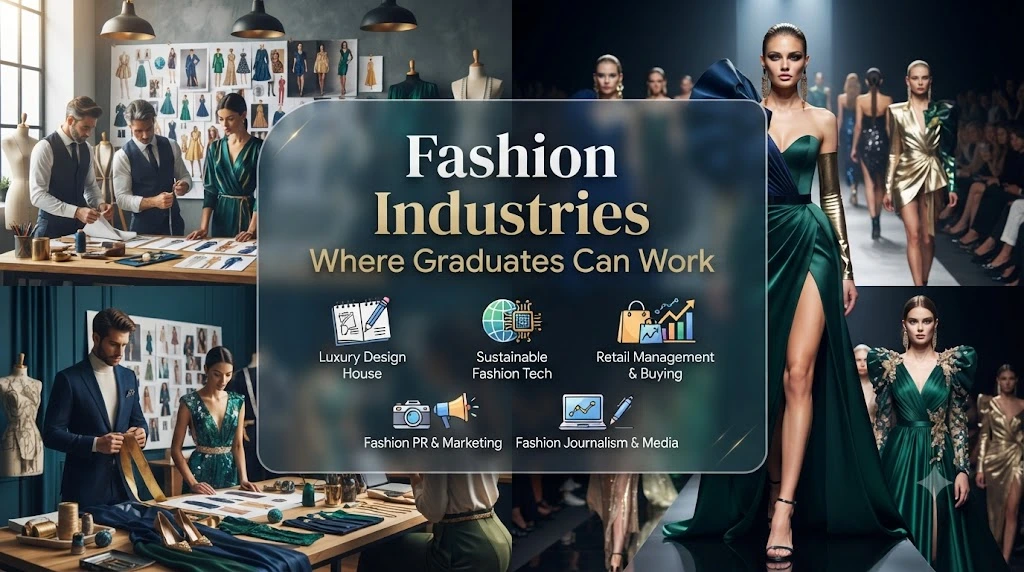
Fashion design graduates can work in many different sectors. The industry is much larger than runway fashion, offering opportunities in creative, technical, and business-focused roles.
Some major fashion sectors include:
Luxury Fashion
Luxury brands focus on craftsmanship, exclusivity, and premium materials. Designers in this area often work on high-end collections and custom creations.
Retail Fashion
Retail companies create clothing for everyday consumers. Designers must understand customer preferences, pricing, and production efficiency.
Sportswear and Activewear
This sector focuses on comfort, performance, and technical materials. Designers often combine fashion with functionality.
Sustainable Fashion
Sustainable brands focus on ethical sourcing, environmental responsibility, and long-lasting products.
Costume and Entertainment Fashion
Designers create clothing for films, television, theater, and performances.
Fashion Technology
This growing area combines fashion with digital innovation, including virtual clothing, 3D design, and smart textiles.
Bridal and Occasion Wear
Designers in this field create specialized garments for weddings, celebrations, and formal events.
The variety of career paths allows graduates to choose an area that matches their interests and strengths.
For example, someone who enjoys storytelling may find costume design exciting, while someone interested in innovation may prefer fashion technology.
Expert Tip: Explore different areas during your studies. Many designers discover their true specialty through experimentation rather than choosing it immediately.
How a Masters in Fashion Design Helps Build a Professional Portfolio
A professional portfolio is one of the most valuable outcomes of a master’s degree. It demonstrates your ability to research, design, develop, and present creative work.
During postgraduate study, students usually complete projects that can become portfolio pieces.
A strong fashion portfolio should show:
- Creative concepts
- Design development process
- Technical drawings
- Fabric experiments
- Final garments
- Photography
- Research and inspiration
Employers and clients want to see how you approach challenges. They want evidence that you can think creatively and solve design problems.
For example, a portfolio project could show how you transformed a cultural inspiration into a modern clothing collection. The journey from idea to final product demonstrates professional design thinking.
A master’s program also gives students opportunities to improve presentation skills. Designers must explain their ideas clearly to buyers, clients, and creative teams.
Recommendation: Update your portfolio regularly. Fashion careers grow through continuous improvement, and your portfolio should represent your strongest current abilities.
Duration and Cost of a Masters in Fashion Design
The duration and cost of a master’s degree in fashion design depend on the university, country, course structure, and learning format. Most programs usually take between one and two years of full-time study.
Some intensive programs may be completed faster, while research-focused degrees may require additional time. Students should carefully review the course timeline before applying because advanced fashion projects often involve extensive research, design development, and practical work.
The cost of a fashion design master’s program can vary significantly. Tuition fees are influenced by factors such as:
- University reputation
- Location
- Facilities available
- Faculty expertise
- Program length
- International student fees
Besides tuition, students should also consider additional expenses, including:
- Fabric and material costs
- Design tools and software
- Portfolio development
- Studio equipment
- Books and research materials
- Living expenses
Fashion design can involve significant material costs because students often create physical garments and prototypes.
However, many universities offer scholarships, financial support, and part-time opportunities to help students manage expenses.
Expert Tip: Do not choose a program only because it is affordable. Consider the value you receive, including industry connections, portfolio support, facilities, and career opportunities.
Important Software and Tools Used in Advanced Fashion Design
Modern fashion design combines traditional creativity with digital technology. A master’s program often introduces students to software and tools that improve accuracy, efficiency, and presentation quality.
Digital skills have become increasingly important because fashion companies now use technology throughout the design and production process.
Common tools include:
Adobe Illustrator
Designers use Illustrator to create technical drawings, fashion sketches, and detailed garment illustrations.
Adobe Photoshop
Photoshop helps designers edit images, create mood boards, and develop visual presentations.
CLO 3D and Virtual Design Software
These tools allow designers to create realistic digital garments, test designs, and visualize clothing before physical production.
CAD Systems
Computer-aided design tools help with technical drawings, measurements, and production planning.
Digital Textile Design Software
These programs support the creation of patterns, prints, and fabric designs.
Learning these tools helps designers communicate ideas more effectively with manufacturers, clients, and creative teams.
For example, a designer can create a digital prototype of a jacket, adjust the shape, test colors, and present the concept before creating a physical sample.
Common Mistake: Thinking technology replaces creativity. Digital tools support the design process, but strong ideas and creative thinking remain the foundation of successful fashion design.
How to Prepare for a Masters in Fashion Design
Preparing before starting a master’s program can help students get more value from their education. Advanced courses move quickly, so having a strong foundation makes the learning experience smoother.
Before applying, consider developing these areas:
Improve Your Design Skills
Practice sketching, creating concepts, and experimenting with different styles. Regular practice helps strengthen creative confidence.
Study Fashion History
Understanding past movements, designers, and cultural influences helps you create more meaningful designs.
Build a Portfolio
A portfolio should reflect your creativity, technical ability, and personal design perspective.
Learn Basic Technical Skills
Understanding sewing, fabrics, and garment construction gives you a stronger foundation.
Follow Industry Changes
Stay updated with trends, sustainability practices, fashion technology, and consumer behavior.
Develop Research Skills
Master’s programs often involve deeper research, so learning how to analyze information and develop concepts is valuable.
A student who enters the program prepared can spend more time exploring creative ideas instead of struggling with basic skills.
Recommendation: Start building your design identity before your master’s degree begins. Knowing your interests helps you choose better projects and create stronger work.
Challenges Students Face During a Masters in Fashion Design
A master’s degree in fashion design can be exciting, but it also requires dedication and resilience. Students often face challenges that test their creativity, organization, and problem-solving abilities.
One common challenge is managing large design projects. Creating a complete collection involves research, concept development, material selection, construction, testing, and presentation.
Other challenges include:
Balancing Creativity and Practicality
Students may create ambitious ideas that are difficult or expensive to produce. Learning to adapt designs without losing creativity is an important professional skill.
Handling Feedback
Design reviews can be challenging because instructors and professionals may provide critical opinions. Learning to use feedback positively helps designers improve.
Managing Time
Fashion projects often involve multiple deadlines. Students must balance creative work, research, presentations, and technical tasks.
Staying Original
With endless inspiration available online, developing a unique design voice can be difficult. Students must learn how to use references without copying.
Managing Material Costs
Creating physical garments requires careful budgeting. Students need to make smart choices about fabrics, samples, and production methods.
These challenges are valuable because they prepare students for real fashion careers where deadlines, client expectations, and creative limitations are common.
Expert Tip: Treat challenges as part of the learning process. The ability to solve problems creatively is one of the qualities that separates professional designers from beginners.
How Masters in Fashion Design Supports Entrepreneurship
Many fashion students dream of creating their own brands. A master’s degree can provide valuable knowledge for those who want to become fashion entrepreneurs.
Launching a fashion business requires more than design skills. Entrepreneurs must understand branding, customers, production, marketing, and financial planning.
A postgraduate fashion program can help students develop:
- Brand identity concepts
- Product development skills
- Market research abilities
- Collection planning experience
- Presentation skills
- Industry connections
For example, a student may use their final collection project as the foundation for a future clothing brand. They can test designs, collect feedback, and understand customer reactions before launching commercially.
Fashion entrepreneurs also need to understand the business side of creativity. A beautiful product must also meet customer expectations and generate sustainable revenue.
Many successful independent designers started with a small collection and gradually expanded through strong branding and customer relationships.
Recommendation: If entrepreneurship interests you, learn marketing and business alongside design. Creative talent becomes much more powerful when combined with business knowledge.
Future Trends in Advanced Fashion Education
Fashion education continues to evolve as the industry changes. Modern master’s programs are expanding beyond traditional clothing design to include technology, sustainability, and global perspectives.
Several trends are shaping the future of advanced fashion education:
Sustainable Design
Schools are increasingly teaching responsible production methods, ethical sourcing, and environmentally conscious materials.
Digital Fashion
Virtual garments, 3D design, and digital experiences are creating new opportunities for designers.
Smart Textiles
Technology is being combined with fabrics to create innovative products with features such as improved performance and adaptability.
Artificial Intelligence in Design
AI tools are beginning to support trend research, creative exploration, and production planning.
Global Collaboration
Fashion students now work with people from different cultures and backgrounds, creating more diverse and inclusive designs.
Future designers will need to combine creativity with technology and social awareness. The industry is moving toward professionals who can think creatively while understanding global challenges.
Expert Tip: Stay open to new tools and ideas. The most successful designers of the future will be those who adapt while maintaining their unique creative voice.
How to Build a Successful Career After a Masters in Fashion Design
Completing a master’s degree in fashion design is an important achievement, but it is only the beginning of your professional journey. The fashion industry rewards designers who continue learning, creating, and building meaningful connections.
After graduation, your next step depends on your career goals. Some graduates choose to work with established fashion brands, while others create independent labels or move into specialized areas of fashion.
To build a successful career, focus on:
- Creating a strong professional portfolio
- Developing industry relationships
- Gaining practical experience
- Understanding customer needs
- Improving technical skills
- Following fashion and business trends
Your portfolio should continue growing even after graduation. Add new collections, freelance projects, collaborations, and professional work as you gain experience.
Networking also plays a major role in fashion careers. Many opportunities come through industry relationships, recommendations, and collaborations.
Attend fashion events, connect with designers, join professional communities, and stay active in creative discussions. A strong network can introduce you to opportunities that may not appear through traditional job searches.
Expert Tip: Your degree opens the door, but your creativity, consistency, and professional attitude determine how far you go.
The Importance of Internships and Practical Experience
Classroom learning provides valuable knowledge, but real-world experience helps transform students into professional designers.
Internships allow students to understand how fashion companies operate daily. They provide exposure to production processes, deadlines, teamwork, and customer expectations.
During an internship, students may assist with:
- Creating design concepts
- Preparing samples
- Organizing collections
- Researching trends
- Supporting fashion shoots
- Communicating with suppliers
- Preparing presentations
Even small roles can provide important lessons. A design assistant may learn how experienced professionals make decisions, solve problems, and manage creative projects.
Practical experience also helps students understand whether a specific career path matches their interests.
For example, someone who enjoys research and concept development may prefer a creative direction role, while someone who enjoys technical work may prefer garment development.
Common Mistake: Ignoring entry-level opportunities because they seem small. Many successful designers started with assistant roles that helped them develop industry knowledge and professional connections.
How to Create a Strong Fashion Design Portfolio
A portfolio is one of the most important tools for fashion professionals. It communicates your creative ability, technical skills, and personal design approach.
A strong portfolio should tell a story. Instead of showing random designs, organize your work to demonstrate your thinking process.
Include:
- Research and inspiration
- Concept development
- Sketches
- Fabric exploration
- Technical drawings
- Final garments
- Professional photography
- Design explanations
Employers and clients want to see how you solve creative problems. They are interested in your process, not only the final appearance.
For example, showing how you transformed an idea inspired by architecture into a wearable collection demonstrates creativity and research ability.
Keep your portfolio updated as your skills improve. Remove weaker projects and replace them with stronger examples that represent your current abilities.
Recommendation: Quality always matters more than quantity. A smaller portfolio with excellent work creates a stronger impression than a large collection of unfinished projects.
Is a Masters in Fashion Design Worth It?
Whether a master’s degree is worthwhile depends on your personal goals, career plans, and learning needs.
For many students, advanced education provides valuable benefits:
- Deeper design knowledge
- Professional mentorship
- Access to creative resources
- Industry networking opportunities
- Stronger portfolio development
- Confidence in professional skills
A master’s program can be especially valuable for students who want to specialize, enter leadership roles, teach fashion, or develop their own brand.
However, success in fashion does not depend only on having a degree. Experience, creativity, dedication, and professional relationships remain extremely important.
Someone with strong practical skills and a powerful portfolio can also build a successful career without advanced education.
The right question is not simply, “Do I need a master’s degree?” Instead, consider:
- Will this program help me achieve my career goals?
- Will I gain skills I cannot easily develop alone?
- Will the school provide valuable industry opportunities?
Expert Tip: A master’s degree is an investment in your growth. Choose a program that provides real value, not just a qualification.
Conclusion
A masters in fashion design can be a powerful step for creative individuals who want to develop advanced skills, explore their design identity, and build a professional future in the fashion industry.
The journey goes far beyond learning how to create beautiful clothing. Students learn how to research trends, experiment with materials, develop collections, use digital tools, understand customers, and solve real design challenges.
A successful fashion designer combines imagination with discipline. Creativity creates ideas, but technical knowledge, business awareness, and professional experience turn those ideas into successful products.
Choosing the right master’s program requires careful research. Students should consider course content, industry connections, learning opportunities, and how well the program supports their personal goals.
The fashion industry continues to evolve through sustainability, technology, and changing consumer expectations. Designers who remain curious, adaptable, and willing to learn will continue finding new opportunities.
Whether your goal is to work for a global fashion house, launch your own brand, become a creative director, or explore innovative fashion technology, advanced education can help you build the skills and confidence needed to move forward.
Your fashion journey does not begin with perfection. It begins with curiosity, practice, and the courage to create something unique.
Frequently Asked Questions
1. What is a masters in fashion design?
A masters in fashion design is a postgraduate program that provides advanced training in fashion creation, design research, garment development, technology, and industry practices. It helps students develop professional-level skills for careers in fashion.
2. Who should study a master’s degree in fashion design?
This program is suitable for fashion graduates, creative professionals, aspiring designers, entrepreneurs, and anyone who wants advanced knowledge in fashion design, research, or innovation.
3. What can I do after completing a masters in fashion design?
Graduates can pursue careers as fashion designers, creative directors, textile designers, fashion consultants, fashion entrepreneurs, product developers, costume designers, or fashion educators.
4. Do I need a fashion design background for a master’s program?
Many universities prefer applicants with a related bachelor’s degree, but some programs accept students from different creative backgrounds if they demonstrate strong portfolios and design potential.
5. How important is a portfolio for fashion design master’s admission?
A portfolio is extremely important because it shows your creativity, technical ability, design process, and personal style. Many universities consider it one of the most important parts of the application.
6. Can I start my own fashion brand after completing this degree?
Yes. A master’s degree can provide useful design, research, and business knowledge for launching a fashion brand. However, successful entrepreneurship also requires marketing skills, financial planning, and customer understanding.
7. What skills are most important for fashion design students?
Important skills include creativity, fashion illustration, textile knowledge, garment construction, trend analysis, digital design abilities, communication, research, and problem-solving.