Fashion is more than clothing. It is a way people express who they are, what they value, and how they want the world to see them. Behind every memorable outfit is often a creative mind who understands colors, fabrics, culture, and human emotions. An american fashion designer does not simply create garments; they create stories that people can wear.
Think about the confidence you feel when you put on a perfectly fitted jacket, a beautifully designed dress, or a pair of jeans that feels made for you. That feeling comes from thoughtful design. American designers have shaped the way people dress around the world by blending creativity with practicality, innovation with tradition, and personal style with changing lifestyles.
The United States has produced some of the most influential names in fashion history. From luxury fashion houses in New York to independent designers creating sustainable collections, American fashion continues to evolve. These designers influence everyday clothing, celebrity styles, streetwear trends, and global fashion movements.
Choosing the right designer, understanding their creative process, and learning how American fashion has developed can help anyone appreciate clothing on a deeper level. Whether you are a fashion student, a style lover, a business owner, or someone looking for inspiration, understanding American fashion designers opens the door to a world of creativity and craftsmanship.
This guide explores the role of American designers, their impact on the fashion industry, popular design styles, career paths, styling advice, and the qualities that make a designer truly successful.
What Makes an American Fashion Designer Unique?
An American fashion designer stands out because they often combine personal expression with the practical needs of modern life. Unlike some traditional fashion systems that focus heavily on established rules, American fashion has always encouraged experimentation and individuality.
The strength of American fashion comes from its diversity. The country brings together many cultures, lifestyles, and creative influences. A designer working in New York may find inspiration from city architecture, while another designer in California may create collections influenced by beaches, nature, and relaxed living.
A successful designer usually understands three important areas:
- Creative vision: The ability to imagine new styles, shapes, colors, and concepts.
- Technical skill: Knowledge of fabrics, patterns, sewing techniques, and garment construction.
- Consumer understanding: Knowing what people want to wear and how clothing fits into their daily lives.
Many American designers become successful because they understand that fashion is not only about appearance. Comfort, confidence, identity, and lifestyle also matter.
For example, a designer creating workwear-inspired clothing may focus on durability and movement because modern customers want outfits that look stylish but also support busy schedules. A luxury designer may focus on handcrafted details because clients value exclusivity and artistry.
The Evolution of American Fashion Design
American fashion has changed dramatically over the decades. Early American clothing was strongly influenced by European fashion, especially French couture. However, American designers gradually developed their own identity by creating styles that matched American lifestyles.
During the 20th century, American designers helped introduce more casual and accessible fashion. Sportswear became a major influence, with designers creating clothing that could move easily from work to social events.
Later, American fashion expanded into many categories, including:
- Luxury fashion
- Streetwear
- Denim design
- Sustainable fashion
- Celebrity styling
- Athletic-inspired clothing
- Minimalist fashion
Today, an American designer may work with advanced technology, recycled materials, digital fashion tools, or traditional craftsmanship. The industry continues to change as consumers become more interested in ethical production and personal style.
Famous American Fashion Designers Who Changed the Industry
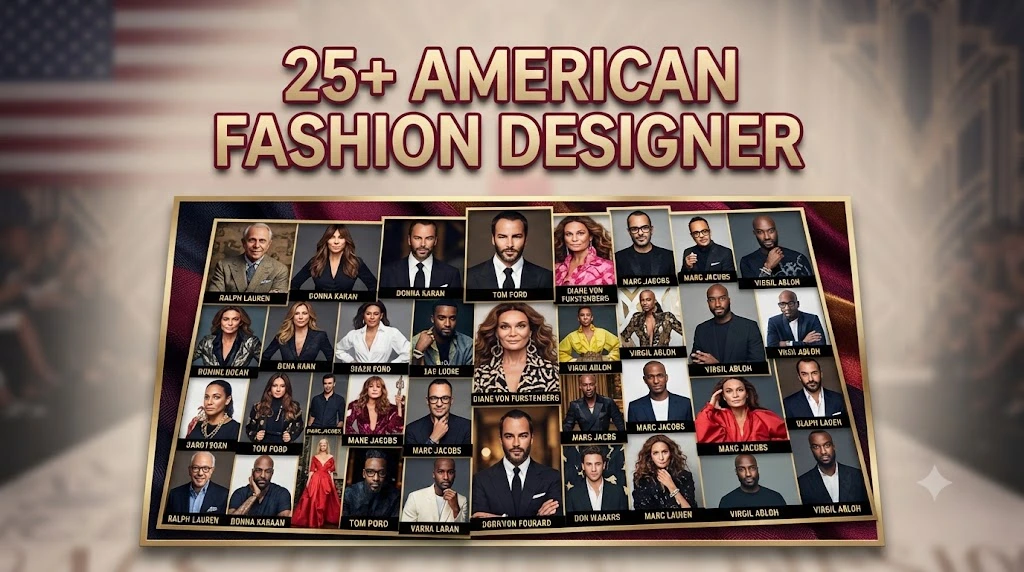
The history of American fashion includes many designers who transformed the way people think about clothing. Their work influenced trends, built famous fashion brands, and inspired future generations of creators.
Ralph Lauren is known for creating a lifestyle brand that represents classic American elegance. His designs often combine traditional influences with a modern sense of luxury. The famous polo-inspired style became a symbol of timeless American fashion.
Calvin Klein changed fashion through clean designs, minimal aesthetics, and memorable branding. His approach helped make simple silhouettes and denim collections globally popular.
Tommy Hilfiger became recognized for combining classic American style with youthful energy. His designs helped define a casual, preppy fashion movement that gained worldwide attention.
Marc Jacobs built a reputation for creativity and bold experimentation. His collections often mix different cultural references, artistic ideas, and unexpected design choices.
Donna Karan influenced professional womenswear by creating designs that focused on confidence, comfort, and versatility.
These designers share a common quality: they understand people. They do not just create beautiful clothing; they create pieces that connect with how individuals want to live and present themselves.
Lessons New Designers Can Learn From Fashion Icons
Aspiring designers can learn valuable lessons from successful American fashion creators:
- Develop a recognizable design identity instead of copying trends.
- Study how people wear clothing in real situations.
- Pay attention to fabric quality and construction.
- Understand business as well as creativity.
- Continue learning because fashion constantly changes.
A great designer balances imagination with discipline. Creativity creates attention, but consistency builds a lasting reputation.
How American Fashion Designers Influence Global Style Trends
Fashion trends often begin with designers who introduce fresh ideas to the market. American fashion designers influence global style by creating collections that reflect cultural changes, technology, and lifestyle shifts.
One major contribution of American fashion is the idea of wearable style. Many designers focus on creating clothing that looks fashionable while remaining practical. This approach has influenced wardrobes around the world.
For example, denim became much more than work clothing. American designers transformed jeans into a fashion statement that appears in casual, luxury, and even formal settings.
Streetwear is another area where American designers have had a major impact. Inspired by music, sports, youth culture, and urban communities, streetwear has become a global fashion category.
Modern designers also influence trends through:
- Social media platforms
- Fashion weeks
- Celebrity collaborations
- Digital fashion shows
- Sustainable clothing movements
A style that appears on an American runway can quickly influence shoppers across different countries. This connection between designers, media, and consumers has made fashion faster and more interactive than ever before.
The Role of Fashion Weeks
Events such as New York Fashion Week provide designers with opportunities to showcase their collections to buyers, journalists, and fashion professionals.
These events are not only about glamorous runway shows. They help designers introduce new ideas, build business relationships, and understand where the industry is heading.
A designer preparing for a fashion week presentation must consider:
- The theme of the collection
- Fabric selection
- Model styling
- Presentation atmosphere
- Target customer expectations
Behind every successful collection is months of planning, testing, and refining.
How to Become an American Fashion Designer: Skills and Career Path
Becoming an American fashion designer requires more than knowing how to draw clothing ideas. Successful designers develop a combination of artistic ability, technical knowledge, business awareness, and industry experience.
Many designers begin by developing an interest in clothing during childhood. They may experiment with altering old clothes, sketching outfits, or studying different styles. Over time, this passion can become a professional career.
A common career path includes:
- Learning fashion fundamentals
Beginners should understand color theory, textiles, garment construction, and fashion history. - Building technical skills
Knowledge of pattern making, sewing, computer-aided design, and production methods is extremely valuable. - Creating a portfolio
A strong portfolio shows a designer’s creativity and ability. It should include sketches, finished garments, design concepts, and personal projects. - Gaining industry experience
Internships, assistant roles, and collaborations help new designers understand how the fashion business works. - Developing a personal brand
Modern designers need strong communication skills because fashion success often depends on storytelling and customer connection.
Important Skills Every Fashion Designer Needs
An expert designer develops skills such as:
- Creative thinking
- Attention to detail
- Trend research
- Communication
- Time management
- Business planning
- Understanding customer needs
A common mistake among beginners is focusing only on creativity while ignoring production and marketing. A beautiful design must also be practical, affordable to produce, and appealing to customers.
The best designers think like artists and entrepreneurs at the same time.
American Fashion Styles: From Classic Elegance to Modern Streetwear
American fashion is not limited to one specific look. Its greatest strength is variety. An american fashion designer often draws inspiration from different lifestyles, regions, cultures, and generations. This creates a fashion industry where classic elegance can exist alongside bold streetwear and innovative experimental designs.
One reason American fashion remains influential is that it reflects real people. Designers often create clothing for everyday situations, not only for special occasions. A well-designed outfit should help someone feel comfortable, confident, and authentic.
Some of the most recognized American fashion styles include:
- Classic American style: Clean silhouettes, quality fabrics, and timeless pieces such as tailored jackets, button-down shirts, and well-fitted trousers.
- Casual fashion: Comfortable clothing designed for daily wear, including denim, sweaters, sneakers, and relaxed fits.
- Streetwear: Fashion influenced by urban culture, music, sports, and youth movements.
- Luxury fashion: High-quality garments featuring premium materials, detailed craftsmanship, and exclusive designs.
- Minimalist fashion: Simple designs focused on elegance, neutral colors, and strong shapes.
A skilled designer understands that style is not only about following trends. It is about creating clothing that matches a person’s lifestyle.
For example, a professional working in a busy city may prefer a designer who creates versatile pieces that move easily from office meetings to evening events. Someone who enjoys outdoor activities may choose brands that focus on durability and comfort.
Why American Sportswear Changed Fashion Forever
One of the biggest contributions of American designers is the development of modern sportswear. Sportswear does not simply mean athletic clothing. In fashion, it refers to practical, comfortable clothing that people can wear throughout different parts of their day.
American designers helped popularize:
- Relaxed jackets
- Knitwear
- Casual dresses
- Comfortable trousers
- Layered outfits
- Functional clothing
This approach changed how people viewed fashion. Clothing no longer had to be uncomfortable to look stylish.
Today, many luxury collections include relaxed designs because consumers want fashion that works with their everyday routines.
Styling Advice: Creating an American-Inspired Wardrobe
You do not need a large wardrobe to create a stylish American-inspired look. The key is choosing quality pieces that combine easily.
Experts often recommend starting with:
- A well-fitted denim jacket
- A classic white shirt
- Neutral-colored trousers
- A quality pair of sneakers
- A simple blazer
- A versatile handbag or accessory
The goal is to create flexibility. A single clothing item should work in multiple situations.
For example, a simple blazer can be worn with jeans for a casual dinner or paired with tailored pants for a professional meeting. This type of smart styling reflects the practical side of American fashion.
The Role of Luxury American Fashion Designers
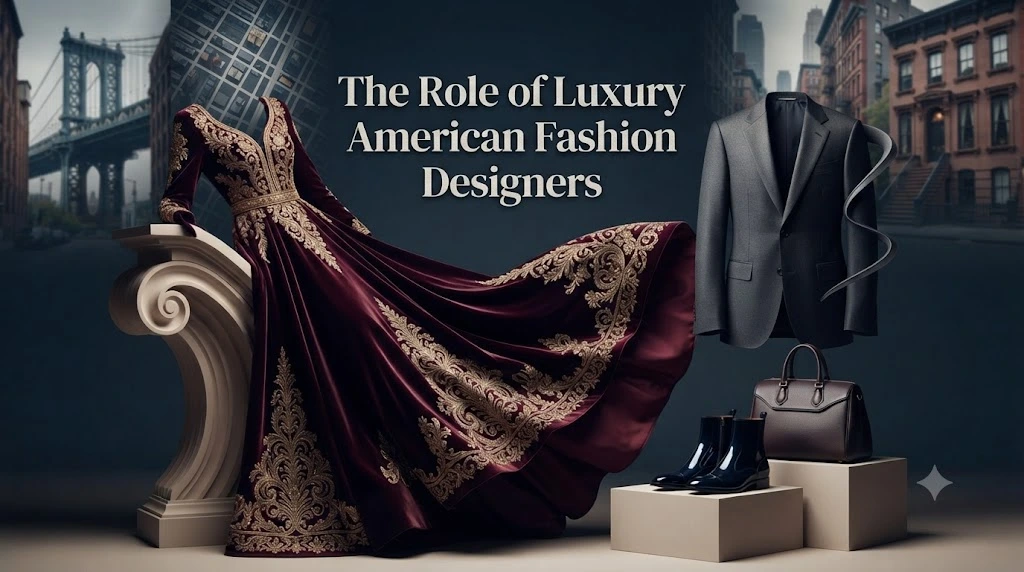
Luxury fashion represents creativity, craftsmanship, and exclusivity. American luxury designers have played an important role in proving that the United States can compete with traditional fashion capitals such as Paris and Milan.
A luxury american fashion designer focuses on more than creating expensive clothing. They create an experience built around quality, storytelling, and brand identity.
Luxury designers often pay close attention to:
- Fabric selection
- Handcrafted details
- Unique design concepts
- Customer experience
- Brand reputation
A luxury garment may take many hours to complete because designers and skilled craftspeople carefully consider every detail.
For example, the difference between an ordinary jacket and a luxury jacket may come from small details: the quality of the fabric, the precision of the stitching, the structure of the design, and how the garment fits the wearer.
What Makes a Luxury Designer Successful?
Successful luxury designers usually have a clear creative identity. Customers should recognize their work even without seeing a brand label.
Important qualities include:
Strong design philosophy: A designer needs a clear point of view. This helps create collections that feel connected rather than random.
Consistency: Fashion lovers trust designers who maintain quality while continuing to innovate.
Emotional connection: Luxury purchases are often based on feelings. People buy designs because they represent confidence, achievement, or personal identity.
Attention to craftsmanship: Quality separates luxury fashion from mass-produced clothing.
Common Mistakes Luxury Brands Avoid
Even famous designers must avoid mistakes that can damage their reputation.
Common problems include:
- Creating designs without understanding customers
- Ignoring quality control
- Following every trend instead of building identity
- Forgetting sustainability concerns
Modern luxury customers increasingly care about how products are made. Ethical production and responsible sourcing have become important parts of luxury fashion.
Sustainable Fashion and the Future of American Designers
Sustainability has become one of the biggest topics in modern fashion. Today’s consumers want stylish clothing, but many also want to understand where their clothes come from and how they affect the environment.
An innovative american fashion designer now considers sustainability during every stage of the design process.
This includes:
- Choosing environmentally responsible fabrics
- Reducing clothing waste
- Improving production methods
- Creating longer-lasting garments
- Supporting ethical workers
Sustainable fashion is not just a trend. It represents a shift in how designers and customers think about clothing.
Sustainable Materials Used by Modern Designers
Many designers are exploring alternatives such as:
- Organic cotton
- Recycled fabrics
- Plant-based materials
- Responsibly sourced wool
- Low-impact dyes
The goal is to create beautiful clothing while reducing unnecessary environmental harm.
However, sustainability does not mean sacrificing style. Many modern collections prove that ethical fashion can also be creative and luxurious.
How Consumers Can Support Sustainable Fashion
Shoppers can make smarter fashion choices by:
- Buying fewer but better-quality pieces
- Repairing clothing instead of replacing it quickly
- Supporting transparent brands
- Choosing timeless designs
- Learning about fabric quality
A practical example is investing in a high-quality coat that lasts for many years instead of buying several cheaper coats that wear out quickly.
Expert Tip: Focus on Longevity
A common fashion mistake is buying clothing only because it is currently popular. Trends change quickly, but quality pieces remain useful.
A professional stylist often recommends asking:
“Will I still enjoy wearing this item next year?”
If the answer is yes, the purchase is more likely to become a valuable part of your wardrobe.
How to Choose the Right American Fashion Designer for Your Style
Choosing a designer is a personal decision. The best designer for one person may not be the right choice for another because fashion reflects individual personality and lifestyle.
Before choosing a designer or brand, consider your own needs.
Ask yourself:
- What type of clothing do I usually wear?
- Do I prefer classic or experimental designs?
- What fabrics feel comfortable?
- What message do I want my clothing to communicate?
A professional who prefers timeless outfits may appreciate designers known for clean tailoring. Someone who enjoys creative expression may prefer designers who experiment with unusual shapes and colors.
Factors to Consider Before Buying Designer Clothing
Design identity: Look for designers whose style matches your personality.
Quality: Examine stitching, fabric, and finishing details.
Fit: Even expensive clothing will not look good if it does not fit properly.
Purpose: Consider where and how often you will wear the piece.
Value: A higher price does not always guarantee better quality. Research and compare before purchasing.
Styling Mistakes to Avoid
Many people make mistakes when wearing designer clothing. Some common examples include:
- Wearing too many statement pieces at once
- Ignoring proper fit
- Choosing logos over personal style
- Buying expensive items that do not match existing clothing
The best style looks natural. Clothing should support your personality rather than hide it.
Education and Training Needed to Become an American Fashion Designer
Becoming an american fashion designer requires creativity, but creativity alone is not enough. Professional designers combine artistic talent with technical knowledge, business understanding, and real-world experience.
Many successful designers begin by studying fashion design, textiles, or related creative fields. Formal education can help students understand the foundation of the industry and develop professional skills.
Common areas of study include:
- Fashion design
- Textile science
- Pattern making
- Fashion illustration
- Apparel production
- Fashion marketing
- Business management
Fashion schools often teach students how to transform an idea into a finished garment. A designer may begin with a simple sketch, but creating a wearable product requires knowledge of measurements, materials, construction methods, and production planning.
Practical Skills Students Should Develop
A strong fashion education should include hands-on practice. Students benefit from learning:
Sketching and visualization: Designers need to communicate their ideas clearly before creating garments.
Sewing and construction: Understanding how clothing is built helps designers create realistic designs.
Fabric knowledge: Different fabrics behave differently. Silk, cotton, wool, denim, and synthetic materials all require different techniques.
Digital design tools: Many modern designers use computer-aided design programs to create patterns and digital fashion concepts.
Trend research: Designers must understand consumer behavior and changing fashion preferences.
A common mistake among beginners is focusing only on drawing beautiful designs. A professional designer must also understand whether those designs can be produced successfully.
The Importance of Real Industry Experience
Classroom knowledge provides a foundation, but fashion is a practical industry. Internships and entry-level positions help aspiring designers understand how the business operates.
Working with experienced professionals teaches valuable lessons about:
- Meeting deadlines
- Working with manufacturers
- Managing budgets
- Communicating with teams
- Understanding customers
Many designers start as assistants before launching their own collections. This experience helps them build confidence and develop a realistic understanding of fashion production.
The Business Side of Being an American Fashion Designer
Fashion is a creative industry, but successful designers also need strong business skills. A beautiful collection can fail if the designer does not understand pricing, marketing, customers, and sales.
An experienced american fashion designer thinks beyond the design table. They consider how a product reaches customers and how a brand grows over time.
Important business areas include:
- Brand development
- Customer research
- Marketing strategy
- Production management
- Retail partnerships
- Financial planning
A designer creating a new clothing line must answer important questions:
Who is the target customer? What makes this collection different? How much should each item cost? Where will customers purchase the products?
These decisions influence whether a fashion brand succeeds.
Building a Strong Fashion Brand
A successful fashion brand usually has a clear identity. Customers should understand what the brand represents.
For example:
A designer may focus on sustainable luxury and attract customers who value ethical fashion.
Another designer may specialize in affordable streetwear for younger audiences.
A third designer may create professional clothing for people who want polished everyday outfits.
There is no single formula for success. The key is understanding a specific audience and consistently delivering value.
Marketing Strategies Modern Designers Use
Today’s designers use many methods to connect with customers:
- Social media storytelling
- Fashion videos
- Influencer collaborations
- Online stores
- Fashion events
- Behind-the-scenes content
Modern consumers want to know the story behind a product. They enjoy seeing the creative process, meeting the people behind the brand, and understanding the inspiration behind collections.
Common Business Mistakes New Designers Make
Many talented designers struggle because they ignore the business side of fashion.
Common mistakes include:
- Creating products without researching demand
- Underpricing their work
- Spending too much on unnecessary expenses
- Ignoring customer feedback
- Failing to create a consistent brand image
Creative talent attracts attention, but smart business decisions create long-term success.
The Importance of Personal Branding for Fashion Designers
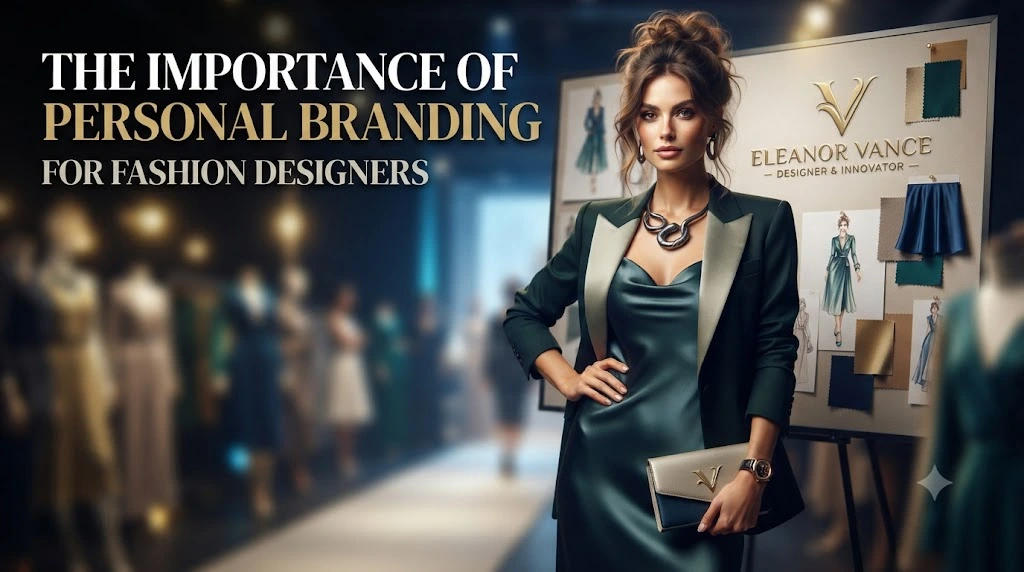
In today’s fashion world, a designer’s personal identity can become a powerful part of their success. People often connect with the person behind the clothing as much as the clothing itself.
A strong personal brand helps an american fashion designer build trust and recognition.
Personal branding includes:
- A unique design style
- A clear message
- Professional communication
- Consistent visual identity
- Authentic storytelling
For example, a designer known for bold colors should continue exploring creativity instead of suddenly copying another brand’s minimalist style. Consistency helps customers remember and trust the designer.
How New Designers Can Build Recognition
Emerging designers can strengthen their reputation by:
- Creating a strong portfolio
- Sharing their creative journey
- Networking with fashion professionals
- Participating in fashion events
- Collaborating with photographers, models, and artists
Small steps can create valuable opportunities.
A designer does not always need a large company to gain attention. Many successful fashion careers begin with a small collection, a unique idea, and a strong connection with customers.
American Fashion Designers and Celebrity Influence
Celebrities have played a major role in expanding the influence of American fashion designers. When a celebrity wears a designer’s creation at an important event, millions of people may discover that designer’s work.
Red carpet events, music performances, films, and social media have become powerful platforms for fashion exposure.
Celebrity collaborations can help designers:
- Reach new audiences
- Increase brand awareness
- Create cultural influence
- Introduce new trends
However, successful designers do not depend only on celebrity attention. Long-term success comes from creating meaningful designs and building customer loyalty.
How Stylists Work With Designers
Professional stylists often help connect designers with public figures. A stylist considers:
- The event purpose
- The person’s personality
- Current trends
- Brand alignment
- Overall visual impact
For example, a stylist preparing someone for an awards ceremony may choose a designer who creates elegant, memorable pieces that match the person’s public image.
Fashion Advice: Creating Celebrity-Inspired Looks
You do not need celebrity-level budgets to create stylish outfits. The key is understanding the elements that make an outfit successful.
Try focusing on:
- Good fit
- Balanced colors
- Quality basics
- Personal confidence
- Thoughtful accessories
A simple outfit with excellent styling often looks more impressive than an expensive outfit without personality.
Emerging American Fashion Designers to Watch
The future of American fashion depends on new designers who bring fresh ideas, different backgrounds, and innovative approaches.
Many emerging designers are changing the industry through:
- Sustainable production
- Inclusive sizing
- Cultural storytelling
- Technology-based design
- Gender-neutral fashion
The next generation of designers is moving beyond traditional fashion rules. They are creating clothing that reflects modern values and diverse identities.
What Makes New Designers Stand Out?
Emerging designers often succeed because they offer something different.
They may introduce:
- Unique fabric combinations
- New production methods
- Fresh cultural influences
- Creative business models
Consumers today are interested in originality. They want clothing that feels personal rather than mass-produced.
Advice for Supporting New Designers
Fashion lovers can support emerging talent by:
- Following independent designers
- Purchasing from small brands
- Sharing creative work online
- Learning about designer stories
Supporting new designers helps encourage creativity and keeps the fashion industry evolving.
How American Fashion Designers Predict and Create Future Trends
Fashion trends do not appear randomly. Behind every major style movement, there are designers studying culture, technology, customer behavior, and lifestyle changes. An american fashion designer often works months or even years ahead to predict what people may want to wear in the future.
Trend forecasting requires creativity and research. Designers observe how people live, what they value, and how society is changing.
They study:
- Street style
- Social media movements
- Art and entertainment
- Economic changes
- Technology
- Environmental concerns
- Cultural influences
For example, the rise of remote work changed fashion preferences. Many people began searching for clothing that offered both comfort and professionalism. Designers responded by creating more versatile pieces, such as relaxed tailoring, stylish knitwear, and flexible wardrobe essentials.
The Fashion Trend Creation Process
A professional designer usually follows several steps when developing a collection:
Research and inspiration: Designers collect ideas from different sources, including history, nature, architecture, travel, and everyday life.
Concept development: They create a theme that connects individual pieces into a complete collection.
Material selection: Fabrics, colors, and textures are carefully chosen to support the design vision.
Prototype creation: Designers create samples and adjust the garments until they achieve the desired result.
Collection presentation: The final designs are introduced through fashion shows, digital platforms, retailers, or private presentations.
A common misunderstanding is that designers simply follow trends. In reality, influential designers often create trends by introducing fresh ideas that customers later adopt.
The Most Popular American Fashion Design Categories
American fashion is successful because it covers many different categories. A designer may specialize in one area or combine several styles to create a unique identity.
Understanding these categories helps customers choose designs that match their needs.
1. American Luxury Fashion
Luxury fashion focuses on premium materials, detailed craftsmanship, and exclusive experiences.
Luxury designers often create:
- Evening wear
- Designer handbags
- Tailored suits
- High-quality outerwear
- Statement pieces
These designs are usually created for customers who value uniqueness and long-lasting quality.
2. American Streetwear Fashion
Streetwear has become one of the most influential fashion movements worldwide. It combines clothing with music, art, sports, and youth culture.
Popular streetwear pieces include:
- Oversized hoodies
- Graphic shirts
- Sneakers
- Cargo pants
- Casual jackets
American designers helped transform streetwear from a small cultural movement into a global fashion category.
3. American Denim Fashion
Denim remains one of the strongest symbols of American style. Designers continue to reinvent jeans through:
- Different fits
- Sustainable production
- Premium fabrics
- Creative washes
- Modern silhouettes
A well-designed pair of jeans can become one of the most valuable pieces in a wardrobe because it works across many occasions.
4. American Minimalist Fashion
Minimalist designers focus on simplicity, clean lines, and timeless appeal.
This style often includes:
- Neutral colors
- Simple shapes
- High-quality basics
- Elegant layering
Minimalist fashion proves that clothing does not need excessive decoration to make a strong impression.
Expert Styling Tips Inspired by American Fashion Designers
Great style is not about owning the most expensive clothing. It is about understanding how pieces work together.
Professional stylists often use simple principles that anyone can apply.
Focus on Fit First
The most important element of any outfit is fit. Even a designer piece can look disappointing if it does not fit properly.
Consider:
- Shoulder placement
- Sleeve length
- Waist position
- Overall comfort
A small adjustment from a tailor can completely change how clothing looks.
Build a Balanced Wardrobe
A smart wardrobe includes both basic and statement pieces.
A balanced collection might include:
- A classic jacket
- Quality jeans
- Comfortable shoes
- Neutral shirts
- A few unique accessories
Basics create flexibility, while statement pieces add personality.
Understand Color Combination
American designers often use color strategically.
Some helpful combinations include:
- Navy with white for a classic look
- Black with bold colors for contrast
- Earth tones for a natural style
- Neutral colors for a sophisticated appearance
The goal is not to use many colors. The goal is to create harmony.
Use Accessories Carefully
Accessories can improve an outfit, but too many can distract from the overall look.
Choose accessories that support your style:
- A quality watch
- A simple necklace
- A structured bag
- A stylish belt
The best accessories feel intentional rather than overwhelming.
Common Fashion Mistakes People Make When Wearing Designer Clothing
Designer clothing can improve personal style, but poor styling choices can reduce its impact. Understanding common mistakes helps people make better fashion decisions.
Mistake 1: Choosing Brand Names Over Quality
Some people focus only on logos and popularity. However, true style comes from craftsmanship, fit, and personal connection.
A simple, well-made garment often looks more impressive than a heavily branded item.
Mistake 2: Ignoring Personal Style
Not every trend works for every person.
A designer collection may look amazing on a runway but may not match your lifestyle or personality.
Before purchasing, consider:
- Does this reflect my style?
- Can I wear it often?
- Does it fit my current wardrobe?
Mistake 3: Buying Poor-Fitting Clothing
Many people assume expensive clothing automatically looks good. Fit remains more important than price.
A professional stylist often recommends adjusting garments when possible rather than accepting an imperfect fit.
Mistake 4: Following Every Trend
Trends are exciting, but constantly changing your wardrobe can become expensive and wasteful.
A better approach is combining:
- Timeless essentials
- A few seasonal pieces
- Personal favorites
This creates a wardrobe that feels current without losing individuality.
The Relationship Between Technology and American Fashion Design
Technology has changed how designers create, produce, and sell clothing. Modern American designers use digital tools to improve creativity and efficiency.
Technology now influences many areas of fashion, including:
- Digital fashion sketches
- 3D garment design
- Online shopping experiences
- Virtual fashion shows
- Artificial intelligence-assisted research
- Smart fabrics
Digital tools allow designers to test ideas before producing physical garments. This can reduce waste and speed up the creative process.
How Technology Helps Customers
Technology has also changed how people shop for fashion.
Customers can now:
- Explore designer collections online
- Compare styles easily
- Read reviews
- Discover independent designers
- Purchase internationally
Virtual fitting technology and personalized recommendations may continue changing how people experience fashion.
The Future of Fashion Technology
The future may include more:
- Customized clothing
- Sustainable manufacturing
- Digital fashion experiences
- Advanced fabric technology
However, technology will not replace creativity. Human imagination and emotional connection will remain central to fashion design.
How American Fashion Designers Support Diversity and Inclusion
Modern fashion is becoming more inclusive. Today’s designers increasingly recognize that clothing should represent people of different backgrounds, body types, ages, and lifestyles.
An influential american fashion designer understands that fashion should allow people to express themselves confidently.
Inclusive fashion focuses on:
- Wider size ranges
- Diverse models
- Accessible designs
- Cultural representation
- Gender-inclusive options
This movement has changed how brands create and market clothing.
Why Representation Matters in Fashion
When people see themselves represented in fashion, they feel connected to the industry. Representation helps customers discover styles that reflect their identity.
Designers who embrace diversity often create stronger relationships with their audiences because they understand real customer experiences.
The Future of Inclusive Fashion
The fashion industry continues moving toward clothing that celebrates individuality instead of forcing everyone into one standard style.
The future of American fashion will likely include more personalized designs that respect different needs and preferences.
Where to Buy Clothing From American Fashion Designers
Finding clothing from an american fashion designer has become easier because fashion is no longer limited to physical boutiques and luxury stores. Today, customers can discover designer collections through online platforms, brand websites, department stores, fashion events, and independent marketplaces.
However, buying designer clothing requires careful attention. A higher price does not always mean better value. Smart shoppers focus on quality, authenticity, fit, and long-term usefulness.
Before purchasing designer clothing, consider these factors:
- Fabric quality: Premium materials usually feel better and last longer.
- Construction: Check stitching, finishing, and garment structure.
- Fit: A beautiful design should complement your body shape.
- Versatility: Choose pieces you can wear in multiple situations.
- Brand values: Many modern customers prefer designers who support ethical production.
How to Identify Authentic Designer Clothing
As designer fashion becomes more popular, counterfeit products have also become common. Learning how to recognize authentic pieces helps protect your investment.
Look for:
- Accurate labels and brand details
- High-quality stitching
- Professional packaging
- Reliable sellers
- Original product information
A common mistake is purchasing designer items only because they appear inexpensive. Extremely low prices can sometimes indicate poor quality or fake products.
Expert Shopping Tip: Invest in Timeless Pieces
Fashion experts often recommend investing in items that remain useful for years.
Examples include:
- A well-tailored coat
- A classic leather bag
- Premium denim
- A quality blazer
- A simple designer dress
These pieces often provide more value than buying many temporary trend items.
How American Fashion Designers Build Sustainable Careers
A successful fashion career requires patience, creativity, and continuous learning. The industry is competitive, and designers must adapt as customer expectations change.
An experienced american fashion designer does not depend only on talent. They build relationships, understand business, and continue improving their craft.
Long-term success usually comes from combining:
- Creative innovation
- Strong communication
- Business knowledge
- Customer understanding
- Professional networking
Career Opportunities in American Fashion
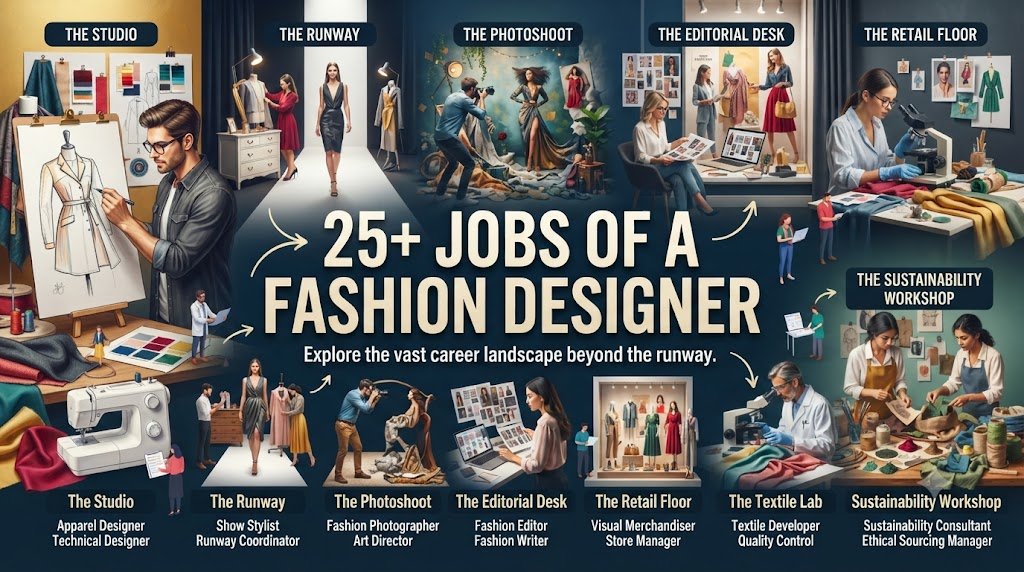
Fashion design includes many career paths beyond creating clothing.
Professionals can work as:
- Fashion designers
- Creative directors
- Fashion buyers
- Textile specialists
- Pattern makers
- Fashion consultants
- Costume designers
- Brand managers
- Fashion educators
This variety makes fashion an attractive field for people with different interests.
Someone who enjoys creativity may focus on design, while someone interested in business may choose fashion marketing or brand management.
The Importance of Networking
Relationships are extremely valuable in fashion.
Designers often collaborate with:
- Photographers
- Models
- Stylists
- Manufacturers
- Retailers
- Other creatives
Strong professional connections can lead to new opportunities and help designers grow their reputation.
A common mistake among beginners is trying to work completely alone. Fashion is a collaborative industry, and successful creators often build strong teams around them.
The Future of American Fashion Designers
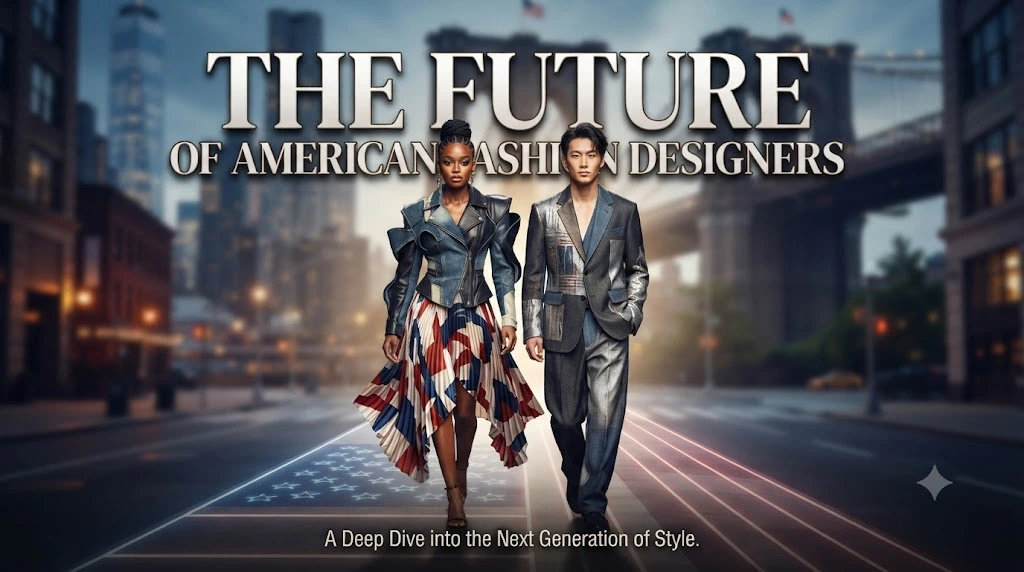
The future of American fashion will be shaped by creativity, technology, sustainability, and changing consumer expectations.
Tomorrow’s designers will likely focus more on creating clothing that is:
- Environmentally responsible
- Personalized
- Comfortable
- Inclusive
- Technologically advanced
Consumers are becoming more informed. They want to know not only what they are buying but also how and where it was created.
Personalization Will Become More Important
Many customers want clothing that feels unique. Instead of choosing only from standard collections, people may increasingly look for customized designs.
Future fashion may include:
- Made-to-measure clothing
- Personalized colors and fabrics
- Digital design experiences
- Custom-fit technology
This shift gives designers new opportunities to create deeper connections with customers.
Sustainability Will Continue Growing
Sustainable fashion will likely become a normal part of the industry rather than a special category.
Future designers may focus on:
- Reducing waste
- Creating recyclable materials
- Improving manufacturing methods
- Designing longer-lasting clothing
The most successful brands will likely be those that combine creativity with responsibility.
Human Creativity Will Remain Essential
Technology can support fashion design, but human creativity remains the foundation.
A computer can help create patterns or analyze trends, but designers provide:
- Emotion
- Cultural understanding
- Personal storytelling
- Artistic vision
Fashion remains powerful because it connects with human experiences.
Conclusion
The journey of an american fashion designer represents creativity, innovation, and the ability to transform ideas into something people can experience every day.
American fashion has influenced the world because it combines many different perspectives. It brings together luxury craftsmanship, casual comfort, cultural diversity, and modern technology.
From timeless classics to bold streetwear, American designers continue to shape how people dress and express themselves. Their work proves that fashion is not only about appearance. It is about confidence, identity, and personal storytelling.
For anyone interested in fashion, the most important lesson is simple: great style begins with understanding yourself. The best designers create clothing that helps people feel comfortable and confident in their own lives.
Whether you are exploring fashion as a career, building your personal wardrobe, or simply appreciating creative design, American fashion offers endless inspiration. The industry will continue changing, but the value of thoughtful design will always remain.
Frequently Asked Questions About American Fashion Designers
1. What does an American fashion designer do?
An American fashion designer creates clothing, accessories, and fashion concepts based on creativity, customer needs, and market trends. They research ideas, select fabrics, develop designs, create samples, and often work with manufacturers to produce finished products.
Many designers also manage branding, marketing, and business decisions, especially if they operate their own fashion labels.
2. Who are some famous American fashion designers?
Some well-known American fashion designers include Ralph Lauren, Calvin Klein, Tommy Hilfiger, Marc Jacobs, and Donna Karan.
These designers have influenced global fashion through their unique styles, business approaches, and creative achievements.
3. How can someone become an American fashion designer?
A person can become a fashion designer by developing creative and technical skills, studying fashion design, building a portfolio, gaining industry experience, and understanding the business side of fashion.
Practical experience through internships, assistant roles, and collaborations can help new designers develop professional skills.
4. What makes American fashion different from other fashion industries?
American fashion is known for combining creativity with practicality. It includes many styles, such as luxury fashion, streetwear, denim, sportswear, and minimalist design.
Its diversity comes from the country’s mix of cultures, lifestyles, and creative influences.
5. Are American designer clothes worth buying?
American designer clothing can be worth buying when the product offers quality, strong craftsmanship, good fit, and long-term value.
Instead of focusing only on brand names, shoppers should consider materials, construction, and whether the piece matches their personal style.
6. How is sustainability changing American fashion design?
Sustainability is encouraging designers to use responsible materials, reduce waste, and create longer-lasting clothing.
Many modern designers are focusing on ethical production and environmentally conscious methods because customers increasingly value responsible fashion choices.
7. What skills does a successful fashion designer need?
A successful fashion designer needs creativity, technical knowledge, communication skills, business understanding, and the ability to adapt to industry changes.
The strongest designers combine artistic vision with practical problem-solving and a deep understanding of their customers.