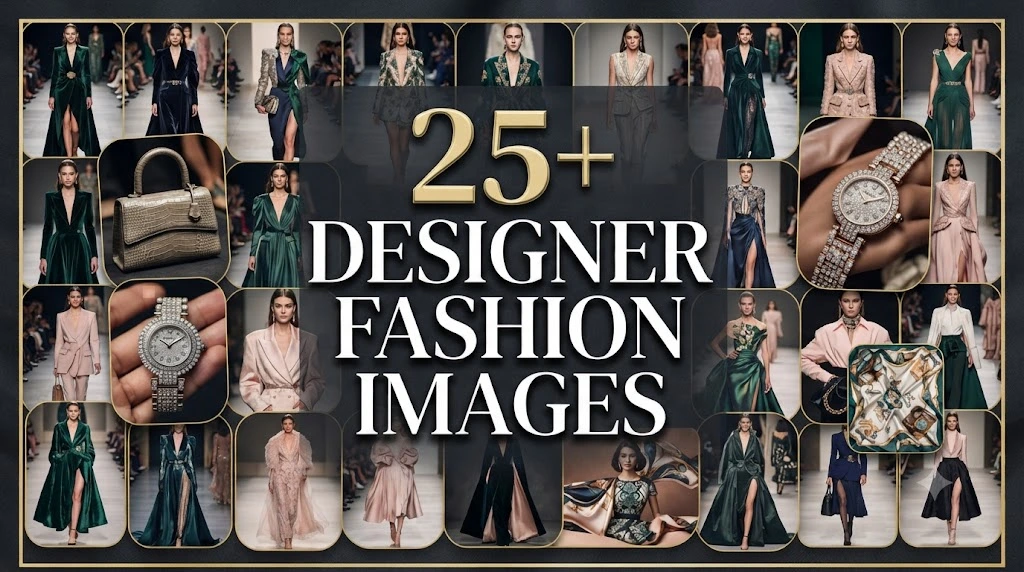
Have you ever stopped scrolling because one fashion photo instantly caught your attention? It wasn’t always the outfit alone. The lighting, styling, colors, pose, and story behind the image worked together to create something unforgettable. That’s the real power of designer fashion images. They do more than showcase clothing—they inspire confidence, communicate creativity, and influence trends around the world.
Whether you’re looking for outfit inspiration, planning a fashion campaign, building a clothing brand, or simply exploring luxury style, understanding what makes fashion photography stand out can completely change the way you see fashion. A thoughtfully created image tells a story before a single word is spoken.
As someone who has followed fashion editorials, runway collections, and street style for years, one lesson always stands out: the strongest fashion images are never accidental. Every detail—from fabric movement to background selection—has a purpose. Once you know what to look for, you’ll begin to appreciate why certain images stay memorable while others are quickly forgotten.
What Are Designer Fashion Images?
Designer fashion images are professional photographs that highlight clothing, accessories, footwear, or complete collections created by fashion designers. Their purpose goes beyond documenting garments. They present a designer’s vision, identity, craftsmanship, and creative direction.
Unlike ordinary outfit photos, these images focus on storytelling. Every element contributes to the final result, including:
- Clothing design
- Model styling
- Makeup and hair
- Lighting
- Camera angles
- Background
- Color palette
- Editing style
For example, a minimalist clothing collection may be photographed against clean architectural backgrounds with neutral lighting, while a bold avant-garde collection might feature dramatic shadows and artistic poses.
The image becomes part of the fashion experience rather than simply displaying clothing.
Why Designer Fashion Images Matter in Modern Fashion
Fashion is highly visual. Before someone reads about a collection, they usually see it first. That first impression often determines whether they continue exploring.
Strong designer fashion images help:
- Build trust in a fashion brand
- Create emotional connections
- Increase social media engagement
- Improve online shopping experiences
- Showcase craftsmanship
- Strengthen brand identity
Imagine two online stores selling similar dresses. One uses flat product photos, while the other features professionally styled editorial images that show movement, texture, and personality. Most shoppers naturally feel more connected to the second brand because the images create confidence and excitement.
This visual connection has become even more important as fashion continues to move online.
Elements That Make Designer Fashion Images Stand Out
Beautiful fashion photography rarely happens by chance. Successful images combine technical skill with artistic vision.
Some of the most important elements include:
Strong Lighting
Lighting shapes fabric texture, highlights details, and creates mood.
Common lighting styles include:
- Soft natural daylight
- Studio lighting
- High-contrast dramatic lighting
- Golden hour photography
- Backlit creative shots
Luxury brands often choose lighting that enhances premium materials like silk, velvet, leather, and satin.
Styling
Professional styling brings an outfit to life.
Stylists carefully select:
- Accessories
- Shoes
- Jewelry
- Bags
- Hairstyles
- Makeup
Each choice supports the designer’s message without distracting from the clothing.
Composition
Composition guides the viewer’s eyes through the photograph.
Experienced photographers pay attention to:
- Framing
- Symmetry
- Leading lines
- Balance
- Negative space
Good composition allows every garment detail to remain visible while maintaining artistic appeal.
Expression and Pose
Models communicate emotion through posture and facial expression.
A relaxed smile may suit a casual collection, while a dramatic expression may better represent couture or conceptual fashion.
Every pose should complement the clothing rather than overpower it.
Different Types of Designer Fashion Images
Fashion photography includes several distinct styles. Each serves a different purpose depending on the audience and marketing goals.
Editorial Images
Editorial photography tells a complete story through fashion.
These images often appear in:
- Fashion magazines
- Designer lookbooks
- Brand campaigns
- Digital publications
They emphasize creativity over direct selling.
Lookbook Photography
Lookbooks present collections in a clean, organized format.
They help buyers and customers understand:
- Fit
- Styling ideas
- Color options
- Seasonal collections
Many independent designers rely on lookbooks to introduce new releases.
Campaign Photography
Campaign images promote a specific collection or brand identity.
These photographs usually feature:
- High production quality
- Recognizable visual themes
- Strong emotional appeal
Campaign photography often appears on websites, billboards, and advertisements.
Product Photography
Product-focused images prioritize accuracy.
Customers want to see:
- Fabric texture
- Stitching
- Color accuracy
- Fit
- Design details
Clear product photography reduces uncertainty and improves purchasing confidence.
Street Style Fashion Images
Street-style photography captures designer clothing in real-life settings.
These images feel authentic because they demonstrate how luxury fashion works beyond the runway.
Many fashion enthusiasts save these photos for everyday outfit inspiration.
How to Find High-Quality Designer Fashion Images
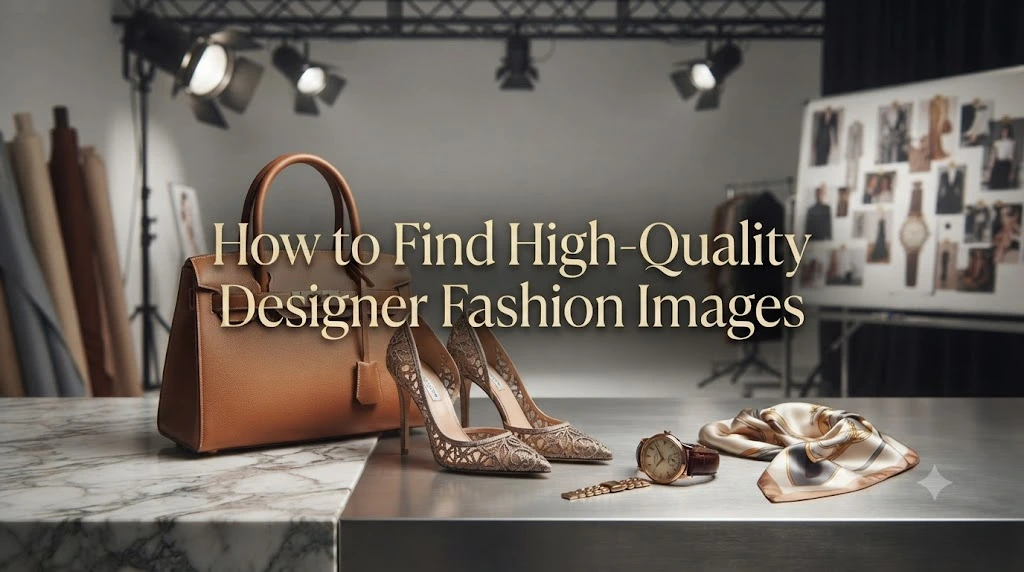
Finding beautiful fashion images is easy. Finding high-quality ones that are useful, authentic, and inspiring takes a little more effort. The internet is full of photos, but not every image reflects professional styling or genuine design.
When searching, focus on images that show clear craftsmanship, thoughtful composition, and accurate colors. High-resolution photos reveal details like stitching, fabric texture, and garment structure, helping you appreciate the designer’s work.
Here are some of the best places to discover professional fashion imagery:
- Official designer websites and seasonal lookbooks
- Fashion magazines and online editorials
- Luxury brand campaigns
- Fashion week galleries
- Museum fashion archives
- Professional photographers’ portfolios
- Creative platforms showcasing fashion photography
Instead of collecting hundreds of random pictures, create a small inspiration folder with images that truly match your personal style or creative goals. A carefully chosen collection is often more useful than an endless gallery.
Expert Tip: Pay attention to consistency. If every image from a designer shares similar colors, lighting, and mood, you’re seeing a well-developed visual identity rather than isolated photographs.
How Designers Use Fashion Images to Build Their Brand
Every successful fashion label has a recognizable visual language. Even before someone reads the brand name, they often recognize its style through photography alone.
Designer fashion images help communicate values such as:
- Luxury
- Sustainability
- Innovation
- Minimalism
- Craftsmanship
- Confidence
- Individuality
For example, a minimalist label may use clean backgrounds, neutral tones, and simple poses. A bold streetwear brand might feature energetic movement, vibrant colors, and urban settings.
These choices are intentional. They shape how customers perceive the brand.
Brand consistency also creates trust. When shoppers see the same visual quality across websites, social media, campaigns, and advertisements, the brand feels more professional and memorable.
Common Mistake: Many new fashion businesses mix different photography styles, editing filters, and lighting techniques. This inconsistency weakens brand recognition and makes the collection look less polished.
A unified visual style makes even a small collection appear more established.
Fashion Photography Trends Shaping Designer Fashion Images
Fashion photography continues to evolve with changing consumer preferences and creative technology. While trends come and go, the strongest images always balance originality with timeless style.
Here are some trends that continue to influence designer fashion images.
Authentic Storytelling
Perfect studio shots still have their place, but many brands now include images that feel more natural and relatable.
Models are photographed walking through city streets, relaxing at home, or interacting with everyday environments. These scenes help customers imagine wearing the clothing in real life.
Natural Lighting
Soft daylight has become increasingly popular because it creates realistic colors and flattering skin tones.
Natural lighting also highlights fabrics without making them appear overly edited.
Inclusive Representation
Modern fashion celebrates diversity.
Many designers now feature models of different:
- Ages
- Body types
- Skin tones
- Cultural backgrounds
- Physical abilities
This creates stronger connections with a broader audience while reflecting real-world fashion.
Motion Photography
Rather than standing completely still, models often move during the shoot.
Walking, turning, dancing, or letting garments flow naturally adds life to an image and showcases how fabrics behave.
Minimal Editing
Heavy retouching is gradually becoming less common.
Today’s audiences appreciate images that preserve natural textures while maintaining professional quality.
Expert Tip: Trends should support the clothing—not distract from it. If viewers notice dramatic editing before they notice the outfit, the image may be trying too hard.
Designer Fashion Images for Social Media Success
Social media has transformed fashion marketing. A single compelling image can introduce a new collection to millions of people within hours.
However, success rarely comes from posting random outfit photos. Every image should serve a clear purpose.
Before publishing, ask yourself:
- Does this image reflect the brand’s personality?
- Is the clothing the main focus?
- Will someone stop scrolling to look at it?
- Does it encourage people to save or share it?
Different platforms also favor different styles.
High-quality editorial photography, lifestyle images, and carousel posts continue to perform well because they allow viewers to explore details.
Pinterest users often search for inspiration.
Images that include:
- Outfit ideas
- Seasonal styling
- Color combinations
- Fashion mood boards
tend to receive long-term engagement because people save them for future reference.
TikTok
While video dominates TikTok, striking still images are often used in slideshows that showcase designer collections, behind-the-scenes shoots, or styling transformations.
Brand Websites
Website visitors usually want detailed photographs.
Include:
- Front view
- Side view
- Back view
- Close-up fabric details
- Lifestyle images
This combination helps shoppers make informed decisions.
Recommendation: Maintain consistent colors, typography, and editing across every platform. Familiar visuals help people recognize your brand instantly.
How to Style Outfits Inspired by Designer Fashion Images
Designer fashion images can be a great source of inspiration, but copying every look exactly isn’t necessary. The best approach is to adapt ideas to your lifestyle, budget, and personality.
Start by looking beyond the clothing itself. Notice how the outfit is put together. The proportions, color combinations, accessories, and layering often have a bigger impact than the individual pieces.
For example, a designer may pair a tailored blazer with relaxed trousers and simple sneakers. Instead of buying the exact outfit, recreate the balance using similar pieces already in your wardrobe.
Here are a few styling techniques that work across different fashion styles:
- Balance oversized pieces with fitted garments.
- Mix textures like denim, leather, cotton, or knitwear.
- Choose one statement item and keep the rest simple.
- Add accessories that complement rather than compete with the outfit.
- Wear colors that suit your skin tone and personal style.
Expert Tip: Save your favorite designer fashion images in organized folders by season, occasion, or color palette. When you’re getting dressed, you’ll have a practical source of inspiration instead of relying on memory.
Common Mistakes People Make When Using Designer Fashion Images
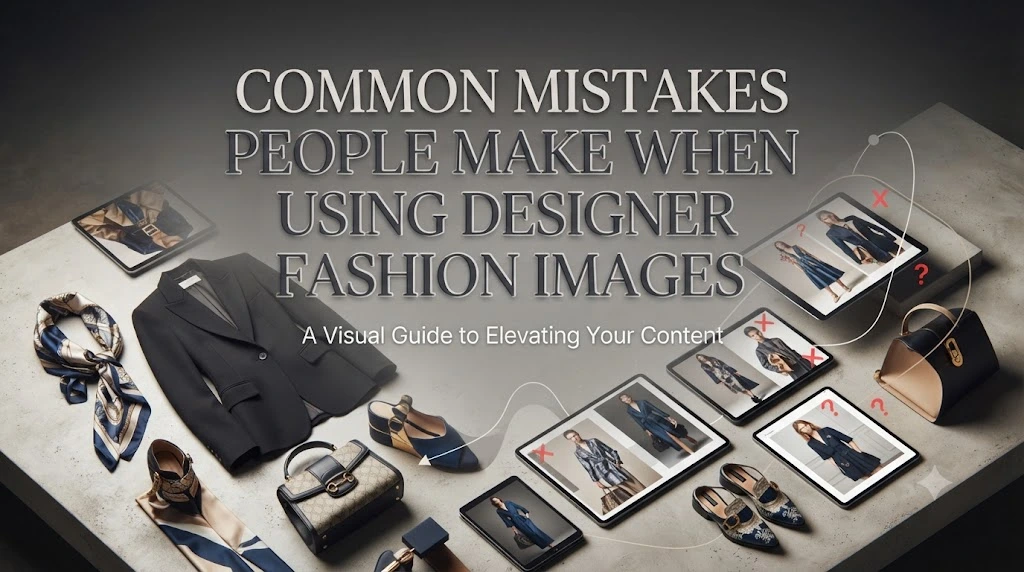
Fashion images are meant to inspire, but they can also lead to unrealistic expectations if viewed without context.
One common mistake is assuming every runway or editorial outfit is designed for everyday wear. Many collections are created to showcase creativity and craftsmanship rather than practicality.
Other mistakes include:
- Copying every trend without considering personal style.
- Ignoring proper fit.
- Over-accessorizing.
- Buying expensive pieces simply because they’re fashionable.
- Choosing trends over comfort.
- Forgetting that lighting and editing influence how clothing appears.
Another overlooked mistake is comparing yourself to heavily produced fashion campaigns. Professional shoots involve photographers, stylists, makeup artists, lighting experts, and editors working together to create the final image.
Instead of comparing yourself, focus on learning from the styling choices. Ask questions like:
- Why do these colors work together?
- How is layering used?
- What makes the outfit feel balanced?
- Which accessories complete the look?
Learning to analyze fashion images helps you build your own style rather than imitate someone else’s.
How to Create Professional Designer Fashion Images
Creating professional fashion images doesn’t always require a luxury studio or an enormous budget. Careful planning often makes a bigger difference than expensive equipment.
Every successful shoot starts with a clear vision.
Before taking a single photograph, define:
- The purpose of the shoot.
- The target audience.
- The overall mood.
- The clothing to feature.
- The desired color palette.
Once the concept is clear, focus on execution.
Choose the Right Location
The setting should support the clothing instead of distracting from it.
Popular locations include:
- Modern architecture
- Natural landscapes
- Minimalist studios
- Historic buildings
- Urban streets
- Boutique interiors
Use Thoughtful Lighting
Good lighting enhances every fabric.
Soft daylight works well for most fashion photography because it creates even skin tones and natural colors.
Studio lighting offers greater control, especially for commercial campaigns.
Style Every Detail
Professional fashion photography pays attention to small details.
Check that:
- Clothing is wrinkle-free.
- Shoes are clean.
- Accessories match the concept.
- Hair complements the outfit.
- Makeup suits the lighting.
These finishing touches often separate amateur photos from professional ones.
Guide Natural Poses
Models don’t always need dramatic poses.
Simple movements like walking, adjusting a jacket, or looking away from the camera can create authentic and elegant images.
Expert Tip: Capture several variations of the same pose. Small changes in posture or expression often produce the strongest final image.
Choosing the Right Colors in Designer Fashion Images
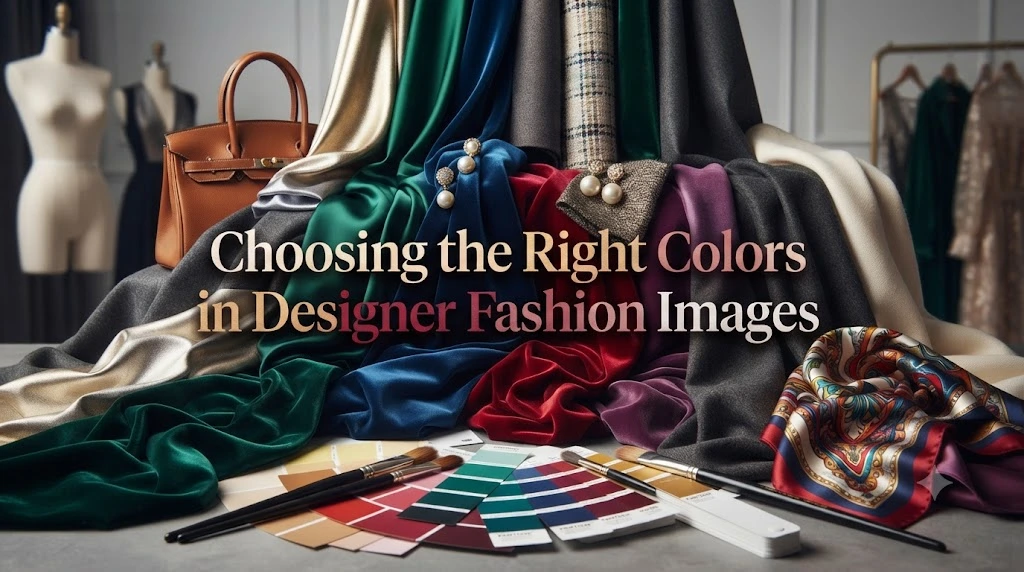
Color influences emotion before viewers even notice the clothing design. It sets the mood and shapes how people perceive a collection.
Luxury fashion brands often develop signature color palettes that become part of their identity.
Some common color associations include:
- Black: sophistication, confidence, elegance
- White: simplicity, freshness, purity
- Beige: timeless minimalism
- Red: passion, energy, boldness
- Blue: trust, calmness
- Green: nature, sustainability
- Gold: luxury and prestige
Color harmony also matters.
Many successful fashion images follow one of these approaches:
- Monochromatic styling
- Neutral palettes
- Complementary color combinations
- Seasonal color themes
- Earth-inspired tones
Background colors should support the outfit rather than compete with it.
For example, a vibrant red dress often stands out beautifully against a neutral backdrop, while a monochromatic outfit may benefit from subtle texture instead of strong color contrast.
Recommendation: When planning a fashion shoot, limit the number of dominant colors. A focused palette usually creates a cleaner and more memorable visual impression.
Conclusion
Designer fashion images are much more than attractive photographs. They capture creativity, craftsmanship, and the unique vision behind every collection. Whether you’re a fashion enthusiast, a content creator, an online shopper, or a designer building a brand, learning to understand these images helps you appreciate fashion on a deeper level.
The strongest fashion images combine thoughtful styling, skilled photography, quality lighting, and authentic storytelling. Every detail—from the choice of location to the model’s expression—works together to communicate a clear message. That’s why memorable fashion photography doesn’t simply display clothing; it creates an emotional connection with the viewer.
If you’re using designer fashion images for inspiration, focus on adapting ideas instead of copying complete looks. Build outfits that reflect your personality, experiment with colors and textures, and prioritize fit over trends. Fashion is most powerful when it feels authentic to the person wearing it.
For brands and designers, investing in professional imagery is one of the smartest marketing decisions. High-quality visuals build trust, strengthen brand identity, improve customer confidence, and make collections more memorable across websites, social media, and advertising campaigns.
As fashion continues to evolve, one thing remains constant: compelling images will always shape how people discover, experience, and remember great design. By understanding what makes these visuals effective, you’ll make better styling choices, create stronger content, and appreciate the artistry behind every remarkable fashion photograph.
Frequently Asked Questions (FAQs)
1. What are designer fashion images?
Designer fashion images are professionally created photographs that showcase clothing, accessories, footwear, and fashion collections. They combine styling, photography, lighting, and creative direction to highlight both the design and the brand’s identity.
2. Where can I find high-quality designer fashion images?
You can find high-quality designer fashion images on official designer websites, fashion magazines, runway galleries, lookbooks, luxury brand campaigns, museum archives, and professional photography portfolios. These sources usually provide authentic, high-resolution visuals.
3. Why are designer fashion images important for fashion brands?
Professional fashion images help brands build credibility, attract customers, communicate their style, and increase engagement across websites and social media. Strong visuals often influence purchasing decisions more than product descriptions alone.
4. What makes a designer fashion image look professional?
Several factors contribute to a professional image, including:
- High-quality lighting
- Expert styling
- Well-fitted clothing
- Thoughtful composition
- Appropriate background
- Natural posing
- Accurate color representation
- Minimal but polished editing
When these elements work together, the final image appears refined and visually appealing.
5. Can I use designer fashion images for my website or blog?
Only if you have permission or the appropriate license. Most designer fashion images are protected by copyright. Always use your own photographs, purchase licensed images, or obtain written permission before publishing someone else’s work.
6. How can I recreate designer-inspired outfits on a budget?
Start by identifying the key elements of the look rather than buying identical pieces. Focus on similar colors, silhouettes, and layering techniques. Shopping secondhand, investing in timeless basics, and adding carefully chosen accessories can help you achieve a designer-inspired style without overspending.
7. What trends are influencing designer fashion images today?
Current trends include authentic storytelling, natural lighting, inclusive representation, movement-based photography, sustainable fashion themes, minimal editing, and lifestyle-focused imagery. These approaches create visuals that feel both modern and relatable while maintaining a professional appearance.