
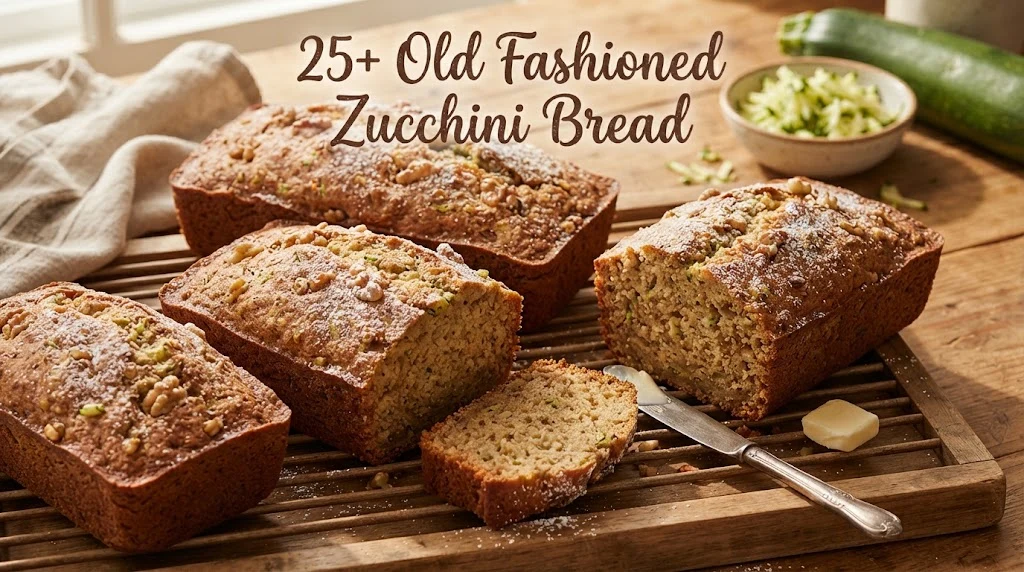
Every August, my mom’s kitchen counter would disappear under zucchini. Neighbors dropped them off in grocery bags, the garden kept producing more than any family could eat, and the only real solution was baking. That’s how I learned to make old fashioned zucchini bread — not from a cookbook, but from watching someone use up more zucchini than seemed humanly possible, one loaf at a time. If you’ve ever ended up with a pile of zucchini and no idea what to do with it, this recipe is the answer that’s been working for generations.
This isn’t a fancy, trendy recipe with a dozen unusual ingredients. It’s the classic, moist, slightly spiced loaf that tastes like it came from a grandmother’s kitchen, because in a lot of families, it did. Below, you’ll find the real recipe, the mistakes that ruin it, and everything else you need to bake it perfectly.
What Is Old Fashioned Zucchini Bread?
Old fashioned zucchini bread is a moist, lightly sweet quick bread made with shredded zucchini, oil, sugar, eggs, flour, and warm spices like cinnamon and nutmeg. It’s called a “quick bread” because it uses baking soda and baking powder instead of yeast, so there’s no rising time involved.
The zucchini itself doesn’t add a strong vegetable flavor. Instead, it adds moisture and a tender crumb, which is exactly why this bread stays soft for days after baking. Most people who try it for the first time are surprised there’s a vegetable in it at all.
Traditional versions lean simple: flour, sugar, oil, eggs, shredded zucchini, cinnamon, and maybe some walnuts. No cream cheese frosting, no chocolate drizzle. Just an honest, homey loaf built for everyday baking.
The History Behind Old Fashioned Zucchini Bread
Zucchini bread became a popular home recipe in the United States in the 1960s and 1970s, right around the time zucchini itself became a common backyard garden vegetable. Home gardeners quickly discovered a problem: zucchini plants produce an overwhelming amount of fruit, often faster than any family can eat it fresh.
Baking became the practical solution. Shredding zucchini and folding it into a sweet, spiced quick bread let home cooks use up their surplus harvest without wasting anything. The recipe spread quickly through community cookbooks, church bake sales, and neighbor-to-neighbor recipe cards.
That practical, waste-not origin is still part of the charm today. Zucchini bread has always been less about indulgence and more about resourcefulness, which is part of why it feels so different from a typical dessert bread.
Ingredients You Need for Classic Zucchini Bread
The ingredient list for old fashioned zucchini bread is short, but each item plays an important role in the final texture and flavor.
Core ingredients:
- Fresh zucchini, shredded
- All-purpose flour
- Granulated sugar (and often a little brown sugar for depth)
- Vegetable oil or melted butter
- Eggs
- Baking soda and baking powder
- Ground cinnamon
- Salt
- Vanilla extract
- Chopped walnuts or pecans (optional, but traditional)
A quick note on oil versus butter: Old fashioned recipes almost always use oil instead of butter, and there’s a real reason for it. Oil stays liquid at room temperature, which is exactly why this bread stays so moist for days, while butter-based quick breads tend to firm up and dry out faster.
Step-by-Step Old Fashioned Zucchini Bread Recipe
Here’s a tested, classic recipe that produces a moist, tender loaf every time.
Ingredients (makes 2 loaves):
- 3 cups all-purpose flour
- 1 teaspoon baking soda
- 1/4 teaspoon baking powder
- 1 teaspoon salt
- 1 tablespoon ground cinnamon
- 3 eggs
- 1 cup vegetable oil
- 2 1/4 cups granulated sugar
- 2 teaspoons vanilla extract
- 2 cups shredded zucchini (about 2 medium zucchini)
- 1 cup chopped walnuts (optional)
Instructions:
- Preheat your oven to 325°F (165°C). Grease and flour two 8×4-inch loaf pans.
- In a large bowl, whisk together the flour, baking soda, baking powder, salt, and cinnamon.
- In a separate bowl, beat the eggs, then whisk in the oil, sugar, and vanilla until well combined.
- Pour the wet ingredients into the dry ingredients and stir just until combined. Overmixing at this stage will make the bread tough.
- Fold in the shredded zucchini and walnuts, mixing gently by hand.
- Divide the batter evenly between the two prepared pans.
- Bake for 50 to 60 minutes, or until a toothpick inserted in the center comes out clean.
- Let the loaves cool in the pans for 10 minutes, then transfer them to a wire rack to cool completely before slicing.
Expert tip: Resist the urge to slice the bread while it’s still warm. Zucchini bread continues to set as it cools, and cutting it too early can make it seem gummy in the center even when it’s fully baked.
How to Prepare Zucchini the Right Way Before Baking
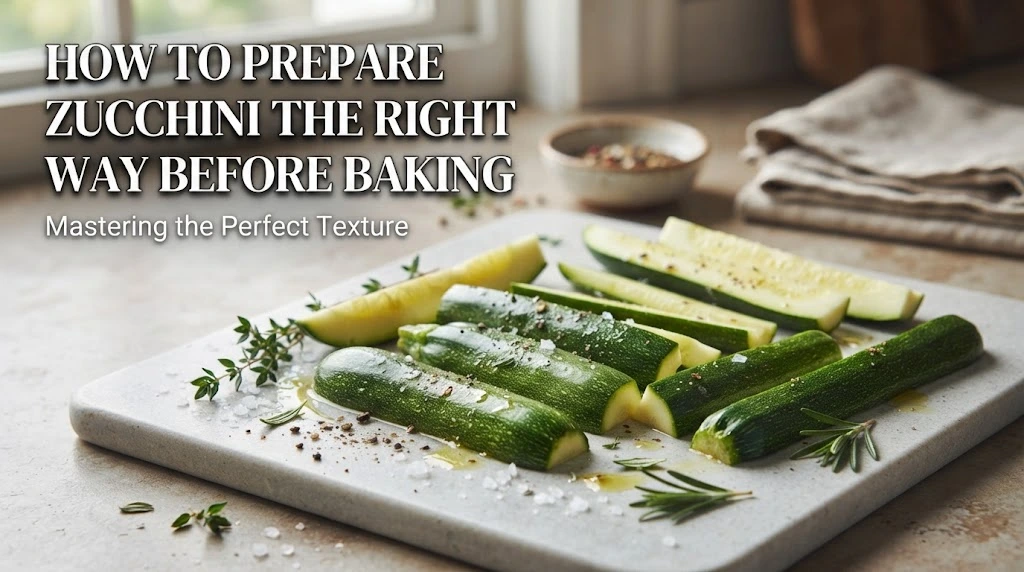
This step matters more than most people realize, and it’s the biggest factor separating a great loaf from a soggy, dense one.
- Wash the zucchini and trim off both ends.
- Shred it using the large holes of a box grater, or the shredding attachment on a food processor.
- Do not peel it. The skin softens completely during baking and adds a subtle green fleck that’s part of the classic look.
- Measure the zucchini after shredding, not before, since recipes call for a specific volume of shredded zucchini.
Should you squeeze out the moisture? This is genuinely debated among bakers, and the answer depends on the recipe. Some old fashioned recipes are designed around the extra moisture zucchini naturally releases and account for it in the flour ratio. If a recipe doesn’t mention draining the zucchini, don’t do it — you could end up with a drier loaf than intended.
Expert Tips for the Moistest Zucchini Bread
A few small habits separate an average loaf from a genuinely excellent one.
- Use medium zucchini, not oversized ones. Very large zucchini tend to have more seeds and watery flesh, which can throw off the bread’s texture.
- Don’t overmix the batter. Stir just until the flour disappears. Overmixing develops gluten and makes the bread dense and chewy instead of tender.
- Check for doneness a few minutes early. Ovens vary, and a toothpick test at the 50-minute mark can save you from an overbaked, dry loaf.
- Let the bread rest overnight if you can. Zucchini bread often tastes even better the next day, once the flavors and moisture have had time to settle.
- Toast your walnuts before adding them. A quick 5-minute toast in a dry pan brings out a deeper, nuttier flavor that raw walnuts just don’t have.
Common Mistakes That Ruin Zucchini Bread
Even bakers with plenty of experience run into these same predictable issues.
- Using too much zucchini. Adding more than the recipe calls for throws off the moisture balance and can leave the center undercooked.
- Skipping the toothpick test. Zucchini bread looks deceptively done on top well before the center is finished baking.
- Using cold eggs straight from the fridge. This can cause the oil to separate slightly in the batter, affecting the final texture.
- Overbaking to compensate for a jiggly center. This usually means the oven temperature was too low or the loaf pan was too large, not that it needs more time.
- Slicing the loaf while it’s still hot. This is one of the most common complaints people have, and it’s almost always a patience problem, not a recipe problem.
Why Is My Zucchini Bread Soggy or Undercooked in the Middle?
This is one of the most searched problems related to zucchini bread, so it deserves a closer look.
Too much moisture from the zucchini is the most common cause. If your zucchini was unusually large or watery, it can throw off the balance the recipe was designed around. Try grating slightly less zucchini next time, or pat it dry with a paper towel before measuring.
Oven temperature that’s too low is another frequent culprit. Ovens can run cooler than their display shows, especially older models. An oven thermometer is a cheap, reliable way to check if your oven is actually hitting 325°F.
Using a pan that’s too large spreads the batter too thin, which can cause uneven baking, while a pan that’s too small can leave the center dense and underbaked even after the outside looks done. Stick to the pan size the recipe calls for.
Not baking long enough is the simplest explanation, and often the right one. If your toothpick comes out with wet batter clinging to it, give the loaf another 5 to 10 minutes and test again.
Old Fashioned Zucchini Bread Variations
Once you’ve mastered the classic version, these variations keep things interesting without straying too far from the traditional flavor.
- Chocolate chip zucchini bread: Fold in a cup of semi-sweet chocolate chips for a slightly more dessert-like loaf.
- Lemon zucchini bread: Add lemon zest and a splash of lemon juice for a brighter, fresher flavor.
- Spiced zucchini bread: Increase the cinnamon and add a pinch of nutmeg and ground cloves for a cozier, fall-inspired version.
- Pineapple zucchini bread: Fold in well-drained crushed pineapple for extra sweetness and moisture.
- Whole wheat zucchini bread: Substitute half the all-purpose flour with whole wheat flour for a heartier, slightly nutty loaf.
Styling tip for gatherings: A light glaze made from powdered sugar and a splash of milk dresses this bread up nicely for a brunch table without changing its humble, homemade character.
Zucchini Bread vs. Zucchini Muffins: Which Should You Make?
The same batter works for both, but the format you choose depends on how you plan to serve it.
- Loaves are ideal for slicing, gifting, and slow, relaxed enjoyment with coffee or tea.
- Muffins bake faster, usually 18 to 22 minutes, and are more convenient for grab-and-go breakfasts or lunchboxes.
- Portion control is easier with muffins, since loaves require cutting and can encourage larger servings.
- Freezing works well for both, though muffins thaw faster since they’re smaller.
If you’re baking for a crowd or want individual portions to freeze, muffins are the more practical choice. If you’re gifting or serving a sit-down brunch, a sliced loaf feels more special.
Healthier Substitutions for Zucchini Bread
If you want to lighten up this classic recipe, a few smart swaps work well without ruining the texture that makes it special.
- Replace half the oil with unsweetened applesauce. This cuts fat while keeping the bread moist.
- Reduce the sugar by about 1/4 cup. Zucchini bread is naturally forgiving, and most people won’t notice the difference.
- Use whole wheat pastry flour instead of all-purpose. It’s lighter than regular whole wheat flour and won’t make the loaf too dense.
- Swap in Greek yogurt for part of the oil. This adds protein and moisture while cutting some of the fat.
Keep in mind that heavy substitutions, like replacing all the sugar or all the oil at once, usually compromise the texture. Small, single swaps tend to work best.
How to Store Zucchini Bread to Keep It Fresh
Proper storage keeps this bread moist for days, which is one of its best qualities.
- Wrap the cooled loaf tightly in plastic wrap or store it in an airtight container.
- Keep it at room temperature for up to 4 days.
- Avoid refrigerating it if possible, since refrigeration tends to dry bread out faster, not slower.
- If your kitchen is very warm and humid, refrigeration can help prevent mold, but expect the texture to firm up slightly.
Expert tip: Store the loaf with a paper towel underneath and on top inside the container. This absorbs extra moisture and helps prevent the bottom from becoming soggy.
Can You Freeze Zucchini Bread? Storage & Shelf Life Guide
Yes, zucchini bread freezes exceptionally well, which makes it a great make-ahead option during zucchini season.
To freeze a whole loaf:
- Let it cool completely.
- Wrap it tightly in plastic wrap, then again in aluminum foil.
- Label it with the date and freeze for up to 3 months.
To freeze individual slices:
- Slice the cooled loaf.
- Wrap each slice individually or separate them with parchment paper in a freezer bag.
- Thaw individual slices at room temperature in about 30 minutes, which makes this a convenient grab-and-go option.
To freeze the shredded zucchini instead: If you’re overwhelmed with garden zucchini and don’t have time to bake right away, you can freeze shredded zucchini in measured portions. Thaw and drain any excess liquid before adding it to your batter later.
What to Do With Too Much Garden Zucchini
If you’re growing zucchini, you already know the real challenge isn’t growing it, it’s using it fast enough.
- Shred and freeze extra zucchini in recipe-sized portions for future baking.
- Bake multiple loaves at once and freeze the extras rather than trying to eat everything fresh.
- Share with neighbors, which is honestly how this recipe became so popular in the first place.
- Mix zucchini bread batter into muffins for smaller households that can’t finish a full loaf before it goes stale.
This is really the whole reason old fashioned zucchini bread exists. It turns a garden overflow problem into something everyone actually looks forward to.
Serving and Gifting Ideas for Zucchini Bread

Zucchini bread is easy to dress up for guests or turn into a thoughtful homemade gift.
- Serve slices lightly toasted with butter for a warm, comforting breakfast.
- Pair it with a cream cheese spread for a slightly richer treat.
- Wrap a cooled loaf in parchment paper and twine for a simple, rustic homemade gift.
- Include a handwritten note with the recipe if you’re gifting it to someone who might want to bake their own during zucchini season.
- Bring it to a potluck or church gathering, since it travels well and doesn’t need refrigeration.
This kind of gift feels personal in a way store-bought treats rarely do, especially when it comes from your own garden’s harvest.
Conclusion
Old fashioned zucchini bread earns its place in so many family recipe boxes for good reason. It’s simple, forgiving, and built from a genuine need to use up garden zucchini before it went to waste. Get the basics right — don’t overmix, respect the moisture balance, and give it a proper toothpick test — and you’ll end up with a moist, tender loaf that tastes like it’s been made a hundred times before. Whether you’re drowning in garden zucchini or just craving something warm and comforting, this recipe delivers every single time.
Frequently Asked Questions
Do you need to peel zucchini before making zucchini bread?
No, peeling isn’t necessary. The skin softens completely during baking and adds subtle green flecks that are part of the classic look of this bread.
Should I squeeze the water out of shredded zucchini before baking?
It depends on the recipe. Many old fashioned recipes are designed to work with the natural moisture in zucchini, so squeezing it out can actually leave the bread drier than intended unless the recipe specifically calls for it.
Why is my zucchini bread dense and gummy in the middle?
This usually happens from overmixing the batter, using too much zucchini, or underbaking. Check for doneness with a toothpick and give it extra time if the center isn’t fully set.
Can I make zucchini bread without nuts?
Yes, walnuts and pecans are optional additions, not essential to the recipe. Simply leave them out or replace them with chocolate chips if you prefer.
How long does zucchini bread last, and how should I store it?
Stored in an airtight container at room temperature, zucchini bread stays fresh for about 4 days. For longer storage, wrap it tightly and freeze it for up to 3 months.
Can I freeze shredded zucchini for later baking?
Yes, shredded zucchini freezes well in measured portions, which is especially useful during garden season when you have more zucchini than you can bake with right away. Thaw and drain excess liquid before adding it to your batter.
What’s the difference between zucchini bread and zucchini muffins?
They use the same batter, but muffins bake faster and are more convenient for individual portions, while a loaf is better for slicing, sharing, and gifting. Choose based on how you plan to serve and store it.