
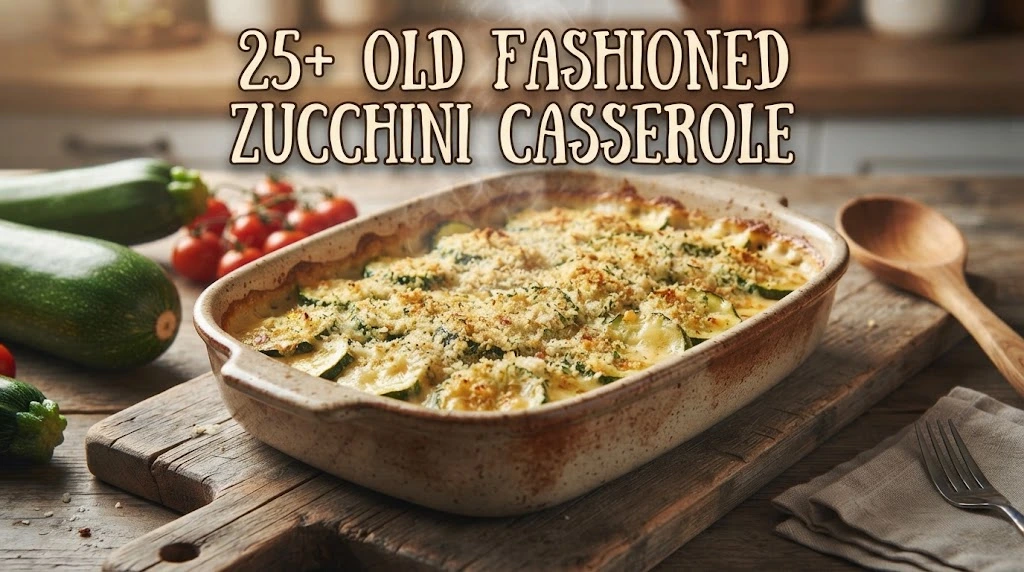
There’s a dish that shows up at almost every potluck in the South, and it’s not fried chicken or mac and cheese. It’s a bubbling dish of old fashioned zucchini casserole, golden and crisp on top, soft and creamy underneath. I remember the first time I tasted my aunt’s version at a family reunion — I went back for seconds before I even finished my plate. If a recipe can make you fall in love with a vegetable you usually ignore, this is that recipe.
This casserole has been feeding families for generations, and it’s stayed popular for a simple reason: it’s comforting, easy to make, and turns humble garden zucchini into something people genuinely crave. Below, you’ll find everything you need to make it exactly right, along with the fixes for the mistakes that trip up even experienced cooks.
What Is Old Fashioned Zucchini Casserole?
Old fashioned zucchini casserole is a baked dish made with sliced or shredded zucchini, a creamy binder like sour cream or condensed soup, cheese, and a crunchy cracker or breadcrumb topping. It’s baked until the top turns golden and the zucchini underneath becomes tender and soft.
This casserole belongs to a family of classic Southern and Midwestern comfort dishes, similar in spirit to squash casserole or green bean casserole. The zucchini softens beautifully in the oven, soaking up flavor from the cheese and creamy base while the topping adds contrast and crunch.
What makes it “old fashioned” is the simplicity. No unusual ingredients, no complicated technique. Just real food, baked low and slow until it’s warm, cheesy, and completely satisfying.
The History Behind Old Fashioned Zucchini Casserole
Zucchini casserole grew out of the same tradition as many classic Southern casseroles: using garden vegetables efficiently during peak growing season. Zucchini plants are famous for producing far more fruit than any household can realistically eat fresh, and casseroles became a practical way to use large amounts at once.
The dish gained popularity in home kitchens throughout the mid-1900s, often built around convenience ingredients like condensed cream of mushroom soup, which became widely available and heavily used in American cooking during that era. Recipes were shared through community cookbooks, church potlucks, and family recipe boxes, which is exactly why so many versions exist today with small regional differences.
This casserole has always been a “use what you have” kind of dish, which is part of why it feels so approachable, even to cooks who don’t consider themselves confident in the kitchen.
Ingredients You Need for a Classic Zucchini Casserole
The ingredient list is short and forgiving, which is part of the appeal.
Core ingredients:
- Fresh zucchini, sliced or shredded
- Onion, diced
- Sour cream (or a mix of sour cream and cream cheese)
- Shredded cheddar cheese
- Butter
- Buttery round crackers, crushed (like Ritz), or seasoned breadcrumbs
- Eggs, for structure
- Salt, pepper, and a little garlic powder
- Cream of chicken or cream of mushroom soup (optional, but traditional in many versions)
A quick note on the topping: The cracker topping isn’t just decoration. It’s what gives this casserole its signature contrast between the soft, creamy zucchini underneath and the crisp, buttery crunch on top. Skipping it changes the dish significantly.
Step-by-Step Old Fashioned Zucchini Casserole Recipe
Here’s a tested, classic version that delivers that familiar, comforting flavor every time.
Ingredients (serves 6 to 8):
- 6 cups sliced zucchini (about 4 medium zucchini)
- 1 small onion, diced
- 2 tablespoons butter
- 1 cup sour cream
- 1 can (10.5 oz) cream of chicken soup
- 1 1/2 cups shredded cheddar cheese, divided
- 1 egg, beaten
- 1/2 teaspoon garlic powder
- Salt and pepper to taste
- 1 1/2 cups crushed buttery crackers
- 3 tablespoons melted butter (for topping)
Instructions:
- Preheat your oven to 350°F (175°C) and lightly grease a 9×13-inch baking dish.
- In a large skillet, sauté the zucchini and onion in 2 tablespoons of butter over medium heat for about 5 to 7 minutes, until slightly softened. Don’t fully cook it through, since it will continue cooking in the oven.
- Drain any excess liquid from the skillet and let the zucchini cool slightly.
- In a large bowl, mix the sour cream, soup, 1 cup of the cheddar cheese, beaten egg, garlic powder, salt, and pepper.
- Fold in the cooked zucchini and onion until evenly coated.
- Pour the mixture into the prepared baking dish and spread it evenly.
- In a separate bowl, combine the crushed crackers with the melted butter, then sprinkle evenly over the top.
- Top with the remaining 1/2 cup of shredded cheddar cheese.
- Bake for 30 to 35 minutes, until the top is golden brown and the casserole is bubbling around the edges.
- Let it rest for 5 to 10 minutes before serving, which helps it set properly.
Expert tip: Sautéing the zucchini before baking isn’t optional if you want a casserole that holds together. Skipping this step is the number one reason zucchini casseroles turn out watery.
How to Prep Zucchini So Your Casserole Isn’t Watery
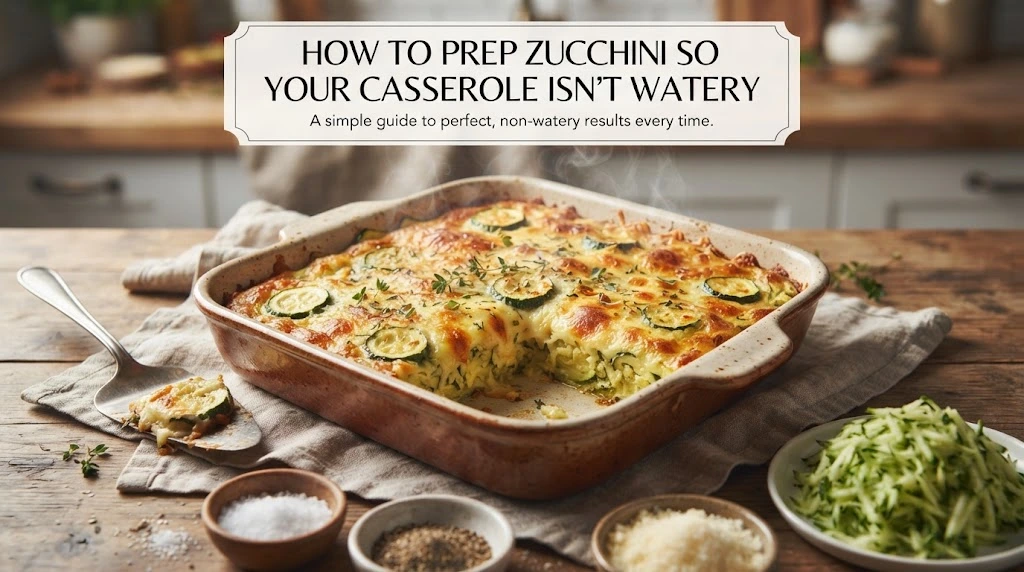
This step matters more than any other, and it’s where most home cooks run into trouble.
- Slice zucchini evenly, about 1/4 inch thick, so it cooks at the same rate throughout the dish.
- Sauté or salt-and-drain the zucchini before adding it to the casserole mixture. Zucchini holds an enormous amount of water, and skipping this step means that water ends up in your final dish.
- If you’re short on time, salt the sliced zucchini and let it sit in a colander for 20 to 30 minutes. This draws out excess moisture, which you can then pat dry with paper towels.
- Avoid shredding zucchini for this recipe unless the recipe specifically calls for it. Shredded zucchini releases moisture faster and is harder to control in a sliced-style casserole.
Personal observation: The difference between a great zucchini casserole and a soupy, disappointing one almost always comes down to this single prep step. It takes an extra 10 minutes, but it’s worth every second.
Expert Tips for the Best Texture and Flavor
A handful of small techniques separate an average casserole from one people ask you to bring to every gathering.
- Use a mix of cheeses if you want more depth. Sharp cheddar alone is classic, but adding a little Parmesan brings extra savory flavor.
- Don’t skip the resting time after baking. Cutting into the casserole immediately can make it look runnier than it actually is, since it hasn’t fully set yet.
- Toast the cracker topping separately if you want extra crunch. A quick 3-minute toast in a dry skillet before mixing with butter gives the topping even more texture.
- Season the zucchini itself, not just the sauce. A light sprinkle of salt and pepper while sautéing builds flavor from the base up.
- Use full-fat sour cream. Low-fat versions can make the casserole watery and won’t set as well during baking.
Common Mistakes That Ruin Zucchini Casserole
These mistakes come up again and again, even among experienced home cooks.
- Skipping the pre-cooking step. Raw zucchini added directly to the casserole releases too much water during baking.
- Overcrowding the pan while sautéing. This causes the zucchini to steam instead of sauté, which traps moisture instead of releasing it.
- Using too much soup or sour cream. More isn’t better here. Extra liquid ingredients can overwhelm the dish and prevent it from setting properly.
- Adding the cracker topping too early. If it sits on top of a wet mixture for too long before baking, it can turn soggy instead of crisp.
- Cutting into the casserole right out of the oven. Give it time to rest, or it won’t hold its shape when served.
Why Is My Zucchini Casserole Soggy or Runny?
This is one of the most common frustrations people search for, and it almost always comes down to a handful of specific causes.
Excess zucchini moisture is the biggest culprit by far. Zucchini is over 90% water, and if it goes into the dish raw or undrained, that water has nowhere to go except into your casserole. Always sauté or salt-and-drain your zucchini first.
Not baking long enough can also leave a casserole looking underset. The eggs and cheese need enough time and heat to fully bind the mixture together, so pull it out only when the top is golden and the edges are visibly bubbling.
Using low-fat dairy substitutes changes the way the casserole sets, since fat plays a real role in binding and thickening. Stick with full-fat sour cream and regular cheese for the most reliable results.
Skipping the resting period makes even a perfectly cooked casserole look runny. Give it at least 5 to 10 minutes after baking before cutting in, so everything has time to firm up.
Old Fashioned Zucchini Casserole Variations
Once you’ve got the classic version down, these variations keep things interesting while staying true to the comfort-food spirit of the dish.
- Squash and zucchini casserole: Mix in yellow squash for a slightly sweeter flavor and more colorful presentation.
- Bacon zucchini casserole: Add crumbled cooked bacon to the mixture or sprinkle it over the topping for a smoky, savory boost.
- Low-carb zucchini casserole: Swap the cracker topping for crushed pork rinds and skip the soup in favor of extra sour cream and cheese.
- Herbed zucchini casserole: Add fresh basil, thyme, or oregano to the zucchini mixture for a fresher, more herbaceous flavor.
- Spicy zucchini casserole: Mix in diced jalapeños or a dash of hot sauce for some heat.
Styling tip for gatherings: A sprinkle of fresh chopped parsley or chives right before serving adds color and makes a simple casserole look much more intentional on a buffet table.
Zucchini Casserole vs. Squash Casserole: What’s the Difference?
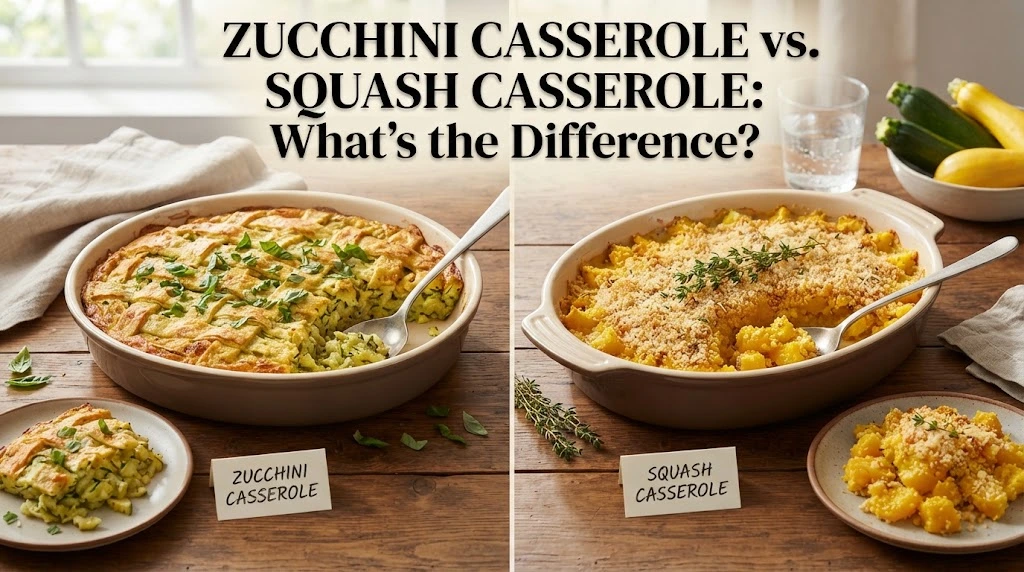
These two dishes get confused often, since they’re built on nearly identical techniques and flavors.
- Main vegetable: Zucchini casserole uses zucchini, while squash casserole traditionally uses yellow summer squash.
- Texture: Zucchini holds its shape slightly better during baking, while yellow squash tends to break down a bit more and create a softer, creamier texture.
- Flavor: Yellow squash has a slightly sweeter, milder flavor compared to zucchini’s more neutral, subtly earthy taste.
- Interchangeability: These recipes can generally be swapped 1:1, and many cooks actually combine both vegetables in the same dish.
If you have both vegetables on hand, there’s no real reason not to combine them. Many old fashioned recipes actually call for a mix of the two.
Make-Ahead and Freezer-Friendly Tips
Zucchini casserole is a genuinely convenient make-ahead dish, which makes it perfect for busy weeks or holiday planning.
- To prepare ahead of time: Assemble the entire casserole up to the point of adding the cracker topping, then cover and refrigerate for up to 24 hours. Add the topping right before baking so it stays crisp.
- To freeze before baking: Assemble the casserole without the topping in a freezer-safe dish, cover tightly, and freeze for up to 3 months. Thaw overnight in the refrigerator before adding the topping and baking as usual.
- To freeze after baking: Let the casserole cool completely, then portion it into airtight containers. It will keep in the freezer for up to 2 months, though the texture will be slightly softer once reheated.
Expert tip: Freezing works better with sliced zucchini than shredded, since shredded zucchini releases even more water once thawed, which can leave your casserole watery.
How to Store and Reheat Leftover Zucchini Casserole
Leftovers hold up well if you store and reheat them properly.
- Store leftover casserole in an airtight container in the refrigerator for up to 4 days.
- To reheat individual portions, use the microwave for 1 to 2 minutes, though this can soften the cracker topping.
- For the best texture, reheat in the oven at 350°F for about 15 to 20 minutes, which helps the topping crisp back up.
- Avoid reheating the entire casserole multiple times, since repeated reheating tends to make the zucchini mushier each time.
If you know you’ll have leftovers, consider baking the topping separately and adding fresh cracker crumbs when reheating, which keeps that satisfying crunch intact.
Best Side Dishes and Pairings for Zucchini Casserole
This casserole works as a side dish or a light main, depending on what you pair it with.
- Grilled or baked chicken balances the richness of the casserole nicely.
- Cornbread leans into the same comfort-food category and complements the flavors beautifully.
- A simple green salad adds freshness and cuts through the creaminess of the dish.
- Baked ham, especially around holidays, pairs wonderfully with the savory, cheesy flavor of the casserole.
- Rice or mashed potatoes work well if you want to round out the meal with something heartier.
If you’re serving it as a main dish for a lighter dinner, pair it with a protein and a simple salad, and you’ve got a complete, satisfying meal.
Using Up Garden Zucchini in Casserole Form
If you grow zucchini, you already know the real challenge is using it fast enough before it takes over your kitchen counter.
- Double the recipe and freeze one casserole unbaked for a future night when you don’t feel like cooking.
- Use slightly larger zucchini for casseroles, since the texture matters less here than in recipes like zucchini bread, where oversized zucchini can cause problems.
- Combine multiple garden vegetables like squash, onions, and even bell peppers into the same casserole to use up more of your harvest at once.
- Share extra casseroles with neighbors, which honestly follows the same tradition that made this recipe so popular in the first place.
This casserole turns what feels like a garden overflow problem into something your whole family will actually look forward to eating.
Serving Ideas for Potlucks and Family Dinners

Zucchini casserole travels and serves well, which is exactly why it’s become such a potluck staple.
- Bake it in a disposable foil pan if you’re bringing it somewhere, so you don’t have to worry about getting your dish back.
- Keep it warm during transport by wrapping the pan in a thick towel or using an insulated carrier.
- Serve it straight from the baking dish for a casual family dinner, which keeps cleanup simple.
- Portion it into individual ramekins for a slightly more elevated presentation at a dinner party.
- Label it clearly at a potluck, since the golden, cheesy topping can sometimes be mistaken for other casseroles on a crowded buffet table.
Whether it’s a casual weeknight side or the star of a holiday spread, this casserole adapts easily to whatever the occasion calls for.
Conclusion
Old fashioned zucchini casserole earns its spot on so many family tables because it does exactly what good comfort food should: it takes something simple and turns it into something people genuinely look forward to eating. Get the basics right — sauté or drain your zucchini first, don’t rush the resting time, and don’t skip that buttery cracker topping — and you’ll end up with a dish that disappears fast at any gathering. Whether you’re working through a garden zucchini surplus or just craving something warm, cheesy, and familiar, this recipe delivers every single time.
Frequently Asked Questions
Why does my zucchini casserole always turn out watery?
This almost always comes from raw zucchini releasing water during baking. Sauté the zucchini first, or salt and drain it for 20 to 30 minutes before adding it to the casserole mixture.
Can I make zucchini casserole ahead of time?
Yes, you can assemble the entire casserole up to 24 hours in advance and refrigerate it, though it’s best to add the cracker topping right before baking so it stays crisp. This makes it a convenient option for holidays and busy weeknights.
Do I need to peel zucchini before making a casserole?
No, peeling isn’t necessary since the skin softens completely during baking and adds a nice pop of color to the finished dish. Just wash the zucchini thoroughly before slicing.
Can I freeze zucchini casserole?
Yes, you can freeze it either before or after baking. For the best texture, freeze it unbaked without the topping, then thaw, top, and bake it fresh when you’re ready to serve.
What’s the difference between zucchini casserole and squash casserole?
Zucchini casserole uses zucchini, while squash casserole uses yellow summer squash, which has a slightly sweeter flavor and softer texture once baked. The two recipes are very similar and can often be combined or swapped.
Can I use shredded zucchini instead of sliced for this casserole?
You can, but shredded zucchini releases more moisture and can make the casserole watery if it isn’t well drained first. Sliced zucchini generally holds up better and gives a more traditional texture.
What can I use instead of cream of chicken soup in zucchini casserole?
You can substitute cream of mushroom soup, or skip canned soup entirely and use extra sour cream mixed with a little extra cheese for a from-scratch version. Both options work well without changing the overall texture too much.