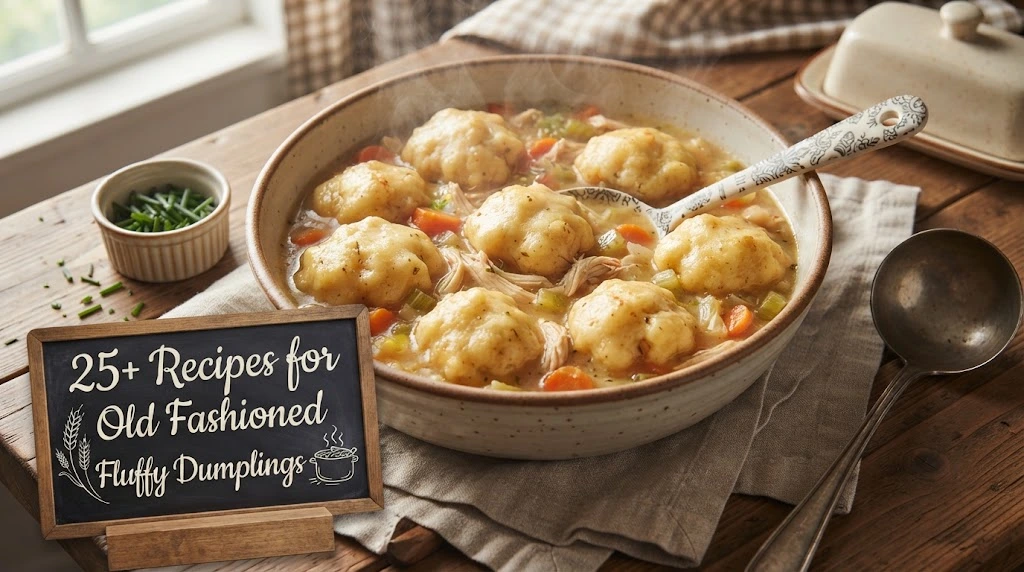
There’s a specific kind of disappointment that comes from lifting the lid off a pot of chicken and dumplings, only to find flat, gummy little pucks floating in the broth instead of pillowy clouds. I’ve been there. My grandmother’s dumplings used to rise like little biscuits on top of her stew, soft enough to melt in your mouth but sturdy enough to hold their shape when you scooped them onto a plate. It took me three failed batches, one frustrated phone call to my mom, and a lot of flour on my kitchen floor before I figured out what actually makes dumplings fluffy instead of dense.
If you’ve ever ended up with dumplings that sank, turned rubbery, or tasted like wet dough, you’re not alone, and it’s not because you’re a bad cook. It almost always comes down to a handful of small details that nobody tells you about until someone who’s made this recipe a hundred times walks you through it. That’s exactly what this guide is going to do.
What Makes Old Fashioned Dumplings Different From Modern Ones
Old fashioned dumplings are simple by design. They rely on basic pantry staples like flour, baking powder, milk or buttermilk, and butter or shortening, without the shortcuts that a lot of modern recipes lean on, like using canned biscuit dough or store-bought pie crust.
The “old fashioned” part refers to the technique as much as the ingredients. These dumplings are traditionally dropped by spoonfuls into simmering broth rather than rolled out flat and cut into strips. That drop method is exactly what creates the fluffy, biscuit-like texture people are chasing when they search for this recipe.
Modern recipes sometimes swap in Bisquick or refrigerated biscuit dough for convenience. Those versions can taste fine, but they rarely achieve the same light, homemade texture that comes from mixing the dough yourself and controlling exactly how much you handle it.
Ingredients You Need for Fluffy Old Fashioned Dumplings
You don’t need anything fancy for this recipe. Most of these ingredients are probably already in your kitchen right now.
- 2 cups all-purpose flour (spooned and leveled, not scooped)
- 1 tablespoon baking powder (fresh, not expired — this is non-negotiable)
- 1 teaspoon salt
- 1/4 cup cold unsalted butter or shortening, cubed
- 3/4 to 1 cup cold milk or buttermilk
- 2 tablespoons chopped fresh parsley (optional, for flavor)
Buttermilk gives a slightly tangy flavor and reacts with the baking powder for extra lift, so I’d choose it over regular milk if you have it on hand. If you don’t, regular whole milk works just fine.
Expert tip: Cold butter is the real trick here. When cold fat melts during cooking, it creates little pockets of steam inside the dough, and that’s part of what gives you that soft, layered texture instead of a dense, bread-like bite.
The Exact Step-by-Step Recipe
Here’s the method I use every single time, and it’s the same one that’s been passed down through generations of home cooks who never wrote it down.
- Whisk the dry ingredients. In a large bowl, combine the flour, baking powder, and salt. Whisking evenly distributes the baking powder so you don’t get one dumpling that rises and another that stays flat.
- Cut in the cold butter. Use a pastry cutter, fork, or your fingertips to work the cold butter into the flour until the mixture looks like coarse crumbs, about the size of small peas.
- Add the milk gradually. Pour in the milk a little at a time, stirring gently with a fork. Stop as soon as the dough comes together. It should be soft and slightly sticky, not wet like batter and not stiff like bread dough.
- Let the dough rest for 5 minutes. This short rest lets the flour hydrate fully and relaxes the gluten, which helps the dumplings stay tender instead of tough.
- Drop spoonfuls into simmering broth. Use a spoon or small cookie scoop to drop rounded portions of dough directly onto the surface of your simmering stew or broth. Don’t stir them in yet.
- Cover and simmer, don’t boil. Put the lid on and let the dumplings cook for 15 to 18 minutes over low heat. Resist the urge to lift the lid during the first 10 minutes.
- Check for doneness. Insert a toothpick into the center of a dumpling. If it comes out clean, they’re done.
The Real Secret to Getting Dumplings Light and Fluffy Every Time
This is the part most recipes skip, and it’s honestly the difference between good dumplings and forgettable ones.
Don’t overmix the dough. The moment your dough comes together, stop stirring. Overworking the flour develops too much gluten, and that’s what turns dumplings tough and chewy instead of soft.
Keep the lid on while they cook. Steam is what cooks dumplings from the top down while the broth cooks them from the bottom up. Every time you lift the lid, you let that steam escape and slow the whole process down, which can leave you with dumplings that are gummy in the middle.
Simmer gently, never boil hard. A rolling boil agitates the dumplings too much, causing them to break apart or absorb excess liquid and turn mushy. Keep the heat low enough that you see small, steady bubbles, not a violent boil.
Use fresh baking powder. Baking powder loses potency over time. If yours has been in the pantry for over a year, it’s probably why your dumplings aren’t rising the way they should.
Best Broth or Stew Base for Old Fashioned Dumplings
The dumplings are only half the equation. What you drop them into matters just as much.
- Chicken broth or stock is the classic choice, especially for chicken and dumplings. Homemade stock gives noticeably richer flavor than store-bought.
- Beef broth works beautifully for beef stew dumplings and pairs well with root vegetables like carrots and potatoes.
- Vegetable broth is a solid option if you’re keeping the dish vegetarian, though you’ll want to boost the flavor with herbs like thyme and bay leaf.
Whatever base you choose, make sure there’s enough liquid for the dumplings to actually simmer in. If the broth is too thick or too shallow, the dumplings on the bottom can scorch or stick to the pot.
Practical example: If you’re making chicken and dumplings, shred the cooked chicken and add it back to the pot along with your vegetables before dropping in the dumplings. That way everything finishes cooking together in the last 15 to 18 minutes.
One thing a lot of home cooks overlook is broth consistency. If your broth is thin and watery, the dumplings will simmer nicely, but the finished dish can feel more like soup than stew. A good trick is to whisk a tablespoon of flour into a splash of cold water and stir it into the broth about ten minutes before you add the dumplings. This thickens things just enough to give the dish that classic, hearty texture without turning it into gravy.
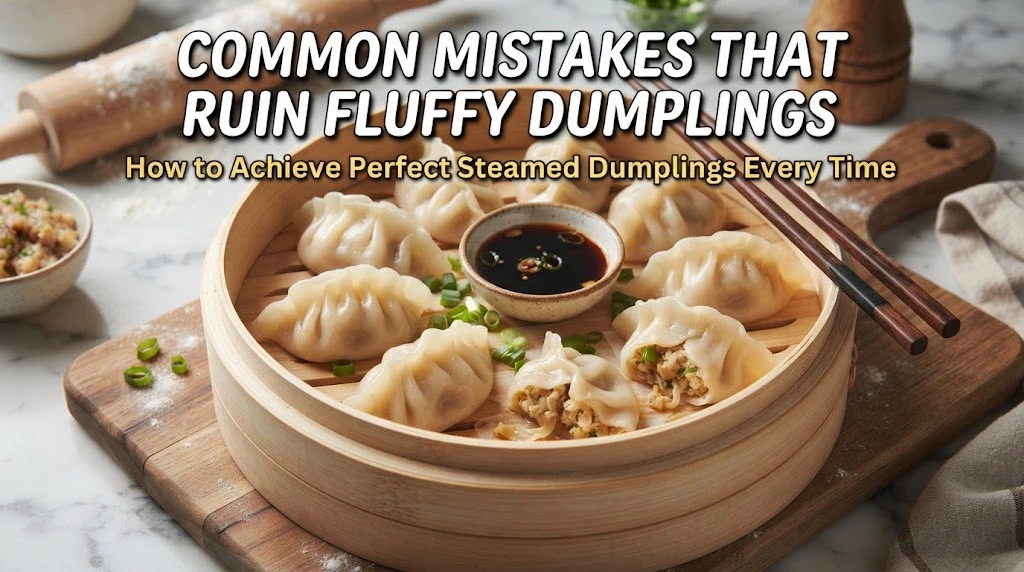
Common Mistakes That Ruin Fluffy Dumplings
I’ve made most of these mistakes myself, so consider this list a shortcut around the trial and error.
- Using melted or room-temperature butter instead of cold butter, which flattens out the texture.
- Stirring the dumplings while they cook, which breaks them apart and releases starch that thickens the broth into paste.
- Overcrowding the pot so the dumplings touch and steam unevenly, leaving some parts raw.
- Making the dough too wet, which causes dumplings to dissolve into the broth instead of holding their shape.
- Skipping the resting time, which results in tougher, less tender dumplings.
- Using old baking powder, the single most common reason dumplings turn out flat.
If your dumplings have failed before, it was almost certainly one of these six things, not a flaw in your cooking ability.
Drop Dumplings vs. Rolled Dumplings: What’s the Difference
People often confuse these two styles, and honestly, they’re not the same dish at all.
Drop dumplings are the fluffy, biscuit-like version this article focuses on. The dough is soft, sticky, and dropped by spoonfuls directly into the broth, where it puffs up as it steams.
Rolled dumplings, sometimes called slick dumplings or Southern-style flat dumplings, use a much firmer dough that’s rolled thin and cut into strips, similar to pasta. These cook up flat and slightly chewy, closer to a noodle than a biscuit.
If a recipe title includes the word “fluffy,” it’s almost always referring to drop dumplings, since rolled dumplings are intentionally dense and flat by design.
I grew up eating both, depending on which grandmother was cooking that week, and I still think the “right” version comes down to personal preference rather than one being objectively better. If you love a heartier, noodle-like bite that soaks up broth, rolled dumplings might actually be more your style. But if you’re specifically after that pillowy, biscuit-in-a-bowl texture, drop dumplings are the way to go, and this recipe is built entirely around getting that result right.
How to Tell When Your Dumplings Are Fully Cooked
Undercooked dumplings are doughy and raw in the middle, while overcooked ones turn mushy and start to fall apart.
The most reliable test is inserting a toothpick or thin knife into the thickest part of a dumpling. If it comes out clean with no wet dough clinging to it, they’re ready. You can also cut one in half to check that the center looks fluffy and cooked through rather than shiny and dense.
Expert tip: Dumplings continue cooking slightly even after you turn off the heat, thanks to residual steam trapped under the lid. Pull them a minute or two before you think they’re perfectly done, and let them rest covered for a few minutes.
Can You Make Dumplings Ahead of Time
You can prepare the dry ingredients and cut in the butter up to a day in advance, storing the mixture covered in the refrigerator. Add the milk only right before you’re ready to cook, since the baking powder starts activating the moment it gets wet.
I don’t recommend fully mixing the wet dough and refrigerating it, because the baking powder loses its lift the longer it sits, and you’ll end up with flatter dumplings than if you mix fresh.
If you’re meal-planning, it’s much better to prep your broth or stew a day ahead, then make the dumpling dough fresh and drop it in right before serving.
Storing and Reheating Leftover Dumplings
Leftover dumplings hold up better than you’d expect, as long as you store them the right way.
- Refrigerate in an airtight container along with some of the broth, for up to 3 days. Storing them dry causes them to dry out and toughen.
- Reheat gently on the stovetop over low heat, covered, so the dumplings steam back to a soft texture instead of drying out in the microwave.
- Avoid the microwave if possible, since it tends to make dumplings rubbery. If it’s your only option, reheat in short 20-second bursts.
Freezing isn’t ideal for cooked dumplings, since the texture turns spongy after thawing. If you want to freeze ahead, freeze the uncooked dough balls on a tray, then transfer them to a freezer bag and drop them straight into simmering broth when you’re ready to cook.
Ingredient Substitutions for Dietary Needs
This recipe is flexible enough to adapt for most dietary restrictions without losing that classic fluffy texture.
- Gluten-free: Swap the all-purpose flour for a 1:1 gluten-free baking blend that includes xanthan gum. The texture will be slightly denser, but still tender.
- Dairy-free: Use a plant-based buttermilk substitute (unsweetened plant milk plus a splash of vinegar or lemon juice) and swap butter for dairy-free margarine or coconut oil.
- Lower sodium: Cut the added salt in half and rely on herbs like thyme, sage, or parsley for flavor instead.
- No shortening on hand: Cold butter alone works fine as a full substitute in equal amounts.
None of these swaps require changing your technique. The cold-fat, gentle-mixing, low-simmer rules still apply no matter what ingredients you’re using.
What to Serve With Old Fashioned Fluffy Dumplings
Dumplings are traditionally served right in the pot they cooked in, ladled into bowls along with plenty of broth and whatever meat or vegetables were simmering alongside them.
- Chicken and dumplings with shredded rotisserie or poached chicken, carrots, and celery.
- Beef stew and dumplings with chunks of chuck roast, potatoes, and onions.
- A simple green salad on the side to balance the richness of the broth.
- Cornbread for anyone who wants extra carbs alongside the meal.
Because dumplings are already filling and starchy, keep side dishes light. A heavy side can make the whole meal feel too dense.
If you’re serving this for a family dinner or a gathering, ladle the broth first, then place two or three dumplings on top rather than burying them at the bottom of the bowl. It keeps the presentation appealing and stops the dumplings from getting waterlogged before anyone even picks up a spoon.
Old Fashioned Southern Dumplings vs. Other Regional Styles
Southern-style dumplings, particularly in states like Tennessee and Kentucky, often lean toward the flatter, rolled variety, sometimes called “slick dumplings,” which have a noodle-like bite.
Northern and Midwestern versions tend to favor the fluffy drop-dumpling style covered in this article, closer to a biscuit dropped into broth.
Pennsylvania Dutch cooking has its own variation, sometimes adding egg to the dough for extra richness and a slightly denser bite than a classic fluffy version.
None of these are “wrong.” They’re regional traditions, and which one feels like “old fashioned” comfort food to you usually depends on how your family made it growing up. This recipe follows the fluffy, biscuit-style tradition, since that’s what most people searching for “fluffy dumplings” specifically want.
Expert Tips Passed Down for Better Dumplings Every Time
A few small habits separate an average pot of dumplings from a genuinely great one.
- Season the dough itself, not just the broth. A pinch of salt and a little chopped parsley in the dumpling mixture adds flavor that plain dumplings lack.
- Use a light hand. Handle the dough as little as possible from mixing to dropping it into the pot.
- Give dumplings room to grow. Space them apart in the pot rather than crowding them together, since they roughly double in size as they cook.
- Taste your broth before adding dumplings. Once the dumplings go in, it’s harder to adjust seasoning without disturbing them.
- Trust the clock, not the clock alone. Fifteen to eighteen minutes is a guideline. Altitude, pot size, and stove heat all shift cook time slightly, so always confirm with the toothpick test.
Troubleshooting: Why Dumplings Sink, Fall Apart, or Turn Gummy
Each of these problems traces back to one of the same core principles: cold fat, minimal mixing, fresh baking powder, and a gentle, covered simmer.
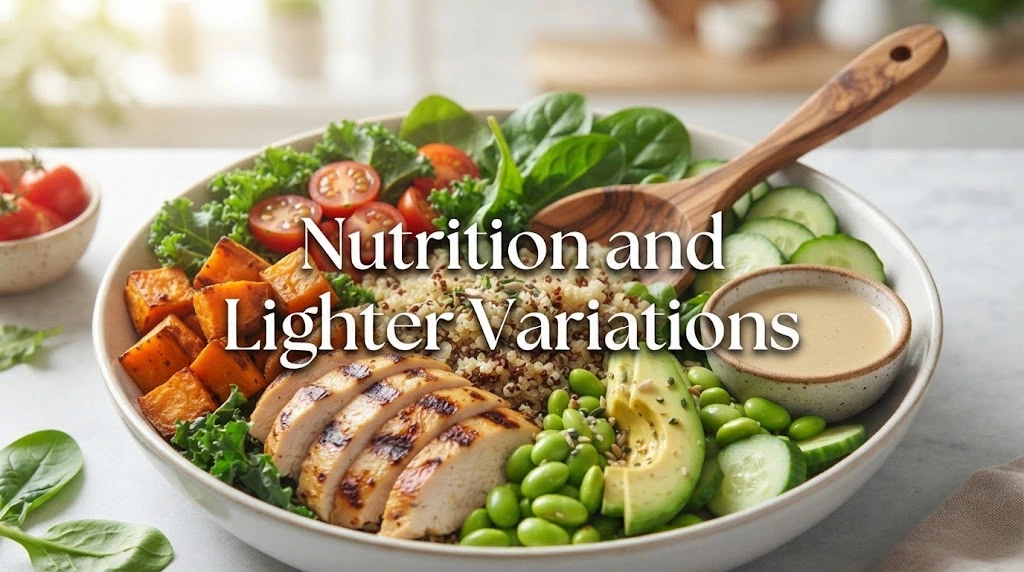
Nutrition and Lighter Variations
A standard old fashioned dumpling made with butter and whole milk runs roughly 90 to 120 calories per dumpling, depending on size, plus whatever broth and protein you’re serving it with.
For a lighter version:
- Swap whole milk for low-fat milk or unsweetened almond milk.
- Use half butter, half unsweetened applesauce in the dough for a lower-fat option, though the texture will be slightly denser.
- Add shredded vegetables like zucchini or carrot into the dough for extra nutrients without changing the flavor much.
These swaps won’t give you the exact same rich texture as the original, but they get you close while trimming some calories and fat.
Conclusion
Fluffy old fashioned dumplings really do come down to a short list of rules: cold butter, a light hand with the dough, fresh baking powder, and a gentle simmer under a covered lid. Once you understand why each step matters, you stop just following a recipe and start actually cooking, which means you can adjust for your own stove, your own broth, and your own taste without guessing. The next time you make a pot of chicken and dumplings or beef stew with dumplings, you’ll know exactly what to check if something goes wrong, and more importantly, you’ll know how to make sure it doesn’t.
Frequently Asked Questions
Why are my dumplings not fluffy?
The most common reasons are expired baking powder, overmixed dough, or lifting the lid too often while they cook. Fix those three things and most flat-dumpling problems disappear.
Should dumplings be covered or uncovered while cooking?
Always covered. The lid traps steam, which is what cooks the tops of the dumplings and helps them puff up properly.
Can I use buttermilk instead of regular milk for dumplings?
Yes, and it’s actually preferred. Buttermilk’s acidity reacts with baking powder for extra lift and adds a subtle tangy flavor.
How long do dumplings need to cook in broth?
Most dumplings need 15 to 18 minutes of gentle simmering with the lid on. Check doneness with a toothpick inserted into the center.
Why did my dumplings turn out gummy in the middle?
This usually happens when the lid is removed too often during cooking, letting steam escape, or when the broth boils too hard instead of simmering gently.
Can I make dumplings without baking powder?
Baking powder is what creates the fluffy texture, so skipping it will leave you with dense, flat dumplings. There’s no good substitute if fluffiness is the goal.
What’s the difference between drop dumplings and rolled dumplings?
Drop dumplings use a soft, sticky dough spooned directly into broth for a fluffy, biscuit-like result. Rolled dumplings use a firmer dough rolled thin and cut into strips, resulting in a flatter, noodle-like texture.