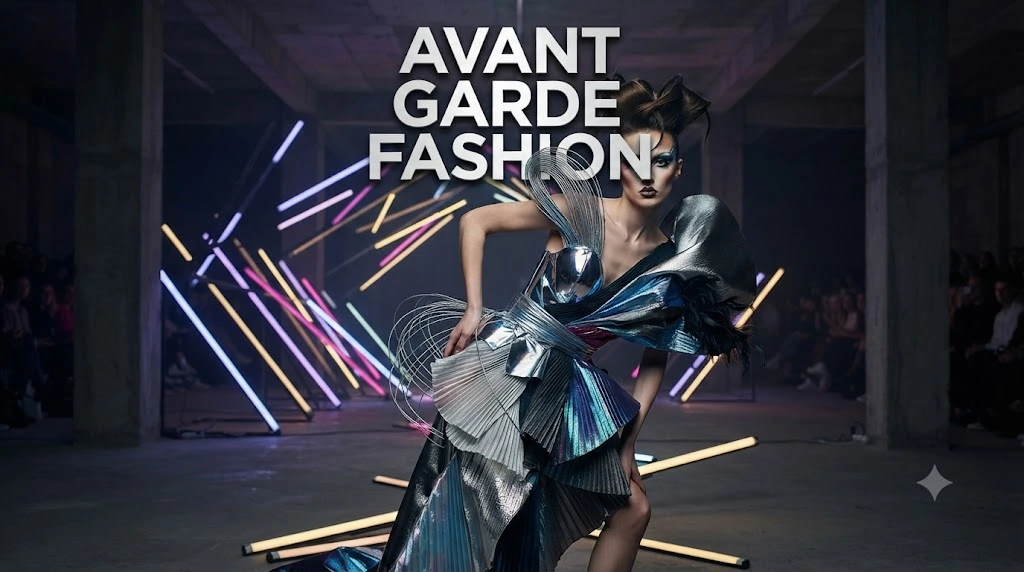
Avant garde fashion is more than clothing—it is a story told through bold ideas, unexpected shapes, and fearless creativity. Imagine walking into a room where every outfit feels like a piece of art, challenging the way you see beauty and style. From dramatic silhouettes to unusual fabrics, avant garde fashion breaks away from traditional rules and creates something completely original. It gives designers the freedom to experiment, turning imagination into wearable art. Whether inspired by architecture, nature, culture, or futuristic concepts, every look can carry its own meaning. In a world where trends change quickly, avant garde fashion stands apart by focusing on individuality, emotion, and artistic expression. It is not simply about what you wear; it is about the story you want your clothes to tell and the impression you leave behind.
What Is Avant Garde Fashion?
Avant garde fashion is a style that breaks traditional fashion rules and explores new ideas through clothing. The term “avant-garde” comes from the French language and means “advance guard” or “front line.” In fashion, it describes designers who create original pieces that challenge expectations instead of following popular trends.
Unlike fast fashion, which focuses on what’s currently selling, avant-garde clothing prioritizes innovation, creativity, and artistic expression. Designers often experiment with unusual silhouettes, exaggerated proportions, unconventional materials, and conceptual themes.
An avant-garde outfit may include:
- Oversized or sculptural shapes
- Asymmetrical cuts
- Layered textures
- Architectural tailoring
- Monochrome color palettes
- Experimental fabrics
- Handmade details
Some designs appear dramatic on the runway but inspire simplified versions that eventually reach mainstream fashion.
Expert Styling Tip
You don’t have to wear head-to-toe experimental clothing to appreciate avant-garde fashion. Even one artistic statement piece can completely transform a simple outfit.
The History and Origins of Avant Garde Fashion
Avant-garde fashion has deep roots in the broader world of art and design. During the late nineteenth and early twentieth centuries, artists began rejecting traditional ideas about beauty. Instead of repeating old styles, they searched for entirely new ways to express themselves.
Fashion followed the same path.
As technology advanced and cultural movements evolved, designers gained the confidence to question established rules. Clothing became more than something people wore for comfort or status. It became a form of communication.
The movement gained significant momentum during the second half of the twentieth century. Designers started presenting collections that challenged conventional ideas of beauty, gender, proportion, and craftsmanship.
Many early runway collections shocked audiences because they looked more like wearable sculptures than everyday clothing. However, these bold experiments helped expand the possibilities of fashion design.
Today, many trends that seem ordinary—such as oversized tailoring, deconstructed garments, or gender-neutral silhouettes—have roots in avant-garde thinking.
Key Characteristics of Avant Garde Fashion
Although every designer has a unique vision, several characteristics appear repeatedly in avant-garde collections.
Unconventional Silhouettes
Instead of following the natural shape of the body, avant-garde garments often create entirely new forms.
You may notice exaggerated shoulders, oversized sleeves, dramatic volume, or unexpected proportions.
Asymmetry
Balanced designs aren’t always the goal.
Uneven hems, one-shoulder tops, irregular draping, and off-center closures create visual interest while breaking traditional design rules.
Creative Layering
Layering becomes part of the artwork rather than simply providing warmth.
Different lengths, textures, and fabrics combine to create depth and movement.
Architectural Construction
Many garments resemble modern sculptures.
Designers carefully build structure into clothing using pleats, folds, padding, or unusual stitching techniques.
Limited Color Palettes
Contrary to popular belief, avant-garde fashion isn’t always colorful.
Many collections rely on:
- Black
- White
- Gray
- Cream
- Earth tones
Neutral colors help highlight shape and construction rather than distracting with bold prints.
Experimental Fabrics
Designers frequently combine materials that wouldn’t normally appear together.
Examples include:
- Leather with silk
- Wool with mesh
- Transparent fabrics
- Metallic textiles
- Recycled materials
- Technical performance fabrics
Expert Styling Tip
If you’re trying avant-garde style for the first time, focus on one dramatic design element instead of several. This creates a balanced outfit that still feels wearable.
Famous Avant Garde Fashion Designers
Some designers have completely transformed the fashion industry by refusing to follow traditional rules. Their work continues to inspire students, stylists, and luxury brands around the world.
Rei Kawakubo
Known for challenging ideas of beauty and perfection, Rei Kawakubo creates clothing that often blurs the line between fashion and sculpture.
Many of her collections feature oversized forms, unexpected shapes, and conceptual storytelling.
Yohji Yamamoto
Yohji Yamamoto became famous for flowing black garments, relaxed tailoring, and minimalist aesthetics.
His designs prove that simplicity can still feel powerful and artistic.
Issey Miyake
Innovation defines Issey Miyake’s work.
His experiments with pleating technology created garments that combine movement, comfort, and visual impact in remarkable ways.
Alexander McQueen
Alexander McQueen transformed runway presentations into unforgettable theatrical experiences.
His collections often explored themes such as history, nature, identity, and craftsmanship.
Iris van Herpen
Known for combining fashion with technology, Iris van Herpen uses advanced techniques like 3D printing to create futuristic garments.
Her work demonstrates how science and fashion can work together.
Rick Owens
Rick Owens has built a distinctive aesthetic around oversized silhouettes, dark color palettes, and architectural layering.
His collections continue to influence luxury streetwear and contemporary menswear.
What We Can Learn from These Designers
Although their styles differ, they all share several principles:
- Think creatively.
- Challenge expectations.
- Prioritize craftsmanship.
- Focus on originality instead of trends.
- Treat fashion as wearable art.
How Avant Garde Fashion Differs from High Fashion
Many people assume avant-garde fashion and high fashion are the same thing, but they serve different purposes.
High fashion focuses on luxury, craftsmanship, exclusivity, and seasonal collections. While it often introduces new trends, it still considers wearability and commercial appeal.
Avant-garde fashion, however, places artistic exploration above commercial success. Designers create pieces that challenge traditional ideas rather than simply appealing to the widest audience.
Here’s an easy comparison:
Avant Garde FashionHigh FashionExperimentalLuxuriousArtistic expressionElegant presentationBreaks fashion rulesRefines fashion trendsOften conceptualMore commercially wearableFocuses on innovationFocuses on craftsmanship and prestige
The two styles often overlap, especially during runway shows. However, avant-garde collections usually push creative boundaries much further.
Expert Styling Tip
Don’t feel pressured to choose one category over the other. Many stylish wardrobes combine classic luxury pieces with one or two avant-garde elements to create a unique personal style.
Why Avant Garde Fashion Continues to Influence Modern Style
Even if you’ve never worn an avant-garde outfit, you’ve likely benefited from its influence.
Many trends that are common today began as bold runway experiments. Oversized blazers, deconstructed denim, gender-fluid silhouettes, chunky footwear, and exaggerated sleeves all started as creative ideas before becoming widely accepted.
Avant-garde designers act as the fashion industry’s innovators. They test new concepts years before they reach everyday wardrobes.
Social media has accelerated this process. A dramatic runway look can inspire simplified versions that appear in designer collections, premium fashion brands, and eventually affordable retailers.
The movement also encourages people to think differently about personal style. Instead of asking, “What’s everyone wearing?” more people now ask, “What feels authentic to me?”
That shift has made fashion more inclusive and more creative than ever before.
Common Mistake to Avoid
Many people believe avant-garde fashion is only for runway models or celebrities. In reality, its biggest lesson is to express your individuality. You can embrace that mindset whether you’re wearing a tailored blazer, an artistic handbag, or a pair of uniquely designed shoes.
Avant Garde Fashion vs. Streetwear
At first glance, avant-garde fashion and streetwear may seem worlds apart. One often appears on artistic runways, while the other grows from everyday culture. However, the two styles influence each other more than many people realize.
Streetwear focuses on comfort, youth culture, music, sports, and everyday wear. Hoodies, sneakers, oversized T-shirts, cargo pants, and graphic prints are common pieces. Avant-garde fashion, on the other hand, is driven by artistic concepts and experimental design.
The biggest differences include:
- Purpose: Streetwear emphasizes lifestyle and comfort, while avant-garde fashion explores creativity and innovation.
- Design: Streetwear usually follows recognizable silhouettes. Avant-garde clothing often reshapes the body with dramatic cuts and proportions.
- Wearability: Most streetwear is easy to wear every day. Avant-garde pieces are often statement garments designed to provoke thought.
Despite these differences, many luxury brands blend both styles. Oversized tailoring, sculptural sneakers, layered outerwear, and relaxed silhouettes show how avant-garde ideas have influenced modern street fashion.
Expert Styling Tip
If you’re new to avant-garde fashion, combine one artistic piece with familiar streetwear basics. For example, pair an architectural jacket with straight-leg jeans and clean sneakers. The outfit feels modern without being overwhelming.
How to Wear Avant Garde Fashion in Everyday Life
Many people admire avant-garde fashion but hesitate to wear it. They worry they’ll attract too much attention or look like they’re dressed for a runway show. The good news is that you can embrace this style in subtle, wearable ways.
The easiest approach is to start with one statement item. Let that piece become the focus while the rest of your outfit stays simple.
Here are a few ideas:
- Wear an oversized blazer with tailored trousers.
- Choose an asymmetrical blouse with classic jeans.
- Add sculptural earrings to a simple black dress.
- Layer a long vest over a monochrome outfit.
- Carry a uniquely shaped handbag with neutral clothing.
Another useful trick is to stick with a limited color palette. Black, white, gray, beige, and navy allow unusual silhouettes to stand out without making the outfit feel too busy.
Practical Example
Imagine you’re meeting friends for lunch. Instead of wearing a basic sweater, choose one with exaggerated sleeves or an unusual neckline. Pair it with straight-leg trousers and loafers. You’ll achieve a creative look that still feels comfortable and approachable.
Common Mistake to Avoid
Avoid wearing several dramatic pieces together if you’re just starting out. Too many bold elements can compete for attention. Balance creates a stronger overall look.
Essential Wardrobe Pieces for an Avant Garde Look
Building an avant-garde-inspired wardrobe doesn’t require dozens of expensive designer pieces. A few carefully chosen items can completely change the way you dress.
Oversized Blazer
An oversized blazer instantly adds structure and personality. Choose one in black, charcoal, or cream for maximum versatility.
Asymmetrical Top
Uneven hems, creative draping, or off-center necklines introduce visual interest without being difficult to style.
Wide-Leg Trousers
Wide-leg trousers create movement and offer a refreshing alternative to skinny fits. Pair them with fitted tops for balance.
Sculptural Outerwear
A coat with dramatic shoulders, oversized collars, or architectural lines becomes the centerpiece of an outfit.
Statement Footwear
Look for shoes with unique shapes, chunky soles, or unexpected materials. They can transform even the simplest clothing.
Layering Pieces
Long cardigans, sleeveless coats, oversized shirts, and flowing vests help create the layered look often associated with avant-garde styling.
Minimal Accessories
Rather than wearing many accessories, choose one standout piece.
Good options include:
- Geometric earrings
- Sculptural rings
- Artistic handbags
- Wide leather cuffs
- Structured belts
Expert Styling Tip
Build your wardrobe around timeless basics first. Then introduce artistic pieces gradually. This approach gives you more outfit combinations and prevents impulse purchases.
Best Colors, Fabrics, and Textures for Avant Garde Fashion
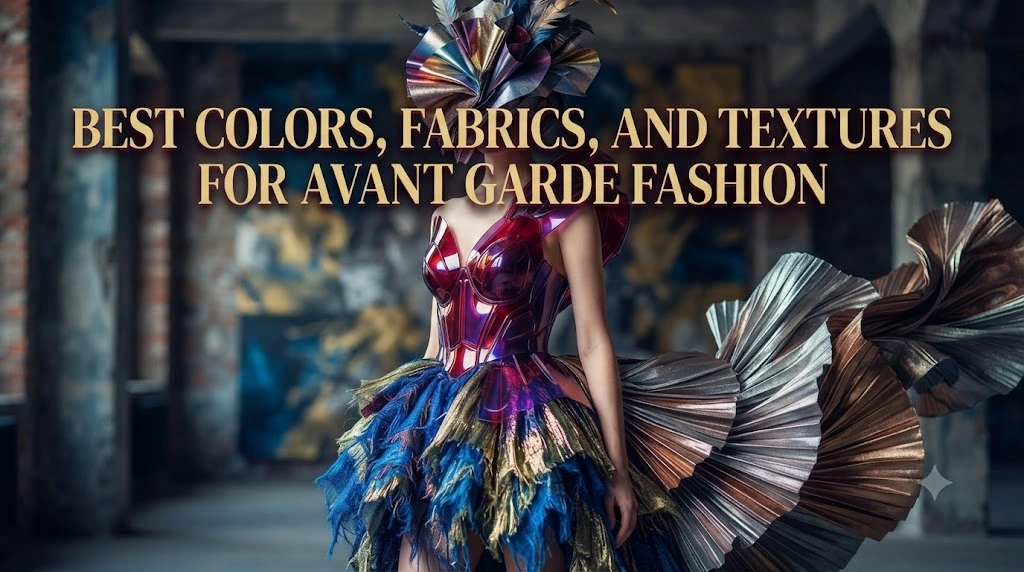
Many people expect avant-garde fashion to feature bright colors and bold prints. Surprisingly, many of the world’s most respected avant-garde designers rely on simple color palettes that emphasize shape and construction.
Popular Colors
The most common shades include:
- Black
- White
- Gray
- Cream
- Beige
- Olive
- Navy
These colors allow unusual silhouettes to become the main focus.
That doesn’t mean bright colors are forbidden. Some designers use vivid reds, metallic finishes, or electric blues as artistic accents rather than the foundation of an outfit.
Fabrics That Create Structure
Fabric selection plays a major role in avant-garde design.
Popular choices include:
- Wool
- Cotton
- Linen
- Leather
- Silk
- Organza
- Mesh
- Neoprene
- Technical textiles
Each material creates a different effect. Stiffer fabrics hold sculptural shapes, while softer fabrics produce flowing movement.
Texture Matters
Mixing textures adds depth to an outfit.
Examples include:
- Leather with wool
- Cotton with mesh
- Matte fabrics with glossy finishes
- Knitwear with structured tailoring
This contrast creates visual interest even when wearing a single color.
Expert Styling Tip
If you’re wearing an all-black outfit, vary the textures instead of adding more colors. Combining wool, leather, and cotton creates a sophisticated look with plenty of dimension.
Common Mistakes to Avoid When Wearing Avant Garde Fashion
Creative fashion offers endless possibilities, but a few common mistakes can make even the best outfit feel confusing.
Mistake 1: Copying the Runway Exactly
Runway shows are designed to present artistic ideas, not everyday wardrobes.
Instead of copying every detail, adapt the concept to suit your lifestyle.
Mistake 2: Ignoring Fit
Oversized clothing doesn’t mean poorly fitted clothing.
A well-designed oversized jacket still fits properly across the shoulders and drapes intentionally.
Mistake 3: Choosing Quantity Over Quality
Buying several inexpensive trend pieces rarely creates a polished wardrobe.
Instead, invest in one well-made statement garment that you’ll enjoy wearing for years.
Mistake 4: Forgetting Balance
Avant-garde style works best when bold pieces have room to shine.
If your coat has dramatic volume, keep the rest of the outfit relatively simple.
Mistake 5: Dressing Without Confidence
Creative clothing naturally attracts attention.
If you constantly adjust your outfit or appear uncomfortable, it affects the overall impression.
Wear pieces that reflect your personality rather than trying to impress others.
Expert Styling Tip
Take photos of your outfits before leaving home. Looking at yourself in a picture often reveals small styling adjustments that are difficult to notice in the mirror.
Avant Garde Fashion for Women Over 40
Avant-garde fashion isn’t limited by age. In fact, many women over 40 appreciate this style because it emphasizes individuality instead of chasing short-lived trends.
The key is choosing pieces that feel sophisticated, comfortable, and authentic.
A well-designed wardrobe might include:
- A structured black blazer
- Wide-leg tailored trousers
- High-quality knitwear
- Sculptural jewelry
- Long flowing coats
- Leather ankle boots
- Architectural handbags
Rather than focusing on dramatic runway looks, many women create elegant outfits using clean lines, luxurious fabrics, and subtle artistic details.
Practical Styling Advice
A monochrome outfit is an excellent starting point.
For example:
- Black wide-leg trousers
- Black turtleneck
- Long charcoal coat
- Leather ankle boots
- Silver geometric earrings
This combination feels modern, refined, and timeless without appearing overly dramatic.
Why Quality Matters More Than Trends
As wardrobes mature, many women prefer investing in fewer but better-made garments.
Natural fabrics, thoughtful tailoring, and timeless design often provide greater long-term value than constantly replacing inexpensive trend pieces.
Common Mistake to Avoid
Avoid assuming avant-garde fashion requires extreme designs. A beautifully tailored coat with unusual proportions or an artistic accessory can express creativity while remaining elegant and practical.
Sustainable Avant Garde Fashion: Creativity Meets Responsibility
As fashion evolves, many avant-garde designers are proving that creativity and sustainability can go hand in hand. Instead of producing large collections every season, they often focus on thoughtful design, ethical production, and long-lasting quality.
Many experimental designers use recycled textiles, deadstock fabrics, plant-based materials, and zero-waste pattern cutting. These methods reduce environmental impact while encouraging innovation.
Quality also plays a major role. Avant-garde garments are often made with exceptional craftsmanship, allowing them to remain in a wardrobe for many years instead of being replaced after a single season.
Sustainable Styling Tips
If you want to build an eco-friendly wardrobe with an avant-garde influence, consider these ideas:
- Buy fewer but better-quality pieces.
- Choose timeless designs over short-lived trends.
- Shop vintage or pre-owned designer clothing.
- Support brands that prioritize ethical manufacturing.
- Repair and alter garments instead of replacing them.
This approach saves money over time while reducing waste.
Common Mistake to Avoid
Don’t assume sustainable fashion has to look plain or minimalist. Many of the most creative collections today combine bold artistic design with environmentally responsible production.
How to Shop for Avant Garde Fashion on Any Budget
One of the biggest myths about avant-garde fashion is that it is only for people with unlimited budgets. While some designer pieces carry luxury price tags, you can build an artistic wardrobe without overspending.
The key is to shop strategically rather than impulsively.
Start with Quality Basics
Build a strong foundation before buying statement pieces.
Essentials include:
- White button-down shirt
- Black trousers
- Wide-leg pants
- Neutral knitwear
- Tailored blazer
- Classic leather boots
These items work with both modern and experimental clothing.
Explore Secondhand Shopping
Vintage stores, consignment boutiques, and online resale platforms often offer unique garments that fit the avant-garde aesthetic.
Shopping secondhand also helps you discover pieces that stand out from mass-produced fashion.
Invest in One Statement Piece
Instead of buying several inexpensive trend items, choose one garment that truly reflects your personality.
Examples include:
- Sculptural coat
- Architectural blazer
- Artistic handbag
- Unique leather boots
- Asymmetrical dress
That single investment can elevate dozens of outfits.
Focus on Tailoring
Even affordable clothing looks more expensive when it fits properly.
Simple alterations can transform an ordinary jacket into something that appears custom-made.
Expert Shopping Advice
Ask yourself one important question before buying:
“Can I style this piece in at least three different ways?”
If the answer is yes, it will likely become a valuable part of your wardrobe rather than sitting unused in your closet.
The Future of Avant Garde Fashion
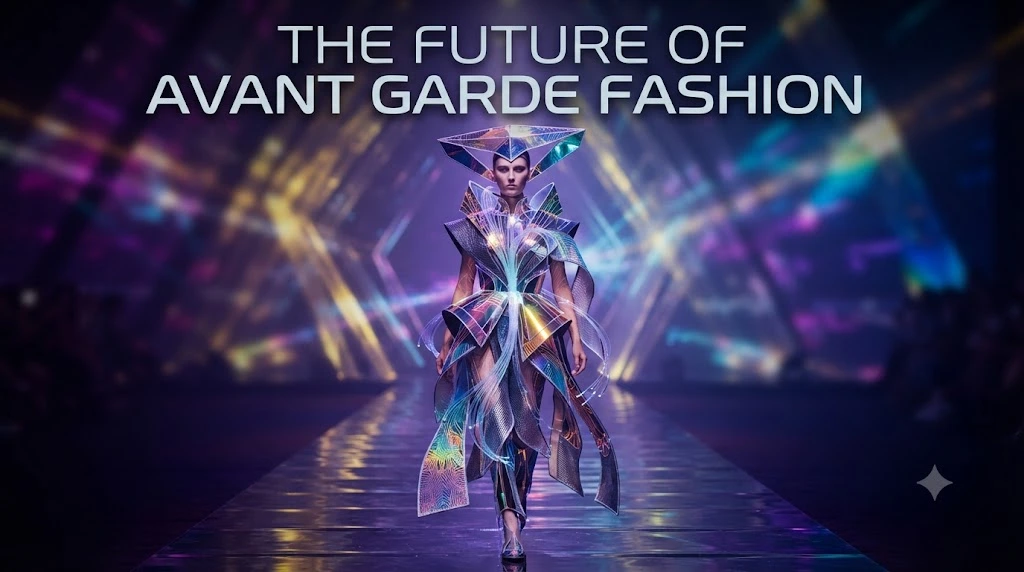
Avant-garde fashion has always challenged convention, and its future looks even more exciting.
Technology is changing the way designers create clothing. Digital design software, 3D printing, artificial intelligence, and advanced textile development are opening new possibilities that were unimaginable just a few decades ago.
Consumers are also changing.
More people now value originality over logos and personal expression over seasonal trends. Instead of copying celebrity outfits, many fashion lovers want clothing that reflects their own identity.
Another major shift is inclusivity.
Modern avant-garde collections increasingly embrace:
- Gender-neutral silhouettes
- Adaptive clothing
- Size-inclusive design
- Sustainable production
- Cultural diversity
These developments make artistic fashion more accessible than ever before.
Social media has also expanded the movement’s reach. Designers can now share experimental collections with global audiences instantly, inspiring independent creators and fashion enthusiasts around the world.
Although trends will continue to change, one thing is unlikely to disappear: the desire to challenge expectations through clothing.
Avant-garde fashion will continue encouraging designers—and everyday people—to ask an important question:
“What if fashion could become something completely new?”
Conclusion
- Avant garde fashion is more than an unusual way of dressing; it is a powerful form of creativity, self-expression, and artistic storytelling. It encourages designers and fashion lovers to move beyond traditional rules and experiment with bold silhouettes, unexpected materials, dramatic details, and imaginative concepts. Throughout its evolution, avant garde fashion has shown that clothing can be both wearable and artistic, allowing people to communicate their personality without relying on ordinary trends. Its beauty lies in originality—the confidence to explore new ideas and create something that feels different. Whether seen on a runway, in editorial photography, or as part of everyday personal style, avant garde fashion continues to challenge expectations and inspire fresh perspectives. Ultimately, it is about embracing individuality, turning imagination into style, and proving that fashion has no fixed boundaries.
Frequently Asked Questions
1. What does avant garde fashion mean?
Avant garde fashion refers to clothing that challenges traditional design rules through creativity, innovation, and artistic expression. It often features unusual silhouettes, experimental fabrics, and conceptual ideas rather than following mainstream trends.
2. Is avant garde fashion wearable in everyday life?
Yes. While runway designs can be dramatic, many people incorporate avant-garde fashion into everyday outfits by wearing one statement piece, such as an oversized blazer, asymmetrical top, or sculptural accessory, with classic wardrobe basics.
3. Who are the most influential avant garde fashion designers?
Some of the most respected designers include Rei Kawakubo, Yohji Yamamoto, Issey Miyake, Alexander McQueen, Iris van Herpen, and Rick Owens. Each has helped redefine modern fashion through innovation and artistic vision.
4. What colors are most common in avant garde fashion?
Black is the signature color of many avant-garde collections because it highlights shape and construction. White, gray, cream, beige, navy, and earthy tones are also widely used, with bold colors appearing as artistic accents.
5. How do I start dressing in an avant garde style?
Begin with timeless basics and add one creative element at a time. Oversized tailoring, wide-leg trousers, unique outerwear, sculptural jewelry, or architectural footwear are excellent starting points that blend easily with everyday clothing.
6. Is avant garde fashion only for luxury brands?
No. Although many famous designers work in the luxury market, you can achieve an avant-garde look through vintage shopping, independent designers, secondhand stores, and thoughtful styling. Creativity matters far more than price.
7. Why is avant garde fashion important?
Avant garde fashion drives innovation within the fashion industry. Many trends that become popular years later begin as experimental runway ideas. It encourages designers and consumers to embrace originality, challenge conventions, and view clothing as a form of artistic expression rather than simply following seasonal trends.