Imagine walking into a boutique where every piece seems to tell its own story. The fabrics feel different, the details catch your eye, and even the smallest handbag looks carefully designed rather than simply made. You may not need anything from the store, yet you suddenly understand why people become fascinated by luxury fashion.
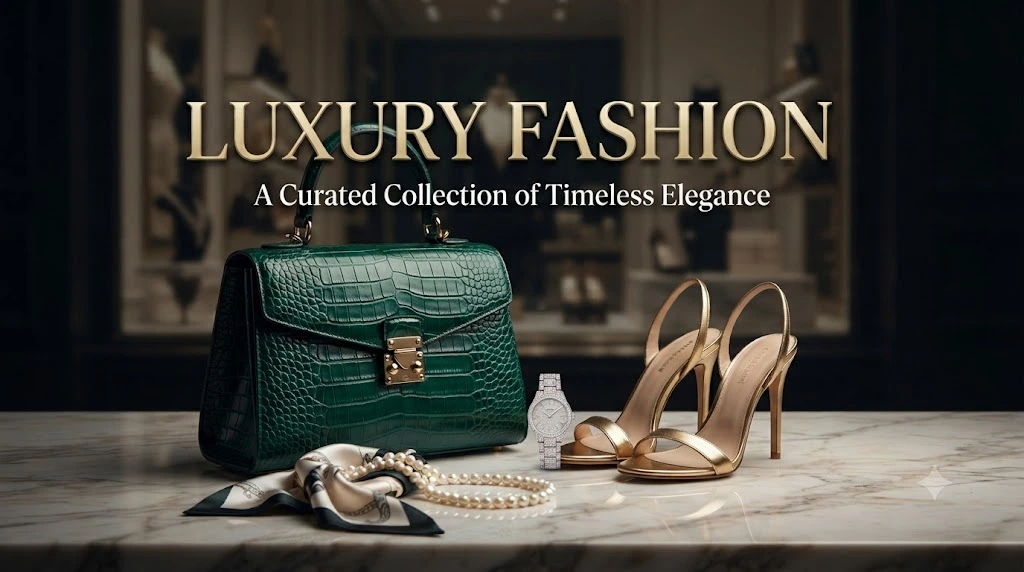
Luxury fashion is not only about wearing an expensive label. It is about craftsmanship, distinctive design, quality materials, heritage, and the feeling a well-made piece can create. From a perfectly tailored jacket to a timeless leather bag, these pieces often become part of someone’s personal style for years.
But there is another side to luxury fashion that shoppers often overlook. How do you know whether a piece is truly worth the price? Which brands offer lasting value? And how can you build a sophisticated wardrobe without buying every trend that appears?
In this guide, we will explore the world of luxury fashion in simple, practical terms. Whether you are new to designer clothing or already love premium style, you will discover what makes luxury pieces special and how to make smarter fashion choices.
- What Is Luxury Fashion?
- What Makes Luxury Fashion So Expensive?
- What Are the Best Luxury Fashion Brands?
- Why Is Luxury Fashion So Popular?
- How to Build a Luxury Fashion Wardrobe?
- What Are the Latest Luxury Fashion Trends?
- How to Style Luxury Fashion Pieces?
- What Are the Most Iconic Luxury Fashion Brands?
- Is Luxury Fashion Worth the Money?
- How to Buy Luxury Fashion Online?
- What Are the Best Luxury Fashion Accessories?
- How to Identify Authentic Luxury Fashion?
- What Is the Difference Between Luxury and Designer Fashion?
- How to Find Affordable Luxury Fashion?
- What Are the Most Timeless Luxury Fashion Pieces?
- How Does Luxury Fashion Influence Style Trends?
- What Are the Best Luxury Fashion Items to Invest In?
- How to Care for Luxury Fashion Clothing?
- Why Do People Invest in Luxury Fashion?
- What Will the Future of Luxury Fashion Look Like?
What Luxury Fashion Really Means
It’s defined less by price alone and more by the intention behind how something is made.
This is why a well-made luxury blazer can outlast a decade of fast-fashion alternatives combined.
Understanding this distinction matters because the word “luxury” gets thrown around loosely in marketing today. Learning to recognize the real thing helps you spend more intentionally, whether your budget is modest or substantial.
The History and Evolution of Luxury Fashion
This laid the foundation for what would eventually become the modern luxury fashion industry.
Today’s luxury landscape blends this heritage with modern business realities, balancing exclusivity with the commercial demands of a global market.
Luxury Versus Designer Versus Premium: Key Differences
typically involve the highest level of craftsmanship, exclusivity, and heritage, often with limited production and higher price points to match.
Knowing where a brand falls helps set realistic expectations for both price and longevity.
Common mistake: assuming a high price tag automatically means luxury-level craftsmanship. Plenty of “designer” brands charge luxury prices while manufacturing at scale, which is worth researching before making a significant purchase.
How to Identify Genuine Quality Construction
Check the stitching first. Even, tight stitches without loose threads indicate careful construction, while uneven or widely spaced stitches suggest rushed manufacturing. Examine seams and linings, since quality garments are fully lined and finished on the inside, not just the outside.
- Look for natural fibers like wool, silk, cashmere, or full-grain leather rather than synthetic blends.
- Check that patterns and stripes align at the seams, which requires more fabric and more care to execute.
- Feel the weight of the fabric, since quality materials typically have more substantial drape and structure.
- Inspect hardware like zippers and buttons, which should feel solid rather than lightweight or plastic-feeling.
Expert tip: turn any garment inside out before buying, whether new or secondhand. The inside construction tells you far more about quality than the outside ever will.
Timeless Investment Pieces Worth Owning
Not every luxury purchase needs to be trend-driven.
Building a Luxury Wardrobe on a Strategic Budget
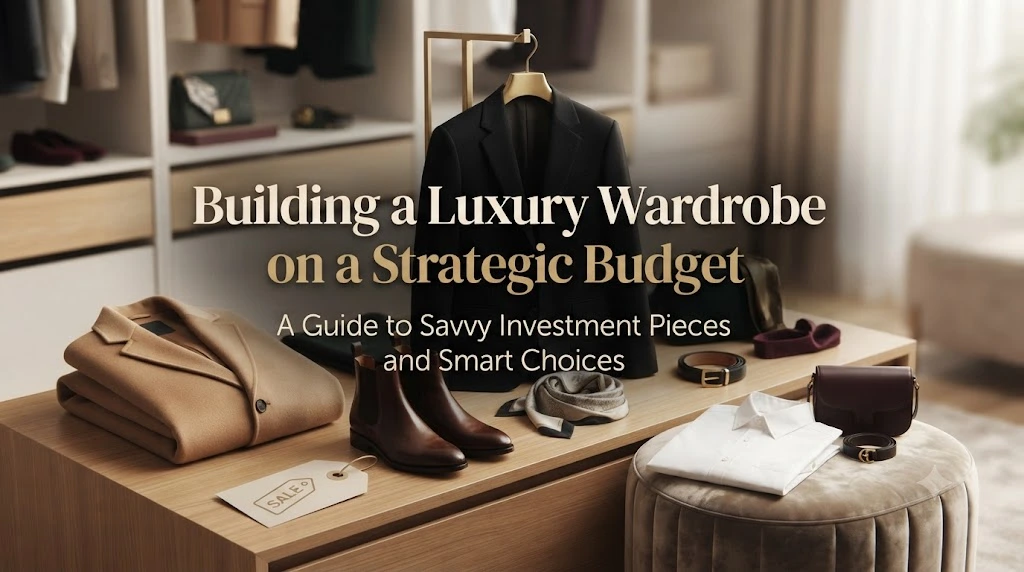
Building toward a luxury wardrobe doesn’t require unlimited funds. It requires patience, research, and a willingness to prioritize quality over quantity, even if that means buying less frequently.
Authenticated resale platforms make this approach far safer today than it was even a decade ago.
Iconic Luxury Fashion Houses and What Sets Them Apart
Chanel built its legacy on tweed tailoring and timeless silhouettes that have remained recognizable for nearly a century. Louis Vuitton is rooted in travel and trunk-making heritage, which still influences its structured leather goods today.
Each house carries its own design language and manufacturing philosophy, which is why two similarly priced luxury bags can feel completely different in hand. Researching a house’s specific heritage, not just its logo, helps you choose pieces that genuinely align with what you value in craftsmanship and design.
Luxury Fashion — Part 2
In Part 1, we covered what luxury fashion actually means, how to spot genuine craftsmanship, and which timeless pieces are worth investing in first. Now it’s time to go deeper into the parts of luxury fashion that don’t get talked about enough: how sustainable it really is, how to buy and sell it safely, how to keep it looking beautiful for decades, and how to actually wear it without feeling like you’re playing dress-up in someone else’s life.
If Part 1 was about understanding luxury fashion, Part 2 is about living with it well.
Sustainability Within the Luxury Fashion Industry
Luxury fashion has a complicated relationship with sustainability, and it’s worth understanding both sides honestly rather than assuming quality automatically means ethical.
On one hand, luxury garments are inherently more sustainable than fast fashion simply because of longevity. A well-made wool coat worn for fifteen years has a dramatically lower environmental footprint per wear than five fast-fashion coats replaced over the same period. Quality construction, natural fibers, and timeless design all work against the throwaway culture driving most textile waste today.
On the other hand, luxury brands aren’t automatically ethical in sourcing or labor practices simply because of their price point. Some houses have made genuine strides in transparency and sustainable sourcing, while others still face valid criticism around supply chain practices.
Recommendation: research a specific brand’s sustainability reporting before assuming quality equals ethics. Many luxury houses now publish detailed sustainability reports, and reading even a summary gives you a far clearer picture than price alone ever could.
Understanding Resale Value in Luxury Fashion
One of luxury fashion’s most practical advantages is resale value, something fast fashion simply doesn’t offer in any meaningful way.
Certain categories hold value exceptionally well, particularly structured leather handbags from houses like Hermès and Chanel, which sometimes appreciate rather than depreciate over time due to limited production and waitlists. Footwear and ready-to-wear clothing generally hold less resale value than accessories, though quality pieces from recognizable houses still outperform fast fashion significantly.
- Handbags typically retain the highest resale percentage of any luxury category.
- Limited edition or discontinued pieces often command a premium over standard retail price.
- Condition matters enormously, with well-cared-for items sometimes reselling for 70 to 90 percent of original retail.
- Original packaging and authentication cards can meaningfully increase resale value when included.
Expert tip: if resale value matters to your purchasing decision, research a specific bag or shoe style’s historical resale performance before buying. Some styles hold value far better than others, even within the same brand.
How to Authenticate Luxury Fashion Purchases
As resale markets have grown, so has the volume of counterfeit goods circulating online, which makes authentication skills genuinely important for anyone buying secondhand luxury.
Start by examining stitching consistency, since counterfeit items often show uneven stitch length or spacing that authentic pieces rarely have. Check hardware weight and engraving, as genuine luxury hardware typically feels substantially heavier and carries crisp, precise engraving rather than shallow or blurry stamps.
Common mistake: relying solely on the presence of a serial number or authenticity card, since both are commonly forged alongside the item itself. These details can support authentication but should never be the only factor you rely on.
For higher-value purchases, using a professional authentication service is genuinely worth the cost. Many resale platforms now offer built-in authentication, and third-party services exist specifically for pieces bought through private sellers or auction sites.
Caring for Luxury Garments and Accessories
Proper care is what actually determines whether a luxury piece lasts five years or fifty, and this is an area where a little knowledge goes a long way.
Leather goods should be conditioned every three to six months, and stored with stuffing to maintain their shape when not in use. Avoid leaving leather in direct sunlight or extreme humidity, both of which cause premature drying, cracking, or mold.
Wool and cashmere garments need proper folding rather than hanging, since hanging causes stretching at the shoulders over time. Cedar blocks or lavender sachets help protect natural fibers from moths without relying on harsh chemical mothballs.
- Store handbags with acid-free tissue paper to maintain shape without yellowing fabric linings.
- Have wool coats professionally cleaned no more than once or twice per season, since over-cleaning breaks down fibers.
- Rotate footwear rather than wearing the same pair daily, allowing leather time to fully dry between wears.
- Use specialized brushes, not household ones, when cleaning suede or delicate textiles.
Recommendation: invest in a proper garment steamer rather than an iron for luxury pieces. Steaming removes wrinkles without the direct heat contact that can damage delicate fabrics or leave shine marks on wool.
Styling Luxury Pieces Into an Everyday Wardrobe
The biggest mistake people make with luxury fashion is treating it as too precious for daily life, which ironically shortens its usefulness rather than protecting it.
A structured leather handbag works just as well with jeans and a simple sweater as it does with a formal outfit, and using it regularly is part of what makes the investment worthwhile. The same logic applies to quality footwear and outerwear, since these pieces are built specifically to withstand real, everyday wear.
Common mistake: saving luxury pieces exclusively for special occasions. This not only limits your enjoyment of the item but can actually shorten its lifespan, since leather and natural fibers benefit from regular, gentle use rather than long periods of storage.
Mixing luxury pieces with affordable basics is also a smart, increasingly common styling approach. A designer blazer paired with well-fitted, budget-friendly jeans often looks more intentional and confident than an entirely luxury outfit, since the contrast highlights the quality piece rather than blending everything together.
Common Luxury Fashion Myths Worth Reconsidering
A few persistent myths shape how people think about luxury fashion, and clearing them up helps you make smarter, more confident decisions.
Myth: luxury always means handmade. In reality, many luxury pieces involve a combination of skilled machine work and hand-finishing, not fully handmade construction from start to finish. Myth: bigger logos mean more luxury. Historically, subtle branding was actually the mark of true luxury, while prominent logos became more common as brands leaned into status signaling during the 1990s and 2000s.
Myth: luxury fashion is only for special occasions. As covered above, quality pieces are genuinely built for regular use, and treating them otherwise undermines their entire value proposition. Recognizing these myths helps shift the focus back toward what actually matters: craftsmanship, longevity, and personal style rather than status alone.
Building Long-Term Confidence With Luxury Fashion
Ultimately, luxury fashion works best when it’s chosen thoughtfully rather than reactively. The goal isn’t accumulating recognizable logos. It’s building a wardrobe of pieces that genuinely serve your life, hold up over time, and feel good to wear again and again.
Take your time with major purchases, research brands and specific styles before committing, and don’t feel pressured into buying something simply because it’s trending. The luxury pieces that bring the most long-term satisfaction are almost always the ones chosen with patience rather than urgency.
Conclusion
Luxury fashion is about far more than a recognizable logo or a high price tag. At its best, it brings together quality craftsmanship, thoughtful design, premium materials, and a strong sense of identity. A well-made luxury piece can add character to a wardrobe and remain stylish long after seasonal trends have passed.
The smartest approach is to buy with purpose rather than simply following what is popular. Before investing in an expensive item, consider its quality, versatility, construction, and how often you are likely to wear it. A timeless coat, beautifully made handbag, or carefully tailored jacket may offer more value than several trend-driven purchases.
It is also important to remember that personal style does not depend on owning a closet full of designer labels. You can create a polished look by combining a few special pieces with simple, well-fitting clothing.
Ultimately, luxury fashion is about appreciating design and craftsmanship while expressing your own style. When you choose pieces thoughtfully and care for them properly, luxury can become a meaningful part of your wardrobe rather than simply an expensive purchase.
Frequently Asked Questions
Is luxury fashion actually worth the price?
For pieces with genuine craftsmanship, quality materials, and timeless design, the cost per wear often ends up lower than repeatedly replacing fast-fashion alternatives. Value depends heavily on choosing well-constructed, versatile pieces rather than trend-driven items.
How can I tell if a luxury handbag is authentic before buying secondhand?
Check stitching consistency, hardware weight, and engraving quality closely, and use a professional authentication service for higher-value purchases. Relying solely on serial numbers or authenticity cards isn’t enough, since these are commonly forged.
Do luxury clothes actually last longer than regular clothes?
Yes, when properly cared for. Quality materials and construction techniques used in luxury garments genuinely hold up to years of regular wear far better than fast-fashion alternatives made from lower-grade fabrics.
What luxury item holds its value best over time?
Structured leather handbags from established houses like Hermès and Chanel typically hold value best, with certain limited or discontinued styles sometimes appreciating above their original retail price.
How often should luxury leather goods be cleaned or conditioned?
Leather goods generally benefit from conditioning every three to six months, along with proper storage away from direct sunlight and humidity to prevent premature drying or cracking.
Is it better to buy luxury fashion new or secondhand?
Both have advantages. New purchases guarantee authenticity and pristine condition, while secondhand purchases offer significant savings and are increasingly safe thanks to authentication services, especially for accessories and outerwear.
Can luxury fashion be styled casually, or is it only for formal occasions?
Luxury fashion can absolutely be styled casually, and doing so regularly is part of what makes the investment worthwhile. Pairing quality pieces with everyday basics often looks more intentional than reserving them exclusively for special occasions.
Discover More Posts
- 25+ old fashioned porcupine meatballs
- 25+ old fashioned hummingbird cake recipe
- 25+ old fashioned ingredients 2 dashes