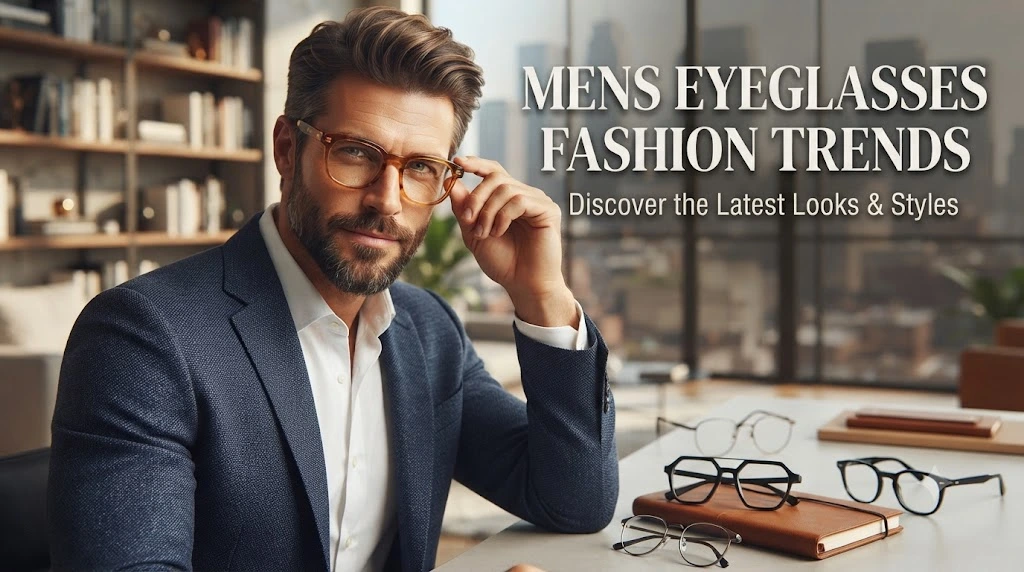
You walk into a room wearing a new pair of glasses, and before anyone notices your shirt or shoes, your frames have already said something about your style. Maybe they are bold and oversized, maybe they are thin and understated, or perhaps they have a classic shape that somehow makes every outfit look sharper. That small change can completely transform your appearance.
This is why mens eyeglasses fashion trends have become about much more than simply seeing clearly. Today, eyewear is an important part of personal style, and the right frames can make a casual outfit look polished or give a professional wardrobe a more confident finish.
But choosing trendy glasses is not always as simple as picking the most popular frame. Your face shape, skin tone, hairstyle, lifestyle, and everyday wardrobe all play a role in finding a pair that actually suits you.
In this guide, we will explore the latest eyewear styles for men, from modern frame shapes and colors to timeless designs that continue to look stylish. Whether you need your first pair or want to refresh your collection, you will find practical ideas to make your next choice with confidence.
- What Are the Latest Mens Eyeglasses Fashion Trends?
- What Eyeglass Frames Are Trending for Men?
- What Are the Most Popular Men’s Glasses Styles?
- Which Eyeglasses Make Men Look More Stylish?
- What Are the Best Eyeglasses for Men in 2026?
- Are Oversized Eyeglasses Trending for Men?
- Are Thin Metal Frames in Style for Men?
- Are Clear Eyeglasses Still Trending for Men?
- What Color Eyeglass Frames Are Popular for Men?
- What Eyeglasses Look Best on Men?
- How to Choose Trendy Eyeglasses for Men?
- What Eyeglass Frames Suit Different Face Shapes?
- Are Round Glasses Still in Style for Men?
- Are Square Frames Popular in Men’s Eyewear?
- What Are the Best Modern Eyeglasses for Men?
- How to Match Eyeglasses With Men’s Fashion?
- What Eyeglasses Give Men a Sophisticated Look?
- What Classic Men’s Eyeglass Styles Never Go Out of Fashion?
- What Are the Best Designer Eyeglass Trends for Men?
- How Will Mens Eyeglasses Fashion Trends Change?
What’s Driving Men’s Eyeglasses Fashion Right Now
Eyewear trends today are shaped by a mix of nostalgia, personalization, and a growing rejection of overly generic frames. Men are increasingly treating glasses as a genuine style statement rather than a purely functional accessory picked in five minutes at the optometrist.
A big driver behind this shift is the rise of smaller, independent eyewear brands offering distinctive shapes and materials that mainstream retailers don’t stock. Social media has also played a role, with more men actively researching frame shapes and face-shape pairings before shopping instead of relying purely on in-store recommendations.
Another major influence is the return of vintage-inspired silhouettes, particularly styles borrowed from the 1960s and 1970s, which feel fresh again after years of oversized, ultra-modern frames dominating the market.
Popular Frame Shapes for Men This Season
Frame shape has the single biggest impact on how a pair of glasses reads on your face, and a few specific shapes are having a clear resurgence right now.
Rounded frames have made a strong comeback, offering a softer, more intellectual look that pairs especially well with angular face shapes. Square and rectangular frames remain a dependable classic, projecting structure and confidence, particularly in professional settings.
- Aviator-inspired optical frames are trending beyond sunglasses into everyday prescription wear.
- Clear or crystal-toned frames offer a lighter, more modern alternative to traditional black.
- Browline frames, with a bolder top edge and thinner bottom rim, bring retro character without feeling costume-like.
- Slightly oversized rectangular frames balance a fashion-forward look with practical everyday wearability.
Expert tip: if you’re only replacing one pair right now, a well-proportioned rectangular or browline frame tends to offer the most versatility across both casual and professional settings.
Matching Glasses to Your Face Shape
Choosing frames based on your actual face shape, rather than simply what looks good on someone else, makes an enormous difference in how flattering and comfortable your glasses ultimately feel.
Round faces generally benefit from angular frames, like square or rectangular shapes, which add definition and contrast. Square faces, on the other hand, often look best in rounder or slightly oval frames, which soften strong jawlines and add balance.
Oval faces are widely considered the most versatile, working well with nearly any frame shape, though slightly wider frames tend to complement this shape especially well. Heart-shaped faces, which are wider at the forehead and narrower at the chin, typically suit frames that are wider at the bottom, like certain aviator or cat-eye-adjacent styles.
Common mistake: choosing frames purely based on current trends without considering your actual face shape. A trending style that doesn’t suit your proportions will never look as good as a slightly less trendy pair that genuinely fits your features.
Frame Materials Trending in Menswear
Material choice affects both the look and the durability of a pair of glasses, and several specific materials are seeing renewed popularity this season.
Acetate, a plant-based plastic known for rich color and pattern options, remains extremely popular for its ability to hold bold tortoiseshell or solid color finishes without feeling cheap. Titanium continues gaining ground for men who prioritize lightweight comfort, offering a nearly weightless feel ideal for all-day wear.
- Combination frames, mixing metal bridges with acetate fronts, offer a distinctive, layered aesthetic.
- Recycled acetate is increasingly available from brands prioritizing sustainability without compromising on style.
- Wood-grain acetate finishes provide a warm, organic alternative to traditional glossy plastic frames.
- Stainless steel remains a durable, budget-friendly option for understated, minimalist frames.
Recommendation: if you wear your glasses daily for long hours, prioritize titanium or a quality combination frame. The weight difference genuinely matters after eight or more hours of continuous wear.
Color Trends in Men’s Eyewear
Color has become a much bigger part of men’s eyewear than it was even five years ago, moving well beyond the traditional black and tortoiseshell options.
Deep, muted tones like olive green, burgundy, and navy are trending strongly, offering a sophisticated alternative to classic black without feeling overly bold. Translucent and crystal finishes, particularly in smoky gray or amber tones, are also gaining popularity for their modern, lightweight aesthetic.
Tortoiseshell remains a dependable classic, but current variations lean toward softer, more muted patterns rather than the high-contrast, glossy finishes popular in previous years. Common mistake: assuming bold colored frames only work for younger or more fashion-forward men. When chosen thoughtfully, a deep olive or burgundy frame can look sophisticated at nearly any age.
Lens Technology and Coatings Worth Knowing About
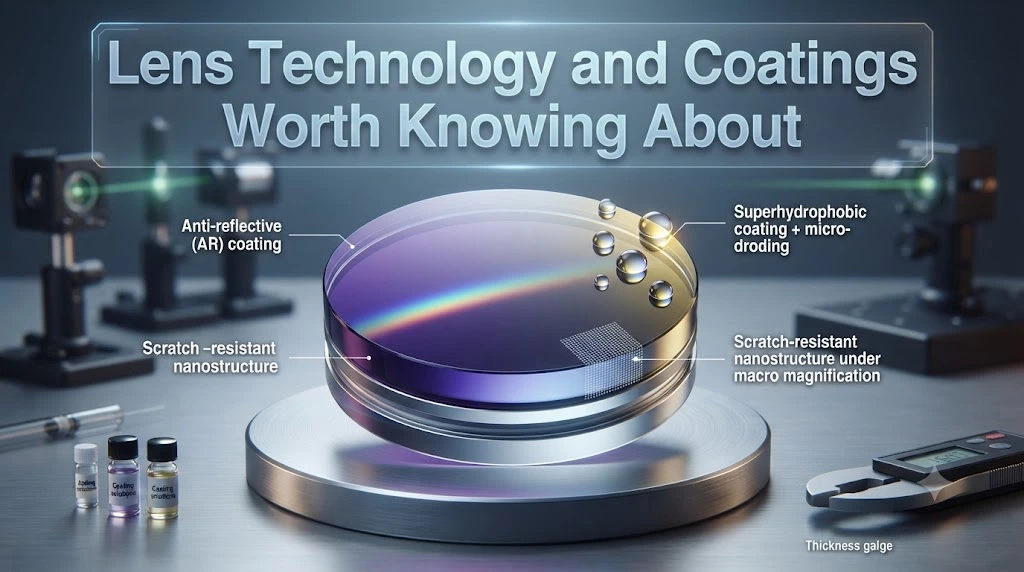
While frame style gets most of the attention, lens technology has also advanced significantly, and understanding current options helps you make a smarter overall purchase.
Blue light filtering coatings remain popular given how much time most people spend on screens daily, reducing eye strain during extended computer or phone use. Anti-reflective coatings have become close to standard, minimizing glare in photos and improving overall lens clarity, particularly for driving at night.
Photochromic lenses, which automatically darken in sunlight and clear indoors, offer genuine convenience for men who move frequently between indoor and outdoor environments throughout the day. Expert tip: if you’re investing in a higher-quality frame, pairing it with anti-reflective and scratch-resistant coatings protects that investment and keeps the lenses looking clear for years longer.
Eyewear Brands Leading Current Trends
A mix of established names and smaller independent labels are currently shaping the direction of men’s eyewear fashion, each bringing a distinct approach to design.
Larger, established brands continue offering dependable quality and warranty support, making them a safe choice for men prioritizing reliability alongside style. Meanwhile, smaller independent eyewear brands have gained significant traction by offering more distinctive shapes, unique color combinations, and materials not typically found in mainstream retail.
Researching a handful of brands within your budget range, rather than defaulting to whichever retailer is most convenient, genuinely pays off in both style and long-term satisfaction with your glasses. Reading reviews specifically about comfort and durability, not just appearance, is particularly useful before committing to a higher-priced frame.
Mens Eyeglasses Fashion Trends — Part 2
In Part 1, we covered what’s shaping current eyewear trends, which frame shapes are having a moment, and how to match glasses to your actual face shape. Now it’s time to get practical: how to style your glasses with different outfits, how to budget smartly without overspending, how trends shift seasonally, and the common mistakes that quietly undermine an otherwise great pair of frames.
If Part 1 was about choosing the right glasses, Part 2 is about actually living with them well.
Styling Glasses With Casual Outfits
Glasses should feel like a natural extension of your everyday style, not an accessory that fights against what you’re already wearing. Casual outfits generally give you the most freedom to experiment with bolder frame choices.
A relaxed outfit like a crewneck sweater and jeans pairs especially well with acetate frames in warm tones, like tortoiseshell or olive green, since these colors complement casual fabrics without feeling overly formal. Lighter, more textured clothing also tends to balance nicely against slightly bolder or oversized frame shapes.
Recommendation: if your casual wardrobe leans toward muted, neutral colors, use your glasses as the subtle pop of personality in an outfit. A distinctive frame shape or warm color can elevate an otherwise simple outfit without requiring any additional effort.
Styling Glasses With Professional and Business Attire
Professional settings generally call for slightly more restrained frame choices, though restrained doesn’t have to mean boring or forgettable.
Rectangular and browline frames remain the most dependable choices for business settings, projecting confidence and competence without drawing excessive attention. Darker frame colors, like black, navy, or deep tortoiseshell, tend to photograph and read more professionally in meetings or presentations than brighter, more casual colors.
- Choose thinner metal or combination frames for a more polished, understated look.
- Avoid overly oversized frames in formal settings, since they can read as more casual than intended.
- Stick to matte or subtle finishes rather than glossy plastic, which can look less refined under office lighting.
- Consider titanium frames for their lightweight comfort during long workdays filled with meetings.
Common mistake: wearing the exact same bold, casual frames to both weekend outings and important business meetings. Having at least one more understated pair specifically for professional settings genuinely elevates how put-together you appear.
Seasonal Trends in Men’s Eyewear
Eyewear trends shift subtly with the seasons, much like clothing does, and staying aware of these shifts helps keep your look feeling current without requiring constant frame changes.
Fall and winter tend to favor warmer frame tones, like deep amber, burgundy, and rich tortoiseshell, which complement the season’s heavier fabrics and warmer color palettes. Spring and summer, by contrast, often lean toward lighter, more translucent frame finishes and cooler tones like smoky gray or soft blue.
This doesn’t mean you need multiple pairs of glasses to stay seasonally appropriate. Simply being aware of these shifts can inform your next purchase, ensuring whatever frame you choose feels relevant across a longer stretch of time rather than tied too tightly to one specific season.
Smart Budgeting for Quality Eyewear
Eyewear pricing varies dramatically, and understanding where your money actually goes helps you make smarter decisions regardless of your specific budget.
Frame material and lens technology typically account for the largest portion of cost, with titanium frames and advanced lens coatings sitting at the higher end of the price spectrum. Brand name recognition also plays a role, though it doesn’t always correlate directly with construction quality or comfort.
Expert tip: prioritize lens quality over frame brand name if you’re working with a limited budget. A well-made lens with proper coatings genuinely affects your daily comfort and eye health far more than whether the frame carries a recognizable logo.
- Set a realistic budget range before shopping to avoid impulse upgrades at checkout.
- Ask about warranty and adjustment policies, since quality retailers typically offer free adjustments for the life of the frame.
- Consider buying frames and lenses separately through reputable online retailers, which can significantly reduce overall cost.
- Save receipts and warranty information, since frame repairs are often more affordable than full replacements.
Common Mistakes Men Make When Buying Glasses
A handful of predictable mistakes show up again and again when men shop for new frames, and avoiding them saves both money and long-term frustration.
- Choosing frames based on trends alone, without considering face shape or personal style.
- Skipping proper fitting adjustments, which leads to glasses that slide down or pinch uncomfortably.
- Buying only one pair for every occasion, rather than having at least one casual and one professional option.
- Ignoring lens coatings, which noticeably affects comfort, especially for men who work on screens for long hours.
- Underestimating frame weight, particularly for daily all-day wear, which can cause discomfort by the end of a long day.
Avoiding these mistakes alone puts you well ahead of the average buyer in terms of both comfort and long-term satisfaction with your glasses.
How Often You Should Actually Update Your Frames
There’s no strict rule here, but a few practical signs indicate it’s genuinely time for a new pair rather than simply following trend cycles unnecessarily.
If your current frames show visible wear, like loose hinges, scratched lenses, or a stretched-out fit, it’s worth replacing them regardless of how recently you bought them. Beyond that, most men find that refreshing their primary pair every two to three years keeps their look feeling current without being wasteful.
Recommendation: rather than replacing frames purely based on trend cycles, focus on whether your current pair still fits well, functions properly, and genuinely reflects your current style. A well-chosen frame from several years ago often still looks great today, especially if it was selected based on face shape rather than passing trends.
Bringing It All Together

Across both parts of this guide, the same theme keeps showing up: the best pair of glasses is the one chosen with genuine thought, not the one that simply follows whatever’s trending this month. Face shape, lifestyle, and how you actually plan to wear them matter far more than chasing every new frame style that appears online.
Whether you’re buying your very first proper pair or finally upgrading from frames you’ve worn for a decade, taking the time to understand these fundamentals means you’ll end up with glasses that genuinely feel like you, not just something that happened to be in stock.
Frequently Asked Questions
What frame shape is most flattering for men with round faces?
Angular frames, like square or rectangular shapes, generally work best for round faces since they add definition and contrast that softer, rounder frames don’t provide.
Are titanium frames worth the extra cost compared to acetate?
For men who wear glasses daily for long hours, titanium’s lightweight comfort often justifies the added cost, though acetate remains an excellent, more affordable choice for color and pattern variety.
How many pairs of glasses should a man realistically own?
At minimum, having one casual pair and one more understated pair for professional settings covers most everyday needs without requiring an extensive collection.
Do blue light glasses actually make a difference?
Many users report reduced eye strain during extended screen time, and while research is still evolving, blue light coatings are a low-cost addition worth considering for anyone working on screens most of the day.
How can I tell if my glasses fit properly?
Properly fitted glasses shouldn’t slide down your nose, pinch at the temples, or leave marks after extended wear. If any of these issues occur, a professional adjustment, often free at most retailers, can typically resolve it.
Is it better to buy glasses online or in person?
In-person shopping allows for proper fitting and adjustments, while online shopping often offers lower prices and wider selection. Many men find success trying frames in person first, then purchasing through whichever channel offers the best value.
How often should I replace my eyeglass frames?
Most men find replacing frames every two to three years keeps their look current, though visible wear, damage, or a stretched-out fit are more reliable signs it’s time for a new pair than any fixed timeline.