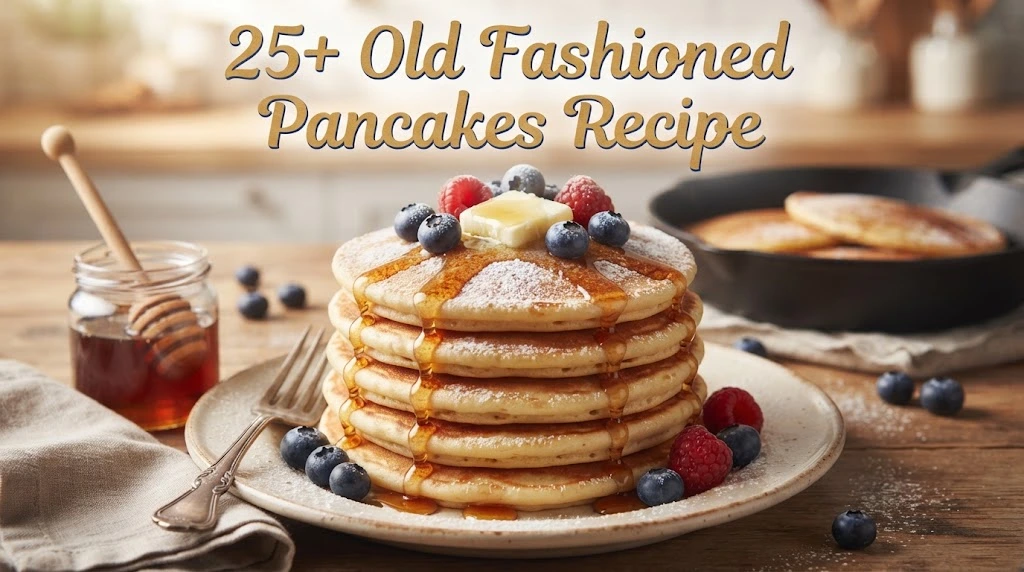
There is something deeply comforting about a stack of homemade pancakes. The smell of butter warming in the pan, the first golden pancake landing on a plate, and that little drizzle of maple syrup running down the sides can make an ordinary morning feel special.
An old fashioned pancakes recipe does not need fancy ingredients or complicated techniques. In fact, the charm comes from keeping things simple. Flour, milk, eggs, butter, sugar, and a little baking powder can create soft, fluffy pancakes with lightly crisp edges and a tender center.
These are the pancakes many of us remember from family breakfasts. They are the kind you can make on a lazy Sunday, serve to hungry kids before school, or prepare when you want something warm and homemade without spending half the morning in the kitchen.
The key is not simply following a list of ingredients. Small details matter. The way you mix the batter, how hot you make the skillet, when you flip the pancakes, and even how long you let the batter rest can change the final texture.
This guide walks you through everything you need to know for classic homemade pancakes, including ingredient choices, cooking tips, common mistakes, variations, storage advice, and easy ways to make your pancakes taste like they came straight from an old-fashioned family kitchen.
What Makes an Old Fashioned Pancakes Recipe So Good?
Classic pancakes are appealing because they balance a few simple qualities: fluffy centers, lightly crisp edges, a buttery flavor, and just enough sweetness.
Traditional pancake batter usually relies on basic pantry ingredients rather than specialty products. Baking powder provides most of the lift, while eggs add structure and richness. Milk gives the batter enough moisture to spread across the skillet without becoming too thin.
Another important feature is the texture. Good pancakes should feel soft when you cut into them, but they should not collapse into a wet or gummy layer. The outside should develop a gentle golden color while the inside stays tender.
I also recommend keeping the sweetness moderate. Pancakes are usually served with maple syrup, fruit, whipped cream, powdered sugar, or other toppings, so an overly sweet batter can quickly become too much.
For a more traditional breakfast, serve a short stack with butter and warm maple syrup. If you want something lighter, add fresh berries and sliced banana instead.
The beauty of a classic recipe is that it gives you a dependable base. Once you understand how that base works, you can easily adjust it to suit your family.
Classic Homemade Pancake Ingredients
You do not need a long shopping list for this recipe. Most of the ingredients are probably already sitting in your kitchen.
Ingredients
- 2 cups all-purpose flour
- 2 tablespoons granulated sugar
- 1 tablespoon baking powder
- ½ teaspoon salt
- 1¾ cups milk
- 2 large eggs
- 4 tablespoons melted butter, plus more for the pan
- 1 teaspoon vanilla extract
These measurements make approximately 10 to 12 medium pancakes, depending on how much batter you use for each one.
All-purpose flour works particularly well because it gives the pancakes enough structure without making them heavy. You can use whole wheat flour, but the pancakes will be denser and slightly more earthy in flavor.
Fresh baking powder matters more than many people realize. If yours has been sitting in the cupboard for years, it may not provide enough lift. A simple freshness check is to stir a small amount into hot water. It should fizz actively.
Milk gives you a reliable, classic batter. Whole milk produces a richer result, while 2% milk works perfectly well for everyday pancakes.
Melted butter adds flavor and tenderness. Let it cool for a few minutes before mixing it with the eggs and milk. Very hot butter can partially cook the eggs, which is something you want to avoid.
Vanilla is optional, but I like using a small amount. It gives the pancakes a warm bakery-style aroma without overpowering the buttery flavor.
How to Make Old Fashioned Pancakes From Scratch
Making pancakes from scratch is much easier than many beginners expect. The process takes only a few basic steps.
Start by whisking the flour, sugar, baking powder, and salt together in a large bowl. Mixing the dry ingredients first helps distribute the baking powder and salt evenly.
In a separate bowl, whisk the milk, eggs, melted butter, and vanilla. Make sure the melted butter has cooled slightly before adding it.
Pour the wet mixture into the dry ingredients. Stir gently with a whisk or spatula until the ingredients are just combined.
Do not try to make the batter perfectly smooth. A few small lumps are completely fine. Overmixing activates the gluten in the flour and can turn your pancakes chewy instead of tender.
Let the batter rest for about 5 minutes while you heat the skillet. This short pause gives the flour time to absorb some of the liquid and helps the batter become more cohesive.
Heat a lightly buttered skillet or griddle over medium heat. Once hot, spoon or pour roughly ¼ cup of batter onto the cooking surface for each pancake.
Cook until bubbles begin forming across the surface and the edges look slightly set. This usually takes about 2 to 3 minutes.
Flip the pancake once. Cook the second side for another 1 to 2 minutes, or until golden brown and cooked through.
Transfer the pancake to a plate and continue with the remaining batter.
If you are feeding several people, keep finished pancakes warm in a low oven rather than stacking them immediately in a covered container. Excess steam can soften the beautifully browned edges.
How to Get Fluffy Old Fashioned Pancakes
Fluffy pancakes are mostly about batter consistency, leavening, and gentle handling.
The batter should be thick enough to slowly spread when it hits the skillet. If it runs across the pan like milk, it is probably too thin. If it barely moves when you spoon it into the skillet, it may be too thick.
Use fresh baking powder and measure your flour carefully. Scooping flour directly from a tightly packed container can add more flour than the recipe needs. For the most consistent results, lightly spoon flour into a measuring cup and level the top.
Another important trick is to avoid aggressive mixing. Once the wet and dry ingredients meet, stir only until you no longer see large streaks of dry flour.
Small lumps are not a problem. In fact, chasing every lump is one of the easiest ways to overmix pancake batter.
Your skillet temperature matters too. A cold pan produces pale, flat pancakes that absorb more butter. An excessively hot pan can burn the outside before the middle cooks.
Medium heat is a reliable starting point. You can adjust it slightly depending on your stove and the type of pan you use.
Finally, resist the urge to press down on the pancakes after flipping them. Pressing forces out the air you worked to create.
Best Pan and Heat for Classic Pancakes
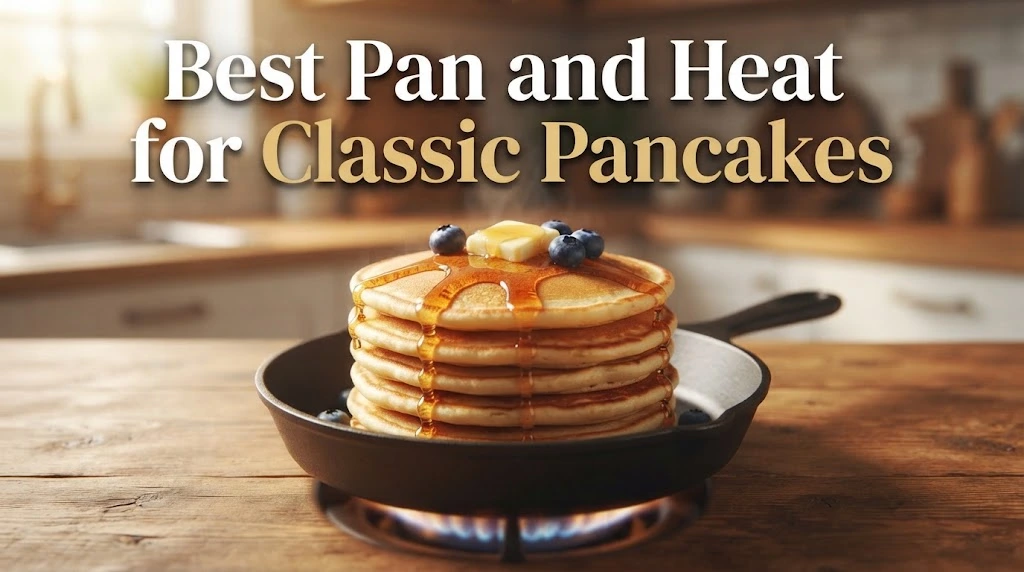
A heavy-bottomed skillet, cast-iron pan, or quality nonstick griddle can all produce excellent pancakes.
A cast-iron skillet holds heat very well, which can create beautifully browned edges. However, it can also become too hot if you leave it over the burner for too long.
A nonstick skillet makes flipping especially easy and is a good choice for beginners. You can use less butter while still getting even browning.
Before cooking the first pancake, preheat the pan for a few minutes over medium heat. Add a small amount of butter and allow it to melt without letting it turn dark brown.
One of my favorite old-fashioned breakfast tricks is to make a test pancake first. It tells you almost everything you need to know.
If the first pancake turns dark before bubbles appear, lower the heat. If it takes forever to brown and looks pale, increase the heat slightly.
The first pancake is often the least attractive one. That is normal. Think of it as your temperature test rather than a failure.
After several pancakes, the pan may become hotter. Adjust the burner as needed instead of leaving the heat at one setting throughout the entire cooking process.
When to Flip Pancakes Without Guessing
Knowing when to flip is one of the most useful pancake skills you can learn.
Look at the surface rather than relying only on the clock. After a couple of minutes, bubbles should begin appearing around the center and edges.
The edges should also look slightly dry and set. The underside should be golden brown when you lift the edge gently with a spatula.
That combination tells you the pancake is ready.
Flip only once whenever possible. Sliding the spatula underneath the pancake and turning it confidently helps maintain its shape.
If the pancake tears when you try to flip it, it probably needs another few seconds. If the top is still very wet and the edges have not set, flipping early can leave you with an uneven or undercooked center.
You also do not need to make enormous pancakes. Medium-sized pancakes are easier to flip and cook more evenly.
For consistent results, use approximately ¼ cup of batter per pancake. A cookie scoop or measuring cup can make this especially easy when cooking for a group.
Common Pancake Mistakes and How to Fix Them
Even a simple pancake recipe can go wrong. Fortunately, most problems have straightforward solutions.
Flat pancakes: The most common causes are old baking powder, overmixed batter, or a batter that is too thin. Check your baking powder and stir the batter gently.
Dense pancakes: Dense pancakes often come from too much flour or too much mixing. Measure flour carefully and stop stirring as soon as the batter comes together.
Burnt outside and raw center: The skillet is probably too hot. Lower the heat and give the pancake enough time to cook through before flipping.
Pancakes sticking to the pan: Your skillet may not be properly preheated, or it may need a small amount of butter. Avoid flooding the pan with fat because excess butter can also cause uneven browning.
Pancakes spreading too much: The batter may contain too much liquid. Add a little flour, one tablespoon at a time, until it becomes thicker.
Pancakes are dry: Too much flour, overcooking, or too little fat can cause dryness. Cook just until the pancakes are done and remove them from the pan promptly.
Unevenly browned pancakes: This often happens when the skillet has hot spots. Rotate the pan or adjust its position on the burner if necessary.
Remember that pancake batter does not need perfection. Small differences in flour, milk, pan temperature, and measuring methods can change the texture slightly. Learn to judge the batter rather than depending entirely on the clock.
Easy Old Fashioned Pancake Variations
Once you have a reliable basic batter, you can change it without losing the classic character of the recipe.
For blueberry pancakes, scatter fresh or frozen blueberries over the batter after pouring it onto the skillet. This keeps the berries from sinking heavily into the bowl and gives you better distribution.
For banana pancakes, mash one very ripe banana and stir it into the wet ingredients. Because bananas add moisture and sweetness, you may need a small amount of additional flour.
For cinnamon pancakes, add ½ teaspoon of ground cinnamon to the dry ingredients. A little nutmeg can also add warmth.
For chocolate chip pancakes, sprinkle a few semisweet chocolate chips onto each pancake immediately after adding the batter to the pan.
For buttermilk-style pancakes, replace regular milk with buttermilk. The flavor becomes tangier and the texture can be especially tender.
For whole wheat pancakes, replace part of the all-purpose flour with whole wheat flour. I recommend starting with half whole wheat and half all-purpose flour rather than switching the entire amount at once.
You can also add chopped pecans or walnuts, but keep additions moderate. Too many heavy ingredients can make pancakes difficult to flip and may interfere with even cooking.
Old Fashioned Pancakes Without Buttermilk
You absolutely do not need buttermilk to make delicious traditional pancakes.
Regular milk works beautifully in this recipe. The result is mild, buttery, and familiar, which is exactly what many people want from a classic breakfast pancake.
If you like the slight tang associated with buttermilk pancakes but do not have any in the refrigerator, you can make a simple substitute.
Add 1 tablespoon of lemon juice or white vinegar to a measuring cup, then add enough milk to reach 1¾ cups. Let it stand for about 5 minutes before using.
The milk may look slightly curdled. That is expected.
This homemade substitute is useful when you are halfway through breakfast preparation and discover that the buttermilk bottle is empty.
However, do not feel that you need to make a substitute every time. Standard milk produces excellent old-fashioned pancakes on its own.
How to Make Pancake Batter Ahead of Time
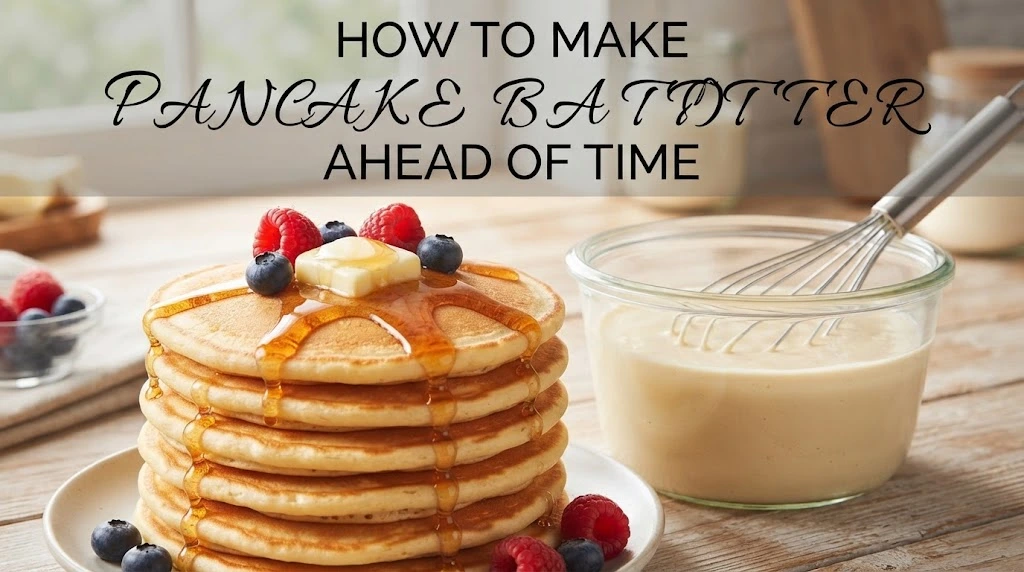
For the best texture, I prefer cooking pancake batter soon after mixing it.
If you prepare it too far ahead, the leavening power can change and the pancakes may not rise as well. The batter can also thicken as the flour absorbs more liquid.
If you need to save time, prepare the dry ingredients in advance instead. Combine the flour, sugar, baking powder, and salt in an airtight container.
When breakfast arrives, simply whisk together the wet ingredients and combine them with the prepared dry mixture.
This method works particularly well for busy mornings, weekend guests, and family breakfasts.
You can also measure the ingredients the night before. Place the dry mixture in one container and refrigerate the milk and eggs separately.
In the morning, your pancake preparation becomes almost effortless.
If you do refrigerate mixed batter, keep it covered and use it promptly. Stir it gently before cooking, but do not aggressively beat it to make it smooth again.
The Best Toppings for Homemade Pancakes
Toppings can turn the same basic pancake recipe into several completely different breakfasts.
The classic combination is butter and maple syrup. Put a small piece of butter on a hot stack so it melts into the surface before adding syrup.
Fresh fruit is another excellent option. Blueberries, strawberries, raspberries, bananas, and peaches all work well.
For extra texture, add toasted pecans or walnuts. Toasting brings out their flavor and makes a noticeable difference compared with using them straight from the package.
Powdered sugar creates a simple bakery-style finish. A spoonful of whipped cream can make the breakfast feel more indulgent.
For children, sliced bananas and a few chocolate chips can be a fun combination. For adults, try berries with plain Greek yogurt and a small drizzle of maple syrup.
You can also make a warm fruit topping by gently cooking sliced apples with butter, cinnamon, and a little brown sugar.
The important thing is balance. If your pancakes are already sweet, choose toppings with fresh or slightly tart flavors instead of piling on several sugary ingredients.
How to Serve Pancakes for a Family Breakfast
Timing can make a big difference when serving pancakes to several people.
Start heating your serving plates or keep finished pancakes warm in a low oven. A temperature around 200°F can help keep them warm without continuing to cook them aggressively.
Avoid covering the pancakes tightly because trapped steam can make the edges soft.
Serve pancakes in short stacks rather than one enormous tower. Three or four medium pancakes per person is usually a satisfying starting point, especially when you are serving fruit, eggs, bacon, or another side dish.
Put syrup and butter on the table so everyone can choose how much they want.
If you are serving a large group, consider making pancakes slightly smaller. They cook faster, are easier to handle, and allow guests to take more than one flavor if you are making variations.
For a relaxed weekend breakfast, I like setting out bowls of berries, sliced bananas, chopped nuts, and syrup. Everyone can build their own stack without turning the kitchen into a made-to-order restaurant.
How to Store and Reheat Leftover Pancakes
Homemade pancakes are best when freshly cooked, but leftovers can still taste surprisingly good.
Let the pancakes cool completely before storing them. Place parchment or wax paper between individual pancakes so they do not stick together.
Store them in an airtight container in the refrigerator for up to a few days.
For longer storage, freeze the pancakes in a single layer first. Once they are firm, transfer them to a freezer-safe bag or container. This prevents the pancakes from freezing into one solid block.
When you want breakfast, reheat them in a toaster, toaster oven, microwave, or skillet.
A toaster gives the edges a slightly crisp texture, which I personally prefer. The microwave is faster and keeps the center soft, making it useful on busy mornings.
If reheating from frozen, use short intervals in the microwave and check the center before serving. Pancakes can become rubbery if they are overheated.
Do not leave cooked pancakes sitting at room temperature for an extended period. Refrigerate or freeze leftovers promptly.
Can You Make Old Fashioned Pancakes Without Eggs?
Yes, although the texture will change slightly.
Eggs help provide structure, richness, and tenderness, so egg-free pancakes may be somewhat softer and less rich than the traditional version.
If you need an egg-free option, you can experiment with ingredients such as mashed banana, applesauce, or a commercial egg replacer.
Mashed banana adds sweetness and a noticeable banana flavor, so it works best when you want that flavor anyway. Applesauce gives moisture but can make the pancakes more delicate.
An egg replacer is generally the most neutral option if you want the pancakes to remain close to the original flavor.
Whatever substitute you use, avoid adding too much extra liquid. Pancake batter should remain thick enough to hold its shape when poured onto the skillet.
For a first attempt, make a small batch rather than changing the entire recipe. That lets you adjust the consistency before committing to a large breakfast.
Nutrition, Portion Size, and Ingredient Swaps
Traditional pancakes are an enjoyable breakfast, and you can easily adjust the recipe to match your preferences.
If you want more fiber, replace part of the all-purpose flour with whole wheat flour. Start with about 25 to 50 percent whole wheat flour so the pancakes remain tender.
For additional protein, serve pancakes with eggs, Greek yogurt, cottage cheese, or nut butter rather than simply adding more ingredients to the batter.
You can also reduce the added sugar slightly because maple syrup, fruit, and other toppings contribute sweetness.
For dairy-free pancakes, use an unsweetened plant-based milk and a suitable dairy-free butter or neutral cooking oil.
For a lighter serving, use a moderate stack and top it with fresh fruit instead of a large amount of syrup and whipped cream.
Keep in mind that the nutritional value depends heavily on portion size and toppings. A pancake topped with fruit and yogurt is a very different meal from a large stack covered in butter, syrup, whipped cream, and chocolate.
There is no need to make pancakes complicated. A balanced breakfast can still include the foods you genuinely enjoy.
Expert Tips for Better Pancakes Every Time
After making pancakes many times, you start to notice that consistency comes from small habits rather than secret ingredients.
First, measure flour carefully. Too much flour is one of the easiest ways to produce dry, heavy pancakes.
Second, use a properly heated pan. Give it enough time to warm before cooking the first pancake.
Third, avoid overmixing. Think of pancake batter as something you bring together, not something you whip.
Fourth, keep the pancakes a consistent size. Similar-sized pancakes finish cooking at roughly the same time, which makes breakfast much easier to manage.
Fifth, do not flatten pancakes with your spatula. Let the heat do the cooking.
Sixth, adjust the heat as you go. A pan that is perfect for the first pancake may become too hot by the fifth or sixth.
Finally, taste your first pancake. It is not just breakfast; it is feedback. If the pancake needs more browning, adjust the heat. If the texture feels heavy, check your mixing technique and flour measurement next time.
The best cooks do not expect every batch to be identical. They notice what the food is telling them and make small adjustments.
Frequently Asked Questions About Old Fashioned Pancakes
1. What is the secret to making old-fashioned pancakes fluffy?
Fresh baking powder, correct flour measurements, a thick but pourable batter, and gentle mixing are the biggest factors. Avoid overmixing because it develops too much gluten and can make pancakes chewy.
2. Why are my homemade pancakes flat?
Flat pancakes may result from old baking powder, overly thin batter, overmixing, or a skillet that is not hot enough. Check your leavening first, then look at your batter consistency and cooking temperature.
3. Should pancake batter be lumpy or smooth?
A few small lumps are completely normal. Pancake batter should not be perfectly smooth because excessive mixing can create dense, chewy pancakes.
4. Can I use regular milk instead of buttermilk for pancakes?
Yes. Regular milk makes delicious classic pancakes with a mild, buttery flavor. If you prefer a tangier taste, you can use buttermilk or make a quick milk-and-acid substitute.
5. How do I know when pancakes are ready to flip?
Watch for bubbles appearing across the surface, slightly set edges, and a golden-brown underside. Once those signs appear, flip the pancake confidently and cook the other side.
6. Can I freeze homemade pancakes?
Yes. Cool them completely, separate them with parchment paper, and store them in a freezer-safe container or bag. Reheat individual pancakes in a toaster, microwave, skillet, or toaster oven.
7. What can I add to old-fashioned pancakes for more flavor?
Fresh blueberries, sliced bananas, cinnamon, chopped pecans, walnuts, chocolate chips, or vanilla are all easy additions. Add heavier ingredients carefully so they do not make the pancakes difficult to flip.
Conclusion
A good stack of pancakes does not need complicated ingredients or fancy techniques. With simple pantry staples, a properly heated pan, and a little care while mixing and flipping, you can make old-fashioned pancakes that are soft, fluffy, golden, and full of homemade flavor.
The biggest secret is to keep the batter slightly lumpy, avoid overmixing, and watch the pancakes as they cook instead of relying only on a timer. Once you get those basics right, you can easily make the recipe your own with blueberries, bananas, cinnamon, nuts, or your favorite toppings.
Whether you are making breakfast for your family, enjoying a slow weekend morning, or simply craving something comforting, this classic pancake recipe is one worth keeping. Serve the pancakes warm with butter and maple syrup, and enjoy the simple taste of a homemade breakfast.