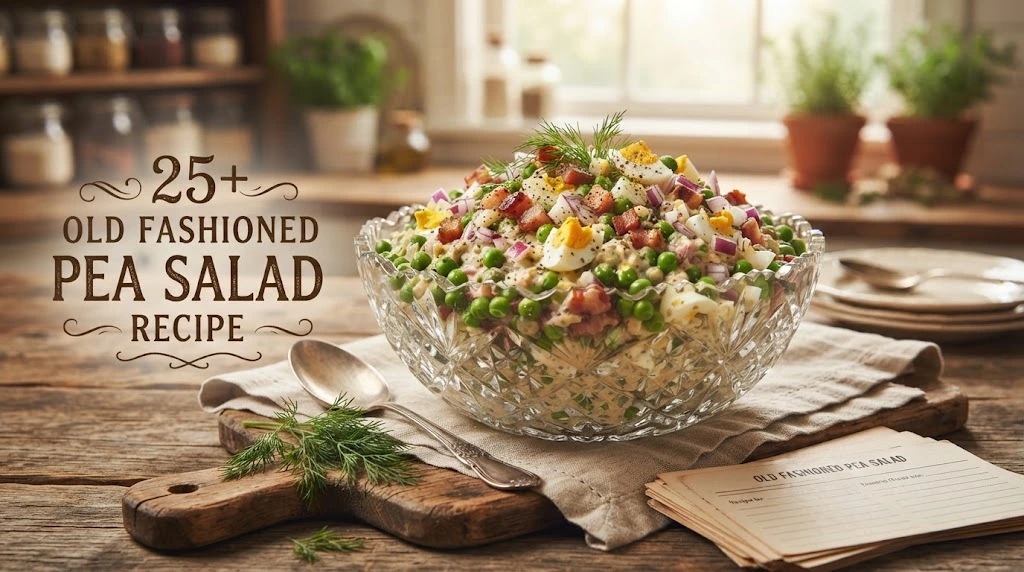
There are some recipes that simply taste like home, and an old-fashioned pea salad is one of them. It is creamy, crunchy, slightly sweet, and wonderfully cold, making it the kind of side dish people look forward to at family dinners, summer gatherings, and holiday tables.
If you grew up seeing a big bowl of pea salad beside the potato salad and deviled eggs, you probably remember that first bite: sweet green peas, crisp vegetables, creamy dressing, and a little cheese or bacon adding extra flavor. It is simple food, but simple does not mean boring.
The beauty of this salad is that you can prepare it without complicated cooking. The peas do most of the work, while a few fresh vegetables and a creamy dressing turn them into something special.
This old fashioned pea salad recipe keeps the traditional flavors while giving you practical tips for getting the texture right. You will learn which peas to use, how to keep the salad from becoming watery, what ingredients work best, how far ahead you can make it, and how to customize it without losing its classic character.
Whether you are preparing a potluck dish, a holiday side, or an easy weeknight salad, this recipe is dependable, affordable, and easy to make.
What Is an Old Fashioned Pea Salad?
Old-fashioned pea salad is a chilled side dish made primarily with green peas and a creamy dressing. Traditional versions often include cheese, hard-boiled eggs, onion, and sometimes bacon.
The flavor is usually creamy with a balance of sweetness, tang, and saltiness. The peas stay tender while ingredients such as red onion and celery provide a pleasant crunch.
Unlike a leafy green salad, pea salad holds up well in the refrigerator. That makes it especially useful when you need a dish that can be prepared before guests arrive.
Different families have their own versions. Some use mayonnaise and sour cream, while others prefer mayonnaise alone. Some add cheddar cheese, and others include chopped eggs or crispy bacon.
There is no single rule that every old-fashioned pea salad must follow. What matters most is the contrast between the sweet peas, creamy dressing, and crunchy additions.
For the best result, keep the ingredients balanced. You want enough dressing to coat the peas, but you do not want them swimming in mayonnaise.
Ingredients for Classic Old Fashioned Pea Salad
The ingredient list is short, which is one reason this recipe has remained popular for generations.
For the salad
- 4 cups frozen green peas
- ½ cup finely chopped red onion
- ½ cup chopped celery
- 1 cup shredded or small-diced cheddar cheese
- 3 hard-boiled eggs, chopped
- 4 to 6 slices cooked bacon, crumbled, optional
For the dressing
- ¾ cup mayonnaise
- ¼ cup sour cream
- 1 teaspoon yellow mustard
- 1 teaspoon apple cider vinegar
- 1 teaspoon granulated sugar
- ½ teaspoon salt
- ¼ teaspoon black pepper
The frozen peas provide a sweet, fresh flavor and are much easier to work with than shelling fresh peas. Choose peas that look bright green and avoid packages with excessive ice crystals.
Cheddar cheese gives the salad a mild sharpness and creamy texture. Sharp cheddar works particularly well if you want a stronger cheese flavor.
Red onion adds color and a gentle bite. If raw onion tastes too strong to you, soak the chopped onion in cold water for 5 to 10 minutes, then drain it well.
Celery is optional but highly recommended if you enjoy crunch. Chop it finely so it blends into each bite instead of overwhelming the tender peas.
The eggs add richness and make the salad feel more substantial. Bacon is not required, but its salty, smoky flavor works beautifully with sweet peas and creamy dressing.
How to Make Classic Pea Salad From Scratch
Start by cooking the frozen peas according to the package instructions, but do not overcook them. You want them tender while still holding their shape.
Once cooked, drain the peas thoroughly and rinse them under cold water. This stops the cooking process and cools them quickly.
Spread the peas on a clean baking sheet or large plate and allow excess moisture to evaporate. This step may seem small, but it makes a major difference.
While the peas cool, prepare the remaining ingredients. Chop the onion, celery, eggs, and cheddar cheese into pieces that are similar in size.
If you are using bacon, cook it until crisp. Let it cool before crumbling it into small pieces.
For the dressing, whisk together mayonnaise, sour cream, mustard, vinegar, sugar, salt, and black pepper.
Taste the dressing before adding it to the salad. You should notice creamy richness first, followed by a small amount of tang and sweetness.
Place the cooled peas in a large mixing bowl. Add the onion, celery, cheese, eggs, and bacon.
Pour most of the dressing over the mixture and gently fold everything together.
Do not stir aggressively. Peas can break apart when handled too roughly, and a gentle folding motion keeps the salad attractive.
Cover the bowl and refrigerate for at least 1 hour before serving. This resting time allows the flavors to blend.
Before serving, stir gently. If the salad seems dry, add a spoonful of dressing. If it looks overly creamy, avoid adding more.
Should You Use Fresh, Frozen, or Canned Peas?
For this style of salad, frozen peas are usually the best choice.
Frozen peas have a bright green color, a sweet flavor, and a firm texture. They also save time because you do not need to shell them.
Fresh peas can work wonderfully when they are in season. However, their quality varies, and older fresh peas can become starchy rather than sweet.
Canned peas are convenient, but they tend to be softer and can have a stronger cooked flavor. They may also contain more liquid, which increases the chance of a watery salad.
If you use canned peas, drain them very well and gently rinse them with cold water. Give them plenty of time to drain before mixing them with the other ingredients.
If you use frozen peas, you do not necessarily need to cook them until soft. You can thaw them in the refrigerator overnight or briefly blanch them, then cool them immediately.
The goal is simple: tender peas that still have some bite.
That little bit of firmness is what keeps the salad from turning into a mushy bowl of peas and mayonnaise.
The Best Creamy Dressing for Pea Salad
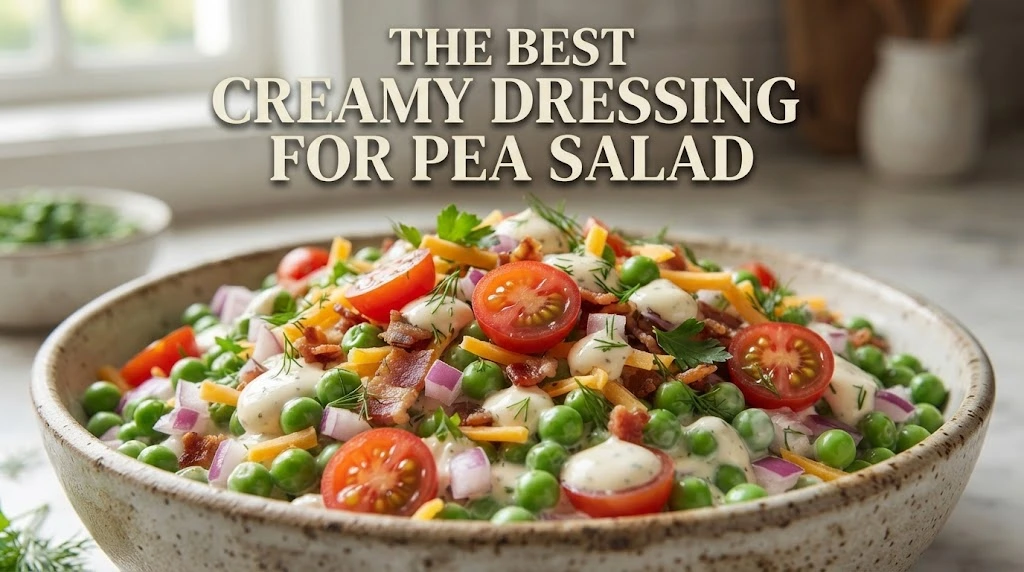
The dressing controls the personality of the salad.
A combination of mayonnaise and sour cream gives you a creamy base without making the dressing feel too heavy. The mayonnaise provides richness, while sour cream adds a mild tang.
Mustard adds depth without making the salad taste strongly of mustard. A small amount of vinegar brightens the dressing and keeps the sweetness from becoming overwhelming.
Sugar may sound unusual in a savory salad, but a small amount helps bring out the natural sweetness of the peas.
Start with the recommended amount and taste before adding more. You can always increase the seasoning, but it is much harder to correct an overly sweet or salty dressing.
For a lighter dressing, replace part of the mayonnaise with plain Greek yogurt. The flavor will be tangier, and the texture may be slightly lighter.
If you prefer a traditional Southern-style flavor, keep the mayonnaise as the main ingredient and use sour cream as a supporting ingredient.
The most important rule is to dress the salad gradually. You can add more dressing later, but you cannot easily remove it.
Why Your Pea Salad May Turn Watery
A watery pea salad is one of the most common problems, and the cause is usually excess moisture.
Peas naturally contain water. If you add dressing while they are still wet or warm, that moisture can thin the dressing.
The same problem can happen with celery and onions. Both vegetables release water after they are chopped.
To prevent this, drain your peas thoroughly and let them cool completely before mixing.
You can also place the chopped celery and onion on a paper towel for a few minutes. Patting them gently removes surface moisture.
Another mistake is adding too much dressing at the beginning. The salad may look perfect immediately but become watery after several hours in the refrigerator.
Instead, use about three-quarters of the dressing initially. Refrigerate the salad and add more later only if necessary.
If your finished salad is already watery, do not panic. Drain a little of the excess liquid, then stir in a small amount of mayonnaise or sour cream.
Avoid adding large amounts at once. Small adjustments give you much better control.
How to Make Pea Salad With Bacon and Cheese
Bacon and cheddar are two of the most popular additions because they create a strong contrast with the sweet peas.
Use crisp bacon rather than soft or chewy bacon. The crunch provides a much better texture against the creamy salad.
Let the bacon cool completely before adding it. Warm bacon can soften quickly and release extra fat into the dressing.
Sharp cheddar is my favorite choice because it adds enough flavor to stand out. Mild cheddar works well if you want a gentler taste.
You can either shred the cheese or cut it into small cubes. Cubes give you little bursts of cheese throughout the salad, while shredded cheese blends more closely with the dressing.
If you want a slightly more sophisticated version, try adding a small amount of smoked cheddar. Use it sparingly because its flavor can easily dominate the peas.
Bacon is optional, especially if you are serving the salad alongside other rich foods.
For a vegetarian version, simply leave it out. You can add extra cheese, chopped nuts, or another crunchy vegetable instead.
Old Fashioned Pea Salad With Eggs
Hard-boiled eggs are a classic addition because they make the salad richer and more filling.
For evenly cooked eggs, place them in a saucepan and cover them with cool water. Bring the water to a boil, then reduce the heat and cook according to your preferred hard-boiled egg method.
Cool the eggs promptly after cooking and peel them once they are comfortable to handle.
Chop the eggs into small pieces rather than large chunks. This helps distribute the yolk and white throughout the salad.
If the yolks crumble slightly, that is not a problem. They can actually add extra creaminess to the dressing.
Eggs pair especially well with mustard, mayonnaise, and peas. They also make the salad feel more like a complete side dish.
If you are preparing the salad for a party, you can reserve a small amount of chopped egg to sprinkle over the top just before serving. It gives the finished bowl a homemade, inviting appearance.
Do not add warm eggs to cold peas. Allow them to cool first so they do not raise the temperature of the entire salad.
Easy Variations for a Classic Pea Salad
One of the best things about pea salad is how easily you can adapt it.
For a ranch pea salad, add a small amount of ranch seasoning to the dressing. Start conservatively because seasoning packets can be salty.
For a lighter version, replace part of the mayonnaise with plain Greek yogurt.
For extra crunch, add finely chopped bell pepper, cucumber, or water chestnuts. Drain cucumber particularly well because it contains a lot of water.
For a stronger onion flavor, use green onions instead of red onion. They provide a milder bite and a fresh color.
For a sweeter variation, add a small amount of finely chopped sweet pickle. Keep the amount modest so the pickle does not overpower the peas.
For a nutty version, sprinkle toasted sunflower seeds or chopped pecans over the top immediately before serving.
You can also experiment with herbs. Fresh parsley, dill, or chives can add freshness without changing the traditional character too dramatically.
The trick is to change one or two elements at a time. If you add bacon, cheese, eggs, pickles, nuts, several vegetables, and multiple seasonings all at once, the original pea flavor can disappear.
How Far Ahead Can You Make Pea Salad?
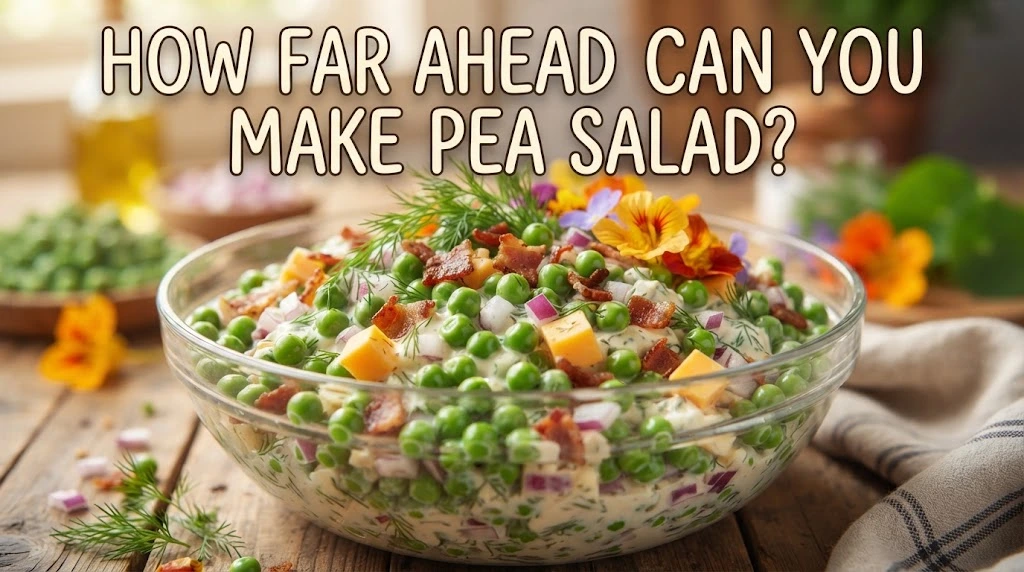
Pea salad is an excellent make-ahead side dish.
Preparing it several hours before serving usually improves the flavor because the ingredients have time to mingle.
For the best texture, prepare the salad on the same day you plan to serve it when possible. Keep it covered and refrigerated until mealtime.
If you need to prepare it the night before, use slightly less dressing initially. The vegetables may release some moisture overnight.
Add a little more dressing just before serving if necessary.
Keep the salad cold during parties and outdoor gatherings. Do not leave a creamy salad sitting at room temperature for a long period.
If you are serving it at a picnic, place the serving bowl over ice or use an insulated container designed to keep food cold.
This is especially important for dishes containing mayonnaise, eggs, sour cream, and other perishable ingredients.
A little planning keeps the salad both delicious and safe to eat.
How to Store Leftover Pea Salad
Store leftover pea salad in a clean, airtight container and refrigerate it promptly.
Keep the refrigerator at 40°F or below to help maintain safe food storage conditions.
The salad is generally best within a few days. Before eating leftovers, check the appearance, smell, and texture. If anything seems unusual, discard the salad rather than trying to fix it.
As the salad sits, the vegetables may soften slightly and the dressing may become thinner. This is normal.
If the leftovers seem dry, stir in a small spoonful of mayonnaise or sour cream. If they seem watery, gently drain some excess liquid first.
I do not recommend freezing creamy pea salad. Freezing can damage the texture of the peas and cause the mayonnaise-based dressing to separate after thawing.
For that reason, make only as much as you expect to eat within a few days.
Common Mistakes to Avoid When Making Pea Salad
A few simple mistakes can turn a great pea salad into a disappointing one.
Using warm peas: Warm peas can thin the dressing and make the finished salad less creamy. Cool them completely before combining the ingredients.
Failing to drain the peas: Excess water is the fastest route to a watery salad. Drain thoroughly and give the peas time to dry.
Adding too much mayonnaise: More dressing does not automatically mean more flavor. Start with less and increase gradually.
Overcooking the peas: Very soft peas lose their pleasant bite and can break apart during mixing.
Chopping vegetables too large: Large pieces can overpower the peas and make each bite unbalanced. Small, even pieces work better.
Adding bacon too early: Bacon loses its crisp texture when it sits in creamy dressing for too long. For maximum crunch, add some shortly before serving.
Skipping the resting time: The salad tastes better after it has chilled for at least an hour because the flavors have time to blend.
Not tasting before serving: Refrigeration can slightly mute flavors. Taste the finished salad and adjust salt, pepper, vinegar, or sweetness if needed.
These are small details, but they are what separate a merely acceptable pea salad from one people ask you to make again.
How to Serve Old Fashioned Pea Salad
Pea salad works best as a cold side dish alongside foods with bold or savory flavors.
Serve it with grilled chicken, barbecue, burgers, baked ham, roasted turkey, or sandwiches. Its cool creamy texture provides a pleasant contrast to hot main dishes.
It also fits naturally on holiday tables. Pair it with mashed potatoes, roasted vegetables, stuffing, or baked meats for a comforting meal.
For a buffet, transfer the salad to a chilled serving bowl shortly before guests eat. A wide, shallow bowl makes the colorful ingredients easier to see.
If presentation matters, reserve a little cheddar, bacon, chopped egg, and parsley for the top.
A simple garnish can make a familiar recipe look much more inviting without turning it into something overly fancy.
For individual servings, use a small scoop or spoon rather than piling a huge amount onto the plate. Pea salad is rich, so a modest portion works well alongside several other dishes.
And if you are taking it to a potluck, bring a little extra dressing separately. That gives you a way to refresh the salad if it absorbs some dressing while chilling.
Nutrition and Ingredient Substitutions
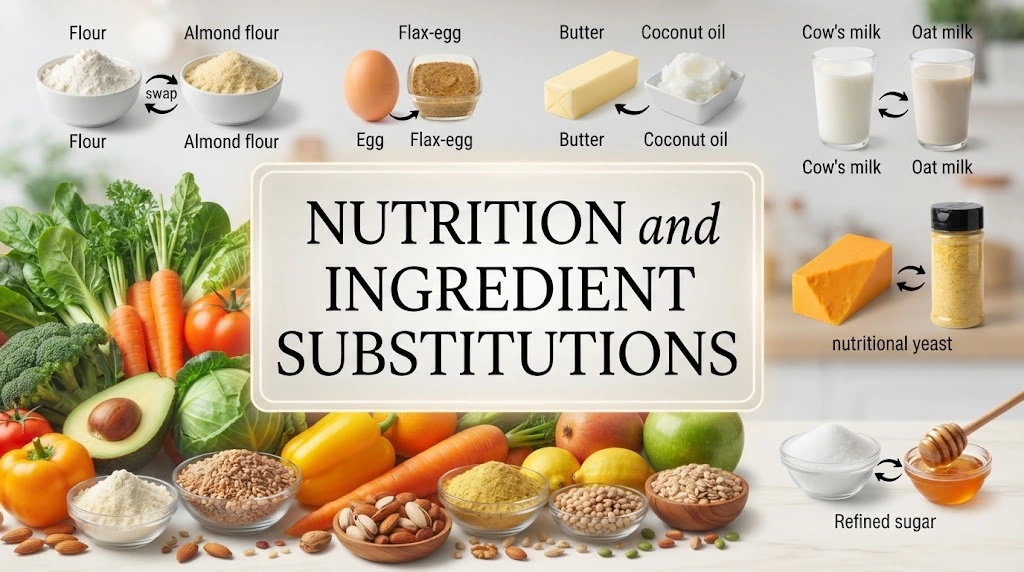
Traditional pea salad is a rich side dish, but you can adjust it to fit different eating preferences.
Green peas provide carbohydrates, plant protein, and fiber, while eggs and cheese contribute protein and fat. The dressing adds most of the salad’s richness.
If you want to reduce the overall richness, replace part of the mayonnaise with plain Greek yogurt.
For a lower-sodium version, choose reduced-sodium ingredients and season the dressing gradually. Bacon and cheese can contribute significant salt, so taste before adding extra.
For a vegetarian pea salad, leave out the bacon. The combination of peas, cheese, eggs, vegetables, and creamy dressing remains satisfying.
For a dairy-free version, use a dairy-free mayonnaise and replace the cheese with a suitable plant-based alternative or simply omit it.
For an egg-free salad, leave out the hard-boiled eggs and add extra vegetables or peas to maintain volume.
Always check packaged ingredients if you are cooking for someone with a food allergy or dietary restriction. Products that seem simple can contain unexpected ingredients.
The best substitution is one that preserves the balance of the dish rather than simply replacing every ingredient with a similar-looking product.
Frequently Asked Questions About Old Fashioned Pea Salad
1. Can I make old-fashioned pea salad the day before?
Yes. Preparing it several hours ahead or the night before can improve the flavor. Use slightly less dressing initially because the vegetables may release moisture while the salad rests.
2. Should frozen peas be cooked before making pea salad?
You can blanch them briefly or thaw them safely and use them once they are tender. Avoid overcooking because soft peas can become mushy when mixed with the dressing.
3. Why is my pea salad watery?
The peas or vegetables probably contained too much moisture, or you added more dressing than the salad needed. Drain everything well and add the dressing gradually.
4. What goes well with pea salad?
It pairs especially well with barbecue, grilled chicken, burgers, ham, turkey, sandwiches, and other savory main dishes. It is also a popular choice for holiday and potluck meals.
5. Can I use canned peas instead of frozen peas?
Yes, but frozen peas usually provide better color and texture. If you use canned peas, drain and rinse them thoroughly before adding them to the salad.
6. How long does pea salad last in the refrigerator?
For the best quality, enjoy it within a few days and keep it refrigerated. Because the recipe contains perishable ingredients, discard leftovers that have been stored improperly or show signs of spoilage.
7. Can I freeze creamy pea salad?
Freezing is not recommended. The peas can become soft and the mayonnaise-based dressing may separate after thawing, resulting in an unpleasant texture.
Conclusion
A great old fashioned pea salad recipe does not depend on complicated cooking or expensive ingredients. It comes down to a few simple choices: use firm, sweet peas, keep the vegetables crisp, make a balanced creamy dressing, and give the finished salad enough time to chill.
The little details matter most. Drain the peas well, avoid overcooking them, add the dressing gradually, and taste before serving. If you want extra flavor, cheddar, hard-boiled eggs, and crispy bacon make excellent traditional additions.
Whether you are taking a bowl to a summer potluck, preparing a holiday dinner, or simply want a comforting side dish for tonight’s meal, this classic pea salad is easy to make and easy to customize.
Make it once, adjust the seasoning to suit your family, and you may find yourself returning to this recipe whenever you need a dependable homemade side dish.