

There are certain dinners that take you straight back to the kitchen you grew up in. For many families, old fashioned porcupine meatballs are one of those meals. They are warm, filling, budget-friendly, and covered in a savory tomato sauce that makes the whole kitchen smell inviting.
The name might sound unusual, but there is nothing strange about the dish. The little “porcupine” effect comes from uncooked rice mixed into seasoned ground beef. As the meatballs cook, the rice expands and pokes through the meat, creating tiny points that resemble porcupine quills.
This is the kind of recipe that feels right on a chilly evening when you want something comforting without spending hours in the kitchen. Serve it with mashed potatoes, buttered vegetables, or a simple green salad, and you have a satisfying family dinner.
The recipe has been around for generations because it makes humble ingredients go a long way. Ground beef, rice, onion, and a few pantry staples can feed a family without requiring an expensive grocery trip.
The trick is getting the rice-to-meat ratio, liquid, seasoning, and cooking time right. If you do, the meatballs stay tender while the rice cooks into little grains that give the dish its signature appearance.
What Are Old Fashioned Porcupine Meatballs?
Porcupine meatballs are small meatballs made with ground meat and uncooked rice. The meatballs usually simmer in a tomato-based sauce until the rice becomes tender and the beef cooks through.
Unlike ordinary meatballs, you do not cook the rice separately. That is one of the reasons this recipe is so convenient.
As the rice absorbs liquid and expands, some grains push through the outside of the meatball. This creates the little “quills” that inspired the name.
Traditional versions often use ground beef, onion, salt, pepper, tomato sauce, and canned tomato soup or diced tomatoes. Recipes vary from family to family, and many cooks have their own favorite seasoning combination.
The best versions are tender rather than tightly packed. If you squeeze the meat mixture too firmly, the meatballs can become dense.
This dish is especially good for families because it combines protein and rice in one main course. It also produces plenty of sauce for spooning over mashed potatoes or extra rice.
Ingredients for Classic Porcupine Meatballs
The ingredient list is simple, which is part of the appeal.
For the meatballs
- 1 pound ground beef
- ½ cup uncooked long-grain white rice
- ½ small onion, finely chopped
- 1 large egg
- 1 teaspoon salt
- ½ teaspoon black pepper
- ½ teaspoon garlic powder
- ½ teaspoon paprika
- 2 tablespoons milk or water
For the sauce
- 1 can, about 15 ounces, tomato sauce
- 1 can, about 14 to 15 ounces, diced tomatoes
- 1 cup beef broth or water
- 1 tablespoon Worcestershire sauce
- 1 teaspoon sugar, optional
- ½ teaspoon Italian seasoning
- ¼ teaspoon black pepper
Ground beef with moderate fat content works particularly well because a little fat keeps the meatballs tender during the long simmer.
Long-grain white rice is a classic choice because it expands nicely and creates the familiar porcupine appearance. Avoid instant rice unless the recipe specifically calls for it because it cooks much faster.
Finely chopped onion adds moisture and flavor. Large pieces of onion can make the meatballs harder to shape and may cause them to fall apart.
The egg helps hold everything together. Milk or water adds a little moisture to the mixture, which is useful because the rice will absorb liquid during cooking.
The sauce needs enough liquid to cook the rice. This is not the place to make a thick, reduced tomato sauce at the beginning.
How to Make Old Fashioned Porcupine Meatballs
Start by combining the ground beef, uncooked rice, chopped onion, egg, salt, pepper, garlic powder, paprika, and milk in a large bowl.
Use clean hands or a fork to mix everything gently. Stop as soon as the ingredients are evenly distributed.
Do not knead the mixture like bread dough. Overworking ground meat can make the finished meatballs tough.
Shape the mixture into meatballs about 1½ inches across. Try to keep them similar in size so they cook evenly.
Place the meatballs in a large skillet, Dutch oven, or heavy saucepan.
Mix the tomato sauce, diced tomatoes, broth, Worcestershire sauce, Italian seasoning, pepper, and optional sugar in a separate bowl.
Pour the sauce over the meatballs. The liquid should come high enough around the meatballs to allow the rice to cook properly.
Bring the sauce to a gentle simmer over medium heat. Once it begins bubbling, reduce the heat to low.
Cover the pan and simmer for about 35 to 45 minutes. Turn the meatballs gently once or twice if necessary, but avoid constant stirring.
Check that the rice is tender and the beef has reached a safe internal temperature of 160°F.
If the sauce becomes too thick before the rice is tender, add a little extra broth or water.
Once finished, let the meatballs rest for a few minutes before serving. This gives the sauce a chance to settle and makes the meatballs easier to handle.
Why Are They Called Porcupine Meatballs?
The name comes entirely from appearance.
Traditional porcupine meatballs contain uncooked rice. As the meatballs simmer, the rice absorbs liquid and expands.
Some grains remain inside the meatball, while others push outward through the surface. Those little rice points resemble the quills of a porcupine.
There is no special ingredient that creates the effect. You do not need a particular shaping technique or special cooking tool.
The appearance can vary depending on the type of rice you use, how tightly you shape the meatballs, and how much liquid is available.
If the meatballs look more like regular meatballs than porcupines, do not worry. They can still taste excellent.
For the most noticeable rice “quills,” use long-grain white rice and avoid packing the meat mixture too tightly.
The Best Rice for Porcupine Meatballs
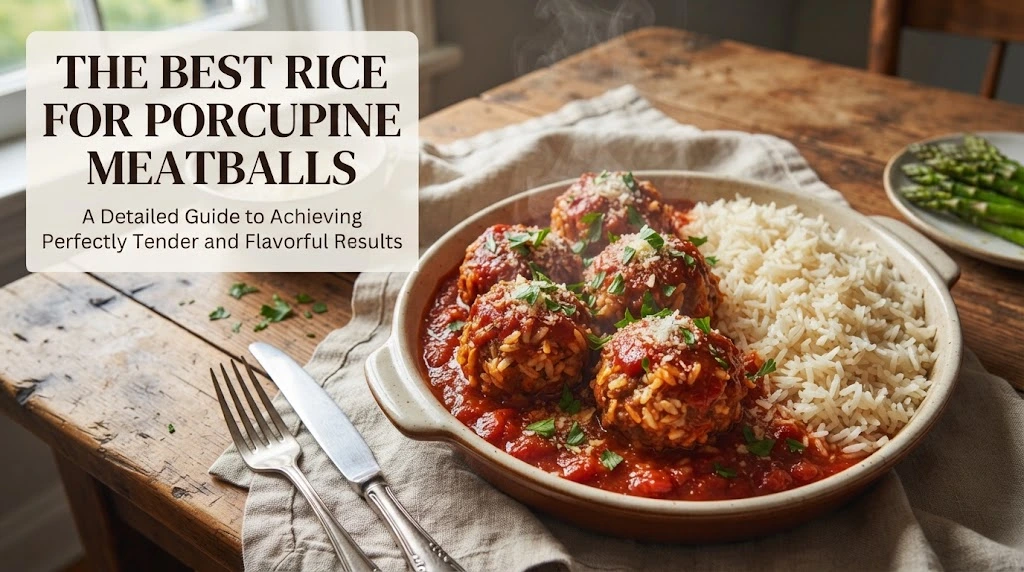
Rice is one of the most important ingredients in this recipe because it cooks directly inside the meatball.
Long-grain white rice is the safest traditional choice. It cooks at a predictable rate and expands enough to create the signature appearance.
Brown rice can work, but it usually requires more cooking time and liquid. Unless you have a recipe specifically designed for brown rice, it is better to stay with white rice.
Instant or minute rice is not ideal because it has already been partially cooked. It can become soft or mushy before the meatballs are finished.
Do not rinse the rice for this particular recipe unless your recipe specifically requires it. A small amount of surface starch can help the mixture hold together.
Most importantly, keep the amount of rice reasonable. Too much rice can make the meatballs fragile and may leave you with undercooked grains if the sauce does not contain enough liquid.
If you want to experiment with another rice variety, test a small batch first. Cooking times can change significantly between different types of rice.
How to Keep Porcupine Meatballs Tender
Tender meatballs start with gentle handling.
When mixing the ingredients, use your hands lightly. You want to distribute the rice and seasonings without compressing the beef into a dense paste.
Avoid using extremely lean ground beef. Some fat helps keep the meat moist during cooking.
Finely chopped onion also contributes moisture. If your onion pieces are large, they can interfere with the structure of the meatball.
The cooking temperature matters just as much. A hard boil can make meatballs move around too aggressively and may cause them to break apart.
A gentle simmer is better. The sauce should bubble softly rather than boil violently.
Keep the pan covered while the rice cooks. The trapped steam helps maintain moisture and gives the rice enough liquid to soften.
Finally, do not cook the meatballs far beyond the point when they are done. Long cooking is useful for tenderizing some cuts of meat, but ground beef meatballs can become dry if you simply keep simmering them after the rice has cooked.
Easy Tomato Sauce for Porcupine Meatballs
A simple tomato sauce is all you need to make these meatballs flavorful.
Tomato sauce provides the base, while diced tomatoes add texture. Beef broth contributes savory depth, and Worcestershire sauce adds a little richness.
If the tomatoes taste too acidic, a small amount of sugar can balance them. You do not want the sauce to taste sweet; you simply want to soften excessive acidity.
You can also add:
- Minced garlic
- Chopped parsley
- Dried oregano
- Italian seasoning
- A pinch of red pepper flakes
- A small amount of smoked paprika
Keep the seasoning restrained. The goal is to support the beef and tomato flavors rather than turn the dish into heavily seasoned Italian meatballs.
For a very traditional taste, keep the sauce simple.
For a richer version, sauté the onions briefly before adding the sauce ingredients. You can also add a small spoonful of tomato paste for deeper tomato flavor.
Remember that the rice will absorb some of the sauce as it cooks. The sauce should look slightly more liquid at the beginning than you want it to be at the end.
Porcupine Meatballs in a Slow Cooker
A slow cooker can make this family dinner especially convenient.
Prepare the meatballs as usual, then place them carefully in the slow cooker. Pour the sauce over them so the meatballs remain surrounded by liquid.
Cook on low until the meatballs and rice are fully cooked, checking the texture toward the end of the cooking time.
Slow cookers vary considerably in temperature, so avoid assuming that every model will finish at exactly the same time.
Do not fill the slow cooker with too many tightly packed meatballs. They need enough room for the sauce to circulate.
You should also make sure there is enough liquid for the rice. If the sauce looks unusually thick, add some broth or water.
A slow cooker is particularly useful when you are preparing dinner before work or school. You can shape the meatballs ahead of time and have the main dish ready later in the day.
However, always confirm that the ground beef reaches 160°F before serving.
Oven-Baked Old Fashioned Porcupine Meatballs
You can also bake porcupine meatballs instead of simmering them on the stovetop.
Preheat your oven to approximately 350°F.
Place the shaped meatballs in a covered baking dish and pour the prepared tomato sauce over them.
Cover the dish tightly with a lid or foil. The cover is important because the rice needs moisture and steam to cook properly.
Bake until the meatballs are cooked through and the rice is tender. Depending on the size of the meatballs and your oven, this can take roughly 45 to 60 minutes.
Check the dish during cooking. If the sauce becomes too thick, add a little broth or water.
The oven method is useful when you want to keep the stovetop free for other dishes.
It also works well when preparing a larger meal because you can put the baking dish in the oven while you prepare vegetables or another side.
Use a food thermometer to confirm that the center of the meatballs reaches 160°F.
How to Make Porcupine Meatballs Without Tomato Soup
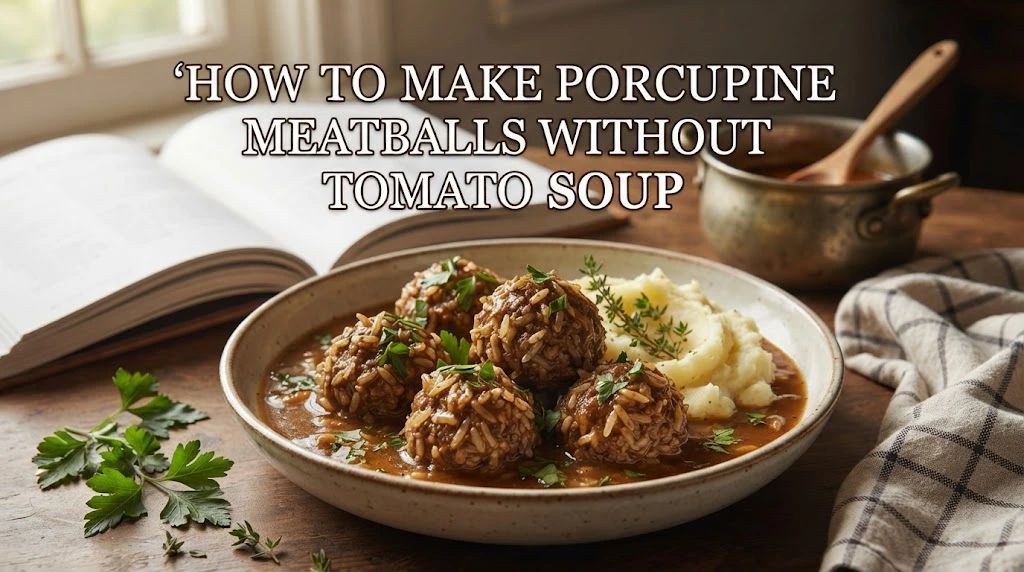
Some old recipes use canned tomato soup as the main sauce ingredient. It gives the dish a sweet, creamy tomato flavor, but you do not need it.
A combination of tomato sauce, diced tomatoes, and broth makes a flavorful alternative.
If you want the nostalgic sweetness associated with tomato soup, add a small amount of sugar to the sauce.
You can also use crushed tomatoes for a smoother sauce. This is a good choice if you do not like chunks of tomato.
For extra richness, stir in a tablespoon of tomato paste.
If you prefer a creamy tomato sauce, add a small amount of sour cream near the end of cooking. Do not boil aggressively after adding it because the sauce may separate.
The tomato soup version is convenient, but a homemade tomato sauce lets you control the salt, sweetness, and seasoning.
That makes it easier to adjust the dish to your family’s taste.
Common Porcupine Meatball Problems and Fixes
Even experienced cooks can run into trouble with this recipe. Fortunately, most problems have simple causes.
The meatballs fall apart: The mixture may be too wet, too loosely shaped, or overhandled. Make sure the egg and liquid are measured correctly and shape the meatballs gently but firmly.
The rice stays hard: The pan may not contain enough liquid, or the cooking time may be too short. Add a little broth or water, cover the pan, and continue simmering until the rice is tender.
The meatballs are dry: Very lean beef, overcooking, or insufficient sauce can cause dryness. Use moderately lean beef and keep enough liquid around the meatballs.
The sauce becomes too thick: Rice absorbs liquid as it cooks. Add broth or water a little at a time until the sauce reaches the desired consistency.
The rice makes the meatballs split: Some expansion is expected, but excessive splitting can happen when you use too much rice or shape the meatballs too tightly.
The sauce tastes too acidic: Add a small amount of sugar or another balancing ingredient. Taste after each adjustment rather than adding a large amount at once.
The meatballs stick to the pan: Use a heavy pan and maintain a gentle simmer. If necessary, lightly grease the pan before adding the meatballs.
The important thing is not to panic when the meatballs look imperfect. This is a rustic family recipe, and a little unevenness is part of its charm.
Delicious Variations of Classic Porcupine Meatballs
Once you understand the basic recipe, you can make several variations.
For turkey porcupine meatballs, replace ground beef with ground turkey. Because turkey can be leaner, consider using a little extra moisture in the mixture.
For pork and beef meatballs, combine ground pork with ground beef. The pork adds richness and tenderness.
For a spicy version, add crushed red pepper flakes, cayenne, or diced jalapeño to the sauce.
For a cheesy version, sprinkle shredded mozzarella or cheddar over the meatballs during the final few minutes of cooking.
For a vegetable-packed meal, add finely chopped carrots, mushrooms, or bell peppers to the sauce.
You can also make smaller meatballs for children. Smaller portions cook more quickly, so keep an eye on the rice and internal temperature.
For a lighter meal, serve the meatballs with steamed green beans, roasted broccoli, or a simple salad instead of mashed potatoes.
The best variations preserve the main idea: tender meatballs, properly cooked rice, and enough flavorful sauce to bring everything together.
What to Serve With Porcupine Meatballs
Porcupine meatballs are filling on their own, but the right side dishes can turn them into a complete family dinner.
Mashed potatoes are one of the best choices because they soak up the tomato sauce beautifully.
Buttered egg noodles are another comforting option. They are especially good when you have plenty of extra sauce.
For a lighter plate, serve the meatballs with:
- Steamed green beans
- Roasted carrots
- Broccoli
- Simple garden salad
- Peas
- Roasted zucchini
Crusty bread also works well because there is usually sauce left on the plate.
If you are serving children, consider keeping the side dishes simple. Mashed potatoes and green beans are familiar options that do not compete with the main dish.
For a casual family meal, place the meatballs in a large serving dish and spoon plenty of sauce over the top. Add chopped parsley for color if desired.
This is not a dish that needs elaborate presentation. Its appeal comes from looking warm, hearty, and homemade.
How to Store and Reheat Porcupine Meatballs
Leftover porcupine meatballs make an excellent next-day lunch.
Allow the cooked meatballs to cool before transferring them to a clean, airtight container. Refrigerate them promptly.
For best quality, use refrigerated leftovers within a few days.
When reheating, add a little water or broth if the sauce has become very thick. Warm the meatballs gently until they are heated throughout.
A microwave works well for individual servings. Cover the dish loosely and heat in short intervals, stirring or rotating as needed.
For larger portions, reheat them gently in a saucepan over low to medium heat. Keep the pan covered to prevent the sauce from drying out.
You can freeze cooked porcupine meatballs as well. Store them with plenty of sauce in a freezer-safe container.
Thaw frozen leftovers safely in the refrigerator before reheating, then heat until thoroughly hot.
The rice may become slightly softer after freezing and thawing, but the dish can still make a convenient make-ahead meal.
Tips for Making the Best Old Fashioned Porcupine Meatballs

A few habits will make this recipe much more reliable.
Use the right rice. Long-grain white rice gives the most traditional result.
Keep the meat mixture loose. Gentle mixing creates tender meatballs.
Make equal-sized meatballs. This helps them cook at the same rate.
Do not skimp on sauce. The rice needs moisture to cook properly.
Simmer gently. A rolling boil can break apart the meatballs.
Keep the pan covered. Steam helps the rice soften.
Check the temperature. Ground beef should reach 160°F.
Taste the sauce. Adjust salt, sweetness, or acidity before serving.
Let the meatballs rest briefly. A few minutes makes them easier to serve and gives the sauce time to settle.
Most importantly, do not judge the recipe by how fancy it looks. Porcupine meatballs are supposed to be a comforting, practical meal made from everyday ingredients.
That is exactly why they have remained popular.
Frequently Asked Questions About Old Fashioned Porcupine Meatballs
1. Why do they call them porcupine meatballs?
They get their name from the uncooked rice mixed into the ground meat. As the rice cooks and expands, some grains stick out from the meatballs and resemble porcupine quills.
2. Do you cook the rice before putting it in porcupine meatballs?
Traditional porcupine meatballs use uncooked rice. The rice cooks inside the meatballs while they simmer in the tomato sauce, absorbing the surrounding liquid.
3. Why are my porcupine meatballs falling apart?
They may be too wet, loosely shaped, or handled too much during cooking. Use the correct ingredient amounts, shape the meatballs gently but firmly, and keep the sauce at a gentle simmer.
4. Can I make porcupine meatballs with ground turkey?
Yes. Ground turkey works well as a substitute for beef. Because turkey can be leaner, avoid overcooking it and make sure the meatballs have enough moisture.
5. Can I make porcupine meatballs in a slow cooker?
Yes. Arrange the meatballs in the slow cooker, cover them with enough sauce, and cook until the rice is tender and the meat reaches a safe internal temperature. Slow cooker times vary by model.
6. What kind of rice is best for porcupine meatballs?
Long-grain white rice is the most traditional choice. Avoid instant rice unless you are using a recipe specifically designed for it.
7. Can I freeze old-fashioned porcupine meatballs?
Yes. Cooked meatballs can be frozen with their tomato sauce in an airtight freezer-safe container. Thaw them safely in the refrigerator and reheat them thoroughly before serving.
Conclusion
Old fashioned porcupine meatballs prove that a comforting family dinner does not need expensive ingredients or complicated preparation. Ground beef, uncooked rice, onion, and a simple tomato sauce come together to create a hearty meal that is filling, flavorful, and wonderfully nostalgic.
The most important details are easy to remember: use long-grain rice, keep enough liquid in the sauce, shape the meatballs gently, and cook them slowly until the rice is tender and the beef reaches 160°F.
You can keep the recipe traditional or make it your own with turkey, extra vegetables, spices, cheese, or a different tomato sauce. Serve it with mashed potatoes, noodles, vegetables, or warm bread, and you have the kind of dinner that feels right at almost any family table.
Sometimes the recipes worth keeping are not the complicated ones. They are the dependable meals that fill the kitchen with a familiar smell and bring everyone to the table. Porcupine meatballs are exactly that kind of recipe.