The first time you see ouji fashion, it can stop you in your tracks. It has the elegance of old European royalty, the charm of vintage fairy tales, and the confidence of modern street style. Yet, unlike many fashion trends that come and go, this style tells a story. Every jacket, pair of shorts, and polished shoe feels carefully chosen rather than randomly put together.
What makes this fashion even more interesting is that anyone can enjoy it. You do not have to be a prince, wear expensive designer clothes, or follow strict fashion rules. Whether you love classic Victorian-inspired outfits or simply want to add a touch of elegance to your everyday wardrobe, ouji fashion gives you endless room for creativity.
Many beginners assume it is difficult to wear or that it is only popular in Japan. In reality, the style has grown into an international fashion movement with welcoming communities around the world. You can start with just a few pieces and slowly build a wardrobe that reflects your personality.
This guide will walk you through everything you need to know, from the history of the style to building your first outfit with confidence. Along the way, you’ll also learn practical styling tips, common mistakes to avoid, and ways to make the look work for different budgets and lifestyles.
What Is Ouji Fashion?
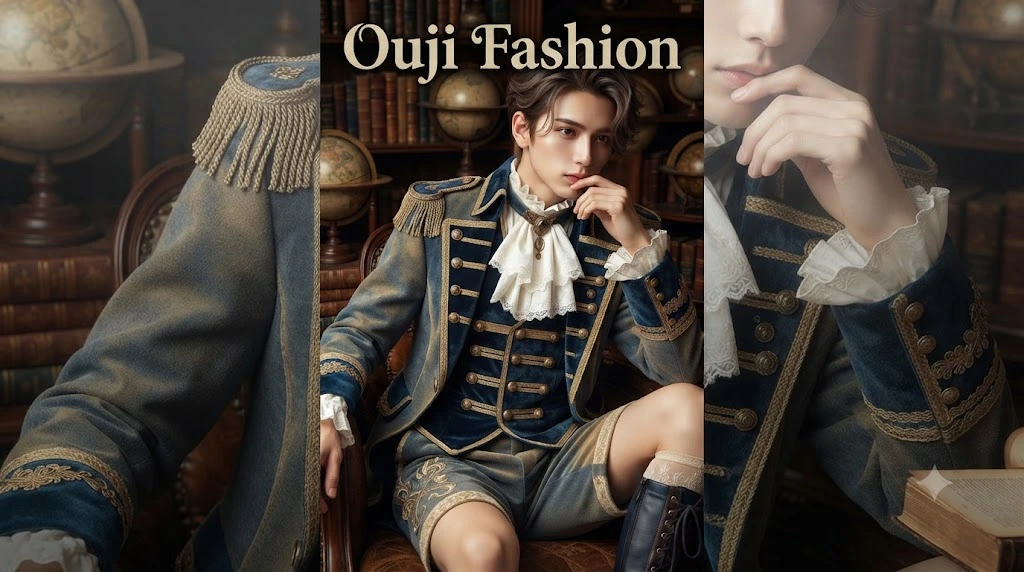
Ouji fashion, often called prince fashion, is a Japanese street fashion inspired by European aristocratic clothing. Instead of focusing on dresses and skirts, it features tailored jackets, decorative waistcoats, elegant shorts, knee-high socks, and polished footwear. The result is a refined yet playful appearance that feels timeless.
Although people often compare it to historical menswear, ouji fashion is not about copying the past. It blends vintage influences with modern creativity, allowing wearers to experiment with different colors, fabrics, and accessories.
A typical outfit often includes:
- A fitted blouse with decorative details
- A tailored jacket or vest
- Knee-length bloomers or tailored shorts
- Over-the-knee socks
- Leather shoes or elegant boots
- Hats, brooches, bows, or pocket watches
The overall look feels polished without appearing overly formal. Every piece works together to create balance, making the outfit look intentional rather than costume-like.
One of the biggest strengths of ouji fashion is its flexibility. Some outfits lean toward classic Victorian elegance, while others embrace gothic, military, fairy tale, or even steampunk influences.
The History and Origins of Ouji Fashion
To truly appreciate ouji fashion, it helps to understand where it came from.
The style developed alongside the Japanese Lolita fashion movement during the late 1990s and early 2000s. While Lolita fashion became known for elaborate dresses and petticoats, ouji fashion offered an alternative inspired by historical boys’ clothing and European nobility.
Many early designers looked to Victorian England, Rococo France, and Edwardian tailoring for inspiration. These historical influences created a fashion style that felt elegant while remaining playful.
As Japanese street fashion gained global attention, ouji fashion slowly built its own international following. Social media, fashion conventions, and online communities helped people discover the style regardless of where they lived.
Today’s ouji fashion continues to evolve. Modern designers mix traditional tailoring with fantasy themes, anime influences, gothic aesthetics, and contemporary fashion trends without losing the style’s original identity.
This ability to evolve is one reason the fashion remains popular year after year.
Why Ouji Fashion Has Become Popular Worldwide
Fashion lovers are always searching for styles that allow genuine self-expression. Ouji fashion does exactly that.
Unlike many mainstream trends, it encourages creativity instead of strict rules. Two people can wear ouji fashion and look completely different while still staying true to the aesthetic.
Several factors have contributed to its worldwide growth:
- Social media introduced the style to global audiences.
- Fashion conventions created welcoming communities.
- Online shopping made specialty clothing easier to find.
- More independent designers entered the market.
- Greater acceptance of gender-neutral fashion encouraged experimentation.
Another reason for its popularity is comfort. Although the outfits look sophisticated, they are often easier to move in than people expect. Tailored shorts, lightweight jackets, and comfortable blouses make the style practical for many events.
Many people also appreciate that ouji fashion focuses on craftsmanship. High-quality fabrics, detailed embroidery, decorative buttons, lace, and careful tailoring make every outfit feel special.
Instead of following fast fashion trends, many enthusiasts invest in timeless pieces they can wear for years.
Key Elements That Define an Authentic Ouji Fashion Outfit
A successful ouji fashion outfit is built through layering rather than relying on a single statement piece.
Each garment plays an important role in creating harmony.
Tailored Tops
Blouses usually feature details like:
- Ruffles
- Pintucks
- Lace trim
- High collars
- Bishop sleeves
These details add elegance without making the outfit look overly dramatic.
Jackets and Waistcoats
Structured jackets instantly create the aristocratic silhouette associated with ouji fashion.
Popular choices include:
- Military jackets
- Victorian tailcoats
- Cropped blazers
- Double-breasted coats
- Embroidered waistcoats
These pieces help define the overall style.
Shorts Instead of Trousers
Unlike traditional menswear, ouji fashion often replaces full-length trousers with tailored shorts or bloomers.
These may feature:
- Decorative buttons
- Lace edging
- Suspenders
- Pleats
- Velvet fabrics
The shorter silhouette allows socks and footwear to become part of the outfit’s visual balance.
Socks and Legwear
Legwear adds personality.
Popular choices include:
- Striped socks
- Lace socks
- Argyle patterns
- Solid neutral colors
- Decorative stockings
Matching the socks with your jacket or accessories creates a polished appearance.
Elegant Footwear
Shoes should complement the refined aesthetic.
Common options include:
- Oxford shoes
- Leather loafers
- Lace-up boots
- Victorian-inspired footwear
- Monk strap shoes
Well-maintained shoes elevate even simple outfits.
Accessories
Accessories complete the story.
Popular additions include:
- Pocket watches
- Berets
- Mini top hats
- Ribbon ties
- Decorative brooches
- Gloves
- Walking canes for themed events
The goal is balance. One or two carefully chosen accessories usually have a stronger impact than wearing everything at once.
How to Build Your First Ouji Fashion Wardrobe
Starting an ouji fashion wardrobe can feel overwhelming because there are so many beautiful pieces to choose from. The good news is that you do not need to buy everything at once. A small collection of versatile items will give you plenty of outfit combinations.
Begin with neutral colors like black, navy, brown, ivory, or deep green. These shades are easy to mix and match, allowing you to create different looks without owning dozens of garments.
A beginner’s wardrobe should include:
- One white or ivory blouse
- One tailored vest
- One classic jacket
- Two pairs of tailored shorts or bloomers
- One pair of knee-high socks in a neutral color
- One pair of leather shoes or ankle boots
- A ribbon tie or bow
- A simple hat or beret
Once you have these essentials, you can slowly add statement pieces such as embroidered jackets, patterned socks, or velvet waistcoats.
Expert tip: Buy timeless basics before purchasing highly decorative items. Classic pieces stay useful even as your personal style evolves.
A carefully planned wardrobe usually looks more polished than a closet filled with random impulse purchases.
Different Styles Within Ouji Fashion
One of the most exciting parts of ouji fashion is its variety. While every outfit shares the same elegant foundation, each substyle creates a completely different mood.
Classic Ouji
Classic ouji focuses on clean tailoring, soft colors, and timeless elegance. Expect navy, cream, burgundy, brown, and forest green paired with subtle patterns and quality fabrics.
This version is ideal for beginners because the pieces are versatile and easy to coordinate.
Gothic Ouji
Gothic ouji embraces darker colors, dramatic silhouettes, and rich textures.
Common features include:
- Black lace
- Velvet fabrics
- Silver accessories
- Long coats
- Decorative crosses
- Deep jewel tones
Despite its darker appearance, balance remains important. Too many dramatic details can overwhelm the outfit.
Sweet Ouji
Sweet ouji has a softer and more youthful appearance.
You’ll often see:
- Pastel colors
- Soft prints
- Cute hats
- Decorative bows
- Light-colored socks
- Playful accessories
The overall feeling is charming rather than formal.
Military Ouji
Inspired by ceremonial uniforms, this variation uses structured jackets with gold buttons, shoulder details, braid trim, and polished boots.
Military ouji creates a bold and confident silhouette while maintaining the elegance of the overall fashion.
Fairy Tale and Fantasy Ouji
Some outfits look like they belong in a storybook.
Designers may incorporate:
- Nature-inspired embroidery
- Cloaks
- Feather brooches
- Antique keys
- Celestial motifs
- Rich jewel colors
This style is especially popular at conventions, themed events, and creative photoshoots.
How to Style Ouji Fashion for Different Seasons
Many people assume ouji fashion is only comfortable during cool weather. In reality, thoughtful fabric choices make it wearable throughout the year.
Spring
Spring outfits look best with lighter fabrics and softer colors.
Good choices include:
- Cotton blouses
- Lightweight jackets
- Cream or pastel socks
- Brown leather shoes
- Floral brooches
Layers can easily be removed if temperatures rise during the day.
Summer
Summer styling requires breathable materials.
Choose:
- Linen blends
- Lightweight cotton
- Short-sleeved blouses where appropriate
- Thin socks
- Light-colored garments
Avoid wearing heavy velvet or thick wool during hot weather.
Autumn
Autumn is one of the easiest seasons for ouji fashion.
Rich colors such as burgundy, olive, chocolate brown, mustard, and navy naturally suit the aesthetic.
Layering also becomes easier with jackets, scarves, and textured fabrics.
Winter
Winter allows for dramatic outerwear.
Popular options include:
- Wool coats
- Capes
- Velvet jackets
- Leather gloves
- Thick knee socks
- Elegant scarves
A well-fitted long coat can become the centerpiece of your entire outfit while keeping you warm.
Choosing the Best Colors and Fabrics
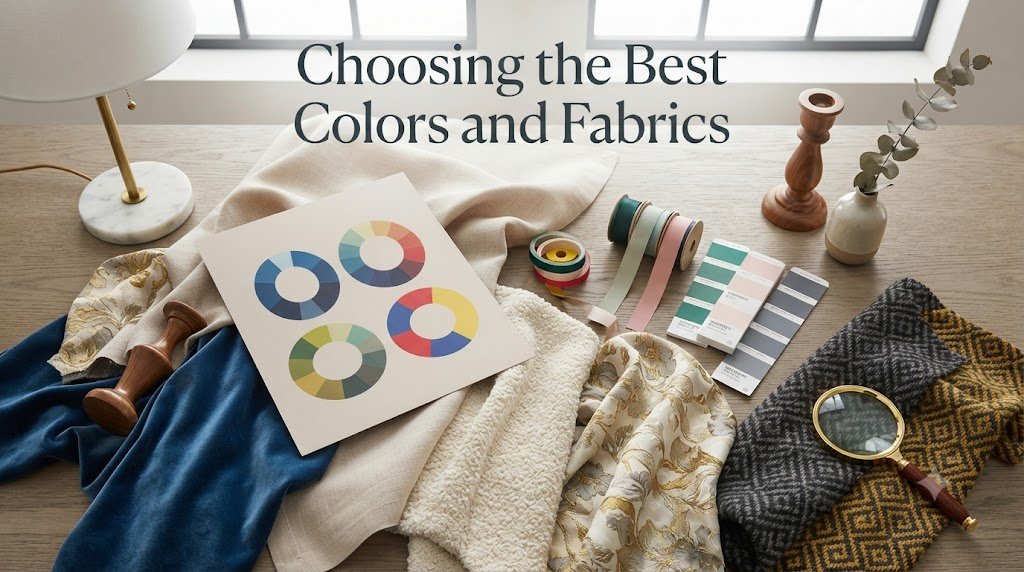
Color coordination often separates a good outfit from a great one.
Instead of combining every favorite color, try building your outfit around one primary shade with one or two supporting colors.
Popular color combinations include:
- Navy and cream
- Burgundy and black
- Brown and ivory
- Forest green and beige
- Black and silver
- White and gold
These combinations feel balanced without becoming visually overwhelming.
Fabric selection matters just as much.
Some of the best materials include:
- Cotton for everyday wear
- Linen for warm weather
- Wool for cooler seasons
- Velvet for luxurious outfits
- Brocade for formal occasions
- Tweed for vintage-inspired looks
Mixing textures adds depth to an outfit.
For example, a velvet vest paired with a crisp cotton blouse creates more visual interest than wearing smooth fabrics from head to toe.
Expert tip: If one garment has an elaborate pattern or embroidery, keep the surrounding pieces simpler. This allows the statement piece to stand out naturally.
Common Ouji Fashion Mistakes and How to Avoid Them
Everyone makes styling mistakes at the beginning. Learning from them helps you build stronger outfits much faster.
Buying Everything at Once
It is tempting to purchase every beautiful item you see online.
Instead, focus on building a wardrobe gradually. Quality pieces usually outperform large collections of inexpensive clothing.
Ignoring Proper Fit
Even expensive garments lose their elegance if they fit poorly.
Shoulders should sit correctly, jackets should button comfortably, and shorts should create a clean silhouette.
Simple tailoring can dramatically improve the appearance of an outfit.
Wearing Too Many Accessories
Accessories should enhance an outfit rather than compete with one another.
If your jacket already features detailed embroidery, consider choosing only a ribbon tie and a brooch instead of adding multiple necklaces, chains, hats, and gloves all at once.
Mixing Too Many Themes
Combining gothic, military, fairy tale, and pirate elements into one outfit often creates visual confusion.
Choose one primary theme and let every piece support that direction.
Neglecting Grooming
Elegant clothing looks best when paired with thoughtful grooming.
Pay attention to:
- Clean shoes
- Ironed clothing
- Well-maintained accessories
- Neat hairstyles
- Good posture
These small details often have a bigger impact than buying another expensive jacket.
Expert observation: The most memorable ouji fashion outfits rarely contain the most clothing. They succeed because every piece works together with purpose.
Where to Buy Quality Ouji Fashion Clothing
Finding authentic ouji fashion pieces has become much easier than it was a decade ago. Today, you can shop from established Japanese brands, independent designers, secondhand marketplaces, and handmade creators around the world. The key is to focus on quality instead of quantity.
When choosing where to shop, pay attention to product photos, fabric descriptions, sizing charts, and customer reviews. High-quality garments usually feature better stitching, stronger fabrics, and thoughtful details like decorative buttons or embroidered accents.
Many experienced wearers recommend building your wardrobe gradually rather than buying a complete outfit from the cheapest source available. A well-made jacket or vest can last for years and become the foundation of dozens of outfits.
If your budget is limited, consider these options:
- Buy secondhand pieces in excellent condition.
- Look for seasonal sales from reputable brands.
- Support independent makers who produce small collections.
- Invest in one premium item at a time.
- Mix handmade accessories with classic wardrobe basics.
Expert tip: Always measure yourself before ordering. Sizes vary significantly between brands, especially when buying internationally.
Styling Ouji Fashion for Everyday Wear
You do not need a convention, tea party, or special event to enjoy ouji fashion. With a few thoughtful adjustments, you can create outfits that feel elegant without appearing overly formal.
For casual days, start with a white blouse, tailored shorts, knee-high socks, and leather loafers. Instead of wearing a heavily embroidered coat, choose a simple blazer or lightweight vest. This keeps the outfit comfortable while maintaining the signature ouji silhouette.
If you’re heading to a café, bookstore, museum, or casual gathering with friends, subtle accessories often work best. A ribbon tie, vintage-inspired watch, or simple beret can add personality without drawing too much attention.
For school or work environments with a relaxed dress code, adapt the style by using:
- Neutral-colored blouses
- Plain tailored shorts or trousers
- Minimal jewelry
- Simple leather shoes
- Structured jackets without excessive embellishment
The goal is not to recreate a costume but to bring the elegance of ouji fashion into everyday life.
Remember that confidence is one of the most important parts of any outfit. When you wear clothing that fits well and reflects your personality, people often notice your style before they notice the individual pieces.
Accessories That Complete the Perfect Ouji Look
Accessories give ouji fashion its distinctive character. They add depth, tell a story, and help transform simple clothing into a carefully styled outfit.
However, the best accessories never overpower the clothing. Instead, they create balance and reinforce the overall theme.
Popular accessories include:
- Ribbon ties
- Decorative brooches
- Pocket watches
- Berets
- Mini top hats
- Leather belts
- Elegant gloves
- Vintage-inspired rings
- Walking canes for themed events
- Satchels or structured handbags
When choosing accessories, consider the color palette of your outfit. Gold details pair beautifully with warm shades like brown, burgundy, and cream, while silver complements cooler colors such as navy, black, and deep green.
Hair styling also plays an important role. Soft waves, neatly styled short hair, braids, or tidy curls all work well with different ouji aesthetics. There is no single “correct” hairstyle, but keeping it neat helps maintain the polished appearance the fashion is known for.
Even small finishing touches matter. Clean shoes, wrinkle-free clothing, and coordinated accessories often make a stronger impression than adding more decorative items.
Ouji Fashion Etiquette and Community Tips
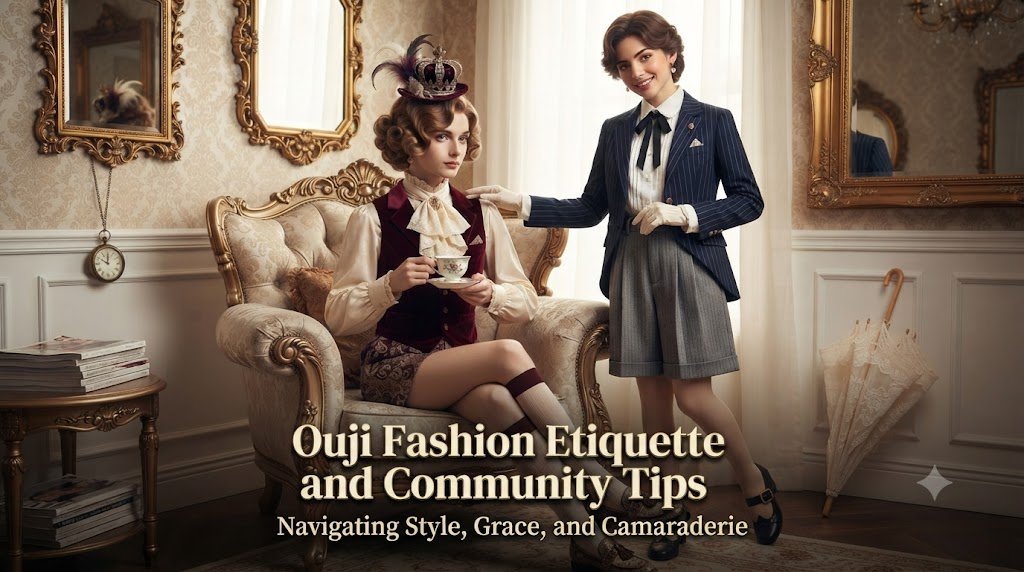
One of the reasons people stay involved in ouji fashion is the welcoming community. Whether you meet others at conventions, local gatherings, or online groups, kindness and respect are valued just as much as great styling.
If you’re new to the community, don’t worry about having a perfect wardrobe. Most experienced enthusiasts understand that everyone starts somewhere. Learning gradually and asking respectful questions is far more important than owning expensive clothing.
Here are a few community tips:
- Respect different interpretations of the style.
- Avoid criticizing someone’s outfit unless they ask for advice.
- Credit independent designers and artists when sharing their work.
- Take care of borrowed clothing and accessories.
- Support small creators whenever possible.
- Continue learning about the history and evolution of the fashion.
Photography is also a big part of the community. If you attend events, ask permission before taking close-up photos of someone’s outfit. A simple request shows respect and helps create a positive atmosphere.
Fashion should be enjoyable, not stressful. The strongest communities are built on encouragement, creativity, and shared appreciation for beautiful clothing.
Is Ouji Fashion Right for You?
If you’ve been curious about ouji fashion, there has never been a better time to explore it. The style welcomes people of different ages, body types, backgrounds, and levels of fashion experience.
Ask yourself a few simple questions:
- Do you enjoy vintage-inspired clothing?
- Do you appreciate thoughtful details and quality tailoring?
- Would you rather wear timeless pieces than chase fast-changing trends?
- Do you enjoy expressing your personality through fashion?
If you answered yes to most of these, ouji fashion may be an excellent fit.
You also do not need to follow every trend within the community. Some people prefer classic aristocratic outfits, while others lean toward gothic, military, fairy-tale, or modern interpretations. Over time, you’ll naturally discover which direction feels most authentic.
Fashion should reflect who you are rather than who you think you’re expected to be. Building a wardrobe slowly allows your personal style to develop with confidence and intention.
Conclusion
Ouji fashion is much more than a collection of elegant jackets, tailored shorts, and polished shoes. It is a creative way to express individuality while celebrating craftsmanship, history, and personal style. Although the aesthetic draws inspiration from European aristocratic clothing, today’s interpretation is remarkably flexible and welcoming.
Starting your journey does not require an expensive wardrobe or years of experience. A few carefully chosen basics, thoughtful color coordination, and attention to fit can help you create outfits that feel refined and uniquely yours. As your confidence grows, you can experiment with different substyles, richer fabrics, and statement accessories that reflect your personality.
The beauty of ouji fashion lies in its balance. It combines elegance with creativity, structure with comfort, and tradition with modern expression. Whether you wear it every day or reserve it for special occasions, the style offers endless opportunities to build a wardrobe that stands out for all the right reasons.
Frequently Asked Questions
1. What does ouji fashion mean?
Ouji fashion, often translated as “prince fashion,” is a Japanese street fashion inspired by Victorian and Rococo-era boys’ clothing. It features tailored jackets, decorative blouses, shorts, knee-high socks, and elegant accessories.
2. Is ouji fashion only for men?
No. Ouji fashion is not limited by gender. People of all genders wear the style, adapting it to match their personal preferences while maintaining its elegant aesthetic.
3. Can beginners wear ouji fashion on a budget?
Absolutely. Start with a simple blouse, tailored shorts, a vest, and classic shoes. Buying secondhand pieces and investing in quality basics over time is an affordable way to build your wardrobe.
4. What shoes work best with ouji fashion?
Leather Oxfords, loafers, lace-up boots, monk strap shoes, and Victorian-inspired footwear are among the most popular choices because they complement the refined silhouette.
5. What’s the difference between ouji fashion and Lolita fashion?
While both styles share historical European influences, Lolita fashion typically centers on dresses and full skirts, whereas ouji fashion emphasizes tailored jackets, shorts, waistcoats, and prince-inspired styling.
6. Can I wear ouji fashion every day?
Yes. Many enthusiasts create everyday versions by simplifying their outfits with neutral colors, lightweight fabrics, and fewer accessories while preserving the overall aesthetic.
7. What is the biggest mistake beginners make?
The most common mistake is buying too many decorative pieces before building a strong foundation. Start with versatile basics, focus on proper fit, and gradually expand your wardrobe with statement items that match your personal style.