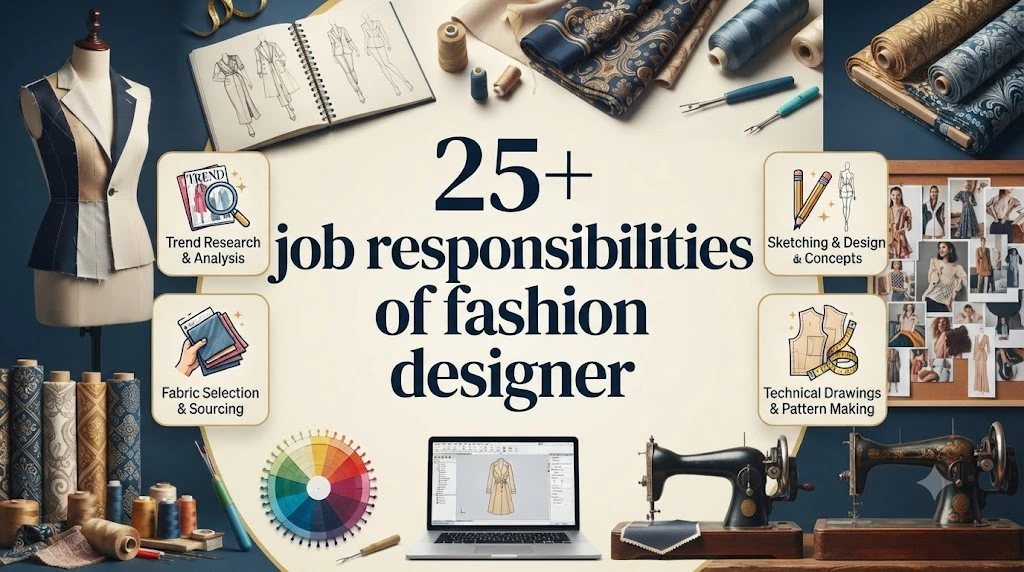
The first time someone steps into a fashion studio, they often experience a feeling that is hard to describe. The sound of sewing machines, the texture of different fabrics, the sight of sketches becoming real garments—it feels like creativity is coming alive. For many aspiring designers, that moment creates a dream: building a career in the fashion world.
California has become an exciting destination for students who want to turn that dream into a profession. The state is known for creativity, entertainment, technology, and diverse cultures, making it a unique place to study fashion. From Los Angeles fashion studios to innovative design programmes, California offers opportunities for students who want to learn, experiment, and grow.
Choosing the right fashion institute in california is an important decision because it can shape your future career. A good institute does more than teach students how to design clothes. It helps them understand textiles, fashion business, styling, technology, sustainability, and the real-world process of creating collections.
Whether you dream of becoming a fashion designer, stylist, fashion marketer, costume creator, or entrepreneur, the right education can help you develop the skills and confidence needed to succeed.
This guide explains everything you need to know about studying fashion in California, including what institutes offer, important skills, career opportunities, admission factors, and expert advice to help you make a smart choice.
Why Choose a Fashion Institute in California?
California has a different fashion personality compared to traditional fashion capitals. The state blends luxury, streetwear, entertainment, technology, and sustainable design into one creative environment.
Students who study fashion here gain exposure to many styles and industries. A designer in California may find inspiration from Hollywood costumes, beach culture, urban fashion, technology companies, and international communities.
Several reasons make California an attractive place for fashion education:
- Access to major fashion markets
- Strong creative industries
- Connections with entertainment and media
- Opportunities for internships and networking
- Exposure to diverse fashion styles
- Growing focus on sustainable design
Los Angeles, in particular, has become a major fashion centre. The city supports independent designers, clothing brands, costume professionals, and fashion entrepreneurs.
For example, a student interested in costume design can benefit from California’s connection with film and television. Someone interested in sustainable fashion can explore brands focusing on ethical materials and responsible production.
Expert tip: When choosing a fashion school, don’t only look at rankings. Consider whether the institute’s teaching style, industry connections, and specialisations match your personal career goals.
What Do Students Learn at a Fashion Institute in California?
A professional fashion education covers much more than drawing clothing designs. Modern fashion programmes prepare students for the complete design process, from the first idea to the final product.
A typical fashion curriculum may include:
- Fashion illustration
- Pattern making
- Sewing and garment construction
- Textile studies
- Colour theory
- Fashion history
- Digital fashion design
- Fashion marketing
- Product development
- Portfolio creation
Students learn how fabrics behave, how garments are constructed, and how designs move from concept to production.
For example, a student designing a summer collection must understand more than appearance. They need to choose breathable fabrics, create comfortable fits, consider manufacturing costs, and design pieces that customers actually want to wear.
Many institutes also teach business-related skills because successful fashion professionals need to understand branding, pricing, marketing, and customer behaviour.
Common mistake: Some beginners believe fashion design is only about creativity. In reality, technical knowledge and business understanding often separate professional designers from hobby creators.
Top Fashion Programmes Available in California
California offers a wide range of fashion programmes designed for different career goals. Students can choose from short courses, certificates, undergraduate degrees, and advanced programmes.
Common study options include:
Fashion Design Programmes
These programmes focus on creating clothing collections and developing technical design skills.
Students usually learn:
- Sketching techniques
- Pattern development
- Garment construction
- Fabric selection
- Collection planning
Fashion Merchandising Programmes
These courses focus on the business side of fashion.
Students learn about:
- Retail management
- Consumer behaviour
- Buying strategies
- Product planning
- Fashion marketing
Fashion Styling Programmes
Styling courses teach students how to create complete looks for:
- Fashion shoots
- Celebrities
- Advertising campaigns
- Personal clients
Textile Design Programmes
These programmes focus on fabrics, prints, surface design, and material innovation.
Costume Design Programmes
California is especially attractive for costume design because of its connection with film and television production.
Students learn how to create clothing that supports storytelling and character development.
Recommendation: Before applying, review the course structure carefully. A school may have an excellent reputation, but the programme should match the specific career path you want to follow.
Skills You Develop at a California Fashion Institute
A strong fashion education helps students develop a combination of creative, technical, and professional abilities.
Creative Thinking
Fashion requires original ideas. Students learn how to research inspiration, develop concepts, and create designs that communicate a clear message.
Technical Design Skills
Understanding construction techniques helps designers create garments that are both attractive and practical.
Important technical skills include:
- Pattern drafting
- Sewing techniques
- Fabric selection
- Garment fitting
- Technical drawing
Digital Fashion Skills
Technology plays a major role in modern fashion.
Students often learn tools such as:
- Adobe Illustrator
- Adobe Photoshop
- CLO 3D
- CAD fashion software
Digital skills help designers create accurate presentations and work efficiently with production teams.
Communication Skills
Fashion professionals collaborate with many people, including:
- Manufacturers
- Stylists
- Photographers
- Buyers
- Marketing teams
- Clients
Clear communication helps transform creative ideas into successful products.
Business Knowledge
Many designers eventually create their own brands. Understanding business basics helps them make better decisions about pricing, marketing, and production.
Expert insight: The most successful fashion professionals combine artistic creativity with practical skills. A beautiful idea becomes valuable when a designer knows how to turn it into a wearable, market-ready product.
How to Choose the Right Fashion Institute in California
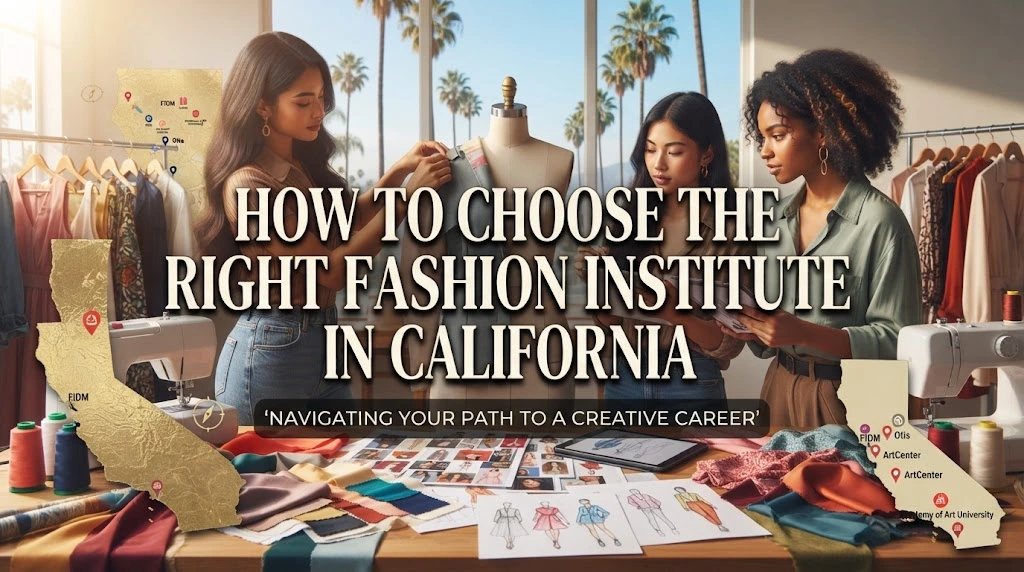
Selecting a fashion school requires careful research. The best institute for one student may not be the right choice for another.
Before making a decision, consider these factors:
Course Content
Review the subjects included in the programme. Make sure the institute teaches the skills you need for your preferred career path.
Faculty Experience
Experienced instructors can provide valuable industry knowledge, practical advice, and professional connections.
Look for educators who have:
- Industry experience
- Design backgrounds
- Real-world project experience
Industry Connections
A strong fashion institute often provides opportunities for:
- Internships
- Industry projects
- Fashion events
- Portfolio reviews
- Professional networking
These experiences help students understand the industry before graduation.
Facilities and Resources
Good fashion schools usually provide access to:
- Sewing labs
- Design studios
- Computer labs
- Fabric libraries
- Photography spaces
Hands-on learning is essential because fashion is a practical field.
Student Portfolio Results
A school’s student work can reveal a lot about its teaching quality. Review graduate portfolios and final projects to understand the level of creativity and technical ability students achieve.
Common mistake: Many students choose a school only because of its name. A better approach is to evaluate the complete experience, including curriculum, resources, faculty, and career support.
Best Fashion Institutes and Schools in California
Choosing the right school can influence your creative growth, professional network, and future career opportunities. California offers several respected fashion education options, each with different strengths. Some schools focus heavily on design and craftsmanship, while others combine fashion with business, technology, entertainment, or sustainability.
When comparing a fashion institute in california, students should look beyond the school name. The right choice depends on your career goals, preferred learning style, budget, and the type of fashion career you want to build.
Some well-known fashion education options in California include:
Fashion Institute of Design & Merchandising (FIDM)
Fashion Institute of Design & Merchandising has been known for programmes focused on fashion design, merchandising, beauty, entertainment, and creative business education.
Students can explore areas such as:
- Fashion design
- Fashion business management
- Apparel industry practices
- Visual communication
- Product development
One of the advantages of studying at a school like FIDM is exposure to Los Angeles’ fashion and entertainment industries. Students can gain insights into how fashion connects with retail, media, and creative businesses.
Otis College of Art and Design
Otis College of Art and Design offers a strong design-focused environment where students develop creative thinking, technical abilities, and professional portfolios.
Fashion students often work on projects that involve:
- Apparel design
- Collection development
- Textile exploration
- Industry collaboration
The school is recognised for encouraging students to develop their own creative identity rather than simply following existing trends.
California College of the Arts
California College of the Arts provides an environment where fashion connects with art, design, culture, and innovation.
Students interested in experimental design, sustainability, and creative exploration may find this type of learning environment valuable.
Academy of Art University
Academy of Art University offers fashion-related education that combines traditional design skills with modern technology.
Programmes may include areas such as:
- Fashion design
- Fashion merchandising
- Textile development
- Fashion marketing
The university environment also allows students to explore other creative fields, which can help when developing a unique design perspective.
Choosing Between Different Fashion Schools
Each institute has different strengths. Some students prefer a highly artistic environment, while others want stronger business training or industry connections.
Before applying, ask yourself:
- Do I want to become a designer, stylist, buyer, or entrepreneur?
- Do I prefer hands-on studio learning or academic study?
- Do I want to focus on luxury, streetwear, sustainability, or entertainment fashion?
- Does the school help students build professional portfolios?
Expert tip: Visit campuses when possible and review student work. A school’s creative atmosphere often tells you more than marketing materials.
Admission Requirements for Fashion Institutes in California
Applying to a fashion school requires preparation. Unlike some traditional programmes, fashion institutes often evaluate creativity, practical ability, and personal vision along with academic performance.
Admission requirements vary by institution, but many schools look for similar materials.
Educational Background
Most undergraduate programmes require completion of high school or an equivalent qualification.
Some advanced programmes may require:
- Previous college education
- Related coursework
- Professional experience
Portfolio Submission
A portfolio is one of the most important parts of a fashion application.
It allows admission teams to understand your creativity, design thinking, and technical skills.
A strong fashion portfolio may include:
- Original sketches
- Colour studies
- Mood boards
- Fabric experiments
- Garment designs
- Photography of completed projects
- Design development notes
You do not need to show perfect work. Schools often want to see your creative process and willingness to experiment.
Personal Statement
Some institutes ask students to explain their goals and motivation.
A strong statement should describe:
- Why you want to study fashion
- Your creative interests
- Your career goals
- What inspires your designs
Avoid writing only about loving clothes. Explain how you think about design, culture, creativity, and problem-solving.
Academic Records
Schools may review:
- Previous grades
- Relevant courses
- Academic achievements
However, fashion programmes often consider creative potential alongside academic performance.
Interview Process
Some institutes conduct interviews to understand your personality, goals, and commitment.
You may be asked questions about:
- Favourite designers
- Design influences
- Portfolio projects
- Career plans
Common mistake: Many applicants wait until the last moment to prepare their portfolio. A strong portfolio takes time because it shows development, experimentation, and personal growth.
Cost of Studying at a Fashion Institute in California
Fashion education is an investment. Understanding the costs involved helps students plan realistically before choosing a programme.
The total expense depends on several factors:
- Type of institute
- Programme length
- Location
- Materials required
- Living expenses
- Personal project costs
Fashion students often need additional supplies such as:
- Fabric samples
- Sewing tools
- Sketching materials
- Design software
- Portfolio printing
- Photography services
Students studying in major cities such as Los Angeles or San Francisco should also consider accommodation, transportation, and daily living expenses.
Ways Students Manage Costs
Many students explore options such as:
- Scholarships
- Grants
- Financial aid
- Part-time work
- Payment plans
- Internships
Planning ahead can reduce financial pressure during studies.
Is Fashion School Worth the Investment?
A fashion education can provide valuable benefits:
- Professional guidance
- Industry connections
- Technical training
- Portfolio development
- Access to creative communities
However, students should choose programmes carefully and consider their long-term goals.
A strong portfolio, practical experience, and networking often determine career success after graduation.
Recommendation: Compare the complete value of a programme instead of looking only at tuition fees. A school with strong industry connections may provide opportunities that justify the investment.
Career Opportunities After Studying Fashion in California
Graduating from a fashion institute opens doors to many creative and business-related careers. While fashion design is the most obvious path, the industry offers many specialised roles.
Fashion Designer
Fashion designers create clothing collections by developing concepts, selecting materials, and overseeing production.
They may work in:
- Luxury fashion
- Retail brands
- Independent labels
- Costume design
- Sustainable fashion
Fashion Stylist
Stylists create visual identities through clothing choices. They may work with:
- Celebrities
- Magazines
- Advertising campaigns
- Personal clients
Fashion Buyer
Buyers select products for retailers based on customer demand, market trends, and sales performance.
Fashion Merchandiser
Merchandisers connect creative ideas with business goals. They analyse trends, pricing, inventory, and consumer behaviour.
Costume Designer
California offers unique opportunities for costume designers because of its connection with film and television production.
Costume designers research characters, time periods, and stories to create clothing that supports visual storytelling.
Fashion Entrepreneur
Many graduates launch their own brands or online fashion businesses.
Entrepreneurs manage areas such as:
- Design
- Branding
- Production
- Marketing
- Customer relationships
Expert insight: Fashion careers are not limited to famous designers. Many successful professionals build rewarding careers in technical design, product development, merchandising, and creative management.
Internships and Industry Experience in California Fashion
Classroom learning provides a foundation, but real industry experience helps students understand how fashion works in practice.
Internships allow students to observe professional workflows and develop workplace confidence.
During an internship, students may help with:
- Design research
- Sample organisation
- Fabric selection
- Market analysis
- Production coordination
- Fashion presentations
California provides opportunities because of its diverse creative industries.
Students may find experience in:
- Fashion brands
- Clothing manufacturers
- Entertainment companies
- Styling agencies
- Textile companies
- Retail organisations
How to Find Valuable Internships
Start early and build professional relationships.
Helpful strategies include:
- Attending fashion events
- Connecting with alumni
- Joining design communities
- Creating an online portfolio
- Contacting brands directly
Making the Most of an Internship
A successful internship is not only about completing assigned tasks. It is an opportunity to learn how professionals make decisions.
Observe:
- How designers solve problems
- How teams communicate
- How products move from idea to customer
Common mistake: Some students focus only on getting a famous company name on their resume. A smaller company where you gain hands-on experience can sometimes provide greater learning opportunities.
Fashion Design Specialisations and Career Paths in California
One of the most exciting parts of studying fashion is the number of career directions available after graduation. Many people imagine a fashion designer only creating dresses or runway collections, but the industry includes many specialised roles that require different skills and creative approaches.
A student choosing a fashion institute in california should think about which area of fashion matches their interests, personality, and long-term goals.
Some popular fashion specialisations include:
Apparel Design
Apparel design is one of the most traditional paths in fashion. Designers in this field create clothing collections for different markets, including casual wear, luxury fashion, sportswear, and everyday clothing.
An apparel designer works on:
- Design concepts
- Fabric selection
- Garment shapes
- Colour combinations
- Production details
For example, a designer creating a California-inspired clothing line may combine lightweight fabrics, relaxed silhouettes, and comfortable styles that reflect the state’s lifestyle.
Sustainable Fashion Design
Sustainable fashion has become one of the fastest-growing areas in the industry. Designers in this field focus on creating clothing that reduces environmental impact.
They work with:
- Organic fabrics
- Recycled materials
- Ethical production methods
- Long-lasting designs
California has a strong connection with sustainability, making it an ideal place for students interested in responsible fashion.
A sustainable designer does not simply create attractive clothing. They also consider how materials are sourced, how products are manufactured, and what happens after consumers stop using them.
Costume Design
California’s entertainment industry creates unique opportunities for costume designers.
Costume designers work on:
- Films
- Television shows
- Theatre productions
- Music performances
- Commercial projects
Their job requires storytelling skills. A costume must communicate a character’s personality, background, and emotions.
For example, designing clothing for a historical film requires research into the time period, materials, social customs, and cultural details.
Fashion Styling
Fashion stylists help create complete looks by combining clothing, accessories, colours, and visual concepts.
They may work with:
- Celebrities
- Models
- Photographers
- Magazines
- Advertising agencies
A stylist must understand body proportions, colour harmony, current trends, and personal branding.
Fashion Merchandising
Fashion merchandising combines creativity with business strategy.
Merchandisers analyse:
- Customer preferences
- Sales trends
- Product performance
- Market demand
They help brands decide which products to create, how to price them, and how to present them to customers.
Textile Design
Textile designers focus on creating fabrics, prints, patterns, and surface details.
Their work influences:
- Clothing
- Home textiles
- Accessories
- Interior design products
Students interested in materials, colours, and patterns may find textile design especially rewarding.
Expert tip: Before choosing a specialisation, try different projects during your studies. Many students discover their true passion only after exploring multiple areas of fashion.
Fashion Technology and Sustainability in California
The fashion industry is changing quickly because of new technology and growing environmental awareness. Modern designers need to understand both creative design and innovative solutions.
A fashion institute in California often introduces students to technologies that are transforming how clothing is designed, produced, and sold.
Digital Fashion Design
Digital tools have changed the way designers create garments. Instead of producing multiple physical samples, designers can now test ideas virtually.
Digital fashion tools allow designers to:
- Create 3D clothing models
- Test different fabrics
- Adjust garment fitting
- Present realistic designs
- Reduce production waste
This technology helps brands save time and make better decisions before manufacturing begins.
Artificial Intelligence in Fashion
Artificial intelligence is becoming a useful tool for fashion professionals.
Designers can use AI-supported systems for:
- Trend research
- Consumer analysis
- Design inspiration
- Production planning
However, technology does not replace human creativity. A designer’s personal vision, emotional understanding, and storytelling ability remain essential.
Sustainable Materials
California’s fashion community increasingly focuses on responsible materials.
Examples include:
- Organic cotton
- Recycled fibres
- Plant-based materials
- Low-impact dyes
- Innovative fabrics
Future designers who understand sustainable practices will have stronger career opportunities.
Circular Fashion
Circular fashion focuses on reducing waste by keeping clothing in use for longer.
Designers may consider:
- Repairable garments
- Recyclable materials
- Multi-purpose clothing
- Timeless designs
Instead of creating products that quickly become outdated, circular fashion encourages thoughtful design.
Recommendation: Students should learn both traditional craftsmanship and modern technology. The strongest designers understand how to combine creativity with innovation.
Skills Needed to Succeed in the California Fashion Industry
A fashion education provides knowledge, but successful professionals continue developing their skills throughout their careers.
The fashion industry rewards people who combine creativity with discipline and professional confidence.
Strong Creative Vision
Great designers develop their own perspective. They understand trends but do not simply copy what is popular.
Creative vision helps designers create collections that feel original and meaningful.
Technical Knowledge
Understanding how clothing is made is essential.
Important technical skills include:
- Pattern drafting
- Sewing techniques
- Garment fitting
- Textile understanding
- Construction methods
A designer who understands production can create more realistic and successful designs.
Attention to Detail
Small details often make a major difference in fashion.
Designers must notice:
- Stitching quality
- Fabric behaviour
- Colour balance
- Proportion
- Finishing details
Luxury fashion especially depends on precision.
Communication Skills
Fashion is collaborative. Designers work with many professionals, so communication skills are extremely important.
A designer must explain ideas clearly to:
- Manufacturers
- Clients
- Buyers
- Marketing teams
- Creative partners
Business Understanding
Creative talent alone does not guarantee success.
Designers should understand:
- Customer needs
- Pricing
- Production costs
- Branding
- Marketing strategies
This knowledge becomes especially important for anyone planning to start their own fashion label.
Adaptability
Fashion changes constantly. Successful designers stay open to new materials, technologies, consumer preferences, and cultural influences.
Common mistake: Some beginners focus only on artistic ability and ignore business or communication skills. Long-term success requires both creativity and professional knowledge.
How to Build a Successful Fashion Portfolio
A portfolio is one of the most important tools for fashion students and graduates. It shows employers, clients, and collaborators what you can create.
A strong portfolio tells a story about your creative process, not just your final designs.
Include Your Best Work
Choose projects that demonstrate:
- Creativity
- Technical ability
- Personal style
- Problem-solving skills
Avoid adding too many average projects. A smaller collection of excellent work creates a stronger impression.
Show Your Design Process
Professional portfolios should include development stages such as:
- Inspiration research
- Mood boards
- Sketches
- Fabric experiments
- Colour selections
- Final garments
This helps viewers understand how you think as a designer.
Include Different Types of Projects
A balanced portfolio may include:
- Clothing designs
- Digital illustrations
- Textile experiments
- Styling projects
- Sustainable design concepts
Showing variety demonstrates flexibility.
Create a Digital Portfolio
Many fashion professionals now review portfolios online.
A digital portfolio should be:
- Easy to navigate
- Visually attractive
- Professionally organised
- Mobile-friendly
Update Regularly
Your portfolio should grow as your skills improve.
Remove older work that no longer represents your abilities and replace it with stronger projects.
Expert advice: Your portfolio should reflect who you are as a designer. Employers remember originality more than perfect copies of existing trends.
Future Trends for Fashion Students in California
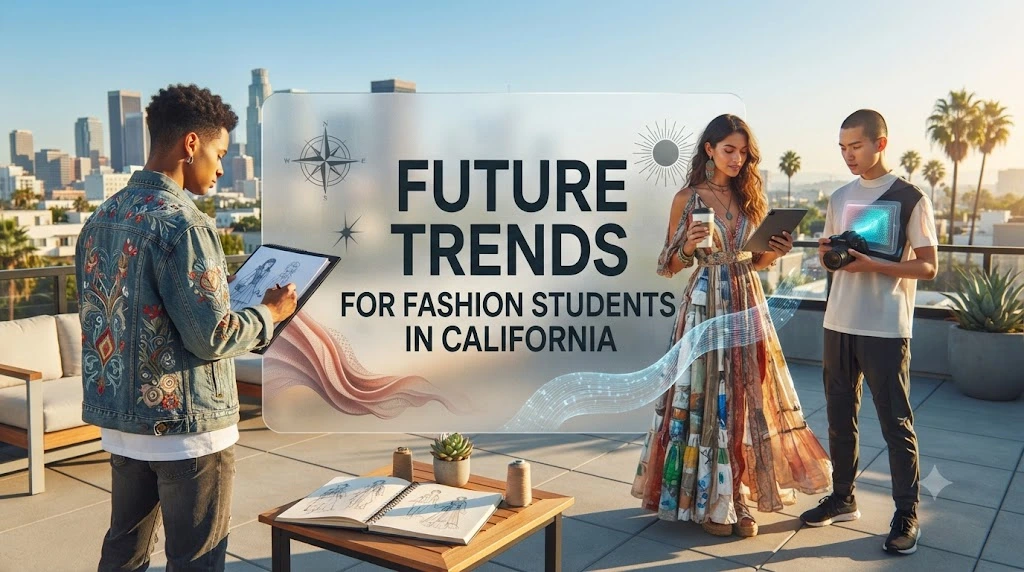
The future of fashion is changing rapidly, and students entering the industry today will experience a very different landscape from previous generations.
California’s connection with technology, entertainment, and sustainability makes it an exciting place for future fashion professionals.
Growth of Sustainable Fashion Careers
As consumers become more environmentally conscious, brands need designers who understand responsible production.
Future opportunities may increase in areas such as:
- Sustainable design
- Ethical sourcing
- Material innovation
- Waste reduction
Expansion of Digital Fashion
Virtual fashion, online shopping experiences, and digital clothing are creating new career possibilities.
Future designers may work on:
- Virtual garments
- Digital fashion collections
- Online fashion experiences
- 3D product development
Personalised Fashion
Customers increasingly want products that feel unique.
Technology allows brands to create more personalised experiences through:
- Custom sizing
- Individual design options
- Data-based recommendations
Independent Fashion Brands
Starting a fashion business has become more accessible because of online platforms.
Small designers can now:
- Sell directly to customers
- Build communities online
- Market internationally
- Test new ideas quickly
Collaboration Between Fashion and Other Industries
Fashion is increasingly connected with:
- Technology
- Entertainment
- Art
- Wellness
- Sustainability
Designers who understand these connections will have more opportunities.
Final insight: The future belongs to designers who stay curious. Learning new skills, understanding customers, and adapting to change will help fashion graduates build successful careers in California and beyond.
Conclusion
Choosing the right fashion institute in california can become the first major step toward a successful and creative career in the fashion world. California offers much more than classrooms and design studios. It provides access to a powerful fashion ecosystem where creativity connects with entertainment, technology, sustainability, and global business.
A strong fashion education helps students develop the skills needed to transform ideas into real products. Learning about design principles, textiles, garment construction, digital tools, and fashion marketing gives students the confidence to enter a competitive industry.
However, success in fashion depends on more than attending a good school. The most successful designers continue learning, experiment with new ideas, build strong portfolios, and develop their own creative identity. They understand that fashion is not only about creating beautiful clothing—it is about understanding people, solving design challenges, and creating meaningful experiences.
California is especially valuable for students who want to explore different sides of fashion. Whether your goal is to become a fashion designer, stylist, costume creator, entrepreneur, merchandiser, or sustainability-focused professional, the state offers opportunities to learn and grow.
Before selecting a fashion institute, consider your personal goals, preferred specialisation, budget, and career plans. A school that supports your creativity and provides practical industry experience can help you build a strong foundation.
The fashion industry will continue to change with new technology, customer expectations, and environmental challenges. Students who stay adaptable, develop professional skills, and maintain their passion for design will be better prepared for the future.
Your journey in fashion begins with learning, but it grows through practice, curiosity, and the courage to create something unique.
Frequently Asked Questions (FAQs)
1. What is the best fashion institute in California?
The best fashion institute in California depends on your career goals, preferred specialisation, and learning style. Some students may prefer schools focused on fashion design and garment creation, while others may want programmes related to fashion business, merchandising, styling, or costume design.
When choosing an institute, consider:
- Course curriculum
- Faculty experience
- Industry connections
- Portfolio development opportunities
- Internship support
- Facilities and resources
A school that matches your personal goals will usually provide more value than choosing based only on reputation.
2. How much does it cost to study fashion in California?
The cost of studying fashion in California varies depending on the institute, programme length, location, and additional expenses.
Students should consider:
- Tuition fees
- Design materials
- Software costs
- Equipment
- Accommodation
- Transportation
- Portfolio expenses
Many students reduce financial pressure through scholarships, financial aid, payment plans, or part-time opportunities.
Before applying, create a complete budget that includes both education costs and daily living expenses.
3. What qualifications do I need to join a fashion institute in California?
Requirements differ between institutes, but many fashion schools commonly ask for:
- High school completion or equivalent qualification
- Academic records
- Application form
- Portfolio of creative work
- Personal statement
- Interview (in some cases)
A strong portfolio can be especially important because it shows creativity, dedication, and design potential.
You do not always need professional fashion experience before applying. Many programmes are designed to help beginners develop industry skills.
4. Can international students study fashion in California?
Yes, many fashion institutes in California welcome international students. Studying fashion in California can provide exposure to global design perspectives and diverse creative communities.
International students usually need to prepare:
- Academic documents
- English language requirements
- Student visa documentation
- Financial planning
- Portfolio materials
Studying in California can also help students build international networks that may support future career opportunities.
5. What careers can I pursue after graduating from a fashion institute in California?
Fashion graduates can explore many career options, including:
- Fashion designer
- Fashion stylist
- Textile designer
- Costume designer
- Fashion buyer
- Fashion merchandiser
- Product developer
- Fashion entrepreneur
- Creative director
Some graduates work for established brands, while others create their own fashion businesses or freelance careers.
The skills gained from fashion education can also apply to industries such as entertainment, media, retail, and technology.
6. Is a fashion institute necessary to become a fashion designer?
A fashion institute can provide valuable training, professional guidance, and industry connections, but it is not the only way to enter fashion.
Some successful designers develop their careers through:
- Self-learning
- Online courses
- Internships
- Mentorship
- Independent projects
- Strong portfolios
However, formal education can help students build technical skills faster and understand professional fashion processes more effectively.
7. What skills should I develop before joining a fashion institute in California?
Before starting fashion studies, developing basic creative and technical skills can be helpful.
Useful skills include:
- Drawing and sketching
- Colour understanding
- Basic sewing knowledge
- Fashion research
- Creative thinking
- Communication skills
- Interest in fabrics and materials
You do not need to be perfect before joining a programme. A good fashion institute helps students improve their abilities through structured learning and practice.