Fashion is not just about clothes. It is about self-expression, confidence, creativity, and the stories people tell through what they wear. Every outfit carries a message, whether it is a powerful business look, a comfortable everyday style, or a dream wedding dress created for a once-in-a-lifetime moment. Behind every memorable design, there is a fashion designer who understands people, trends, fabrics, and the art of turning ideas into reality.
Many people dream of becoming a fashion designer because they love colours, styling, drawing, and creating new looks. However, passion alone is not enough to build a successful career in the fashion industry. A professional designer needs a mix of creativity, technical knowledge, business skills, industry awareness, and practical experience.
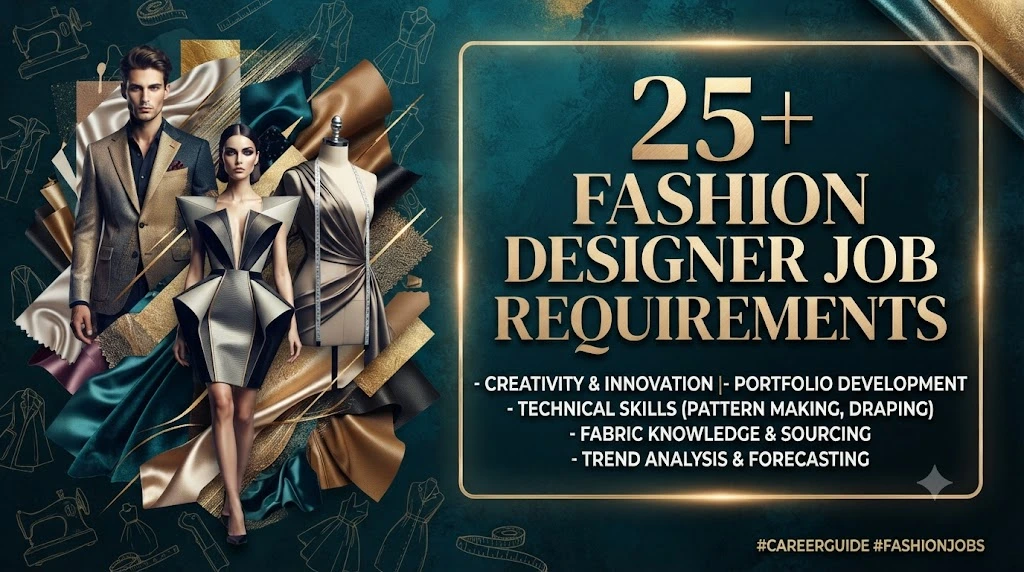
Understanding the fashion designer job requirements helps aspiring designers prepare for real opportunities instead of only focusing on the glamorous side of fashion. The industry requires dedication, patience, and continuous learning. From choosing the right education path to developing a strong portfolio, every step plays an important role in career growth.
This complete guide explains the skills, qualifications, experience, tools, and personal qualities needed to become a fashion designer. Whether you are a student planning your future, someone changing careers, or simply curious about fashion careers, this article will help you understand what employers look for and how you can build a strong foundation.
Essential Skills Needed for a Fashion Designer Career
A successful fashion designer combines artistic creativity with practical skills. Great designers do not only create attractive clothing; they solve problems, understand customers, and transform concepts into wearable designs.
The fashion world changes quickly, so designers must develop skills that help them stay competitive. A designer who understands both creativity and technology has a stronger chance of building a successful career.
Some of the most important skills include:
- Creativity and imagination: Designers need original ideas that stand out in a crowded market. They should be able to imagine new styles, silhouettes, colours, and patterns.
- Fashion illustration skills: Drawing helps designers communicate their ideas before creating actual garments. Sketches allow teams to understand the designer’s vision.
- Fabric knowledge: A designer should understand different textiles, including cotton, silk, wool, denim, leather, and sustainable fabrics. Each material behaves differently and affects the final design.
- Colour theory: Knowing how colours work together helps designers create balanced and attractive collections.
- Trend awareness: Fashion professionals must follow changing customer preferences, cultural influences, fashion shows, and lifestyle trends.
- Problem-solving ability: Sometimes a design looks good on paper but does not work in production. Designers need practical solutions.
For example, a designer creating a summer collection must think beyond appearance. They need to consider comfort, climate, fabric weight, production costs, and customer expectations.
Expert designers often develop a habit of observing everyday life. Architecture, nature, travel, street fashion, and different cultures can inspire fresh ideas.
Educational Qualifications Required to Become a Fashion Designer
Formal education is not the only path into fashion, but it provides valuable knowledge and industry exposure. Many employers prefer candidates who have completed fashion-related courses because they understand design principles and production processes.
Common educational paths include:
- Bachelor’s degree in fashion design.
- Diploma in fashion design.
- Certificate courses in apparel design.
- Textile design programmes.
- Fashion merchandising courses.
A fashion design programme usually teaches important areas such as:
- Fashion sketching.
- Pattern making.
- Garment construction.
- Textile studies.
- Fashion history.
- Computer-aided design.
- Fashion marketing.
- Collection development.
Students also learn how to create mood boards, research trends, select materials, and present professional design concepts.
However, education alone does not guarantee success. The fashion industry values practical ability and creativity. A designer with strong skills and an impressive portfolio can often create opportunities even without a traditional background.
Many successful designers continue learning throughout their careers. Workshops, online courses, fashion events, and industry networking help professionals stay updated.
Fashion Design Portfolio Requirements for Job Applications
A strong portfolio is one of the most important requirements for a fashion designer position. It shows employers what you can create and how you think as a designer.
A portfolio should not simply display finished clothing. It should tell the story behind your creative process.
A professional fashion portfolio usually includes:
- Original fashion sketches.
- Mood boards.
- Colour palettes.
- Fabric selections.
- Design concepts.
- Technical drawings.
- Completed garment photographs.
- Details of personal projects.
Employers want to see your ability to develop an idea from the first inspiration to the final product.
For example, instead of showing only a finished jacket, include the research behind it. Explain why you selected the fabric, how the shape developed, and what customer group you designed it for.
Common portfolio mistakes include:
- Adding too many unrelated designs.
- Using poor-quality images.
- Copying popular designs without originality.
- Focusing only on creativity without showing technical skills.
A smaller portfolio with strong, thoughtful work often creates a better impression than a large collection of average designs.
A useful tip is to update your portfolio regularly. Fashion changes constantly, and your latest work should represent your current ability.
Technical Skills Required in Fashion Design Jobs
Creative ideas become successful products when designers understand the technical side of fashion. Technical knowledge helps designers communicate with pattern makers, manufacturers, and production teams.
Important technical skills include:
- Pattern making.
- Sewing knowledge.
- Garment construction.
- Draping techniques.
- Fashion technology.
- Size and fitting knowledge.
- Production planning.
A designer does not always need to sew every garment personally, but understanding construction helps create realistic designs.
For example, a designer may create a beautiful dress concept, but if the fabric cannot support the structure or the pattern is difficult to manufacture, the design may not succeed commercially.
Modern fashion designers also use digital tools. Computer-aided design software allows professionals to create detailed illustrations, experiment with colours, and prepare production-ready designs.
Popular fashion design software skills include:
- Adobe Illustrator.
- Adobe Photoshop.
- CLO 3D.
- CAD fashion design tools.
Technology has changed the industry by making design processes faster and more accurate. Designers who combine traditional skills with digital knowledge often have more career opportunities.
Experience Requirements for Fashion Designer Positions
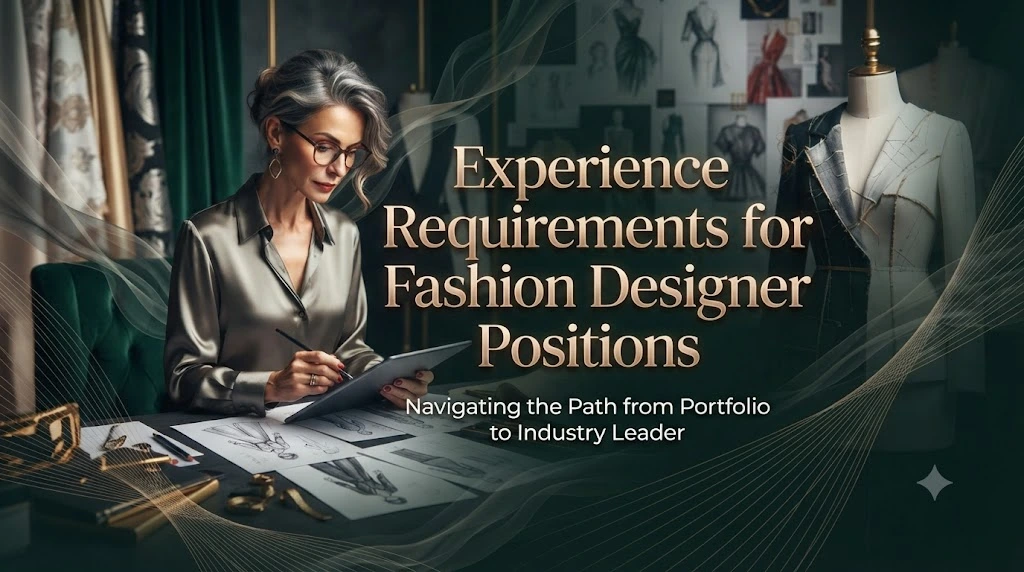
Experience plays a major role in building a successful fashion career. While education teaches important concepts, real-world experience helps designers understand customers, deadlines, production challenges, and industry expectations.
Many entry-level fashion designers begin their careers through internships, apprenticeships, assistant designer roles, or freelance projects. These opportunities allow beginners to learn directly from experienced professionals.
Common experience employers value includes:
- Assisting senior fashion designers.
- Working with fashion brands.
- Creating small clothing collections.
- Participating in fashion shows.
- Managing design projects.
- Collaborating with manufacturers.
- Understanding garment production.
An internship at a fashion house can teach lessons that classrooms cannot always provide. For example, a student may understand fabric theory but only discover the challenges of fabric sourcing when working on an actual collection.
Employers often look for candidates who understand the complete design process, including research, concept development, sampling, fitting, revisions, and final production.
A helpful career tip is to gain experience in different areas of fashion. Working with styling, merchandising, textile development, or retail can improve your understanding of how fashion businesses operate.
New designers sometimes make the mistake of waiting for the perfect job before gaining experience. Small projects, personal collections, online fashion platforms, and collaborations can all strengthen your professional profile.
Personal Qualities That Make a Successful Fashion Designer
Fashion design requires more than technical knowledge. The best designers develop personal qualities that help them handle creativity, pressure, teamwork, and constant change.
A strong fashion designer usually has:
- Curiosity: Great designers constantly explore new ideas, cultures, materials, and styles.
- Attention to detail: Small details such as stitching, finishing, and fabric texture can completely change a garment’s quality.
- Patience: Creating a successful collection requires research, testing, and many improvements.
- Confidence: Designers must present their ideas and explain their creative decisions.
- Adaptability: Trends change quickly, so designers must adjust without losing their unique identity.
- Communication skills: Designers work with photographers, models, manufacturers, buyers, and marketing teams.
A designer may have excellent creative ideas, but poor communication can create problems during production. Clear communication helps everyone understand the vision and complete projects successfully.
Another important quality is accepting feedback. Professional designers understand that suggestions are not criticism of their creativity. Feedback helps improve designs and create products that customers love.
Fashion Designer Job Duties and Daily Responsibilities
Many people imagine fashion designers spending their days only drawing beautiful outfits. While creativity is a major part of the job, designers handle many different responsibilities.
A typical fashion designer may work on:
- Researching upcoming trends.
- Creating design concepts.
- Selecting fabrics and colours.
- Preparing sketches.
- Developing prototypes.
- Reviewing samples.
- Working with production teams.
- Attending fashion meetings.
- Monitoring quality standards.
A designer’s day can change depending on the project stage. During the early stages of a collection, they may spend more time researching and creating concepts. During production, they may focus on fittings, adjustments, and quality checks.
For example, a designer preparing a winter collection may research customer needs, study seasonal colours, select warm fabrics, create sketches, and coordinate with manufacturers before the final pieces reach stores.
Fashion designers also need strong time management because they often work on multiple designs at once. Meeting deadlines is essential, especially when preparing collections for fashion shows or seasonal launches.
Different Types of Fashion Designer Career Paths
Fashion design is a broad field with many career opportunities. Choosing a specific area can help designers develop specialised skills and build a clear career direction.
Popular fashion design career paths include:
Apparel Designer: Creates clothing collections for men, women, or children.
Couture Designer: Creates custom-made luxury garments with detailed craftsmanship.
Accessory Designer: Designs products such as handbags, shoes, jewellery, and other fashion items.
Textile Designer: Develops fabric patterns, prints, and surface designs.
Costume Designer: Creates outfits for films, theatre productions, television, and performances.
Sustainable Fashion Designer: Focuses on environmentally friendly materials and ethical production methods.
Fashion Technical Designer: Works on garment specifications, measurements, and production accuracy.
Each career path requires different skills. Someone interested in luxury fashion may focus on craftsmanship and artistic expression, while someone interested in commercial fashion may focus more on customer trends and production efficiency.
Exploring different areas through internships and personal projects can help beginners discover the right direction.
Computer Skills and Digital Tools for Modern Fashion Designers
Technology has transformed the fashion industry. Modern designers need digital skills because many companies now use advanced software for design development, communication, and production.
Important digital skills include:
- Creating digital fashion illustrations.
- Developing virtual garment designs.
- Preparing technical drawings.
- Editing fashion presentations.
- Using 3D design software.
Computer-aided design allows designers to test ideas before creating physical samples. This saves time, reduces waste, and improves accuracy.
For example, a designer can create a digital version of a dress, adjust colours, change fabric appearance, and review the design before producing a sample.
Digital fashion tools also support sustainable practices because companies can reduce unnecessary material usage and create better production plans.
A common mistake among beginners is focusing only on hand drawing while ignoring technology. Traditional creativity remains valuable, but combining artistic skills with digital knowledge creates stronger career opportunities.
Communication and Business Skills Needed in Fashion Design
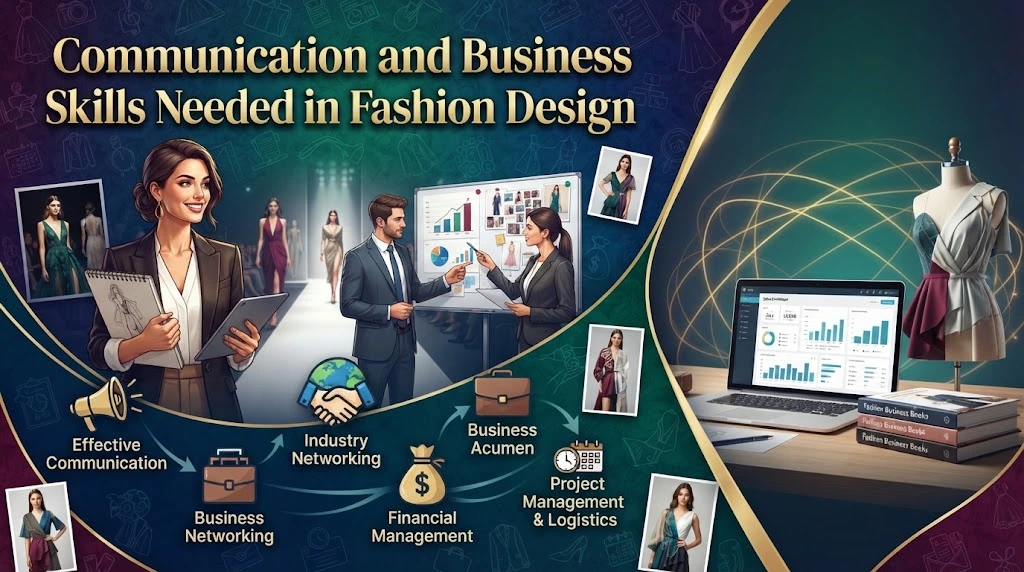
Fashion designers often work as part of a larger team. They communicate with manufacturers, suppliers, customers, marketing professionals, and business owners.
Strong communication skills help designers:
- Explain creative ideas clearly.
- Negotiate with suppliers.
- Present collections professionally.
- Understand customer needs.
- Build industry relationships.
Business knowledge is equally important, especially for designers who want to launch their own brands.
A designer running a fashion business needs to understand:
- Budget planning.
- Pricing strategies.
- Marketing.
- Customer research.
- Brand identity.
- Inventory management.
Creativity attracts customers, but strong business decisions help a brand survive and grow.
Many talented designers struggle because they focus only on making beautiful products and ignore the commercial side of fashion. Learning basic business skills can turn creative talent into a sustainable career.
Networking also plays an important role. Building relationships with photographers, stylists, models, suppliers, and other designers can create valuable opportunities.
Common Mistakes Aspiring Fashion Designers Should Avoid
Starting a fashion career can feel exciting, but beginners often make mistakes that slow their progress. Understanding these challenges helps new designers make better decisions.
Common mistakes include:
- Copying popular designers instead of developing a personal style.
- Ignoring customer needs.
- Avoiding technical learning.
- Creating designs without considering production costs.
- Neglecting portfolio quality.
- Refusing constructive feedback.
- Following every trend without a unique vision.
Fashion is not only about creating something attractive. Successful designers balance creativity with practicality.
For example, a designer may love an artistic fabric, but they should consider whether customers will find it comfortable, affordable, and suitable for everyday use.
Another common mistake is expecting immediate success. Building a reputation in fashion takes time, consistency, and continuous improvement.
Expert advice for beginners is simple: keep learning, create regularly, document your work, and stay open to opportunities.
How to Prepare for a Fashion Designer Job Interview
A fashion designer interview allows employers to understand your creativity, skills, and professional attitude. Preparation can help you present yourself confidently.
Before an interview, research the company’s:
- Design style.
- Target customers.
- Previous collections.
- Brand values.
Bring a professional portfolio that shows your strongest work. Be ready to explain your creative process and design decisions.
Common interview questions may include:
- Why did you choose fashion design?
- What inspires your designs?
- Which fabrics do you enjoy working with?
- How do you follow fashion trends?
- Describe your favourite project.
- How do you handle design feedback?
A strong answer includes real examples. Instead of saying you love creativity, explain a project where you transformed an idea into a finished design.
Dress professionally for the interview while showing your personal style. Fashion employers often notice how candidates present themselves because personal styling reflects design awareness.
Confidence matters, but authenticity matters more. Employers want to meet designers who have genuine passion and a clear creative perspective.
Salary Expectations and Career Growth in Fashion Design
Fashion designer salaries vary depending on experience, location, education, employer, and specialisation. Entry-level designers usually earn less while building their skills, but income can increase with experience and industry recognition.
Career growth opportunities include:
- Senior fashion designer.
- Design director.
- Creative director.
- Fashion brand owner.
- Fashion consultant.
- Independent designer.
Designers working with international brands, luxury companies, or successful personal labels may achieve higher earning potential.
However, salary should not be the only motivation. Fashion requires dedication and creativity. Many successful designers build their careers by developing strong reputations and creating designs that connect with customers.
A smart career approach includes:
- Improving skills regularly.
- Building industry connections.
- Creating a strong portfolio.
- Understanding business.
- Following fashion innovations.
The fashion industry rewards designers who combine talent with professionalism.
How to Become a Fashion Designer Without Experience
Many aspiring designers worry about starting without professional experience. The good news is that beginners can build opportunities step by step.
Start by:
- Learning basic fashion design principles.
- Practising sketches regularly.
- Creating personal design projects.
- Studying fabrics and construction.
- Building an online portfolio.
- Joining fashion communities.
- Applying for internships.
Personal projects can demonstrate creativity even without previous employment. For example, creating a small clothing collection and documenting the design process can show employers your dedication.
Social media platforms also provide opportunities to share creative work and connect with other fashion professionals.
The most important thing is consistency. Fashion skills improve through practice, experimentation, and learning from mistakes.
The fashion industry continues to evolve, and future designers need to understand emerging trends. Modern customers care about more than appearance. They also consider sustainability, technology, and ethical production.
Important future trends include:
- Sustainable fashion.
- Digital clothing design.
- Eco-friendly materials.
- Personalised fashion experiences.
- Artificial intelligence design tools.
- Responsible manufacturing.
Designers who understand these changes can create products that match future customer expectations.
Sustainability has become especially important. Many brands now search for designers who understand recycled materials, ethical sourcing, and environmentally responsible production.
Technology will also continue changing fashion. Designers who learn new digital tools will have an advantage in an increasingly competitive industry.
The future belongs to designers who combine creativity, responsibility, and innovation.
Conclusion
Becoming a successful fashion designer requires much more than a love for clothing. It requires creativity, technical knowledge, dedication, communication skills, and a willingness to keep learning. The fashion industry offers exciting opportunities, but success comes from preparation and consistent effort.
Understanding the fashion designer job requirements gives aspiring professionals a clear roadmap. From building a strong portfolio and learning design techniques to gaining experience and developing business skills, every step helps create a stronger career foundation.
Fashion is a powerful way to connect with people. The best designers do not simply create garments; they create confidence, emotions, and memorable experiences. With passion, practice, and the right skills, anyone willing to work hard can move closer to a rewarding fashion career.
FAQs About Fashion Designer Job Requirements
What qualifications do you need to become a fashion designer?
Most fashion designers complete a degree, diploma, or certification in fashion design. However, strong creativity, technical skills, and an impressive portfolio can also help build a career.
Do fashion designers need to know sewing?
Yes, basic sewing and garment construction knowledge are valuable because they help designers understand how clothing is created and improved.
Can I become a fashion designer without a degree?
Yes, some designers enter the industry through self-learning, practical experience, and strong portfolios. However, formal education can provide useful training and industry connections.
What skills do employers look for in fashion designers?
Employers usually look for creativity, fashion knowledge, technical abilities, digital design skills, communication skills, and problem-solving ability.
How important is a fashion design portfolio?
A portfolio is extremely important because it shows your creativity, design process, technical skills, and ability to develop ideas into finished concepts.
What software should fashion designers learn?
Fashion designers often benefit from learning tools such as Adobe Illustrator, Adobe Photoshop, CAD programs, and 3D fashion design software.
Is fashion designing a good career choice?
Fashion design can be a rewarding career for people who enjoy creativity, problem-solving, and working in a changing industry. Success depends on skill development, dedication, and continuous learning.