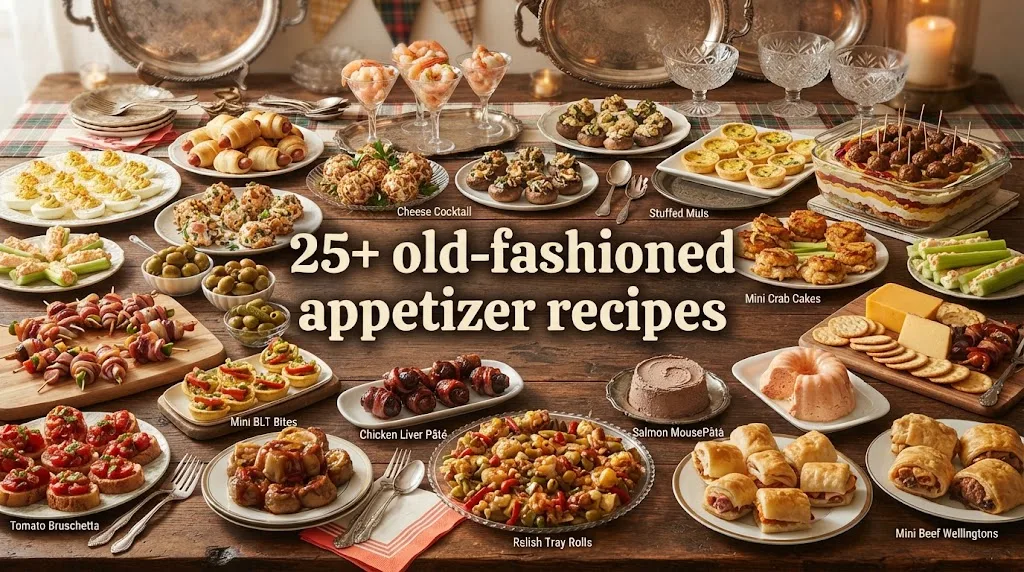
There is something special about an old-fashioned appetizer spread. Maybe it is the familiar smell of deviled eggs in the kitchen, a plate of stuffed celery beside a bowl of cheese spread, or a tray of little sandwiches that disappears before dinner even starts. These foods do more than fill a table. They bring back the relaxed, generous style of entertaining where people gathered around the kitchen, passed plates, and stayed awhile.
The best old-fashioned appetizers are also surprisingly practical. Most use simple ingredients, familiar flavors, and techniques that do not require fancy equipment. You can prepare many of them ahead of time, which makes them perfect for holidays, family reunions, game-day gatherings, birthday parties, church suppers, and casual weekends with friends.
This guide brings those classic ideas together while giving them a useful modern touch. You will find traditional recipes, serving suggestions, make-ahead advice, presentation tips, ingredient swaps, common mistakes, and answers to the questions home cooks often ask. Whether you want the exact feeling of a vintage party table or simply need inexpensive appetizers everyone will recognize, these recipes give you plenty of ways to start.
Classic Deviled Eggs for a Retro Party Table
Deviled eggs are one of the easiest ways to make a gathering feel instantly nostalgic. They are inexpensive, familiar, and easy to customize without losing their classic character.
For about 12 deviled egg halves, start with 6 large eggs. Place them in a saucepan, cover them with water, bring the water to a boil, then remove the pan from the heat and let the eggs sit covered for about 10–12 minutes. Cool them in ice water before peeling.
Slice the eggs lengthwise and carefully remove the yolks. Mash the yolks with:
- 3 tablespoons mayonnaise
- 1 teaspoon yellow mustard
- 1 teaspoon sweet pickle relish
- A small pinch of salt
- A little black pepper
Spoon or pipe the filling back into the whites. Finish with a light sprinkle of paprika.
Styling tip: Do not drown the eggs in paprika. A tiny dusting gives them the classic look without overpowering the filling.
For a smoother filling, press the yolks through a fine-mesh strainer before mixing. If you want a slightly sharper flavor, replace some of the yellow mustard with Dijon mustard.
One practical trick makes a big difference: peel the eggs only after they have cooled thoroughly. Older eggs often peel more easily than extremely fresh eggs, so eggs that have spent several days in the refrigerator can be a good choice for this recipe.
Old-Fashioned Cheese Ball With Crackers
A classic cheese ball belongs on almost any vintage-inspired appetizer table. It is especially useful when you need something that can be prepared several hours before guests arrive.
A simple version starts with softened cream cheese and shredded sharp cheddar. Mix 8 ounces of cream cheese with about 1 cup of shredded cheddar, 2 tablespoons of finely chopped onion, 1 tablespoon of Worcestershire sauce, and a pinch of garlic powder.
Shape the mixture into a ball and refrigerate it until firm. Before serving, roll it in finely chopped pecans or walnuts.
Serve the cheese ball with:
- Buttery round crackers
- Wheat crackers
- Celery sticks
- Carrot sticks
- Apple slices
The secret to a good cheese ball is temperature. Cream cheese should be soft enough to mix smoothly but not warm enough to become greasy.
You can also make the cheese ball a day ahead. Wrap it tightly, refrigerate it, and add the nut coating shortly before serving. That keeps the coating crisp and attractive.
For a more traditional flavor, use sharp cheddar rather than mild cheddar. The stronger cheese gives the spread character without requiring a long list of ingredients.
Deviled Ham and Classic Tea Sandwiches
Small sandwiches were a favorite choice for old-fashioned luncheons, showers, afternoon gatherings, and holiday buffets. They are still useful today because guests can pick one up without needing a plate and fork.
For a simple deviled ham spread, combine finely chopped cooked ham with mayonnaise, yellow mustard, sweet pickle relish, and a little finely chopped onion. Spread a thin layer between slices of soft white or wheat bread.
Trim away the crusts if you want a more traditional tea-sandwich appearance. Cut each sandwich into triangles or small rectangles.
Other classic fillings include:
- Egg salad with mustard
- Tuna salad with pickle relish
- Chicken salad with celery
- Cream cheese and cucumber
- Pimento cheese
- Ham and sharp cheddar
Keep the fillings fairly thick. A watery sandwich filling quickly makes bread soggy.
For cucumber sandwiches, lightly salt the cucumber slices and let them drain on paper towels before assembling. This simple step removes excess moisture and helps the sandwiches stay firm.
Serving advice: Arrange several varieties together rather than placing each filling on a separate platter. A mixed sandwich tray looks abundant and encourages guests to sample more than one.
Pimento Cheese Spread That Tastes Like Home
Pimento cheese is a Southern classic that works beautifully as a spread, dip, sandwich filling, or stuffed vegetable topping.
For an easy batch, combine 8 ounces of shredded sharp cheddar, 4 ounces of softened cream cheese, about 1/3 cup mayonnaise, 2–3 tablespoons of chopped pimentos, and a little black pepper. Mix until creamy but still textured.
Some traditional versions use only cheddar, mayonnaise, pimentos, and seasonings. Others add cream cheese for a softer consistency. Both approaches work.
The most important choice is the cheese. Freshly shredded cheddar usually melts into the mixture more naturally than pre-shredded cheese, which often contains anti-caking ingredients.
Serve pimento cheese with crackers, celery, cucumber rounds, or toasted bread. You can also spread it onto small slices of bread for easy finger sandwiches.
For an elegant party presentation, place the pimento cheese in a shallow serving bowl and garnish it with a few chopped pimentos. Keep the garnish simple. The bright red pimentos already provide plenty of color.
Stuffed Celery and Other Simple Vegetable Bites

Not every appetizer needs to be complicated. Stuffed celery is a perfect example of how a few inexpensive ingredients can create a recognizable party snack.
Wash and dry celery stalks thoroughly, then cut them into pieces about 2–3 inches long. Fill the center with cream cheese, pimento cheese, cheese spread, or another thick savory filling.
For a classic cream cheese filling, mix softened cream cheese with a little grated onion, paprika, and black pepper. A small amount of Worcestershire sauce can add extra savory depth.
Other vegetables can receive the same treatment:
- Cucumber rounds topped with cream cheese
- Radish slices with butter and salt
- Cherry tomatoes filled with seasoned cheese
- Bell pepper strips with vegetable dip
- Carrot sticks served with creamy dip
These appetizers are especially helpful when your table already contains rich foods. Crisp vegetables add color and contrast.
A common mistake is filling the celery too far in advance. Moisture can collect in the bottom of the dish and make the vegetables limp. For the best texture, prepare the filling ahead but assemble the celery closer to serving time.
Classic Pickle and Olive Appetizer Ideas
Pickles and olives may look almost too simple, but they have a valuable place on an old-fashioned appetizer tray. Their salty, tangy flavor balances rich foods such as cheese, eggs, and creamy spreads.
Create an easy relish tray with dill pickles, sweet pickles, green olives, black olives, pickled vegetables, and sliced radishes.
For a more decorative presentation, arrange the items in separate groups rather than mixing everything together. This makes the tray look organized and lets guests choose exactly what they like.
You can also make simple pickle-and-cheese bites. Fold a small piece of sliced ham around a pickle spear and secure it with a toothpick. Another option is to place a cube of cheddar and a green olive on each toothpick.
Expert presentation tip: Use a shallow platter rather than a deep bowl. Classic appetizers look more inviting when guests can see every choice immediately.
Keep pickles and olives chilled until close to serving. Drain them well before placing them on the platter so their brine does not run into nearby foods.
Vintage Meatball Appetizers With a Sweet-Savory Glaze
Small meatballs have earned their place at countless family parties because they are hearty, inexpensive, and easy to keep warm.
For a basic appetizer meatball mixture, combine ground beef with breadcrumbs, an egg, finely minced onion, salt, pepper, and a little Worcestershire sauce. Form small balls and cook them until they reach a safe internal temperature.
The nostalgic glaze is often sweet and tangy. You can make one by combining chili sauce with grape jelly and heating it until smooth. Toss the cooked meatballs in the warm sauce before serving.
If you prefer a less sweet version, use barbecue sauce with a little grape jelly or cranberry sauce. The goal is a balanced glaze rather than a sauce that tastes purely sugary.
Keep the meatballs bite-sized. Large meatballs are better suited to dinner, while smaller ones work naturally for appetizers.
A slow cooker can keep cooked meatballs warm during a party, but do not use it as a substitute for thoroughly cooking the meat. Cook the meatballs first, then transfer them to the slow cooker with the sauce.
Classic Cheese and Cracker Combinations
Sometimes the most satisfying appetizer is simply good cheese served with the right cracker. This approach also gives you one of the easiest ways to build a traditional appetizer board without spending hours in the kitchen.
Choose two or three cheeses with different flavors and textures. Sharp cheddar, Swiss, Monterey Jack, and a mild cream cheese spread all work well.
Add several types of crackers:
- Buttery round crackers
- Wheat crackers
- Water crackers
- Rye crisps
- Seeded crackers
Then add one or two contrasting items such as grapes, apple slices, pickles, or olives.
Avoid covering the entire platter with dozens of ingredients. A crowded board can look messy and makes it harder for guests to identify what they are eating.
Instead, leave some open space around each group. This simple styling technique makes an inexpensive spread appear more polished.
If you are serving cheese at room temperature, give firm cheeses some time outside the refrigerator before guests arrive. Cold cheese has less aroma and often tastes flatter.
Vintage Hot Appetizers for Holiday Gatherings
Cold appetizers are convenient, but hot appetizers bring comfort to a winter gathering. Classic choices include stuffed mushrooms, baked cheese bites, mini sausages, spinach dip, and hot crab-style spreads.
Stuffed mushrooms are particularly easy. Remove the stems from white or cremini mushrooms and fill the caps with a mixture of breadcrumbs, Parmesan, minced garlic, parsley, and softened butter. Bake until the mushrooms are tender and the tops are lightly browned.
For a richer version, add finely chopped cooked bacon or sausage.
Mini sausages can be warmed in a tangy sauce made from barbecue sauce and a small amount of mustard. Serve them with toothpicks so guests can help themselves.
When preparing hot appetizers, timing matters. Food that sits too long in a hot oven can dry out, while food served immediately after baking often has the best texture.
Prepare the fillings ahead of time whenever possible. Then assemble and bake the appetizers shortly before serving.
Affordable Appetizers for a Large Crowd

Old-fashioned party foods are often budget-friendly because they rely on ingredients that stretch well. That makes them especially useful for large family gatherings.
Eggs, potatoes, bread, cream cheese, cheddar, celery, crackers, and ground meat can all become substantial appetizers without requiring expensive specialty ingredients.
For a crowd, consider making:
- Deviled eggs
- Pimento cheese with crackers
- Ham or egg salad sandwiches
- Cheese and pickle trays
- Stuffed celery
- Meatballs
- Potato bites
- Vegetable platters with dip
Think about balance rather than quantity alone. A platter containing only creamy and cheesy foods can feel heavy, while adding fresh vegetables and pickled items creates contrast.
For a party of many people, it is usually smarter to offer several small varieties than one enormous appetizer. Guests tend to sample different foods, so variety makes the table feel generous.
Another useful strategy is to choose recipes that share ingredients. Cheddar can appear on a cheese board and in sandwiches. Celery can go into chicken salad and also appear on a vegetable tray. This reduces waste and simplifies shopping.
Make-Ahead Appetizers That Save Time
The best party food is often the food you can prepare before the guests arrive. Several traditional appetizers are ideal for advance preparation.
Deviled eggs can be assembled several hours ahead and refrigerated in a covered container. Cheese balls can usually be made a day ahead. Sandwich fillings can also be prepared in advance, although the sandwiches themselves are best assembled closer to serving.
You can organize your preparation like this:
The day before: Make cheese balls, dips, sandwich fillings, and meatball sauce.
Several hours before: Cook and cool eggs, prepare vegetable trays, and assemble dishes that hold well.
One to two hours before: Assemble sandwiches and stuffed vegetables that do not become soggy quickly.
Just before serving: Add crackers, garnishes, crispy toppings, and hot appetizers.
Keep perishable foods refrigerated until you are ready to serve them. For a longer gathering, replace smaller serving dishes as needed rather than allowing the entire supply to sit out for hours.
This approach also gives you time to enjoy your own party. That is one of the biggest advantages of choosing traditional appetizers in the first place.
How to Build an Old-Fashioned Appetizer Tray
A good appetizer tray does not need to look like a professional catering display. It should feel generous, inviting, and easy to navigate.
Start with one main item, such as deviled eggs, a cheese ball, or a bowl of pimento cheese. Then add foods that provide different textures and flavors.
A balanced tray might include:
- One creamy item
- One hearty item
- One cheese
- One crunchy vegetable
- One pickled item
- Crackers or bread
- A small sweet or fruity accent
Think about color, too. Pale cheese, crackers, and eggs can make a platter look dull. Green olives, red pimentos, grapes, radishes, parsley, and colorful vegetables immediately brighten it.
Use small bowls for wet ingredients such as olives and pickles. This prevents brine from spreading across crackers and cheese.
Most importantly, keep serving utensils close to each dish. Guests should not have to guess how to serve themselves.
Common Mistakes When Making Retro Party Appetizers
Even simple recipes can go wrong when preparation gets rushed. Fortunately, most mistakes are easy to prevent.
Overmixing: Some spreads become heavy and pasty when mixed too aggressively. Stop when the ingredients are evenly combined.
Too much seasoning: Traditional appetizers usually rely on familiar flavors. Add salt gradually, especially when using ham, cheese, pickles, olives, or Worcestershire sauce.
Soggy bread: Wet sandwich fillings should never sit between bread for hours. Drain vegetables and assemble sandwiches closer to serving.
Overcooking eggs: A gray-green ring around the yolk usually indicates overcooking. Cool hard-boiled eggs promptly after cooking.
Ignoring temperature: Cream cheese spreads are easier to mix when softened, while perishable foods need refrigeration for safe storage.
Overloading the table: More food does not always mean a better presentation. A few well-arranged dishes usually look more appealing than a crowded table.
Forgetting texture: If every appetizer is soft and creamy, guests quickly lose interest. Pair smooth dips with crisp crackers, fresh vegetables, or crunchy nuts.
How to Modernize Traditional Appetizers Without Losing Their Charm
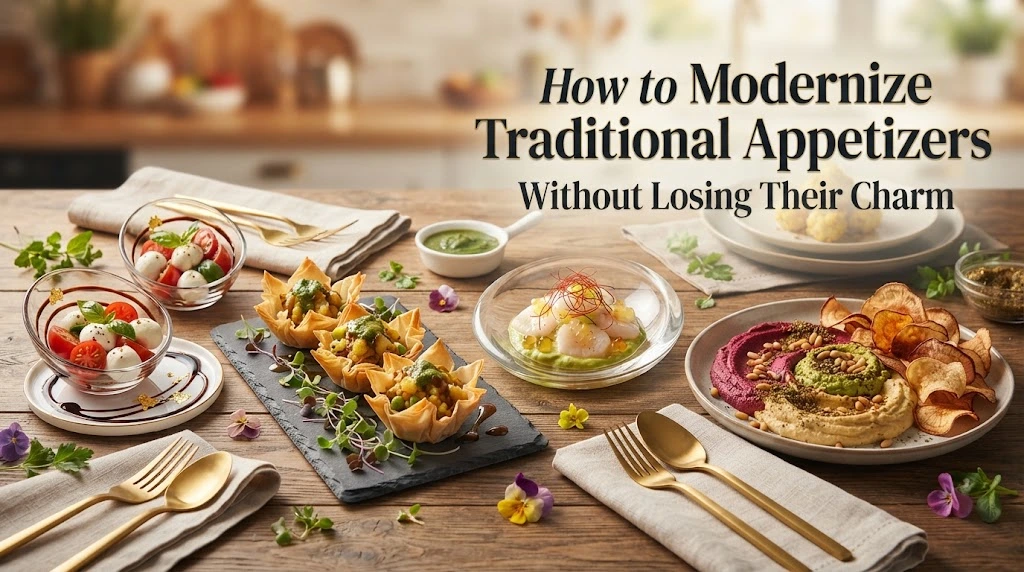
You do not have to change classic appetizers dramatically to make them feel fresh. Small adjustments can improve flavor while keeping the nostalgic spirit intact.
Try adding fresh herbs to a cheese spread, using sharp cheddar instead of mild cheese, or replacing some mayonnaise with Greek yogurt in a creamy dip. These changes can make familiar recipes taste brighter without turning them into completely different dishes.
Presentation also makes a major difference. Serve deviled eggs on a simple ceramic platter, arrange sandwiches in neat rows, or put a cheese ball on a wooden board with fresh vegetables around it.
For a modern party, you can create individual portions. Place pimento cheese in small cups with crackers, or serve a single deviled egg on each small appetizer plate.
The trick is restraint. If you change every ingredient and every presentation detail, the food stops feeling old-fashioned. Keep the recognizable flavor, then make one or two thoughtful improvements.
This is also where personal preference matters. A family recipe does not need to be updated simply because a newer version exists. Sometimes the best modernization is simply better ingredients and cleaner presentation.
Frequently Asked Questions About Old-Fashioned Appetizer Recipes
What are the most popular old-fashioned appetizers?
Deviled eggs, cheese balls, pimento cheese, stuffed celery, tea sandwiches, meatballs, cheese-and-cracker trays, pickle plates, and stuffed mushrooms are among the most recognizable traditional party appetizers.
The best choice depends on the occasion. For a holiday buffet, combine cold and hot foods. For an afternoon gathering, tea sandwiches, cheese spreads, vegetables, and deviled eggs work especially well.
What appetizers can I make the day before a party?
Cheese balls, pimento cheese, many dips, meatball sauces, sandwich fillings, and some deviled egg components can be prepared ahead.
Store prepared foods properly in the refrigerator and assemble items such as sandwiches and vegetable bites closer to serving when texture matters.
What are inexpensive old-fashioned appetizers for a crowd?
Deviled eggs, cheese-and-cracker trays, stuffed celery, egg salad sandwiches, pimento cheese, pickles, and simple meatballs can feed a large group without requiring costly ingredients.
Choose recipes that use overlapping ingredients to reduce shopping costs and food waste.
What appetizers were common at old-fashioned family parties?
Family parties often featured familiar finger foods such as deviled eggs, sandwiches, cheese spreads, pickles, olives, vegetables with dip, meatballs, and simple baked appetizers.
The exact selection varied by family, region, and era, so there is no single historical party menu that applies everywhere.
How far ahead can I make deviled eggs?
You can generally prepare deviled eggs several hours before serving and keep them refrigerated. For the best appearance, cover them well so the filling does not dry out or absorb refrigerator odors.
If you are transporting them, use a container designed to keep the eggs from sliding around.
How do I make a retro appetizer table look elegant?
Use simple serving dishes, leave some open space between foods, and add color through vegetables, herbs, fruit, olives, and pimentos.
You do not need expensive decorations. Coordinated platters, neat portions, and thoughtful placement often create a more attractive table than elaborate styling.
What should I serve with old-fashioned appetizers?
Build contrast into the menu. Pair creamy spreads with crisp crackers, rich cheese with pickles or fruit, hearty meatballs with fresh vegetables, and soft sandwiches with crunchy crudités.
For a complete gathering, offer a mixture of cold, hot, creamy, crunchy, savory, and tangy foods so guests have plenty of choices.
Conclusion
The charm of traditional appetizers comes from their simplicity. They do not need exotic ingredients, complicated techniques, or elaborate decorations to make people happy. A well-made deviled egg, a creamy cheese ball, a crisp pickle, or a small sandwich can create the same warm feeling as a much more complicated dish.
The smartest approach is to choose a few dependable favorites and build variety around them. Include something creamy, something crunchy, something hearty, and something fresh or tangy. Prepare as much as you reasonably can ahead of time, then focus on keeping the presentation neat and inviting.
Most of all, let the food feel welcoming rather than perfect. The greatest old-fashioned appetizer tables were never about showing off. They were about putting good food within reach and giving people a reason to gather around the table. That is exactly why these classics still deserve a place at modern parties.