Choosing a career in fashion often begins with a simple dream: creating something beautiful that makes people feel confident. Many aspiring designers imagine seeing their clothing on runways, in stores, or worn by someone who feels amazing because of their work. But behind the creativity, passion, and style is an important question every future designer asks: how much can I actually earn?
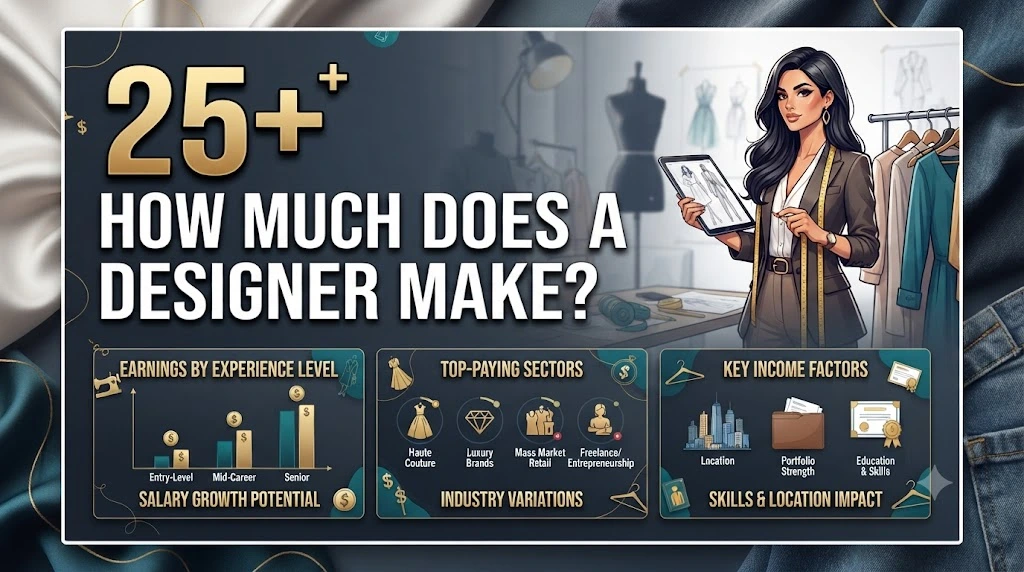
The answer depends on many things, including experience, location, education, fashion niche, business skills, and whether a designer works for a company or builds their own brand. A beginner fashion designer may start with a modest income while learning the industry, but an experienced designer with strong skills and a recognizable name can earn a much higher salary.
The fashion world rewards more than artistic talent. Successful clothing designers combine creativity with market knowledge, technical skills, trend awareness, and business understanding. They know how to create designs people want to buy, manage production, work with fabrics, and understand customer needs.
This guide explains clothing designer salaries in detail, including beginner earnings, average income, freelance opportunities, luxury fashion careers, and the factors that help designers increase their earning potential. Whether you are a student exploring fashion design, a creative professional planning a career change, or someone curious about the fashion industry, this article will give you a clear picture of what designers can realistically earn.
Average Clothing Designer Salary and Income Overview
The average income of a clothing designer varies widely because fashion includes many different career paths. A designer working for a large fashion company may have a steady salary, while a freelance designer or brand owner may have income that changes from month to month.
According to industry trends, clothing designers often earn anywhere from entry-level wages to six-figure incomes depending on their experience and reputation. The fashion industry includes positions such as apparel designer, costume designer, textile designer, fashion illustrator, technical designer, and creative director.
Several factors influence a designer’s yearly earnings:
- Experience level: New designers usually earn less while building their portfolio and industry connections.
- Location: Fashion hubs often provide higher-paying opportunities.
- Specialization: Luxury fashion and technical design roles can offer stronger earning potential.
- Employment type: Full-time designers may receive benefits, while freelancers control their rates.
- Brand reputation: Designers with successful labels can earn significantly more.
A clothing designer’s income is not only based on drawing sketches or creating outfits. Modern designers often handle trend research, customer analysis, digital design tools, fabric selection, and collaboration with manufacturers.
For example, a designer working for a popular clothing retailer may focus on creating seasonal collections for thousands of customers. Meanwhile, an independent designer may create limited collections, build a personal brand, and sell directly through online platforms.
The fashion industry also rewards designers who continue learning. Understanding sustainable fashion, digital fashion tools, e-commerce, and consumer behavior can create more opportunities and increase earning potential.
How Much Does a Beginner Clothing Designer Make
Starting a career in fashion can feel exciting and challenging at the same time. Beginner clothing designers usually earn less than experienced professionals because they are still developing their skills, building connections, and learning how the industry works.
A new clothing designer may begin as an assistant designer, junior apparel designer, design intern, or fashion production assistant. These roles help beginners understand the complete design process, from creating concepts to producing finished garments.
Entry-level clothing designer earnings often depend on:
- Educational background.
- Portfolio quality.
- Internship experience.
- Computer-aided design skills.
- Knowledge of fabrics and garment construction.
- Location and employer size.
Many beginner designers improve their income by developing skills in areas such as:
- Fashion illustration.
- Pattern making.
- Sewing techniques.
- Adobe Illustrator and Photoshop.
- 3D clothing design software.
- Trend forecasting.
A common mistake new designers make is focusing only on creativity while ignoring the business side of fashion. A beautiful design has more value when the designer understands pricing, production costs, and customer preferences.
For example, a beginner designer who knows how to create stylish clothing while considering manufacturing costs becomes more valuable to an employer. Fashion companies need designers who can create attractive products that also make business sense.
Building a strong portfolio is one of the best ways for beginners to improve career opportunities. A portfolio should show different skills, including sketches, completed garments, fabric choices, mood boards, and examples of creative problem-solving.
Many successful designers did not start with high salaries. They grew by gaining experience, learning from mentors, and improving their craft over time.
Clothing Designer Salary by Experience Level
Experience plays one of the biggest roles in determining a clothing designer’s income. Fashion is a skill-based industry where knowledge, reputation, and professional connections can significantly affect earning potential.
A typical career path may look like this:
Entry-Level Designer
New designers often spend their first years learning industry standards. They may assist senior designers, create basic concepts, organize samples, and support product development teams.
At this stage, the focus should be on gaining practical experience rather than chasing the highest salary immediately.
Mid-Level Designer
After several years of experience, designers usually take more responsibility. They may lead projects, create complete collections, communicate with manufacturers, and make important design decisions.
Mid-level designers often earn more because they understand both creativity and production.
Senior Designer
Experienced designers may manage design teams, develop brand identity, and guide major fashion collections. Their knowledge of trends, customers, and business strategy makes them valuable.
Creative Director
Creative directors sit at the highest levels of many fashion companies. They oversee the overall vision of a brand, including clothing collections, marketing direction, and visual identity.
A designer’s career growth often depends on more than years worked. Someone who actively develops skills, builds relationships, and understands the market may progress faster than someone who only completes daily tasks.
Clothing Designer Salary by Industry and Fashion Sector
The fashion industry includes many sectors, and each one offers different earning opportunities. A clothing designer’s salary can change depending on the type of clothing they create and the customers they serve.
Some major fashion sectors include:
Luxury Fashion
Luxury designers create premium clothing using expensive materials, detailed craftsmanship, and exclusive designs. These roles often require strong experience and a deep understanding of fashion history, customer expectations, and brand storytelling.
Luxury fashion can offer high earning potential, especially for designers who build a respected name.
Retail Fashion
Retail designers create clothing for large audiences. They focus on current trends, affordability, production speed, and customer demand.
Retail fashion provides many job opportunities because brands constantly need fresh designs for seasonal collections.
Sustainable Fashion
Sustainable fashion has grown rapidly as consumers become more aware of environmental issues. Designers who understand ethical materials, responsible production, and eco-friendly practices can find new opportunities.
Sportswear and Activewear
Sportswear designers create functional clothing that combines comfort, performance, and style. This sector continues to grow because consumers want clothing that fits active lifestyles.
Costume and Entertainment Fashion
Costume designers create clothing for films, television, theater, and performances. These designers need strong storytelling skills because clothing helps communicate characters and emotions.
Each sector requires different skills, but designers who develop specialized knowledge often create stronger career opportunities.
Freelance Clothing Designer Earnings and Self-Employment Income
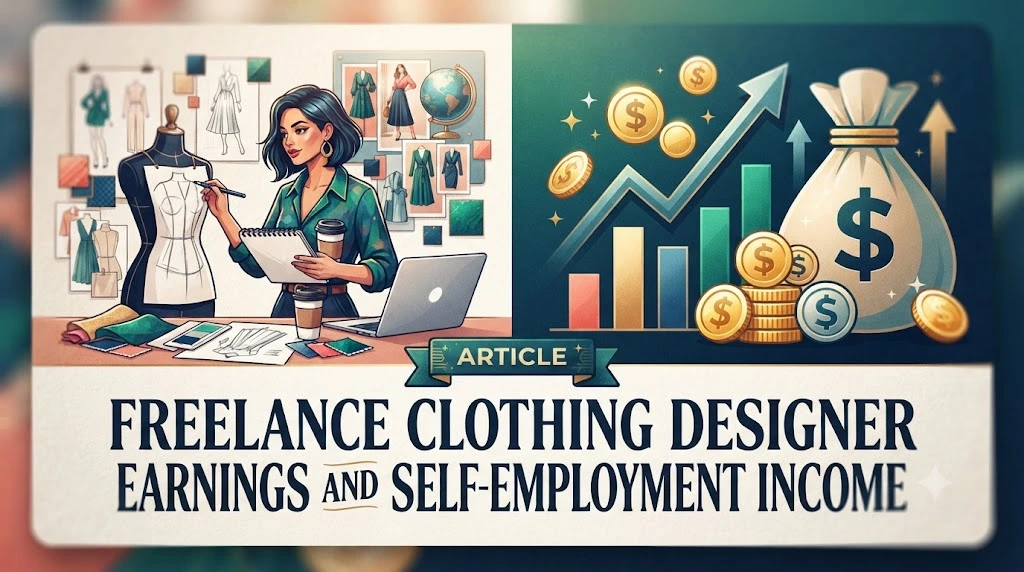
Many clothing designers choose freelancing because it gives them more creative freedom and control over their projects. Instead of working for one fashion company, freelance designers work with different clients, brands, startups, and individual customers.
Freelance income can vary greatly. Some designers earn a small amount while building their reputation, while experienced freelancers with strong portfolios can charge premium rates for their expertise.
A freelance clothing designer may earn money through:
- Custom clothing designs.
- Fashion collection development.
- Pattern creation.
- Styling projects.
- Brand consulting.
- Fashion illustrations.
- Design workshops.
- Online design services.
One major advantage of freelancing is the ability to create multiple income streams. A designer who only depends on client projects may face inconsistent income, but a designer who sells digital patterns, teaches courses, creates clothing collections, or collaborates with brands can build more financial stability.
However, freelancing also comes with challenges. Designers must manage their own marketing, contracts, client communication, pricing, and deadlines. Creative talent alone does not guarantee success.
A common mistake among new freelance designers is charging too little. Many beginners underestimate the value of their time and skills. A professional designer should consider research time, creative development, revisions, material knowledge, and industry experience when setting prices.
Successful freelance designers usually focus on building:
- A professional portfolio.
- A recognizable personal style.
- Strong client relationships.
- Good communication skills.
- Business and financial knowledge.
For example, a freelance designer specializing in custom bridal wear may earn more per project than a general clothing designer because they offer a specialized service with high emotional value.
The biggest opportunity in freelancing comes from building a trusted name. When clients recognize a designer’s quality and creativity, they often return and recommend their services to others.
How Much Do Fashion Designers Make With Their Own Clothing Brand
Starting a clothing brand is one of the most attractive paths for creative designers. It allows them to turn their ideas into products and build a business around their personal vision.
However, owning a fashion brand is different from working as an employee. A brand owner does not receive a fixed salary. Instead, income comes from profits after covering expenses such as materials, manufacturing, marketing, packaging, shipping, and business operations.
A clothing brand’s earning potential depends on:
- Product quality.
- Brand identity.
- Customer loyalty.
- Pricing strategy.
- Marketing efforts.
- Production costs.
- Online presence.
Some independent designers earn modest profits for years before their brand becomes successful. Others experience rapid growth when they create a product that connects strongly with customers.
A successful clothing brand owner usually understands both fashion and business. They know how to design attractive products while also managing:
- Inventory.
- Supplier relationships.
- Customer service.
- Digital marketing.
- Social media growth.
- Sales strategies.
For example, a designer creating handmade luxury dresses may have fewer customers but higher profit margins. Another designer selling affordable everyday clothing may earn through larger sales volume.
A common mistake new fashion entrepreneurs make is launching too many products too quickly. Starting with a focused collection allows designers to test customer interest, improve quality, and manage costs more effectively.
Building a brand requires patience. A strong fashion label grows through trust, consistent quality, and meaningful connections with customers.
Clothing Designer Salary by Location and Country
Location plays a major role in fashion salaries because some cities have stronger fashion industries, higher living costs, and more career opportunities.
Fashion designers often find more opportunities in major fashion centers such as:
- New York.
- Paris.
- Milan.
- London.
- Los Angeles.
- Tokyo.
These cities attract international fashion companies, luxury brands, creative agencies, and manufacturing networks.
A designer working in a major fashion city may earn more because companies compete for skilled professionals. However, living expenses in these areas are also usually higher.
Designers working in smaller cities may earn less on average but can still build successful careers through remote work, online businesses, and independent brands.
Today, technology has changed the fashion industry. Designers no longer need to live in a major fashion capital to reach customers worldwide. Many successful designers use:
- Online stores.
- Social media marketing.
- Digital fashion tools.
- Remote collaboration.
- E-commerce platforms.
For example, a designer living in a small town can create a global customer base through an online clothing brand. Digital tools have made fashion more accessible than ever before.
When considering location, designers should look beyond salary alone. Access to networking opportunities, mentors, suppliers, and creative communities can also influence long-term success.
Skills That Help Clothing Designers Earn More Money
Fashion design is a competitive field, and designers who develop a wider skill set often create better earning opportunities. Creativity is important, but modern designers need a combination of artistic, technical, and business abilities.
The most valuable skills include:
Strong Design Ability
A designer needs the ability to create original concepts, understand proportions, select colors, and develop attractive clothing ideas.
Fabric Knowledge
Understanding different fabrics helps designers choose materials that match the purpose, comfort level, and quality expectations of a garment.
Technical Design Skills
Technical designers understand garment construction, measurements, patterns, and production details. These skills make designers more valuable to fashion companies.
Digital Fashion Skills
Many brands now use digital tools for fashion development. Knowledge of programs like Adobe Illustrator, Photoshop, and 3D design software can improve career opportunities.
Trend Forecasting
Successful designers understand what customers may want in the future. They study cultural changes, fashion trends, consumer behavior, and market demands.
Business Knowledge
Designers who understand pricing, marketing, branding, and customer psychology have an advantage.
A talented designer who ignores business skills may struggle to turn creativity into income. On the other hand, a designer who combines artistic talent with practical knowledge can build a stronger career.
Experts often recommend that aspiring designers continue learning throughout their careers. Fashion changes quickly, and professionals who adapt usually find more opportunities.
Education and Training Impact on Clothing Designer Income
Education can influence a clothing designer’s career opportunities, although talent and experience also matter greatly. Many employers prefer candidates with formal fashion training because it shows knowledge of design principles and industry practices.
Common educational paths include:
- Fashion design degrees.
- Apparel design programs.
- Textile courses.
- Fashion merchandising programs.
- Technical design certifications.
Fashion schools often teach:
- Drawing and illustration.
- Sewing and garment construction.
- Pattern making.
- Fashion history.
- Textile science.
- Computer-aided design.
- Portfolio development.
A strong education can help designers build confidence and connect with industry professionals. Internships and networking opportunities during school can also lead to future job offers.
However, education alone does not guarantee high earnings. The fashion industry values practical ability, creativity, and real-world experience.
A designer with a strong portfolio and excellent skills may succeed even without a traditional degree. Many employers care more about what a designer can create than where they studied.
The best approach is combining education with hands-on experience. Learning from professionals, creating personal projects, and staying updated with industry trends can significantly improve earning potential.
Luxury Clothing Designer Earnings and High-End Fashion Careers
Luxury fashion represents one of the most prestigious areas of the clothing industry. Designers in this field create exclusive garments, premium collections, and unique fashion experiences for customers who value craftsmanship and originality.
Luxury clothing designers often work with expensive fabrics, skilled artisans, and detailed production methods. Their work requires a strong understanding of fashion history, customer expectations, brand identity, and artistic storytelling.
Income in luxury fashion can vary greatly. A junior designer at a luxury fashion house may earn a comfortable professional salary, while a well-known designer leading a global brand can earn significantly higher amounts through salary, bonuses, partnerships, and brand ownership.
High-paying luxury fashion roles often include:
- Creative director.
- Head designer.
- Luxury apparel designer.
- Fashion house founder.
- Brand consultant.
- Design manager.
Luxury designers usually develop their careers by gaining experience, building industry connections, and creating a recognizable design style.
A common misunderstanding is that luxury fashion success happens overnight. In reality, many successful designers spend years developing their skills, understanding customers, and learning how fashion businesses operate.
For example, a designer who creates a signature style that customers immediately recognize may build strong brand value over time. A unique design identity can become one of the most valuable assets in luxury fashion.
To increase opportunities in luxury fashion, designers should focus on:
- Creating a strong portfolio.
- Understanding premium materials.
- Studying fashion history.
- Building professional relationships.
- Developing excellent craftsmanship.
Luxury fashion rewards creativity, but it also requires discipline, patience, and business awareness.
Highest Paying Clothing Designer Jobs and Career Paths
The fashion industry offers many career options beyond traditional clothing design. Some positions involve direct design work, while others combine creativity with leadership, technology, and business strategy.
Some of the highest-paying fashion careers include:
Creative Director
Creative directors guide the overall vision of a fashion brand. They make decisions about collections, campaigns, and brand identity.
This position requires years of experience because creative directors must understand design, customers, marketing, and business goals.
Fashion Design Manager
Design managers lead teams of designers and coordinate projects. They ensure collections meet quality standards and brand expectations.
Technical Designer
Technical designers focus on garment construction, measurements, fit, and production details. Their skills are highly valuable because they connect creative ideas with manufacturing.
Fashion Consultant
Fashion consultants use their industry knowledge to advise brands, designers, and customers. Experienced consultants can charge high fees for specialized expertise.
Textile Designer
Textile designers create patterns, prints, and fabric concepts. Their work influences the appearance and feel of clothing products.
Costume Designer
Costume designers work in entertainment industries such as movies, television, and theater. They create clothing that supports storytelling and character development.
Career growth often comes from combining creative skills with practical knowledge. Designers who understand technology, customer behavior, and business operations usually have more opportunities.
How Clothing Designers Can Increase Their Income
Many designers want to know how they can move beyond average earnings and create a more successful career. Increasing income usually requires improving skills, expanding opportunities, and building a stronger professional reputation.
Here are effective strategies designers can use:
Build a Strong Personal Brand
A recognizable style helps designers stand out in a competitive market. Customers and companies remember designers who offer something unique.
A personal brand includes:
- Design style.
- Portfolio presentation.
- Online presence.
- Professional reputation.
- Customer experience.
Learn Fashion Technology
Technology has transformed modern fashion. Designers who understand digital tools can work faster and create more advanced designs.
Useful technologies include:
- 3D clothing design.
- Digital pattern making.
- Fashion illustration software.
- Virtual fitting tools.
Create Multiple Income Sources
Relying on one income stream can limit growth. Many successful designers earn through different channels.
Examples include:
- Selling clothing collections.
- Freelance projects.
- Teaching fashion skills.
- Creating digital products.
- Consulting for brands.
Improve Business Skills
A designer who understands profit margins, marketing, and customer behavior has a major advantage.
Fashion is both a creative industry and a business. Knowing how to sell designs is just as important as knowing how to create them.
Build Industry Connections
Networking can open doors to collaborations, job opportunities, and partnerships.
Strong relationships with manufacturers, stylists, photographers, retailers, and other designers can help a career grow faster.
The biggest mistake many designers make is waiting for opportunities instead of creating them. Taking initiative, showcasing work, and connecting with the right people can make a significant difference.
Common Mistakes That Reduce Clothing Designer Income
Many talented designers struggle financially because they focus only on creativity and overlook important career decisions. Avoiding common mistakes can help designers protect their income and build long-term success.
Undervaluing Creative Work
Some designers charge too little because they worry about losing clients. However, constantly underpricing services can prevent growth.
Designers should understand the value of their experience, time, and creative skills.
Ignoring Business Knowledge
A designer may create beautiful clothing but still struggle without understanding costs, pricing, and marketing.
Fashion success requires both artistic ability and business thinking.
Following Every Trend Without Identity
Trends matter, but designers who copy every trend may struggle to build recognition.
Successful designers often balance current trends with their own creative voice.
Neglecting Networking
The fashion industry depends heavily on relationships. Designers who avoid networking may miss valuable opportunities.
Attending fashion events, joining professional communities, and connecting with industry experts can help build a stronger career.
Failing to Update Skills
Fashion constantly changes. Designers who stop learning may fall behind.
Continuing education in technology, sustainability, and consumer behavior can keep designers competitive.
Avoiding these mistakes does not guarantee instant success, but it creates a stronger foundation for career growth.
Is Clothing Design a Good Career for Future Professionals
Clothing design can be a rewarding career for people who enjoy creativity, problem-solving, and visual expression. It allows professionals to turn ideas into products that influence how people feel and present themselves.
The fashion industry continues to evolve because people will always need clothing. However, customer expectations are changing. Modern consumers care about sustainability, comfort, personalization, and ethical production.
Future clothing designers can benefit from understanding:
- Sustainable materials.
- Digital fashion.
- Online retail.
- Consumer psychology.
- Inclusive clothing design.
- Global fashion trends.
The career can be competitive, but it also offers many opportunities for people who combine creativity with determination.
A successful designer does not only create attractive clothing. They solve problems, understand people, and create designs that connect emotionally with customers.
For someone who loves fashion, this career can provide personal satisfaction along with financial opportunities.
The most successful designers usually have three qualities:
- Creativity to develop original ideas.
- Persistence to overcome challenges.
- Adaptability to follow industry changes.
Fashion is not only about clothing. It is about confidence, identity, culture, and personal expression.
Clothing Designer Career Tips From Fashion Industry Experts
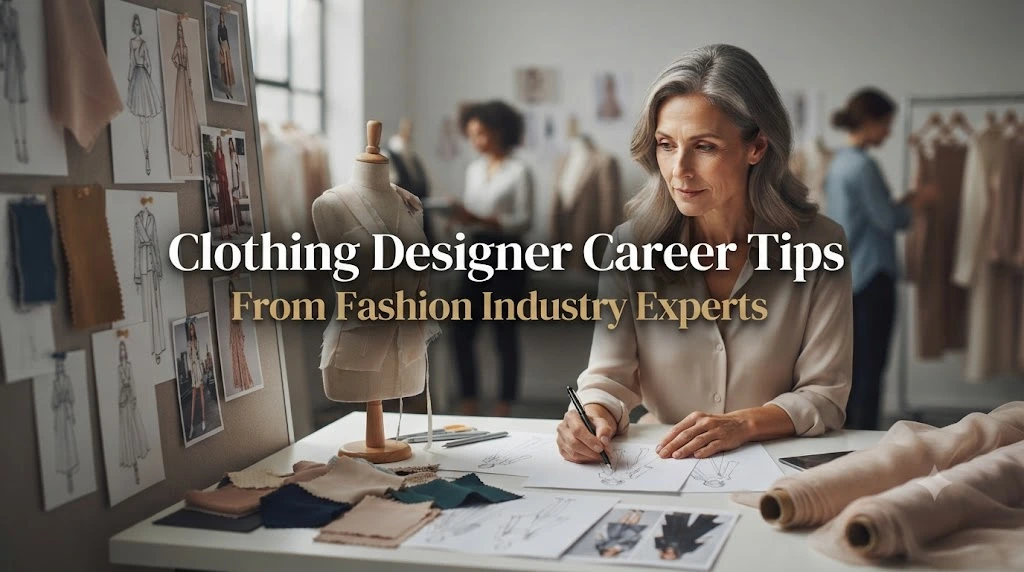
Building a successful fashion career requires patience and continuous improvement. Experienced professionals often recommend focusing on long-term growth rather than chasing quick success.
Here are practical tips for aspiring clothing designers:
Create More Than You Consume
Many beginners spend too much time watching fashion content and not enough time creating. Regular practice improves design ability.
Develop a Professional Portfolio
A portfolio should show your strongest work and demonstrate your design thinking. Include sketches, completed garments, fabric choices, and project explanations.
Study Customers, Not Just Trends
Great designers understand people. Learn why customers choose certain styles, colors, materials, and price points.
Gain Real Experience
Internships, assistant roles, freelance projects, and collaborations provide valuable industry knowledge.
Learn Communication Skills
Designers work with many people, including manufacturers, buyers, models, photographers, and marketing teams. Clear communication improves professional relationships.
Protect Your Creativity
Comparison can limit creativity. Successful designers develop their own perspective instead of copying others.
The fashion industry rewards people who stay curious and continue improving. Every project teaches something new.
Conclusion
A clothing designer’s income depends on much more than creative talent. Experience, location, specialization, business knowledge, and personal branding all influence earning potential.
Beginners may start with entry-level salaries while building skills, but dedicated designers can grow into highly successful professionals. Those who create strong portfolios, understand customers, and adapt to fashion changes often discover more opportunities.
The question of how much does a clothing designer make does not have one simple answer. A designer working for a company may earn a stable salary, while a brand owner or luxury designer may create much larger income opportunities.
Fashion remains a powerful industry because clothing connects with human emotions. A great designer does not simply make garments; they create confidence, memories, and personal expression.
If you are passionate about fashion, focus on developing your skills, learning the business side, and building meaningful connections. With creativity, dedication, and smart career choices, clothing design can become a fulfilling and successful profession.
FAQs About Clothing Designer Salaries and Careers
How much does a clothing designer make per year?
A clothing designer’s yearly income depends on experience, location, industry, and employment type. Beginners usually earn less, while experienced designers, creative directors, and successful brand owners can earn much higher incomes.
Do clothing designers make good money?
Yes, clothing designers can make good money, especially when they develop strong skills, build a reputation, specialize in profitable areas, or create successful fashion brands.
Can a clothing designer become rich?
Some clothing designers achieve significant financial success through luxury fashion brands, business ownership, licensing deals, and strong personal branding. However, success usually requires years of experience and strategic decisions.
What skills help clothing designers earn more?
Important skills include fashion illustration, garment construction, fabric knowledge, digital design, trend forecasting, marketing, and business management.
Is a fashion design degree necessary to earn a high salary?
A fashion degree can help provide training and industry connections, but experience, creativity, portfolio quality, and practical skills often play a major role in career success.
Do freelance clothing designers earn more than employed designers?
Freelance designers may earn more because they can set their own rates and work with multiple clients. However, income can be less predictable compared with a regular job.
What is the future of clothing design careers?
The future of clothing design looks promising because fashion continues to evolve. Designers who understand sustainability, technology, online retail, and changing customer needs will have strong opportunities.